This Invasive Grass Is Quietly Spreading Through Wisconsin Gardens
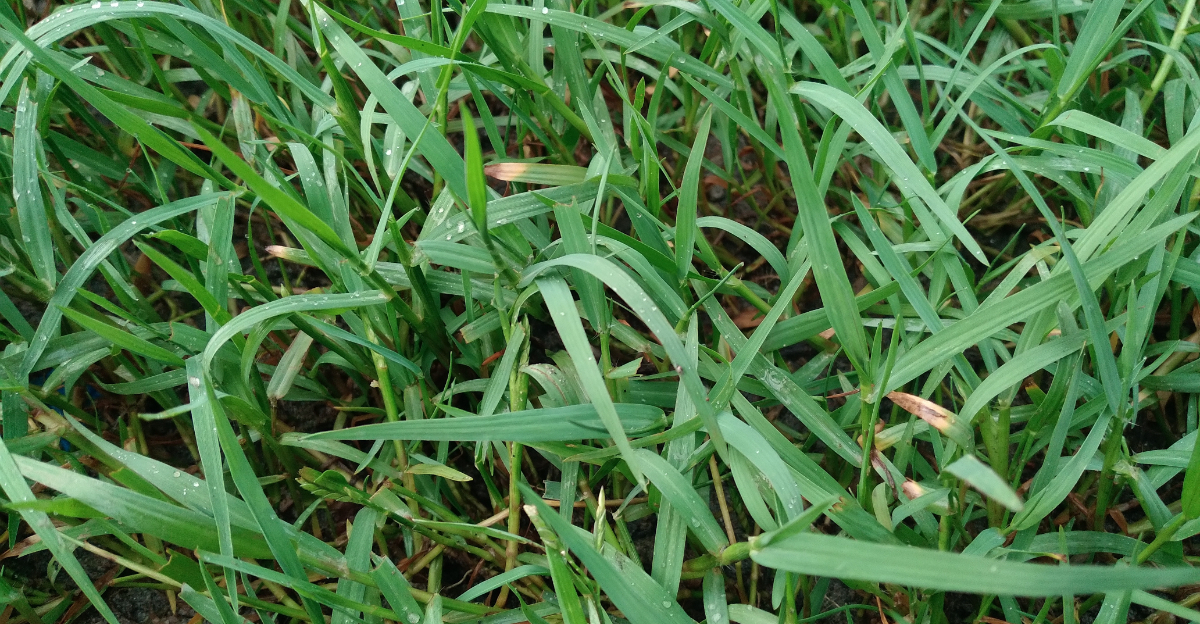
Something is spreading beneath your feet, and you cannot see it. Wisconsin lawns like yours are quietly changing shape. Yards across the state are facing something similar.
Beneath the surface of your soil, something is moving without permission. Pulling at it can make everything much worse. Every fragment left behind quietly becomes something new.
Your instincts tell you to yank it out fast. Ignore that instinct, because this plant thrives on mistakes.
Nobody warned you this requires strategy, not force. Patience matters more than effort in this situation.
Recognizing the signs early gives you truly real control. Waiting only lets it spread deeper through your yard.
Knowledge shifts the balance entirely in your favor. Left alone, it multiplies quickly inside your soil.
Understanding the pattern beneath your yard changes everything. Time matters more than you might expect right now. What happens next will decide whether your entire Wisconsin garden thrives.
Identifying The Invasive Grass In Your Garden
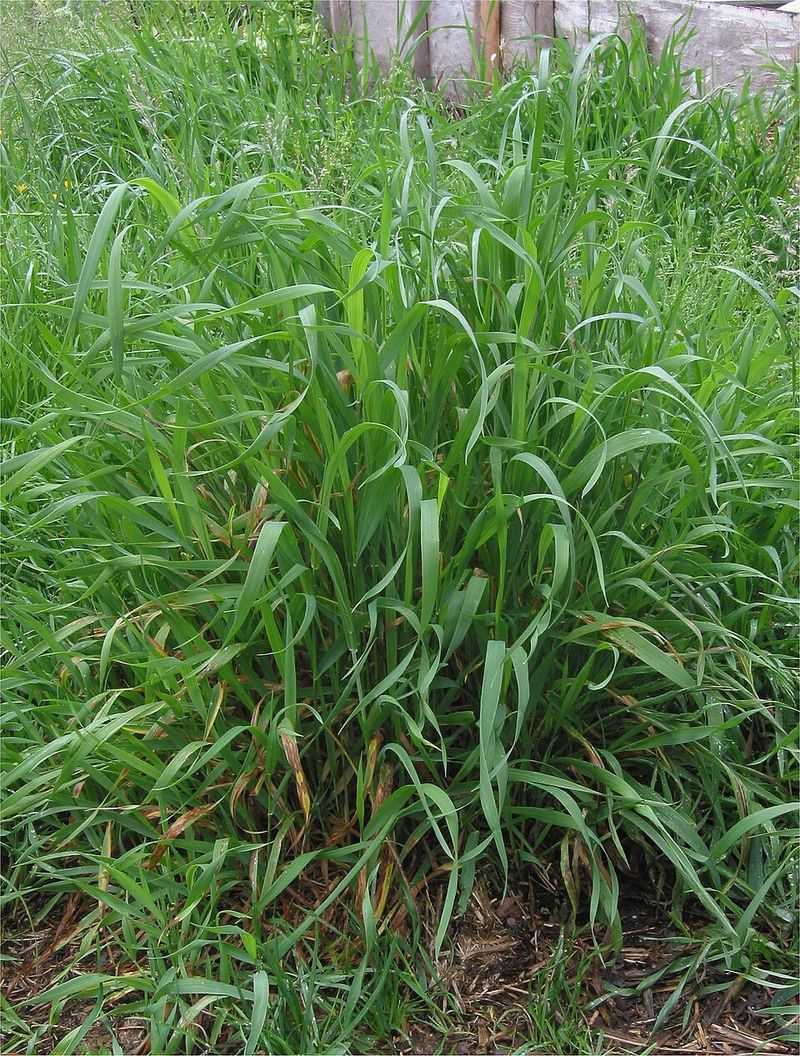
You pull a clump of grass from your flower bed and notice it keeps coming back. That stubborn regrowth is a classic sign you might be dealing with quackgrass, one of the most persistent invasive plants in American gardens today.
Quackgrass looks deceptively ordinary at first glance. Its flat, blue-green blades can easily be confused with common lawn grass, but a few details set it apart from the rest.
Look closely at the base of each leaf blade. You will notice two small claw-like projections called auricles that wrap around the stem, almost like tiny fingers gripping the stalk.
The blades themselves feel slightly rough when you run your finger against the grain. They tend to be wider than typical lawn grass and have a dull, matte finish rather than a shiny surface.
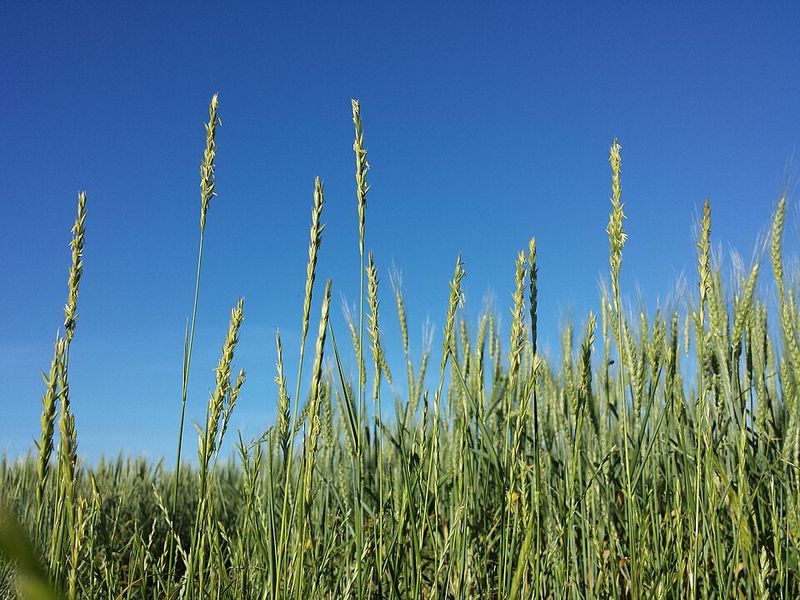
Another giveaway is the seedhead, which resembles wheat and grows in a narrow spike pattern. Seeing that shape in your garden is a strong signal that quackgrass has moved in.
Dig down a few inches near a suspicious clump and look for white or pale yellow underground stems. Those are rhizomes, and they confirm your identification right away.
Catching this invasive grass early makes a significant difference in how hard removal becomes. The sooner you recognize quackgrass, the better your odds of getting ahead of it before it spreads further through your beds and borders.
Why Quackgrass Thrives In Wisconsin Conditions
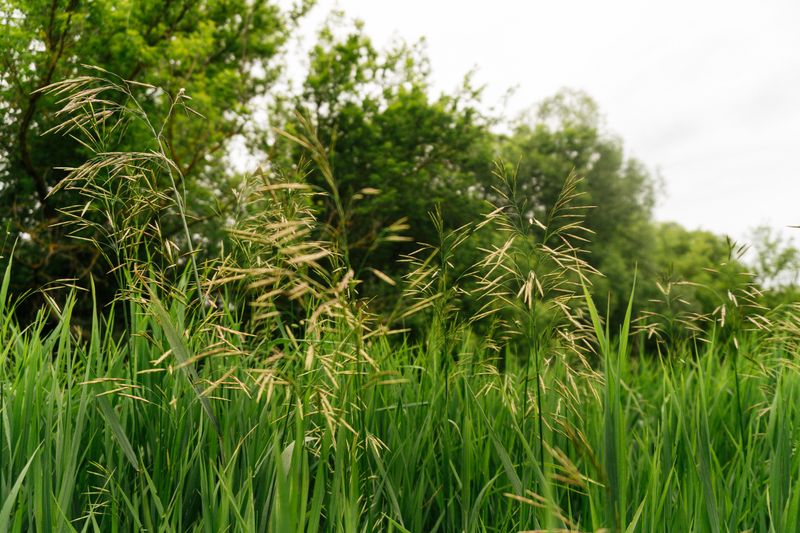
Cool springs and rich glacial soil create a highly favorable environment for quackgrass in the upper Midwest. This invasive grass did not end up here by accident; the regional climate practically rolled out a welcome mat.
Quackgrass is a cool-season plant, meaning it grows fastest when temperatures sit between 50 and 65 degrees Fahrenheit. Those conditions describe a huge portion of the spring and fall gardening calendar in the upper Midwest.
While other weeds slow down in cooler weather, quackgrass speeds up. It gets a head start before most garden plants even wake up from winter dormancy, which gives it a serious competitive edge.
Your Wisconsin Garden Changes Every Week. Your Plan Should Too.
Gardening in Wisconsin changes quickly throughout the season. Every Friday you’ll receive a simple weekly plan showing exactly what to plant, prune, fertilize, harvest, and protect so you never miss the right timing.
The region’s moist soil holds moisture well, and quackgrass loves that. Its deep rhizome network can tap into water reserves that shallower-rooted plants simply cannot reach during dry stretches.
Disturbed ground is another factor that helps this grass thrive here. Gardening activities like tilling and digging break up soil in ways that accidentally spread rhizome fragments, essentially planting new quackgrass for free.
Mulch alone often isn’t enough to stop it. Rhizomes can push through thin layers of wood chips, though thicker layers combined with a barrier like cardboard are more effective (see removal steps below).
Understanding why local conditions favor this plant so strongly helps you think like a gardener who is always one step ahead. The climate will not change, so your strategy needs to be smarter than the grass you are fighting.
How This Grass Spreads
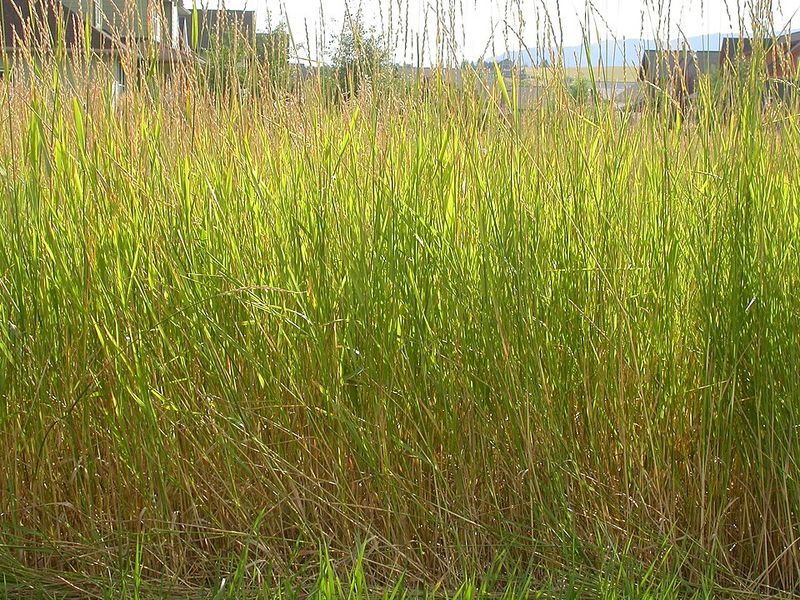
Most weeds spread by seed and call it a day. Quackgrass plays a completely different game, and that is exactly what makes it so hard to stop once it gets going in your yard.
The underground rhizome system is the real engine of its expansion. These pale, jointed roots grow horizontally through the soil, sometimes reaching three feet or more in a single growing season.
Every node along a rhizome is capable of sprouting a new plant. That means one small root fragment left behind after weeding can become a full clump within a few weeks.
Tilling your garden, which most people do to loosen soil and remove weeds, actually makes the problem worse with quackgrass. The tiller chops rhizomes into dozens of pieces, each one ready to grow.
Quackgrass also spreads through seed, producing a wheat-like seedhead that releases hundreds of seeds per plant. Wind and water carry those seeds into new areas, starting fresh colonies far from the original plant.
Contaminated compost and soil amendments are another common pathway. If you bring in topsoil or compost that contains rhizome fragments, you can introduce the problem into a clean bed.
Knowing how quickly and cleverly this invasive grass expands changes how you approach removal. Every tool you use, every bag of soil you buy, and every garden decision becomes part of your defense strategy against further spread.
Signs Your Garden Already Has An Infestation
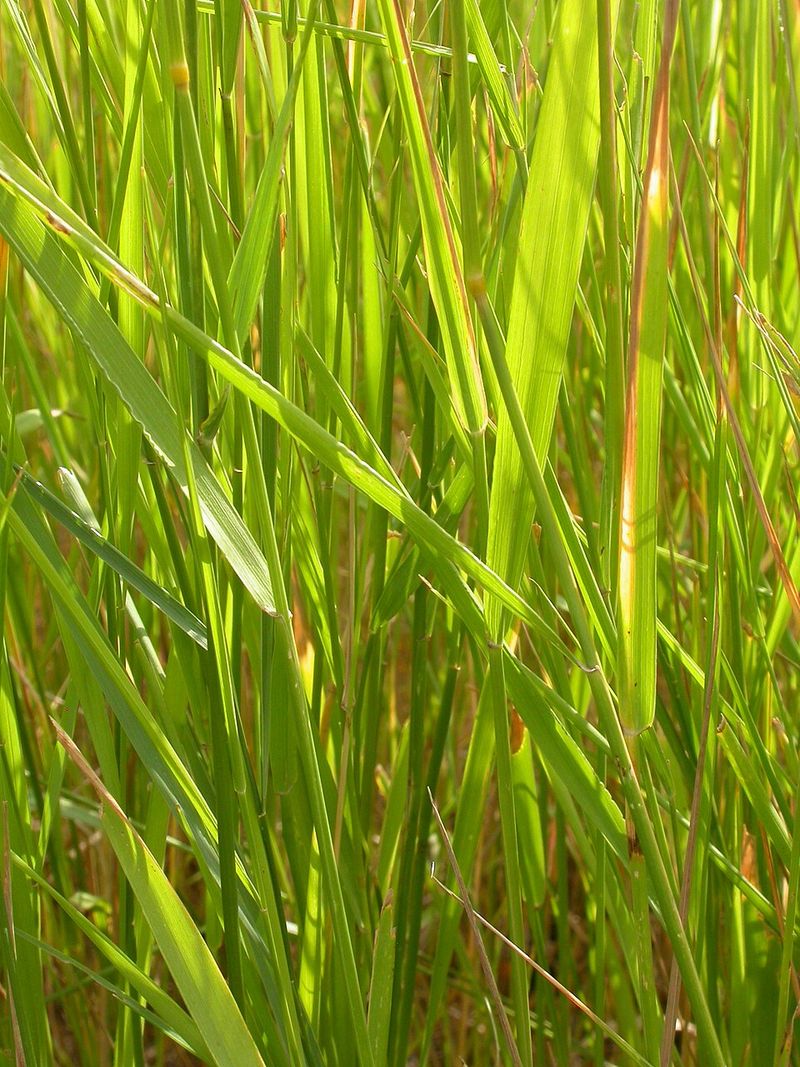
Patches of grass that seem to come back no matter how many times you pull them are the most telling sign. If your garden has spots that just will not stay clear, quackgrass is a strong suspect worth investigating.
Check for clumps that are slightly coarser and bluer-green than the surrounding lawn grass. That color difference is subtle but real, and it becomes easier to spot once you know what to look for.
Another warning sign is grass growing in places where you never planted it. Quackgrass rhizomes travel underground and pop up through mulch, between pavers, and inside raised beds without any invitation.
Your vegetable garden is especially vulnerable. If you notice grass crowding out your tomatoes, beans, or squash from below the soil surface, rhizomes are likely the culprit stealing water and nutrients.
Seedheads that look like miniature wheat stalks appearing throughout the growing season signal that the infestation has reached a reproductive stage. At that point, seeds are already spreading to new areas.
When you try to pull a clump and the roots seem to go on forever, connecting to other plants across a wide area, that tangled underground network is a clear indicator of quackgrass.
Catching an infestation early is far easier than dealing with an established colony. A quick soil inspection in spring can save you months of frustrating work later in the season.
Comparing Quackgrass To Other Invasive Lookalikes
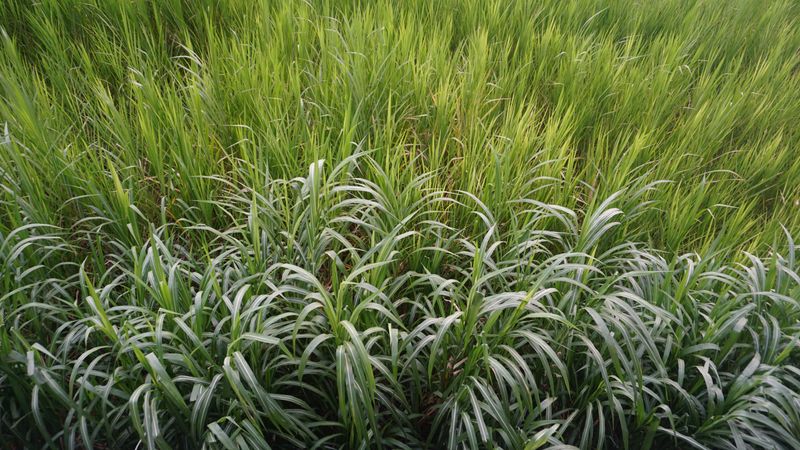
Mistaken identity is one of the biggest obstacles gardeners face when fighting this plant. Quackgrass has several lookalikes, and treating the wrong grass with the wrong method wastes time and effort.
Crabgrass is the most common mix-up. Both are coarse and unwanted, but crabgrass is an annual that completes its life cycle by winter, while quackgrass is a perennial that regrows from its root system every spring.
That difference matters enormously for treatment. Strategies that work on crabgrass, like pre-emergent herbicides applied in spring, have little lasting effect on quackgrass because the rhizomes are already established underground.
Annual bluegrass is another lookalike that causes confusion. It has a lighter green color and finer texture than quackgrass, and it produces seedheads much earlier in the season, usually in late spring.
Tall fescue can also be mistaken for quackgrass because both have wide, flat blades. Fescue, however, grows in bunching clumps and lacks the clasping auricles and extensive rhizome system that define quackgrass.
Johnsongrass, a warm-season invasive, shares the rhizome habit but grows much taller and has a broader leaf with a white midrib stripe. Spotting that stripe quickly rules out quackgrass.
Getting the identification right before you act is the smartest move you can make. A few minutes of careful observation saves hours of misdirected effort and keeps your garden strategy sharp and effective.
Steps To Remove And Prevent Regrowth
Removing quackgrass takes real effort, but a smart plan makes it manageable. Patience and consistency matter more than any single technique you try in your garden beds.
Hand removal is the foundation of any good control plan. Use a garden fork rather than a trowel to loosen soil deeply, then trace each rhizome carefully and pull the entire connected network out in one piece.
Never rototill the infested area. Chopping rhizomes spreads fragments throughout the bed and multiplies your problem instead of solving it, which is the opposite of what you need.
Smothering is a powerful non-chemical method. Cover infested areas with thick cardboard topped by six inches of wood chip mulch… to block sunlight from reaching rhizomes.
For severe cases, solarization works well in summer. Clear plastic sheeting laid over moist soil traps solar heat and raises ground temperatures high enough to weaken or destroy rhizomes within four to six weeks.
Replanting cleared areas quickly with dense, competitive ground covers helps prevent quackgrass from reclaiming bare soil. Open ground is an open invitation for this invasive grass to return.
Check treated beds every two weeks through the growing season and pull any new shoots immediately. Staying on top of regrowth during the first year after removal is the single most important habit that keeps this invasive grass from coming back for good.