This Invasive Tree Destroys More Texas Habitat Than Fire Ants Every Summer

A fast-spreading tree is quietly reshaping parts of rural Texas, and most landowners don’t notice until their fields already look unfamiliar. It moves in slowly at first, then takes over open ground within a few growing seasons.
This species arrived generations ago as a decorative shade tree prized for its fall color. Today it crowds out native grasses and wildflowers along creek bottoms, pastures, and fence lines across the Gulf Coast region.
Birds carry its seeds far past where it was originally planted, scattering them into ditches, wooded lots, and backyards near water. That reach is part of why it spreads faster than most people expect.
If you own open land, live near a creek, or border a patch of woods anywhere in Texas, this tree may already be closer than you realize.
This Fast Spreading Tree Crowds Out Native Vegetation
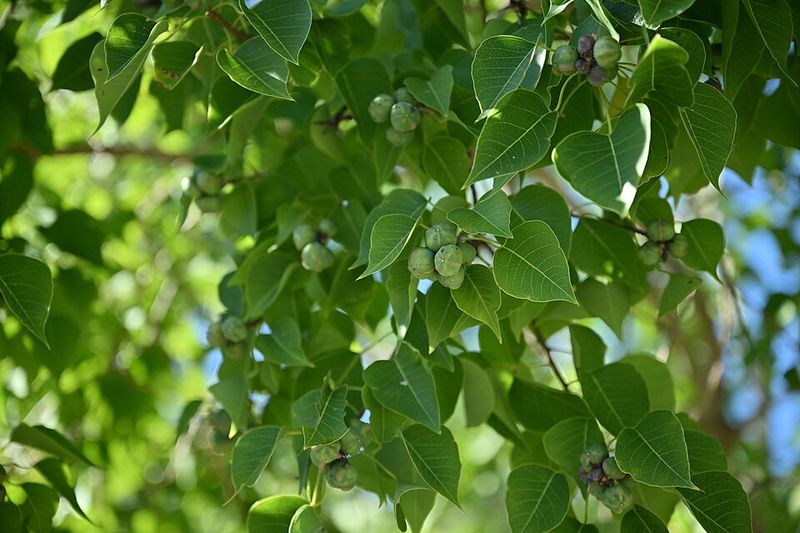
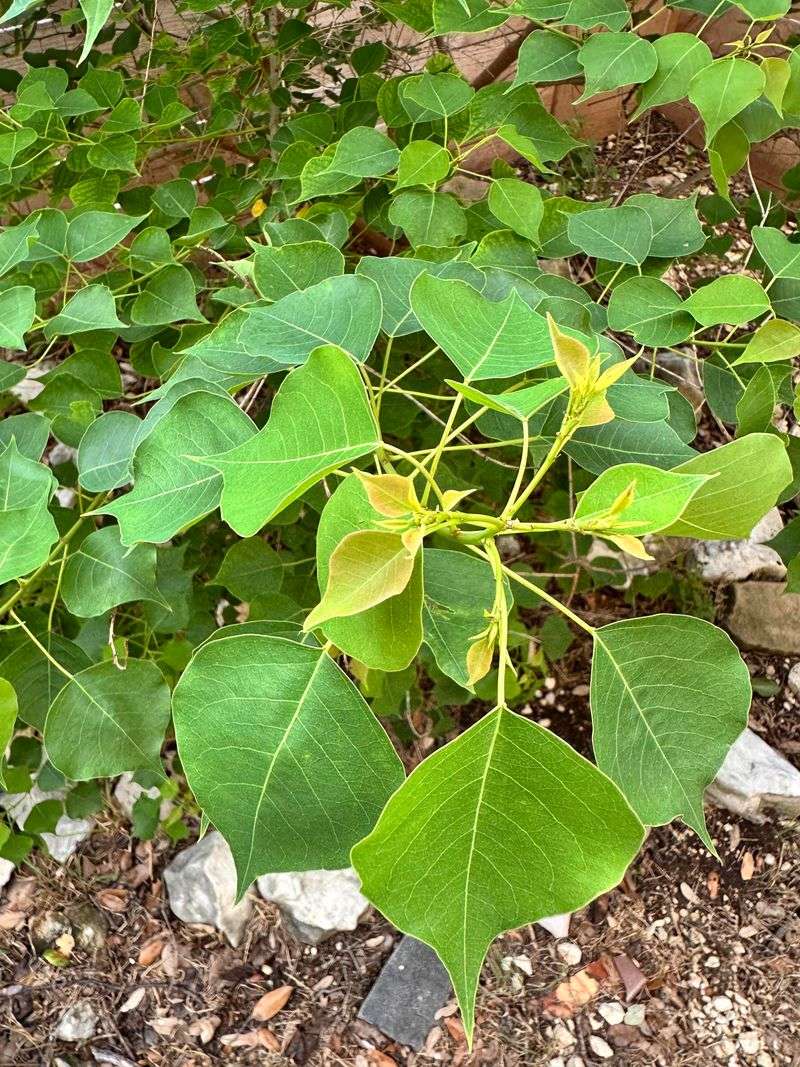
Walk past a Texas pasture in July and you might notice something wrong. The wildflowers are gone, replaced by a wall of heart-shaped leaves belonging to Chinese tallow.
Chinese tallow is quietly rewriting the landscape across rural Texas, one pasture at a time. It grows up to five feet per year, outpacing native shrubs and grasses without breaking a sweat.
Once a tallow tree takes root, it releases chemicals into the soil that suppress competing plants. Native seedlings simply cannot survive in that altered ground.
A single mature tallow can produce up to 100,000 seeds annually. Birds eat the waxy white berries and scatter seeds across wide areas fast.
Within a decade, a healthy meadow can become a tallow monoculture. Biodiversity collapses quietly while the tree looks almost decorative from a distance.
Many Texans planted tallow on purpose for its brilliant fall color. Nobody warned them it would escape the yard and consume the neighborhood.
The tree thrives in open sunlight and disturbed soil, which describes most of rural Texas perfectly. Roadsides, fence lines, and cleared lots are its favorite launching pads.
Knowing what to look for is your first defense against losing native ground. That pretty fall color has a serious cost hiding underneath.
Wetlands And Prairies Face The Heaviest Losses
Soggy ground used to stop most invasive plants cold. Chinese tallow laughs at wet feet and floods right along with the season.
Coastal prairies and Gulf wetlands are ground zero for tallow damage across the Lone Star state. These ecosystems took thousands of years to develop their unique plant communities.
Tallow moves into flood-prone zones where native plants like gulf muhly and saltmarsh bulrush once dominated. It crowds them toward the edges until they disappear entirely.
Prairies are especially vulnerable because their open canopy gives tallow all the light it needs. Once a few trees establish, shade spreads and grassland shrinks fast.
Studies from coastal counties show tallow has replaced native vegetation across vast stretches of habitat. The losses compound each year without active management.
Wetlands filter water, store carbon, and buffer storm surges along the Gulf Coast. When tallow takes over, those services weaken significantly for surrounding communities.
Your Texas Garden Changes Every Week. Your Plan Should Too.
Gardening in Texas changes quickly throughout the season. Every Friday you’ll receive a simple weekly plan showing exactly what to plant, prune, fertilize, harvest, and protect so you never miss the right timing.
Prairie birds like meadowlarks and dickcissels need open grassland to nest and feed. A tallow-choked field offers them almost nothing useful.
Restoration crews working these zones often find tallow seedlings popping up within weeks of clearing. The seed bank in the soil stays active for years after removal.
Protecting what remains of coastal prairies means acting before tallow gets a foothold. Once it does, recovery becomes a long and expensive road.
Chinese Tallow Seed Production Speeds Up Habitat Takeover
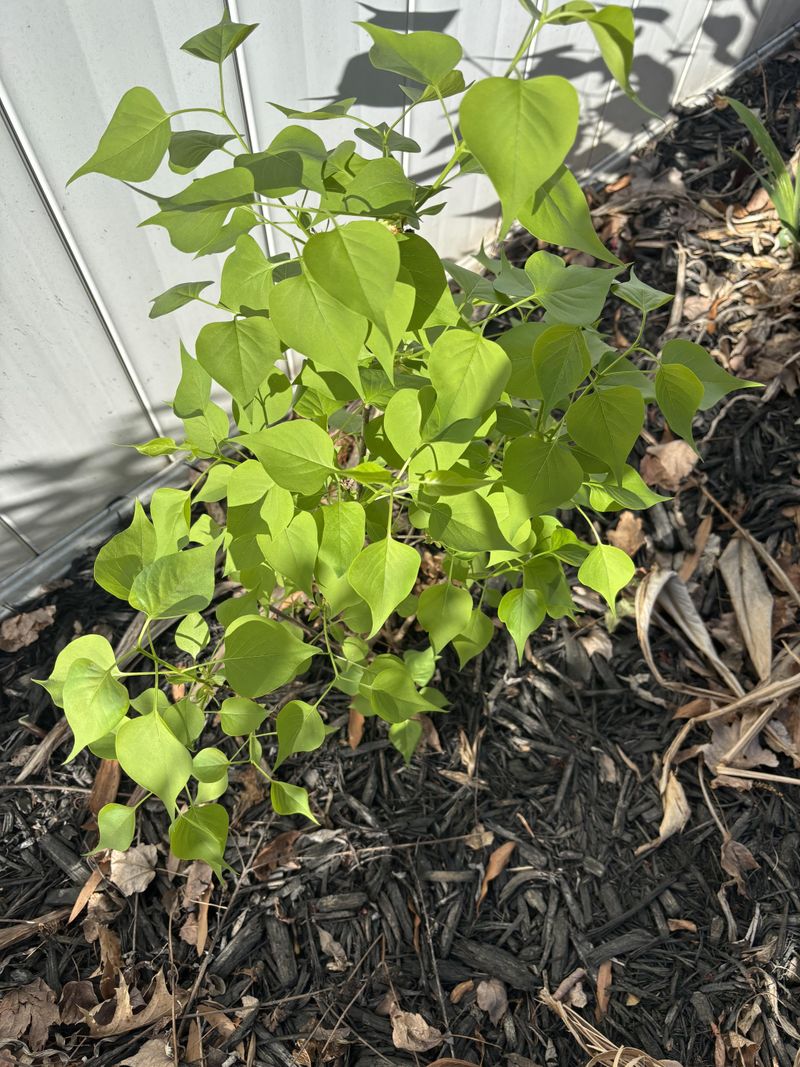
Few plants in North America match the reproductive firepower of Chinese tallow. One mature tree produces enough seeds to reforest a small neighborhood on its own.
Each cluster of white, waxy seeds is perfectly designed for bird dispersal. Cedar waxwings, robins, and starlings consume the berries enthusiastically and spread them miles away.
A single bird can carry seeds from one watershed to the next in a single afternoon. That kind of range makes containment almost impossible without coordinated effort.
Seeds remain viable in the soil for several years after they drop. Landowners who clear tallow one season often face a fresh wave of seedlings the next.
The timing of seed release is also strategic. Berries ripen in fall just as migratory birds pass through Texas by the millions.
Those migrating flocks act like a seed delivery network spanning the entire eastern flyway. New tallow populations pop up far from any known parent tree.
Water also moves seeds efficiently during flood events. Creek systems carry tallow berries downstream and deposit them in fresh soil along the banks.
Landowners sometimes underestimate how fast a cleared area can be recolonized. Returning tallow seedlings can reach knee height within a single growing season.
Understanding this seed machine is key to stopping the spread of this invasive tree across Texas. Cutting trees down without follow-up treatment solves only half the problem.
Tolerance For Poor Soil Lets It Spread Unchecked
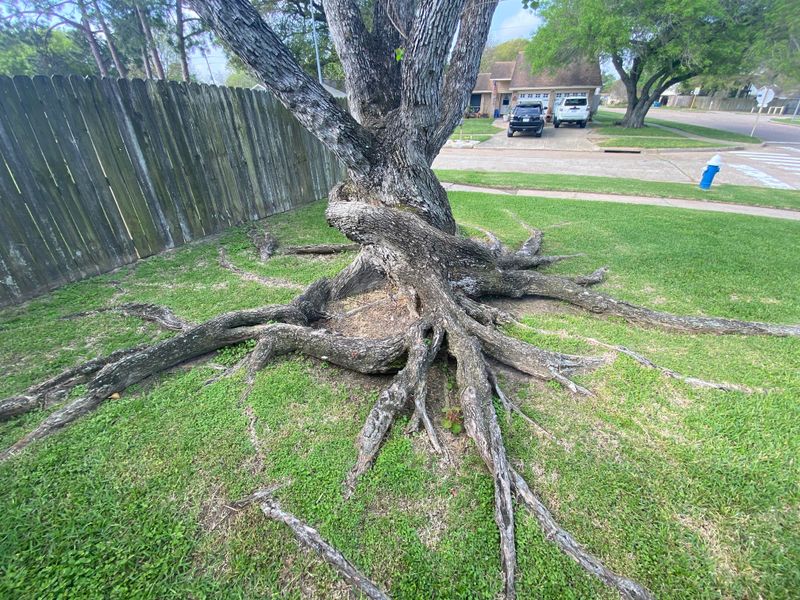
Most trees are picky about where they grow. Chinese tallow did not get that memo, and Texas is paying the price.
This tree tolerates salt, drought, flooding, clay, sand, and nutrient-poor soils with equal ease. Give it any patch of ground and it will find a way to thrive.
That adaptability is exactly what makes it such a formidable invader across the state. Native plants evolved for specific conditions and cannot compete on such a wide playing field.
Roadsides treated with herbicide become ideal tallow habitat because the competition gets cleared away. The tree moves into those disturbed zones faster than native species can recover.
Agricultural fields left fallow for even one season can see tallow seedlings establishing quickly. Farmers who stop watching a corner of their property often return to a problem stand.
Even urban lots with compacted, polluted soil support tallow growth. City parks and drainage channels across Houston and Beaumont show heavy infestations as proof.
Salt tolerance is particularly important along the Gulf Coast, where few other trees can handle brackish conditions. Tallow fills that niche aggressively, replacing salt-adapted native shrubs.
Its root system is deep and tenacious, pulling moisture from soil layers that shallow-rooted natives cannot reach. That underground advantage gives it a head start in every dry spell.
Few habitats stay out of reach for this relentless spreader. Recognizing its flexibility is the first step toward building a smarter removal plan.
Native Wildlife Loses Food Sources As Tallow Spreads
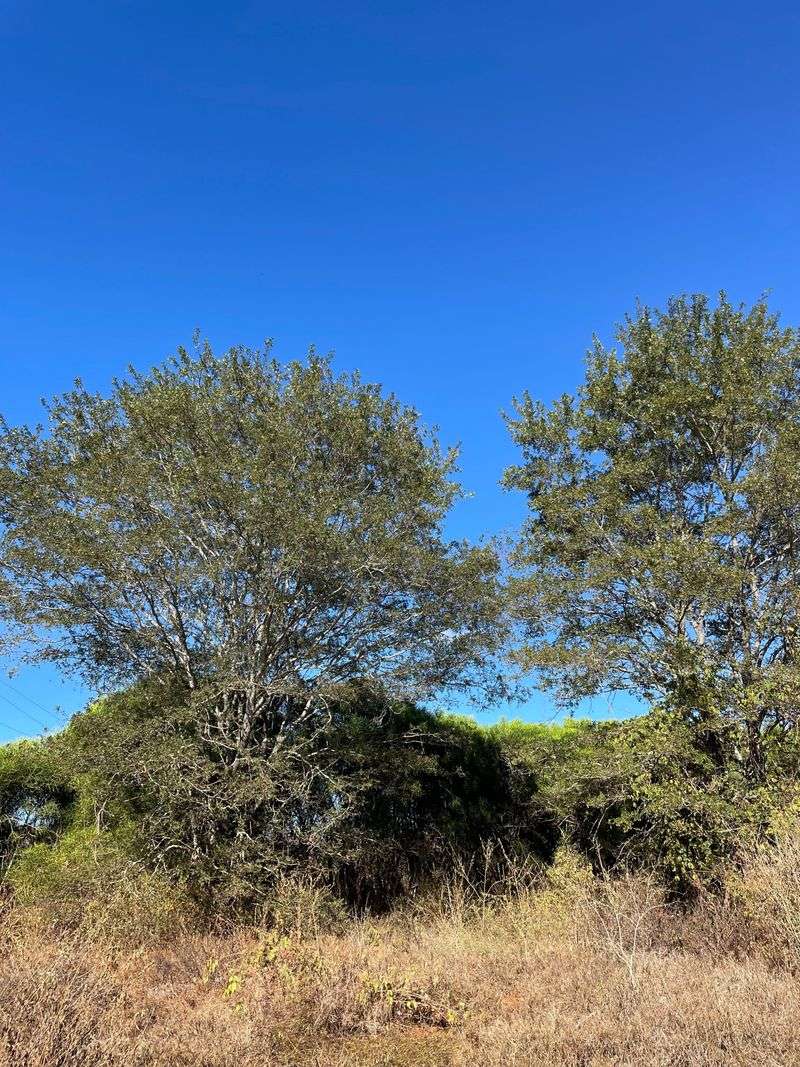
A meadow full of native plants is basically a free grocery store for local wildlife. Replace it with tallow and the shelves go empty fast.
Native bees depend on specific flowering plants that evolved alongside them over thousands of years. Tallow flowers offer little nutritional value compared to native wildflowers like coneflowers and milkweed.
Monarch butterflies need milkweed to complete their life cycle. When tallow crowds milkweed out of a field, monarchs passing through have nowhere to lay eggs.
White-tailed deer will browse tallow in a pinch, but it provides poor nutrition compared to native browse species. Herd health can decline quietly in heavily infested areas.
Songbirds that nest in native shrubs find tallow thickets offer poor structure for nesting. The dense canopy also reduces the insect diversity that nestlings depend on.
Insects are the foundation of nearly every food web in a healthy ecosystem. Studies show tallow supports far fewer insect species than native trees of comparable size.
Box turtles and other ground-dwelling animals struggle when native ground cover disappears. The leaf litter under a tallow stand is chemically different and supports fewer invertebrates.
Pollinators, birds, deer, and reptiles all lose ground when tallow takes over a landscape. The ripple effects move up the food chain in ways that take years to fully measure.
Protecting native food sources means controlling this invasive tree before it rewrites the local menu entirely. Wildlife cannot wait for a slow response.
Removal Requires Persistent Effort And Long Term Monitoring
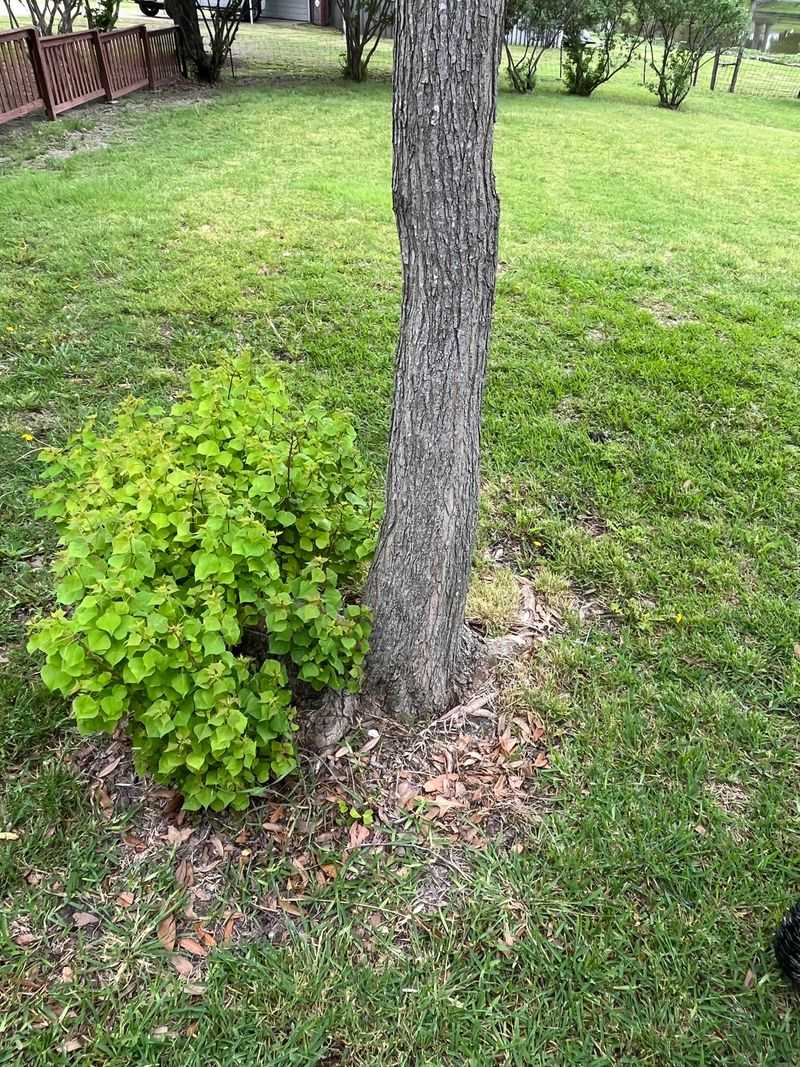
Pulling a tallow seedling feels satisfying, but the real work starts after that first sweep. This invasive tree does not give up without a serious struggle.
Small seedlings under two feet can be hand-pulled effectively if you get the full root. Leave even a stub and the plant resprouts with frustrating speed.
Larger trees require a cut-stump treatment with herbicide applied immediately after cutting. The window between cutting and treatment is narrow, sometimes just minutes.
Basal bark treatment works well on stems under four inches in diameter. A triclopyr-based product applied to the lower bark can stop the tree without cutting first.
Foliar spraying is effective on dense seedling populations during the growing season. Repeat applications are almost always necessary because seed banks keep producing new sprouts.
Biological controls are being studied, but no approved agent is widely available yet. Land managers rely on chemical and mechanical methods for now.
Monitoring after removal is not optional, it is essential. A treated area left unchecked for one season can look like nothing was ever done.
Community-wide efforts produce better results than individual landowners working alone. Coordinated removal across a watershed prevents reseeding from nearby untreated trees.
Local conservation districts and extension offices often offer assistance programs for large-scale removal. Connecting with those resources saves time and money on stubborn infestations.
Controlling this invasive tree across Texas is possible with consistent attention. Persistence is the one tool tallow has no answer for.