What Your Ohio Garden Soil Really Needs Before It Goes Dormant
Plants get a winter break. Your soil doesn’t.
Beneath the frost and the fallen leaves, an Ohio garden bed keeps working all season long. Microbes shift, roots settle, and the ground quietly sets the stage for whatever you plant in April.
Gardeners who feed that process now tend to wake up to richer beds and fewer headaches.
Most skip the chore because the garden looks finished. It isn’t.
The soil has a short list of needs, and fall is the one season that covers most of them with almost no effort.
Some of the best fixes cost nothing. A few are already sitting in your yard or garage.
Test the ground before you guess. The soil will tell you what it’s missing.
1. Fall Is One Of The Best Times To Test Your Soil
Picture your garden as a patient who just finished a long summer marathon. Before you hand it vitamins, you want a checkup, and autumn is a great time to get one.
After harvest, the soil settles down and stops changing so fast. That calm gives you a clear, honest snapshot of nutrients and pH.
Timing matters a lot here. If you test in spring, you may be rushing to fix problems while seed packets pile up on the counter.
Fall results give you months to plan. Some fixes, like raising pH, can take several months or more to finish their work.
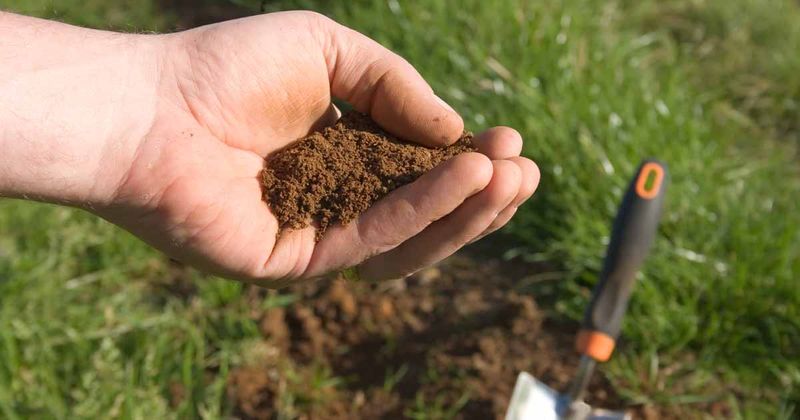
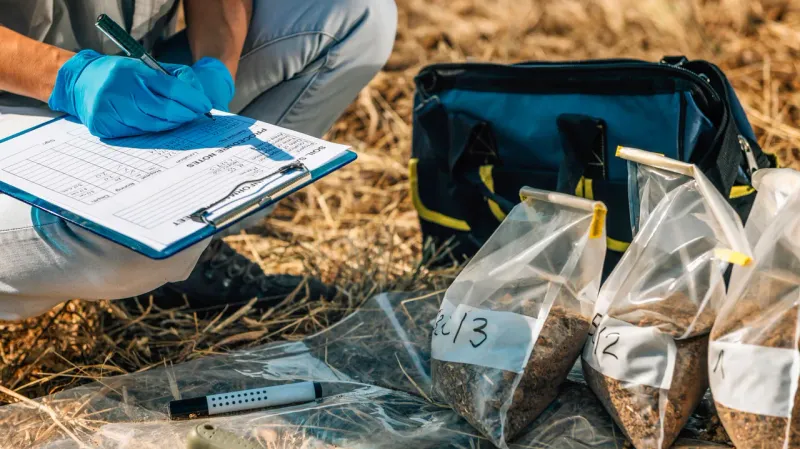
Grab a clean bucket and a trowel, then dig small samples about six inches deep from eight to ten spots. Mix them together so one bag tells the story of the whole bed.
Skip spots near the compost pile, the driveway, or where you dumped ashes last year. Those odd corners can throw your numbers off.
Let the soil air-dry on newspaper if it feels soggy. A pint or so is usually plenty for most labs.
Once your report arrives, keep it in a folder with your seed receipts. You will love having a record when you compare results down the road.
Think of the report as a road map rather than a report card. It shows where to go next, not what you did wrong.
2. Most OSU Extension Offices Can Help With Testing
Here is a secret many Ohio gardeners miss: help is probably sitting just a short drive away. Your county OSU Extension office is packed with friendly folks who love talking dirt.
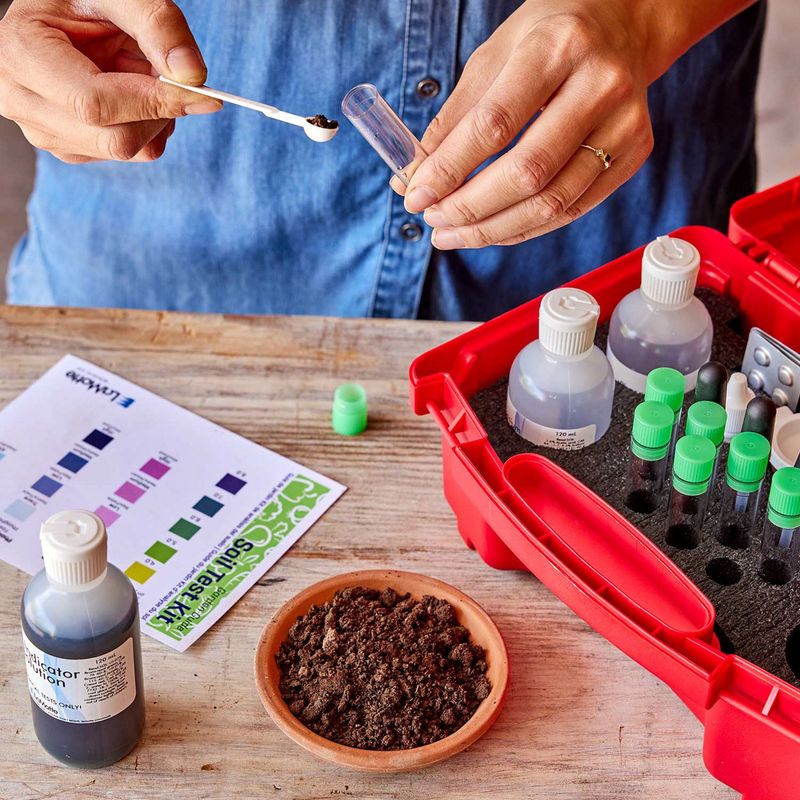
Most offices do not run the lab tests themselves. Instead, they hand you a soil test kit with simple directions for collecting your sample.
Those kits usually ship your soil to an accredited lab, often Penn State University. Yes, a Buckeye garden might get checked out by Nittany Lions, which is a fun twist.
The report covers the big stuff, including pH, lime needs, phosphorus, potassium, magnesium, and calcium. You also get lime and fertilizer suggestions written for regular people.
Some counties sweeten the deal even more. Miami County, for example, has offered residents one free soil sample analysis.
Your Ohio Garden Changes Every Week. Your Plan Should Too.
Gardening in Ohio changes quickly throughout the season. Every Friday you’ll receive a simple weekly plan showing exactly what to plant, prune, fertilize, harvest, and protect so you never miss the right timing.
Call ahead or check your county office website before you drive over. Hours and kit prices vary from place to place.
While you are there, ask about Master Gardener volunteers. Many of them have years of muddy-knee experience and love answering questions.
Bring a list of what you grow and any problems you noticed this summer. Yellow leaves, stunted peppers, or puny carrots all give the experts helpful clues.
Local advice beats a random internet guess. Your Extension team knows Ohio soils, weather, and quirks better than almost anyone.
3. Plan On Testing Every Two To Three Years
Good news for busy gardeners: you do not need to test every single fall. For most home gardens, once every two to three years keeps you on track.
Soil changes slowly, a bit like a glacier with a garden hose. Nutrient levels drift over time, but they rarely swing wildly from one season to the next.
Sandy soils lose nutrients faster, so a two to three year schedule fits them well. Heavy clay holds on tighter and can often stretch to three or four years.
Some situations call for testing sooner. Brand-new beds, hungry crops, or spots where plants keep struggling deserve a fresh look whenever needed.
Try to sample around the same time of year each round. Warm, moist soil in early fall gives results you can compare fairly.
Write the test date on your garden calendar or set a phone reminder. Future you will forget, and that is perfectly normal.
Keep every report together so you can spot trends. Seeing phosphorus creep up or pH slide down tells you whether your habits are working.
A simple notebook works great for this job. Jot down what you added each year, like lime, compost, or fertilizer, right next to your results.
Over time, that little notebook becomes your garden’s life story. It turns guessing into smart, confident choices.
4. Add Lime This Fall If Your Test Calls For It
Ohio soil has a bit of a sour streak. Many spots, especially in Northeast Ohio, test somewhere between 5.0 and 6.0 on the pH scale.
Most vegetables and flowers prefer a range closer to 6.0 to 7.0. When soil runs too acidic, plants struggle to grab nutrients even when food is right there.
Lime acts like an antacid for your garden. It nudges pH upward and helps unlock nutrients for hungry roots.
Fall is a smart time to spread it, ideally between September and November. Winter gives the lime months to dissolve and mingle with the soil.
Real change usually takes two to six months. Applying now means the fix is well underway by the time you plant peas in spring.
Here is the big warning, though: only add lime if your test says so. Too much can push soil too far the other way, making it overly alkaline.
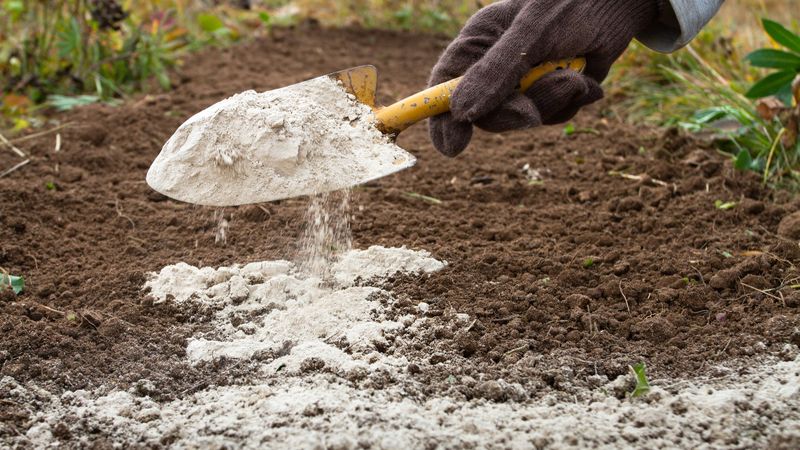
Follow the amount listed on your report and use a spreader for even coverage. Pelletized lime is less dusty and easier to handle in a home garden.
Work it lightly into the top few inches if your beds are open. On lawns or established areas, a surface application still does the job over time.
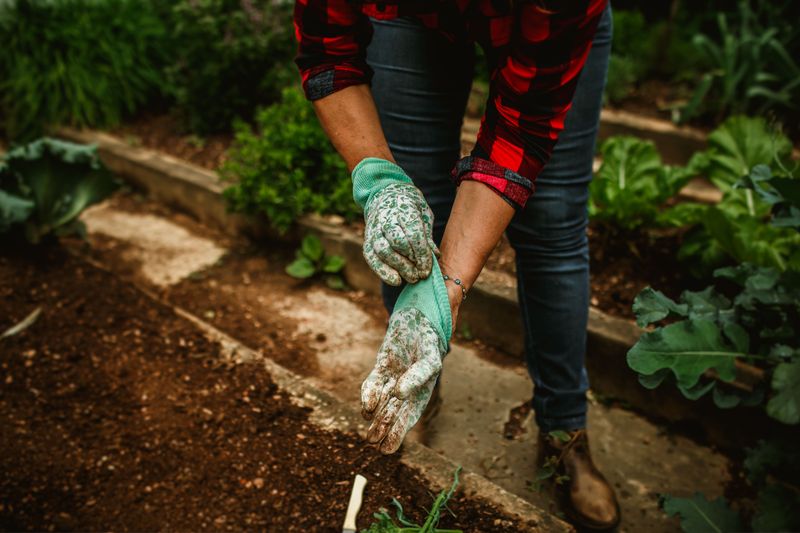
Wear gloves and a dust mask on breezy days. Your lungs and your neighbor’s car will appreciate it.
5. Split Big Lime Applications Between Fall And Spring
Imagine chugging a whole gallon of water at once versus sipping it through the day. Your soil feels the same way about large doses of lime.
When a test shows pH below 5.5, experts suggest splitting the job. Spread half the recommended lime in fall and the other half in spring.
That slower approach is easier on the soil’s living community. Earthworms, fungi, and helpful bacteria get time to adjust instead of facing a sudden shock.
Ohio soil keeps creeping back toward acidic, too. Acid rain, breaking-down organic matter, and nitrogen fertilizers all chip away at pH year after year.
Because of that, many gardens benefit from liming every two to three years. Badly sour soils might need yearly doses until they reach the target range.
Pick a dry day for spreading. Damp, clumpy lime goes on unevenly, and frozen ground lets it wash away instead of soaking in.
Mark the date and amount in your garden notebook. When spring rolls around, you will know exactly how much is left to apply.
Patience is the name of the game with pH. Steady, gentle steps beat one giant leap, and your plants will show their thanks with stronger growth.
Think of it as two smaller chores instead of one heavy one. Your back gets a break as well.
6. Cereal Rye Can Still Go In Through Late October
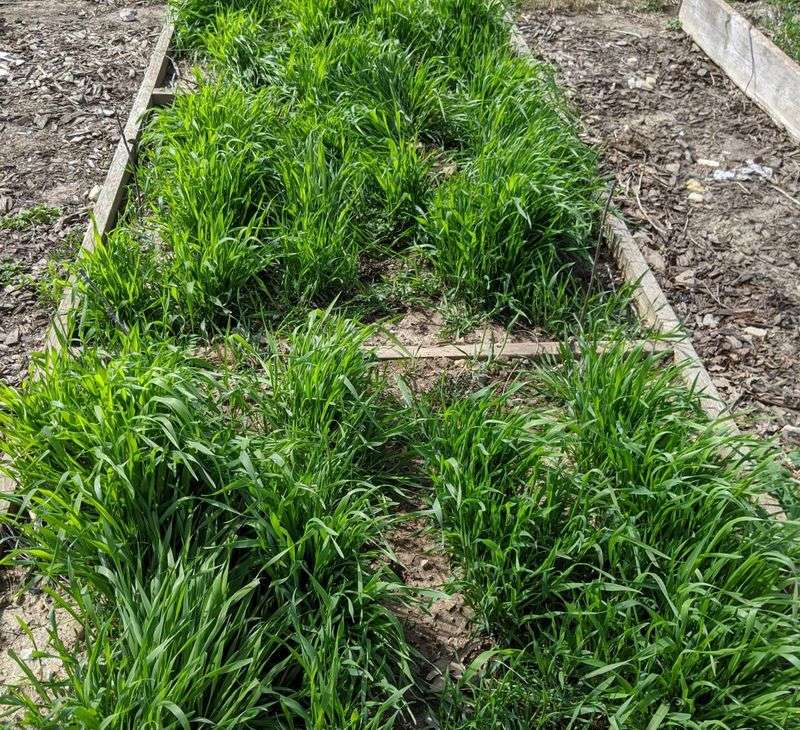
Missed the early cover crop window? Relax, because cereal rye is the tough guy of fall planting and does not mind showing up late.
Ohio gardeners can usually sow it through mid to late October. In Northeast Ohio, a friendly fall may even stretch planting into mid-November.
Its cold tolerance is impressive. Seeds can sprout in soil as chilly as 32 to 34 degrees Fahrenheit, colder than most other cover crops can handle.
Late planting does carry more frost risk, so bump up your seeding rate. Extra seed helps make up for any slow or spotty sprouting.
Scatter the seed over loosened soil, then rake it in lightly. A quick watering helps if the weather has been dry.
Once up, rye works hard all winter. Its thick roots hold soil in place, crowd out weeds, and help break up stubborn clay.
Fun fact: a single rye plant can grow miles of tiny roots. That underground web acts like rebar for your garden beds.
In spring, cut it down before it forms seed heads, usually a few weeks before planting. Leave the clippings as mulch or turn them into the soil.
Give the bed two to three weeks before sowing small seeds. Breaking-down rye can slow germination for a short while.
Look for it at farm stores in bulk bags. It is cheap, simple, and very forgiving for beginners.
7. Don’t Leave Garden Soil Bare Over Winter
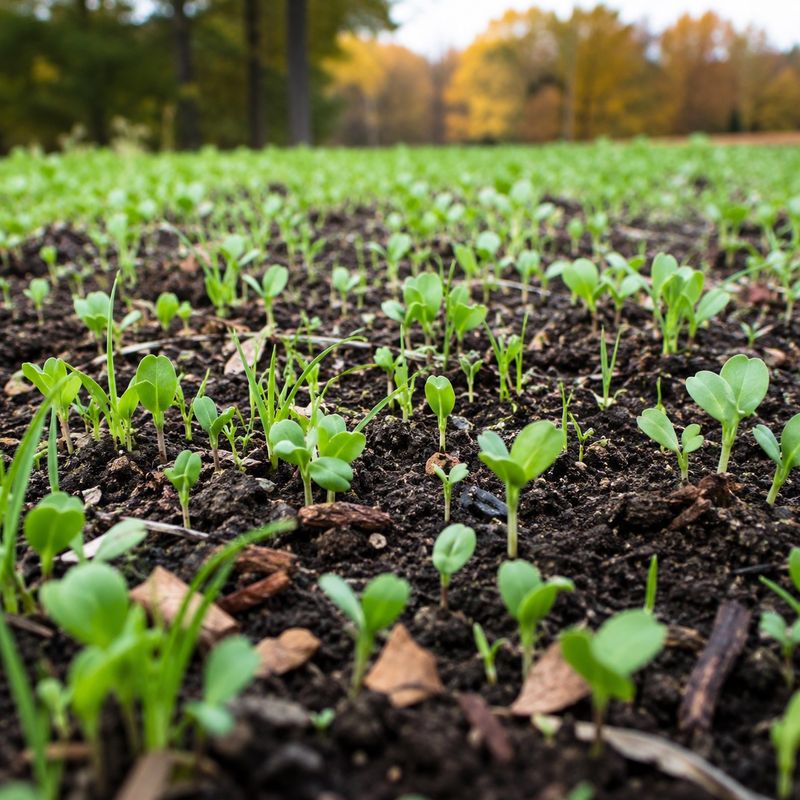
Nature hates an empty lot. Leave a garden bed bare all winter, and weeds will happily move in like squatters by spring.
Bare soil faces a rough season in Ohio. Wind, heavy rain, and freeze-thaw cycles can strip away topsoil, nutrients, and the crumbly structure you worked hard to build.
Think about a fierce March downpour on an open bed. Muddy water rushing off your yard is literally your garden washing down the street.
Uncovered ground also faces wild temperature and moisture swings. Earthworms and soil microbes struggle when their home keeps flipping between frozen and soggy.
Luckily, the fix is easy and flexible. You can protect soil with living plants like cover crops or with a blanket of mulch.
Straw, shredded leaves, wood chips, and compost all make solid choices. Pick whatever you have handy or can get cheaply nearby.
Even leaving plant roots in the ground helps. Cutting spent plants at the soil line, rather than yanking them, keeps roots holding dirt in place.
Aim for a cover that is a few inches thick on open beds. Check after big storms and patch any spots that blew away.
A covered bed in spring feels softer and smells earthy. That rich scent means the underground crew stayed busy all winter long.
Give it a try on one bed this year. Compare it in April and see the difference for yourself.
8. Spread Compost To Feed The Soil
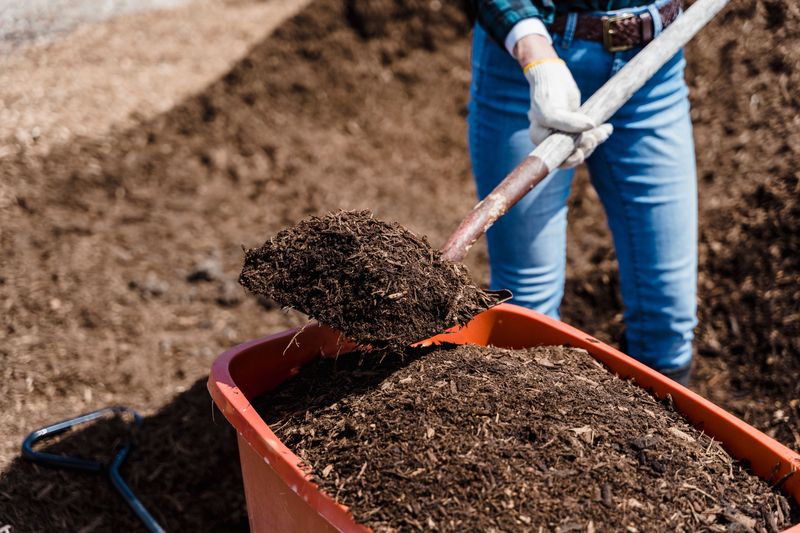
Grandma’s garden secret was not magic. It was a wheelbarrow, a pitchfork, and a pile of dark, crumbly compost behind the shed.
Fall is a fantastic time to spread that black gold. A layer two to six inches deep feeds soil microbes all winter long.
By spring, much of it has broken down into humus. That stable, spongy material improves structure and holds nutrients right where roots can reach them.
Rain and melting snow do some of the work for you. As water trickles through, nutrients slowly travel down into the root zone.
You have two easy options. Mix compost into the top eight to twelve inches of soil, or simply spread it on top and let worms handle the rest.
A surface layer has a bonus perk. It helps smother weed seeds that would otherwise sprout early next year.
Use finished compost that looks dark and smells like a forest floor. Chunky, half-done material can tie up nitrogen for a while.
No home pile? Many Ohio cities and counties sell or give away compost made from yard waste each fall.
Heavy clay soils love this treatment most. Over a few seasons, compost turns sticky, brick-like ground into something much easier to dig.
Spread it on a calm, dry afternoon with a podcast playing. Few garden chores feel this satisfying.
9. Fallen Leaves Make An Excellent Winter Mulch
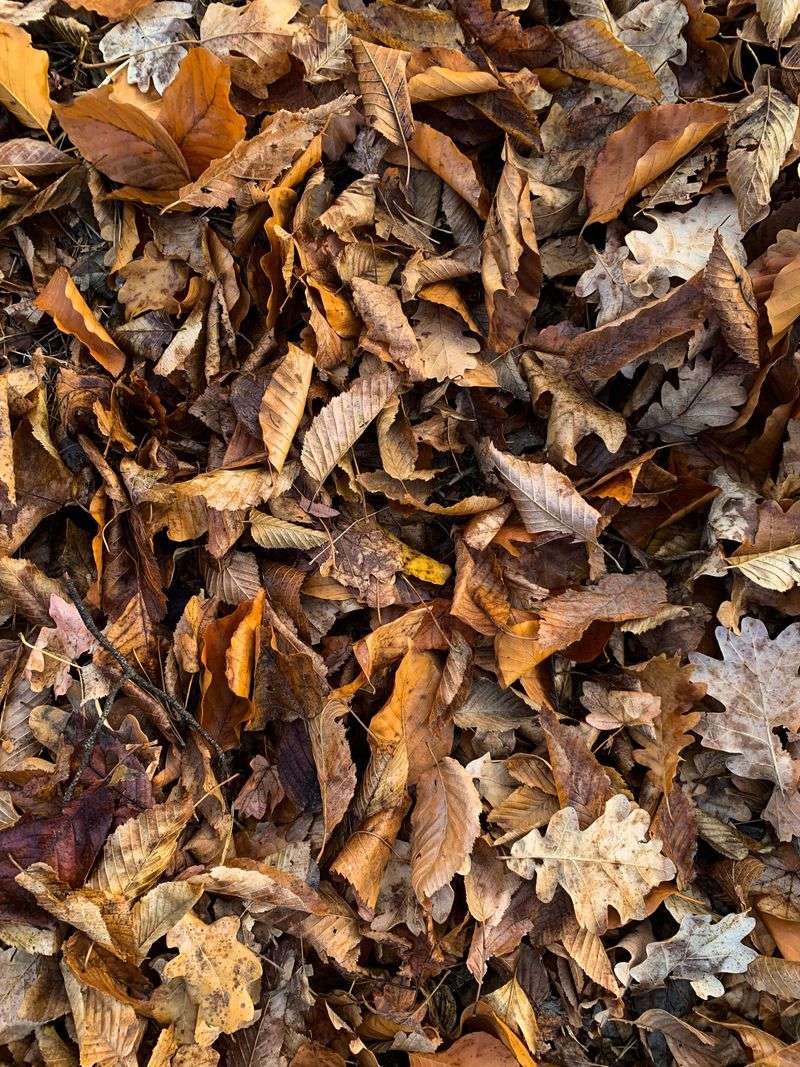
Every October, Ohio trees drop a free gift right in your yard. Instead of bagging those leaves for the curb, put them to work on your garden.
Spread over perennial beds, vegetable rows, or around shrubs, leaves make a cozy winter mulch. They insulate soil and protect plants from sudden cold snaps.
That blanket can even stretch your harvest. Carrots and parsnips tucked under leaves stay easier to dig well into the cold months.
Leaves also hold moisture and stop the surface from crusting over. As they slowly break down, they add rich organic matter to the soil.
Shred them first with a mower for the best results. Smaller pieces break down faster and are less likely to blow into your neighbor’s yard.
Whole leaves can mat into a soggy layer, especially maple. Shredded ones stay airy so water and oxygen still reach the ground.
On lawns, a light layer of shredded leaves feeds the grass. A thick pile of whole leaves, though, can smother it.
Your garden critters will thank you as well. Beneficial insects, worms, and microbes find shelter and snacks in that leafy layer.
Try a spot test this year. Mulch one bed with leaves and leave another uncovered, then compare how they look and feel next spring.
Pile any extras in a corner bin. By next fall, you will have crumbly leaf mold to spread around.