The Florida Strategy That Protects Your Yard During Extreme Heat
Florida summers don’t ease up. Temperatures climb past 100 degrees, lawns turn brittle overnight, and water bills creep higher than the weeds.
Most homeowners handle this the same way: soak everything on the same schedule and hope for the best. The outcome is predictable. Some plants drown in excess moisture while others sit parched, waiting their turn.
One small shift in how you approach watering changes the entire outcome, and it has nothing to do with buying new equipment or spending more time outside.
It sounds almost too simple to matter, yet barely anyone does it right. The line between a yard that survives August and one that gives up early might come down to this single overlooked habit.
Group Plants By Water Needs To Cut Heat Stress
Your yard quietly struggles once the heat sets in. Florida’s extreme heat bakes the soil, stresses roots, and sends water bills through the roof.
The fix is simpler than you think. Grouping plants by their water needs is called hydrozoning, and it makes a real difference in how your yard survives the heat.
When you water plants with different needs together, one group usually suffers. Drought-tolerant plants get overwatered, while thirsty ones get neglected.
Hydrozoning solves that mismatch fast. You stop wasting water on plants that do not need it and start directing moisture exactly where it belongs.
This approach is one of the most effective strategies for a Florida yard. It reduces heat stress on plants by keeping their roots consistently hydrated at the right level.
Stressed plants release more heat into the surrounding air. Healthy, properly watered plants actually help cool your yard through a process called transpiration.
Think of it like sweating. Plants release moisture through their leaves, and that moisture cools the air around them.
When plants are grouped correctly, that cooling effect spreads across your entire yard. You end up with a noticeably cooler outdoor space even on the hottest days.
Getting started does not require a landscape degree. Walk your yard, note which plants wilt fastest, and start sorting them mentally into thirsty and tough categories.
That first step is all it takes to begin protecting your yard from intense summer heat.
The Basics Of Hydrozoning In Your Yard
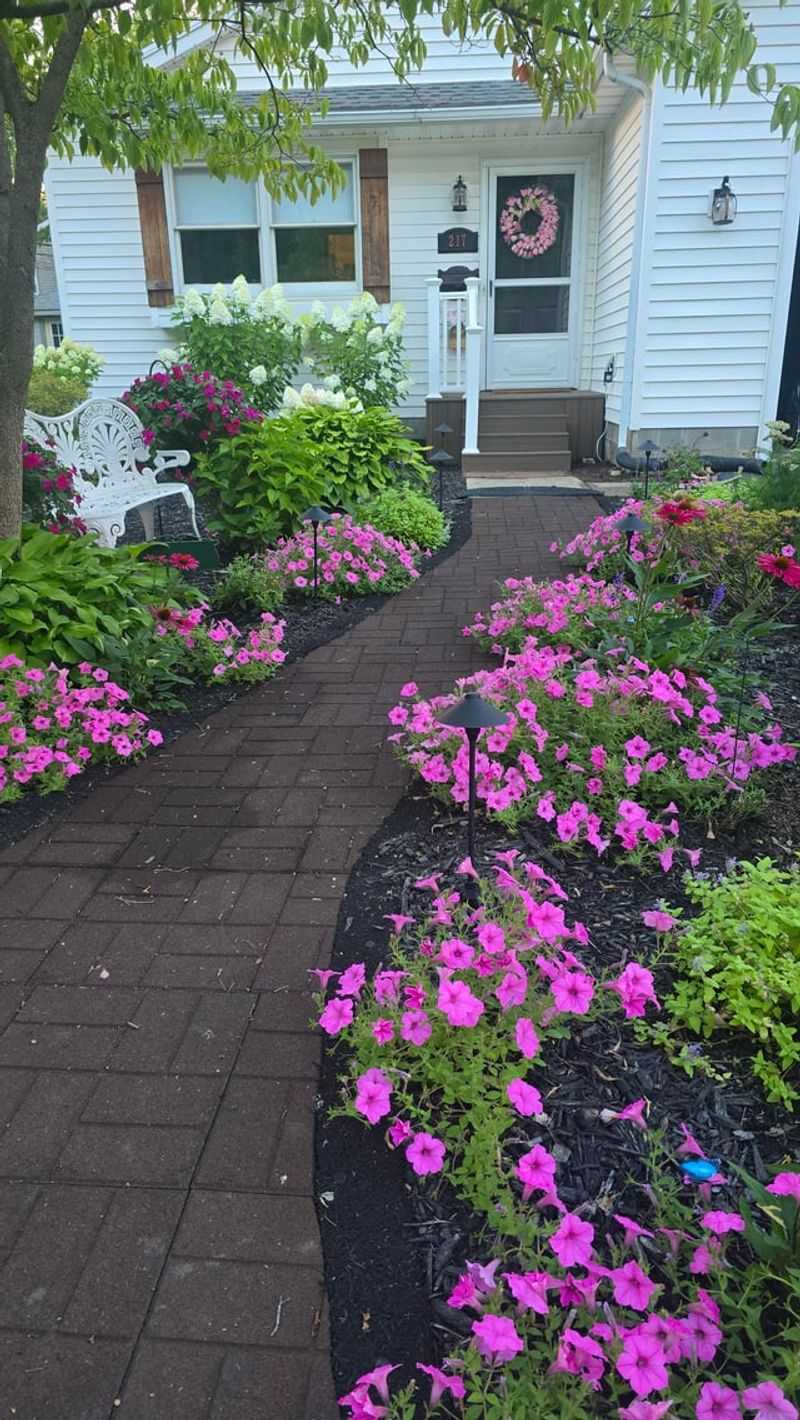
Hydrozoning sounds technical, but the concept is refreshingly simple. You divide your yard into sections based on how much water each plant group needs.
High-water plants go together in one zone. Drought-tolerant plants get their own separate area, away from the sprinkler-heavy spots.
Each zone gets its own irrigation schedule. That means no more guessing, no more overwatering, and no more watching your favorite plants struggle in the heat.
Florida’s climate makes hydrozoning especially valuable. The combination of intense sun, sandy soil, and unpredictable rain creates wildly different moisture conditions across even a small yard.
Sandy soil drains fast, which means water disappears before thirsty plants can absorb it. Clay-heavy patches hold moisture longer, which can overwater drought-tolerant species nearby.
Knowing your soil type helps you build smarter zones. A quick squeeze test tells you a lot: sandy soil falls apart, while clay-heavy soil clumps together easily.
Your Florida Garden Changes Every Week. Your Plan Should Too.
Gardening in Florida changes quickly throughout the season. Every Friday you’ll receive a simple weekly plan showing exactly what to plant, prune, fertilize, harvest, and protect so you never miss the right timing.
Once you understand your soil, placing plants in the right zones becomes much more intuitive. You start seeing your yard as a collection of mini-environments, each with its own personality.
Hydrozoning also works with your home’s natural shade patterns. Shaded areas stay cooler and hold moisture longer, making them ideal for plants that prefer less direct sun.
Sunny, exposed spots dry out quickly and need drought-resistant plants that can handle the intensity. Matching plants to their environment is the heart of this entire strategy.
Separate High-Water And Drought-Tolerant Zones
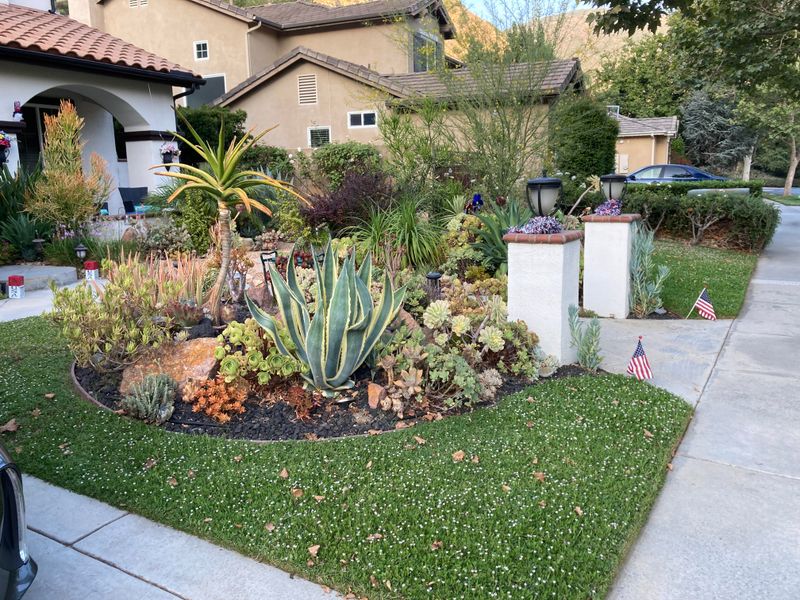
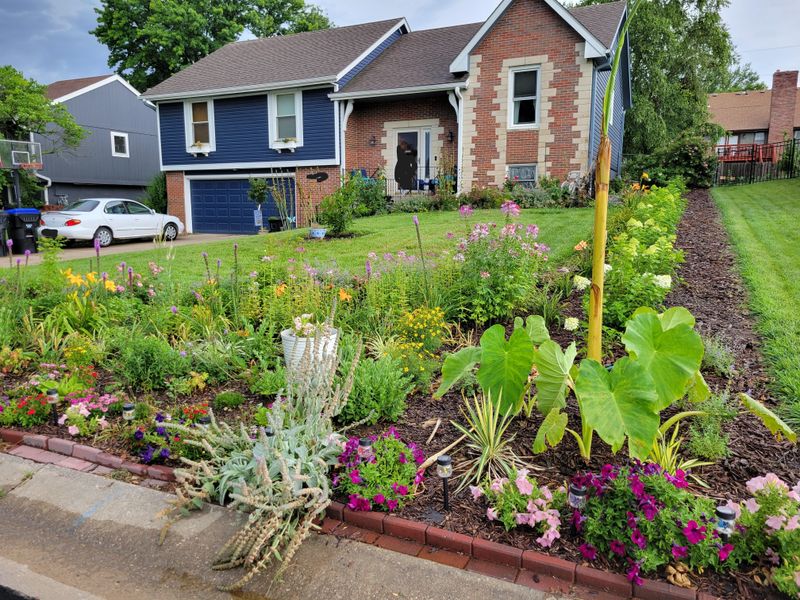
Picture your yard divided like a pizza. One slice is lush, tropical, and thirsty. The other slice is tough, native, and barely needs a drop.
Keeping those slices separate is what makes hydrozoning actually work. When high-water and drought-tolerant plants share space, your irrigation system cannot serve both well.
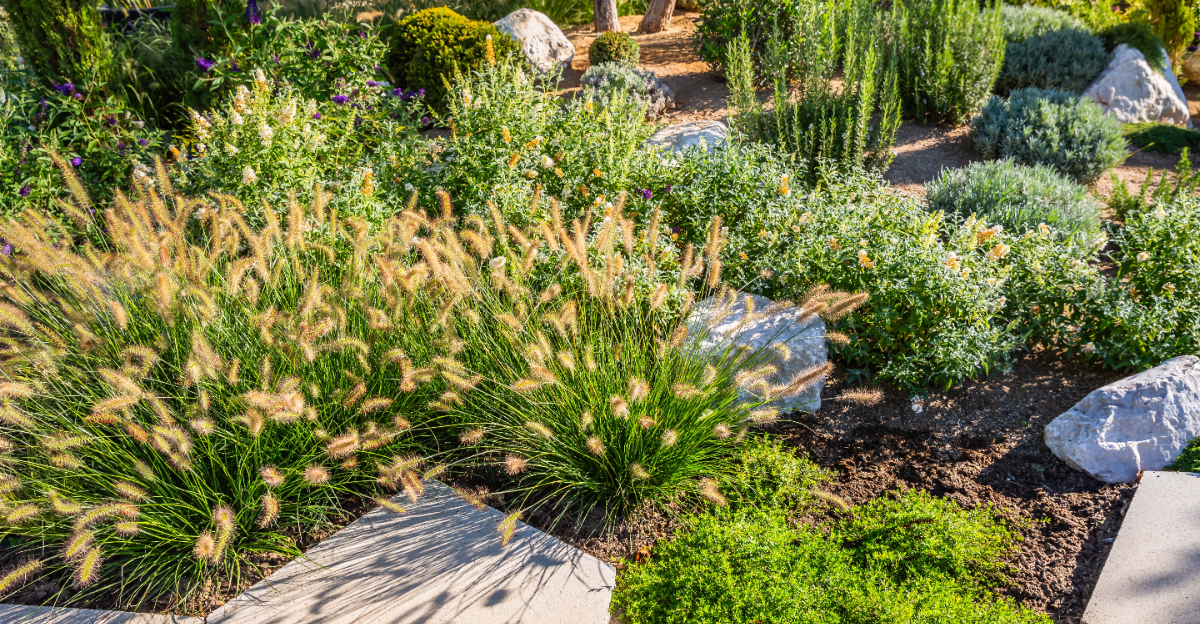
High-water zones typically include plants like bird of paradise, impatiens, and tropical ferns. These beauties demand consistent moisture to stay healthy in the intense summer sun.
Drought-tolerant zones are where native Florida plants truly shine. Species like coontie and saw palmetto thrive with minimal watering once they are established.
Separating these two groups lets you run shorter, more efficient irrigation cycles for tough plants. Meanwhile, your thirsty zone gets the deep watering it actually requires.
The result is a yard where most of the water goes exactly where it should, with far less waste and far less neglect.
Physically separating zones does not have to be dramatic. A simple border of mulch or a decorative edging strip can mark the boundary between zones.
Even a gravel path works beautifully as a natural divider. The visual separation also makes your yard look more intentional and professionally designed.
Neighbors will notice the difference before they even know why. A well-zoned yard just looks healthier, greener, and more alive during the hottest months of the year.
That visual payoff alone makes the separation worth every bit of effort you put in.
Match Plant Groups To Sun And Shade Patterns
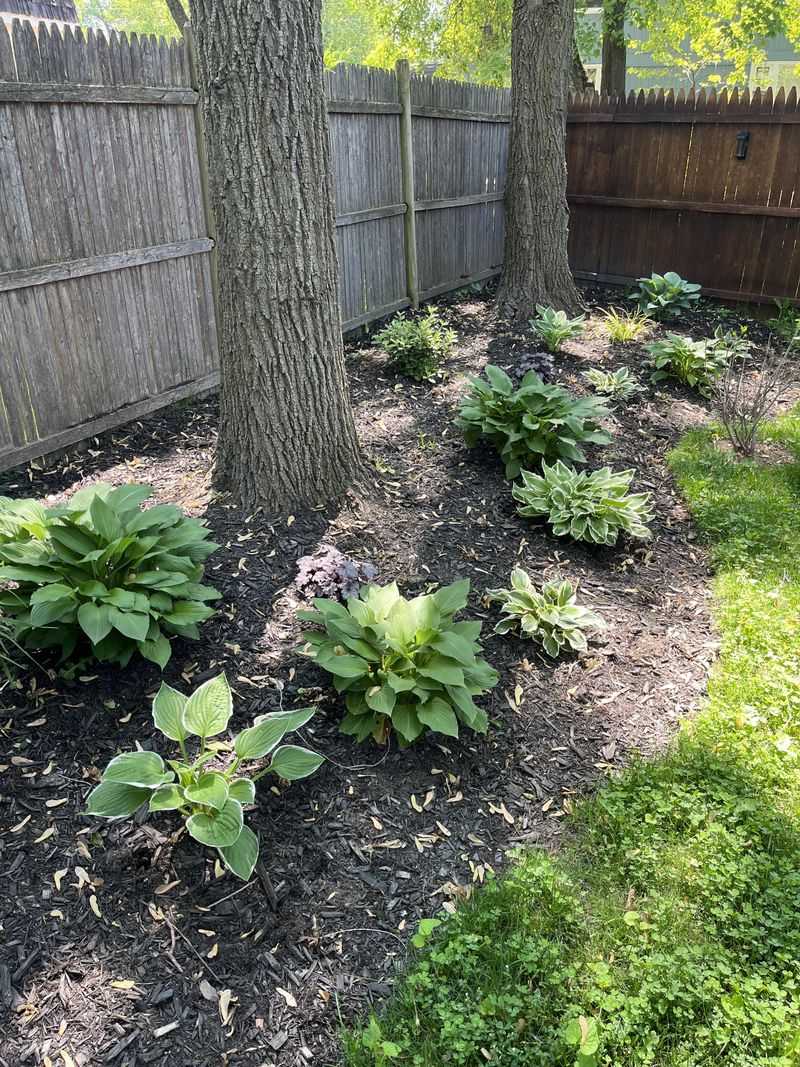
Sunlight in a Florida yard is not evenly distributed. One corner bakes all day while another stays shaded for most of the afternoon.
Those differences matter enormously when you are setting up plant zones. Placing a shade-loving plant in full sun is a one-way ticket to wilted, stressed foliage.
Spend one full day just watching your yard. Note where the sun hits hardest at noon and where shadows fall by late afternoon.
That single observation session can save you months of plant failure and frustration. Knowledge of your yard’s light map makes a real difference for any Florida gardener.
South-facing areas typically get the most intense sun. Those spots need the toughest, most heat-resistant plants you can find.
North-facing and east-facing areas tend to be gentler. Morning sun is less intense, making those zones perfect for plants that prefer moderate light.
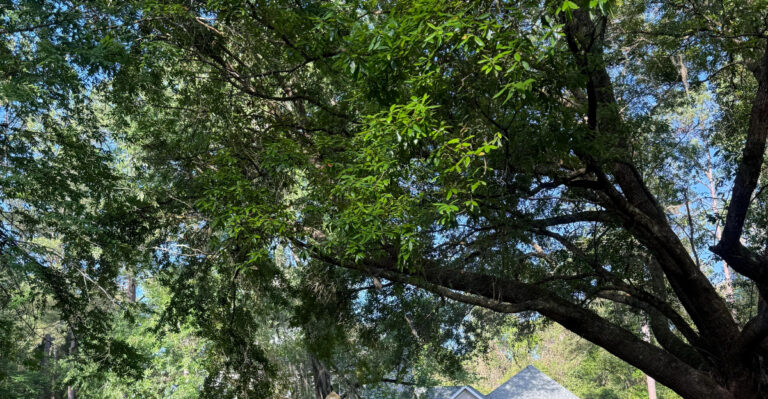
Shade from trees creates natural microclimates within your yard. Under a large oak, the temperature can be several degrees cooler than in an open, sunny patch nearby.
Placing moisture-loving plants under tree canopies makes perfect sense. The shade reduces evaporation, so the soil stays damp longer with less watering required.
Matching plants to both light and water conditions creates a self-reinforcing system. Each plant thrives in its zone, which means less intervention from you during the intense heat season.
A yard that works with nature instead of against it is one of the most valuable Florida yard strategies worth building.
Adjust Irrigation Schedules For Each Zone
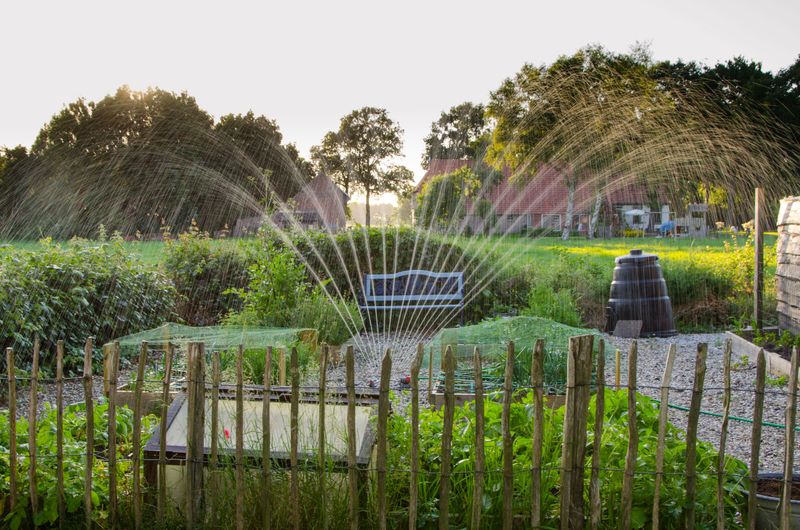
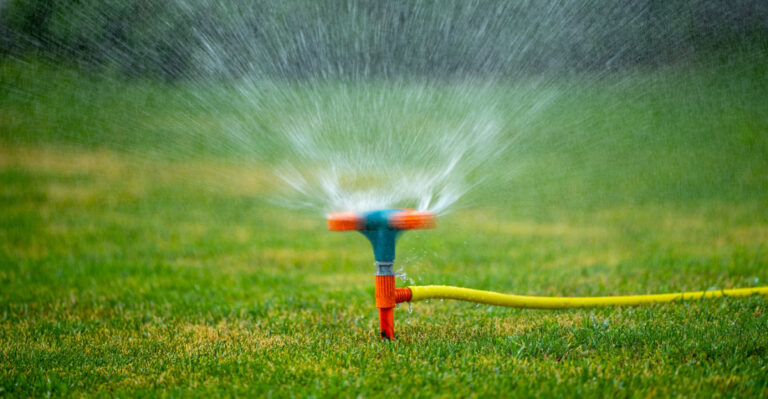
One irrigation schedule for the whole yard is a common mistake. It wastes water, stresses plants, and drives up your utility costs during peak summer heat.
Each hydrozone in your yard deserves its own customized watering schedule. High-water zones may need watering every two days, while drought-tolerant zones might only need water once a week.
Smart irrigation controllers make this adjustment incredibly easy. Many models let you program multiple zones independently, right from your phone.
Setting different run times for each zone makes a noticeable difference. Your tropical plants get their deep drink while your native plants stay comfortably dry between sessions.
Watering time of day also matters a lot in Florida. Early morning watering, between 4 a.m. and 8 a.m., reduces evaporation and fungal disease risk significantly.
Midday watering in intense heat can waste a significant amount of water to evaporation alone. Shifting your schedule earlier protects both your plants and your water bill.
Seasonal adjustments are equally important. During Florida’s rainy season, from June through September, many zones may not need supplemental irrigation at all.
A rain sensor connected to your irrigation system can pause watering automatically when rainfall is detected. That one small device can meaningfully cut water use over a single summer.
Dialing in the right schedule for each zone takes a little patience at first. But once your system is tuned, your yard needs far less day-to-day attention through even the harshest heat waves.
Reap The Long-Term Cooling Benefits Of Hydrozoning
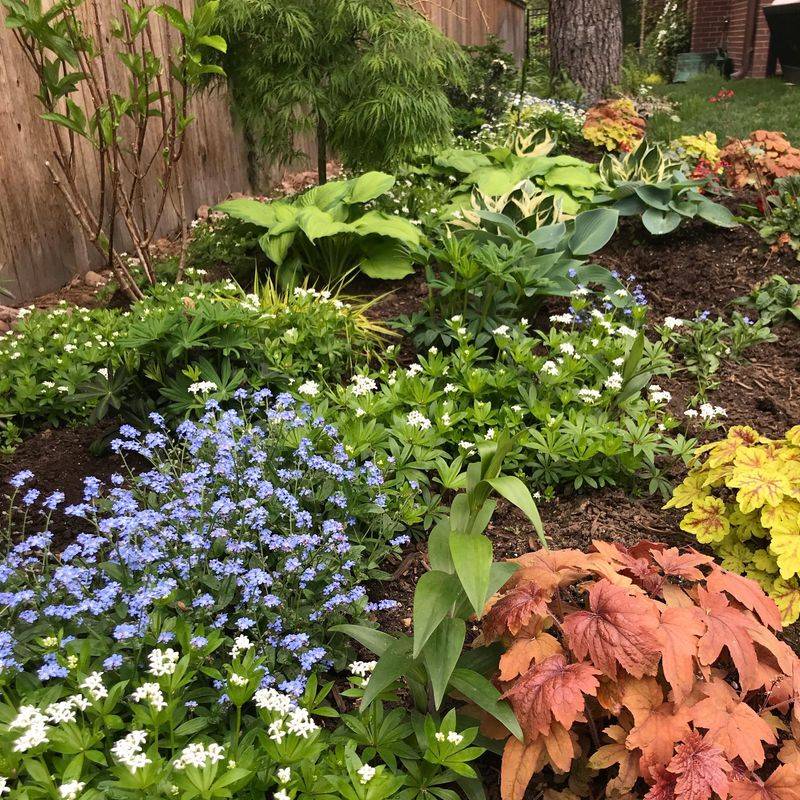
After a full season of hydrozoning, something remarkable happens. Your yard starts feeling noticeably cooler, even on days when the heat index hits triple digits.
Healthy, well-watered plants release moisture through their leaves constantly. That process, called transpiration, lowers the surrounding air temperature in a very real and measurable way.
A yard full of thriving plants can feel noticeably cooler than a patchy, stressed landscape. That difference is enormous when you are trying to enjoy outdoor space in July.
Beyond comfort, that cooling effect protects your home. A cooler yard means less radiant heat pushing against your walls and windows all day long.
Lower exterior temperatures reduce the workload on your air conditioning system. This can also translate into lower electricity bills over time.
The environmental benefits are just as compelling. Efficient watering means less runoff, less chemical leaching into local waterways, and a smaller overall environmental footprint.
Native plants in drought-tolerant zones also support local wildlife. Pollinators, birds, and beneficial insects flock to well-chosen native species, turning your yard into a mini ecosystem.
That biodiversity adds another layer of resilience to your landscape. A yard full of life is far more resistant to disease, pests, and weather extremes than a monoculture lawn.
Hydrozoning isn’t just about helping your yard survive extreme heat. It is about building an outdoor space that stays beautiful, functional, and refreshingly cool all season long.