Why California Gardeners Let Some Ground Covers Spread On Purpose
Many gardeners hear the word spreading and immediately worry.
In California, that instinct needs a second look.
Summer heat bakes the soil for months, water bills climb fast, and bare ground between plants does nothing except dry out, crack, and invite weeds to move in before you have put your gloves away.
A well-chosen ground cover that fills in on its own is one of the smartest moves a California gardener can make.
The yards that seem effortlessly beautiful in August are often the ones where someone made exactly this decision a season or two earlier.
The key phrase is well-chosen, because not every spreading plant is welcome and some have a habit of becoming someone else’s problem three neighborhoods away.
The plants worth letting spread are the ones that cool soil, hold slopes, crowd out weeds, feed pollinators, and save water all at the same time.
Always check with your local UC Master Gardeners or the California Native Plant Society before planting, and make sure any ground cover you choose is not listed as invasive in your region.
1. Ground Covers Cool Soil Better Than Mulch
Bare soil in a California summer is basically a frying pan.
Surface temperatures on exposed ground can spike well above the air temperature, stressing roots and evaporating moisture before plants ever get a chance to use it.
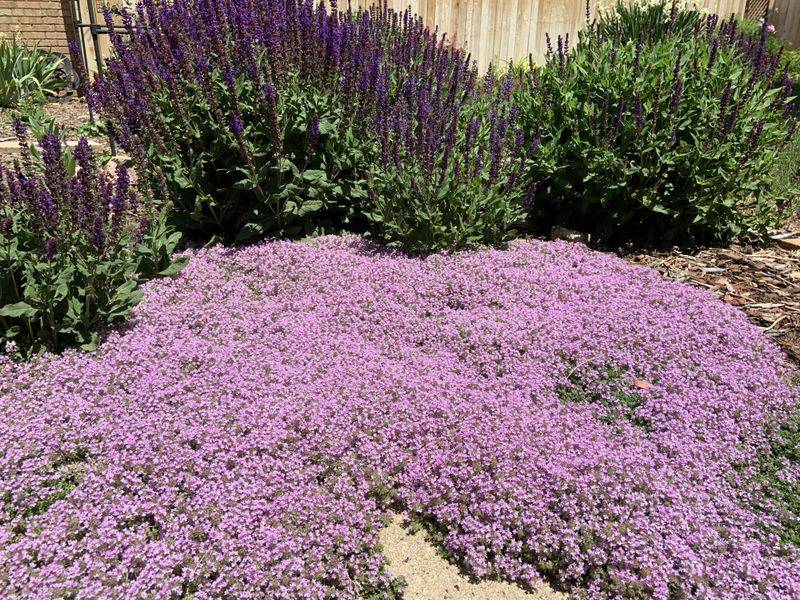
A dense, low-growing ground cover acts like a living umbrella, blocking direct sun and keeping the soil underneath noticeably cooler.
UC ANR research has shown that living mulch can reduce soil surface temperatures significantly compared to bare earth.
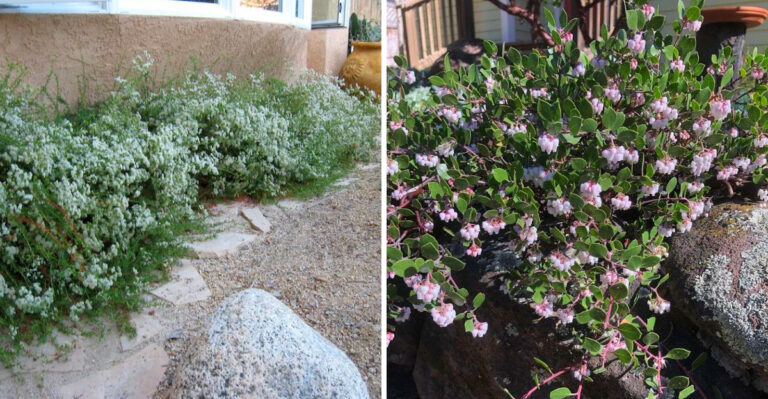
Plants like creeping thyme, dymondia, and native sedges hug the ground tightly enough to shade every inch of soil beneath them.
That shading effect protects beneficial soil organisms, earthworms, and the fine root hairs that plants depend on for water and nutrients.
Unlike bark mulch, a living cover does not wash away in winter rain or blow around in Santa Ana winds.
It stays put because it is rooted in place. As it grows, it also adds organic matter back into the soil through leaf drop and root turnover, slowly improving soil structure over time.
For hot inland valleys, south-facing slopes, or any yard where the soil cracks in July, this cooling effect alone can justify the planting.
Choose species suited to your specific zone, and always set a physical barrier or edging to keep growth where you want it. Living soil cover is one of the most underrated tools in a California garden.
2. Slopes Stay Put With The Right Roots
Slopes are a fact of life across much of California, from the foothills of the Sierra Nevada to the coastal bluffs of San Diego County.
Without plant cover, those slopes lose soil every time rain hits them hard. Runoff carries topsoil, clogs storm drains, and leaves ugly ruts that get worse with every storm season.
Ground covers with fibrous, spreading root systems are one of the most practical tools for slope stabilization.
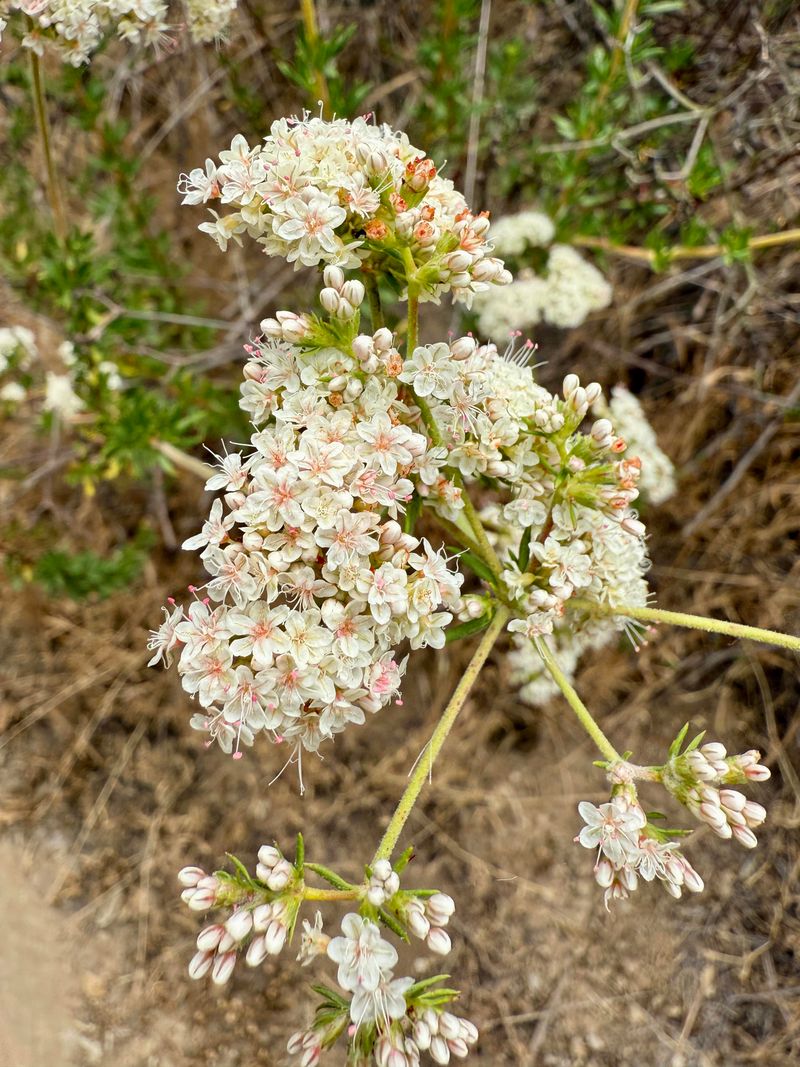
Plants like coyote brush, native buckwheat, and trailing rosemary knit into the soil with dense networks of roots that hold particles together.
Your California Garden Changes Every Week. Your Plan Should Too.
Gardening in California changes quickly throughout the season. Every Friday you’ll receive a simple weekly plan showing exactly what to plant, prune, fertilize, harvest, and protect so you never miss the right timing.
UC IPM and local erosion control guidelines frequently recommend established plant cover over bare slopes for exactly this reason.
The above-ground foliage matters too.
Leaves and stems slow the speed of raindrops before they hit the soil, reducing what scientists call splash erosion.
That gentler contact means less soil displacement even during heavy winter storms. A well-covered slope sheds water slowly and cleanly rather than sending it roaring downhill.
Planting slopes on staggered rows with biodegradable erosion control fabric or jute netting while plants establish is a practical approach recommended by UC Master Gardeners.
Once roots are anchored, the plants take over the job.
Check with your local cooperative extension office for species recommendations specific to your county, because slope conditions and rainfall patterns vary widely across California.
3. Water Bills Drop After Establishment
Ask any California homeowner what stresses them out in summer and water bills will come up fast.
Lawns are notorious water users, and even flower beds need regular irrigation to stay alive through a dry season that can stretch from May to November. Ground covers offer a different deal entirely once they get settled in.
The establishment period is real and should not be glossed over.
Most waterwise ground covers need regular irrigation for their first one to two growing seasons while roots dig deep and spread wide.
After that, many California-appropriate species need only occasional deep watering or can survive on rainfall alone in cooler coastal areas.
Plants like deer grass, creeping sage, and Carmel creeper are well-documented performers in waterwise landscapes.
The secret is deep roots. A ground cover that has had time to root down into the soil can access moisture that surface irrigation never reaches.
That deeper moisture reserve keeps plants looking healthy even during dry spells that would stress shallow-rooted lawn grass.
Grouping plants by water need, a practice called hydrozoning, makes ground cover maintenance much more efficient.
Pairing a waterwise ground cover with drip irrigation during establishment, then tapering back after the first two seasons, is a smart approach that saves water and builds a genuinely resilient planting over time.
4. Gaps Close Before Weeds Move In
Bare soil is basically an open invitation.
Weed seeds blow in on the wind, hitchhike on shoes, and wait patiently in the soil for a patch of sunlight to land on. The moment you have open ground, something will grow there, and it is rarely what you wanted.
Ground covers solve this problem by simply not leaving any room for uninvited guests.
Dense, low-growing plants shade the soil surface so thoroughly that most weed seeds cannot get the light they need to sprout.
This is called competitive exclusion, and it is one of the most natural forms of weed management available. UC IPM notes that healthy, dense plant cover is one of the best preventive strategies for reducing weed pressure in landscape beds.
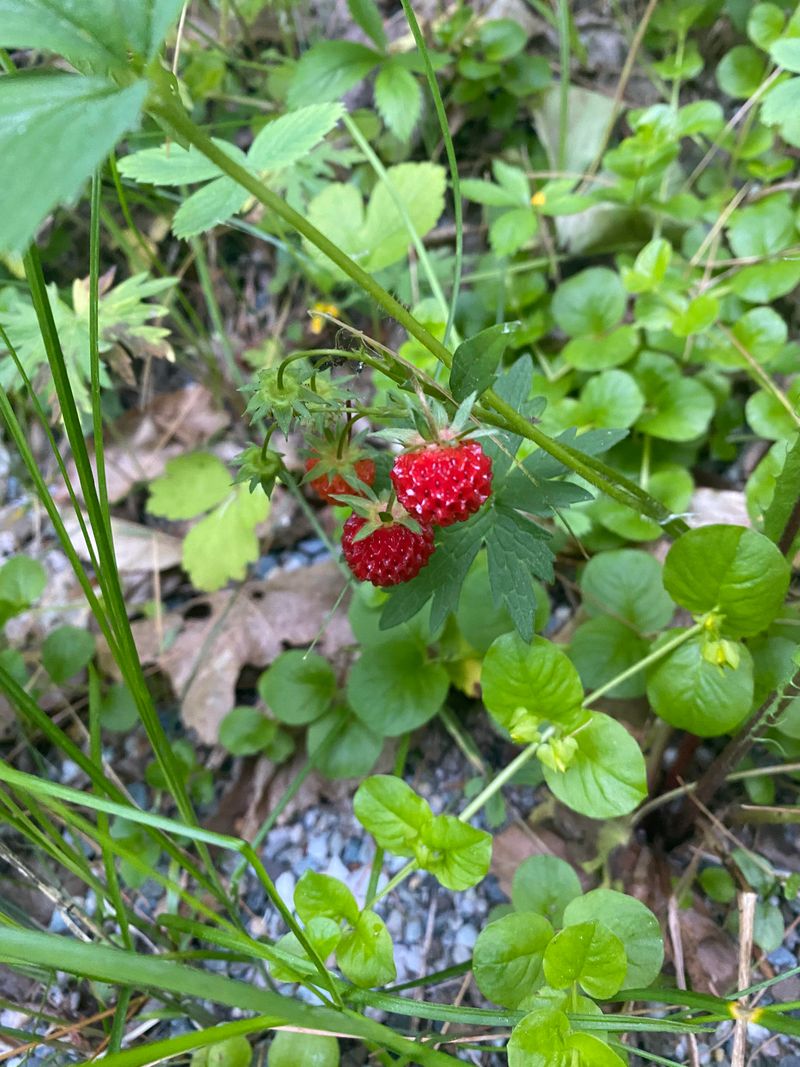
Plants like blue star creeper, native strawberry, and woolly thyme spread steadily enough to close gaps within a season or two.
Once they knit together, hand weeding becomes a quick seasonal task rather than a weekly chore. That reduction in maintenance time is something most gardeners notice and appreciate quickly.
Getting to that full coverage takes some patience and a little planning.
Start with appropriate plant spacing based on the mature spread of your chosen species, and use a light layer of mulch between plants while they fill in.
Once your ground cover closes the canopy, the plants handle most of the work themselves, and your weekends get a lot more relaxed.
5. Hardscape Edges Look Finished At Last
There is something about a sharp concrete edge meeting bare dirt that always looks unfinished.
Patios, walkways, retaining walls, and driveways all have that hard, clean geometry that can feel stark in a garden setting.
A spreading ground cover tucked along those edges does something that no amount of paint or edging material can do: it makes the whole space feel intentional and alive.
Designers and landscape architects often use low-growing plants specifically to blur the line between built and natural elements.
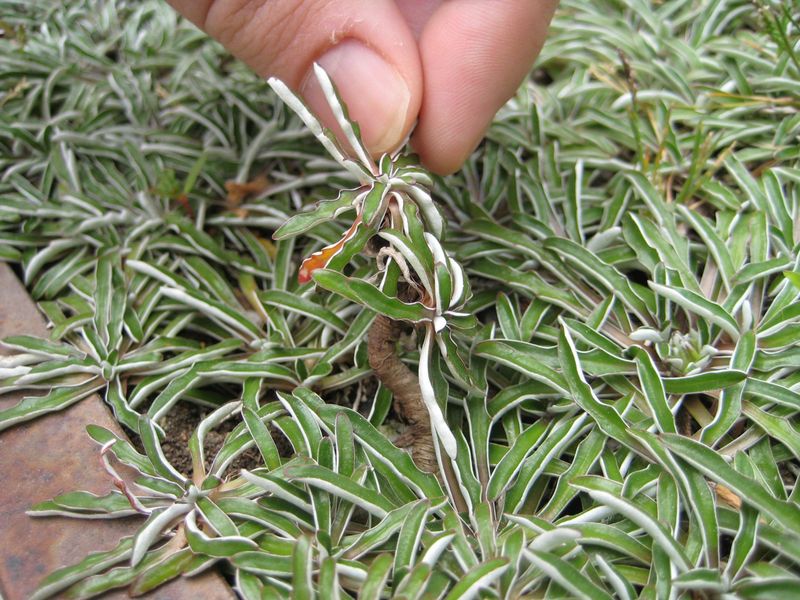
Dymondia margaretae is a California favorite for this purpose, hugging the soil between flagstones and softening paving edges without lifting them.
Creeping Jenny, native violets, and certain sedums also work well depending on sun exposure and water availability in your specific area.
Beyond looks, a plant growing along a hardscape edge can actually protect the edge itself.
Roots hold the soil in place next to paving, reducing the erosion and soil slumping that often undermine concrete over time.
That is a functional benefit that most homeowners do not think about until they see cracked or settled paving.
The trick is choosing a plant that spreads horizontally without lifting pavers or cracking concrete with aggressive roots.
Research your selection carefully, and keep plants trimmed back from any surface where you need clear footing.
UC Master Gardener program resources offer region-specific planting guides that can help you match the right creeping plant to your hardscape type and climate zone.
6. Pollinators Find Food Through The Season
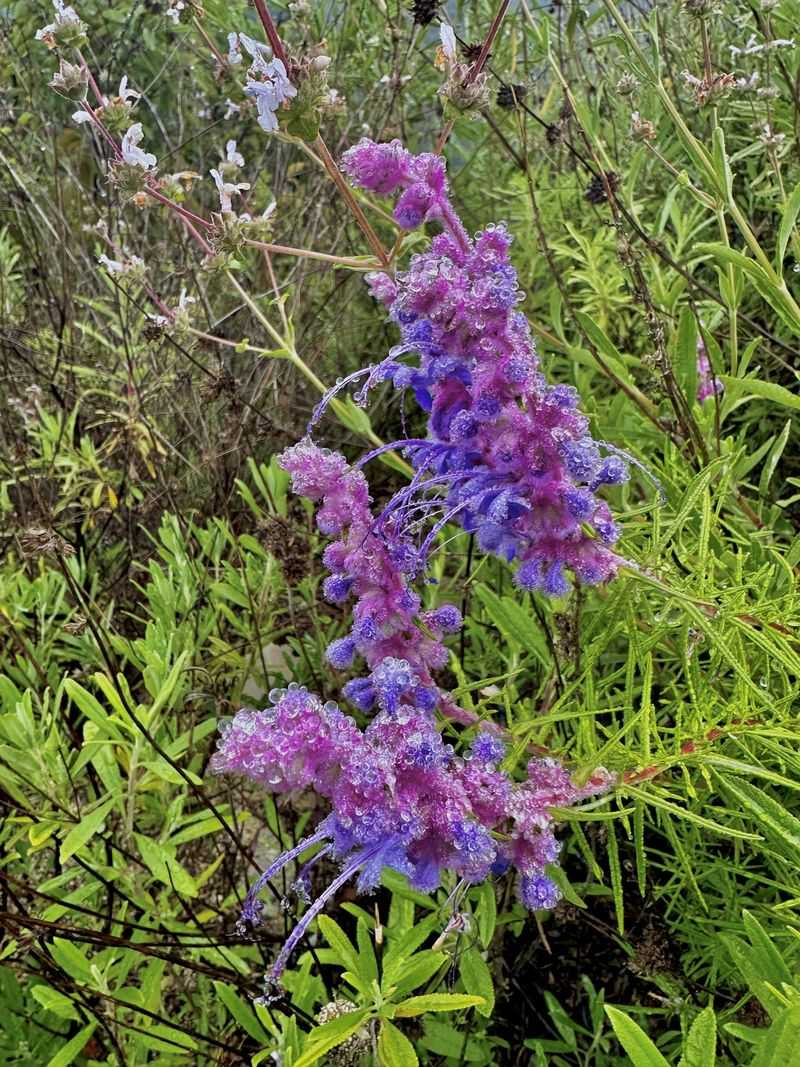
A patch of flowering ground cover buzzing with native bees on a warm April morning is not just pretty scenery.
It is a functioning piece of an ecosystem that California desperately needs. Pollinator populations across the state have declined due to habitat loss, and even a small garden can make a meaningful contribution when the right plants are in bloom.
Many ground covers that California gardeners already love happen to be excellent pollinator plants.
Woolly blue curls, native buckwheat species, and creeping Oregon grape all produce flowers that native bees, bumble bees, and beneficial insects actively seek out.
The California Native Plant Society maintains lists of regionally appropriate flowering ground covers that support local pollinator communities.
The low height of ground cover flowers is actually an advantage for certain pollinators.
Smaller native bees that cannot reach tall flower heads find ground-level blooms much easier to access.
Butterfly larvae also use some ground-covering plants as host plants, meaning the garden supports the full life cycle rather than just the adult feeding stage.
Planting a mix of ground covers that bloom at different times extends the season of support for pollinators from late winter through fall.
Avoid ground covers treated with systemic pesticides, and check labels carefully before purchasing. UC ANR and the Xerces Society both offer free guidance on selecting pollinator-friendly ground covers suited to California’s diverse climate regions.
7. Thirsty Lawn Patches Get A Better Option
Lawn replacement has become one of the biggest trends in California landscaping, and for very practical reasons.
The state has faced repeated drought cycles, water agencies have offered rebates for turf removal, and homeowners have started asking whether a patch of grass that nobody actually uses is worth the water it takes to keep green.
Ground covers offer a compelling answer to that question.
Spots that see little to no foot traffic are ideal candidates for lawn alternatives.
Parkway strips, side yards, and awkward corners near fences are classic examples where grass struggles anyway because of shade, compaction, or irregular watering.
A spreading ground cover suited to those conditions will often outperform lawn with a fraction of the water input once established.
Popular California lawn alternatives include native sedge lawns made from Carex pansa or Carex praegracilis, which stay relatively low and can handle light foot traffic.
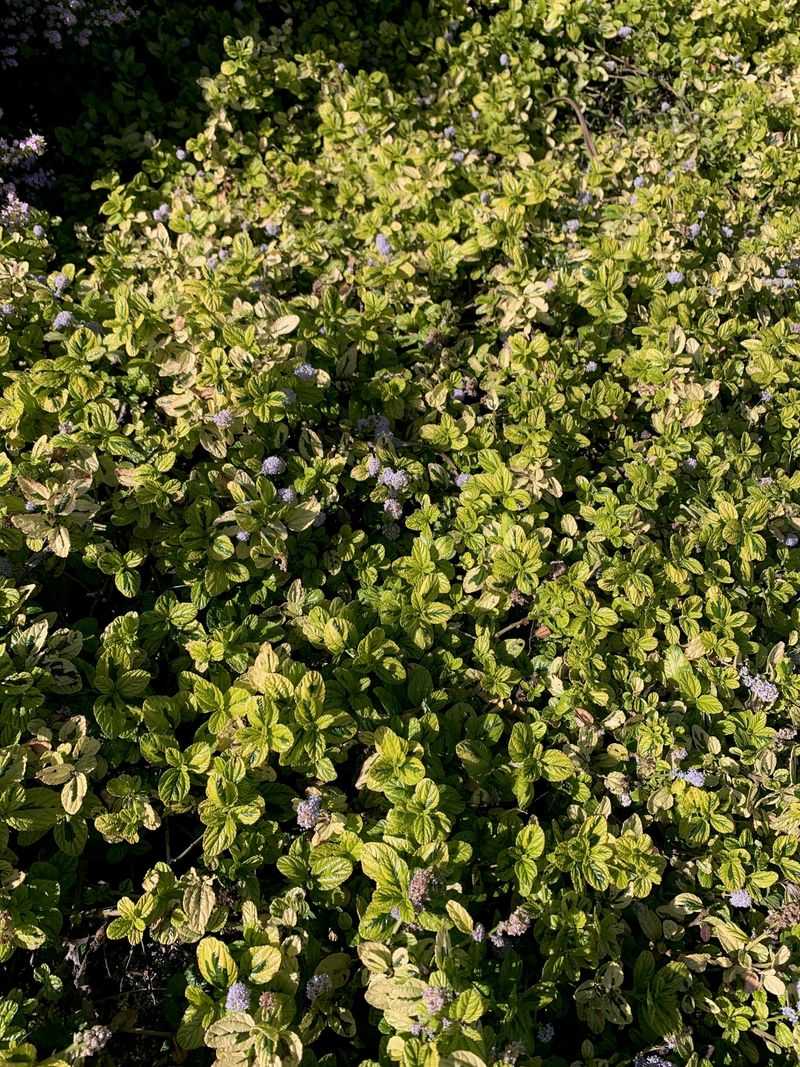
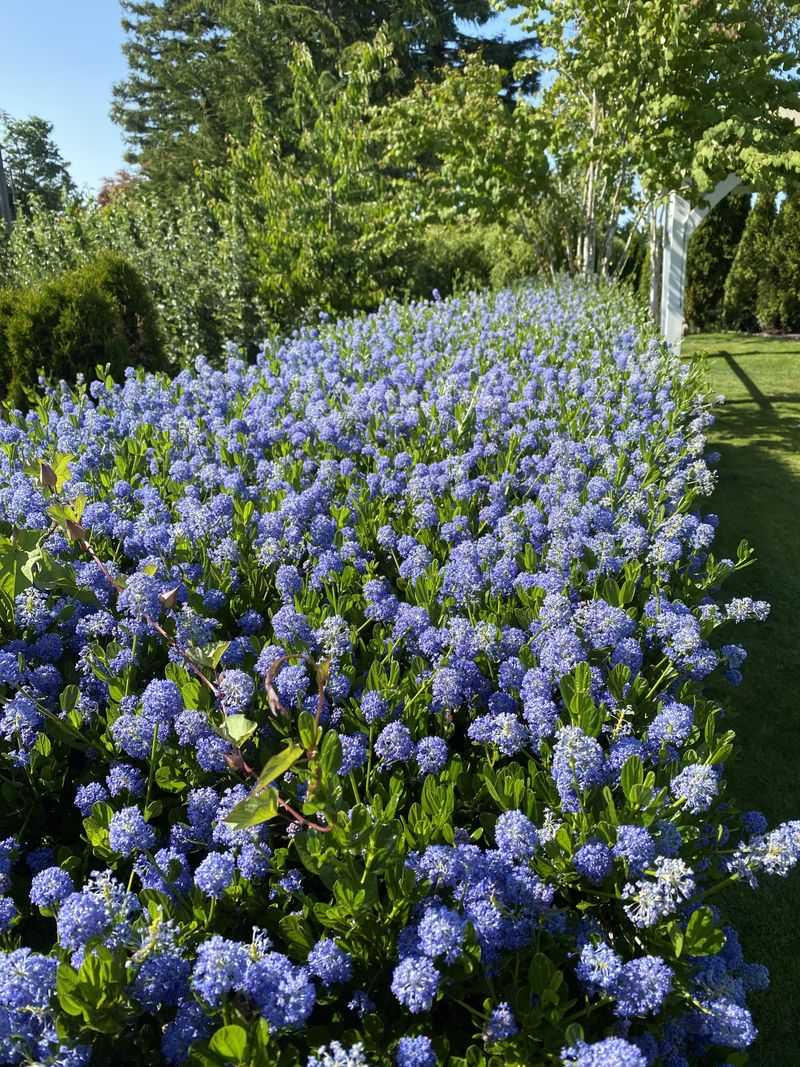
For areas with zero traffic, trailing lantana, society garlic, and Ceanothus ground cover forms all provide dense, colorful coverage that lawn simply cannot match for visual interest.
Many local water agencies in California offer turf replacement rebate programs that can offset the cost of installing ground cover alternatives.
Check your water provider’s website for current program details.
Always verify that your chosen replacement plant is not listed as invasive by the California Invasive Plant Council before purchasing, and install root barriers or edging to keep growth contained and manageable long-term.
8. Big Beds Become Suddenly Affordable
Filling a large garden bed with individual perennials or shrubs gets expensive fast.
At five to fifteen dollars per plant, covering a thousand square feet can run into serious money before you have even touched the mulch budget. Spreading ground covers change that math in a way that makes big projects feel possible again.
The strategy is simple.
You plant fewer individual plants and let them do the spreading work over one to three seasons. A single flat of creeping rosemary, for example, might contain a dozen plants.
Spaced correctly and given adequate water during establishment, those twelve plants can cover a surprisingly large area by their second growing season.
Division is another budget tool that experienced California gardeners use regularly.
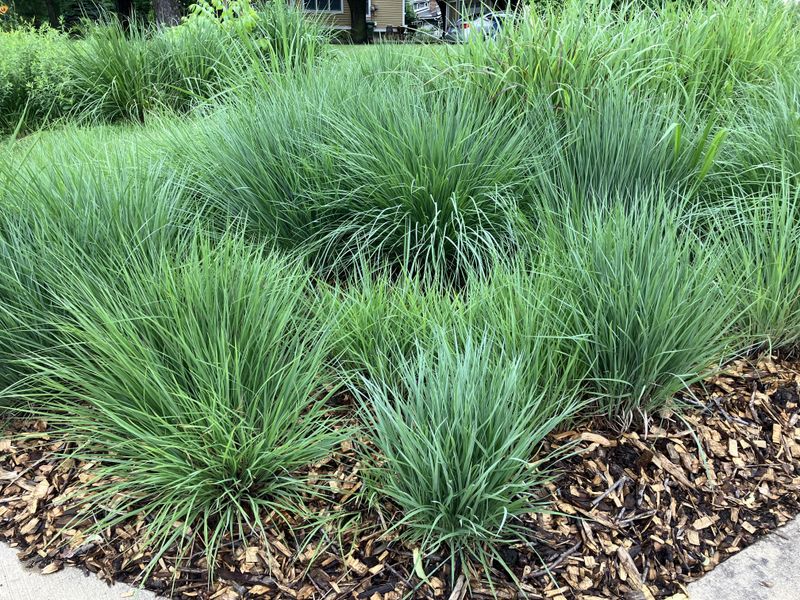
Many ground covers, including native strawberry and blue oat grass, can be divided from established clumps and replanted in new areas of the yard for free.
UC Master Gardener volunteers often share divisions at community plant sales, making it even easier to source material at low or no cost.
Responsible spreading does require some investment in containment.
Root barriers, metal edging, and regular perimeter trimming prevent ground covers from wandering into areas where they are not welcome. Factor those materials into your budget from the start.
The California Invasive Plant Council’s online inventory is a free resource for checking whether a plant you are considering has a history of escaping cultivation in your region.
Plan smart, and the savings are real.