What It Means When You Spot Cucumber Beetles In Your Michigan Garden Debris
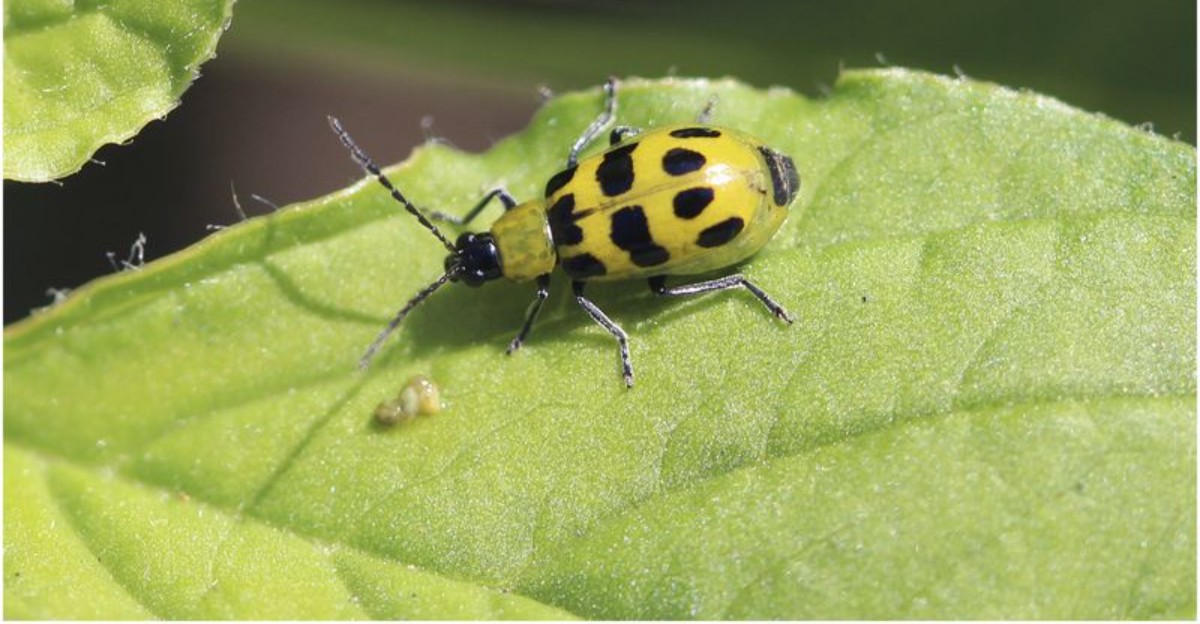
Finding cucumber beetles in October feels strange, since the vines are long finished. The beetles are not leftovers. They are looking for a place to spend winter.
Adult cucumber beetles shelter in leaf litter, plant debris, and the edges of the garden, then wake in spring and head straight for young plants. That timing is the problem. They feed on seedlings, and they can spread bacterial wilt as they go.
Old vines, weedy corners, and piles of leaves make perfect hiding places. Michigan’s cold winters do not remove them all. Many survive under good cover.
What you find now tells you how to clean up. A tidy garden this fall can mean far fewer beetles waiting for your cucumbers next spring.
1. They’re Looking For A Place To Spend The Winter
Cold weather is coming, and cucumber beetles know it. When you find them tucked inside old vines and crunchy leaves in fall, they are usually getting ready to settle in for the long Michigan winter.
Striped cucumber beetles, known by scientists as Acalymma vittatum, spend the winter as adults. Unlike many insects that pass the cold months as eggs or larvae, these grown-up beetles simply find a cozy hiding spot and wait.
Plant debris, piles of leaf litter, and weedy or wooded edges near gardens all make great shelters for them.
That pile of old cucumber vines you meant to clean up? To a beetle, it looks like a warm blanket. Leaves trap a little heat and moisture, and the layers block wind and snow. Grassy borders and nearby tree lines work the same way.
Here is the part that matters most. Beetles hiding in your debris now are likely to wake up next spring right where they slept. Once the weather warms, they crawl out hungry and go straight for fresh cucumber, squash, melon, and pumpkin plants.
Your new seedlings could become their first meal of the year. Michigan gardeners face this problem a lot. Striped cucumber beetles rank among the most common pests of vine crops across the state, from backyard plots to large farms.
They show up year after year because so many of them make it through winter close to the gardens they fed on.
So when you spot them in fall, treat it as an early warning. Make a note of where you found them, and plan to watch those same areas closely next spring. A little attention now can save your young plants later.
2. Striped And Spotted Beetles Behave Differently
Not every cucumber beetle is the same bug. Michigan gardens usually host two main kinds, and telling them apart can change how you plan for next year.
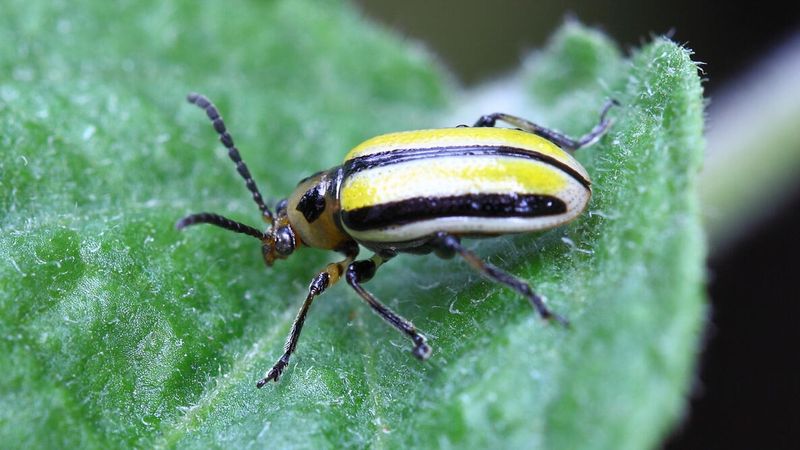
The striped cucumber beetle is bright yellow with three black stripes running down its back. It is small, about a quarter inch long, and it moves fast when disturbed. Most importantly, this is the beetle that spends the winter right here in Michigan.
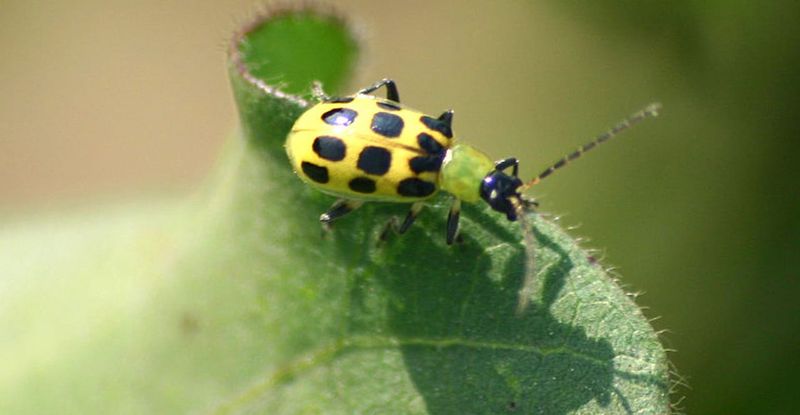
Its cousin, the spotted cucumber beetle, has a different look. Called Diabrotica undecimpunctata howardi, it is yellow-green and covered with twelve black spots, a bit like a lime-colored ladybug.
Your Michigan Garden Changes Every Week. Your Plan Should Too.
Gardening in Michigan changes quickly throughout the season. Every Friday you’ll receive a simple weekly plan showing exactly what to plant, prune, fertilize, harvest, and protect so you never miss the right timing.
Spotted beetles generally can’t handle Michigan’s harsh winters. Instead, they fly north from warmer southern states each year, often arriving later in the season.
Why should you care which one you find? It all comes down to who sticks around. A spotted beetle in your fall debris probably won’t greet you next spring, since the cold usually ends its stay.
A striped beetle, on the other hand, has a strong chance of surviving and coming back to your garden.
Take a moment to look closely next time you clean up. Grab a magnifying glass if you have one, or snap a clear photo with your phone. Count the stripes or spots and write down what you see.
That simple habit gives you real power as a gardener. If you mostly see striped beetles, expect an early spring battle and get your row covers ready.
If spotted ones dominate, your biggest trouble may come later in summer. Knowing your enemy helps you choose the right plan at the right time.
3. They’re Still Feeding On Leftover Plants
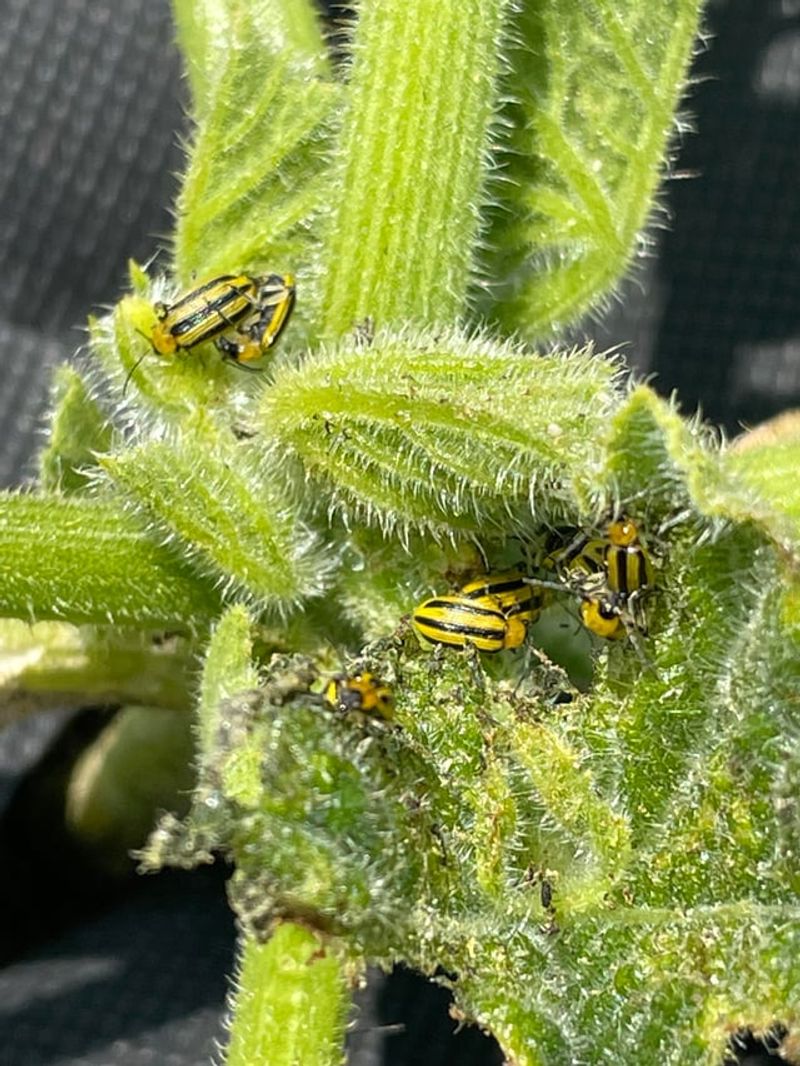
Hungry beetles don’t leave a buffet early. If your garden still has squash, pumpkins, or cucumbers lying around, cucumber beetles will happily keep eating until the very last bite.
Late in the season, these pests munch on leaves, nibble on flowers, and scrape the skin of fruit. Soft, fallen fruit is especially tempting.
Every extra meal helps them build up energy before they crawl into winter shelter, which means healthier beetles waiting for you next spring. Michigan gardens give them plenty of time to feast.
Pumpkins and winter squash often stay on the vine well into October so they can ripen fully. That long stretch is great for your harvest, but it also hands beetles a steady food supply right up until the cold sets in.
The fix is pretty simple. Harvest your remaining fruit as soon as it’s ready, and cure pumpkins and squash somewhere dry and safe, like a garage or porch. Once frost hits or the harvest is done, pull up the spent vines instead of leaving them to rot in place.
Don’t forget the little stuff, either. Fallen fruit, mushy cucumbers, and wilted blossoms all count as snacks for beetles. Pick them up and toss them in the trash or a hot compost pile far from the garden.
Think of it like closing up a restaurant for the night. When the food runs out, the customers leave sooner and with less in their bellies. Fewer well-fed beetles heading into winter can mean a lighter attack on your young plants when planting season returns.
4. They Can Carry Bacterial Wilt Into Next Season
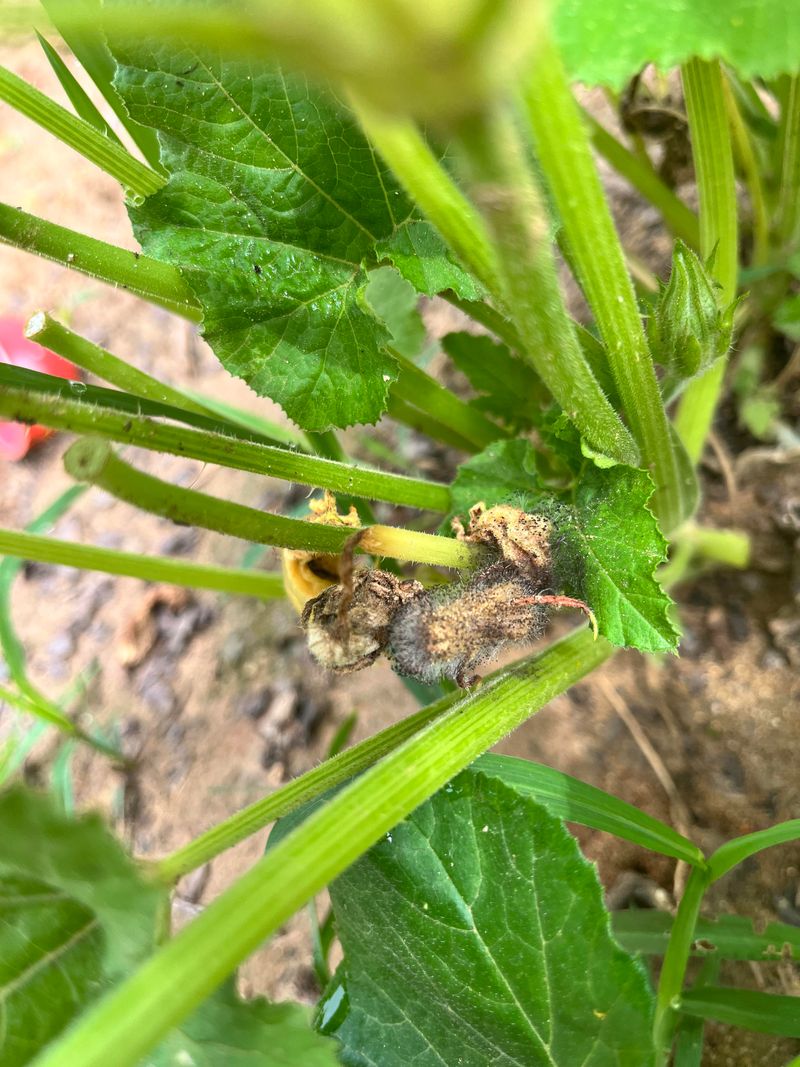
Some pests just chew holes in leaves. Striped cucumber beetles do something sneakier, and it can wipe out a whole row of cucumbers almost overnight.
These beetles can carry the bacteria that cause bacterial wilt. When an infected beetle feeds on a plant, the bacteria enter through the wounds and clog the plant’s water-carrying tubes.
The vines then droop suddenly, even when the soil is moist, and they don’t bounce back. The scary part is how the disease travels through time.
The bacteria can survive the winter inside the beetles themselves. So the beetles hiding in your fall debris may already be carrying the problem, ready to pass it along when they start feeding on new plants in spring.
Cucumbers and melons get hit hardest. Squash and pumpkins can be affected too, though often less severely. In Michigan, bacterial wilt is a common reason gardeners see healthy vines suddenly collapse in the middle of summer.
You can fight back in a few smart ways. Start by choosing varieties labeled as resistant or tolerant to bacterial wilt when you can find them. Seed catalogs often list this right in the description, so it’s worth checking before you order.
Next, protect young plants in spring, since early infections cause the worst damage. Row covers and close daily checks help a lot.
During the season, pull up any wilted plants promptly and remove them from the garden so beetles can’t pick up more bacteria from them.
Here’s a quick test: cut a wilted stem and slowly pull the pieces apart. Sticky, stringy threads often point to bacterial wilt.
5. Cleaning Up Debris Reduces Next Year’s Beetles
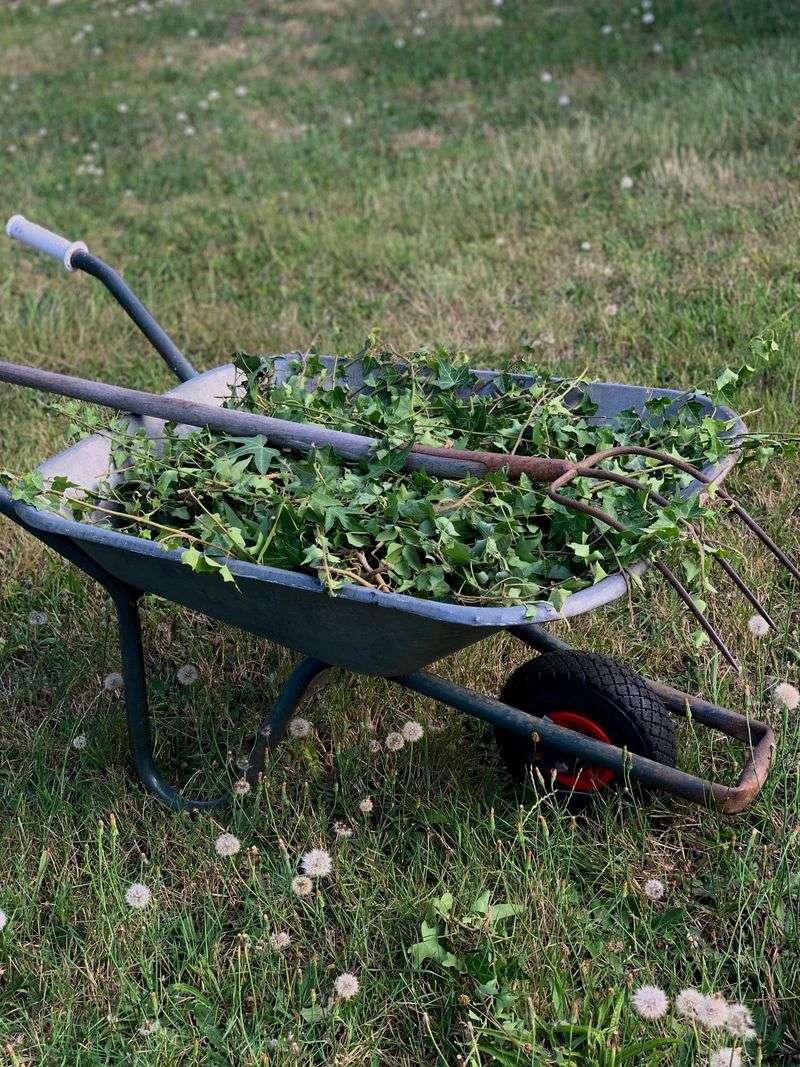
A good fall cleanup is like locking the doors before winter. Every old vine and pile of leaves you remove is one less hotel room for cucumber beetles.
Since striped beetles spend the cold months hiding in plant debris, taking that debris away leaves them fewer places to shelter close to your garden. You won’t remove every single beetle, but you can lower the number waiting right next to next year’s crops.
Start with the obvious stuff. Pull up spent cucumber, squash, melon, and pumpkin vines once the harvest wraps up. Shake off loose soil and gather the leaves, stems, and leftover fruit into one spot.
Next, decide where it all goes. Bagging the debris or sending it out with yard waste works better than leaving it in a heap at the garden’s edge. A pile sitting nearby is basically a beetle bunkhouse.
If you compost, make sure your pile gets hot and sits well away from the garden. Then look at the borders. Weedy edges, tall grass, and messy fence lines give beetles another cozy hideout. Trim them down so the area around your garden stays tidy and open.
Finally, where debris was really heavy, lightly till or turn the top layer of soil. That disturbs hidden beetles and buries leftover bits of plant material.
All of this matters in Michigan because beetles that spend winter nearby are the very first ones to find your seedlings in spring. Fewer local beetles mean a calmer, safer start for your tender young plants when the season begins again.
6. Crop Rotation And Timing Help Next Spring
Smart gardeners win half the battle over the winter, sitting at the kitchen table with a notebook. A bit of planning now can protect your vine crops when the beetles wake up.
Start with location. Plant your cucumbers, squash, melons, and pumpkins in a different part of the garden next year.
Moving them away from where beetles spent the winter won’t stop these flying insects completely, but it can slow them down and give your plants a better start.
Timing matters even more. Young seedlings are the most fragile stage for vine crops. A few beetles can chew tiny plants down to stubs, and early bites also open the door to bacterial wilt. Older, bigger plants handle damage much better.
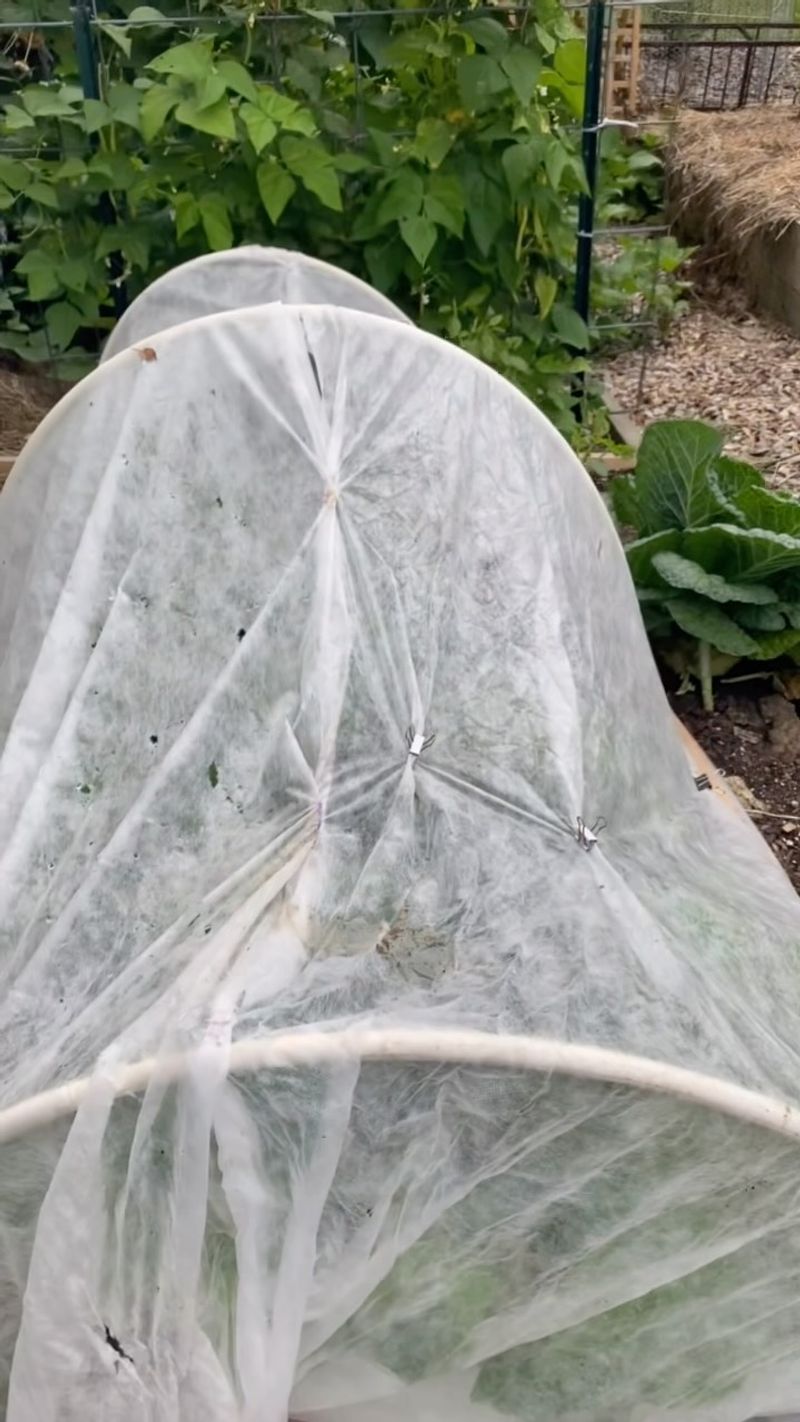
That’s where row cover comes in handy. Right after planting, drape lightweight fabric row cover over your seedlings and seal the edges with soil, rocks, or pins. Beetles can’t reach what they can’t touch, while sunlight, air, and rain still get through.
Watch for the first flowers, though. Once blooms appear, remove the cover so bees and other pollinators can visit. Without them, you won’t get much fruit.
Keep checking your plants every day or two in late spring, especially in the morning when beetles are slower. Look under leaves, around stems, and inside flowers.
In Michigan, beetles become active as soon as vine crops go into the ground in late May or early June. They seem to know exactly when dinner is served. Being ready on day one gives your plants the head start they need to grow strong.
7. Trap Crops Can Draw Them Away
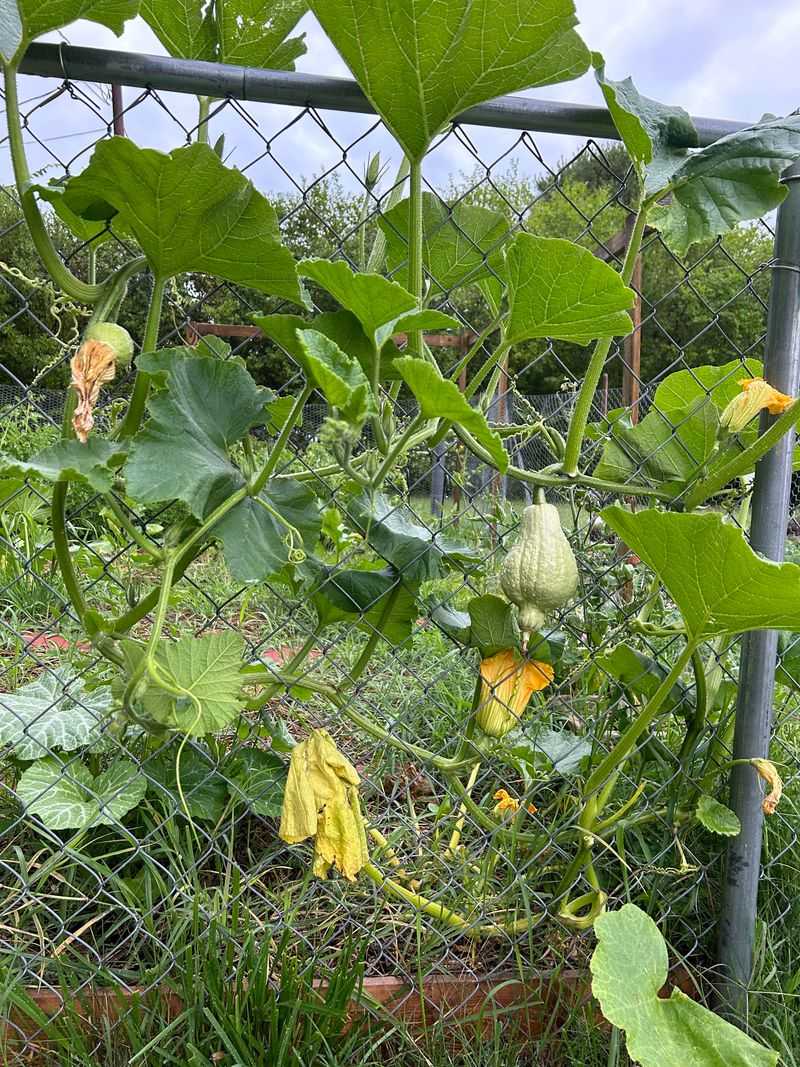
Cucumber beetles have favorite foods, just like people do. Gardeners can use that sweet tooth as a clever trick to pull beetles away from the plants that matter most.
The idea is called trap cropping. Certain varieties attract cucumber beetles much more than others, and Blue Hubbard squash is one of the best known.
This big, blue-gray squash acts like a magnet, drawing beetles over before they spread through the rest of your garden.
Getting started is easy. Plant a few Blue Hubbard squash plants around the edge of your garden, ideally a week or two before your main cucumbers, melons, and squash go in.
Beetles coming out of winter will find these early plants first and gather on them. Now the real work begins. Check your trap plants often, every day or so if you can. When you spot beetles, hand-pick them and drop them into a cup of soapy water.
Some gardeners even use a small handheld vacuum to suck them right off the leaves, which works surprisingly well.
Sometimes the trap plants get crowded with beetles. When that happens, you can treat just those plants or pull out the most infested ones and remove them from the garden.
Either way, you’re dealing with the problem in one small spot instead of across your whole yard.
For Michigan gardeners who want to spray less, trap crops are a great tool. They protect pollinators, save money, and give you more control. Plus, it feels pretty satisfying to outsmart a bug that thinks it found the perfect dinner.