This Is What Texas Irises Need Before The Heat Gets Brutal
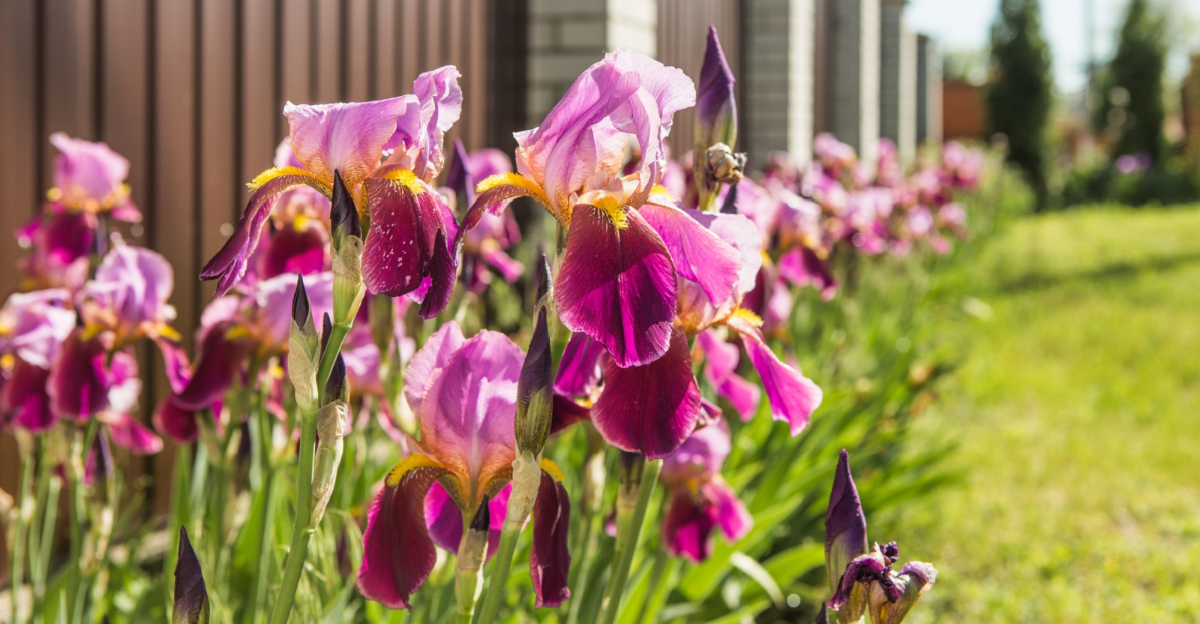
Bearded iris in Texas is a bit of a thrilling experience.
One week you’ve got these gorgeous, ruffled blooms putting on a show that makes the whole garden look incredible, and then almost before you’ve had a chance to fully appreciate them, the heat shows up and the window slams shut.
Spring moves fast here, and that brief stretch between peak blooms and brutal summer temperatures is exactly when your decisions really count.
Here’s what a lot of gardeners don’t realize: what you do right after those blooms fade matters just as much as anything you did before.
Texas heat is genuinely unforgiving to iris plants sitting in soggy soil or the wrong spot.
Full sun, excellent drainage, careful moisture control, and smart after-bloom care are what actually move the needle heading into next season.
1. Full Sun Helps Bearded Iris Bloom Better
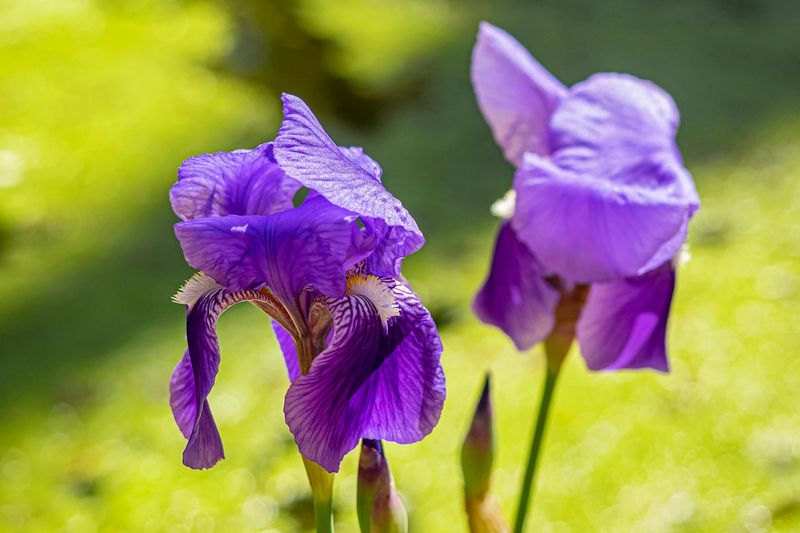
A sunny bed in Texas is one of the best things you can give a bearded iris.
These plants genuinely love direct sunlight, and most experts agree that at least six hours of full sun each day supports stronger stems, better color, and more consistent flowering from one season to the next.
In Texas, that kind of sun is usually easy to come by.
When bearded iris get planted in spots with too much shade, the results can be underwhelming. You might notice fewer blooms, weaker stalks, or foliage that flops over more easily.
Nearby trees, fences, or shrubs that cast afternoon shade can quietly reduce bloom quality over time without gardeners realizing what is happening.
Choosing a south or west-facing bed often works well in Texas landscapes, especially in borders or cottage-style plantings where full sun hits the rhizomes directly.
Some afternoon shade during the hottest part of summer is not necessarily harmful, but the more sun bearded iris receive during the growing season, the better they tend to perform.
Moving a struggling clump to a sunnier spot can sometimes make a noticeable difference in flowering the following spring.
2. Excellent Drainage Protects The Rhizomes
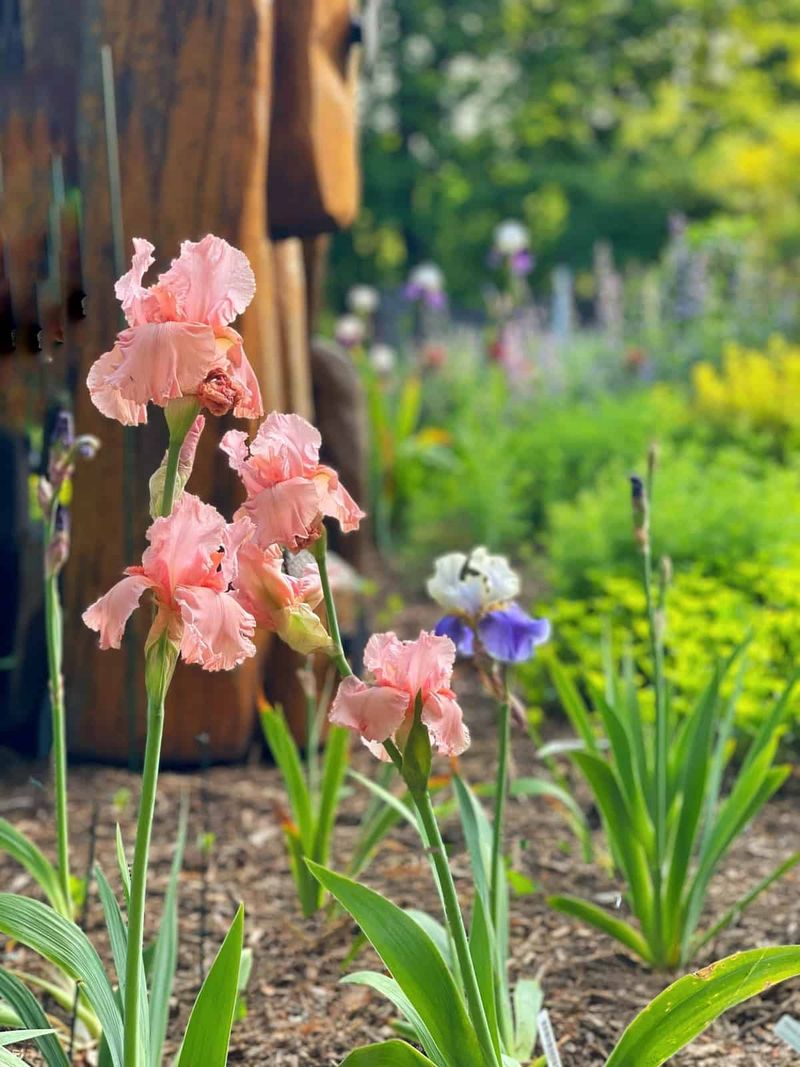
Raised beds, sloped borders, and sandy loam soil give bearded iris exactly the kind of environment their rhizomes prefer.
Good drainage is not just a nice bonus for these plants in Texas – it is genuinely one of the most important factors in keeping them healthy through the warm, sometimes stormy months of late spring.
Rhizomes sitting in waterlogged ground for extended periods can develop rot, which tends to spread quietly before most gardeners notice anything wrong.
Texas clay soils present a real challenge because they hold moisture longer than rhizomes can comfortably tolerate. Amending heavy clay with coarse sand, decomposed granite, or organic matter before planting can help improve drainage significantly.
Raised planting areas, even just a few inches above the surrounding soil level, can make a meaningful difference in how well water moves away from the rhizome zone.
Checking your beds after a heavy rain is a useful habit to develop. If water pools around the iris clumps and takes more than an hour or two to drain, that spot may need some adjustment.
Your Texas Garden Changes Every Week. Your Plan Should Too.
Gardening in Texas changes quickly throughout the season. Every Friday you’ll receive a simple weekly plan showing exactly what to plant, prune, fertilize, harvest, and protect so you never miss the right timing.
Repositioning plants or improving the soil structure before summer rains arrive can protect rhizomes during the wetter stretches that sometimes hit Texas in late spring and early summer. Healthy drainage now supports stronger plants later.
3. Too Much Moisture Can Cause Problems Fast
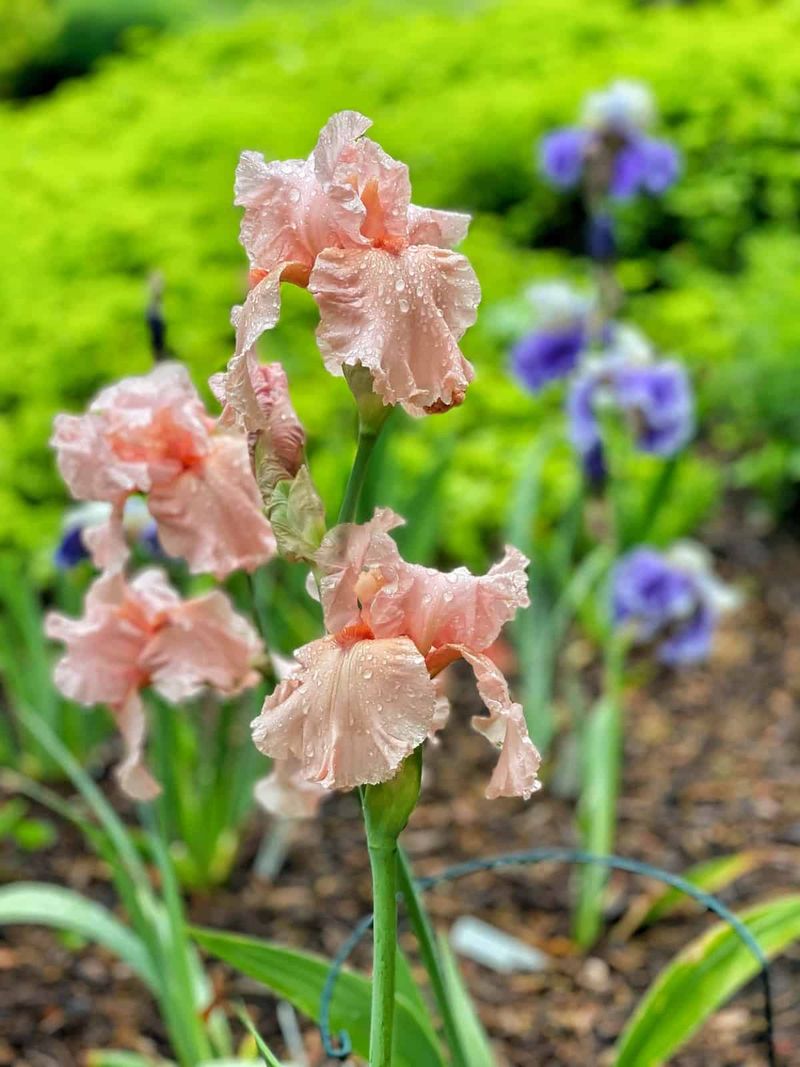
Soggy soil around bearded iris rhizomes is one of the more common issues gardeners run into, especially during the unpredictable rain patterns of late spring.
Unlike many perennials that appreciate consistent moisture, bearded iris actually prefer periods of dryness between waterings.
Their thick rhizomes store energy and do not do well when surrounded by wet soil for long stretches.
Once established, bearded iris in Texas often need very little supplemental irrigation. Rainfall alone is frequently enough during the spring growing season, and overwatering during this period can cause more harm than underwatering.
Gardeners who treat their iris beds the same way they water lawn grass or other moisture-loving plants sometimes end up with soft, discolored rhizomes that struggle to support healthy growth.
Watering deeply but infrequently tends to work better than light, frequent applications. After blooming wraps up and the heat begins to build, letting the soil dry out somewhat between waterings is a reasonable approach for most Texas landscapes.
Keeping an eye on rainfall totals and adjusting supplemental irrigation accordingly helps avoid the kind of prolonged moisture that invites trouble around the rhizome zone.
A little restraint with the hose goes a long way with bearded iris during this transition into summer heat.
4. Mulch Should Stay Away From The Rhizomes
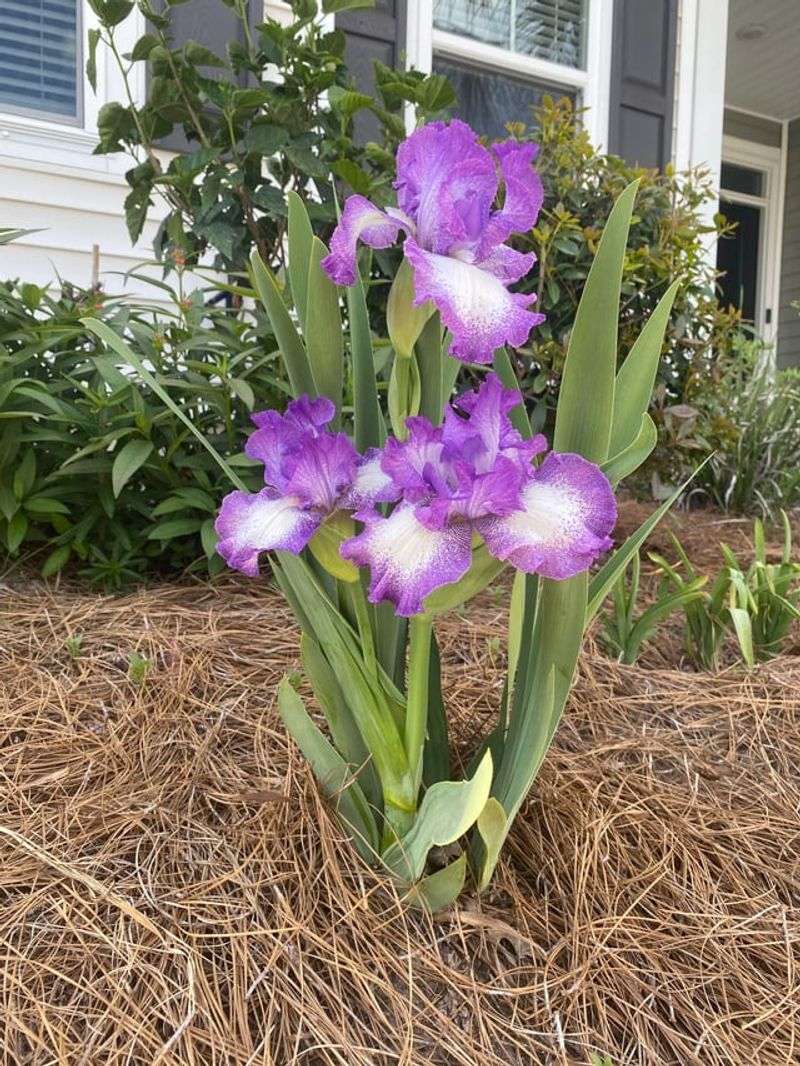
Mulching around bearded iris requires a bit more care than mulching most other perennials. The rhizomes of bearded iris are meant to sit at or just above the soil surface, exposed to sunlight and open air.
Piling mulch directly over them traps moisture, limits airflow, and can create conditions that lead to rot – exactly the opposite of what these plants need heading into a hot Texas summer.
That said, a light layer of mulch placed a few inches away from the rhizomes can still be useful. It helps moderate soil temperature, reduces weed competition, and keeps the surrounding area tidy.
The key is keeping that mulch from creeping in and covering the rhizomes themselves. Even well-meaning applications of wood chips or shredded bark can cause issues when they get too close.
Gardeners who are used to heavily mulching their beds for summer heat protection sometimes apply too much around iris without realizing the risk.
Pulling back any existing mulch that has shifted over the rhizomes is a worthwhile task before summer sets in.
Leaving the tops of the rhizomes exposed to sun and air is part of what makes bearded iris happy in gardens. A little breathing room around those thick roots supports the overall health of the plant.
5. Deadheading Helps After Bloom
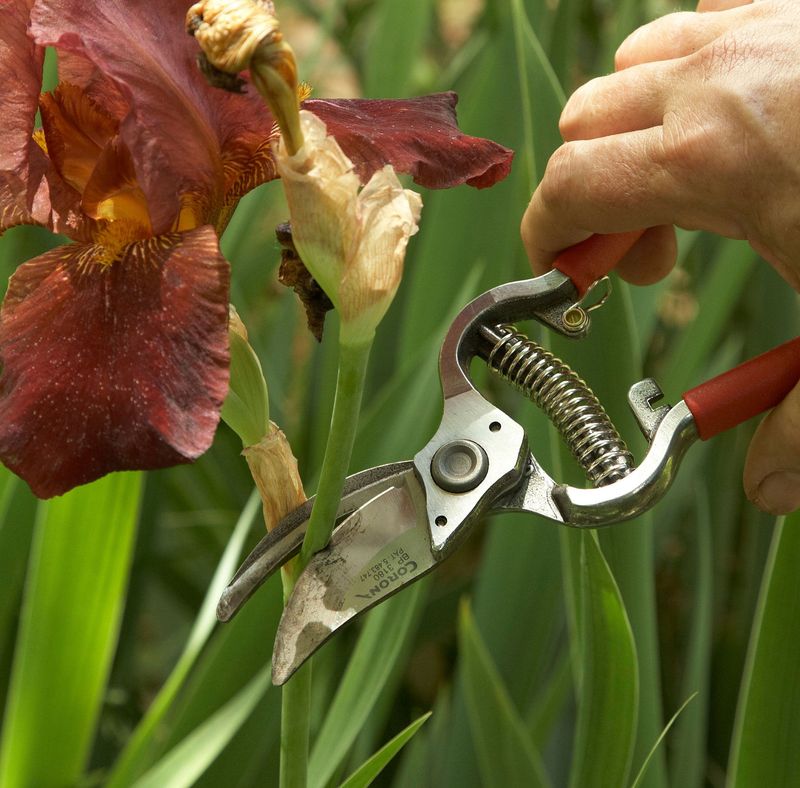
Once the last flowers on a bloom stalk have faded, that stalk has done its job. Removing it promptly is a simple task that keeps the bed looking tidy and redirects the plant’s energy away from seed production.
Spent stalks left standing do not contribute anything useful to the plant, and in heat, they can start to look ragged pretty quickly once temperatures climb.
Cutting the bloom stalk down close to the base is the general approach most gardeners use. Using clean, sharp pruners or scissors makes the job easier and reduces the chance of damaging nearby foliage or rhizomes.
Some gardeners wait until all the buds on a stalk have opened and faded before cutting, which makes sense since each stalk typically carries several blooms that open in sequence over a week or two.
Deadheading individual spent blooms as they fade throughout the flowering period is also worth doing if you want to keep the bed looking its best.
It does not dramatically change the plant’s health, but it does keep the overall display cleaner and more attractive.
After all the bloom stalks are removed, the plant shifts its focus toward building up its rhizomes and foliage for the coming season. That energy storage is what supports flowering potential the following spring in Texas gardens.
6. Healthy Foliage Still Needs To Stay
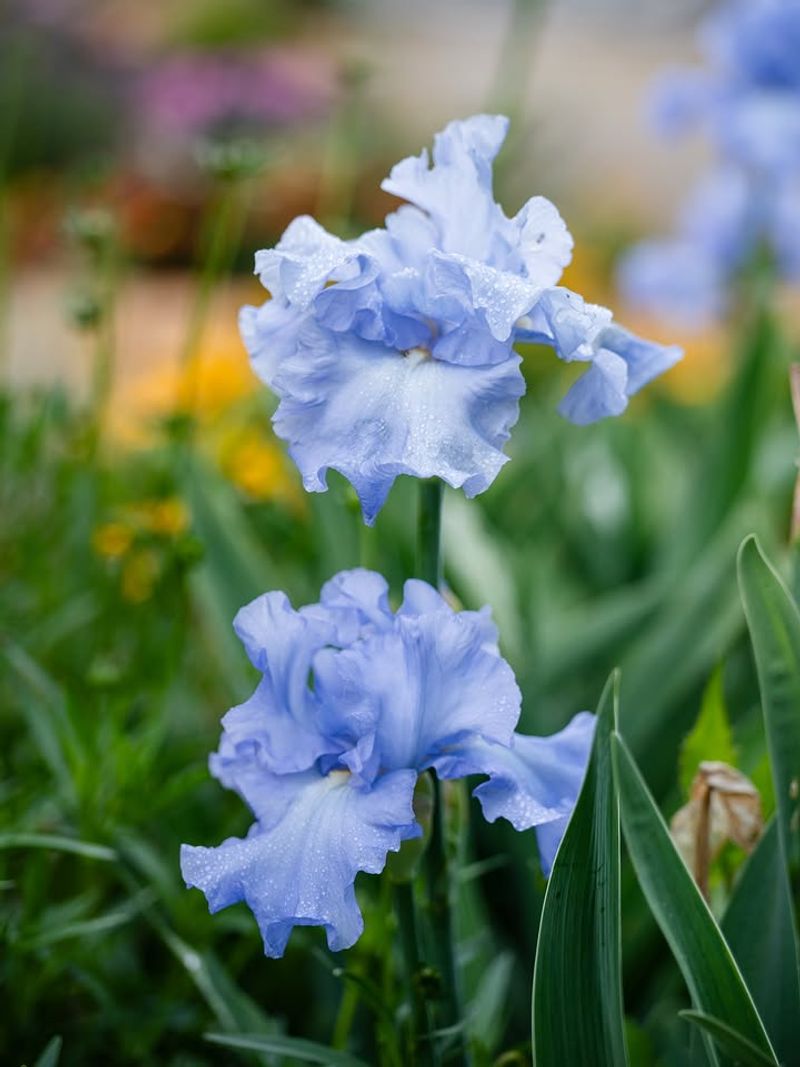
After the blooms are gone, the leaves of a bearded iris are still doing important work. Those upright, fan-shaped leaves capture sunlight and convert it into energy that gets stored in the rhizome for next year’s growth and flowering.
Cutting the foliage back too aggressively after bloom is a mistake that can weaken the plant and reduce how well it performs the following spring.
Some gardeners trim the leaf tips into a neat fan shape, which is mostly a cosmetic choice and does not significantly harm the plant when done lightly.
However, removing large portions of healthy foliage – or cutting the entire fan down to the ground – reduces the plant’s ability to build up energy reserves during the warm months ahead.
In Texas, where the growing window between spring bloom and summer dormancy is relatively short, that energy loss can be noticeable.
Watching for foliage that turns brown, yellow, or mushy is useful because those signs can point to issues worth addressing.
But green, upright foliage should be left largely intact through the summer months.
It may not look as dramatic as it did during peak bloom, but it is still contributing to the plant’s long-term health. Letting healthy leaves do their job is one of the quieter but more meaningful things you can do for bearded iris in a Texas garden.
7. Light Feeding Works Better Than Heavy Fertilizer
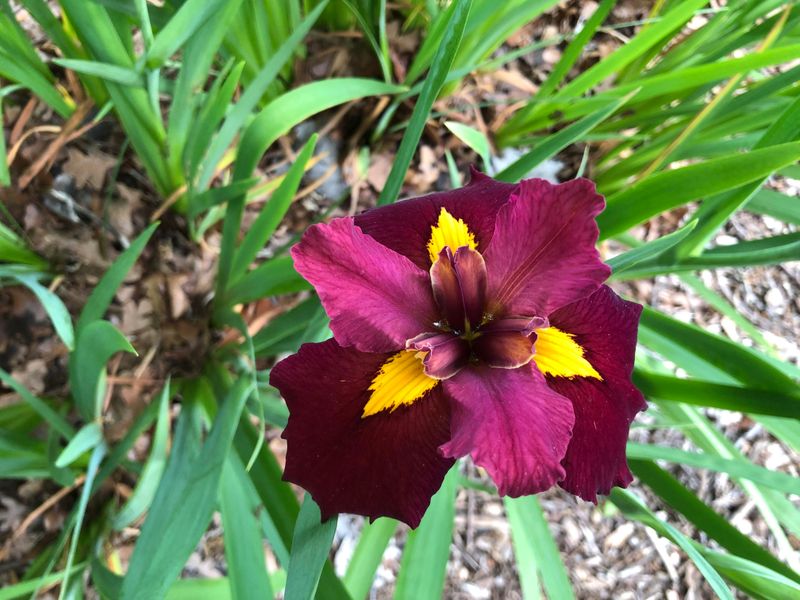
Fertilizing bearded iris is one area where less genuinely tends to work better than more. These plants do not need heavy feeding to perform well, and too much nitrogen in particular can push lush, leafy growth at the expense of flowers.
In Texas, where gardeners sometimes reach for fertilizer as a first response to struggling plants, it is worth understanding that bearded iris have modest nutritional needs.
A light application of a low-nitrogen, balanced fertilizer in early spring – before bloom – is the approach many experienced growers use.
Some also apply a second light feeding shortly after blooming finishes to support rhizome development heading into summer.
The goal with post-bloom feeding is to support root and rhizome health, not to push aggressive top growth during the hottest months of the Texas growing year.
Avoiding fertilizer that is heavy on nitrogen is especially relevant in late spring when the plant is transitioning out of bloom.
High-nitrogen products can encourage soft, leafy growth that does not hold up well in summer heat and may be more attractive to certain pests.
Phosphorus and potassium are generally more helpful at this stage. Keeping feeding light and well-timed supports the plant without creating the kind of overly lush conditions that can lead to other issues in a hot summer landscape.
8. Crowded Clumps Can Bloom Less Over Time
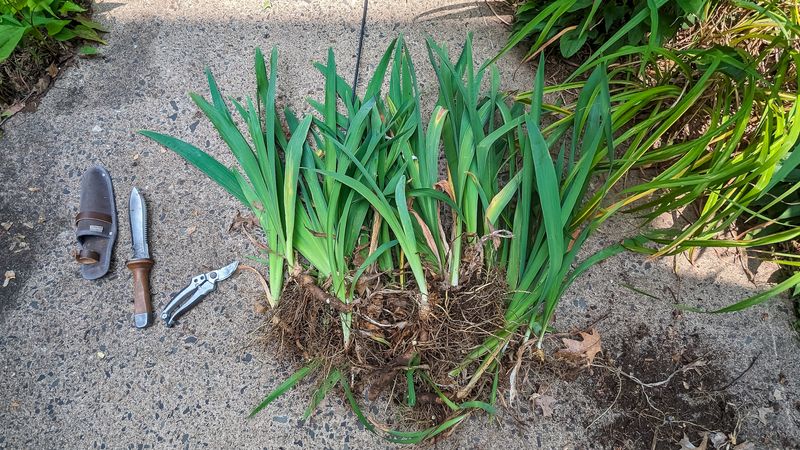
Over several years, bearded iris clumps naturally expand outward as new rhizomes develop around the original planting.
What starts as a tidy grouping can gradually become a dense, crowded mass where individual rhizomes compete for space, sunlight, and nutrients.
When that happens, bloom production often drops noticeably, which is one of the more reliable signs that a clump has outgrown its space.
Dividing crowded clumps is the standard solution, but the timing matters in Texas.
Late summer or early fall – after the intense heat has begun to ease but while there is still enough warmth for roots to establish before winter – is generally considered a more suitable window for dividing and replanting bearded iris in Texas.
Attempting division right before the hottest part of summer can put unnecessary stress on newly separated rhizomes.
For now, recognizing which clumps are getting crowded is a useful step. Making note of beds where bloom production has declined over the past season or two gives you a plan to work from when the right time for division arrives.
Crowded iris that are left too long without division tend to continue declining in flowering performance.
Staying aware of how your clumps are developing means you can act at the right moment and give those plants a fresh start in a garden that still has plenty of warm growing seasons ahead.