This Is Where Michigan Bees Go When Cold Weather Arrives
As temperatures drop across Michigan, honeybees don’t disappear the way many people assume, they cluster together inside the hive, forming a tight ball around the queen to generate and retain warmth throughout winter.
Worker bees take turns on the outside of this cluster, shivering their flight muscles to produce heat, while those toward the center stay warmer and rotate outward over time.
Native bees, on the other hand, often follow a completely different survival strategy, with many species overwintering as larvae or pupae tucked into underground nests, hollow plant stems, or leaf litter.
This difference means cold weather affects various bee species in Michigan in very different ways, depending on their natural life cycle.
Understanding where these bees actually go during winter helps explain why leaving certain garden debris in place can matter more than most people realize.
1. Honey Bees Stay Inside The Hive
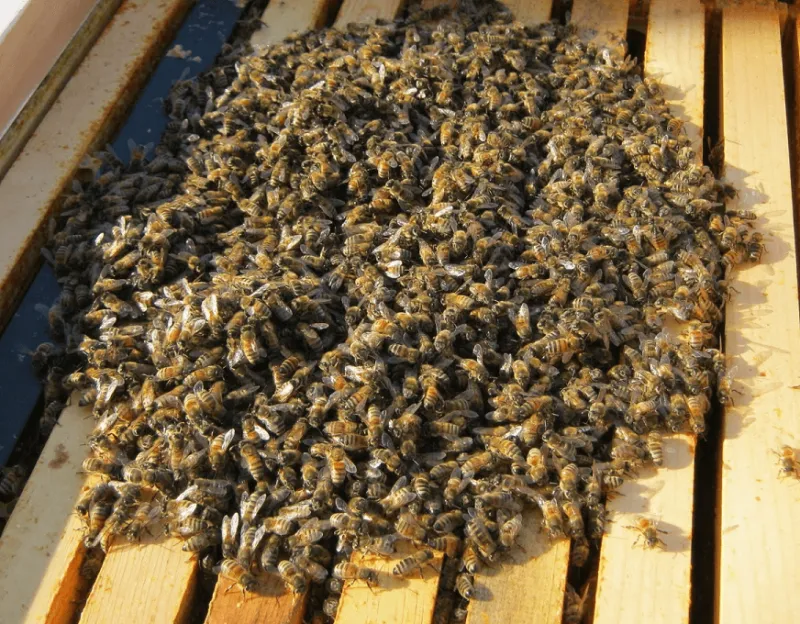
Picture thousands of honey bees huddled together like fans packed into a stadium on a cold night. That warm, buzzing ball is exactly how honey bees make it through a Michigan winter.
Instead of leaving their hive, honey bees form a tight cluster around their queen. They shiver and vibrate their flight muscles, and all that movement creates heat.
The center of the cluster can remain much warmer than the outside air, especially when the colony is raising brood.
Bees on the outer edge of the cluster take turns rotating inward so nobody stays cold for too long. It is a team effort where everyone shares the warmth and the work. This clever teamwork keeps the whole colony comfortable through the harshest weeks.
Food matters just as much as warmth. All summer and fall, worker bees collect nectar and turn it into honey, storing it in the honeycomb. During winter, they slowly eat those honey supplies to fuel their shivering muscles.
A strong hive might use dozens of pounds of honey before spring arrives. That is why beekeepers make sure their colonies have plenty stored up before the cold sets in.
On mild winter days, a few bees may zip outside briefly, but they always return to the cluster. So if you spot a quiet hive in January, remember that it is full of life inside. The bees are simply waiting, warm and busy, for the first flowers of spring.
2. Bumble Bee Queens Find Hidden Shelter
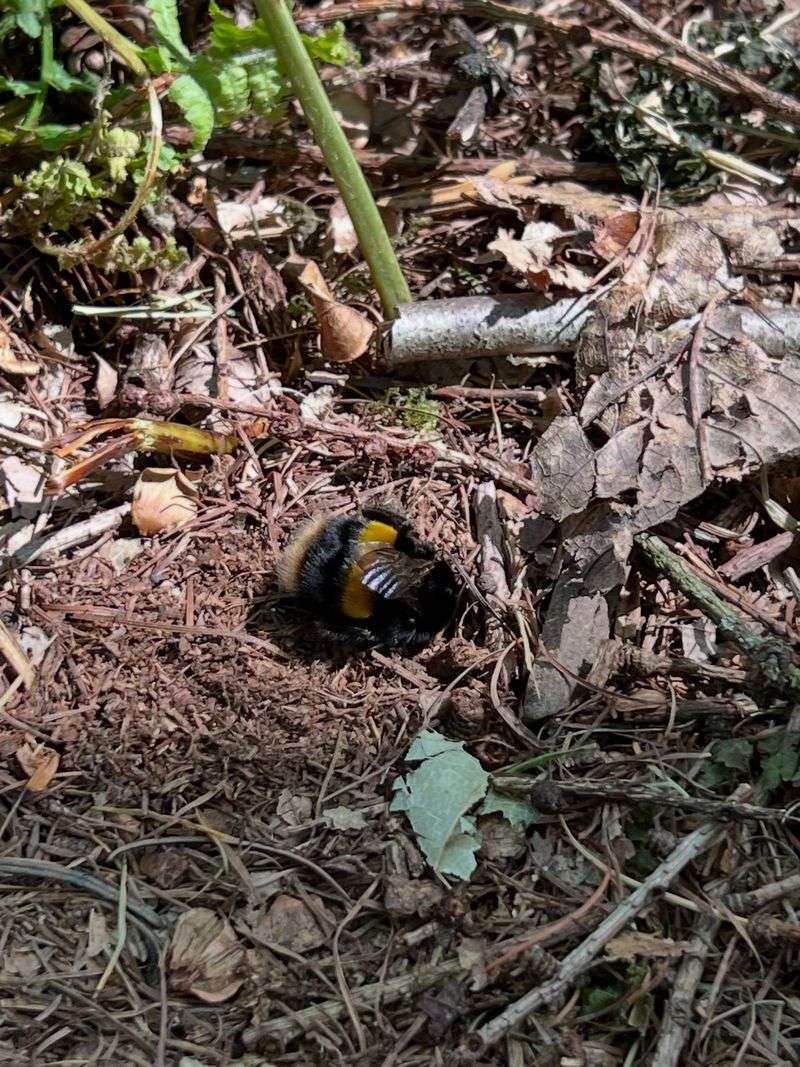
Bumble bees follow a very different plan than honey bees, and it centers around one important insect: the queen. As fall fades, only newly born queens carry the colony’s future forward into the next year.
The rest of the bumble bee colony finishes its life cycle once the season ends. The workers, the old queen, and the males all reach the end of their busy summer.
But before that happens, the colony produces fresh young queens who mate and prepare for the months ahead.
These future queens go searching for a safe hiding spot. They often burrow into loose soil, tuck under piles of leaves, or slip into a shady bank on the north side of a slope.
Your Michigan Garden Changes Every Week. Your Plan Should Too.
Gardening in Michigan changes quickly throughout the season. Every Friday you’ll receive a simple weekly plan showing exactly what to plant, prune, fertilize, harvest, and protect so you never miss the right timing.
The reason they pick shady, protected spots might surprise you. A cool, steady hiding place keeps the queen in a deep resting state so she does not wake up too early on a warm winter day and waste her energy.
Inside her little chamber, the queen slows way down and waits out the cold. She survives on the fat and energy she built up during the fall feasting on flowers.
When spring finally warms the ground, she stirs, crawls out, and begins hunting for a nest site. From that single queen, an entire new colony of bumble bees will grow through the summer.
So each buzzing bumble bee you see in June started with one brave queen who quietly waited underground all winter long.
3. Many Native Bees Spend Winter Underground
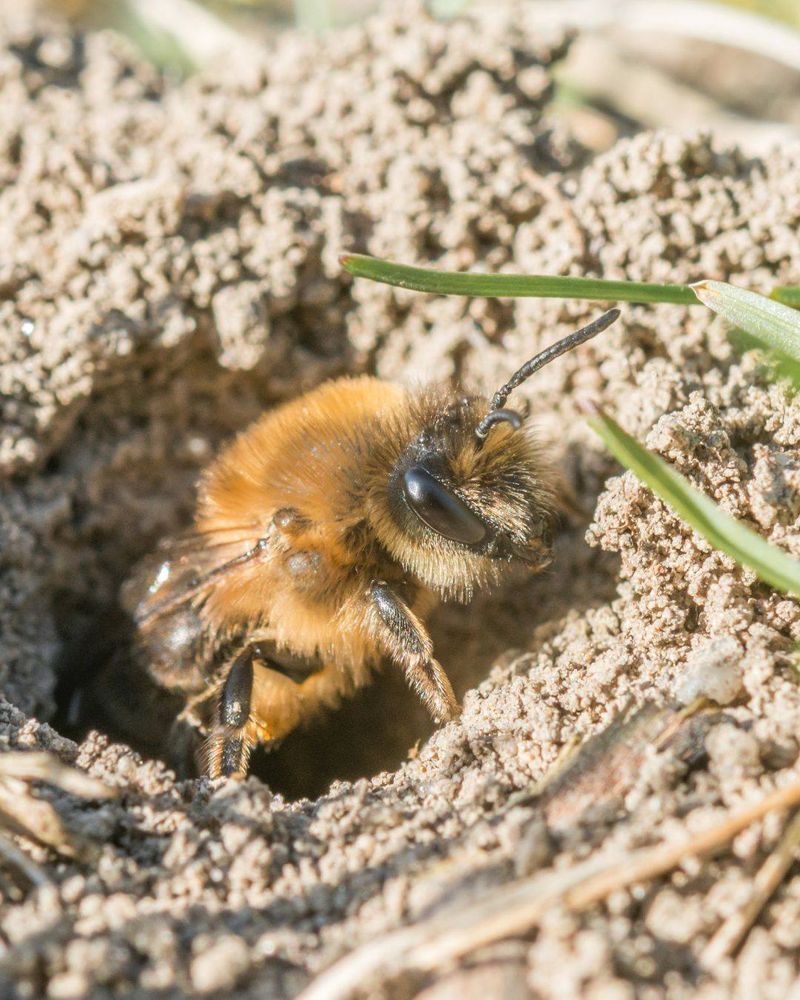
Most people picture bees living in big buzzing hives, but the truth is that Michigan has hundreds of native bee species, and many of them live alone. These solitary bees have their own quiet way of handling winter.
Rather than flying south or gathering in a cluster, these bees never really leave the garden at all. They spend the cold months right where they were born, tucked safely inside tiny nesting tunnels.
A mother bee digs a small tunnel in the soil or uses a hollow plant stem. Inside, she leaves an egg along with a little ball of pollen and nectar to feed her young.
The egg hatches into a larva, which eats the food and grows before settling into a resting stage. It waits inside that protected chamber through fall and winter, sealed away from the cold and wind.
Some species overwinter deep in the ground where the soil stays steady and safe. Others hide inside dried stems, old wood, or gaps in stone walls around the yard.
Because these bees are hidden below the surface, you would never guess your garden is full of sleeping pollinators. They are simply biding their time, patient and still.
When spring sunshine warms the soil, the young bees finish developing and chew their way out. Fresh adults emerge ready to visit flowers and start the cycle all over again.
Knowing this makes it easier to see your garden as a cozy winter home for the tiny helpers that keep your plants thriving.
4. Leaf Litter Can Protect Important Bee Habitat
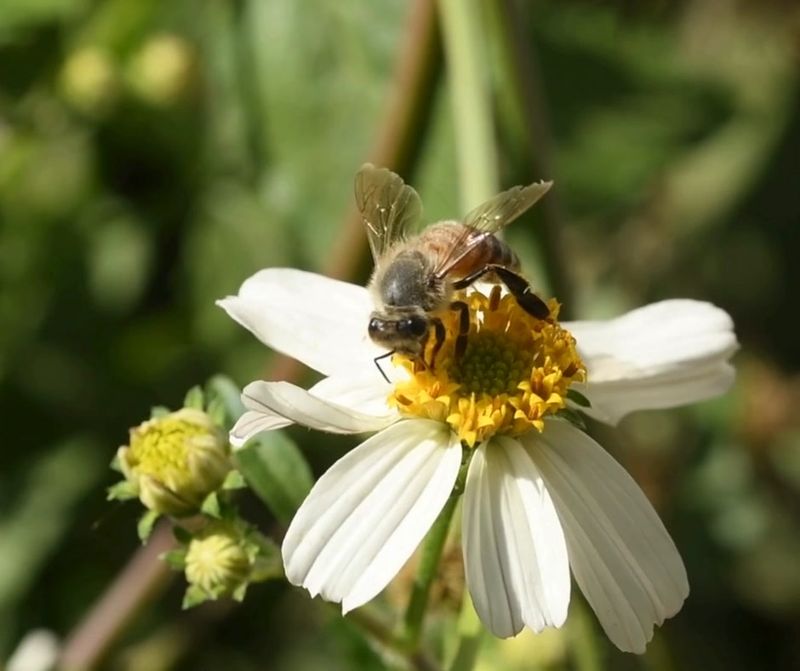
That layer of crunchy leaves you might rake away every fall is actually a cozy blanket for wildlife. Underneath it, all sorts of helpful insects find shelter from the cold.
Fallen leaves trap air and hold in a bit of warmth, creating a protected space at ground level. Native bees, along with other beneficial bugs, use this snug layer to wait out the freezing months.
Hollow stems left standing in a garden bed offer another perfect hideaway. Small bees crawl inside these natural tubes and settle in until warmer weather returns.
Undisturbed soil matters just as much. When the ground stays untouched, bees that nest below the surface remain safe and undisturbed through the whole winter.
You can help by choosing to leave a few messy corners in your yard. A pile of leaves in a back bed or a patch of stems near a fence gives these creatures the room they need.
It might feel strange to leave the garden looking a little wild, but nature loves a bit of untidiness. Those natural spaces become tiny wildlife hotels bursting with sleeping pollinators.
Come spring, all those protected bees wake up and get right to work visiting your flowers. A garden that welcomes them in winter tends to buzz with more life the following year.
So next fall, before you clear every last leaf, remember the hidden guests resting below. A little leaf litter goes a long way toward keeping your local bees healthy and thriving.
5. Fall Cleanup Can Remove Bee Shelter
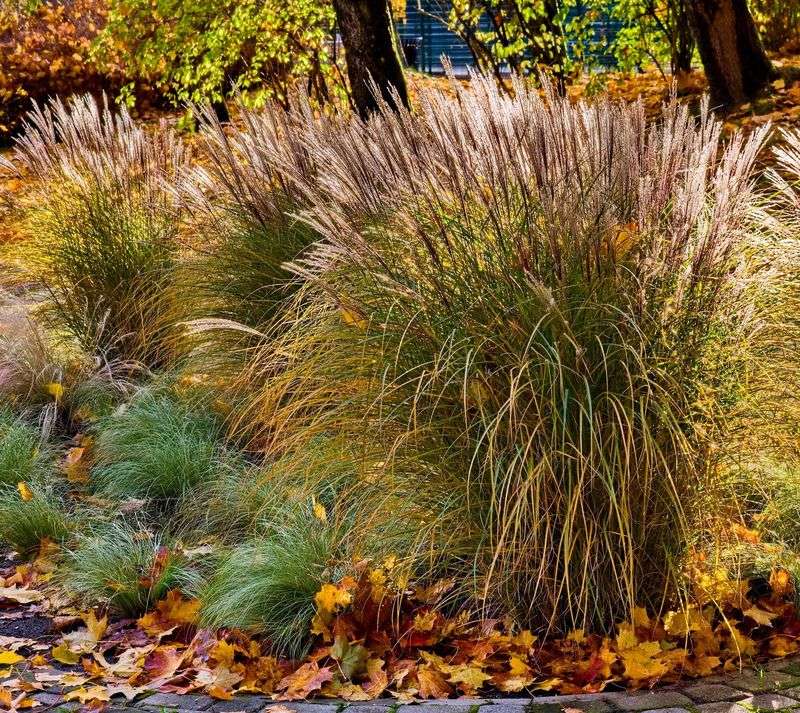
There is a downside to having the neatest yard on the block. When gardeners clear away every leaf and trim every stem, they can accidentally remove the very spots bees rely on for winter.
Raking up all the leaves takes away the natural blanket that shields ground-nesting insects. Without that cover, the tiny creatures resting below lose their protection from harsh cold and wind.
Cutting every hollow stem down to the ground creates a similar problem. Many small bees spend the winter tucked inside those stems, so removing them clears out their hidden homes.
Even turning over bare soil can disturb bees that nest underground. A quick round of digging might crush chambers where young bees are quietly waiting for spring.
None of this means you should stop caring for your garden. It simply helps to slow down and think about what lives in those leaves and stems before you tidy up.
A good trick is to wait until spring to do heavy cleanup. By then, most overwintering bees have finished their rest and moved on to visit fresh flowers.
Another option is to clean only part of the yard and leave a few natural pockets alone. That balance keeps your space looking cared for while still protecting local pollinators.
Small changes in your fall routine can make a big difference. By being a little more thoughtful, you give your garden’s bees a real chance to return strong and busy next season.
6. Cold Weather Does Not Mean Bees Disappear Forever
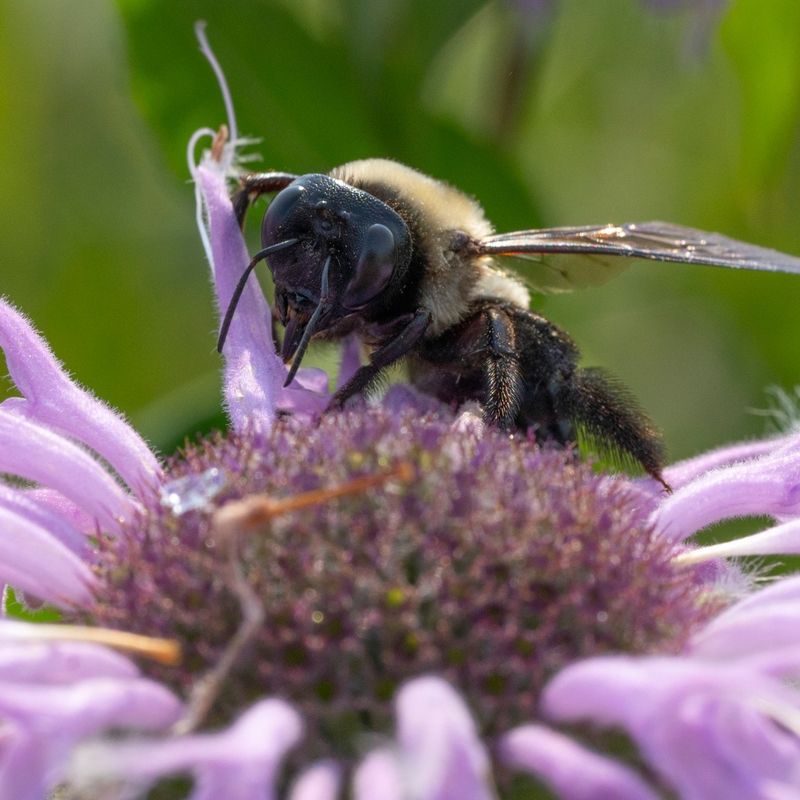
Walk through a Michigan garden in late fall and you might notice something a little sad: the buzzing has faded. But do not worry, because the bees have not gone anywhere permanent.
Seeing fewer bees as the weather cools is completely normal and expected. It happens every single year as the seasons shift from warm to cold.
Many bees are simply entering a resting stage, a bit like a long winter nap. They tuck themselves into stems, soil, and leaf piles, waiting quietly for better days.
Honey bees stay bundled inside their hive, while bumble bee queens hide underground. Solitary native bees rest inside their tunnels, still and patient below the surface.
This slowdown is part of a smart survival plan built over thousands of years. Bees know that flowers stop blooming in winter, so they conserve energy until food returns.
The empty look of a fall garden can trick you into thinking the pollinators are gone for good. In reality, they are all around you, just hidden and resting out of sight.
When temperatures climb again in spring, these bees stir back to life. They crawl out, stretch their wings, and get right back to the important work of pollinating.
So a quiet garden in November is not a reason to feel gloomy. It is simply a sign that your bees are safely tucked in, gathering strength for another busy year of buzzing among your favorite blooms.
7. Plant Late-Season Flowers For Remaining Bees
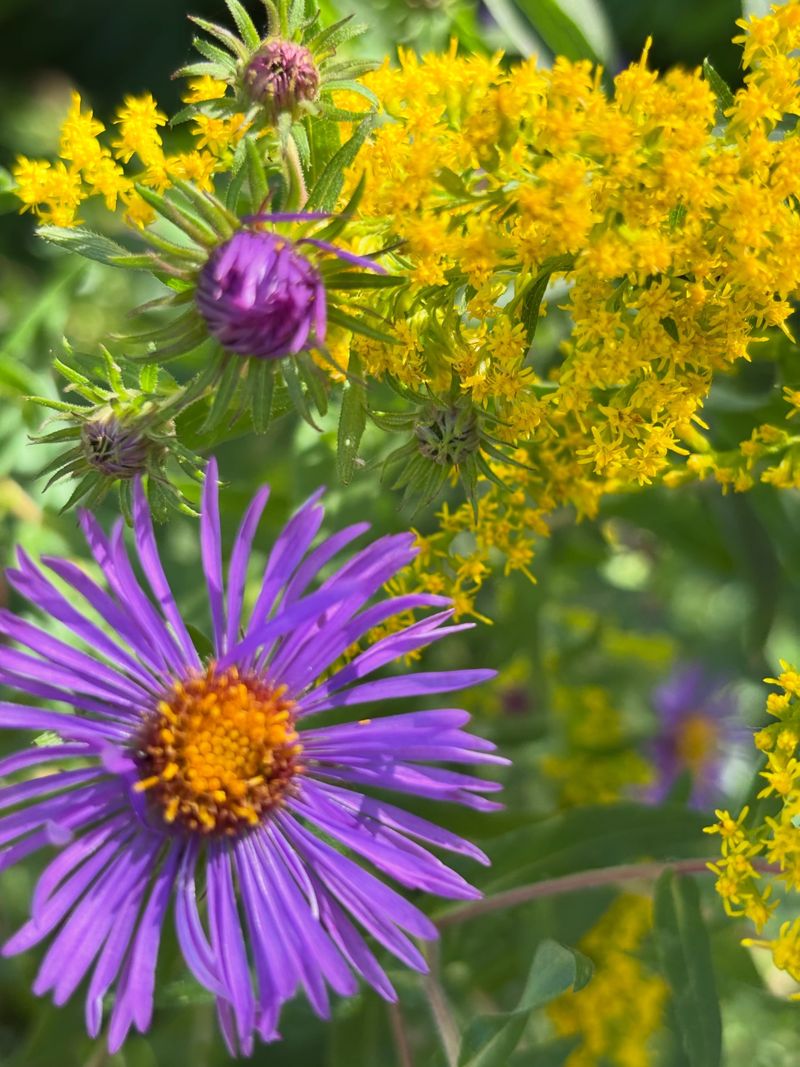
Just when most flowers begin to fade, a few tough bloomers step up to save the day. Late-season plants give bees one last feast before the cold arrives.
Asters burst open in shades of purple, pink, and white right when bees need them most. Their bright faces provide nectar and pollen long after summer blooms have faded away.
Goldenrod is another autumn hero, filling gardens and fields with cheerful yellow plumes. Despite an old myth, goldenrod does not cause sneezing, and bees absolutely love it.
These fall flowers matter because they fuel bees preparing for the hard months ahead. Bumble bee queens especially need this food to build up energy before hiding away for winter.
Planting a mix of late bloomers turns your garden into a busy pit stop for hungry pollinators. On warm October afternoons, you may spot bees eagerly gathering their final meals.
Other great choices include sedum, joe-pye weed, and native sunflowers. Each one stretches the buffet a little longer into the season.
Try grouping several of the same plant together so bees can spot them easily. A big splash of color draws in more visitors than a scattered flower here and there.
By adding these autumn stars to your yard, you help bees head into winter strong and well fed. It is a simple, colorful way to support the pollinators that work so hard for your garden.
Plus, you get to enjoy a bright, blooming landscape when most other yards have already gone quiet and bare.
8. Create A Bee-Friendly Winter Garden
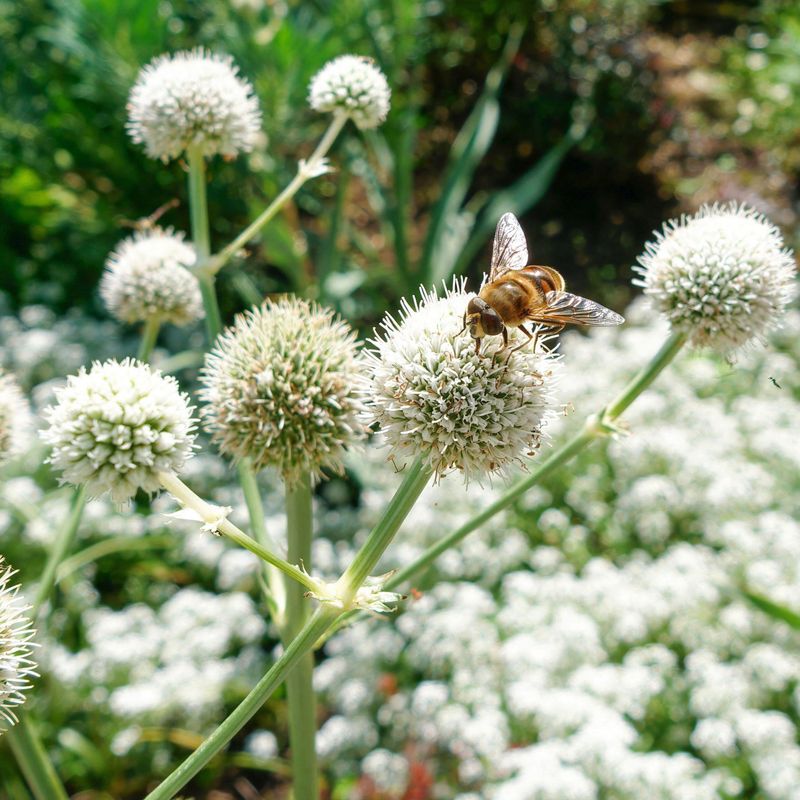
Turning your yard into a winter haven for bees is easier than you might think. A few simple choices can make your garden a safe home when the cold rolls in.
Start by leaving some stems standing instead of cutting everything down in fall. Those hollow stalks become perfect little shelters for native bees to rest inside.
Cutting back on sprays and chemicals helps too. Fewer pesticides mean a healthier space where bees and other beneficial insects can survive without harm.
Variety is your best friend when it comes to helping pollinators. A mix of flowers, shrubs, and native plants supports many different bee species throughout the year.
Protecting natural nesting areas rounds out the plan. Leaving patches of bare soil, brush piles, or untouched corners gives ground-nesting bees a quiet place to wait out winter.
You do not need a huge yard to make a difference either. Even a small flower bed or a few pots can offer valuable shelter and food.
Think of your garden as a tiny nature preserve tucked into your neighborhood. Every stem, leaf, and native plant adds up to real help for local wildlife.
When spring returns, all your effort pays off in a big way. A yard that welcomes bees in winter tends to hum with more life and color the following season.
Little by little, gardeners across Michigan can build a network of safe spaces. Together, those friendly gardens help keep bees buzzing strong for years to come.