7 Native Michigan Grasses That Work Better Than Fountain Grass Along Driveway Borders
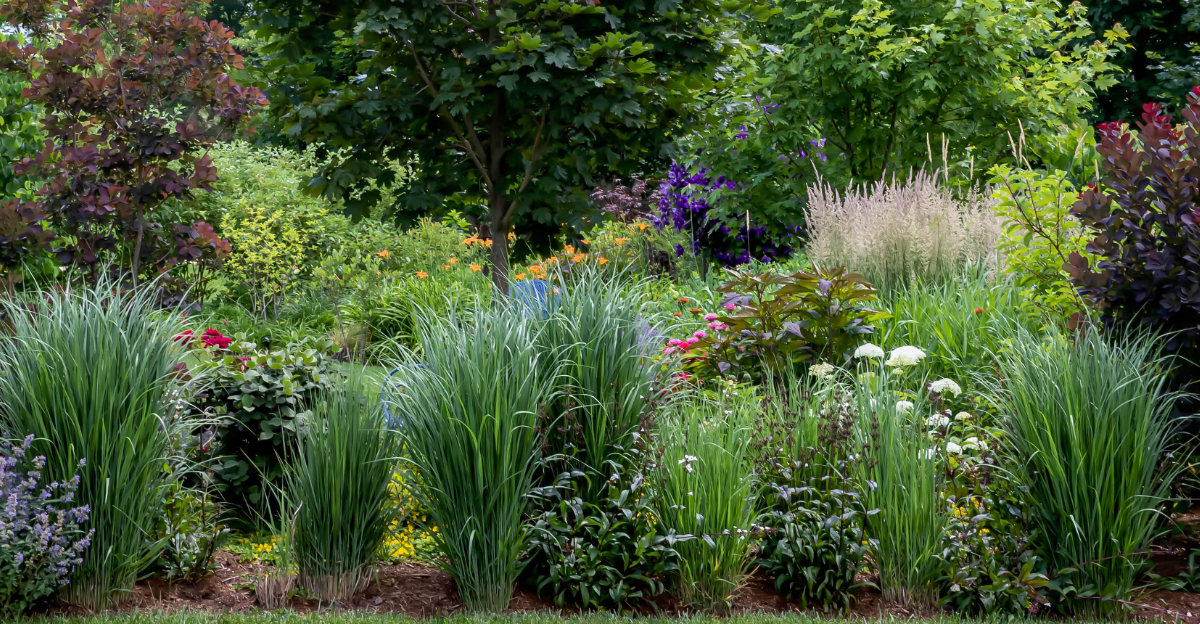
Fountain grass has become a common landscaping choice, but several native Michigan grasses offer better performance without the invasive concerns some varieties carry.
Little bluestem provides stunning fall color, turning shades of copper and red that fountain grass simply cannot match.
Switchgrass offers similar movement and texture while tolerating a much wider range of soil and moisture conditions. Prairie dropseed brings a fine, delicate texture along with a pleasant fragrance often compared to buttered popcorn.
Indian grass adds impressive height and golden fall color, creating a striking border presence through multiple seasons. Side oats grama offers unique, distinctive seed heads that add visual interest beyond typical grass plumes.
Bottlebrush grass thrives in shadier driveway spots where fountain grass often struggles to establish properly. Choosing any combination of these natives creates a resilient, low maintenance border that supports local ecosystems far better.
1. Little Bluestem Brings Color Without Taking Over The Driveway
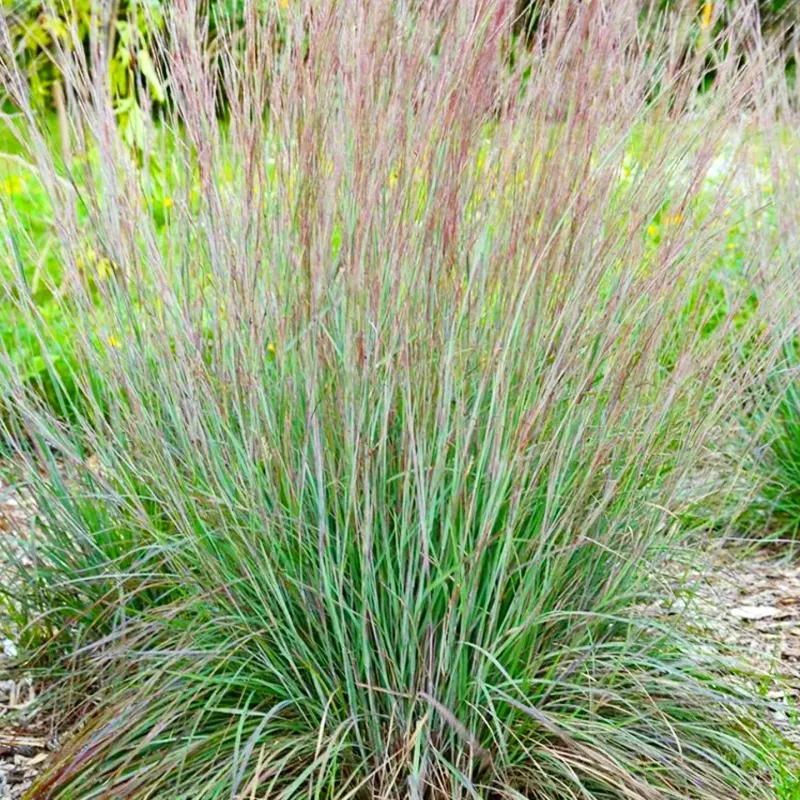
Few native grasses match the seasonal personality of Little Bluestem. In summer, the upright clumps show off a cool blue-green color that stands out against stone or concrete pavement.
Come fall, those same blades shift to warm shades of copper and reddish-orange, giving your driveway border a look that rivals any planted container or flower bed.
Michigan State University includes Little Bluestem, known scientifically as Schizachyrium scoparium, among native grasses well suited to dry native plantings across the state.
That endorsement matters because it means this grass has already proven itself in Michigan conditions.
It thrives in full sun and freely draining soil, and it actually performs better in lean ground than in rich, heavily amended beds.
Fluffy seed heads appear after flowering and stay attractive well into winter, giving you something beautiful to look at even after the growing season ends.
Most mature clumps reach about two to four feet tall, which keeps the scale comfortable for residential driveway borders.
Spacing plants roughly eighteen to twenty-four inches from the pavement edge prevents mature foliage from flopping onto the driving surface. That small detail keeps your driveway looking tidy without requiring constant trimming.
Little Bluestem is genuinely one of the easiest native grasses to establish, needing only reliable watering during the first season. After that, rainfall typically handles the rest, and the plant rewards you with consistent color and structure year after year.
2. Prairie Dropseed Creates A Neat Fine-Textured Edge
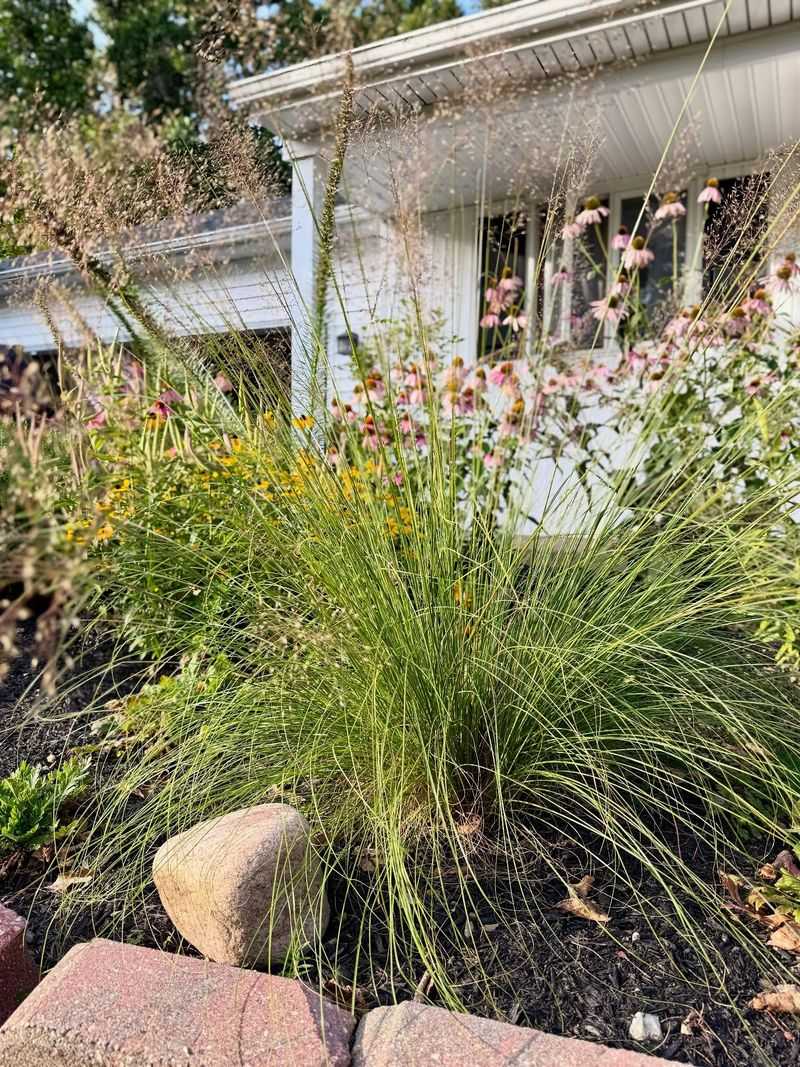
Prairie Dropseed is the kind of grass that makes a driveway border look professionally designed without a lot of effort. Its narrow, arching leaves form perfectly rounded clumps that stay tidy from spring straight through to late fall.
The overall shape is so clean and symmetrical that many gardeners use it as a repeated element along a long driveway to create a rhythm that draws the eye forward.
Scientifically named Sporobolus heterolepis, this grass is documented in Michigan flora and recommended by Michigan State University as a native option for ornamental plantings.
It stays relatively compact, usually reaching about two feet tall and wide, which makes it one of the better choices when you want grass clumps that frame a driveway without creating a tall visual barrier.
Your Michigan Garden Changes Every Week. Your Plan Should Too.
Gardening in Michigan changes quickly throughout the season. Every Friday you’ll receive a simple weekly plan showing exactly what to plant, prune, fertilize, harvest, and protect so you never miss the right timing.
Gardeners who have tried Fountain Grass in narrow borders often find Prairie Dropseed fits the same space far more gracefully.
Delicate flower stems rise above the foliage in mid to late summer, producing seed heads with a subtle fragrance that many people find surprisingly pleasant. Full sun and freely draining soil are the main requirements.
Water new plants consistently through the first growing season to help roots establish, then reduce watering as the plant settles in. Space clumps about eighteen to twenty-four inches apart for a neat, repeated effect along the border edge.
Each spring, cut old foliage back close to the ground before new growth begins. That simple annual task keeps clumps looking fresh and encourages healthy new leaves every season.
3. Sideoats Grama Fits Hot Dry Driveway Borders
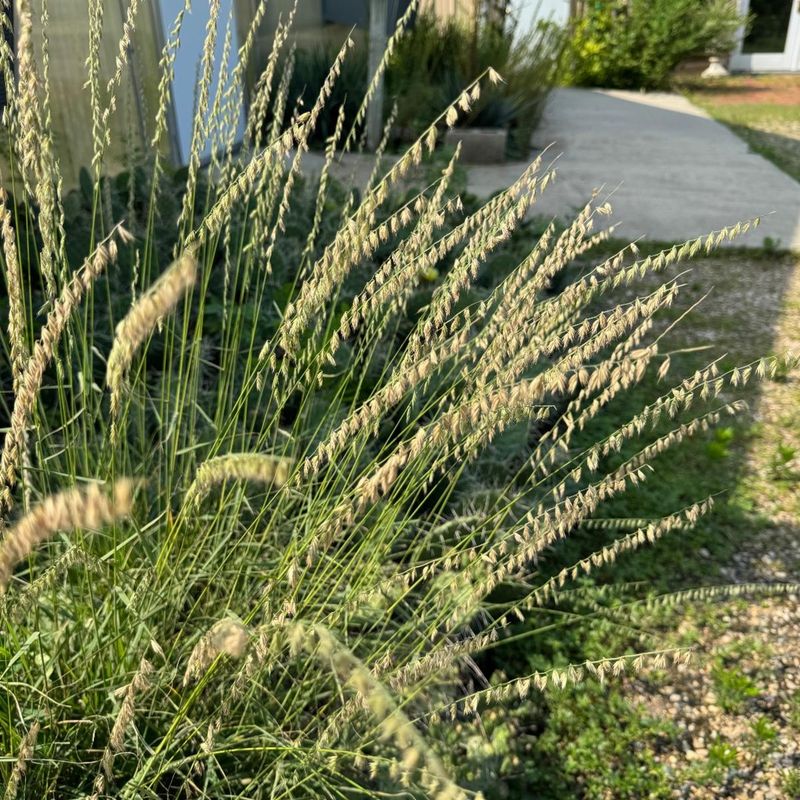
There is something quietly fascinating about Sideoats Grama that most gardeners notice the first time they see it up close. The flower structures hang along just one side of each stem, like a row of tiny flags all pointing the same direction.
That detail gives the plant a visual character that most ornamental grasses simply do not have, and it makes a driveway border feel a little more interesting and alive.
Bouteloua curtipendula, as it is formally known, is included by Michigan State University among native grasses appropriate for relatively dry planting sites.
That makes it a strong candidate for the strip of ground beside a paved driveway, where reflected heat from the pavement can push temperatures higher than the surrounding yard.
Hot, dry conditions that stress other plants are exactly where Sideoats Grama tends to perform at its best.
Lean, freely draining soil suits this grass far better than rich amended ground. Skip the fertilizer entirely, since extra nutrients encourage floppy growth rather than the upright form that makes this grass attractive.
Space plants about twelve to eighteen inches apart to allow good air circulation around each clump. Water new plants regularly during the first growing season, then reduce irrigation as roots develop.
One important placement detail worth keeping in mind is winter salt runoff. Position plants far enough from the pavement edge that concentrated salt drainage from winter road treatment does not reach the root zone.
A small setback of twelve inches or more from the pavement goes a long way toward keeping these plants healthy through Michigan winters.
4. Prairie Junegrass Gives Smaller Borders A Lighter Look
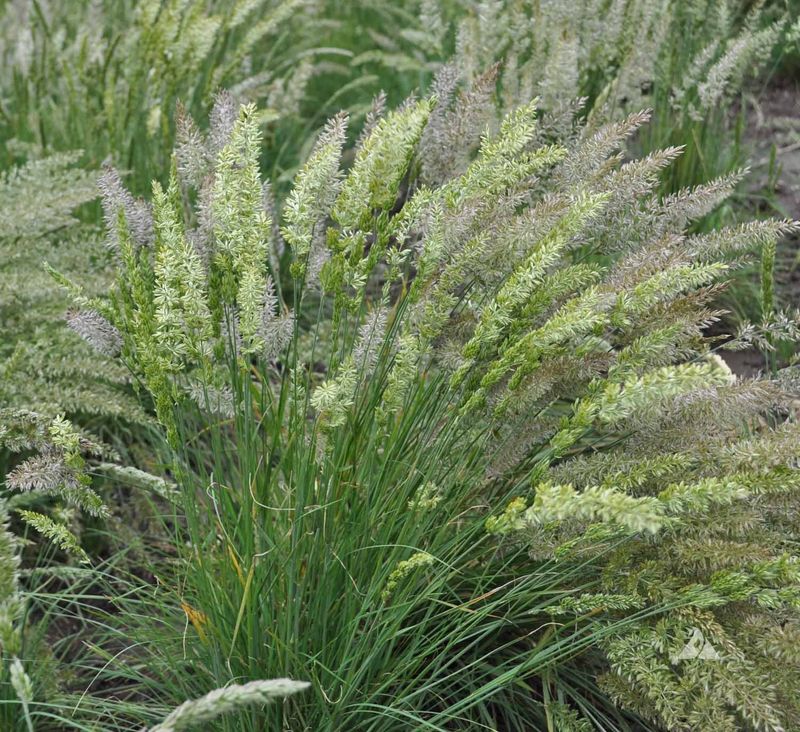
Not every driveway border needs a tall, dramatic grass. Sometimes a shorter, lighter option creates exactly the right look, especially when the border is narrow or when the goal is to keep the front of a property feeling open and welcoming.
Prairie Junegrass is the native Michigan pick for gardeners who want something delicate and refined rather than bold and tall.
Koeleria macrantha forms compact bunches of narrow leaves that rarely exceed twelve to eighteen inches in height.
The flower heads emerge earlier in the season than those of many warm-season prairie grasses, giving you color and movement in the border while other native grasses are still getting started.
Michigan State University includes Prairie Junegrass in native plant mixtures designed for dry Michigan habitats, and Michigan Flora documents the species as genuinely native within the state, so you are working with a plant that truly belongs here.
Sunny, dry, freely draining conditions bring out the best in this grass. It actually struggles in wet or heavy clay soil, so good drainage is the single most important factor when choosing a planting spot.
Because of its smaller stature, Prairie Junegrass works especially well near the front edge of a driveway border, where shorter plants look more proportional and do not block views or overwhelm neighboring perennials.
Space plants about twelve to fifteen inches apart for a natural-looking grouping. Water consistently during the first growing season, and after that, this grass handles Michigan summers with very little extra attention from you.
5. Switchgrass Adds Strong Upright Structure To Wider Borders
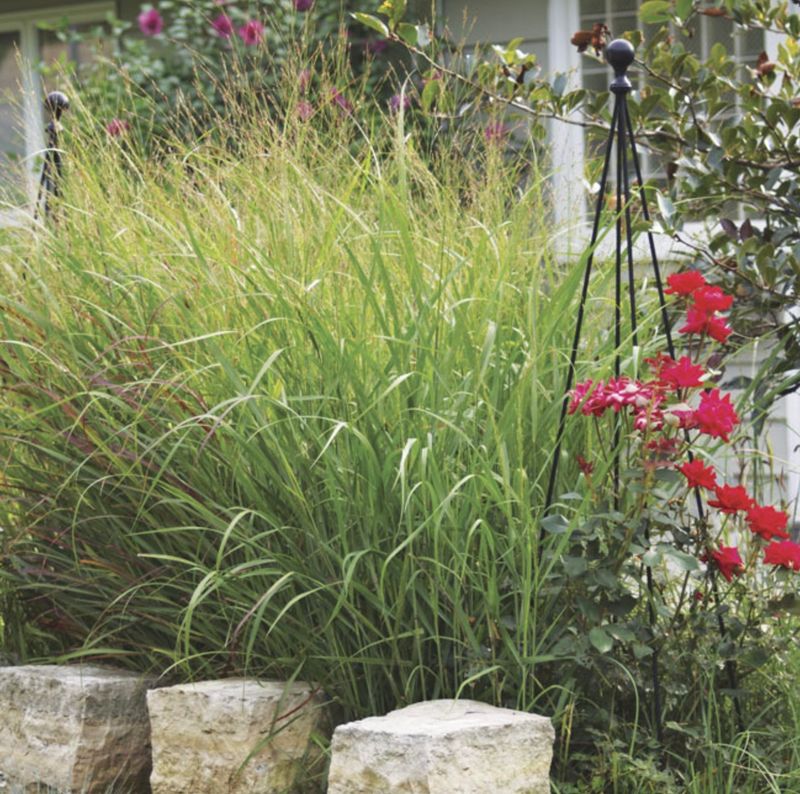
When a driveway border has enough width to handle a taller plant, Switchgrass steps up as one of the most striking native options available in Michigan. The upright stems hold their shape through summer, then the airy flower clusters catch light beautifully in late season.
By autumn, the foliage shifts to shades of gold and russet, and even through winter the dried stems hold structure in the border long after other plants have faded.
Panicum virgatum is native to Michigan and shows solid drought resistance once its root system is established.
That combination of toughness and visual appeal is exactly what makes it a reliable alternative to Fountain Grass in a border that gets full sun and has decent drainage.
Switchgrass is also flexible about soil moisture, tolerating both slightly moist and moderately dry conditions better than many other native grasses.
One honest caution worth sharing is that full-sized Switchgrass selections can reach five to six feet tall, which is simply too much for a narrow strip between a driveway and a sidewalk.
Compact landscape selections like Shenandoah or Northwind stay more controlled and are better suited to residential borders where scale matters.
Space plants about two to three feet apart and position them with enough setback from the pavement that mature stems stay clear of the driving surface. Cut old growth back to about four to six inches in early spring before new shoots emerge.
Keep plants away from areas where concentrated road salt drains off the pavement during winter months.
6. Indiangrass Creates A Golden Late Summer Screen
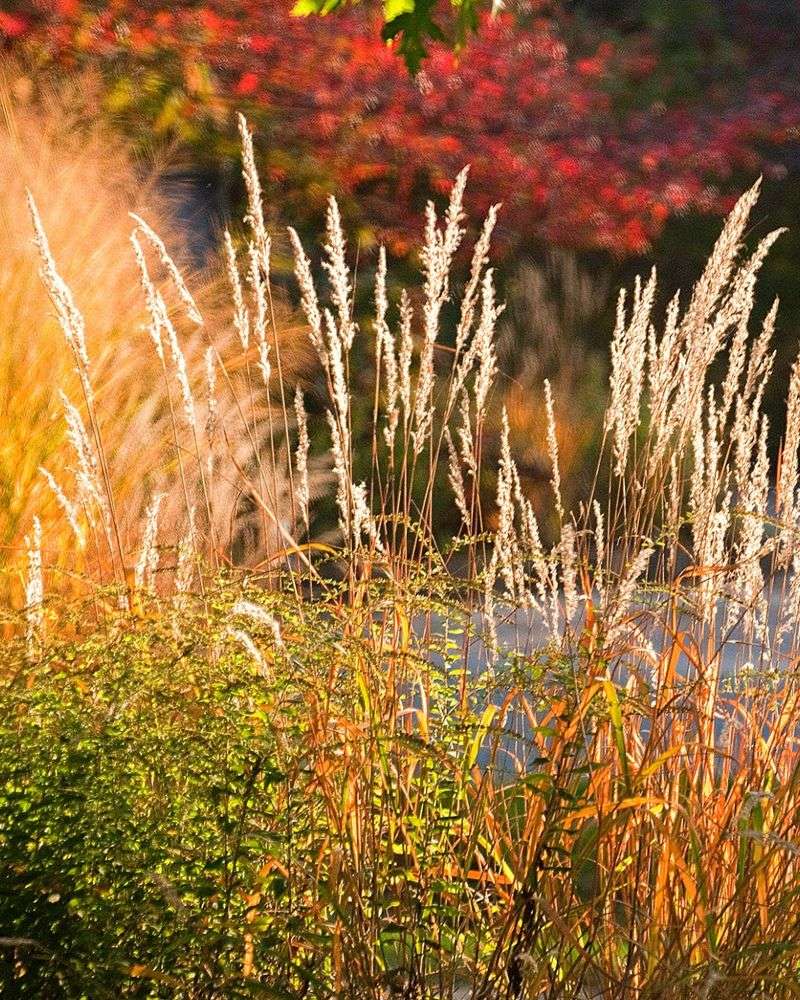
Golden bronze flower clusters catching the late August sun are one of the most memorable sights a driveway border can offer, and Indiangrass delivers exactly that.
Sorghastrum nutans is a tall, upright native that becomes especially eye-catching from late summer straight through fall, when its warm-toned flower heads glow against blue sky or dark evergreen backgrounds.
For a property entrance, few native grasses create a more welcoming impression.
Because of its height, which commonly reaches four to six feet at maturity, Indiangrass is better positioned toward the back of a generous border rather than right along the pavement edge.
Placing it too close to a narrow driveway can obstruct sight lines when backing out, which creates a practical safety issue worth taking seriously.
A good rule of thumb is to allow at least three feet of setback from the driveway surface and pair Indiangrass with shorter grasses like Little Bluestem or Prairie Dropseed toward the front of the planting.
That layered approach, with tall grasses at the back and shorter ones at the front, gives the border a natural, meadow-like depth that looks far more interesting than a single row of uniform plants. Full sun and moderate to dry soil are the basic requirements.
Water new plants regularly through the first growing season to help roots establish. Space plants about two to three feet apart for a full, lush appearance.
Each spring, cut old stems back to about four inches before new growth emerges to keep the planting looking clean and healthy.
7. Big Bluestem Makes A Dramatic Border Where Space Allows
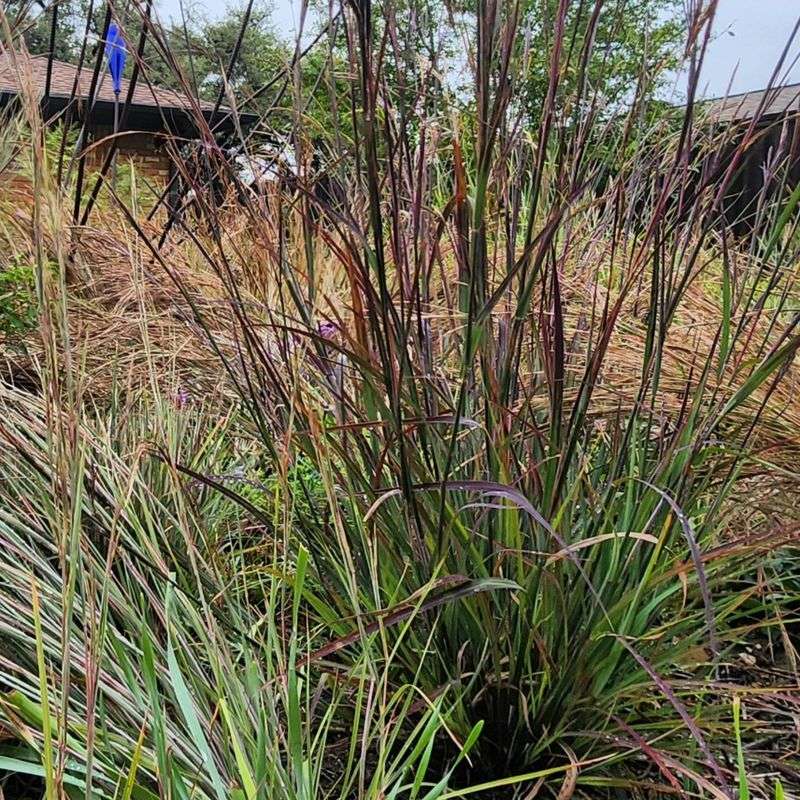
Big Bluestem has a presence that is hard to ignore.
Its strong upright stems can reach five to eight feet tall at maturity, and the distinctive seed heads, shaped like a turkey foot, appear at the top of each stem in late summer and stay visible well into the colder months.
The autumn foliage shifts to warm shades of amber, burgundy, and orange, making a large border feel alive with color even as the growing season winds down.
Michigan State University includes Andropogon gerardii among native grasses historically associated with dry Michigan prairie habitats, which tells you this plant has deep roots in the regional landscape.
It thrives in full sun with freely draining to moderately dry soil, and once established, it handles summer heat and dry spells without much help.
For rural entrances, spacious front yard plantings, or wide property borders, Big Bluestem can be genuinely spectacular.
That said, its size makes it a poor fit for most narrow residential driveway strips. Placing it too close to the pavement will eventually block sight lines for drivers and pedestrians, which is a real problem that many gardeners only discover after the plant is fully grown.
Position Big Bluestem well back from the driveway edge and fill the front of the border with shorter companions like Prairie Dropseed, Prairie Junegrass, or Little Bluestem.
Choosing each grass based on available width and mature height is far more important than simply swapping Fountain Grass for the tallest native option you can find.