The Native Georgia Flower That Attracts More Butterflies Than Coneflowers
Bright flowers always seem to get the most attention, especially when butterflies start drifting from one bloom to another.
It is easy to assume the most popular plants are also the biggest favorites with pollinators.
That belief surprises many gardeners once they begin paying closer attention to what is happening in their own flower beds. Some of the busiest blooms are not always the ones everyone expects.
A less familiar plant can sometimes attract even more butterfly activity without demanding extra care. That discovery often changes the way a garden is planned for the next season.
Georgia is home to a native flower that deserves far more attention.
It attracts butterflies in impressive numbers and often outshines coneflowers, making it a favorite that many gardeners have yet to discover.
1. Swamp Milkweed Attracts Many Butterfly Species
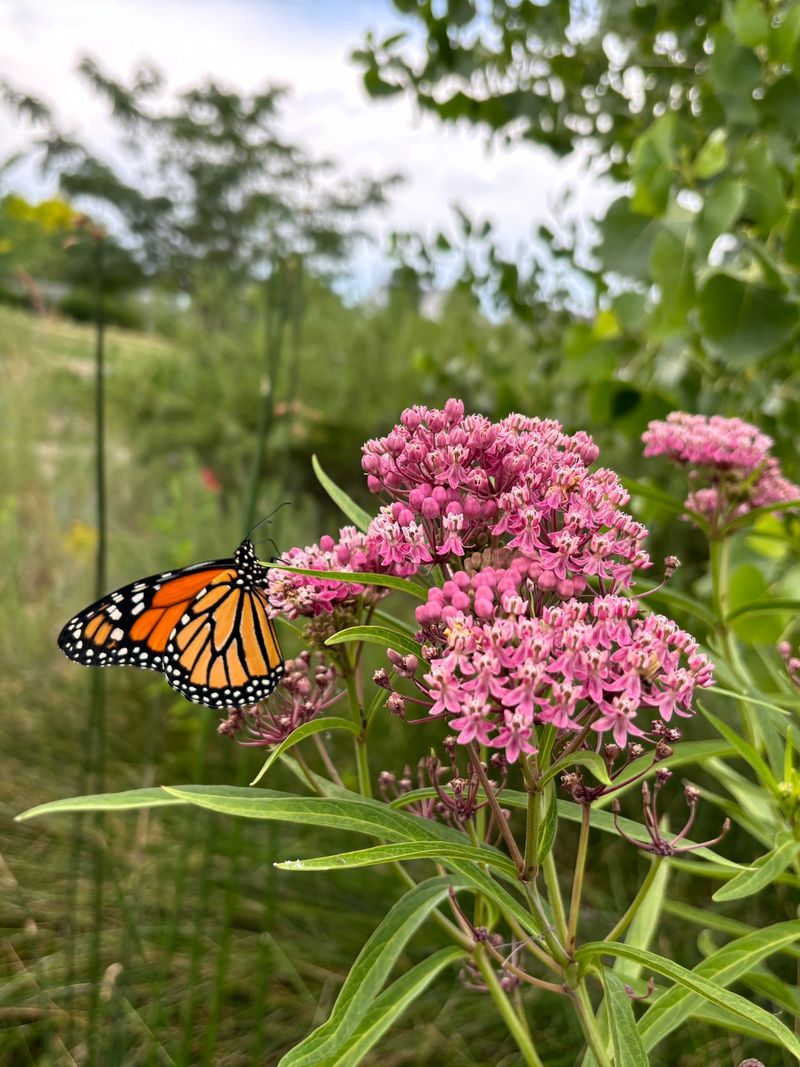
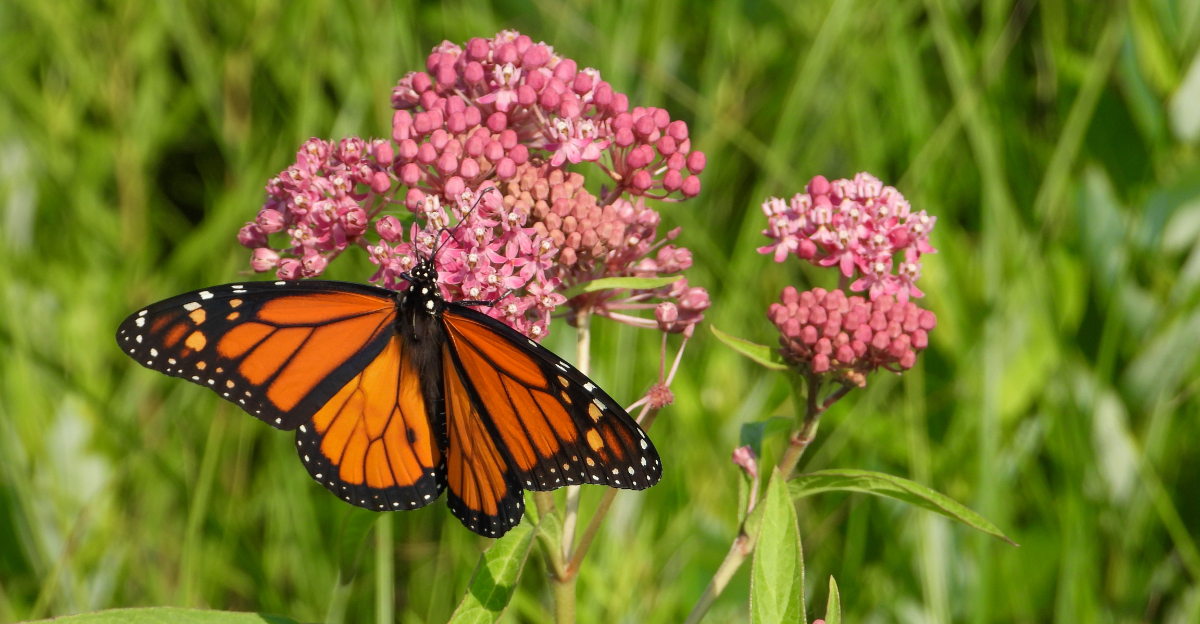
Walk past a blooming swamp milkweed on a warm summer morning and you will likely stop in your tracks. Painted ladies, great spangled fritillaries, black swallowtails, and eastern tiger swallowtails all show up regularly on its flat-topped pink flower clusters.
Coneflowers draw pollinators too, but swamp milkweed tends to attract a wider variety of butterfly species at once. Part of the reason is the flower structure.
Those small, nectar-rich blooms are easy for butterflies of many sizes to feed from.
Bees and skippers also visit frequently. On a good day, you might count five or six different species feeding at the same time on a single plant.
Swamp milkweed blooms from June through August in most parts of the Southeast. That long window gives it a real edge over plants with shorter bloom times.
Planting several together creates a bigger visual target for passing butterflies. A cluster of three to five plants works better than a single specimen placed alone in a bed.
Native plants like this one have co-evolved with local insects over thousands of years. That relationship shows clearly when you watch just how busy a mature swamp milkweed plant gets on a sunny afternoon.
2. Monarch Butterflies Rely On This Native Plant
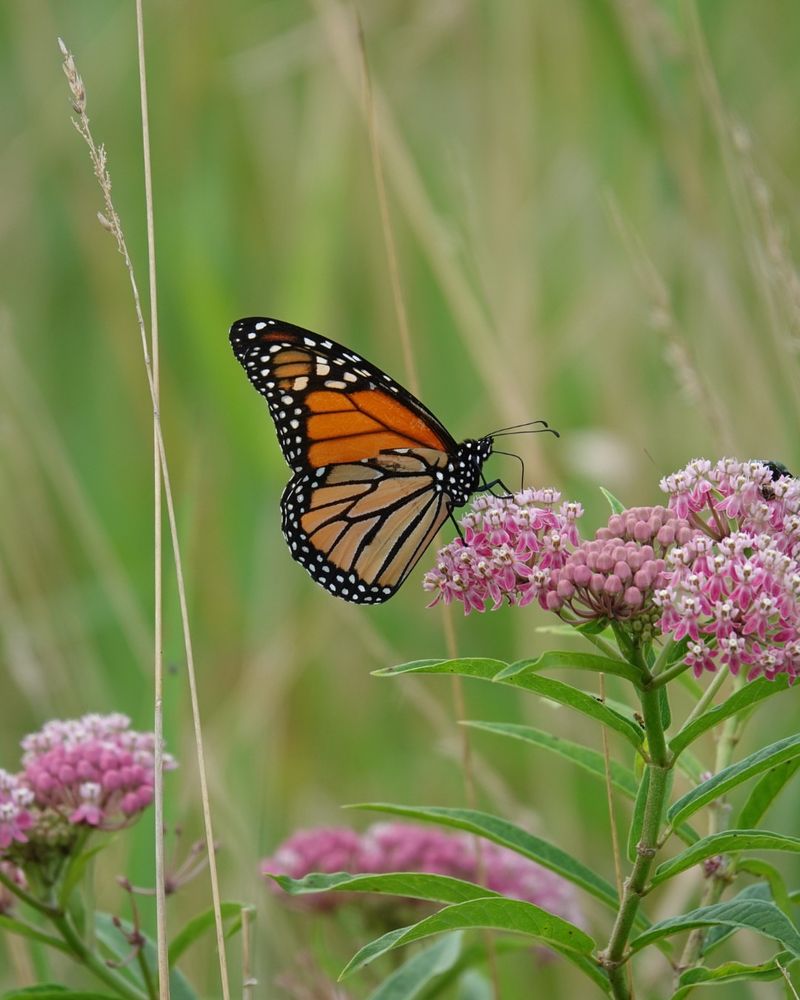
No other butterfly has a stronger connection to milkweed than the monarch. Swamp milkweed is one of the few plants where monarch females will reliably lay their eggs.
Without milkweed, monarch caterpillars cannot survive. The leaves contain compounds that caterpillars feed on and store, making them unpleasant to predators as adults.
Swamp milkweed supports that entire cycle from egg to adult butterfly.
Monarch populations have declined significantly over recent decades. Habitat loss and the removal of milkweed from roadsides and farm fields are major contributing factors.
Planting swamp milkweed in your yard adds real, measurable habitat back into the landscape.
Georgia sits along the monarch’s eastern migration corridor. That makes every milkweed planting here more valuable than it might seem at first.
Female monarchs search actively for milkweed when choosing where to lay eggs. A healthy swamp milkweed plant in full sun can attract egg-laying females from late summer into early fall.
Watching a monarch caterpillar move through its stages on a plant you grew yourself is genuinely rewarding. It connects you directly to a conservation effort that matters well beyond your own backyard.
Your Georgia Garden Changes Every Week. Your Plan Should Too.
Gardening in Georgia changes quickly throughout the season. Every Friday you’ll receive a simple weekly plan showing exactly what to plant, prune, fertilize, harvest, and protect so you never miss the right timing.
3. Choose A Location With Plenty Of Sunlight
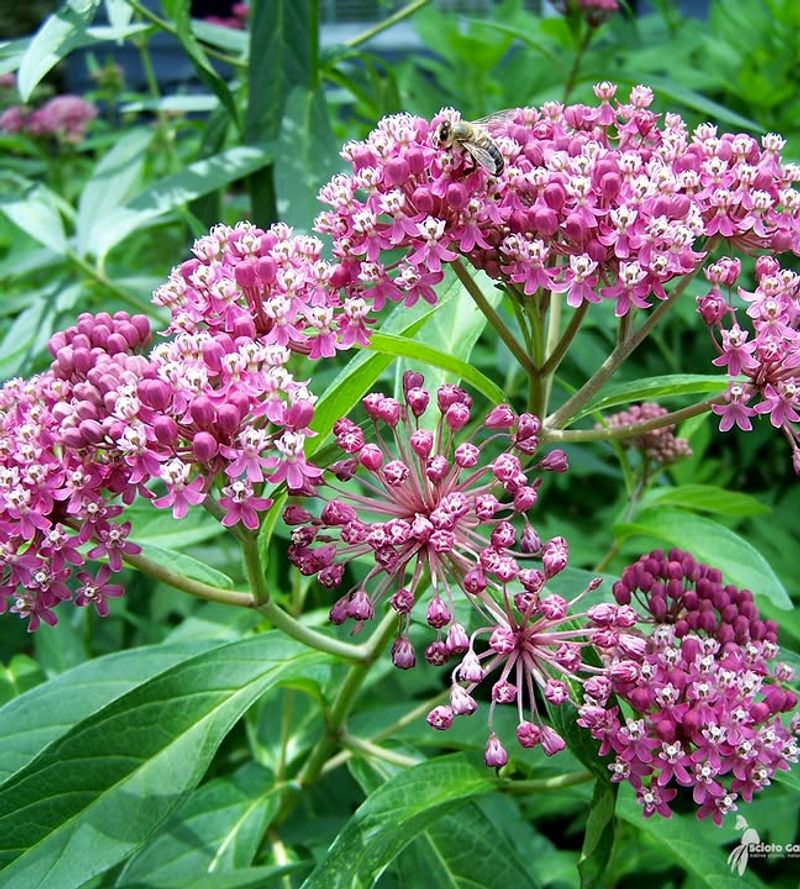
Sunlight is probably the single most important factor when deciding where to plant swamp milkweed. It performs best in full sun, meaning at least six hours of direct light per day.
Spots that get morning sun and afternoon shade can work, but expect slightly fewer blooms and less vigorous growth compared to a fully sunny location. Plants in heavy shade tend to stretch toward light and bloom poorly.
South-facing beds and open areas away from large trees are usually good choices. Avoid planting too close to structures that cast long shadows during the growing season.
Butterflies also prefer sunny spots when feeding. Placing your swamp milkweed in a bright, open area makes it easier for passing butterflies to spot the blooms from a distance.
Container gardening works too if your ground-level options are limited. A large pot placed on a sunny patio or deck can support one or two plants well.
Check the sun pattern in your chosen spot across different times of day before planting. A location that looks sunny in the morning might be shaded by a fence or building by early afternoon.
A little observation upfront saves a lot of guesswork later.
4. Plant It In Moist Well-Drained Soil
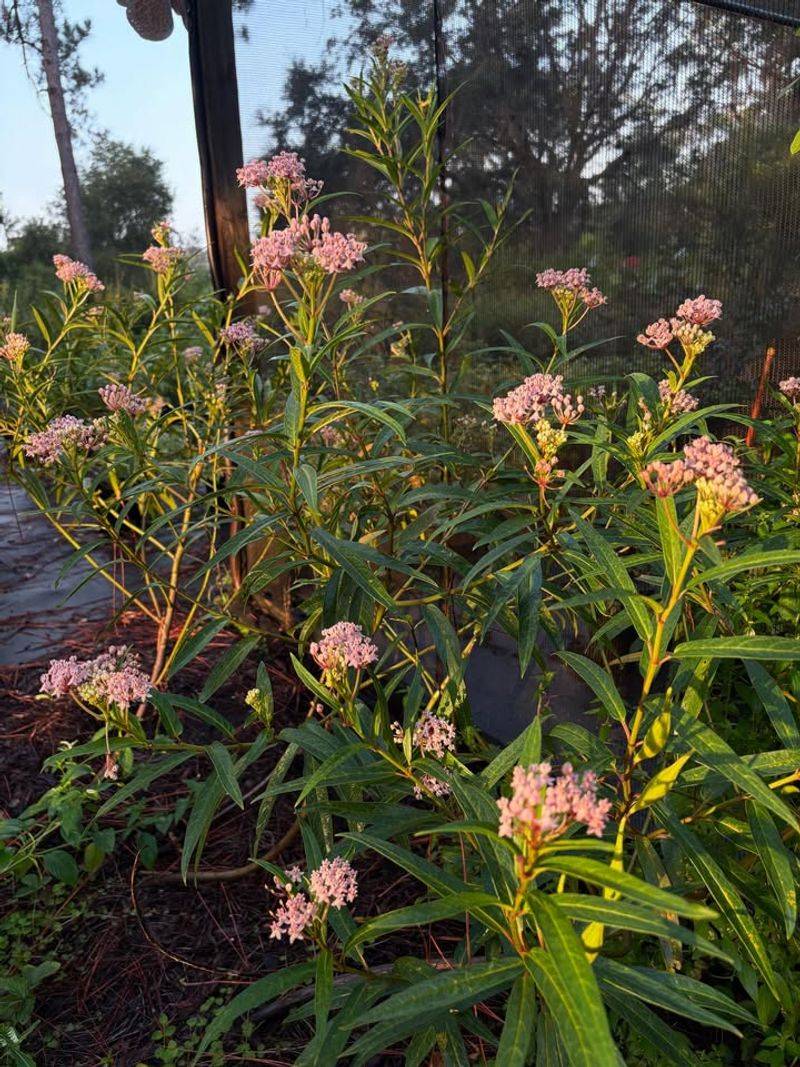
Swamp milkweed earned its name honestly. In the wild, it grows along stream banks, pond edges, and wet meadows where the soil stays consistently moist.
That said, it does not need standing water or swampy conditions to thrive in a garden setting. Moist, well-drained soil works well.
Heavy clay that holds water for days after rain can cause root problems over time.
If your soil drains poorly, try raising the planting area slightly or amending the bed with compost to improve structure. Good drainage paired with consistent moisture is the sweet spot for this plant.
Sandy soils dry out fast, especially during Georgia summers. Adding organic matter like aged compost helps sandy beds hold moisture longer between waterings.
Soil pH between 6.0 and 7.0 suits swamp milkweed well. Most average garden soils fall in that range without any adjustment needed.
Avoid heavy fertilizing. Rich, overly fertile soil tends to push leafy growth at the expense of flowers.
Moderate fertility with good organic content is usually enough to keep plants healthy and blooming through the season.
A simple soil test from your local extension office can tell you exactly what your bed needs before you plant.
5. Water Regularly During Dry Periods
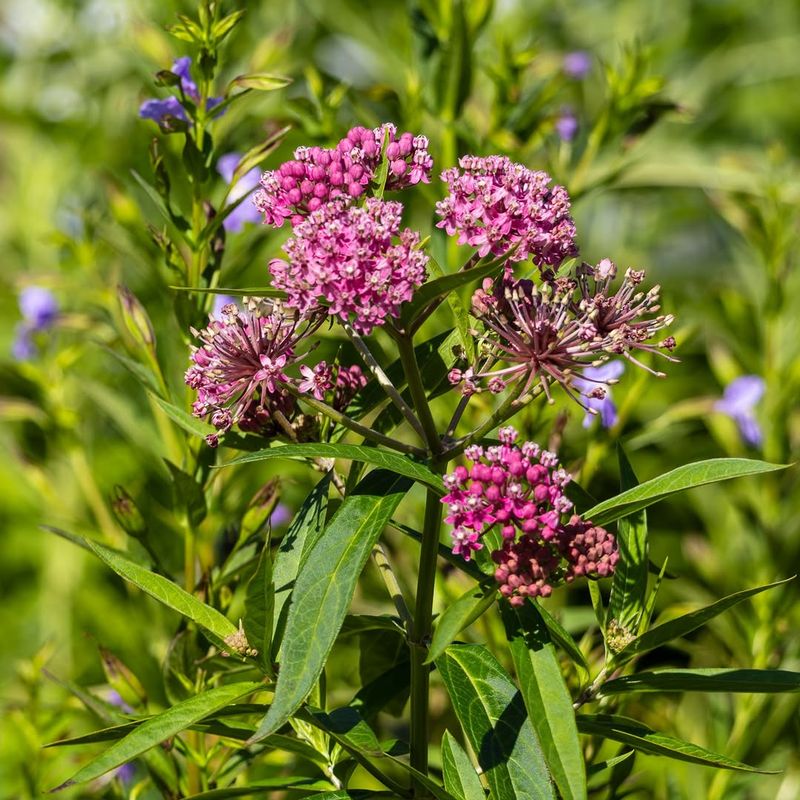
Established swamp milkweed handles short dry spells reasonably well, but young plants need consistent moisture during their first growing season. Skipping water during a dry stretch can set them back noticeably.
Aim to keep the soil evenly moist but not soggy. Watering deeply once or twice a week during dry periods works better than shallow, frequent watering.
Deep watering encourages roots to grow downward, which helps plants handle heat and drought better over time.
Mulching around the base of each plant helps retain soil moisture between waterings. A two-to-three-inch layer of shredded bark or leaf mulch makes a real difference during hot, dry summers.
Watch the leaves as a simple indicator. Slight wilting in the hottest part of the afternoon is normal.
Wilting that persists into the evening suggests the plant needs water sooner rather than later.
Drip irrigation or soaker hoses work well for milkweed beds. They deliver water directly to the root zone and keep foliage dry, which can reduce the chance of fungal issues in humid conditions.
Once plants are two or three years old and well rooted, they typically need less supplemental water. Younger plants, though, benefit from closer attention through their first full summer in the ground.
6. Leave Seed Heads For Natural Growth
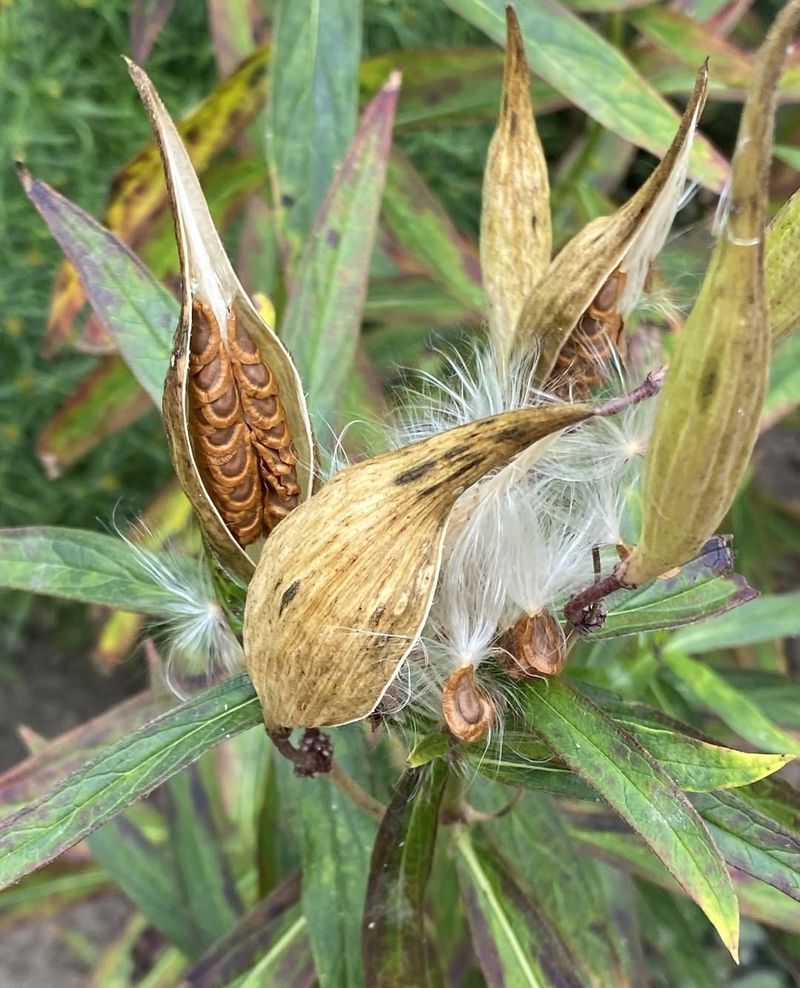
Late summer brings something almost theatrical to swamp milkweed. Long, narrow seed pods split open to reveal seeds attached to silky white fibers that catch the wind and drift across the garden.
Leaving those seed heads on the plant rather than cutting them off allows natural reseeding. New seedlings often appear nearby the following spring, slowly expanding your planting over time without any extra effort.
Birds also visit the dried seed heads. Goldfinches, in particular, pull out the seeds and use the silky fibers as nesting material.
Letting the plant go through its full natural cycle supports more than just butterflies.
Some gardeners worry that letting milkweed reseed will create too many plants. In practice, not every seed germinates, and seedlings are easy to move or remove if they pop up in inconvenient spots.
Collecting a few pods before they fully open gives you seeds to share with neighbors or plant in a new area. Store dry seeds in a paper envelope in a cool, dry spot until spring.
Cold stratification, meaning a period of cold before germination, can improve germination rates for stored seeds. Placing seeds in a damp paper towel inside the refrigerator for four to six weeks before spring planting often helps.
7. Cut Back Old Stems In Late Winter
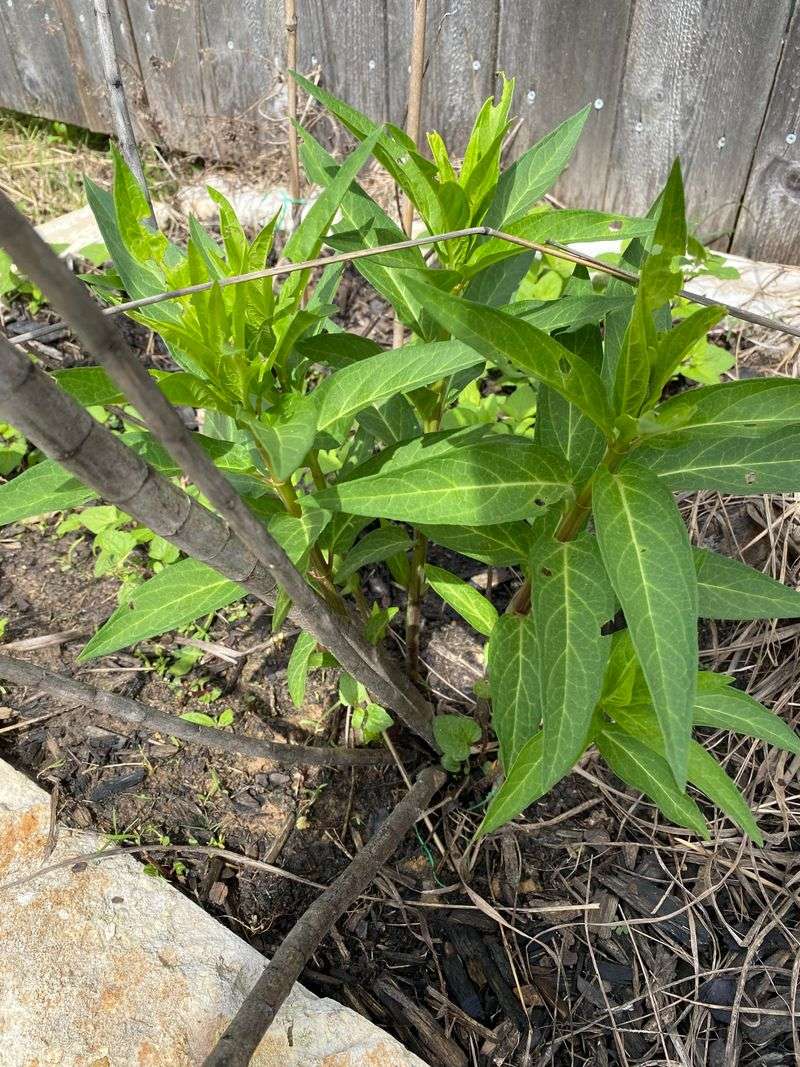
Old swamp milkweed stems stand through fall and winter looking dry and brittle, but they serve a purpose. Hollow or pithy stems provide overwintering habitat for native bees and beneficial insects.
Waiting until late winter to cut them back, ideally late February or early March in most parts of the Southeast, gives those insects time to complete their winter cycle before the stems are removed.
Cut stems down to within a few inches of the ground. New growth emerges from the base each spring, so there is no need to leave tall stubs behind.
A clean cut close to the soil line works fine.
Avoid burning or tossing cut stems immediately. Stack them loosely in a corner of the yard or near a brush pile for a few weeks.
Insects that were overwintering inside may still be finishing their emergence.
Late winter cleanup also gives you a chance to check the bed for any weeds that have moved in during the dormant season. Clearing those out early makes spring planting and maintenance much easier.
Swamp milkweed is a late emerger in spring. Do not panic if the ground looks bare well into April.