7 Native Pennsylvania Shrubs That Create Dense Shade Without Constant Cleanup
Shade in a Pennsylvania yard is one of the most valuable things a plant can provide, and shrubs that deliver it without creating a cleanup project in return are worth their weight in gold.
Most homeowners think of trees when they think of shade, but native Pennsylvania shrubs can create dense, meaningful coverage at a human scale, shading patios, seating areas, and garden beds in ways that a tree canopy thirty feet above your head simply cannot.
The challenge is finding ones that don’t come with strings attached. Some shrubs drop messy fruit at inconvenient times. Others spread aggressively beyond their intended space or require seasonal pruning just to maintain a reasonable shape.
Native Pennsylvania shrubs that create real shade without constant intervention are out there, but knowing which ones deliver on that promise takes some specificity.
These seven do exactly that. Dense enough to provide meaningful shade, well behaved enough to stay manageable, and native enough to support the local ecosystem generously while they do it.
1. Mountain Laurel
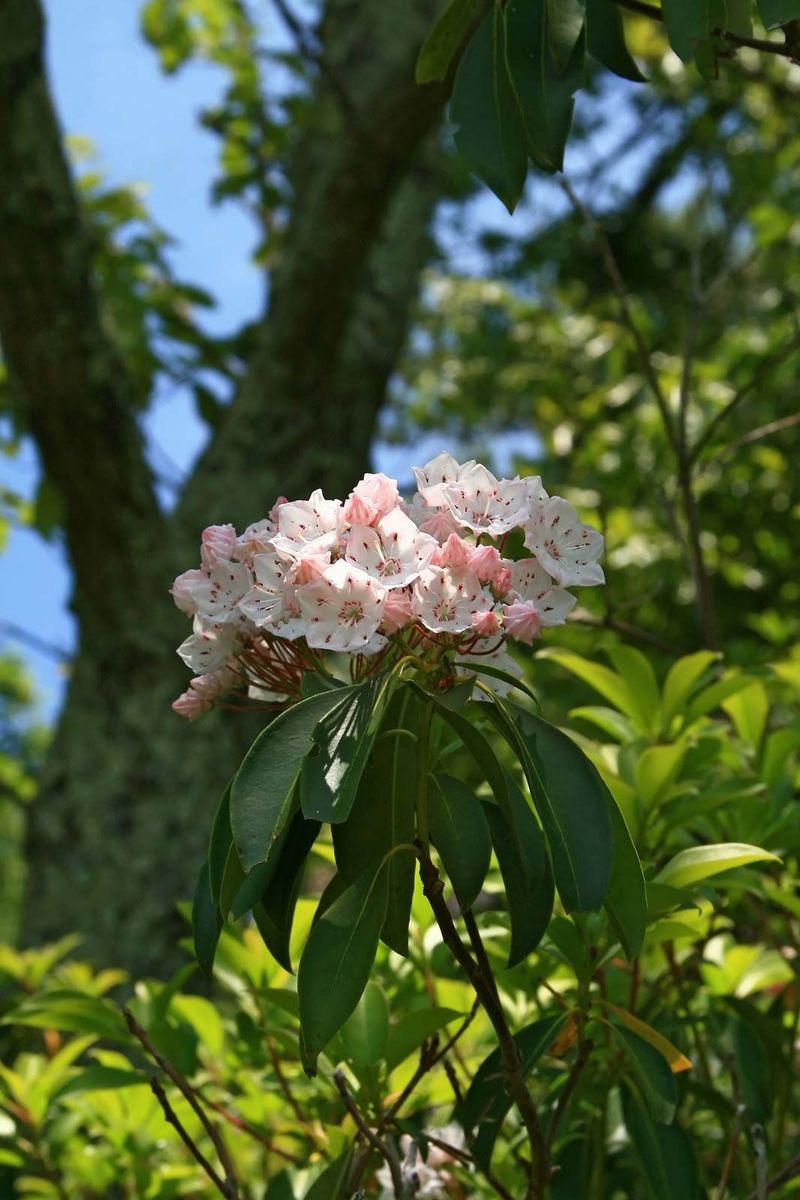
Pennsylvania actually named Mountain Laurel its official state flower, and once you see it in bloom, it is easy to understand why.
The clusters of pink and white flowers that appear in late spring are stunning. But even after the blooms fade, this shrub keeps earning its place in the yard.
Mountain Laurel is an evergreen, meaning it holds onto its glossy, dark green leaves all year long. That steady foliage creates a thick, layered canopy that blocks light effectively through every season.
You get shade in July and privacy in January without planting two different shrubs. One of the best things about Mountain Laurel is how slowly it grows. Most gardeners think slow growth is a downside, but with this shrub, it actually means less work.
You rarely need to haul out the pruning shears because it shapes itself naturally over time. Mountain Laurel prefers acidic, well-drained soil and does best in partial to full shade. It fits perfectly under taller trees or along the edge of a wooded area.
Once established, it needs very little watering or fertilizing. Fallen leaves from Mountain Laurel are minimal and break down quickly. There is no massive seasonal cleanup required.
The plant just quietly does its job, season after season, without demanding much attention from you in return. For a low-effort, high-reward native shrub that delivers year-round shade and beauty, Mountain Laurel is hard to beat in any Pennsylvania landscape.
2. Spicebush
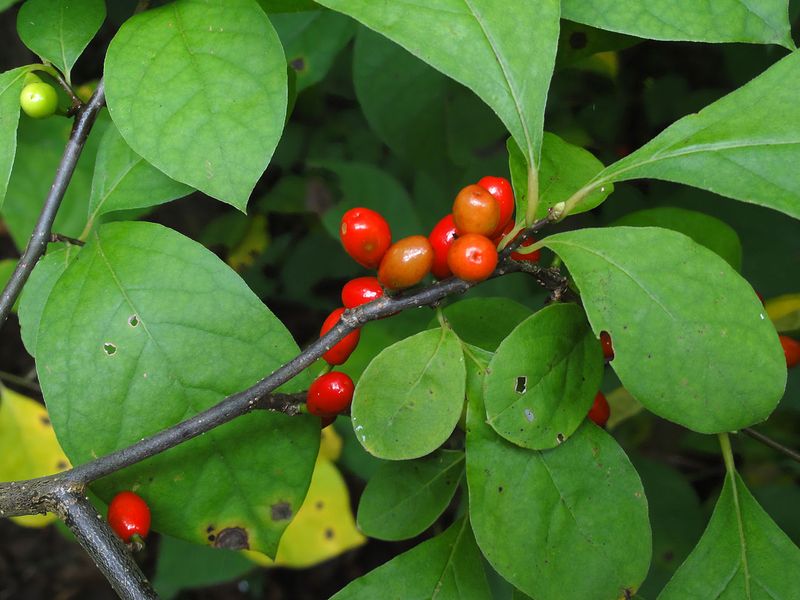
Crack open a Spicebush leaf or twig and you will immediately notice a sharp, spicy scent that is almost impossible to forget. That smell alone makes this shrub memorable, but there is a lot more going for it than just a great fragrance.
Spicebush is a true workhorse in native Pennsylvania landscapes. Naturally found along stream banks and forest edges, Spicebush thrives in partial shade and moist soil. It grows into a broad, rounded shrub that can spread several feet wide.
That spreading habit is exactly what makes it so useful for creating dense, leafy coverage in woodland-style garden beds.
Your Pennsylvania Garden Changes Every Week. Your Plan Should Too.
Gardening in Pennsylvania changes quickly throughout the season. Every Friday you’ll receive a simple weekly plan showing exactly what to plant, prune, fertilize, harvest, and protect so you never miss the right timing.
The leaves are large and oval-shaped, which means they overlap nicely and block sunlight well. In autumn, they turn a warm golden yellow before dropping.
Female plants also produce small, bright red berries in fall that birds absolutely love, adding wildlife value to your yard.
Shaping is rarely necessary with Spicebush. It naturally takes on a tidy, layered form without any help from pruning shears.
You can simply plant it and let it do what it does best, which is fill in space and create a cool, shady understory beneath taller trees.
Spicebush is also a host plant for the Spicebush Swallowtail butterfly, making it a favorite among pollinator gardeners. Planting it means supporting local wildlife while also reducing your yard maintenance load.
It handles Pennsylvania winters well and bounces back strong every spring, making it one of the most reliable native shrubs you can add to a shaded garden area.
3. Ninebark
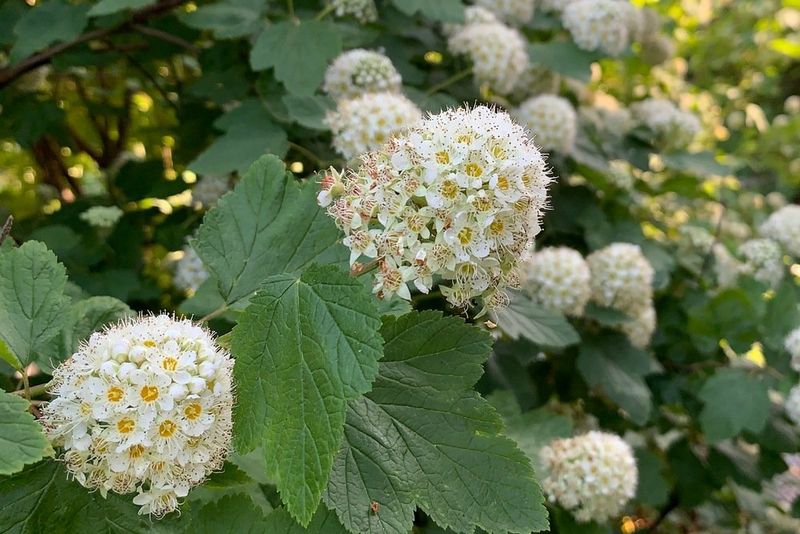
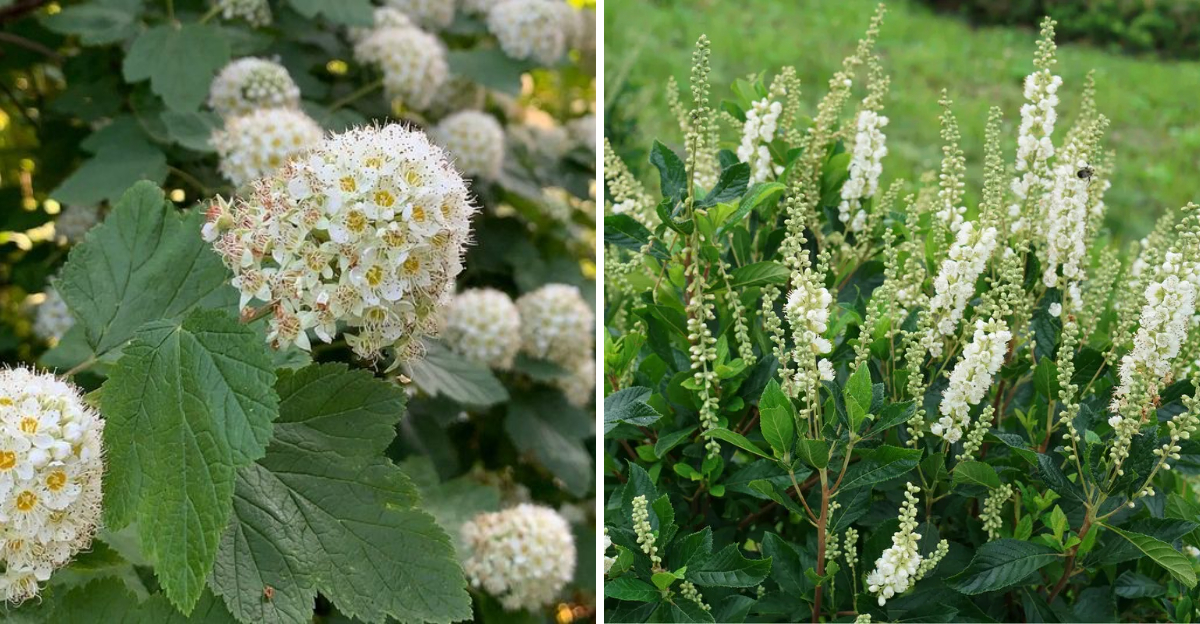
If you want a shrub that makes a bold visual statement while still being incredibly easy to care for, Ninebark is the one to consider. Its arching branches, peeling bark, and richly colored foliage make it one of the most eye-catching native plants available for Pennsylvania gardens.
Ninebark can grow quite large, often reaching six to ten feet tall and equally as wide. That size means it creates serious shade coverage without needing to be babied along.
Once it gets established in your yard, it becomes remarkably tough and self-sufficient, tolerating drought, clay soil, and even some flooding.
The foliage comes in several shades depending on the variety you choose. Some have deep burgundy-purple leaves, while others offer bright green or golden tones.
Regardless of color, the dense layering of leaves across its arching branches creates a thick canopy that shades the ground below effectively all season long.
White or pink flower clusters appear in late spring and attract pollinators, adding another layer of interest to the plant. After blooming, small reddish seed clusters form and provide food for birds.
The peeling, layered bark also adds interesting winter texture when the leaves have dropped.
Pruning is rarely urgent with Ninebark. You can give it a light trim every few years to keep it from sprawling too far, but it generally holds its shape well on its own.
Fallen leaves break down quickly and blend into the surrounding mulch. For a plant that delivers maximum shade with minimal upkeep, Ninebark checks nearly every box a Pennsylvania gardener could want.
4. Inkberry Holly
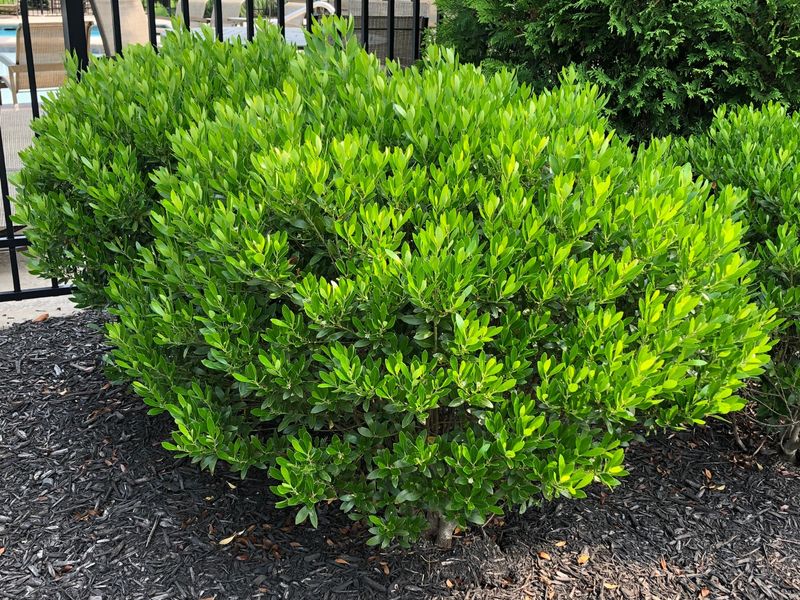
Most people think of boxwood or privet when they picture a dense, clipped hedge, but Inkberry Holly is a native alternative that does the same job without the constant trimming schedule. It is tough, evergreen, and perfectly suited to Pennsylvania’s varied climate conditions.
Inkberry Holly holds its dark green leaves all year, providing solid coverage even in the coldest months. That evergreen quality is a big deal for homeowners who want privacy or shade twelve months out of the year.
It grows in a naturally rounded form that looks neat without needing to be shaped very often.
Small black berries appear in fall and persist through winter, giving birds a reliable food source during the coldest months of the year. The berries are not edible for people, but wildlife absolutely relies on them.
Planting Inkberry Holly means your yard becomes a mini food station for local bird species throughout the winter season.
One standout feature of this shrub is its tolerance for wet soil. Many plants struggle in low-lying areas where water collects, but Inkberry Holly actually thrives there.
Rain gardens, pond edges, and poorly draining spots are all great locations for this adaptable shrub.
Cleanup is minimal with Inkberry Holly. The small leaves break down quickly, and the plant rarely drops large quantities of debris at once.
It grows at a moderate pace, so aggressive pruning is almost never necessary. For a neat, year-round hedge or border shrub that practically takes care of itself, Inkberry Holly is one of the smartest choices in the Pennsylvania native plant toolkit.
5. Buttonbush
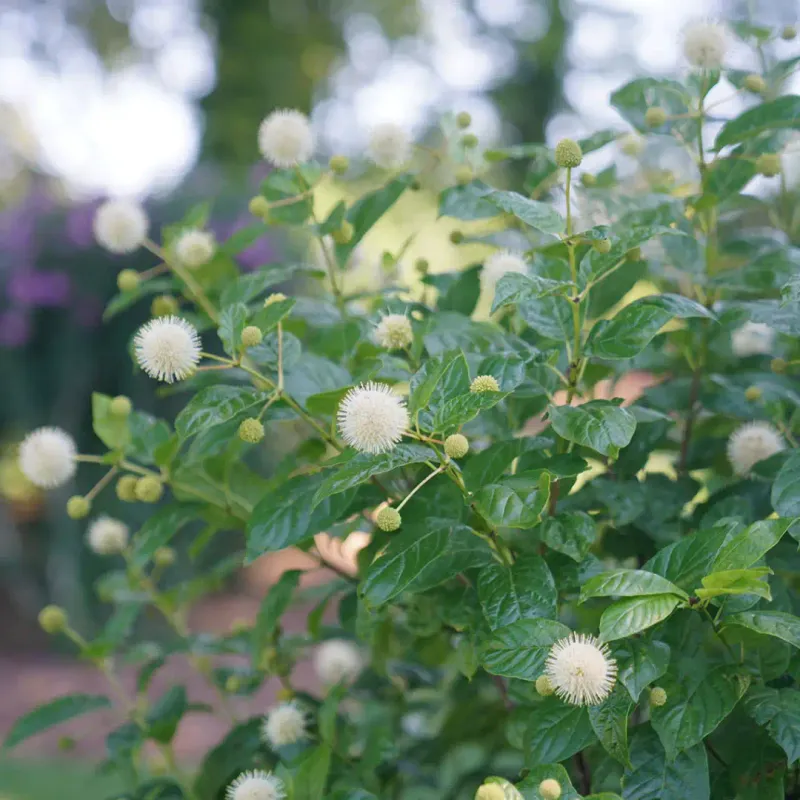
Buttonbush has one of the most unique flowers in the native plant world. Round, white, spiky flower balls appear in midsummer and look almost otherworldly up close.
Bees, butterflies, and hummingbirds all flock to them, turning any garden corner with a Buttonbush into a buzzing, lively scene.
Beyond its flowers, Buttonbush is a powerhouse for creating dense shade in moist or wet areas. It grows into a large, multi-branched shrub that can reach ten feet tall in ideal conditions.
The big, glossy leaves overlap heavily, creating a thick canopy that blocks sunlight and cools the ground beneath it effectively.
Wet spots in the yard that frustrate most gardeners are where Buttonbush truly shines. It handles standing water, flooding, and consistently soggy soil without any sign of stress.
Rain gardens, drainage swales, pond edges, and low-lying corners of the yard are all perfect homes for this reliable native shrub.
After the flowers fade, small round seed clusters form and attract waterfowl and songbirds through the fall and winter. The plant offers food and shelter to wildlife across multiple seasons, making it a genuinely valuable addition to any naturalistic landscape planting.
Pruning Buttonbush is rarely necessary unless you want to limit its spread. It fills in space naturally and creates a dense thicket without much guidance.
Leaf cleanup is straightforward because the large leaves break down quickly when they fall.
For homeowners dealing with a wet, shady problem area in the yard, Buttonbush turns that challenge into one of the most interesting and wildlife-friendly spots on the entire property.
6. Red-Twig Dogwood
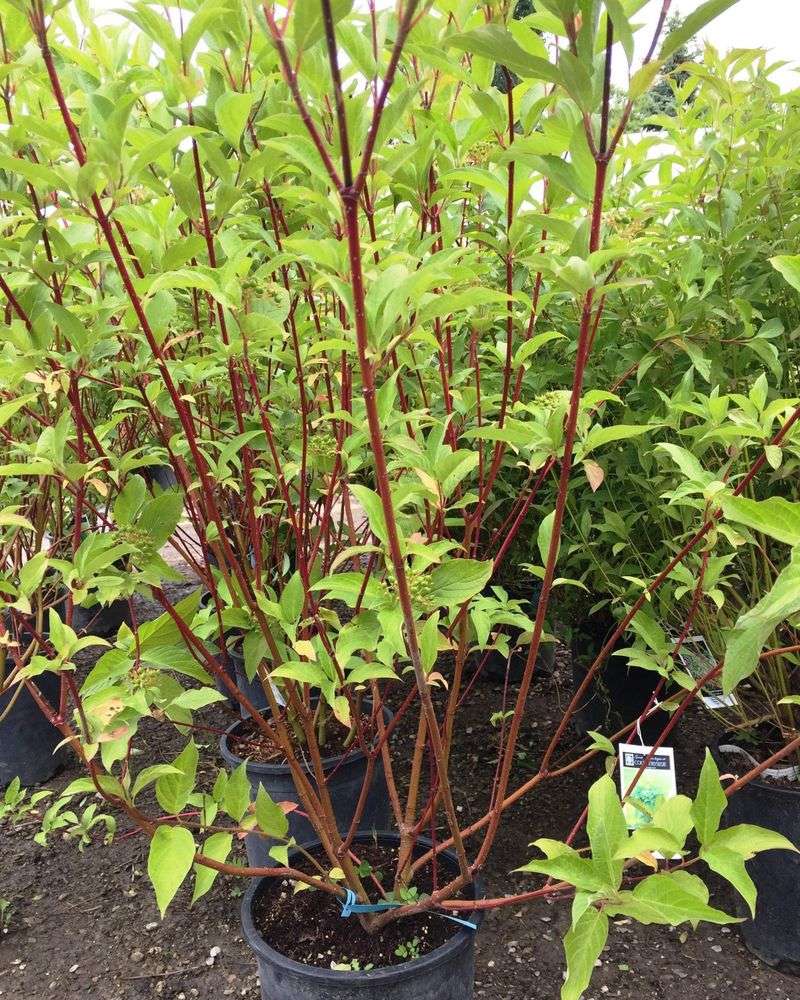
Most shrubs look a little dull in the middle of winter, but Red-Twig Dogwood flips that idea completely on its head.
When the leaves drop in autumn, the stems turn a vivid, fire-engine red that practically glows against a backdrop of snow or gray winter sky. It is one of the most visually striking native plants you can grow in Pennsylvania.
During the growing season, Red-Twig Dogwood builds a substantial multi-stemmed thicket. The stems branch out in every direction, layering leaves upon leaves to create a dense, shady mass of foliage.
It spreads through underground stems called stolons, naturally filling in a space over time without needing to be replanted or divided.
White flower clusters appear in late spring and draw in pollinators. Small white or pale blue berries follow in summer and are eagerly eaten by birds.
The combination of flowers, berries, and winter stem color means Red-Twig Dogwood delivers visual interest across all four seasons, which is rare for a single shrub.
It performs best in moist to wet soil and tolerates partial shade well. Stream banks, rain garden edges, and low spots in the yard are ideal planting locations. Once it settles in, it spreads steadily and fills in gaps without needing encouragement.
Pruning old stems every few years keeps the red color vivid and fresh, since the brightest color appears on newer growth. That simple maintenance task takes maybe thirty minutes once a year.
Beyond that, Red-Twig Dogwood mostly takes care of itself, making it one of the most rewarding native shrubs for a four-season Pennsylvania landscape.
7. Summersweet
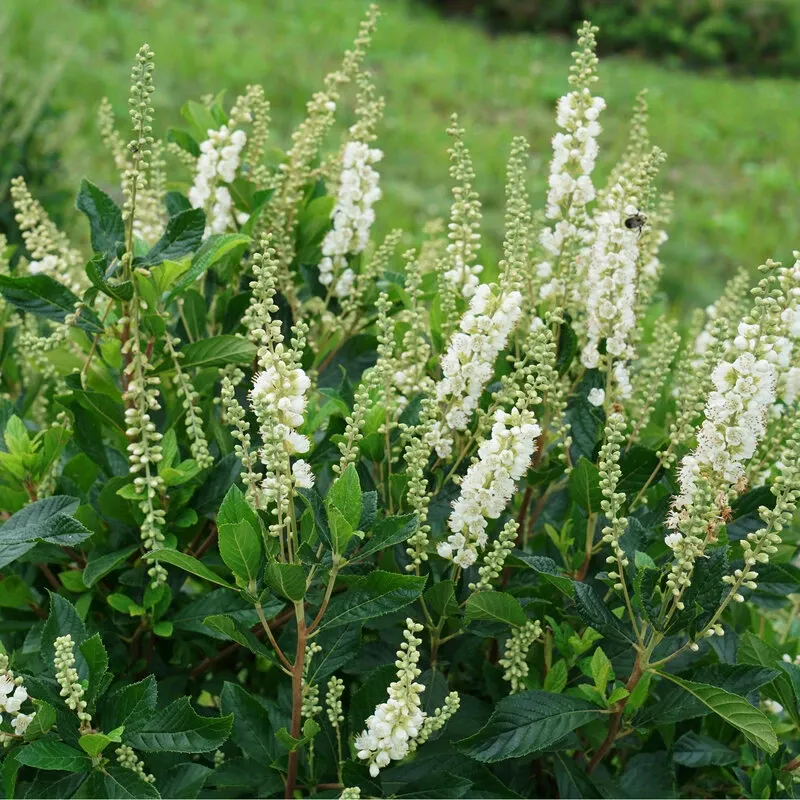
Walk past a Summersweet shrub on a warm July afternoon and you will stop in your tracks. The fragrance from its white flower spikes is sweet, rich, and surprisingly strong for a native plant.
It is one of those scents that instantly makes a garden feel lush and alive, even in the middle of a hot summer.
Summersweet, also known as Clethra, grows into a dense, upright shrub that typically reaches four to six feet tall. Its leaves are dark green and slightly glossy, layering thickly along the stems to create solid shade coverage.
Partial shade and moist soil are its preferred conditions, which makes it a natural fit for the shaded, damp corners of Pennsylvania yards where other shrubs struggle.
The flowers appear in mid to late summer, which is important because most native shrubs bloom in spring. Summersweet fills that midsummer gap, giving pollinators a reliable food source when other blooms have already faded.
Bees are especially attracted to the flowers, often covering the spikes completely on warm afternoons.
Fall color is another bonus. The leaves turn a warm golden yellow before dropping, giving the shrub one last burst of beauty before winter sets in.
Leaf cleanup is easy because the small leaves break down quickly in garden beds and rarely need to be raked up.
Summersweet spreads slowly through root suckers, gradually expanding into a wider clump. That spreading habit helps it fill in space naturally without requiring extra planting.
It is a low-maintenance, high-reward native shrub that earns its spot in any Pennsylvania shade garden through fragrance, wildlife value, and reliable seasonal performance.