This Late Blooming Perennial Fills Georgia Beds As Others Fade
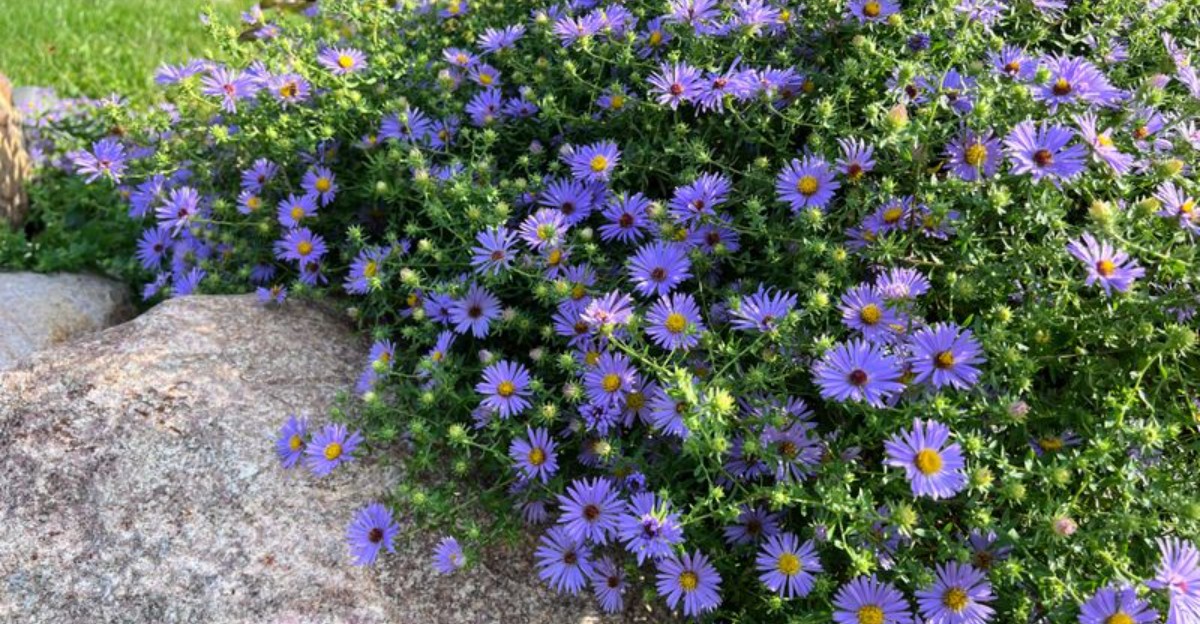
By the time many flower beds start looking tired, adding fresh color can feel almost impossible without starting over. One perennial proves the season still has plenty left.
Its moment arrives after many familiar flowers have already given their best show.
That later schedule can completely change how a border looks as the garden moves toward fall. Instead of watching every corner fade together, Georgia gardeners can keep one section noticeably alive.
There is another reason this plant earns its space beyond extending the display.
Its flowers remain useful when fewer blooms are available around the yard, adding activity as well as color. Choosing the right location helps that seasonal performance look intentional rather than crowded.
Save some room for this late bloomer, because your fading beds do not need to finish all at once.
1. Fall Beds Come Alive When This Perennial Starts Blooming
By mid October, most flower beds look worn out. Coneflowers have dropped their petals, and daylily leaves flop over in tired heaps.
Our native late aster steps in right at that moment.
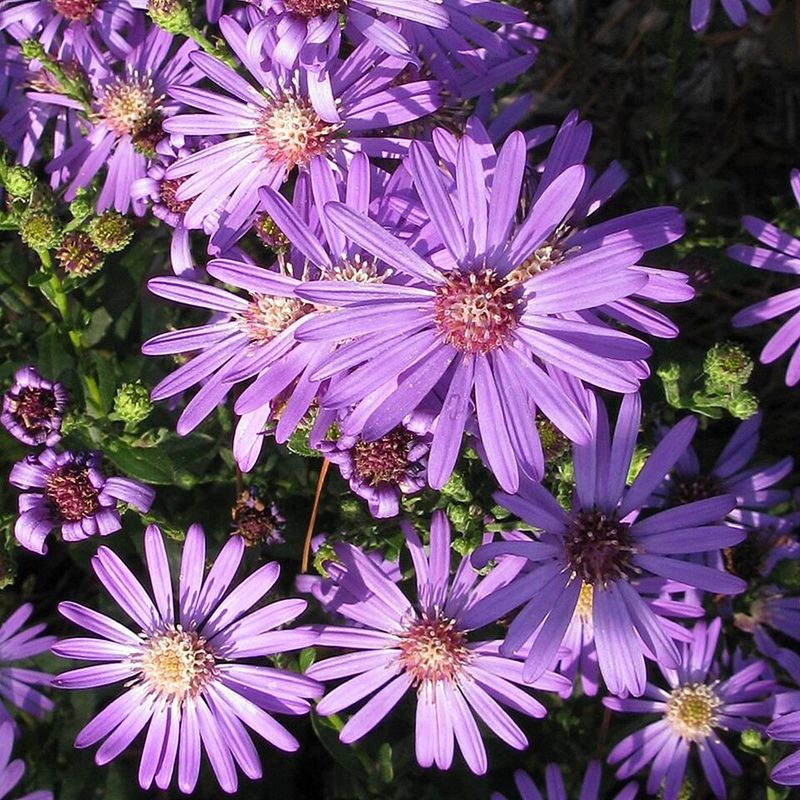
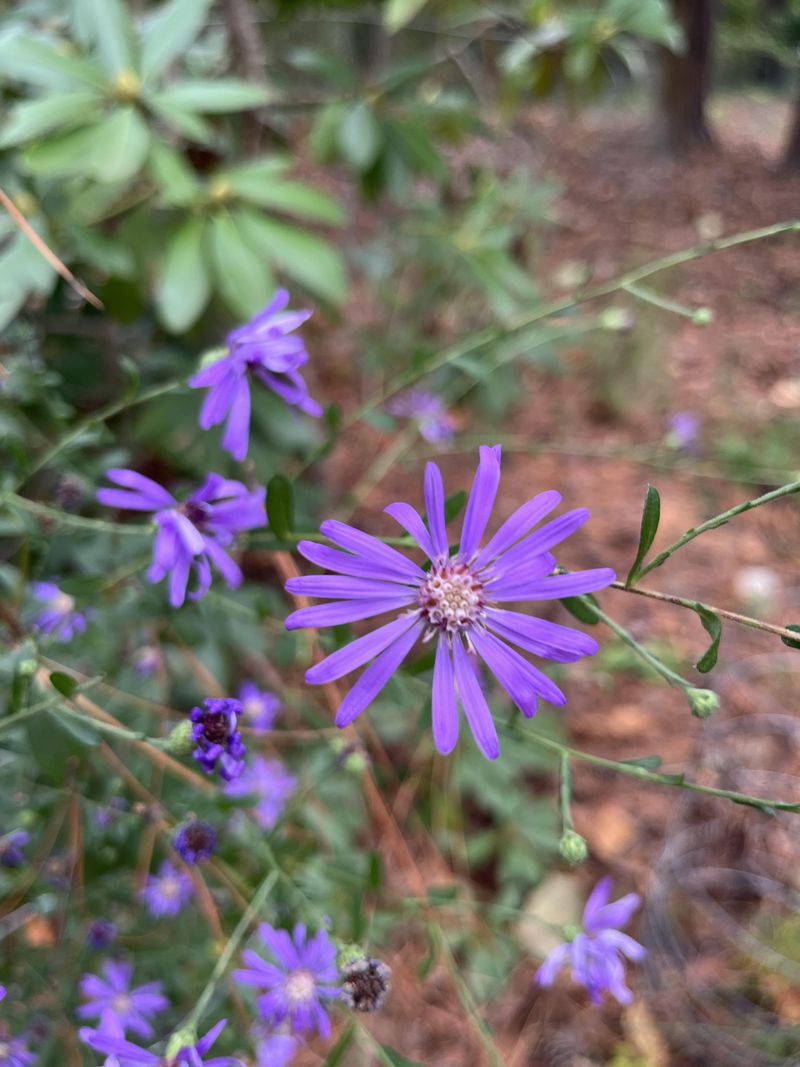
Buds swell through September, then open into violet blooms while nights turn cool. Bloom timing shifts a bit with weather, so some years run a week or two later.
Gardeners across Georgia often notice pollinators showing up again once those flowers open.
Late nectar matters more than people expect. Bumblebees and migrating butterflies still need food when little else is flowering.
Plant it near something with strong fall structure, like little bluestem or muhly grass.
Purple petals against tan seed heads read well from a distance, and the pairing holds up after the first light frost.
Height varies. Stems often reach two to four feet, sometimes leaning if the plant sits in shade or rich ground.
Cutting the plant back once in June keeps growth stockier without pushing bloom too late.
Skip that step if you like a looser, meadow look, since sprawling stems still flower fine.
Neighbors tend to ask what it is, since few people grow it on purpose.
Fall color from foliage gets plenty of attention, but a blooming aster does something different. Blooms give beds motion, bees, and a reason to walk outside in November.
2. Georgia Aster Brings Purple Flowers Late In The Season
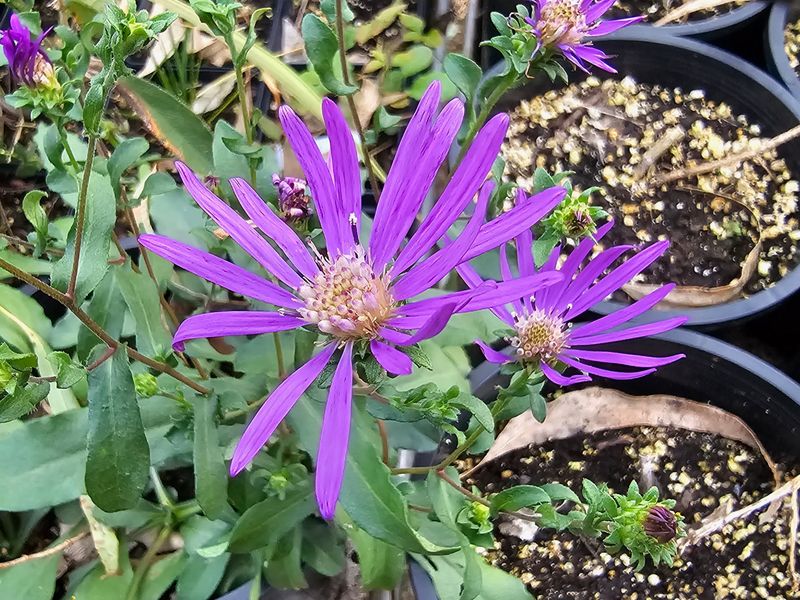
Violet rays with a pale, almost white center make this aster easy to pick out. Petals look longer and looser than most garden asters.
Botanists call it Symphyotrichum georgianum.
Wild populations turn up along roadsides, power line cuts, and dry woodland edges. Habitat loss and shade from thick tree growth have made it uncommon, and it has drawn conservation attention for years.
Growing it in a home bed helps keep the species in circulation.
Bloom usually starts in October and can run into November, depending on the season.
Flowers sit on stiff, slightly hairy stems that branch near the top. Leaves feel rough, a bit like fine sandpaper, which helps separate it from smoother asters.
Buy plants from nurseries that propagate their own stock rather than collecting from the wild.
Your Georgia Garden Changes Every Week. Your Plan Should Too.
Gardening in Georgia changes quickly throughout the season. Every Friday you’ll receive a simple weekly plan showing exactly what to plant, prune, fertilize, harvest, and protect so you never miss the right timing.
Native plant sales in Georgia often carry it in fall, though supply runs short quickly. Ask growers where the seed came from if you want a local source.
Deer browse it sometimes, especially young growth in spring.
Cages or a light repellent through April usually get plants past the worst of it, though results vary with pressure in your neighborhood.
Bees work the flowers heavily on warm afternoons.
Seed heads follow, fluffy and pale, and finches pick at them into winter. Leaving stems standing through February gives insects shelter too.
3. Choose A Sunny Spot For More Flowers
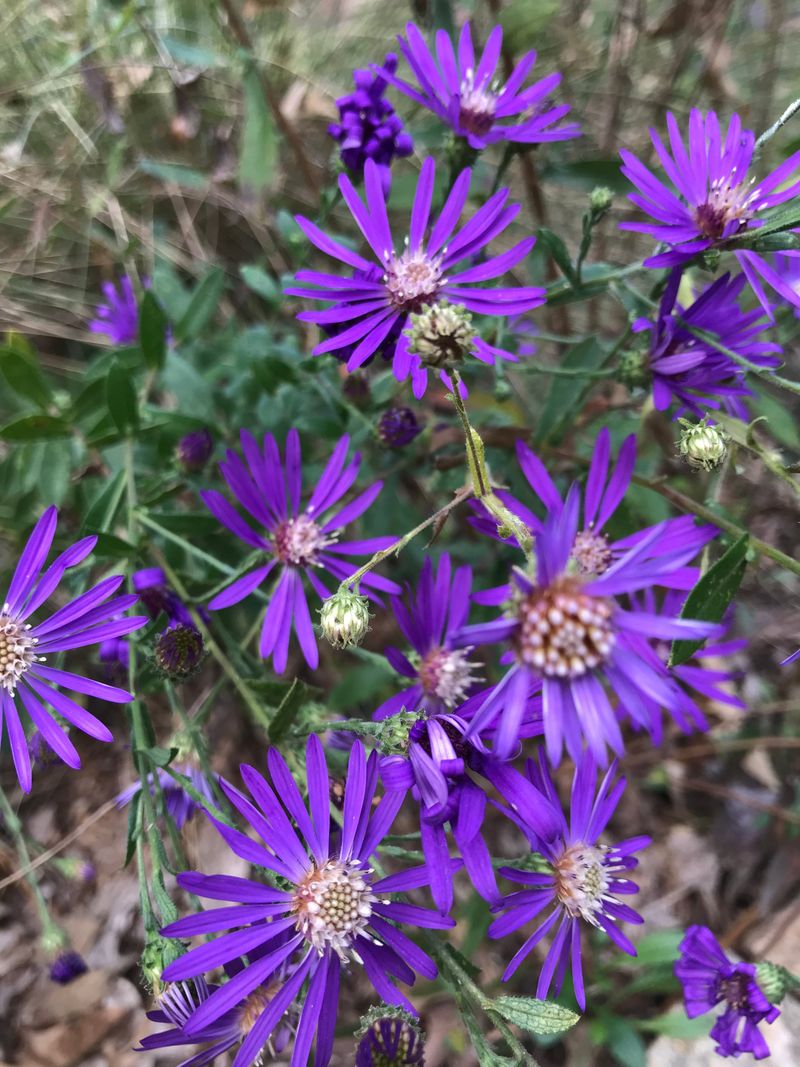
Shade cuts flower count faster than any other mistake with this plant.
Six hours of direct sun works, but eight or more gives thicker bloom and sturdier stems.
Watch a spot through a full day before planting. Morning sun that disappears by noon usually leads to floppy growth and fewer buds.
South and west exposures tend to suit it best.
Pines and oaks in many Georgia yards create light shade that seems harmless in June. Sun angles drop by October, and that shade gets deeper right at bloom time.
Prune low limbs if you can, or move the plant.
Reflected heat from driveways and stone walls does not bother it much.
Plants in full sun also shrug off humidity better, since leaves dry faster after morning dew. Damp shade invites powdery mildew on aster foliage.
Mildew rarely ruins a plant, but it leaves gray patches that look rough by September.
Space near a fence line or mailbox bed often gets more sun than people realize.
Test with a cheap sun meter, or take photos at nine, noon, and four. Comparing the shadows tells you plenty.
Move a struggling plant in early spring rather than fall, so roots settle before summer heat arrives.
Sun also affects color. Blooms hold a deeper violet in bright light, while shaded plants can fade toward pale lavender.
4. Plant It Where Water Can Drain Easily
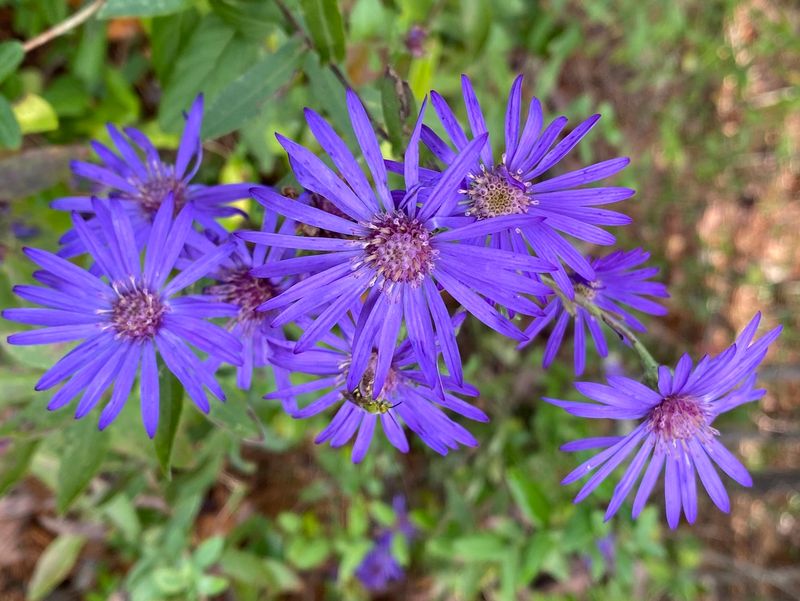
Soggy ground gives this aster more trouble than drought ever will.
Roots want moisture that moves through, not water that sits after a storm.
Red clay across much of North Georgia holds water longer than most gardeners expect. Digging a wide, shallow area and mixing in coarse grit or pine bark helps water move.
Raised beds solve the problem outright.
Six inches of height above grade usually keeps crowns out of standing water.
Check drainage before planting with a simple hole test. Fill a foot-deep hole with water, and note how long it takes to empty.
Anything past four or five hours signals slow drainage.
Avoid downspout runoff zones and low corners where puddles linger for a day.
Mulch lightly. A one-inch layer of pine straw keeps soil steady without trapping moisture against stems.
Winter wet causes more trouble than summer dry spells, since dormant roots cannot use the extra water.
Established plants handle August without much help, though new transplants need weekly water through the first season.
Water at the base, not overhead.
Container growing is another option, as long as the pot has open drain holes and a gritty mix. Skip saucers under those pots.
Slopes work well, since a gentle grade sheds rain naturally. Old, hard-packed spots near driveways drain poorly, so loosen them first.
5. Give Each Plant Plenty Of Room To Spread
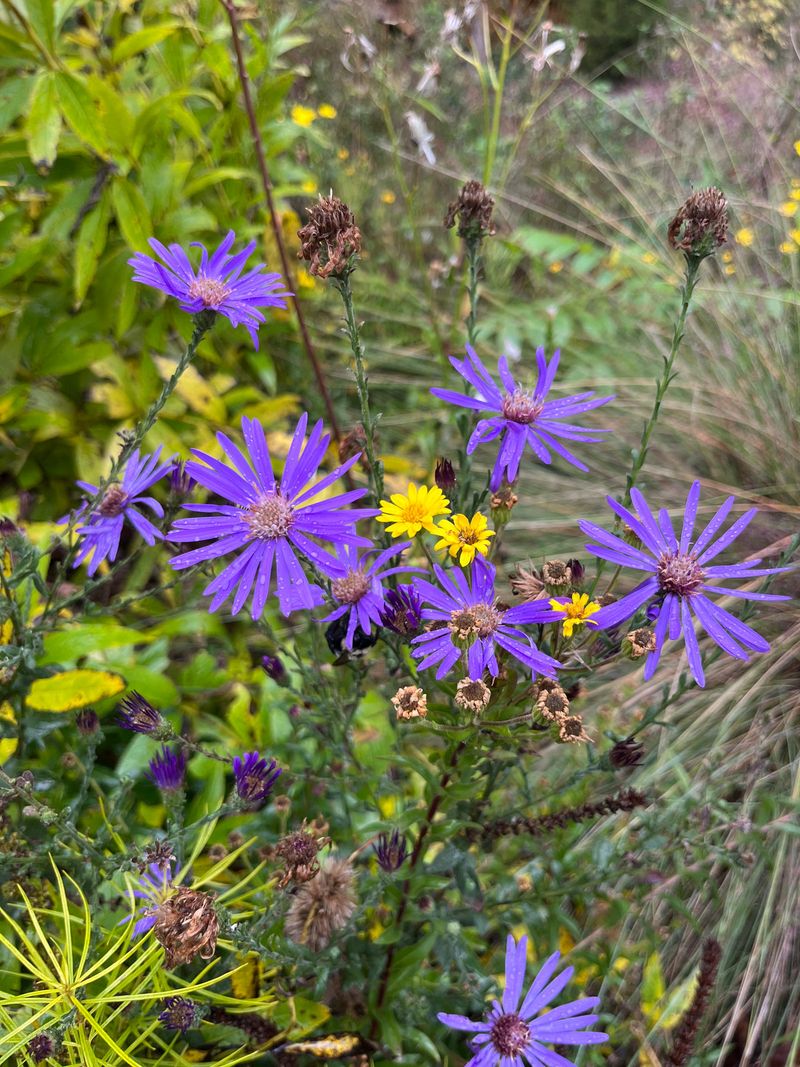
Rhizomes travel. A single plant can widen into a three-foot patch within a few seasons.
Set new plants two to three feet apart and resist filling the gaps.
Crowding leads to weak stems and poor air movement, which raises mildew risk in humid summers.
Air flow matters more in the muggy Georgia Piedmont than in drier regions, where nights cool off faster.
Leave a foot of clearance from shrubs and fence boards.
Neighbors in the bed should hold their own. Little bluestem, goldenrod, and mountain mint compete well without getting swallowed.
Avoid pairing it with slow, tidy perennials like coral bells, since the aster may crowd them out.
Root barriers help in small beds. A buried edging strip, eight inches deep, slows the spread without much upkeep.
Pull stray shoots in spring while they are still small.
Extra shoots transplant easily, so pass them to friends rather than composting them.
Spacing also shapes how the flowers look. Room to lean produces the loose, arching form the plant is known for.
Tight quarters push stems straight up, and heavy rain often knocks them over.
Plan for the mature size, not the pot size, when you pick the spot.
Mark the edges of the patch with stakes the first year. Tracking how far it moves makes future thinning simple.
6. Skip Rich Soil That Can Make Stems Grow Weak
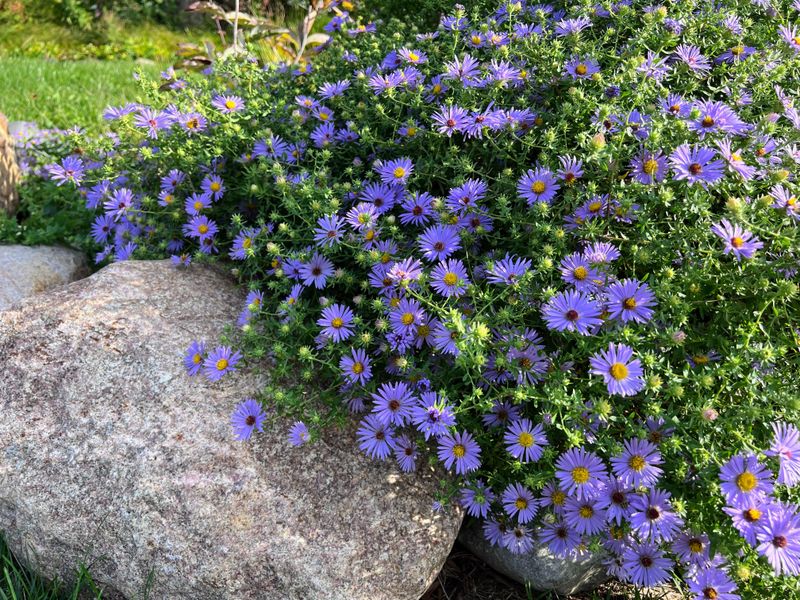
Feeding this aster tends to backfire. Lush growth from fertilizer produces tall, floppy stems that lean on everything nearby.
Lean, sandy or gravelly soil suits it better.
Wild plants grow in thin ground along roadsides, which says plenty about their needs.
Skip compost-heavy planting holes. A shovel of native soil mixed with a little grit gives roots what they need.
Nitrogen is the main culprit, so keep lawn fertilizer away from bed edges.
Broadcast spreaders throw granules farther than people think, sometimes six feet past the pass. Blocking that drift with a piece of cardboard works fine.
Stems that flop can be staked, though pinching in late spring works better.
Cut stems back by a third in early June. Growth comes back shorter and branchier, with bloom still landing in fall.
Soil tests through Georgia county extension offices give a clear read on nutrients and pH. Mildly acidic ground, around 5.5 to 6.5, suits it fine.
Lime only if a test calls for it.
Heavy mulch acts like slow fertilizer as it breaks down, so keep layers thin near the crown.
Plants in poor soil often bloom just as heavily as pampered ones.
Gardeners who move a leaning aster from a rich border to a gravelly strip usually see stronger stems the next fall. Results still depend on sun and drainage.
7. Divide Large Clumps When They Get Too Crowded
Bloom drops off in the middle of an old clump, and that is your signal.
Every three or four years, digging and splitting keeps growth vigorous.
Early spring is the window, right as new shoots reach a few inches tall.
Water the clump a day ahead. Damp soil holds together, and roots slide out with less tearing.
Lift the whole mass with a spade, then cut it into fist-sized pieces with a sharp knife.
Each piece needs roots and at least two shoots.
Toss woody centers that no longer send up shoots, and replant the healthy outer sections.
Set divisions at the same depth they grew before. Planting too deep can rot the crown, especially in clay.
Water them in, then keep soil lightly moist for three or four weeks.
Fall division works in warmer parts of Georgia, though spring gives roots more time to settle.
Extra divisions do well in gallon pots for spring plant swaps.
Label them, since bare aster shoots look about the same as a dozen other perennials.
Older clumps sometimes flop from the center out, which is another clue they need splitting.
Sharp tools make the job faster, and a bread knife handles thick root mats well.
Skip dividing during bloom. Cutting roots in October costs you flowers and stresses the plant right before frost.