The Meaning Behind Finding More Ticks In Your Pennsylvania Garden In September
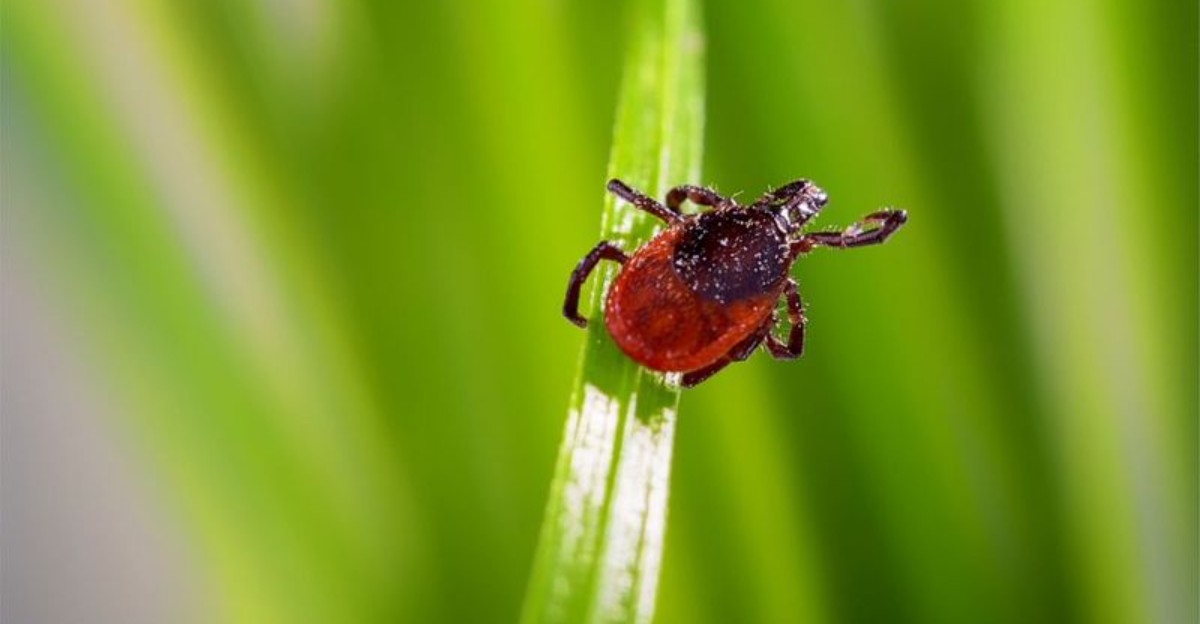
Finding ticks in your Pennsylvania garden in September feels like a problem that should be winding down. Summer is easing, the air is cooler, and the worst pest pressure feels like it should be behind you.
But September is actually one of the more significant tick months in Pennsylvania, and the encounters happening in your garden right now are not a leftover from summer. They’re a separate concern entirely.
Tick species most active in fall are responding to specific seasonal conditions that make September an important time to stay alert.
The nymphs and adults active right now are at life cycle stages that carry real health implications, and gardens seeing increased tick activity in September are usually offering conditions that draw them in.
Here’s what finding more ticks in your Pennsylvania garden in September is really telling you and what to do about it.
1. September Is A Peak Time For Tick Activity
Many people assume ticks disappear once summer fades, but that isn’t quite true in Pennsylvania. Early fall keeps the weather warm enough for ticks to stay busy, and September often becomes one of their most active stretches.
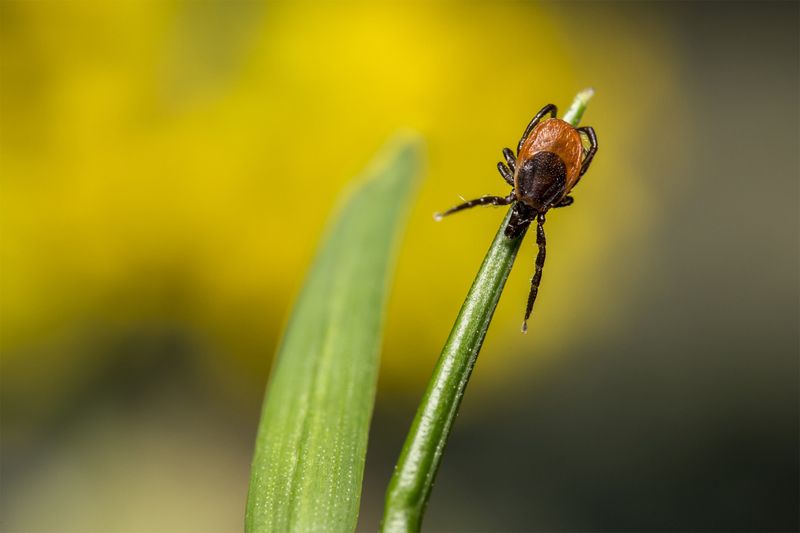
Adult blacklegged ticks, sometimes called deer ticks, become especially lively during this month. They wake up and search for a host so they can feed before colder weather arrives.
That search brings them out into gardens, lawns, and walking paths right where people spend time.
The mix of mild temperatures and steady moisture in September creates ideal conditions. Ticks need humidity to survive, and the cooler mornings with dew give them exactly what they want.
Warm afternoons then let them move around and climb onto grass blades to wait for someone to pass by.
Because the season feels comfortable to us too, we tend to garden, hike, and play outdoors more often. That means more chances for ticks and humans to cross paths. It isn’t that your yard suddenly became a problem. The timing simply lines up.
Knowing this pattern helps you plan ahead. If you understand that September is a busy stretch, you can be extra careful during outdoor chores.
Wearing long sleeves, tucking pants into socks, and using repellent can make a real difference.
Ticks don’t vanish overnight, and they stay active until temperatures drop closer to freezing. Staying alert now protects you well into late fall.
A little awareness during this peak window goes a long way toward keeping your family comfortable.
2. Your Yard May Have The Habitat Ticks Prefer
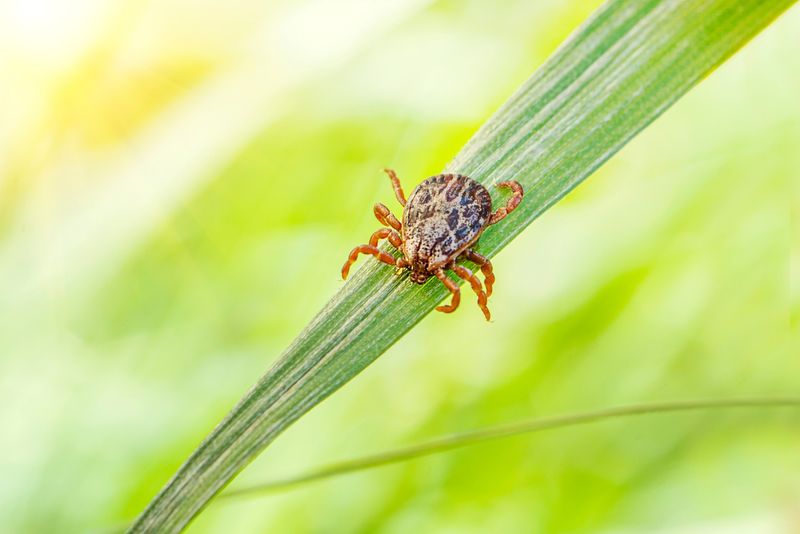
Ticks are surprisingly picky about where they hang out, and your garden might be offering them a five-star spot. These creatures avoid dry, sunny areas because they lose moisture quickly, so they gather where things stay cool and damp.
Shaded corners under trees or along fences are favorites. Tall grass gives ticks something to climb, letting them reach a good height to grab onto a passing animal or person.
Leaf litter holds moisture and creates a soft, sheltered layer where they can rest between hosts.
Your Pennsylvania Garden Changes Every Week. Your Plan Should Too.
Gardening in Pennsylvania changes quickly throughout the season. Every Friday you’ll receive a simple weekly plan showing exactly what to plant, prune, fertilize, harvest, and protect so you never miss the right timing.
Brush piles, thick shrubs, and stacked wood also make excellent hideouts. Anything that traps humidity and blocks sunlight works in their favor.
If parts of your yard rarely dry out, those spots are likely where ticks feel most at home.
Moist ground near gardens, ponds, or shady flower beds adds to the appeal. Ticks thrive in these damp micro-areas, and a lush, well-watered garden can accidentally invite them in.
That doesn’t mean you should stop gardening, but it helps to know which zones need attention.
Take a walk around your property and look for these features. Notice where the grass stays long, where leaves collect, and where the ground feels wet. Those are the places ticks are most likely to gather.
Once you spot these habitats, you can start making small changes. Trimming back shade, clearing leaves, and drying out soggy areas can shrink the space ticks depend on.
Understanding what draws them helps you take back control of your Pennsylvania yard one section at a time.
3. More Wildlife May Be Bringing Ticks Into Your Garden
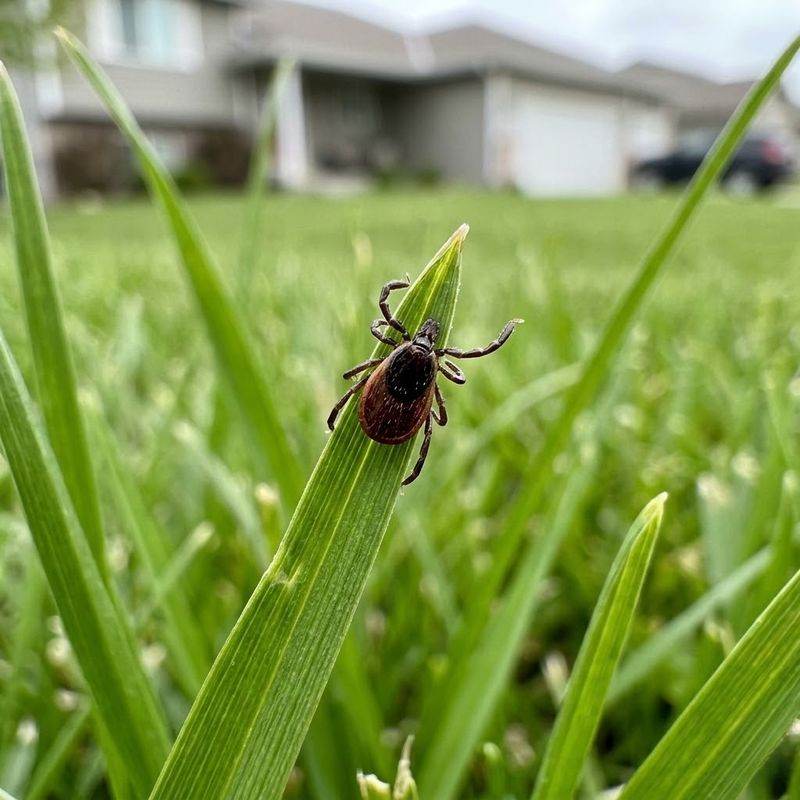
Here’s something many gardeners don’t realize: ticks rarely travel far on their own. Instead, they hitch rides on animals, and your visiting wildlife may be dropping them off without you knowing.
Deer are one of the biggest carriers. When a deer wanders through your yard to nibble on plants, ticks can fall off into the grass and start looking for their next host. A single deer can drop many ticks during just one visit.
Smaller animals matter too. Mice, chipmunks, and other rodents often carry young ticks and move quietly through garden beds and along fences. Because they’re small, they slip into spaces we rarely check, spreading ticks as they go.
Birds add another layer to the story. As they hop across lawns and perch in shrubs, they can carry ticks from one area to another. Some ticks even arrive from far away thanks to birds migrating in fall.
All this animal traffic increases in September as wildlife searches for food before winter. The more visitors your garden gets, the more ticks may be dropped along the way. A yard full of tasty plants and cozy shelter naturally draws these guests.
You don’t have to chase animals away entirely, but you can make your space less inviting. Fencing off gardens, removing fallen fruit, and keeping bird feeders away from play areas can help reduce wildlife traffic near where you spend time.
Recognizing the connection between animals and ticks changes how you view your yard. Those charming visitors might be leaving behind more than footprints.
4. Overgrown Areas Can Create Tick Hotspots
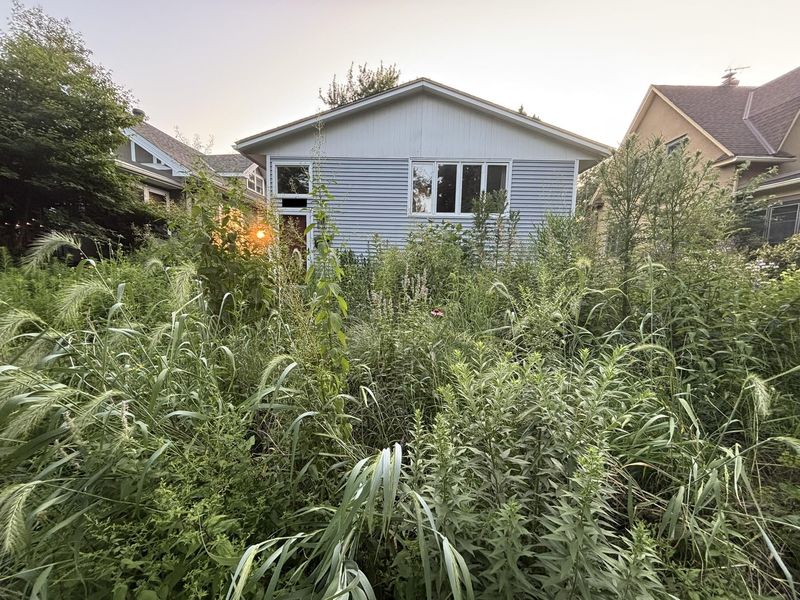
Every yard has that one neglected corner, and ticks absolutely love it. Overgrown spaces give these pests the perfect place to wait patiently for a host to wander by.
When vegetation goes unmanaged, it creates thick, shaded cover that holds moisture. Ticks climb up tall weeds and grass, then stretch out their legs in a behavior called questing. They stay in that position until something brushes against them.
Garden edges where the lawn meets the woods are especially risky. This border area blends sunlight and shade with plenty of hiding spots, making it a prime tick zone. Walking through these edges can put you right in their path.
Brushy piles of clippings, unpruned bushes, and forgotten flower beds all add up. The more cluttered and wild a space becomes, the more welcoming it is to ticks searching for a meal.
September often brings a burst of plant growth thanks to late-season rain, so overgrowth can sneak up quickly. What looked tidy in July might be a tangled mess by early fall. Regular upkeep during this time makes a noticeable difference.
Focus your attention on those transition areas between mowed lawn and natural spaces. Keeping a clear, trimmed strip there can act like a natural barrier that ticks hesitate to cross.
Cleaning up doesn’t have to happen all at once. Tackle one messy spot at a time, and you’ll gradually shrink the places ticks depend on.
A neater yard isn’t just prettier. It’s also far less friendly to these unwanted guests, giving your family more room to relax outside.
5. Your Garden May Be Supporting A Healthy Ecosystem
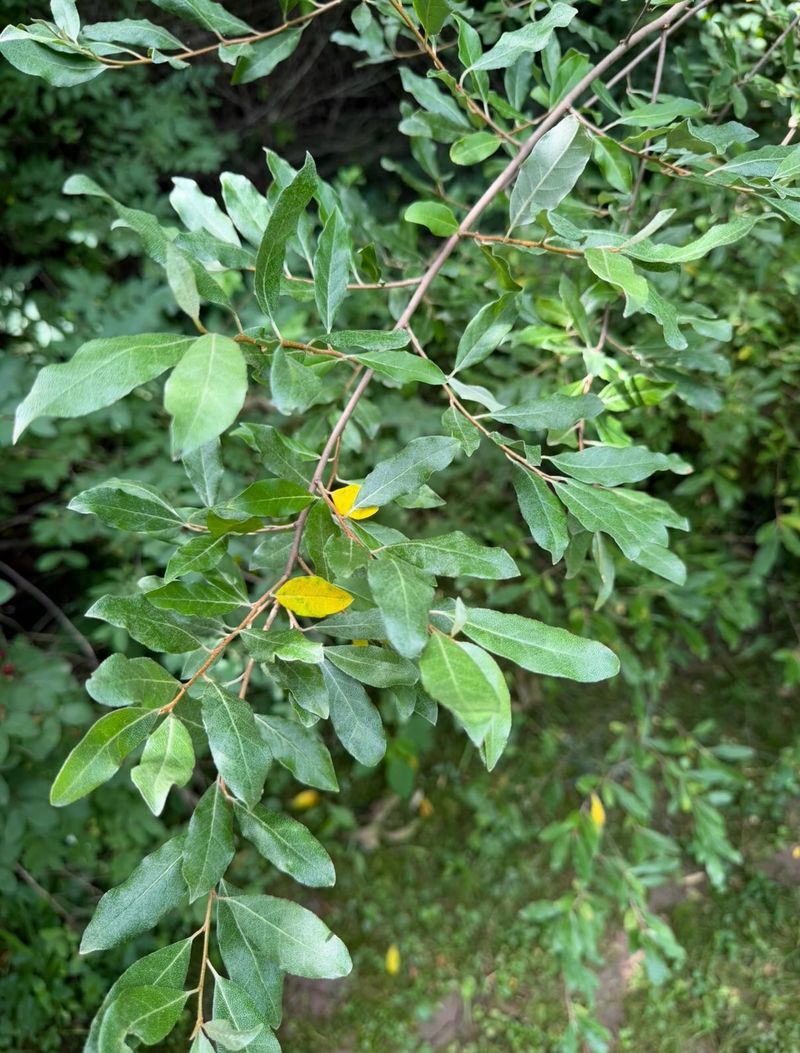
Believe it or not, more ticks can sometimes be a sign that your garden is thriving. A yard buzzing with life often means you’ve built a rich, balanced habitat that supports many creatures.
Diverse plants attract pollinators, birds, and helpful insects. All this activity creates a lively ecosystem where nature does its job. The downside is that a healthy environment also supports the animals that carry ticks.
This tradeoff doesn’t mean you should tear out your garden. Wildlife-friendly yards offer huge benefits, from cleaner air to beautiful blooms and natural pest control. The key is finding a balance between welcoming nature and staying tick aware.
Think of it as managing your space thoughtfully rather than fighting against it. You can keep native plants and pollinator gardens while still setting up safe zones for people and pets. Design matters more than removal.
Placing seating areas and play spaces away from dense vegetation helps. Keeping walking paths clear and using gravel or mulch borders can separate the wild parts of your yard from the areas you use most.
A vibrant garden and tick safety can coexist with a little planning. You get to enjoy the birds and butterflies while keeping your family protected. It’s about coexisting smartly, not choosing one over the other.
Understanding this balance takes the worry out of seeing wildlife around your home. More ticks might simply reflect a garden full of life.
With careful management, you can celebrate that biodiversity while still lowering your chances of unwanted encounters. A thriving Pennsylvania yard and peace of mind really can go together.
6. How To Reduce Tick Encounters Around Your Home
Now for the part everyone wants to hear: what you can actually do about it. The good news is that a few simple habits can dramatically cut down on tick encounters around your home.
Start with your lawn. Keeping grass trimmed short removes the tall blades ticks climb to reach hosts.
Mow regularly, especially near paths and play areas where people gather most.
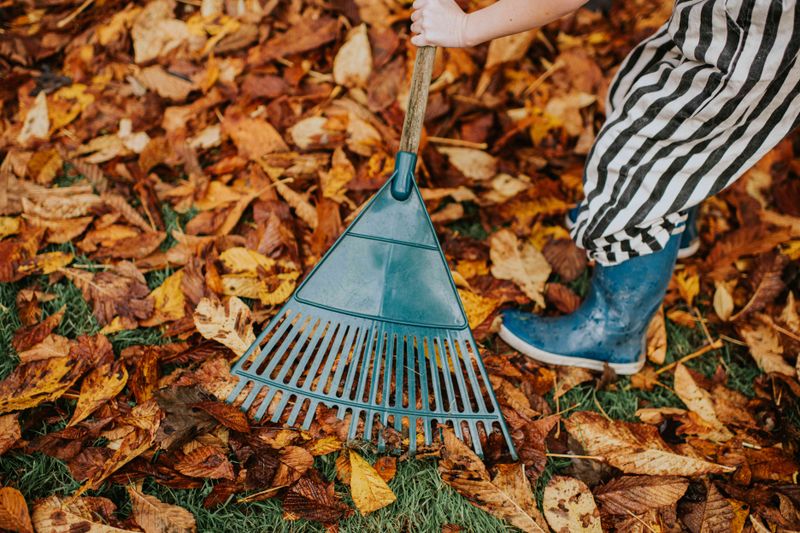
Deal with leaf piles and clippings quickly. Rake up fallen leaves, bag yard debris, and clear out brush so ticks lose their moist hiding spots. A tidy yard gives them far fewer places to settle.
Creating barriers works wonders too. A wide strip of wood chips or gravel between your lawn and wooded areas makes it harder for ticks to move into spaces you use. This simple border acts like a dry moat they’d rather avoid.
Protect yourself and your pets after outdoor time. Check your skin, scalp, and clothing when you come inside, and run your fingers along your pet’s fur to feel for any hitchhikers. Doing this right away catches ticks before they attach.
Dressing smart helps as well. Wear light-colored clothing so ticks are easier to spot, tuck your pants into your socks, and use an approved repellent when working in risky areas.
Talk to your vet about tick prevention products for dogs and cats. Pets often bring ticks indoors, so keeping them protected shields your whole household.
With these steps combined, you can enjoy your garden without constant worry. Small, steady efforts add up to a safer, more comfortable outdoor space for everyone.