This Michigan Watering Routine Makes Christmas Cactus Bloom Like Crazy
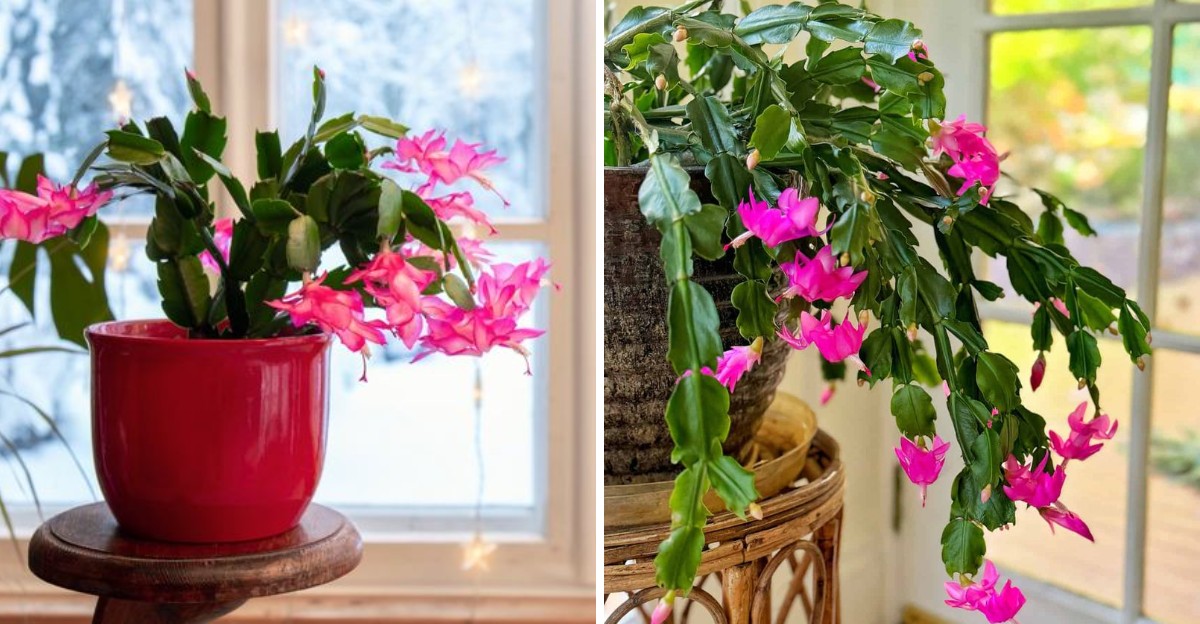
The houseplant on your windowsill grows wild on mossy tree branches in the coastal mountains of Brazil. It clings to bark and rocks, sipping rain and fog instead of desert sand. That jungle past explains a lot about how it wants to be watered.
One thing I love about this plant is how long it can live. Some families pass the same one down for decades, and a few are said to be older than the people caring for them. That kind of staying power earns a little respect.
I know how frustrating it can be when yours sulks all season with zero flowers. In Michigan, dry furnace air and short gray days add their own twist to the story.
Plenty of us have blamed the plant when the real issue was our routine. So what happens when you water less at just the right moment?
1. That Fall Dry Spell Is What Wakes Up Christmas Cactus Buds
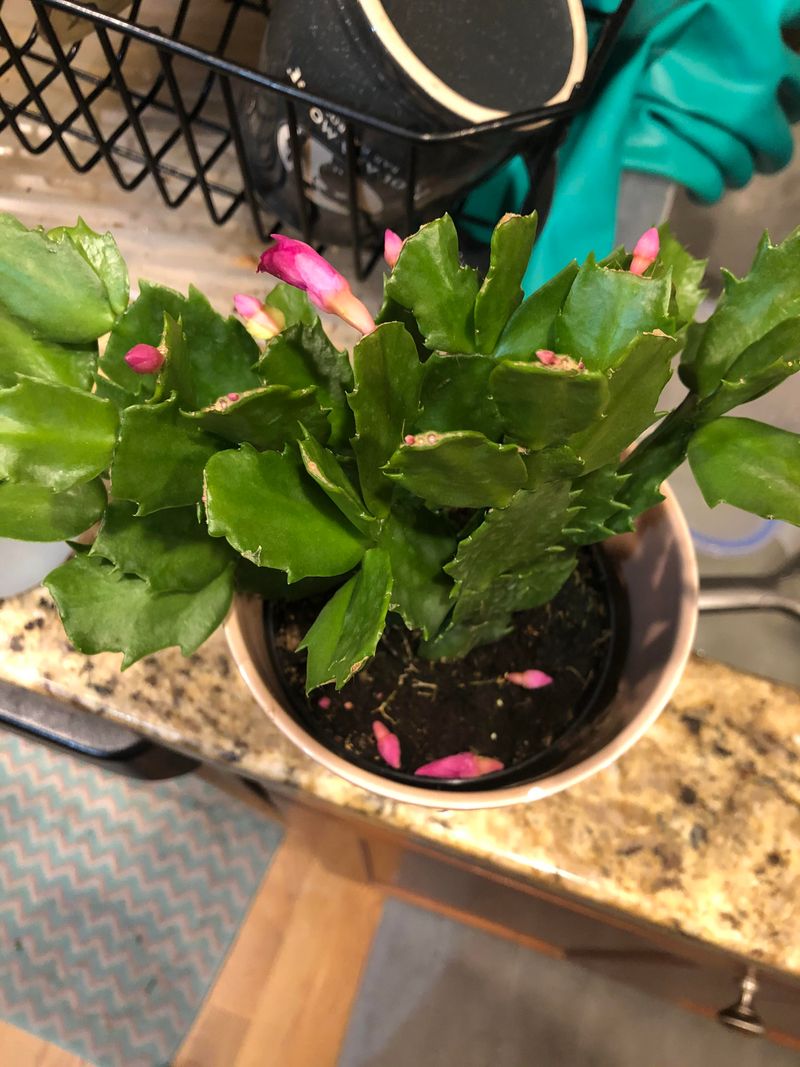
Most of us water a plant more when we want it to perform. This plant works the other way around, at least for a few weeks each fall.
Christmas cactus is a short-day plant. University extension experts explain that buds form when the plant gets long nights, cool temperatures, or both.
A slightly drier root zone in early fall adds one more signal that it is time to stop growing leaves and start making flowers.
Think of it as a gentle nudge rather than a drought. You are not starving the plant. You are copying the natural slowdown it would feel in its home forests when the season shifts.
The stems tell you a lot during this stretch. Firm, plump segments mean things are fine. Wrinkled or limp segments mean you went a bit too far and should give it a drink.
Here in the Midwest, this timing lines up nicely with the season. Late September and October bring shorter days and cooler rooms, so your watering change works together with what nature is already doing.
Get this part right, and the rest of the routine becomes much easier. The buds you see in November usually trace straight back to the choices you made in early fall.
2. Let the Top Inch of Christmas Cactus Soil Dry Out in October
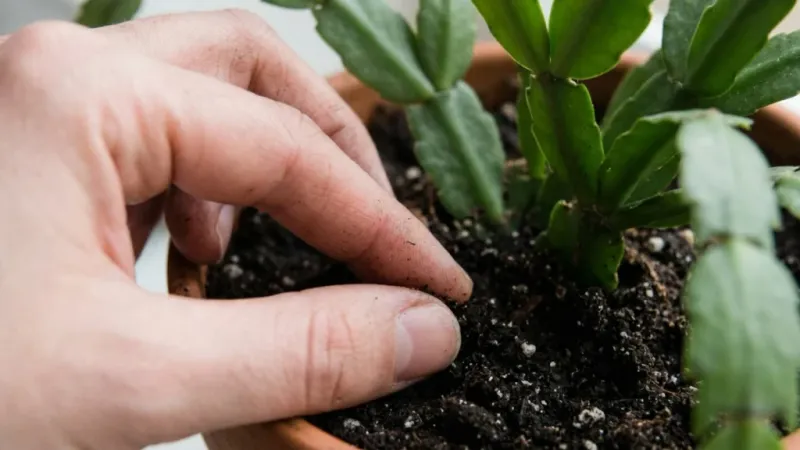
Your finger is the best watering tool you own. Starting around early October, poke it into the potting mix before you reach for the watering can.
If the top 1 to 2 inches feel dry, water the plant. If the soil still feels damp, wait a few more days and check again. This simple habit stretches the time between drinks without letting the roots get parched.
When you do water, water well. Pour slowly until a little runs out the drainage hole, then empty the saucer after about 15 minutes. Roots sitting in a puddle can rot fast, and rot is one of the most common reasons these plants decline.
How often will that be? In many homes it works out to roughly every 10 to 14 days in fall, but pot size, soil, and room temperature all change the math. A small clay pot near a sunny window dries much faster than a big plastic one in a cool corner.
Skip the calendar reminders and trust what the soil tells you. That one change keeps you from guessing and helps the plant settle into its bud-making mood.
Keep up this rhythm for about six to eight weeks. Once buds appear, you will switch gears.
3. Once Pink Buds Appear, Keep Christmas Cactus Soil Evenly Moist
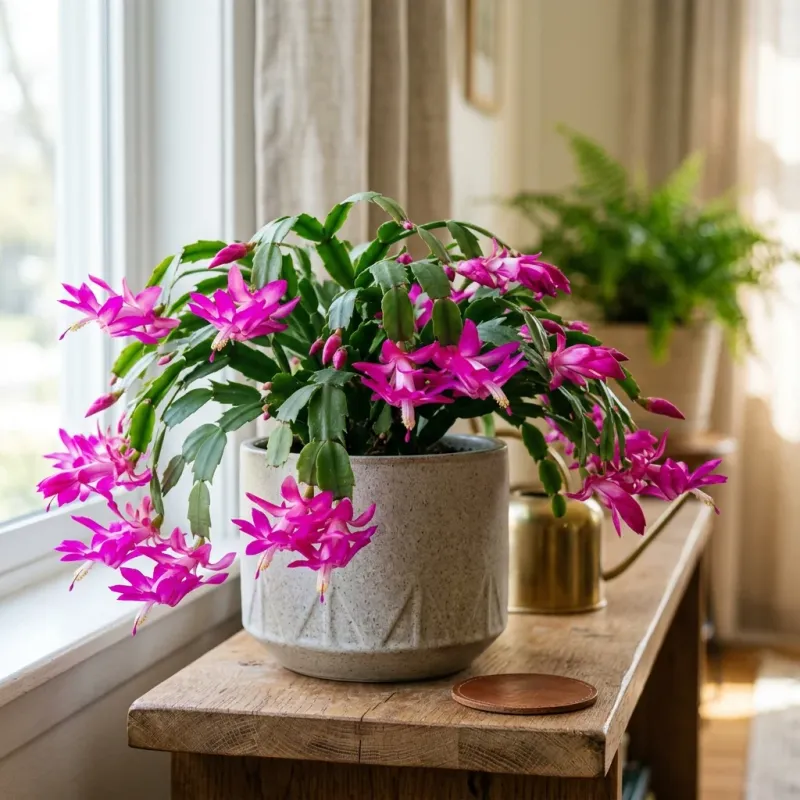
Those first little bumps at the stem tips are a thrilling sight. They also mean your watering plan needs to change right away.
Developing buds need steady moisture to grow into full flowers. Now you want the soil to feel lightly damp, not soggy and not bone dry. Check it every few days and water when the surface just starts to feel dry.
Bud drop is the big heartbreak here. Buds can fall off when the soil swings from wet to dry, or when the plant faces sudden changes in temperature or light. Uneven watering is one of the usual suspects.
Moving the plant can also upset it once buds form. Pick its holiday spot before the buds get big, then leave it there. I have learned the hard way that carrying it around to show off can cost you flowers.
Room-temperature water is a kind touch. Icy water straight from a cold tap in December can be a small shock to the roots.
As flowers open, the plant may drink a bit more than it did in October. That is normal. Keep checking with your finger, keep the drainage clear, and enjoy watching those tubular blooms unfold one after another.
4. Long Dark Nights Help Christmas Cactus Set Flower Buds
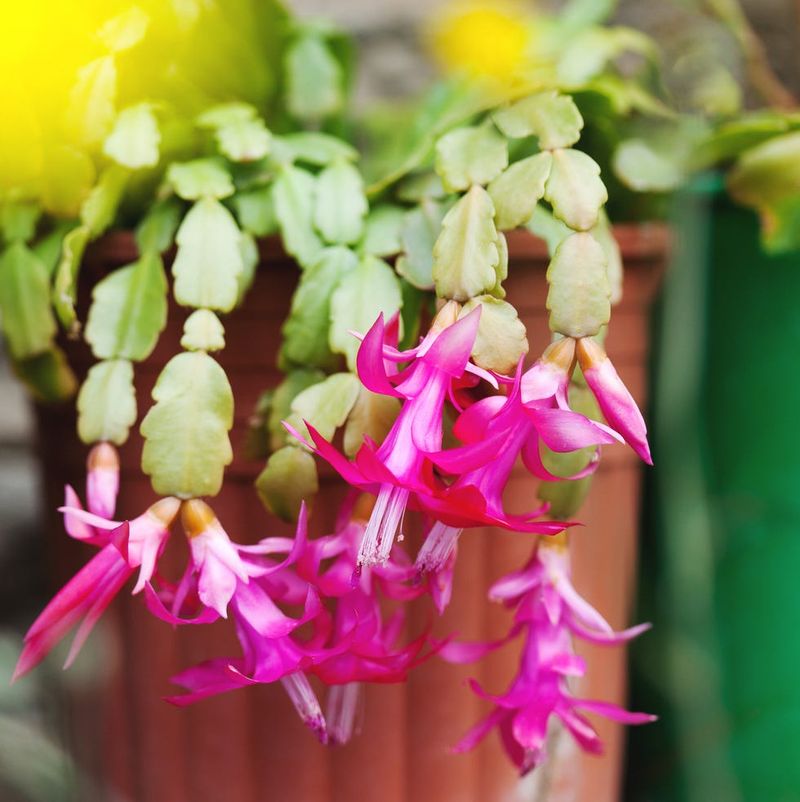
Darkness sounds boring, yet it is one of the strongest bloom triggers this plant has. Watering sets the mood, and long nights seal the deal.
According to university extension guidance, Christmas cactus forms buds when it gets around 12 to 14 hours of darkness each night for about six weeks. Cool nights near 55 to 60 degrees can trigger buds even with less darkness.
Here is where living rooms cause trouble. A lamp that clicks on every evening can confuse the plant and stall flowering. Even porch lights or streetlights shining through a window may interrupt its night.
An easy fix is a spare bedroom or a rarely used office. Some folks set a cardboard box over the plant each evening and lift it off in the morning. Just remember to take the box off, because it still needs bright light during the day.
Fall in Michigan helps a lot here. By October, natural daylight is shrinking fast, so the outdoor schedule already leans in your favor.
Pair those long, dark nights with your drier fall watering, and you are giving the plant two clear signals at once. That combination is where the big flower shows often begin.
5. A Cool Windowsill Can Make Your Christmas Cactus Happier
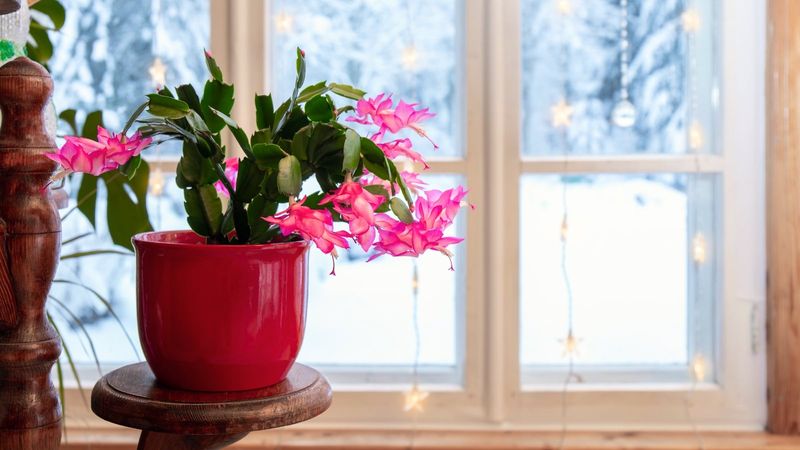
Cool rooms are secretly a gift for this plant. While we crank the heat for comfort, it would rather keep things on the brisk side in fall.
Research from extension programs shows nights around 55 to 60 degrees strongly encourage bud formation. Nights that stay warm, roughly above 70 degrees, can block flowering altogether. Days in the 60s fit nicely.
A bright window with indirect light works well. Harsh afternoon sun can bleach or redden the stems, so a spot with filtered light is better. An east window is often a sweet spot.
Watch out for extremes, though. Cold glass on a freezing night or a blast of hot air from a vent can stress the plant and lead to dropped buds. Keep leaves from touching frosty windows.
Many Michigan homes have that one chilly room or enclosed porch that stays cool but frost-free. That kind of space can be perfect during the bud-setting weeks of fall.
Cooler rooms also slow down how fast soil dries. That means you will likely water less often there, which fits right into the fall routine. Temperature and water really do work as a team for these plants.
6. Dry Furnace Air Calls for a Pebble Tray Under Your Christmas Cactus
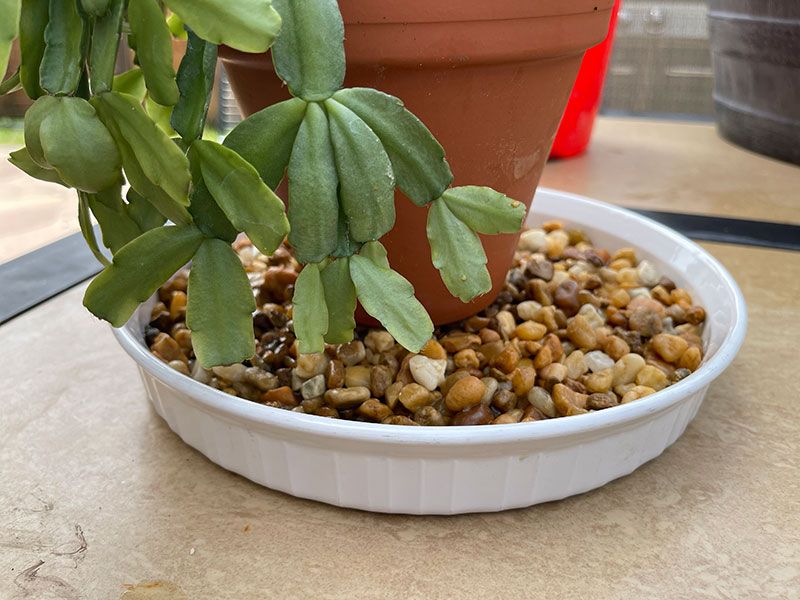
Winter heating can drop indoor humidity a lot. Your skin notices it, and so does a plant that evolved in misty mountain forests.
A pebble tray is a simple, cheap helper. Fill a shallow tray with gravel, add water just below the top of the stones, and set the pot on top. The pot should sit above the water, never in it.
Grouping plants together also raises the moisture around them a little. A small room humidifier works even better if you already use one for yourself.
Misting gets mixed reviews. It feels nice, but the effect fades within minutes, so a tray or humidifier usually does more good. Skip misting the open flowers, since wet petals can spot.
Keep an eye on feeding too. A balanced houseplant fertilizer at half strength once a month in spring and summer supports healthy growth. Many growers stop feeding in fall so the plant can focus on buds.
One fun fact worth sharing: your plant is technically an epiphyte, like many orchids. In the wild it lives on trees, not in soil. That is why it enjoys humid air and loose, fast-draining mix more than heavy potting soil.
7. Soggy Roots Are the Quickest Way to Lose Christmas Cactus Flowers
Too much love in a watering can causes more trouble than too little. That is the hard truth many of us learn with this plant.
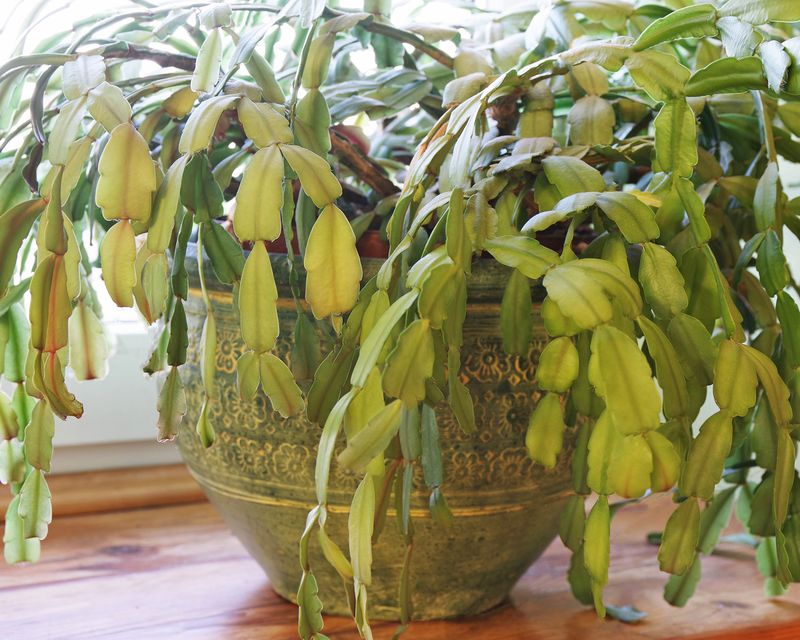
Roots that sit in wet soil for days can’t get enough air. Root rot often follows, and the signs include limp, yellowing, or mushy stem segments. Buds may drop too, even if the plant looked fine last week.
Drainage is your safety net. Choose a pot with at least one hole in the bottom. Decorative pots without holes are fine as covers, as long as you lift the real pot out to drain.
Potting mix matters just as much. A blend made for cactus or orchids, or regular mix lightened with perlite, lets water flow through quickly. Dense, heavy soil holds water far too long.
So how can you tell thirst from overwatering? Both can cause wilting, which is confusing. Check the soil first.
Wet soil plus limp stems usually points to too much water, while dry soil plus wrinkled stems means it needs a drink.
When in doubt, wait a day or two. A slightly thirsty plant bounces back quickly, but rotted roots take a lot longer to recover.
8. Your Christmas Cactus Can Rebloom Year After Year With This Rhythm
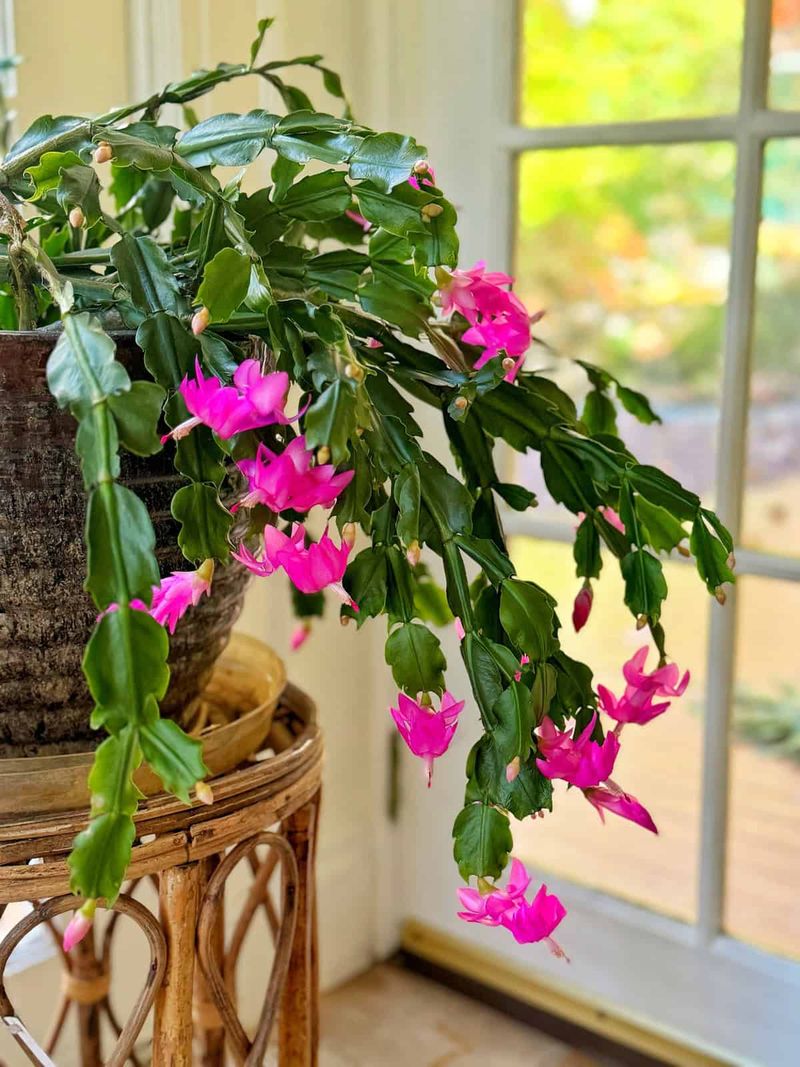
Old Christmas cactus plants often come with stories. Grandma’s plant, a gift from a neighbor, a cutting from a church sale. With steady care, yours can join that tradition.
After the flowers fade, give it a short rest. Water a little less for a few weeks until new growth shows up. Then, in spring and summer, water whenever the top inch of soil feels dry and resume light monthly feeding.
Summer is a nice time to set it outside in a shady spot once nights stay above 50 degrees. Bring it back in before chilly fall nights arrive. In Michigan, that usually means late May out and September in, depending on where you live.
Repotting is rarely urgent. These plants actually like being a bit snug in their pots. Every three or four years is often plenty, ideally in spring after blooming.
So what makes this a Michigan routine? It is the same smart care used everywhere, tuned for dry heated homes and dark fall evenings. Drier soil in early fall, long nights, cool rooms, and steady moisture once buds form.
Follow that cycle each year, and your plant can reward you with flowers for many holidays to come.