Why Pennsylvania Oaks Drop So Many Acorns In Fall
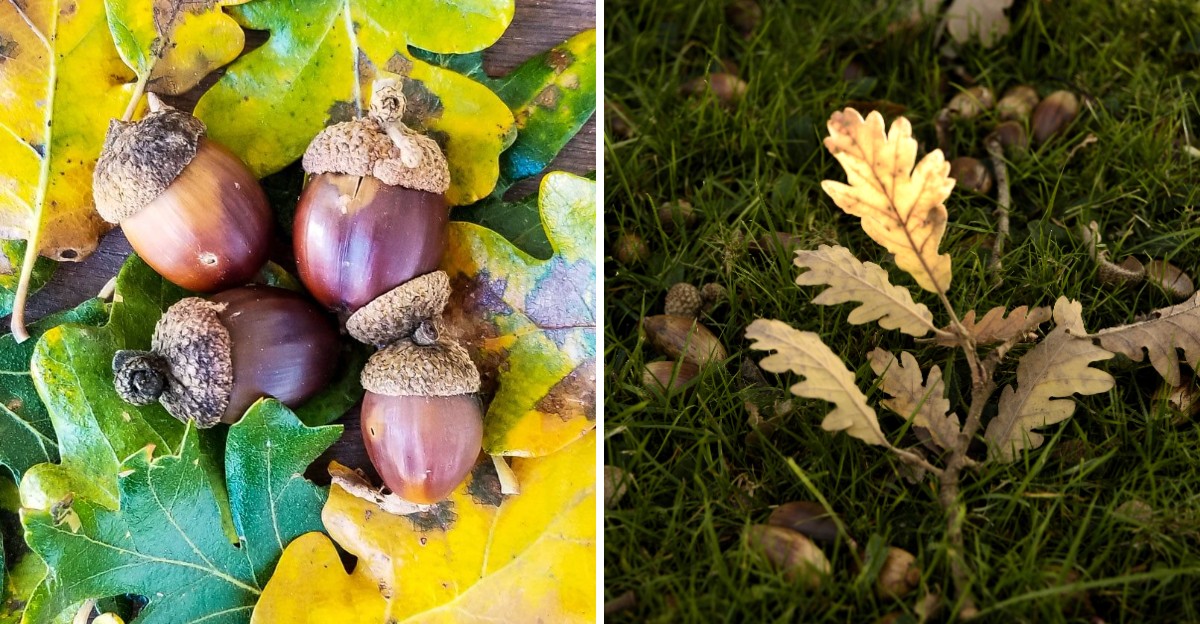
A single big tree in your backyard can drop around 10,000 seeds in one generous autumn. The next year, that same tree might barely bother at all.
Nobody warned me that my lawn would sound like a hailstorm every October afternoon. Rolling ankles on the driveway became a real hobby, and the squirrels looked thrilled about the whole thing. My boots learned that lesson fast.
Believe it or not, if you’ve been calling it a live oak, it probably isn’t one. The famous Southern live oak rarely survives Pennsylvania winters, so a very different set of natives is doing all the dropping.
So why the sudden flood? Personally, I think the answer is one of the smartest tricks in the whole garden. It involves weather from two springs ago, hungry wildlife, and a survival plan your trees have run for millions of years.
1. That Crunchy Acorn Carpet Under Your Oak Has A Name
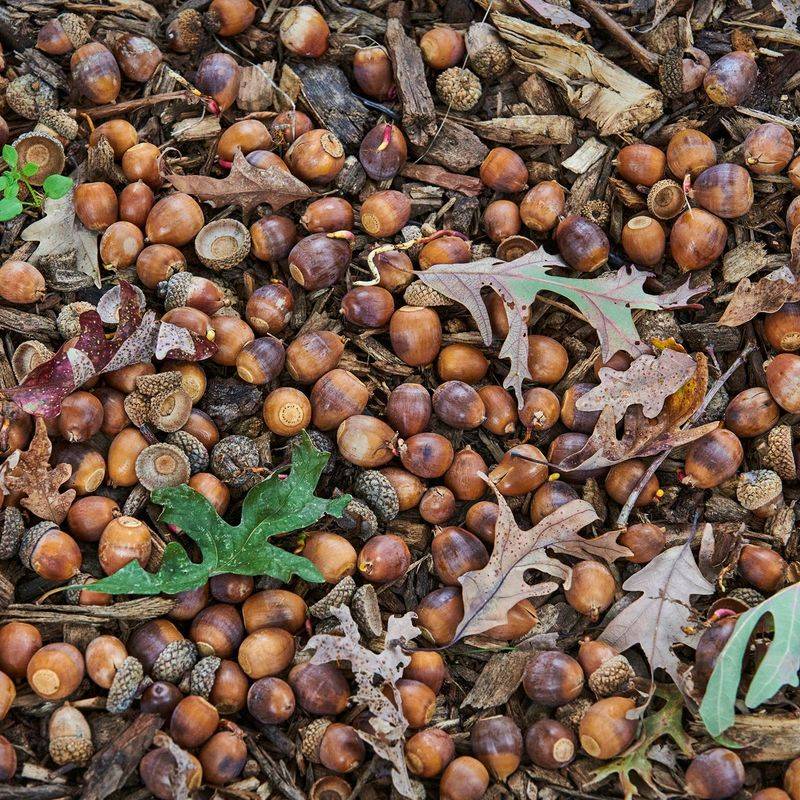
Every few years, the oaks across a whole region seem to agree on something. They all go big at once, and your lawn turns into a crunchy obstacle course. Foresters call this a mast year.
Mast is an old word for the nuts and seeds trees drop on the forest floor. In a mast year, oaks over a wide area produce far more acorns than usual, sometimes several times a normal crop.
Scientists favor an idea called predator satiation. Squirrels, deer, turkeys, and mice get stuffed long before the acorns run out. Plenty of leftovers slip by unnoticed and get the chance to sprout into new trees.
The lean years matter just as much. When oaks hold back for a season or two, animal numbers that depend on acorns tend to dip. That makes the next big drop even harder for wildlife to finish off.
I love how sneaky that is. A tree cannot run or hide its seeds, so it plays a numbers game instead, and it plays it well.
So if your yard looks buried this fall, relax. Your tree is most likely doing exactly what oaks have done for ages.
2. Which Oak Tree Is Dropping Acorns?
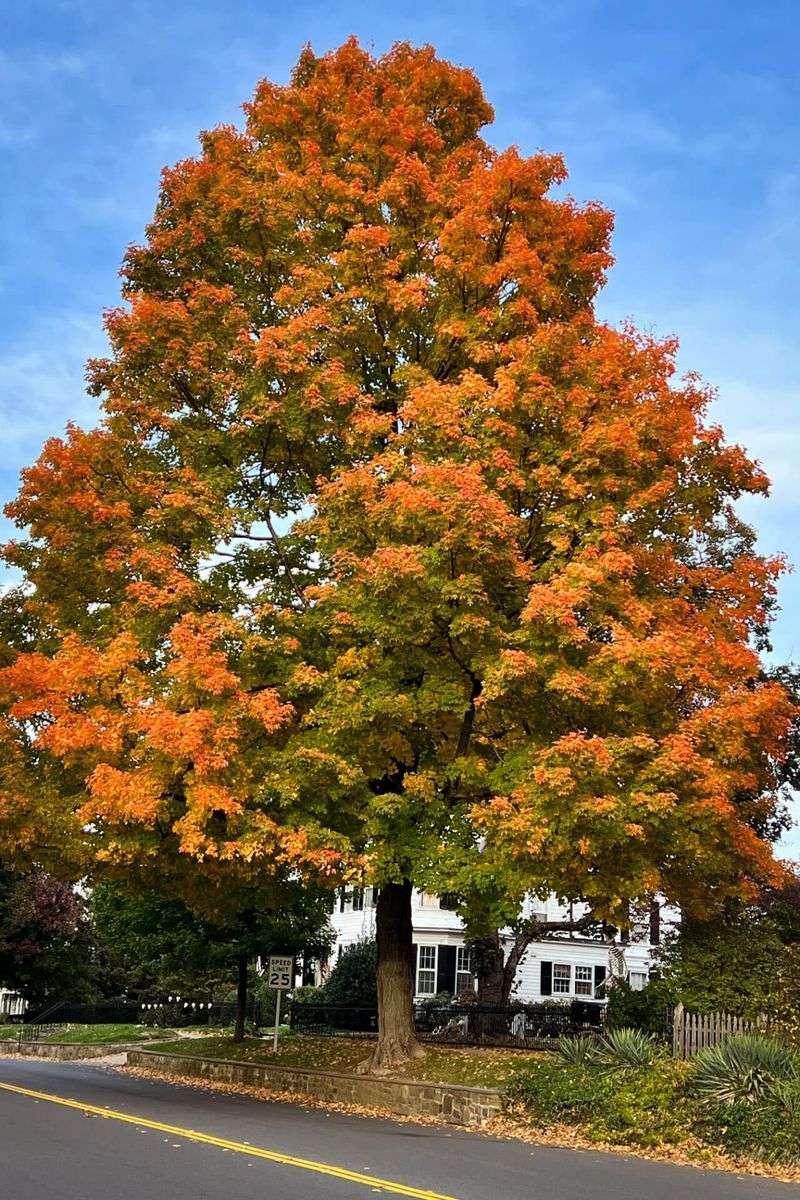
Southern live oaks, the moss-draped giants of Savannah and Charleston, mostly grow in USDA zones 8 through 10. Most of Pennsylvania sits in zones 5 through 7, so true live oaks are rare here outside a few sheltered plantings.
So what is dropping acorns on your patio? Most likely it is a native oak that people casually call a live oak.
Pin oak is a big suspect. It is a favorite street and yard tree, and it often holds brown leaves well into winter, which can make it look evergreen from a distance.
Northern red oak, white oak, scarlet oak, black oak, and chestnut oak are other common culprits. The state has more than a dozen native oak species, so the list is long.
Take a closer look at the leaves. Pointed, bristle-tipped lobes mean a red oak group tree, while rounded lobes point to the white oak group.
Knowing which one you have matters more than you might expect. The two groups grow acorns on different schedules, and that helps explain why one autumn can feel so wild.
Snap a photo of a leaf and an acorn cap, then compare them with the free Common Trees of Pennsylvania guide from DCNR.
3. Spring Frost On Oak Flowers Decides Your Fall Acorn Pile
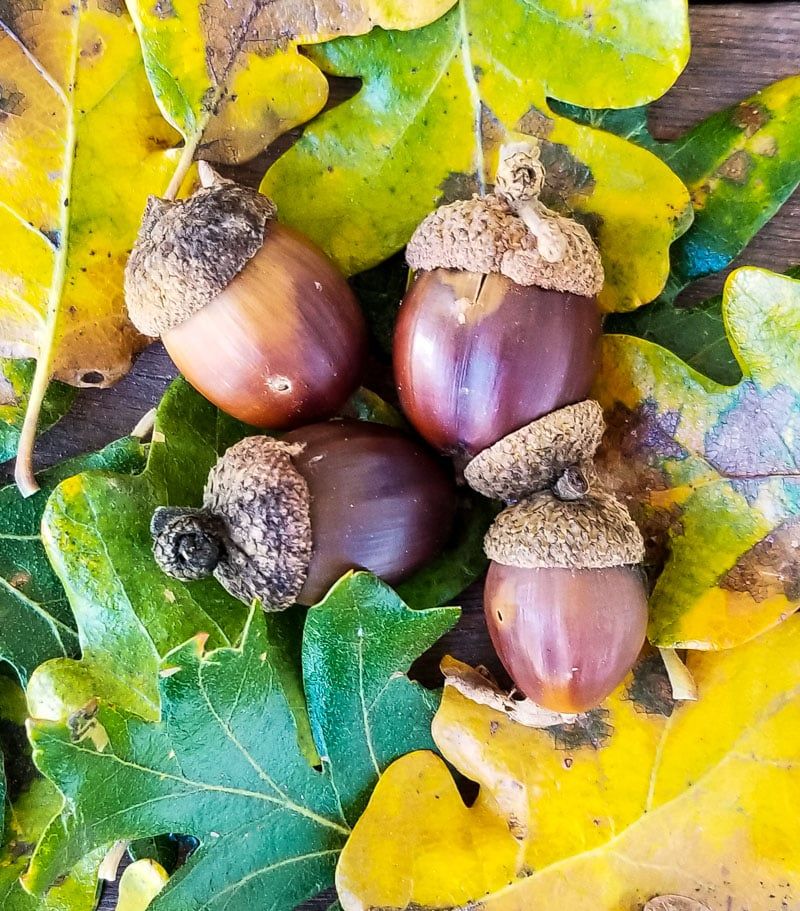
Your fall acorn pile was set up months ago, mostly in spring. Oaks bloom in April and May, with tiny dangling catkins releasing pollen on the wind.
A hard late frost can damage those flowers. A cold, soggy week during pollen season can also wash out pollination, and the crop shrinks.
Warm, fairly dry spring days do the opposite. Pollen drifts freely, flowers get fertilized, and the tree locks in a big crop.
Summer weather plays a supporting role. Steady rain helps acorns fill out, while a long drought can make a tree shed part of its crop early.
I used to blame squirrels for slim years. Turns out a frosty May night was often part of the story.
Researchers also find that oaks across a region tend to respond to the same weather cues. That shared timing helps explain why your trees and the ones along the highway seem to go big in the same autumn.
Regional differences matter too. A spring frost in the higher ridges of northern Pennsylvania might skip the milder southeast corner, so acorn counts can vary from one county to the next.
Keep a simple notebook of spring frost dates and fall acorn drops.
4. Red Oak Acorns Take Two Full Years To Ripen
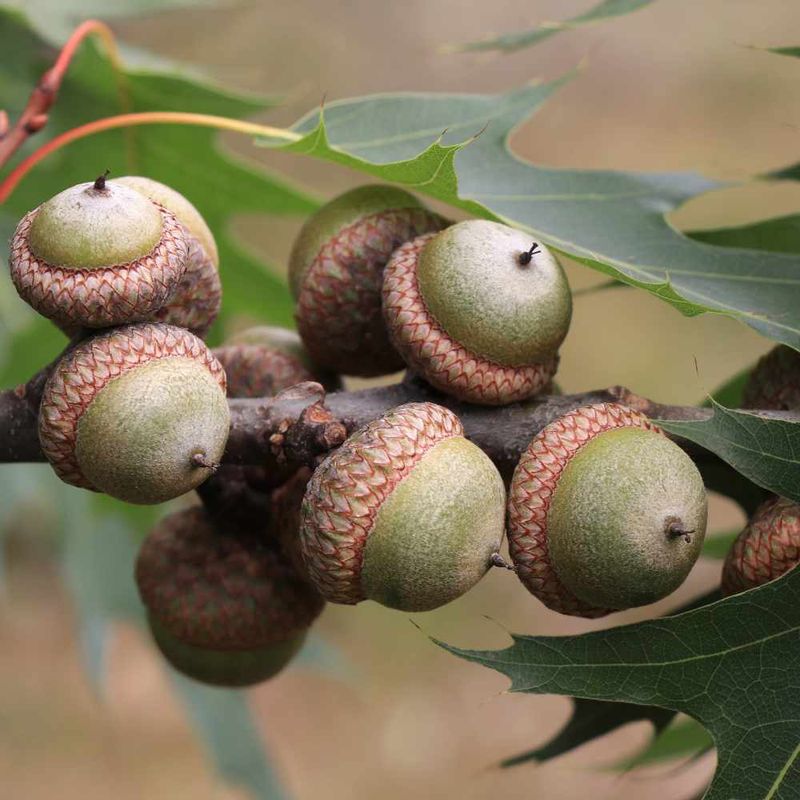
A red oak acorn falling on your deck this October started as a flower back in the spring of last year. That surprised me the first time I read it.
Oaks in the red oak group, including northern red, pin, black, and scarlet oak, need two growing seasons to ripen their acorns. After pollination, the tiny acorn sits mostly quiet through its first summer and winter, then sizes up fast in its second year.
White oaks and chestnut oaks work on a faster clock. Their acorns flower, grow, and drop all in one season.
Why does that matter for you? A big red oak crop this fall reflects weather from two springs ago, plus conditions this year. A big white oak crop mostly reflects this year’s spring.
The two groups also behave differently once they land. White oak acorns are less bitter and often sprout right away in fall, so animals tend to eat them quickly. Red oak acorns carry more tannins and wait until spring to germinate, which makes them better for storing.
Personally, I find the patience of red oaks charming. Next time you see small, immature acorns on a pin oak branch in summer, you are looking at next year’s crop.
5. A Heavy Acorn Year Leaves Oak Trees Needing A Rest
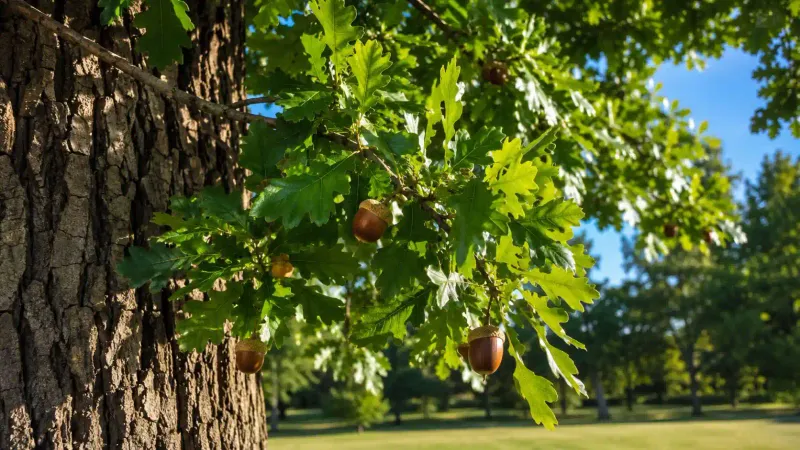
Growing a mountain of acorns is hard work, even for a towering tree. Acorns are packed with starch and fat, and every one costs the tree stored energy plus nutrients like nitrogen and phosphorus.
After a heavy year, many oaks need time to rebuild those reserves. Big crops are often followed by one or more light years. Some trees even add a bit less wood growth during a heavy acorn season.
A savings account makes a handy comparison. The tree deposits sugars season after season, then spends a big chunk all at once.
Cycles are irregular and often run two to five years between bumper crops. Individual trees also differ, so the oak by your mailbox may not match the one out back.
You can help a tired tree bounce back. Water slowly and deeply during dry spells, especially for younger oaks. Spread a two to three inch ring of mulch out toward the drip line, and keep it off the trunk.
Skip the heavy fertilizer. Most established oaks in decent soil do fine without it, and extra nitrogen can push soft leafy growth instead of strength.
Patience is the best tonic here, and your oak will set the pace.
6. Green Acorns Falling Early Could Mean A Stressed Oak
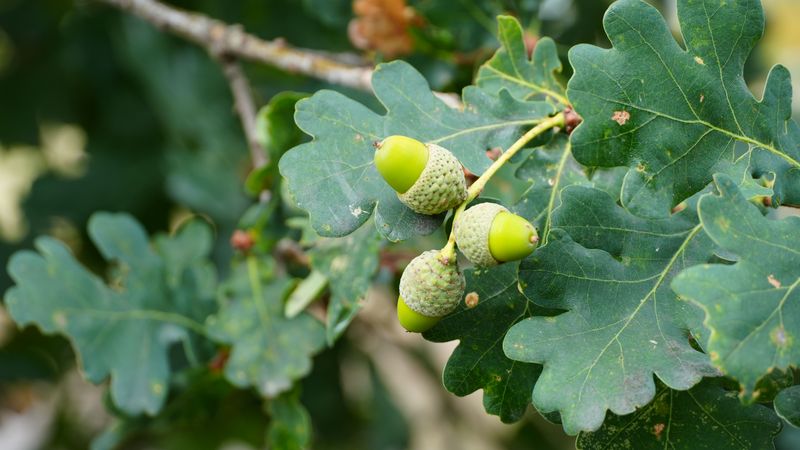
Not every acorn drop is a celebration. If you see lots of small green acorns hitting the ground in August or early September, your tree may be telling you something.
Drought is a common trigger. When summers run hot and dry, oaks often shed part of their crop early to save water and energy, which is a normal coping move.
Insects are another suspect. Acorn weevils lay eggs inside developing acorns, and the grubs later chew out through a tiny round hole. Infested acorns sometimes drop early, so look for that pinhole when you pick a few up.
Squirrels play a part too. They often start nibbling acorns before they ripen, leaving half-eaten green pieces scattered across the driveway.
Worry more if early acorn drop comes with a thinning canopy, browning leaves in summer, peeling bark, or mushrooms at the base.
Those signs point to deeper trouble. A certified arborist can check for root damage, soil compaction, or diseases like oak wilt, which has been found in Pennsylvania.
Catching problems early gives your tree a much better shot at recovery. A quick visit costs far less than replacing a mature oak later.
7. Blue Jays, Deer, And Squirrels Throw An Acorn Feast
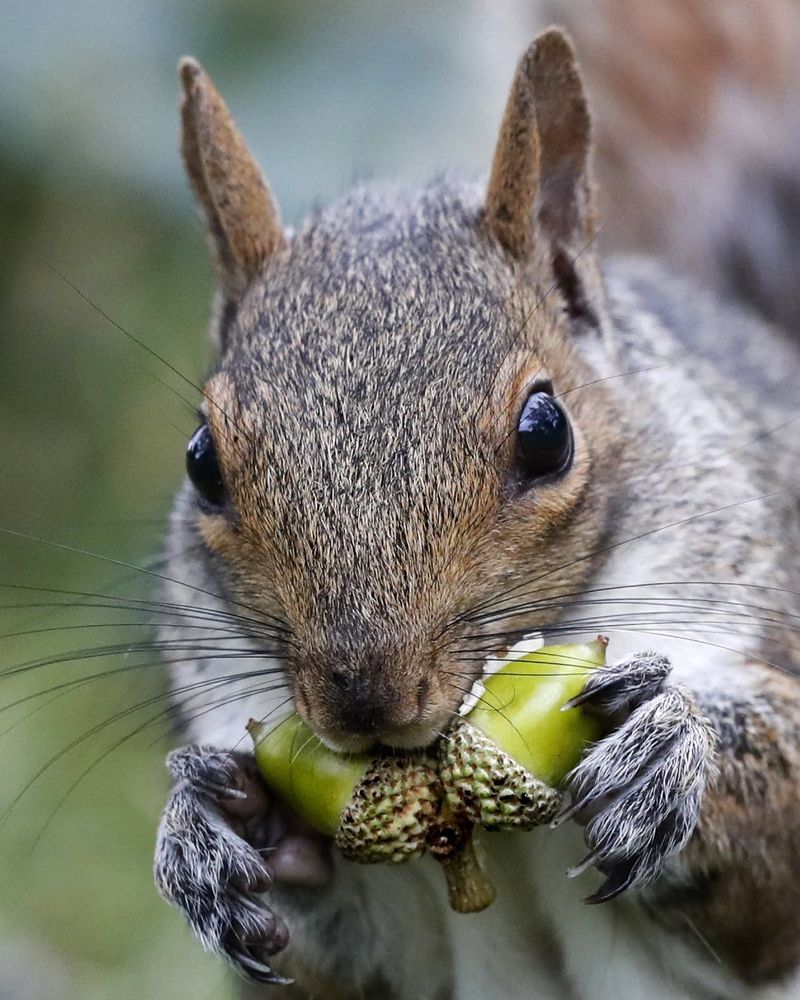
Black bears, white-tailed deer, wild turkeys, blue jays, wood ducks, chipmunks, and gray squirrels all count on acorns.
More than 100 kinds of vertebrates in the U.S. eat them, which makes oaks one of the busiest dinner tables in the woods.
Blue jays are my favorite to watch. A single jay can carry several acorns at once in its throat and bill, then bury them far from the parent tree. Forgotten stashes turn into new oak seedlings, so jays work as volunteer tree planters.
The ripple effects run deep. A bumper crop helps deer and bears head into winter in better shape. Hunters often notice deer feeding in the woods instead of open fields during big acorn years.
The story has a less cuddly twist. Research from the Cary Institute in New York found that big acorn years boost white-footed mouse numbers the next summer. More mice can mean more ticks carrying Lyme disease about two years later.
After a heavy fall, be extra careful with tick checks over the next couple of seasons, especially near wooded edges. Tuck pants into socks and check pets too, since they bring ticks indoors.
8. Rake, Compost, Or Plant Those Extra Acorns
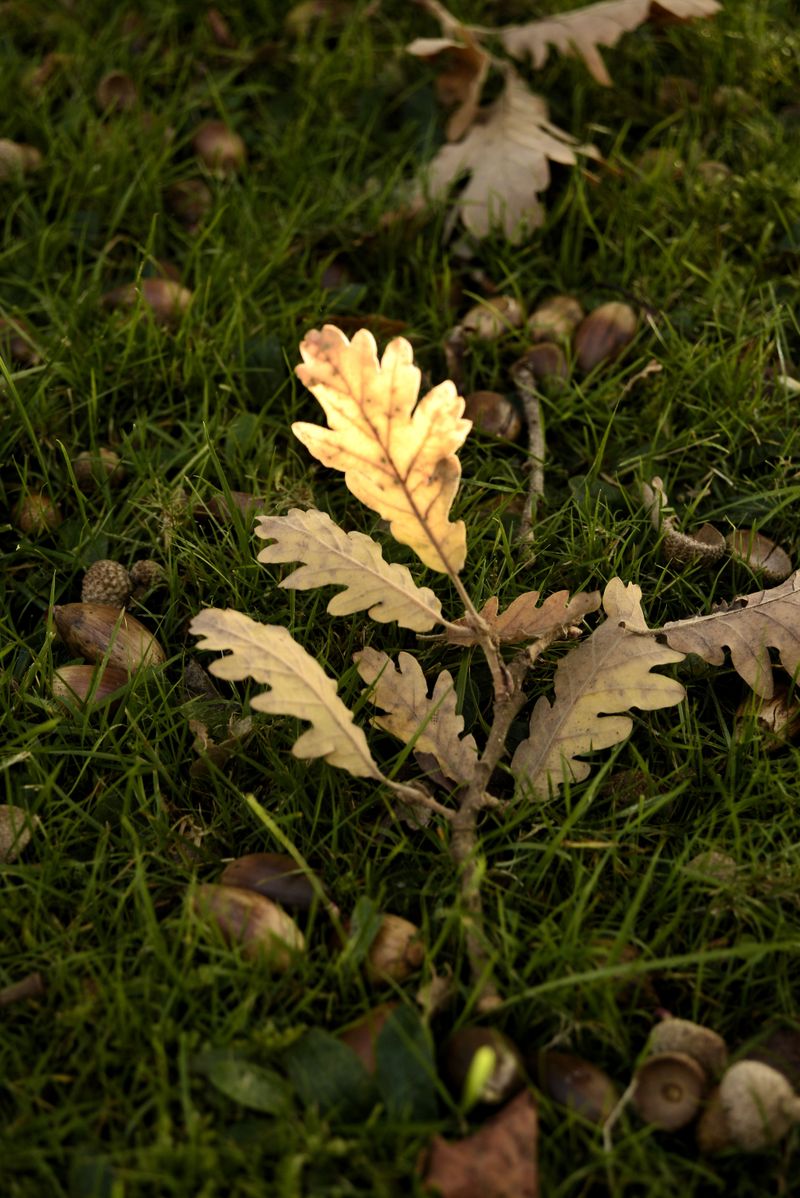
Grab a sturdy leaf rake and a bucket, because a few minutes of cleanup goes a long way. Acorns on sidewalks, steps, and driveways roll like marbles under your shoes, so sweep those spots first.
On the lawn, a heavy layer can smother grass and dull mower blades. A rolling nut gatherer or a mower with a bagger makes quick work of it.
Pet owners should pay attention. Acorns contain tannins that can upset a dog’s stomach, and big pieces can cause blockages, so discourage chewing.
You do not have to haul everything away. Acorns break down slowly in a compost pile, but crushing them first speeds things up. Leaving some under shrubs or in natural areas feeds wildlife through winter.
Feeling ambitious? Collect a few plump, hole-free acorns and try growing your own native oak. Float them in water, toss the floaters, and plant white oak types right away, while red oak types can sit outdoors in pots for a cold winter rest.
Most of all, enjoy the show. A yard full of acorns usually means your oak is healthy enough to make a big investment in the next generation.