When To Prune Peach Trees In Georgia For A Bigger Harvest
Professional growers in middle Georgia often wait to prune their oldest peach trees until close to bloom time. That late start is no accident, and it surprised me the first time I learned about it.
The reason has to do with cold. Fresh cuts made in early winter can leave a tree more open to cold injury and certain diseases.
Pruning closer to spring can reduce the risk of winter injury.
I love how a few smart snips can change an entire season. You could feed and water perfectly and still end up with small, crowded fruit.
The right cuts at the right moment can help the tree produce larger, better-quality fruit.
How do you know when your own backyard tree is ready? The calendar matters, but the buds on the branches tell an even better story.
Are yours sending you signals right now?
1. Peach Branches Have A Favorite Month For A Haircut
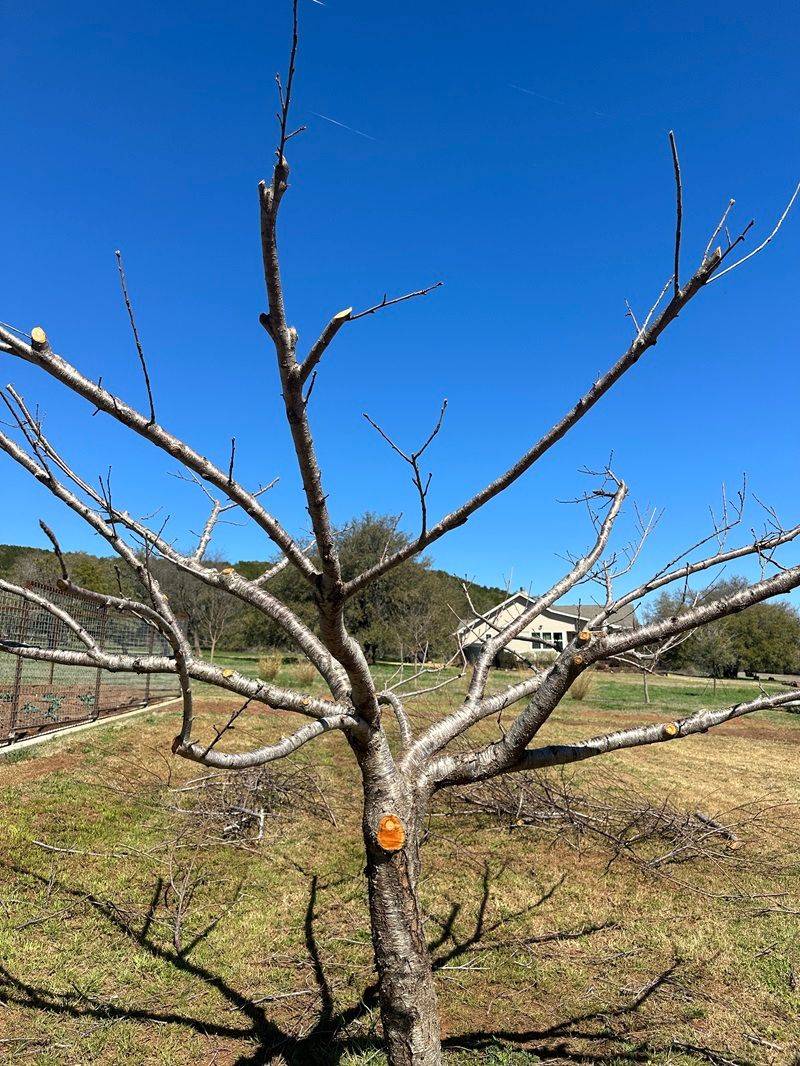
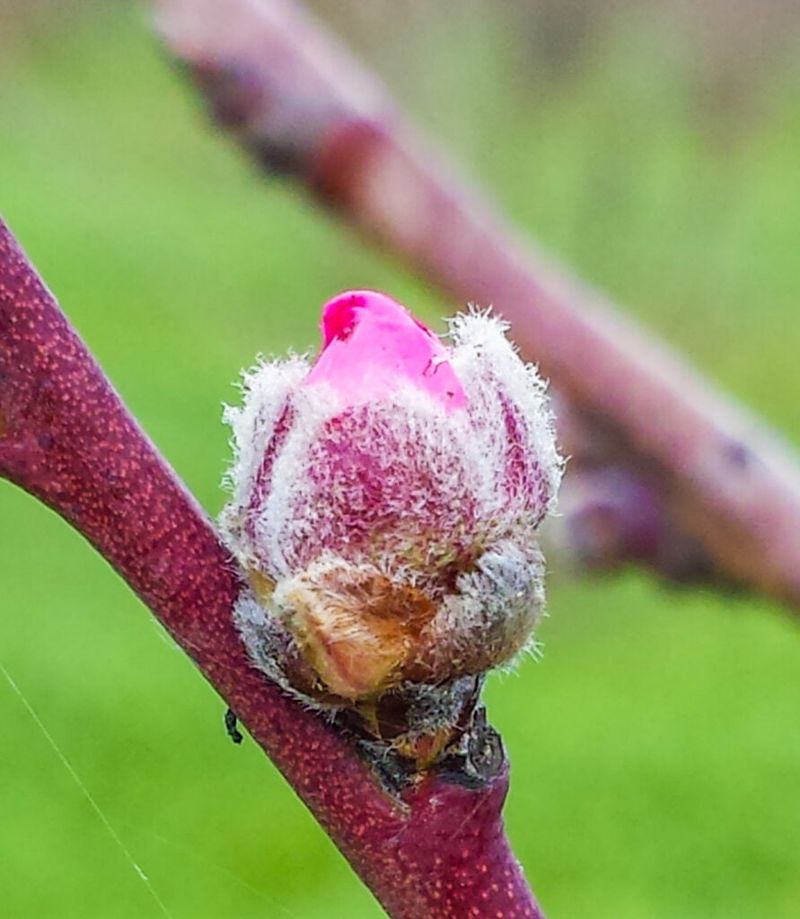
Late winter is the sweet spot. For most Georgia home gardeners, that means mid-February into early March, just before or as the flower buds begin to swell and show pink.
University of Georgia Extension specialists point out that peaches are more sensitive to cold than many fruit trees. Pruning in November or December can make a tree less cold hardy for the rest of winter.
Waiting until late in the dormant season lowers that risk and lets cuts begin to close quickly once growth starts.
Your location within the state matters too. In south Georgia, buds may swell by early February, so you can start a little sooner.
In the north Georgia mountains, late February or early March is often a safer choice because hard freezes linger longer.
I like to watch the buds instead of the calendar alone. When they plump up and you can see a hint of pink at the tips, your tree is telling you it is ready.
Commercial growers with hundreds of trees often start with the youngest ones and save the oldest for last. Backyard gardeners can simply pick a dry, mild day in that late-winter window and get to work.
2. Last Summer’s Red Twigs Hold This Year’s Peaches
Here is the quirky truth about peaches. They bear fruit only on wood that grew during the previous summer, those slim reddish shoots you see in winter.
Once a branch fruits, that section will not produce peaches again. The tree has to grow new shoots every single year to keep the harvest coming.
Pruning is how you nudge it to do that.
When you cut away older, gray, worn-out wood, the tree pushes fresh growth in its place. That new growth becomes next year’s fruiting wood.
Skip pruning for a few seasons, and the fruit slowly moves to the tips of long branches, high and out of reach.
Those far-flung branches can also snap under a heavy crop. I have seen a loaded limb split right down the middle after a summer storm, and it was a sad sight.
Look for shoots about the thickness of a pencil and roughly 12 to 24 inches long. These moderately vigorous shoots usually carry the best flower buds.
Very thin, weak twigs and thick, fast-growing upright shoots tend to be poor fruit producers, so they are good candidates for removal.
Keep the healthy middle ground, and your basket benefits.
3. An Open Vase Shape Lets Georgia Sunshine Reach Every Peach
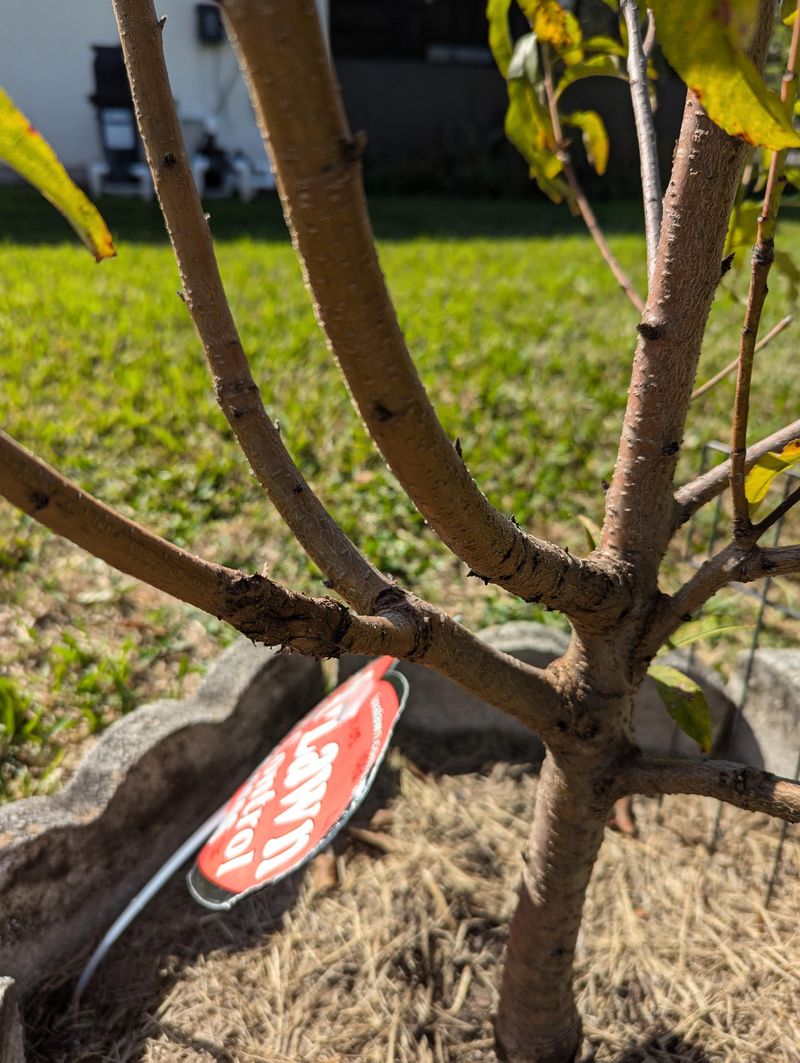
Peach trees are sun lovers through and through. Shade inside the canopy means fewer flower buds, smaller fruit, and less of that rosy red blush everyone loves.
The fix is a classic shape called the open center, or vase. You remove the tall central leader and keep three or four strong main branches, called scaffolds, spreading outward at wide angles.
The middle stays open like a bowl.
That open middle does two big jobs. It lets light pour into the center of the tree, and it lets air move freely.
Leaves and fruit dry faster after rain, which helps reduce problems like brown rot.
Young trees get shaped right after planting and through their first few years. Mature trees just need yearly upkeep to keep the bowl from filling in with new shoots.
Personally, I step back every few minutes while pruning to look at the whole tree. It is easy to get carried away on one branch and lose sight of the shape.
A simple test helps. Once you finish, sunlight should dapple the ground under the center of the tree instead of leaving a dark patch.
4. Taking Off Nearly Half The Growth Feels Scary But Pays Off
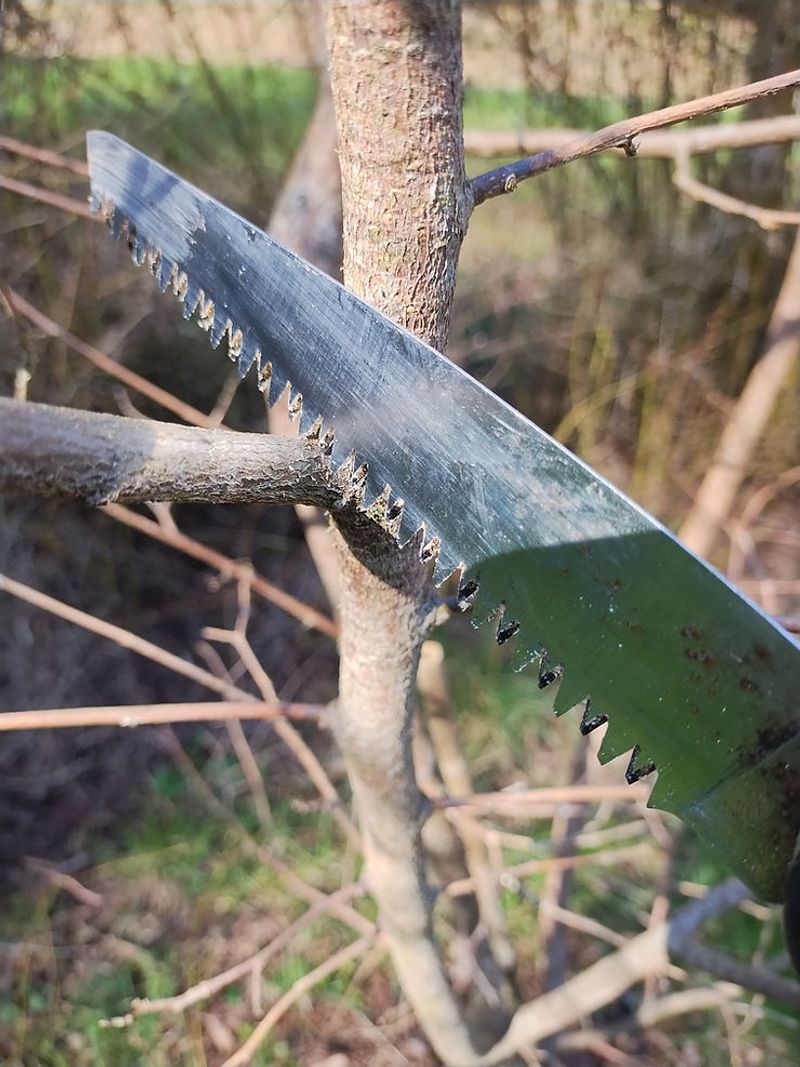
Most first-timers prune too lightly. It feels wrong to cut off so many healthy-looking shoots, but peaches respond well to firm pruning.
Many extension guides suggest removing roughly 30 to 40 percent of a mature tree’s new growth each year. That sounds like a lot, and it is.
The tree rewards you with stronger shoots and bigger fruit.
Start with the easy cuts first. Remove broken, diseased, or damaged wood, then any branches crossing or rubbing each other.
Next, take out shoots growing straight down or straight into the middle of the tree.
Water sprouts come next. These are the fast, vertical shoots that pop up on top of branches and shade everything below.
They rarely fruit well.
Finally, thin the remaining fruiting shoots so they are spaced several inches apart along each scaffold. Some growers aim for about 20 to 25 good fruiting shoots per main branch on a mature tree.
Make clean cuts just outside the branch collar, the slightly swollen ring where a branch meets a larger limb. Avoid leaving long stubs or cutting flush with the trunk.
Sharp bypass pruners and loppers make smooth cuts that close faster.
5. Fall Pruning Can Leave Peach Trees Cold And Cranky
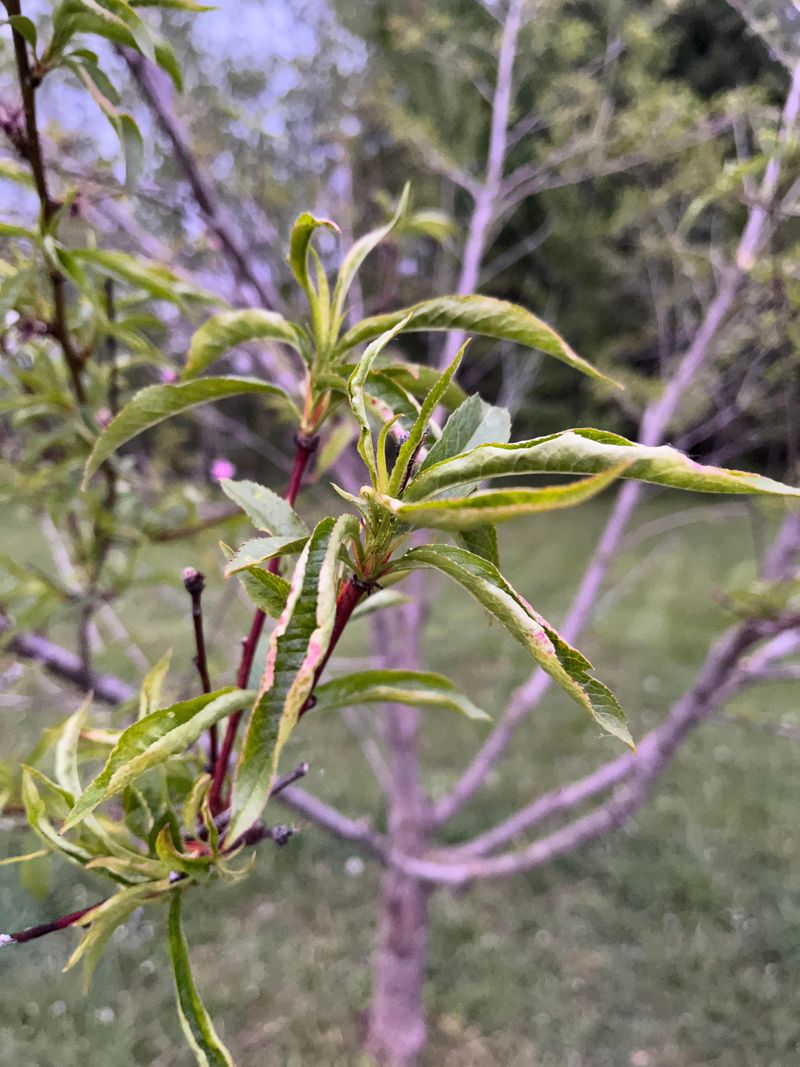
Autumn feels like a natural time to tidy up the yard. For peach trees, though, it is one of the riskiest moments to grab the pruners.
Cuts made in fall or early winter can lower the tree’s cold hardiness. Fresh wounds also sit open for months while the tree is not actively growing, which gives canker-causing fungi and bacteria more time to move in.
Georgia winters can swing wildly. A week of warm sunshine in January is often followed by a sharp freeze.
A tree pruned too early handles those swings poorly, and young branches can suffer bark splitting or cold damage.
Peach tree short life, a disorder well known in Southeast orchards, is linked partly to early pruning, cold injury, and ring nematodes. Research from Clemson and UGA helped growers learn that later pruning reduces that risk.
So what can you do in fall? Rake up fallen leaves and old fruit, clear weeds around the trunk, and make notes about which branches looked crowded this year.
If a limb breaks in a storm, go ahead and remove it cleanly. Safety cuts are fine any time.
Save the real shaping work for late winter.
6. A Light July Trim Keeps Your Peach Canopy Sunny
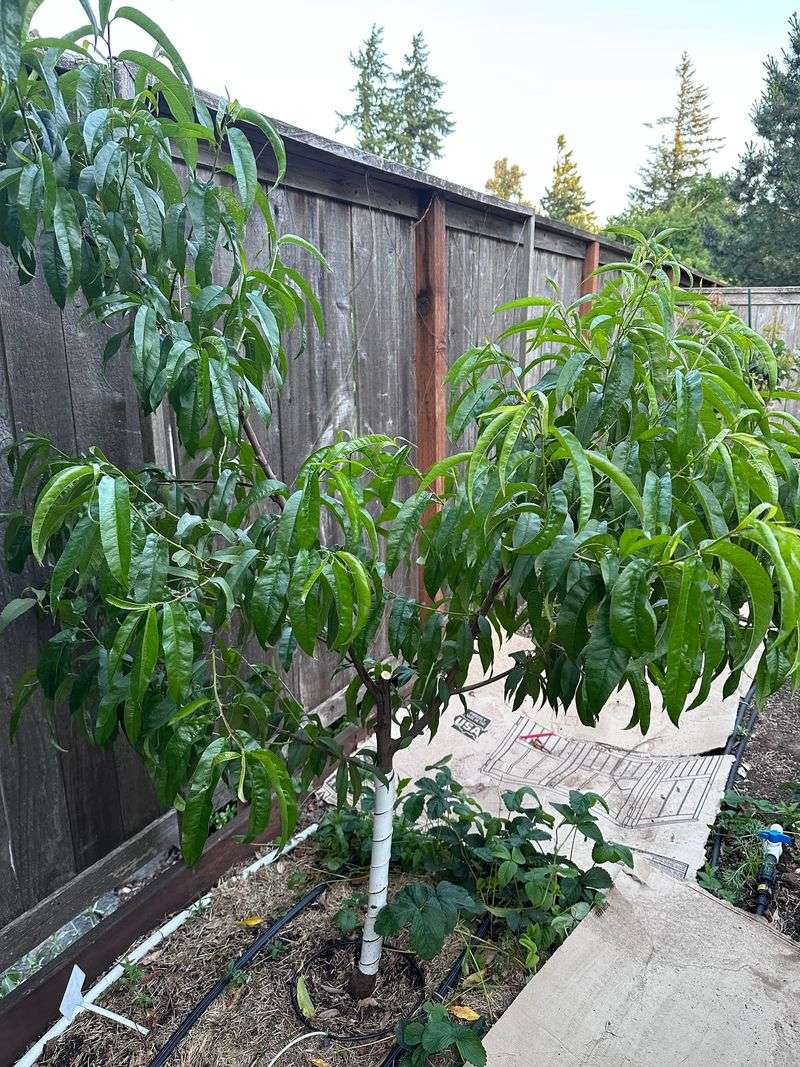
Summer brings a second, smaller pruning chance. Think of it as a quick touch-up instead of a full makeover.
By midsummer, vigorous trees often shoot up a forest of water sprouts in the center. Those shoots block sunlight from the lower branches, where next year’s flower buds are trying to form.
Many growers handle this in late spring or soon after harvest, often around June or July in Georgia. Removing those upright shoots lets light back into the canopy and improves airflow during humid, rainy weather.
Keep it light. Leaves are the tree’s food factories, and stripping away too many can reduce fruit size and weaken the tree heading into fall.
Focus mainly on water sprouts and crowded shoots in the center.
I find summer pruning oddly relaxing. A shady morning, a cool drink of water, and a few minutes of snipping, and the tree looks instantly more open.
Young trees benefit too. Pinching or removing unwanted shoots early in the season guides their shape with less effort later, and it means fewer big cuts during the next dormant pruning session.
7. Thinning Tiny Green Peaches Turns Small Fruit Into Big Fruit
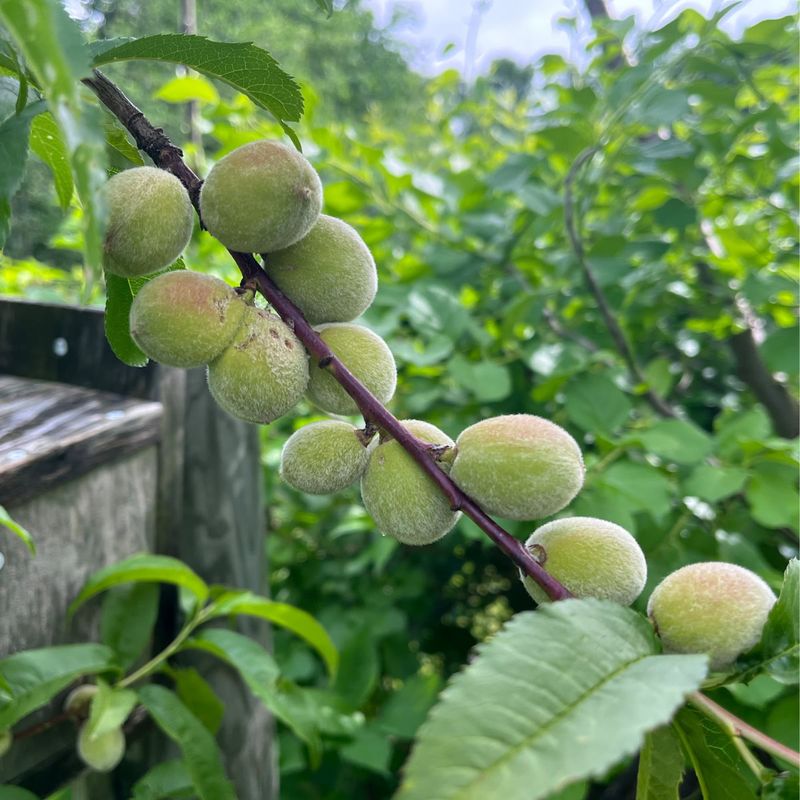
Pruning sets the stage, and thinning finishes the job. A healthy peach tree often sets far more fruit than it can grow to full size.
Leave every little peach on the branch, and you will likely harvest lots of small, bland fruit. The tree spreads its sugar and energy too thin.
Branches can also crack under the weight.
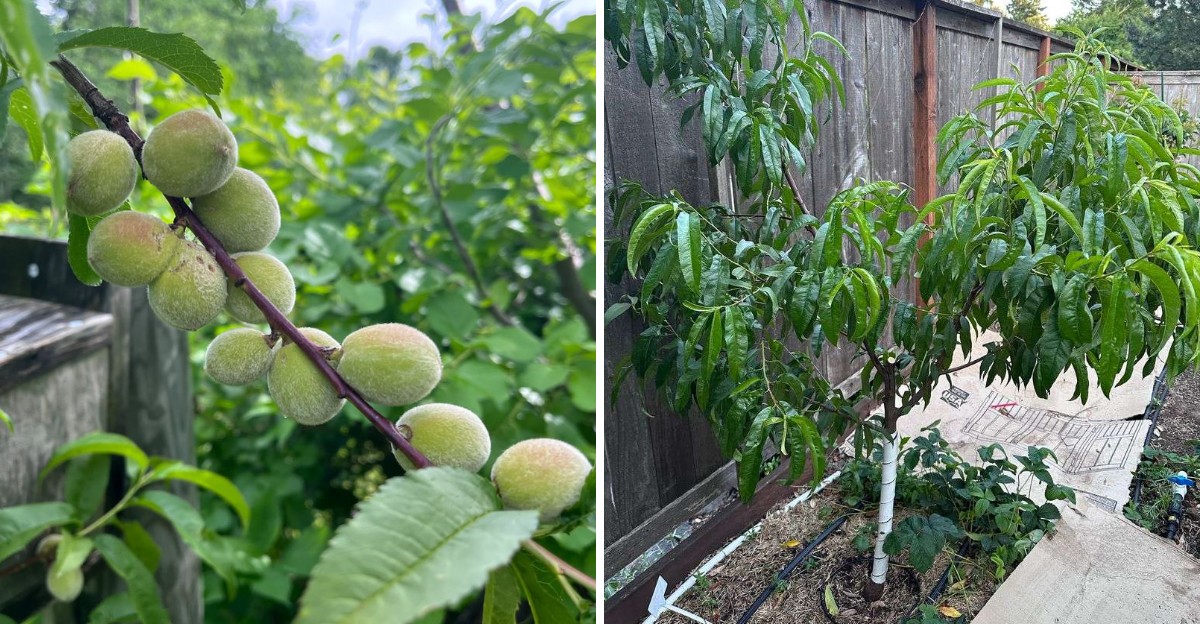
About four to six weeks after bloom, when the young fruit is roughly the size of a marble or a bit larger, start thinning by hand. Pop off extra fruits so the ones remaining sit about six to eight inches apart along each branch.
Yes, it hurts a little to toss so many baby peaches on the ground. I still wince every spring.
Then July arrives with fruit the size of softballs, and the guilt fades fast.
Remove damaged, misshapen, or very small fruit first. Keep the biggest, cleanest ones spaced evenly.
A well-pruned tree makes this task easier. With fewer crowded shoots, you can reach and see every cluster.
Together, good pruning and thinning are the real secret behind those big, juicy peaches sold at Georgia roadside stands.
8. A Simple Yearly Peach Pruning Plan For Your Backyard
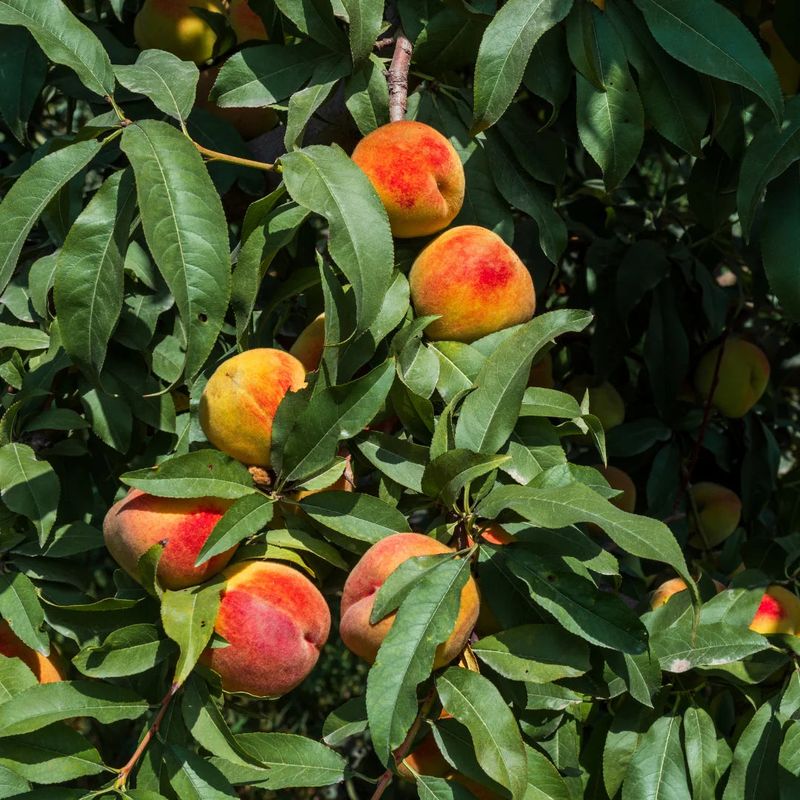
A bigger harvest comes from steady habits, not one perfect day. Following a simple yearly rhythm keeps your tree productive for many seasons.
In late winter, from mid-February to early March depending on your area, do the main pruning. Keep the open vase shape, remove damaged and crossing wood, and take out about a third or more of last year’s growth.
In spring, about a month after bloom, thin the young fruit to six to eight inches apart. In late spring or early summer, make light cuts to remove water sprouts crowding the center.
During fall, clean up fallen fruit and leaves, and leave the pruners in the shed. Plan your winter cuts instead.
Clean, sharp tools matter all year. Disinfecting blades between trees helps reduce the spread of disease.
Your local UGA Extension office can answer questions about varieties, chill hours, and timing for your county. They are a wonderful free resource.
Personally, I think peach trees reward patience more than almost any other fruit tree. Stick with this plan for a couple of seasons, and you may find yourself sharing peaches with every neighbor on your street.