This Mouse-Sized Texas Animal Has A Venomous Bite, And It Could Be Hiding Under Your Mulch
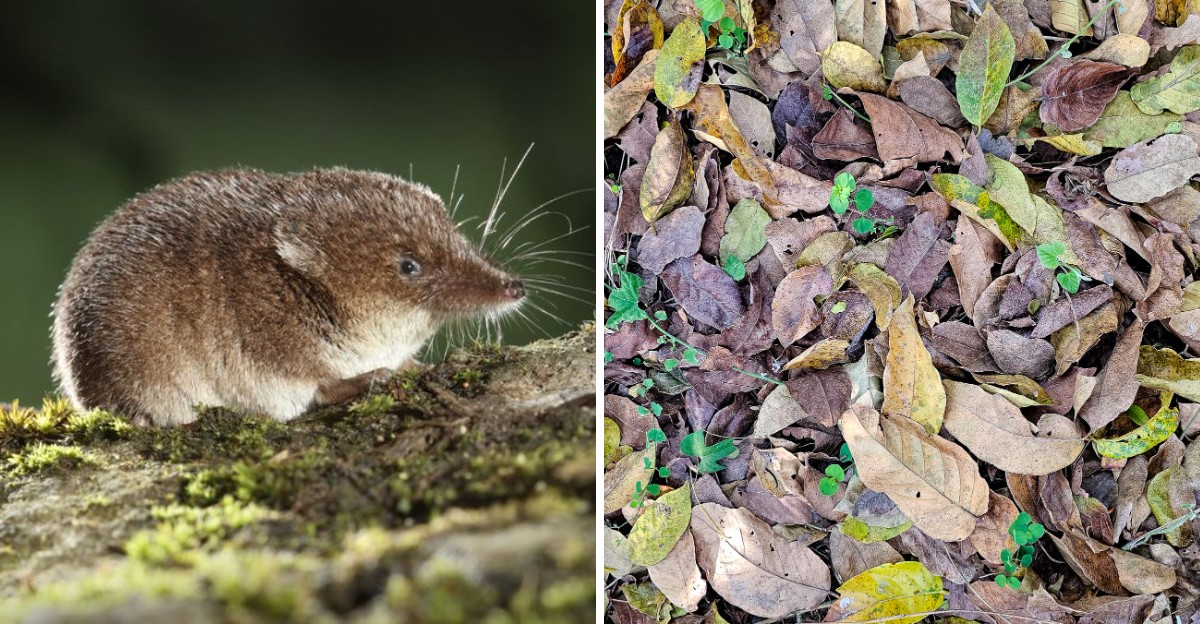
Some tiny mammals carry venom in their spit, and one of them could be living in your flower bed right now. It weighs about as much as a few paper clips.
Nobody warned me about this when I started gardening in Texas. I used to rake back mulch without a second thought, until a gray blur with a pointy nose zipped past my glove. My first guess was a mouse, but I was wrong.
The most interesting part? This little hunter eats slugs, grubs, and beetles at a pace that makes a hummingbird look lazy.
It can go through more than its own body weight in food each day. That makes it a surprising ally for anyone tired of chewed-up hostas and holey lettuce.
So is this backyard neighbor a problem, a helper, or a bit of both? Take a closer look before you decide.
1. That Pointy-Nosed Gray Blur in Your Mulch Is No Mouse
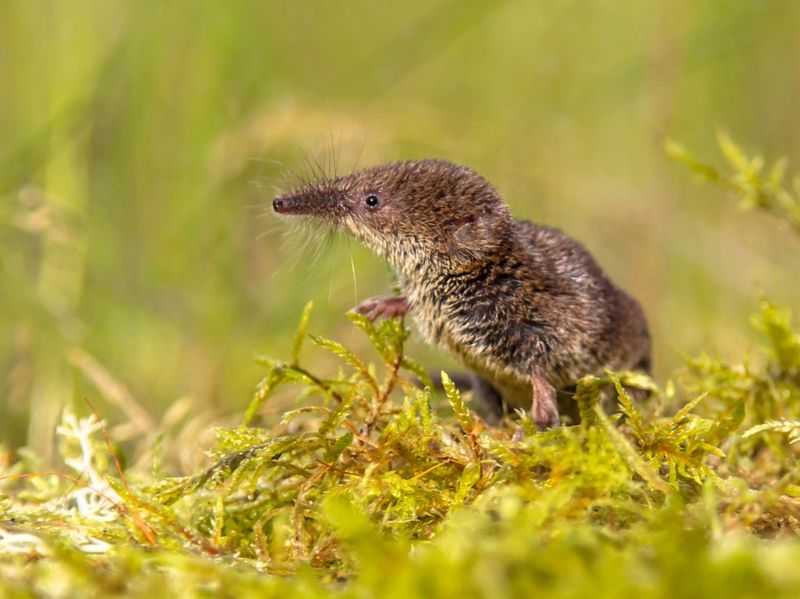
Tiny eyes, a long wiggly snout, and no visible ears. That combo is your first clue that the critter under your mulch is a shrew, not a rodent.
Shrews belong to a group of insect-eating mammals, closer kin to moles than to mice. Their teeth are built for crunching bugs, not gnawing seeds or bark.
In Texas, gardeners mostly cross paths with two kinds: the southern short-tailed shrew in the eastern part of the state and the North American least shrew, which shows up across much of Texas.
The least shrew is especially small. Adults are often around three inches long, tail included, and weigh just a few grams. Short-tailed shrews are chunkier, with slate-gray fur and a stubby tail.
Short-tailed shrews are known to have venomous saliva, and scientists suspect the least shrew may as well, which would put them in a very small club among mammals.
Only a handful of mammals worldwide are considered venomous, including some shrews, solenodons, and the platypus.
So when you spot a fast little gray animal darting under leaf litter, you are probably looking at one of the rarest kinds of mammal on the planet. Pretty wild for a backyard flower bed, right?
2. Venomous Shrew Saliva Works Differently Than a Snake Bite
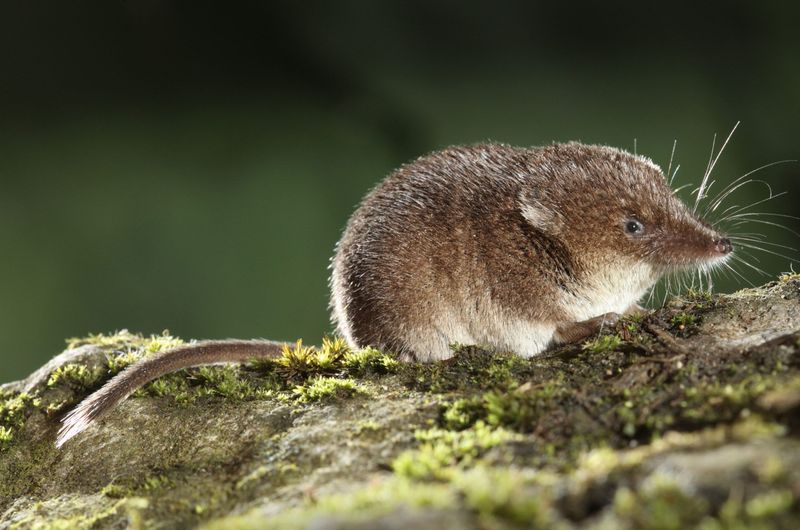
Forget fangs. A shrew has no hollow teeth to inject venom like a rattlesnake does. Instead, the toxin comes from glands near the lower jaw, called submaxillary glands.
The venom mixes into the shrew’s saliva and flows along a groove between its lower front teeth. When the shrew bites and chews, that saliva seeps into the wound.
Researchers have studied the northern short-tailed shrew most closely, and its venom contains a compound named blarina toxin.
It affects the nervous system of small prey. Insects, worms, and even small frogs or mice can become sluggish or paralyzed.
That paralysis serves a clever purpose. Some studies suggest short-tailed shrews may stash stunned prey and eat it later, almost like a living pantry. With a metabolism that runs so fast, keeping snacks on hand makes sense.
Scientists believe the venom of the southern short-tailed shrew and least shrew works in a similar way, though fewer studies focus on them specifically.
That is a good reminder that wildlife science is still uncovering details about these tiny animals. I find it oddly charming that something so small has such a specialized toolkit tucked inside its cheeks.
3. A Shrew Bite on Your Hand Hurts but Rarely Becomes Serious
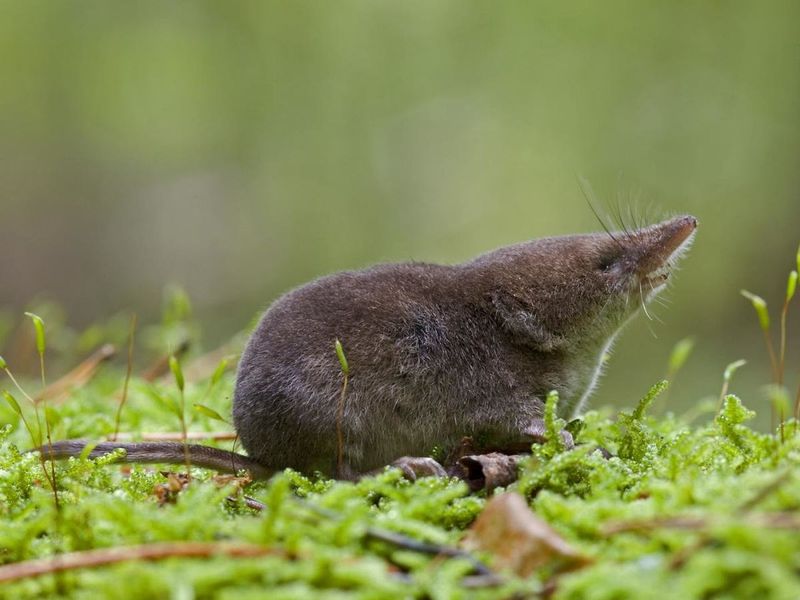
Relax a little. A shrew is not looking to pick a fight with you, and bites mostly happen when someone grabs or traps one.
When a bite does occur, people often report a burning pain, redness, and swelling around the spot. Some describe the discomfort lasting several days.
The venom is aimed at tiny prey, so in humans the effects are usually local and mild compared to a snake or spider bite.
Still, treat any wild animal bite seriously. Wash the area well with soap and running water right away. Keep an eye out for spreading redness, heat, or pus, since infection is a bigger concern than the venom itself.
Call your doctor for advice, especially if pain grows or you feel unwell. Any mammal bite can raise questions about rabies, and a medical professional can help you sort that out. Shrews are not considered a common rabies source, but it is better to ask.
For dogs and cats, a curious nip can cause swelling and soreness too. Cats often catch shrews but rarely eat them because of their musky scent. If your pet acts off after a run-in, check with your veterinarian.
4. Damp Mulch and Leaf Litter Make a Cozy Shrew Hideout
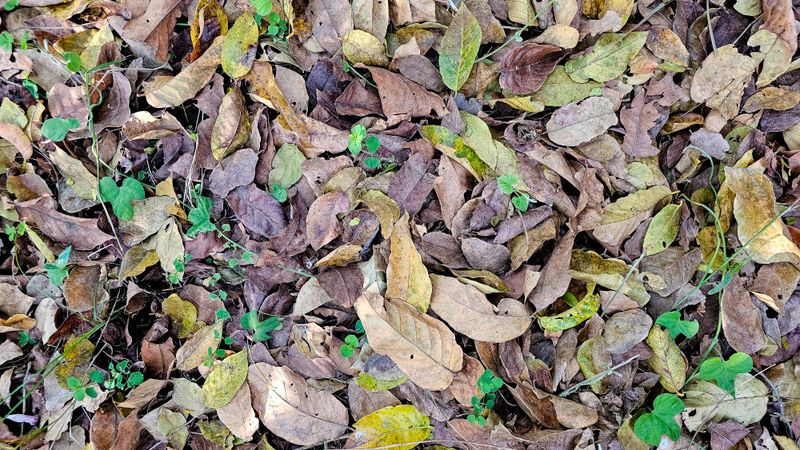
Shrews love the same thing your plants love: a nice, moist layer of mulch. That spongy blanket keeps them cool and hidden while bugs crawl around underneath.
Because their bodies are so small, shrews lose moisture and heat quickly. They look for spots that stay damp and shaded, like leaf litter, compost piles, thick ground covers, woodpiles, and the edges of flower beds.
A freshly watered bed of hardwood mulch is basically a buffet with a roof. Least shrews often make shallow runways under leaves or grass.
They also borrow tunnels dug by moles and other small animals rather than doing all the hard work themselves. Short-tailed shrews dig more and can tunnel through loose soil and leaf mold.
Least shrews are known for something sweet, too. They sometimes share nests, and several may huddle together, which is unusual for shrews.
In Texas, you are more likely to find them where the soil stays moist. East Texas woodlands, river bottoms, and well-watered suburban yards fit the bill.
In the dry western half of the state, shrews tend to stick to grassy, damper pockets. So that extra-thick mulch ring around your tomatoes? It might have a resident.
5. Slugs, Grubs, and Beetles Top This Tiny Hunter’s Menu
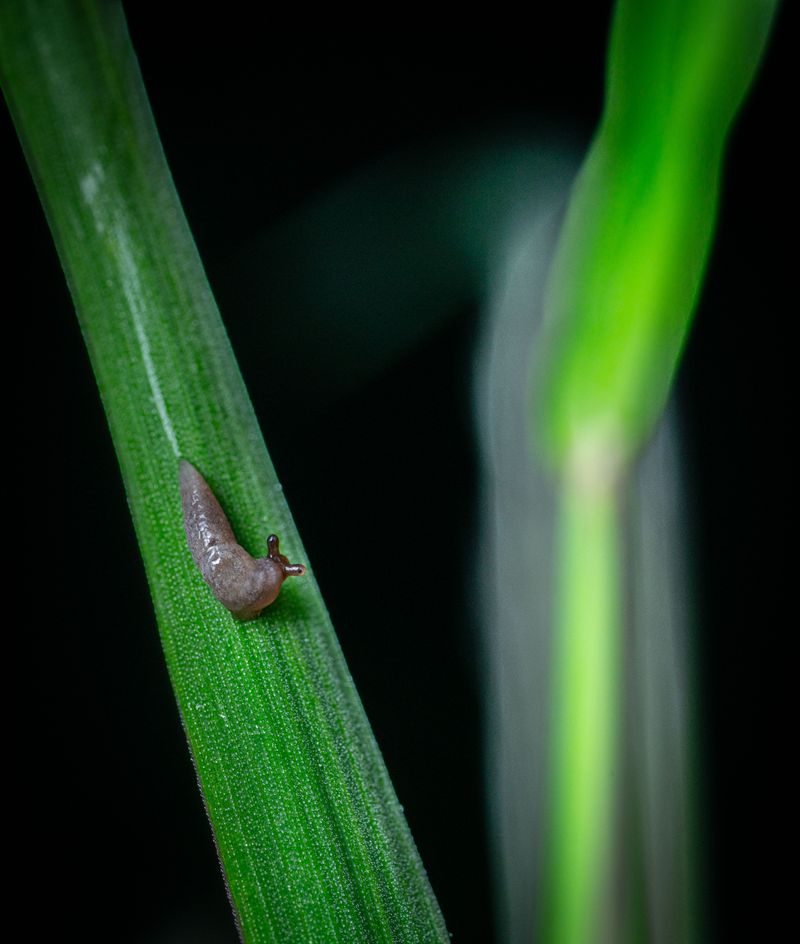
Picky eaters these are not. A shrew spends most of its life hunting, and your garden pests are first in line.
Their menu includes slugs, snails, beetle larvae, caterpillars, crickets, centipedes, spiders, and earthworms. Least shrews have even been seen raiding beehives to eat larvae, which earned them the nickname bee shrew in some places.
Short-tailed shrews will also tackle bigger prey, like small mice or salamanders, thanks to that venomous saliva.
The reason for all this eating is metabolism. A shrew’s heart and body run incredibly fast, so it can starve in just hours without food.
Many shrews eat close to or more than their own body weight each day, and they hunt day and night in short bursts.
For gardeners, that appetite is a real bonus. Grubs that chew lawn roots and slugs that shred tender leaves become shrew snacks instead.
Personally, I would rather have a few shrews patrolling my beds than spray for slugs. They rarely bother plants, and they do not gnaw bulbs like voles.
If you have spotted fewer slimy trails lately, you may owe a thank-you to someone very small.
6. Spotting the Difference Between a Shrew and a Field Mouse
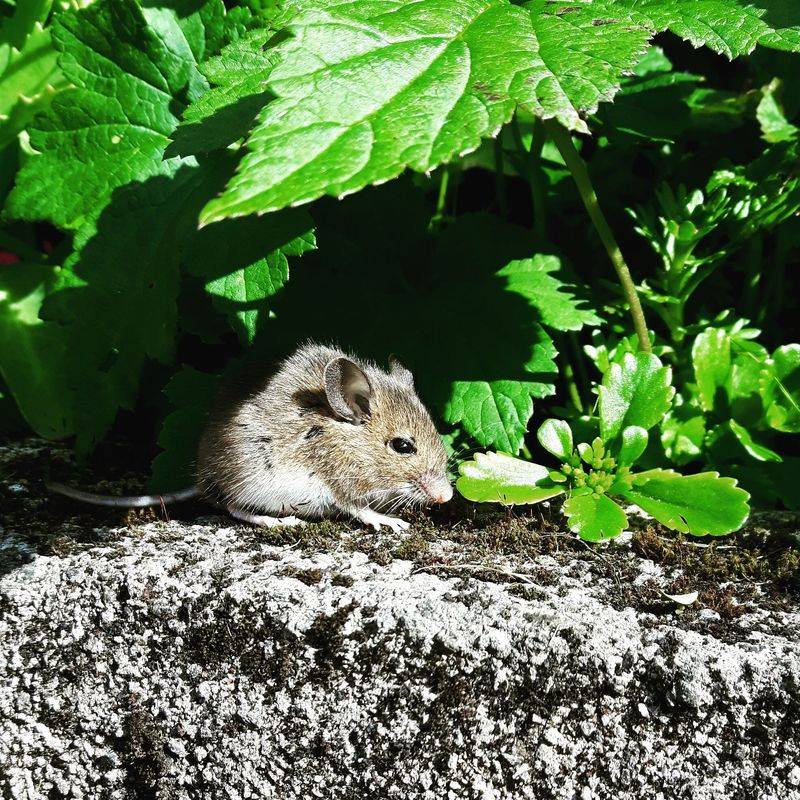
Quick test: look at the face. If you see big round eyes and floppy ears, it is a mouse. A long, pointy snout with tiny eyes means shrew.
Mice have a rounded, blunt muzzle and large ears that stick up from the head. Shrews have ears tucked mostly into their fur and eyes so small you might miss them.
Their fur is short and velvety, often gray or brownish, and it lies smooth in either direction.
Behavior offers clues too. Mice nibble seeds, birdseed, and stored food, often leaving droppings and chew marks behind. Shrews skitter quickly through leaves, chasing bugs, and you may hear high-pitched twittering.
Here is a fun twist. Some shrews make ultrasonic clicks, and researchers think they may use a simple form of echolocation to sense their surroundings. Short-tailed shrews also have a strong musky odor from scent glands on their sides.
Voles are another lookalike. They are stockier with short tails and small ears, but they have rounded faces and chew plant roots and bark.
Knowing who is who matters, because a shrew in your beds is mostly a helper, while voles and mice cause more plant trouble.
7. Gloves and a Garden Rake Keep Surprise Shrew Encounters Friendly
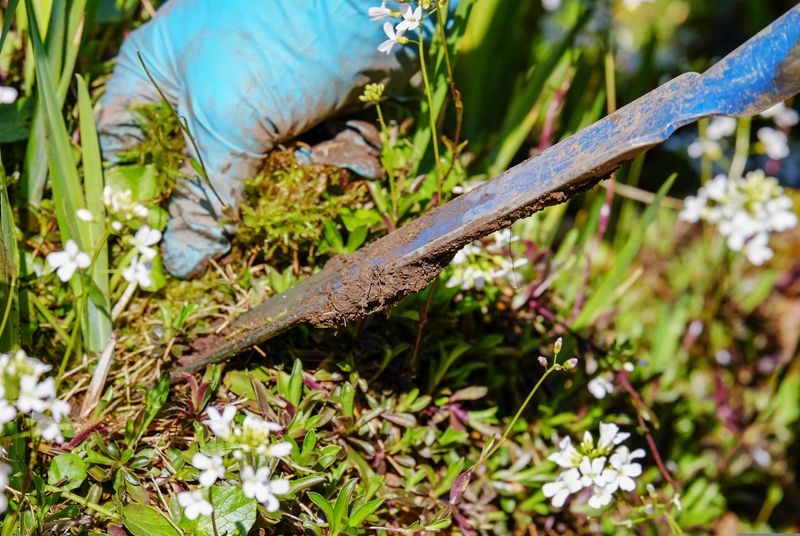
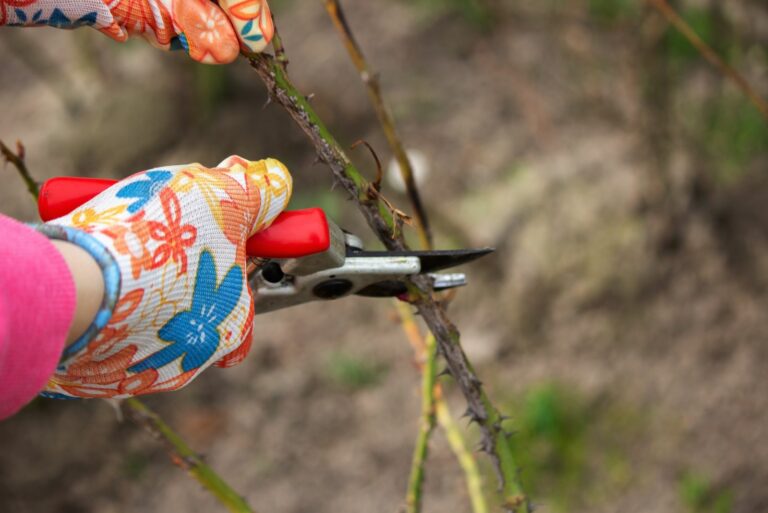
Grab your gloves before you go digging. That one simple habit protects you from shrew nips, plus spiders, fire ants, and splinters hiding in the mulch.
Thick leather or coated work gloves are a smart choice when you pull back mulch, turn compost, or clear leaf piles. Use a hand rake or trowel to move material instead of reaching blindly with bare fingers. If something scurries out, simply step back and let it run.
Never pick up a shrew, even if it looks stunned or stuck. Most bites happen when people try to handle them. If one wanders into your garage or shed, open a door and give it space, or gently guide it out with a broom.
Teach kids to look and not touch. A shrew sighting can be a fun nature lesson, but little hands should stay clear.
Pets need watching too. Dogs that love to dig under shrubs may get nipped on the nose. Keeping pets supervised in the garden, especially during cooler evenings when shrews are busy, cuts down on surprise encounters for everyone involved.
8. Trimmed Grass and Tidy Compost Bins Can Balance Your Shrew Population
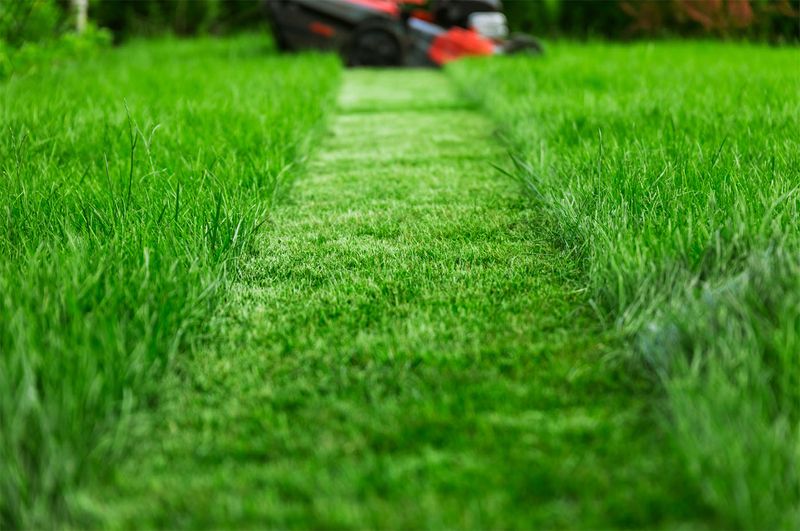
I truly believe most gardeners should welcome a few shrews. Still, if they are showing up inside the house or near the patio a lot, you can make your yard a bit less inviting.
Start with cover. Keep grass mowed, trim thick ground covers away from the house foundation, and rake up deep leaf piles near doors.
Mulch only needs to be two to three inches deep, and keeping it a few inches back from walls helps.
Close up compost bins with lids and screens. Store firewood off the ground and away from the house. Seal gaps around doors, vents, and pipes, since shrews can slip through tiny openings.
Bird feeders and pet bowls can draw bugs and rodents, which then draw shrews. Clean up spilled seed and bring pet food inside at night.
Shrews are not protected as game animals in Texas, but trapping is rarely necessary. If a shrew gets indoors, a snap trap or a humane live trap can work, though live shrews struggle in traps quickly due to their metabolism.
The best approach is to manage habitat near the house and let them keep patrolling the garden beds for slugs.