This Mulch Choice Can Make Arizona Plant Beds Even Hotter This Summer
Mulch should help your plants handle summer, but the wrong choice can work against them. Some materials absorb plenty of heat and leave the soil surface surprisingly warm.
That matters when your garden beds already spend hours under intense desert sun. Pay attention to what surrounds your plants instead of focusing only on watering.
One common mulch choice can create especially harsh conditions around Arizona landscapes during the hottest part of summer. Its appearance may be appealing, but heat changes how it behaves.
Touch the surface on a sunny afternoon, and you may notice just how warm it becomes. That extra heat can affect the immediate environment around vulnerable plants.
Your mulch should support the garden rather than add another source of stress.
Knowing which material traps more heat can help you make a smarter choice.
1. Dark Rock Mulch Can Make Plant Beds Hold More Heat
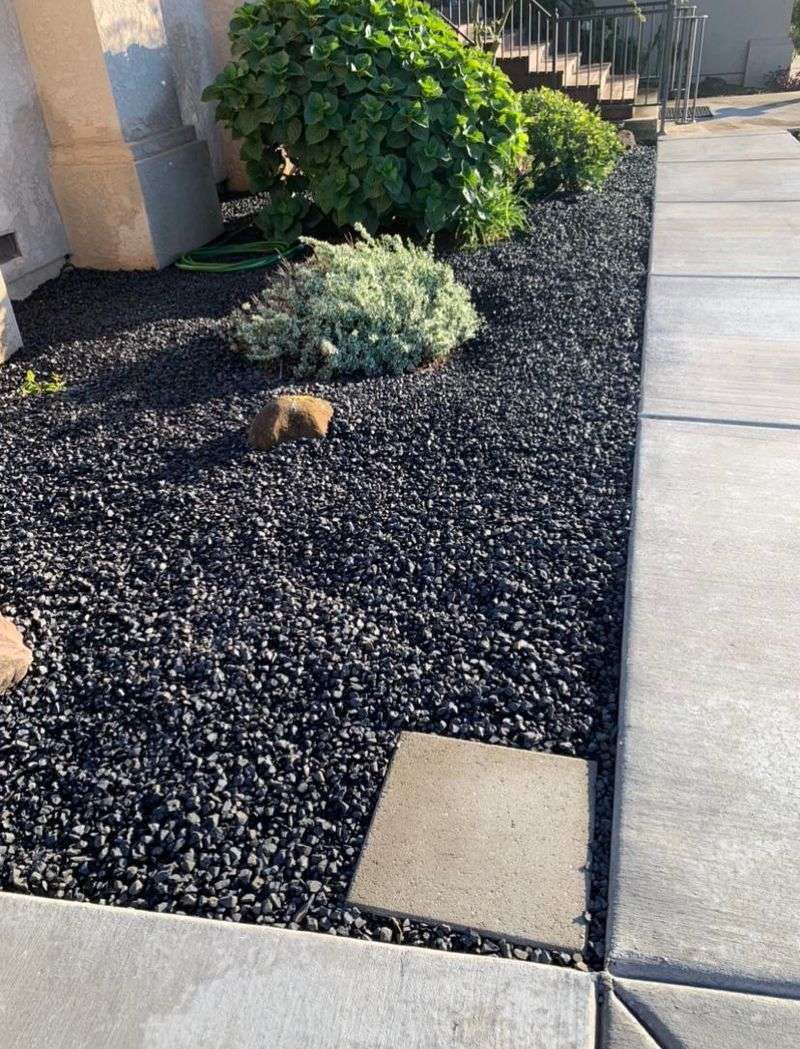
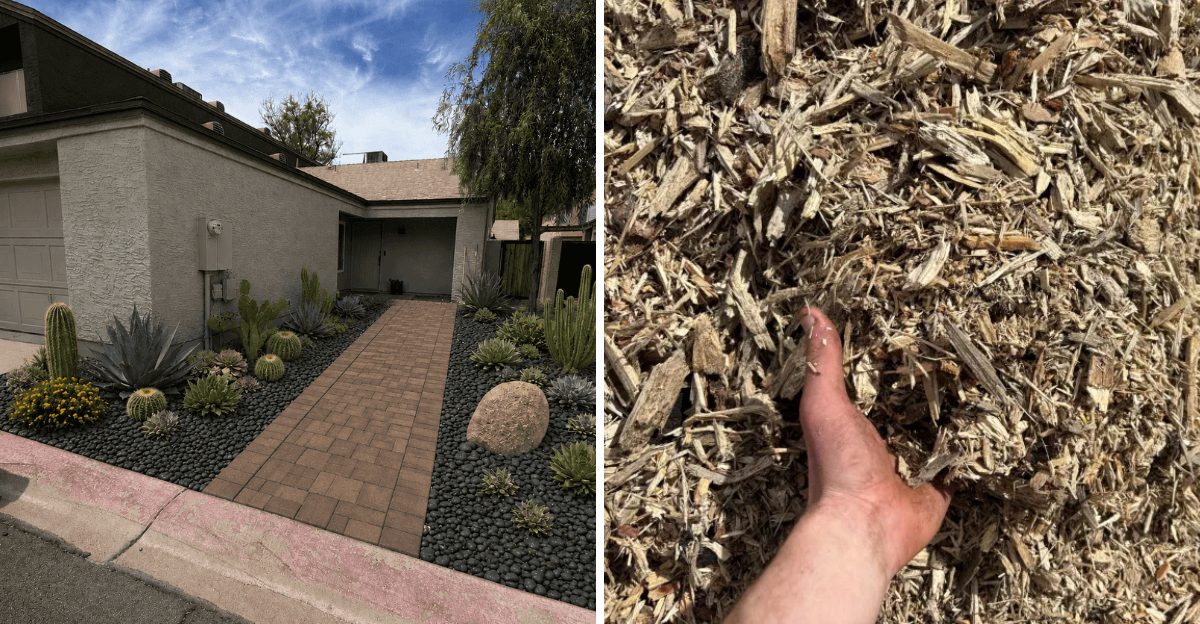
Black and dark-colored rock mulch might look sharp in a desert landscape, but it comes with a real trade-off during summer. Dark surfaces absorb more solar radiation than lighter ones.
When those rocks heat up under a blazing desert sun, the heat transfers directly into the soil below.
Soil temperatures under dark rock mulch can climb well above what many plants prefer. Roots sitting in overheated soil have a harder time absorbing water efficiently.
Even drought-tolerant plants can struggle when ground temperatures push too high for too long.
Dark rock mulch also tends to hold that absorbed heat longer than organic options. It does not break down or cool through evaporation the way wood chips or bark might.
The surface just keeps absorbing and storing warmth with each hour of direct sun exposure.
Some gardeners use dark gravel specifically for heat-loving native plants that are well adapted to desert conditions. That can work in certain situations.
But for beds with a mix of plants, especially anything sensitive to root heat, dark rock mulch may add more stress than benefit during peak summer months.
Lighter-colored gravel reflects more sunlight and tends to stay cooler. If you prefer a rock look, switching to tan or white gravel can noticeably reduce the amount of heat building up around your plants.
2. Sunlight Turns Exposed Stone Into A Heat Reservoir
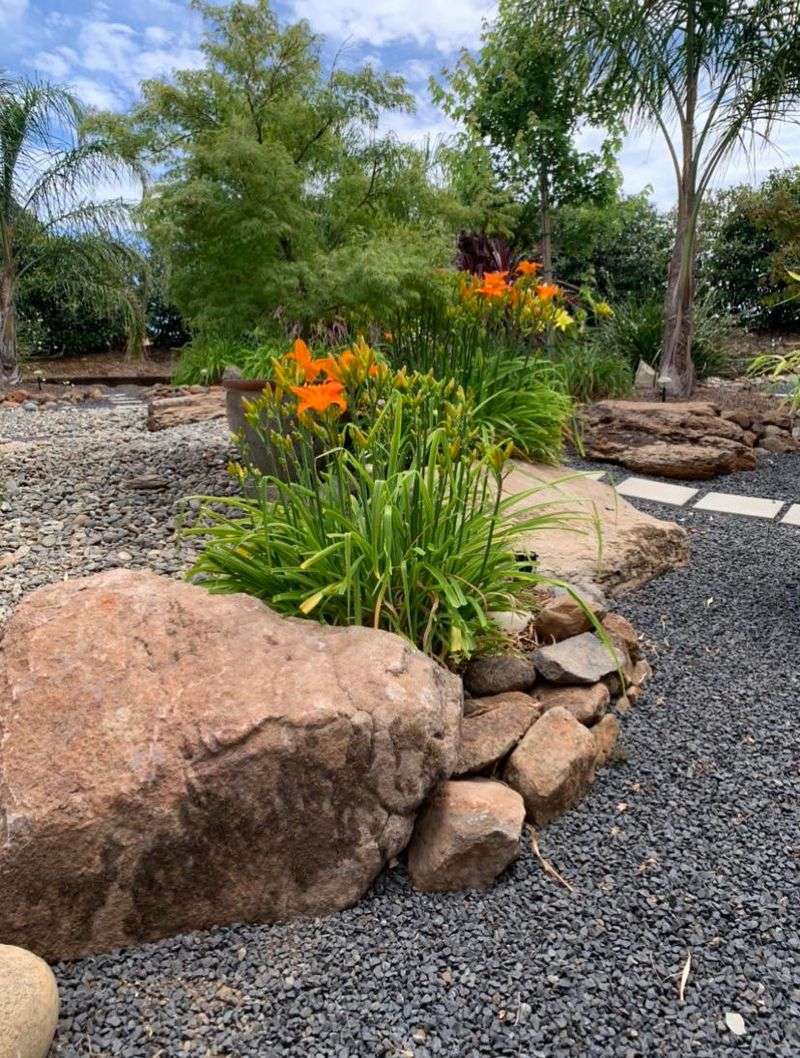
Stone does not just sit there looking decorative. Under direct sun, it absorbs heat steadily throughout the day.
By afternoon, a rock-covered bed can feel almost too hot to touch.
Unlike soil or organic mulch, stone has low thermal conductivity but high heat capacity. That means it warms up slowly but holds onto that warmth for a long time.
In a region where summer sun is intense and long-lasting, that combination adds up fast.
Exposed stone with no shade cover gets the worst of it. Beds that face south or west receive the most direct sun and tend to heat up the fastest.
Placing heat-sensitive plants in those spots with stone mulch underneath is a setup for root stress.
Shade from nearby trees or structures can reduce how much solar energy the stone absorbs. Even partial shade during the hottest afternoon hours makes a measurable difference.
Your Arizona Garden Changes Every Week. Your Plan Should Too.
Gardening in Arizona changes quickly throughout the season. Every Friday you’ll receive a simple weekly plan showing exactly what to plant, prune, fertilize, harvest, and protect so you never miss the right timing.
Without any shade, stone mulch in a full-sun bed can push soil temps to levels that slow root function.
Watering helps temporarily cool the surface, but stone dries out quickly and the heat returns fast. Organic mulch, by contrast, holds moisture longer and cools through slow evaporation.
Stone simply cannot replicate that cooling effect, no matter how often you water. Knowing this can help you plan your beds more strategically before summer peaks.
3. Stored Warmth Can Linger After The Sun Goes Down
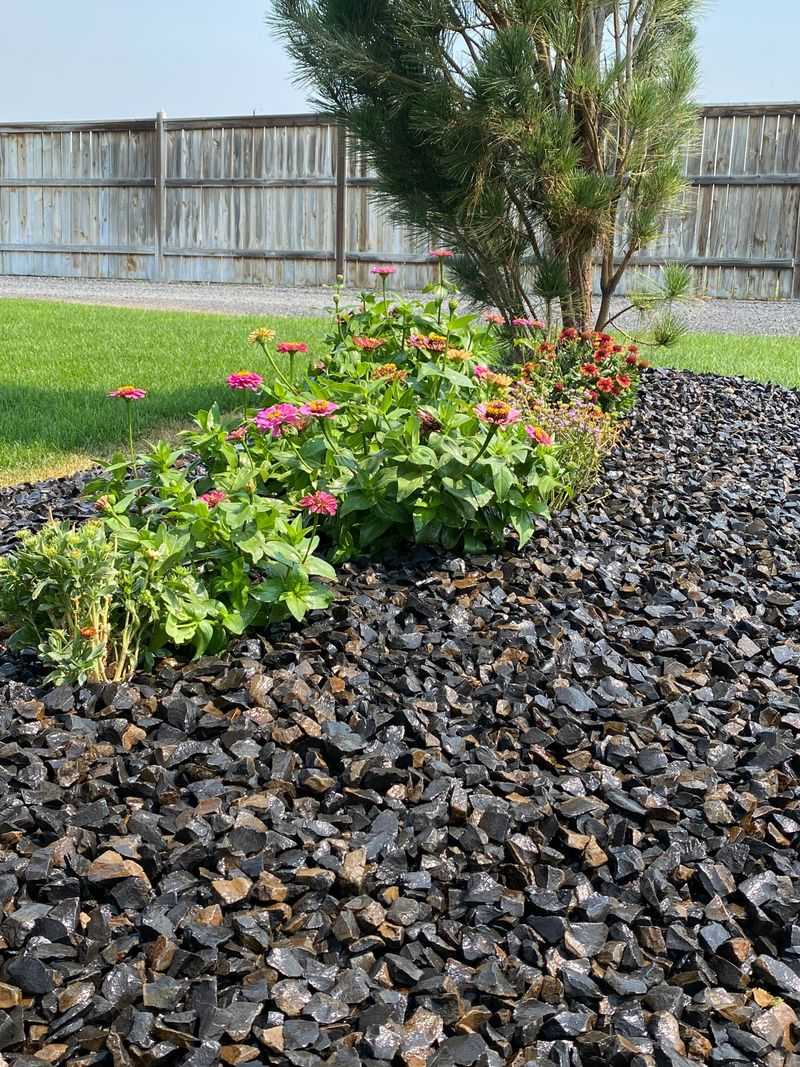
Most people think about heat as a daytime problem. What surprises many gardeners is how long that heat sticks around after sunset.
Rock and gravel mulch release stored warmth slowly into the night, keeping soil temperatures elevated for hours.
Plants rely on cooler nighttime temperatures to recover from daytime heat stress. When the soil stays warm well into the evening, that recovery window shrinks.
Root systems that cannot cool down at night may show signs of stress over time, especially during extended hot stretches.
Organic mulch behaves differently after dark. Wood chips and bark do not store as much heat during the day, so they release far less at night.
Soil under organic mulch tends to cool more quickly once the sun goes down.
In Arizona, summer nights are already warmer than in many other regions. Adding a mulch type that holds and releases extra heat on top of already warm nights can push plants closer to their limits.
Sensitive species especially may not handle that extended warmth well.
Paying attention to overnight soil temps is worth it if you suspect your mulch is holding too much heat. A simple soil thermometer can give you a clearer picture.
Checking readings around midnight compared to early morning can reveal how much heat your mulch is actually holding back after the sun is gone.
4. Extra Heat Can Put More Stress On Sensitive Plants
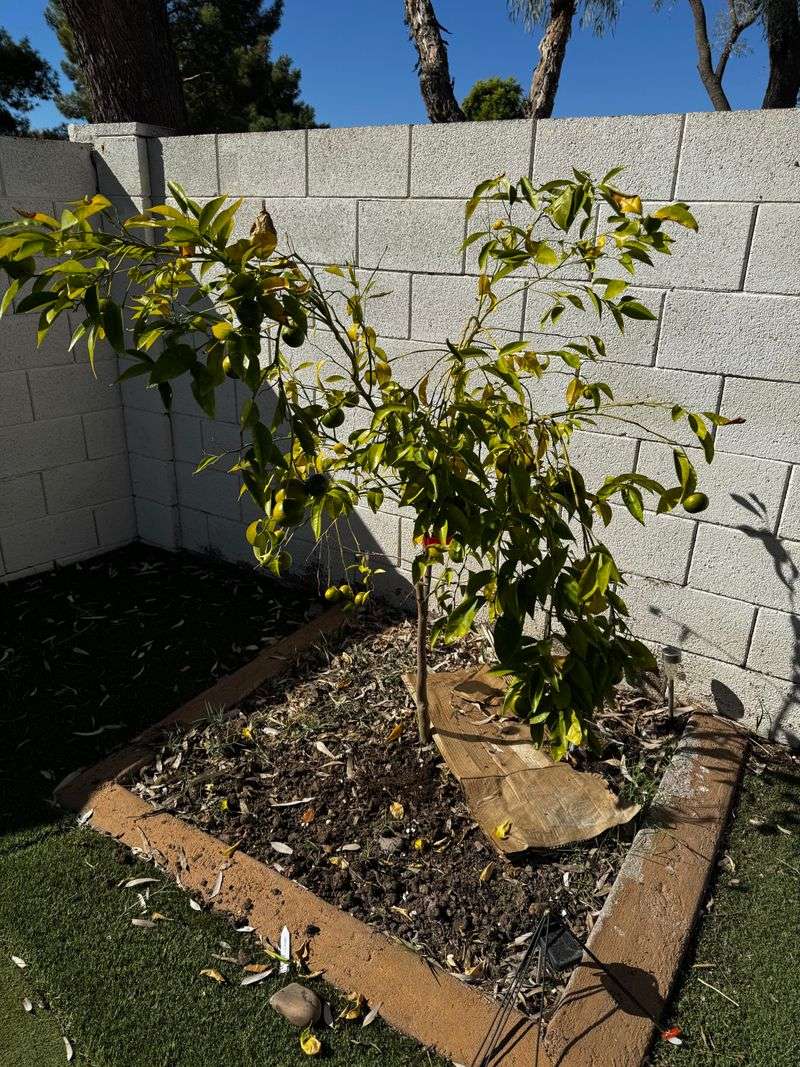
Not every plant handles heat the same way. Some desert natives are built for extreme conditions, but plenty of popular landscape plants have limits.
When soil temperatures push too high, root function can slow down noticeably.
Roots absorb water best within a certain temperature range. Overheated soil can reduce that efficiency, which means plants may show signs of drought stress even when you are watering on schedule.
Leaves may curl, yellow, or drop earlier than expected.
Flowering plants and recently transplanted shrubs tend to be more vulnerable. Young root systems have not had time to establish deeply, so they sit closer to the hot surface layer.
A mulch that holds heat near the top few inches of soil can affect those shallow roots the most.
Vegetable gardens face similar challenges. Warm-season crops like tomatoes and peppers have preferred soil temperature ranges.
When ground temps climb too far above those ranges, fruit set can drop and overall plant vigor may decline.
Swapping out heat-holding mulch for something that insulates and cools can help reduce that stress. Organic options like wood chips or straw create a buffer between the hot surface and the root zone.
Even a modest drop in soil temperature can help sensitive plants maintain better function through the hottest weeks of the year.
5. Exposed Beds Near Walls Can Become Especially Warm

Walls change everything in a desert garden. A south or west-facing wall absorbs heat all day and radiates it back into the surrounding area, including the plant bed right next to it.
Add dark rock mulch to that equation and the heat compounds quickly.
Masonry walls made of block, brick, or stucco are especially effective at storing and releasing warmth. They act like a second heat source after the sun starts to drop.
Beds positioned against these walls can stay significantly warmer than open-air beds just a few feet away.
Plants growing in those spots deal with heat coming from two directions at once: the mulch below and the wall behind. That combination is more intense than either factor alone.
Even heat-tolerant plants can show stress in those conditions during peak summer weeks.
Lighter-colored walls reflect more heat than dark ones, which can reduce the effect somewhat. But the mulch type still matters.
Organic mulch near a warm wall at least allows the soil to cool more effectively at night compared to stone or gravel.
If you have beds tucked against a sunny wall in a hot-climate yard, think carefully about your mulch choice. Shade cloth above the bed, combined with organic mulch at the surface, can make a real difference.
Small adjustments to both the wall exposure and the mulch type can noticeably reduce the stress on plants in those spots.
6. Organic Mulch Helps Shield The Soil From Direct Sun
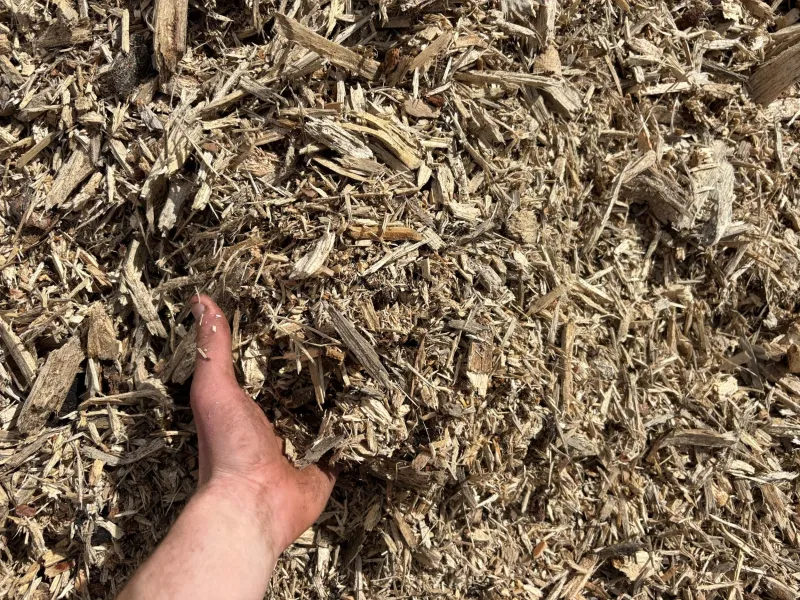
Wood chips, bark, and straw work differently than rock when it comes to heat. Organic mulch acts more like insulation.
It blocks direct sunlight from hitting the soil surface, which keeps ground temperatures lower than they would be in an exposed or rock-covered bed.
One reason organic mulch stays cooler is moisture retention. As water slowly evaporates from the mulch layer, it creates a mild cooling effect at the surface.
Rock mulch dries out fast and offers no evaporative cooling at all. That difference matters a lot when outdoor temps push into triple digits.
Wood chips also break down gradually over time, adding organic matter to the soil. That improves soil structure and helps roots access nutrients more easily.
Rock mulch does not offer that benefit. It stays inert on the surface without contributing anything to soil health below.
Bark mulch tends to be widely available and works well in ornamental beds. Straw is a solid choice for vegetable gardens since it is lightweight and breaks down quickly.
Both options shade the soil better than rock in hot conditions.
A layer of organic mulch around three to four inches deep provides meaningful insulation without smothering plant roots. Thinner layers dry out faster and offer less protection.
Keeping that depth consistent through summer gives your soil the best chance of staying at a more manageable temperature when the heat really builds.
7. Proper Mulch Depth Adds Another Layer Of Soil Protection
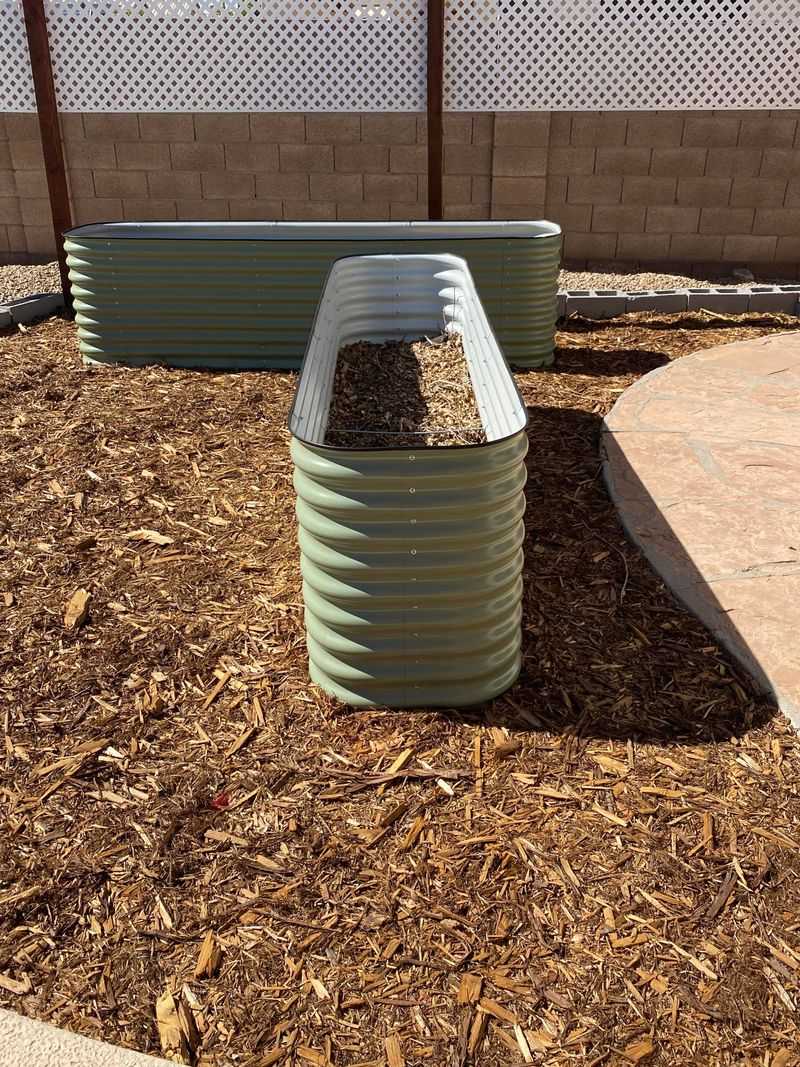
Depth matters more than most people realize when it comes to mulch performance. A thin layer of any mulch, organic or otherwise, offers limited protection.
Soil under a half-inch of wood chips still heats up faster than soil under a proper three to four inch layer.
Thicker organic mulch creates a genuine buffer zone between the hot air above and the root zone below. That buffer slows the rate at which heat moves into the soil.
During a stretch of 110-degree days, that slower heat transfer can make a noticeable difference in how your plants hold up.
Too much mulch, though, can cause its own problems. Layers deeper than four or five inches may hold excess moisture near the crown of plants, which can invite fungal issues in some cases.
Balance is the goal, not just maximum thickness.
Rock mulch depth works differently. Adding more rock does not create the same insulating buffer that organic mulch does.
Deeper rock layers can actually store more total heat, making the problem worse rather than better in hot climates.
Refreshing organic mulch at the start of summer is a practical habit. Old mulch breaks down and compresses over time, reducing its insulating ability.
Adding a fresh top layer before peak heat arrives gives your beds the best protection going into the hottest part of the season. A small effort in late spring can pay off through the whole summer.