The Native Massachusetts Tree Secretly Hosting Luna Moths Every Summer
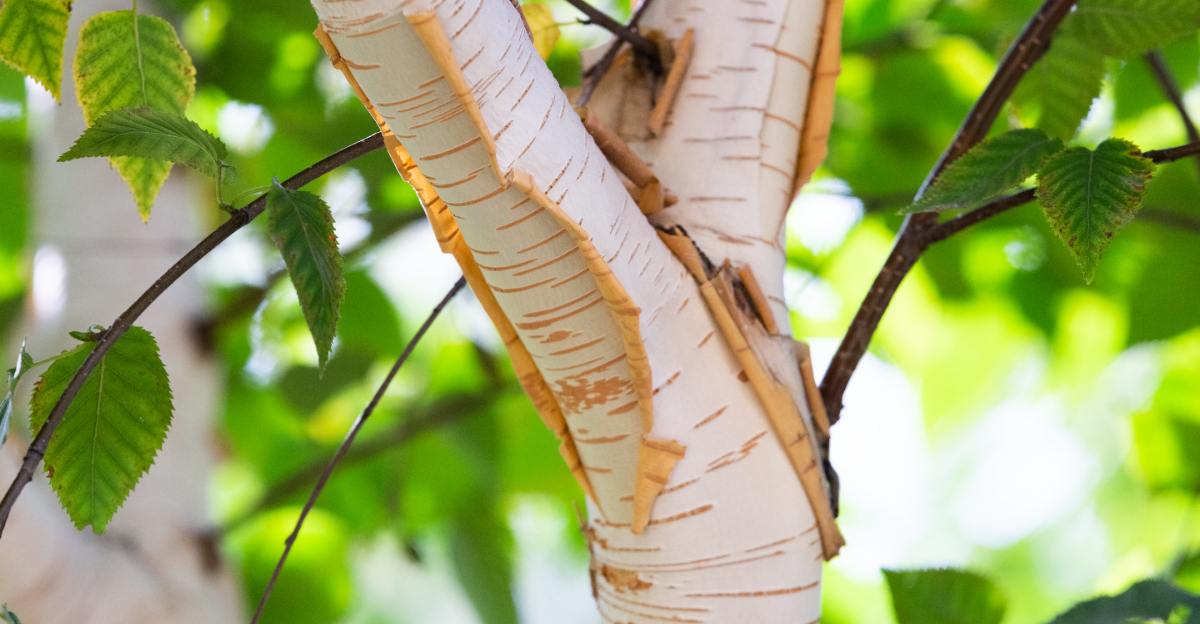
Darkness stirs, then a pale green ghost ignites the night with color. Late summer nights stretch long across Massachusetts, and something strange begins. Luna moths emerge now, ghostly, pale green, and impossibly delicate.
Rarely do you witness a creature this rare up close. Massachusetts happens to host some of its favorite quiet hiding places. A certain tree, pale barked and mysterious, draws these moths in close.
Nobody quite expects how deeply linked they truly are. Few realize a single tree can shelter an entire hidden world. Your yard could soon become the stage for that secret spectacle.
Every branch, every strip of bark, plays a role. Understanding this bond changes how you see your own land. Nothing about this moth or this quiet tree feels ordinary.
This connection is one most homeowners overlook entirely. What happens between them next will change how you look at your own backyard forever.
Paper Birch Is A Native Massachusetts Staple
Paper birch has stood in the New England landscape for thousands of years, quietly shaping the land long before anyone thought to plant it on purpose.
This native Massachusetts species is woven into the region’s ecology, its history, and even its earliest human stories.
Known scientifically as Betula papyrifera, it favors cool, moist soils and thrives where other trees struggle to establish themselves.
You will find it along riverbanks, at forest edges, and increasingly in backyard gardens across the state, standing out with its unmistakable pale bark.
Indigenous communities once depended on that bark for canoes, baskets, containers, and shelter, valuing its strength and flexibility long before modern conservation efforts existed.
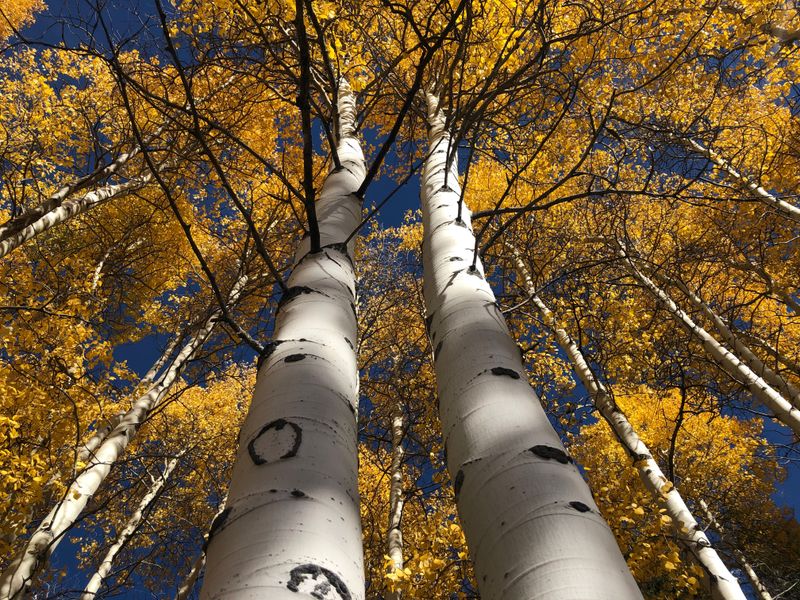
That same resilient bark still makes paper birch one of the most recognizable trees anywhere in the Northeast, instantly identifiable even from a distance.
Growing up to sixty or seventy feet tall under ideal conditions, this is not a small commitment for any homeowner considering it.
But for gardeners who prioritize native plants, few choices offer this much ecological reward for the effort involved.
Its adaptability to harsh Massachusetts winters makes paper birch especially practical for anyone tired of losing trees to the cold. Conditions that would stress or weaken other species barely slow this hardy tree down at all.
Planting paper birch means joining a long, quiet tradition of ecological stewardship that stretches back generations.
Remarkably, birch trees are known to support hundreds of species of insects, birds, and mammals throughout their range.
For homeowners hoping to attract luna moths specifically, paper birch is the essential starting point. Few native trees in Massachusetts combine beauty and ecological value quite like paper birch does.
Luna Moth Caterpillars Rely On Its Leaves
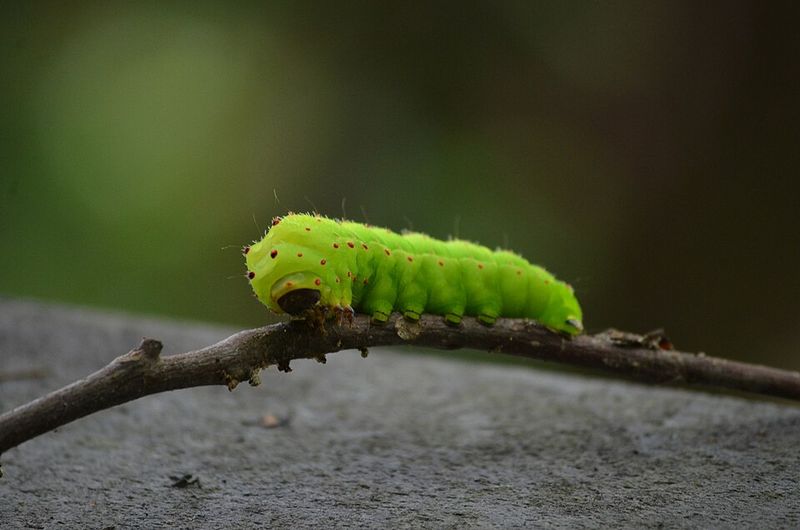
Luna moth caterpillars are notoriously picky eaters, and paper birch ranks among their absolute favorites. These plump, bright green larvae munch through birch leaves with striking dedication and surprising speed.
Female luna moths deliberately seek out paper birch specifically when it comes time to lay their eggs. The leaves provide exactly the nutrition young caterpillars need to grow strong and healthy.
Your Massachusetts Garden Changes Every Week. Your Plan Should Too.
Gardening in Massachusetts changes quickly throughout the season. Every Friday you’ll receive a simple weekly plan showing exactly what to plant, prune, fertilize, harvest, and protect so you never miss the right timing.
After hatching, the caterpillars feed steadily for about a month before finally spinning their cocoons. They wrap themselves carefully in silk and fallen birch leaves, blending seamlessly into the forest floor below.
This native Massachusetts species effectively acts as a nursery for one of nature’s most stunning insects. Without healthy birch trees nearby, local luna moth populations would almost certainly struggle to survive.
Each caterpillar passes through five distinct growth stages, called instars, before reaching its full size. During that stretch, it can consume a surprising volume of foliage without seriously harming a mature tree.
Gardeners sometimes spot these caterpillars wandering leaves in late July and throughout August.
They are remarkably easy to miss at first, since their green coloring matches the leaves almost perfectly. Knowing that your birch tree is quietly raising luna moths makes every leaf feel more precious.
That gentle chewing sound drifting through the canopy is actually a success story unfolding right above your head.
Few homeowners ever realize how much quiet work their tree performs each season. Paper birch, in this sense, becomes far more than simple scenery in your yard.
Distinctive White Bark Adds Year-Round Appeal
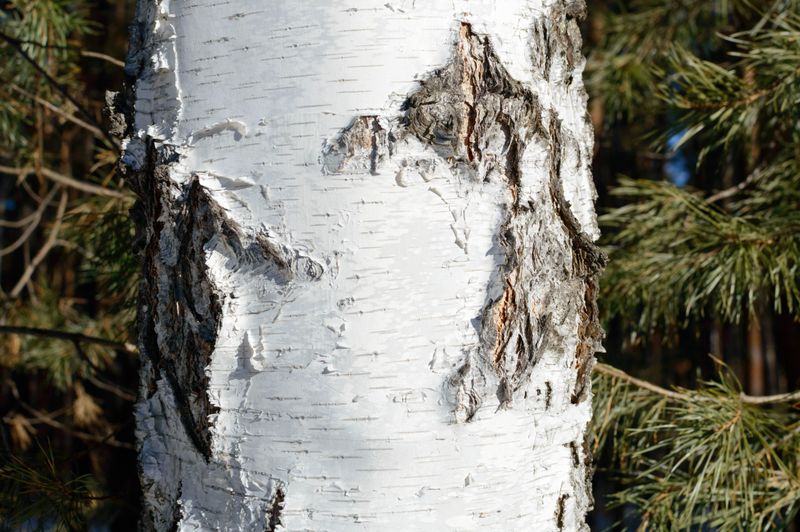
Few trees stop people in their tracks the way paper birch does in winter. That chalky white bark practically glows against a gray New England sky.
The bark peels in thin, papery sheets, revealing layers of cream and tan underneath. It has a texture that feels almost too perfect to be natural.
In spring, fresh green leaves contrast sharply with the white trunk. The combination creates a visual punch that few ornamental trees can match.
Come autumn, those same leaves turn a warm, buttery yellow. The golden foliage against white bark is one of the most photographed scenes in Massachusetts gardens.
Even in the depths of winter, paper birch earns its place in the landscape. Snow-dusted branches against that signature bark create a scene straight from a holiday card.
The bark also carries dark horizontal lines called lenticels. These markings give each trunk a unique pattern, like a fingerprint no two trees share.
Beyond beauty, the bark serves a real ecological purpose. It reflects sunlight during temperature swings, protecting the tree from frost cracks common in New England winters.
Planting paper birch means gaining a four-season showstopper. Your yard will look intentional and alive no matter what month it is.
Late Summer Brings Moths Out In Numbers
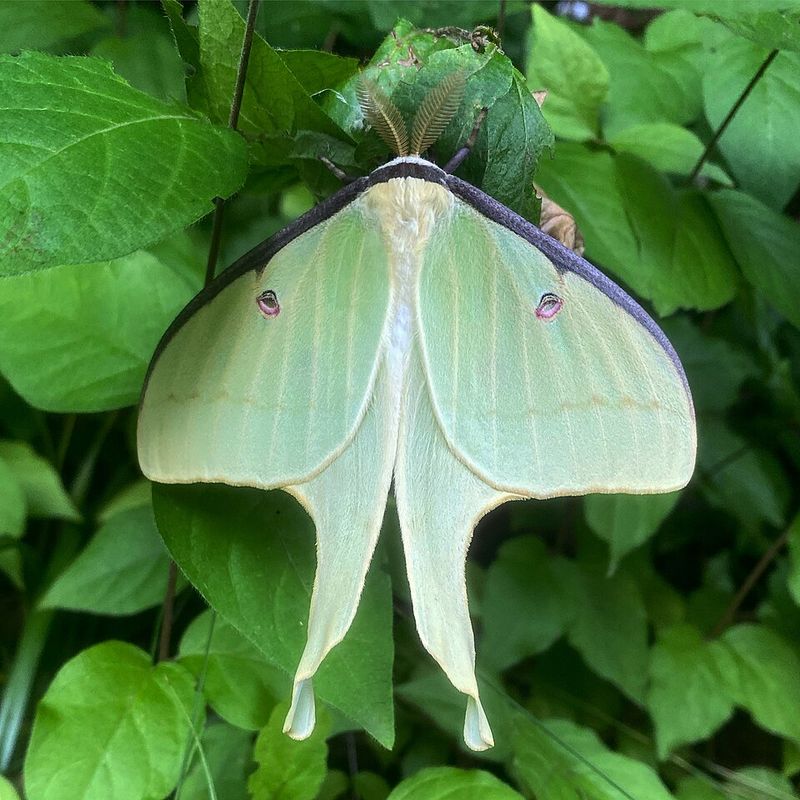
Late summer nights in Massachusetts have a certain electric quality. The air cools just enough, and then, if you are lucky, a luna moth appears near your birch tree.
Adult luna moths emerge from their cocoons between June and September in New England. In many regions, the late summer brood tends to be especially visible.
These moths are nocturnal, so you will most likely spot them after dark. A porch light near a paper birch is practically a VIP invitation for them.
Luna moths do not eat as adults because they have no mouths. Their only mission is to find a mate, and paper birch groves are prime meeting grounds.
The long, sweeping tails on their hindwings are not just decorative. Scientists believe those tails help confuse bats by disrupting echolocation signals during flight.
Seeing multiple luna moths in one night near a birch tree is genuinely thrilling. It means your yard has become a functioning piece of local habitat.
Late summer is also when female moths lay eggs directly on birch leaves. The cycle begins again, quietly and beautifully, right in your own backyard.
This native Massachusetts plant is at the heart of that whole dramatic story. Protect your birch, and the moths will keep coming back every August.
Supporting Other Native Pollinators And Wildlife
Paper birch is not just a one-trick tree. It functions like a bustling apartment building for dozens of native species throughout the year.
Birch species collectively host hundreds of caterpillar species across North America, making them among the most valuable native trees for wildlife.
Birds flock to paper birch for food and shelter. Yellow warblers, chickadees, and woodpeckers all depend on birch trees for nesting and foraging opportunities.
The seeds, called catkins, are tiny but mighty. Finches and redpolls eat them enthusiastically during winter when other food sources are scarce.
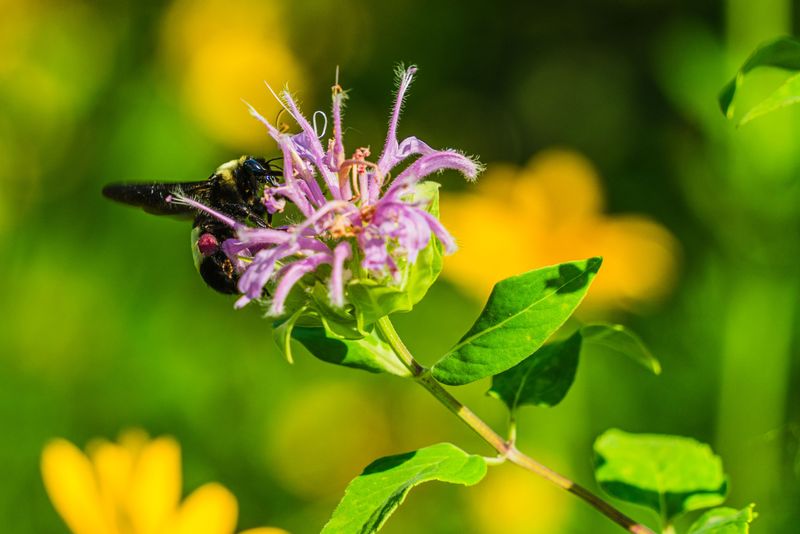
Birch also supports native bees that gather pollen from its hanging flower clusters in spring. Early-season pollinators especially depend on trees like this when few flowers are blooming.
Deer browse on young birch shoots, and rabbits nibble the bark in winter. Even small mammals like squirrels cache birch seeds for colder months ahead.
Fungi form partnerships with birch roots underground, creating networks that support surrounding plants. This tree is quietly generous in ways most gardeners never even see.
Choosing paper birch for your yard means choosing a whole community of wildlife. The luna moth gets the spotlight, but it is far from the only guest at this party.
How To Plant And Grow Paper Birch
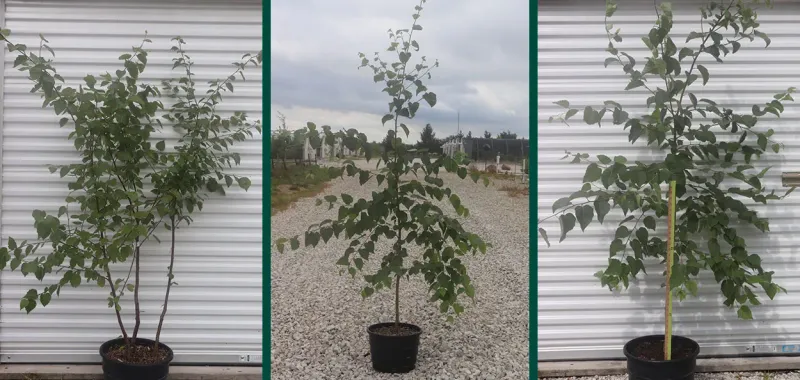
Planting paper birch is straightforward, but a few key details make all the difference. Getting the location right from the start saves you a lot of frustration later.
Paper birch loves full sun and moist, well-drained soil. It struggles in heavy clay or dry, compacted ground, so good drainage is non-negotiable.
Choose a spot where the roots can spread without hitting pavement or foundations. Birch roots are wide and shallow, and they need room to breathe and grow.
Water your new tree deeply and consistently for the first two years. Established trees handle dry spells better, but young ones need steady moisture to anchor themselves.
Mulching around the base helps retain soil moisture and keeps roots cool. Keep mulch a few inches away from the trunk to prevent rot issues.
Avoid planting in spots with reflected heat from walls or pavement. Paper birch prefers cooler microclimates, which is why it thrives near water in the wild.
Fertilizing is rarely necessary if your soil is reasonably healthy. Over-fertilizing can actually push weak, fast growth that makes the tree more vulnerable to pests.
Once established, your paper birch will reward you for decades. This native Massachusetts plant is the kind of long-term investment that pays off in moths, birds, and beauty every single year.