Why Roof Rats Love California Palm Trees More Than Most Homeowners Realize
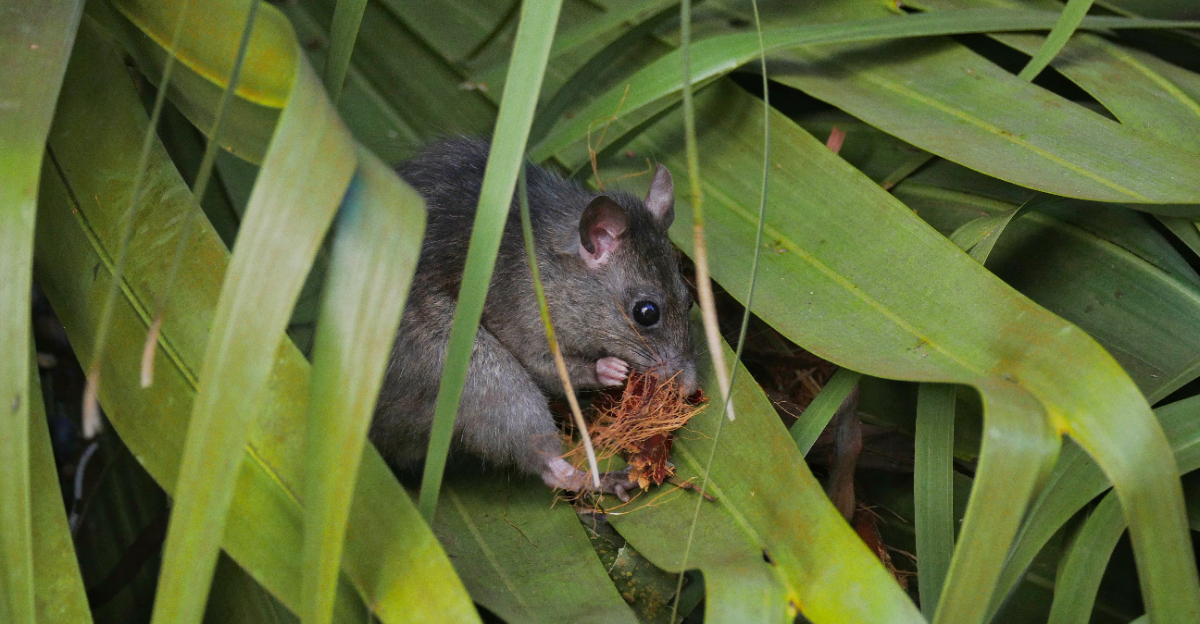
Palm trees can make a California yard feel instantly established, but they can also create a surprisingly comfortable setup for roof rats. The appeal has less to do with the tree itself than with the shelter and access it can provide.
Dense growth near the crown gives rodents a place to hide during the day, while nearby roofs, fences, and utility lines can turn the tree into part of a larger travel route.
Fallen fruit and neglected debris can make the area even more attractive without drawing much attention at first.
That is why a palm can become a regular stop long before homeowners notice obvious signs of activity.
Scratching sounds, droppings, or damaged fruit may show up only after the rats have been using the area for a while.
Understanding what makes these trees so appealing is the first step toward making the yard less inviting.
1. Palm Crowns Giving Roof Rats A Perfect Hideout

Most people look up at a palm tree and see something beautiful. Roof rats look up and see a penthouse.
The crown of a palm tree sits high above the ground, far from predators and out of reach for most California homeowners. That height alone makes it one of the most attractive nesting spots a rat could find.
The crown is packed with overlapping fronds, withered plant material, and thick fibrous growth. All of that creates a warm, sheltered space that stays protected from wind and rain.
Rats can tuck themselves deep inside the crown and stay hidden for weeks without being noticed.
Female rats especially love crown spaces because they are safe enough to raise young. A single female can have up to 40 offspring per year.
Once a family of rats settles into a palm crown, the population can grow fast. By the time a homeowner notices signs of a problem, there may already be dozens of rats living above their heads.
Trimming the crown regularly is one of the most effective ways to remove this hiding spot. A professional palm trimmer can clear out dry fronds and reduce the dense material rats rely on.
Keeping the crown open and clean makes it far less appealing. This one step alone can make a big difference in keeping rats away from your yard and home.
2. Withered Fronds Turning Into Cozy Nesting Material
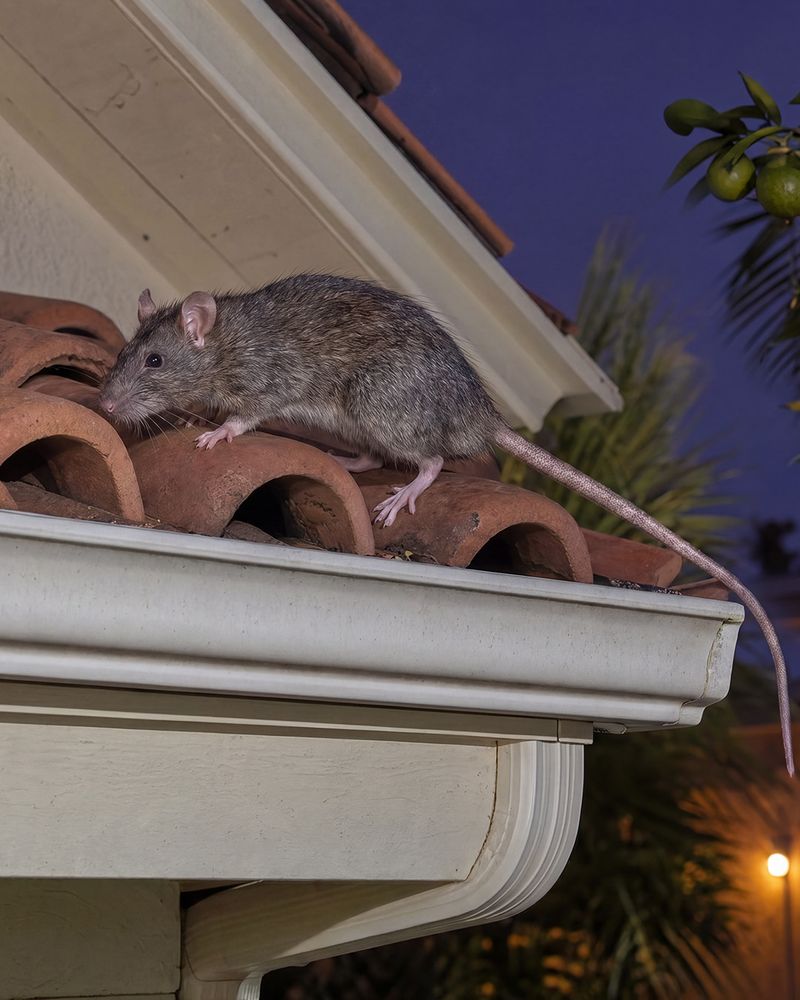
Old palm fronds do not fall off on their own right away. Instead, they hang around the trunk in thick, drooping layers that look like a shaggy skirt.
Most people think of this as just a cosmetic issue, but it is actually much more than that. Those dried fronds are some of the best nesting material a rat could ever want.
Roof rats shred the dry fibers from dry fronds to build their nests. The material is soft, insulating, and easy to work with.
It holds warmth well, which matters a lot for newborns. Rats do not need to go far to find everything they need when a palm tree is nearby.
Your California Garden Changes Every Week. Your Plan Should Too.
Gardening in California changes quickly throughout the season. Every Friday you’ll receive a simple weekly plan showing exactly what to plant, prune, fertilize, harvest, and protect so you never miss the right timing.
Beyond just nesting material, the hanging fronds also provide cover. Rats can hide inside the skirt during the day and move around at night without being seen.
The thick layers muffle sound and block light, making it an ideal spot to rest undisturbed.
Removing dry fronds through regular trimming is one of the simplest things a homeowner can do. It takes away both the nesting material and the hiding spots at the same time.
Most pest control experts recommend trimming palm trees at least once a year. Staying on top of this task reduces the chances of rats making your tree their permanent home.
It is a small effort that pays off in a big way.
3. Sweet Palm Fruit Keeping Rats Well Fed
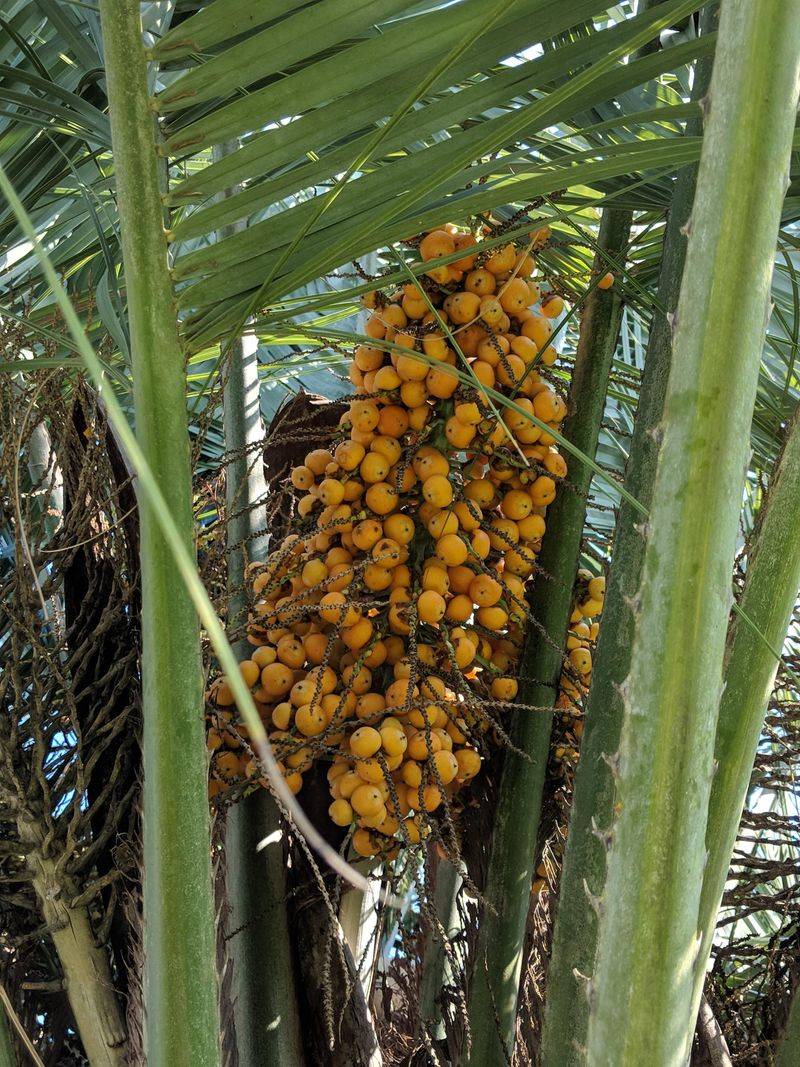
Not all palm trees produce fruit, but many popular landscape varieties do. Queen palms, Mexican fan palms, and date palms all produce fruit that ripens and drops throughout the year.
To a roof rat, that fruit is a reliable and delicious food source that keeps them coming back night after night.
Palm fruit is high in sugar and carbohydrates. Rats have a strong preference for sweet foods, and ripe palm fruit is hard for them to resist.
Once a rat discovers a fruiting palm, it will return to that tree repeatedly. It will also tell others through scent trails, which is how a small rat sighting can quickly turn into a full infestation.
The fruit does not even need to be on the tree. Fallen fruit that collects on the ground is just as attractive to rats.
It is easier to access and requires no climbing at all. Ground-level fruit draws rats in from surrounding areas and encourages them to explore the rest of the yard.
Homeowners can reduce this problem by removing fruit clusters before they ripen and fall. This is sometimes called fruit removal or de-fruiting, and many tree trimming services offer it.
Raking up fallen fruit regularly also helps. Removing the food source is one of the fastest ways to make your yard less attractive to roof rats.
Consistency matters more than a single cleanup session.
4. Overhanging Fronds Creating A Shortcut To The Roof
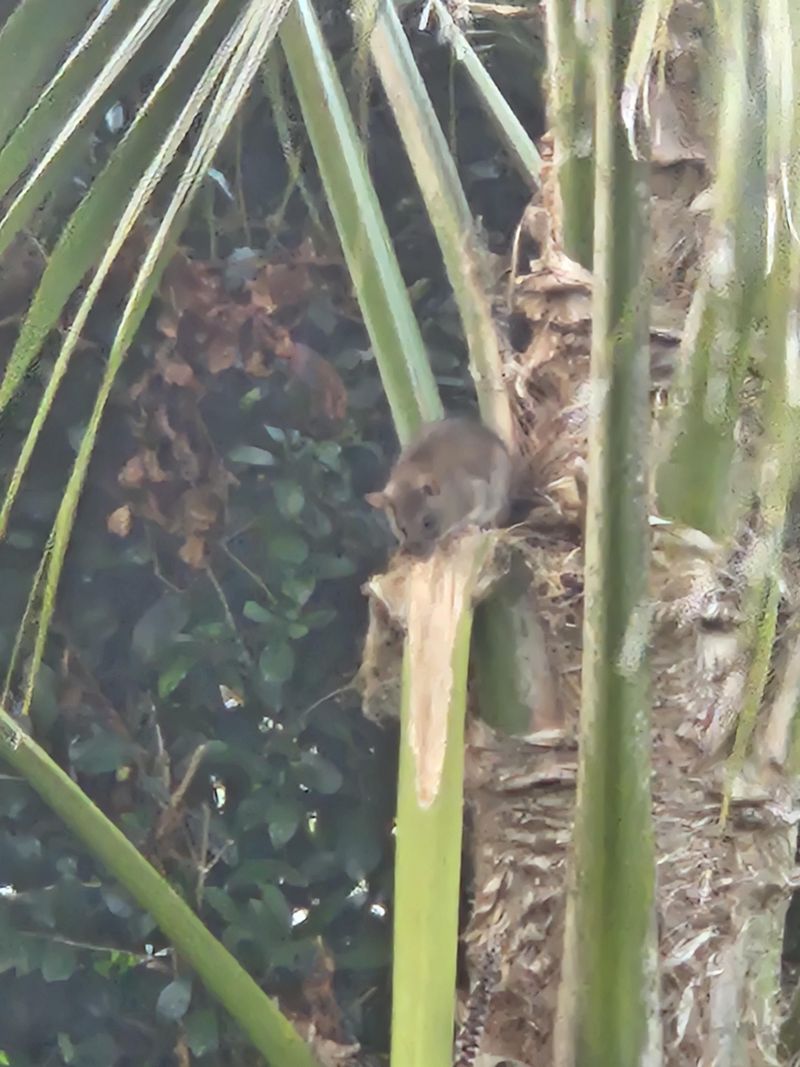
Roof rats did not get their name by accident. They prefer to live and travel at elevated heights, and they are remarkably good at getting onto rooftops.
Palm trees that grow close to a house become a natural bridge that rats use to move from the tree directly onto the roof.
A palm frond that extends within a few feet of a roofline is all a rat needs. They can leap surprisingly far and are light enough to walk along thin fronds without much difficulty.
Once on the roof, they look for gaps, vents, or loose edges where they can squeeze inside the attic. Attics offer warmth, insulation for nesting, and protection from the elements.
Many homeowners are surprised to learn that rats can fit through a hole the size of a quarter. That means even small gaps around roof vents or eaves can become entry points.
A palm tree growing near the house essentially acts as a ladder straight to those vulnerabilities.
Keeping palm fronds trimmed back at least six feet from the roofline is a key prevention step. This distance is enough to break the bridge and make it much harder for rats to make the jump.
Pairing this trimming habit with roof inspections gives homeowners a strong layer of protection. A pest control professional can also help identify weak spots on the roof that need to be sealed before rats find them first.
5. Dense Palm Skirts Hiding More Than Homeowners See
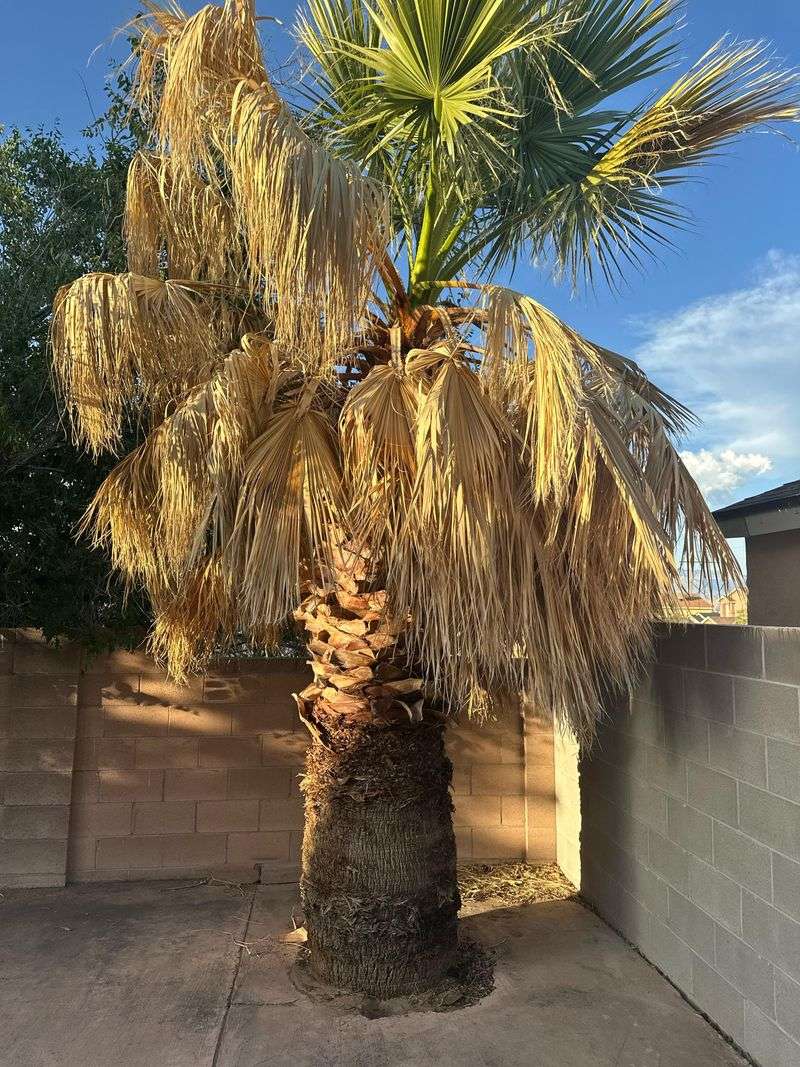
There is something almost deceiving about a heavily skirted palm tree. From a distance, it just looks like an untrimmed, slightly unkempt tree.
Up close, though, that thick skirt of damaged fronds creates a hidden world that rats are very comfortable calling home. Most homeowners have no idea what is living inside those layers.
Roof rats are nocturnal, which means they are most active after dark. During the day, they rest inside sheltered spots like the palm skirt.
The dense fronds block light and muffle outside noise, creating a quiet and dark refuge. Rats feel safe there and are unlikely to be disturbed.
The skirt also traps heat, which is especially useful during cooler months. Rats are warm-blooded and prefer to stay comfortable.
A thick palm skirt acts almost like insulation, keeping the space inside warmer than the surrounding air. That added comfort makes the spot even harder for rats to leave behind.
Regular skirt removal is the most direct solution. A certified arborist or tree trimmer can safely remove the dry frond layers without harming the living tree.
Many pest professionals also recommend inspecting the area after trimming to check for active nests or signs of rat activity. Acting quickly when you spot a skirt growing back can stop rats from reestablishing themselves.
Staying proactive is always better than waiting until the problem becomes visible inside the home.
6. Nearby Fences Making The Climb Even Easier

Roof rats are built for climbing. Their claws grip rough surfaces easily, and their lightweight bodies let them move fast up vertical structures.
Fences are one of their favorite travel routes, and when a fence runs close to a palm tree, it creates a perfect combination that helps rats reach new heights with very little effort.
A rat running along the top of a wooden or block wall can jump onto a palm tree trunk or low-hanging fronds without much trouble. From there, it continues upward into the crown or across to the roof.
The fence is essentially the first step in a multi-level climbing route that ends at your house.
Homeowners sometimes focus only on the tree itself without considering the surrounding structures. But the full picture matters.
Fences, utility lines, and even outdoor furniture placed near a palm tree can all give rats a boost that makes climbing easier and faster.
Rat guards are a practical tool that can help in these situations. These are cone-shaped or cylindrical metal barriers that wrap around tree trunks or fence posts to block climbing.
They are not expensive and can be installed without professional help. Combined with regular trimming and yard cleanup, rat guards add a physical barrier that slows rats down significantly.
Addressing the fence connection is often the missing piece that homeowners overlook when trying to reduce rat activity around their palm trees.
7. Rats Using Palms Like Backyard Highways
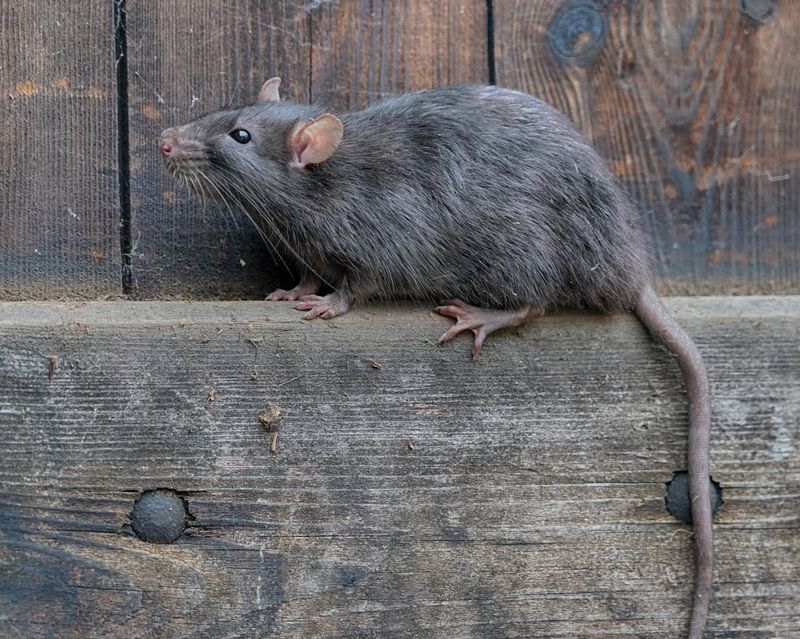
Palm trees rarely stand alone. In many neighborhoods, they are planted in rows along streets, driveways, or property lines.
That spacing creates something rats are very good at taking advantage of: a connected travel route that runs from yard to yard without ever touching the ground.
Roof rats are territorial but also exploratory. They establish regular routes between food sources, water, and shelter.
When palm trees are spaced closely enough, rats can leap between them and travel long distances at height. This keeps them safe from ground-level predators and makes it easier to scout new food sources in neighboring yards.
This behavior explains why a rat problem in one yard can spread to several homes in a short period of time.
If your neighbor has a fruit tree or an unsecured trash can, rats traveling through your palms may stop at your property along the way.
The interconnected nature of neighborhood palm rows makes individual yards part of a larger rat network.
Community-level awareness helps a lot in these situations. Talking to neighbors about trimming schedules and food source removal can reduce rat activity across multiple properties at once.
Pest control companies that serve whole neighborhoods often see faster and more lasting results than those treating one home at a time.
Thinking beyond your own yard is one of the smartest moves a California homeowner can make when dealing with rats in palm trees.
8. Fallen Fruit Turning The Ground Into A Nighttime Buffet
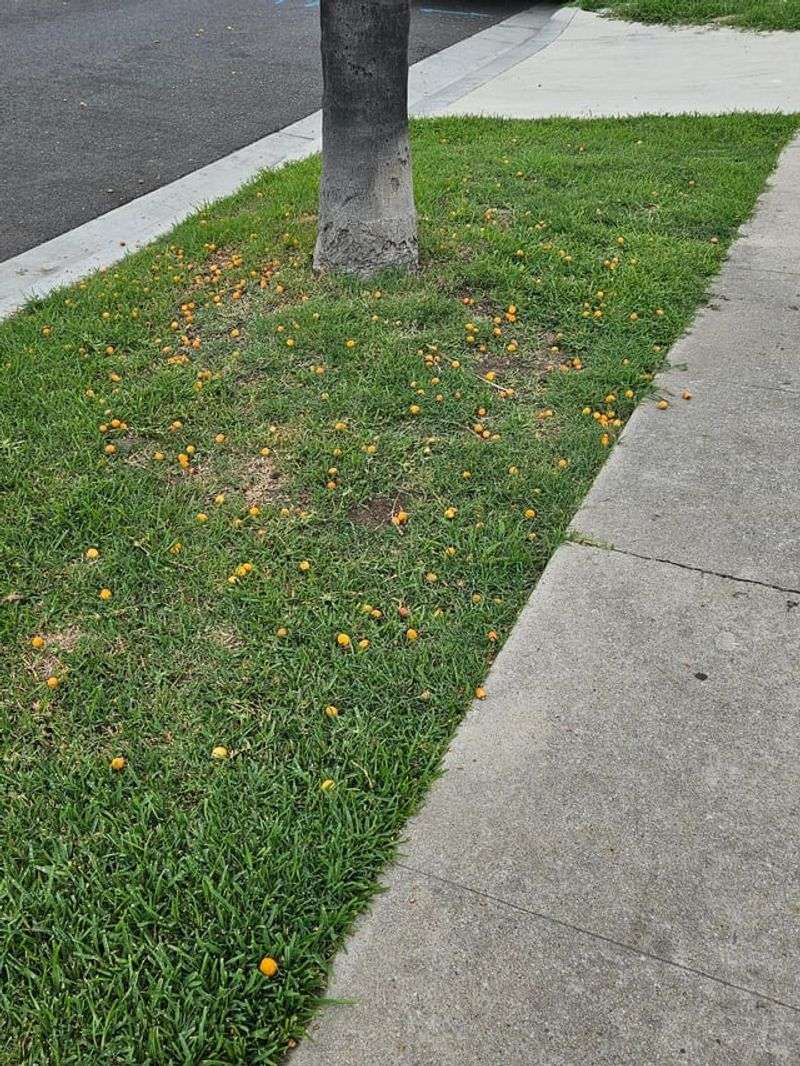
When palm fruit ripens, it falls. That sounds simple enough, but the effect it has on rat activity in a yard is anything but small.
A single fruiting palm tree can drop hundreds of small fruits over the course of a season. Left on the ground, that fruit becomes a nightly feast that draws rats from a wide surrounding area.
Rats are most active between dusk and dawn. During those hours, they forage for food across a home range that can span several hundred feet.
A yard with fallen palm fruit sits right in the middle of that range for any nearby rat. The smell of ripe fruit travels far, and rats have a sharp sense of smell that helps them locate food quickly.
Ground-level food sources are especially problematic because they attract rats that might not otherwise climb the tree. Even rats that prefer to stay low can be lured in by fallen fruit.
Once they are in the yard, they begin to explore the rest of the space, including the tree, the fence, and the structure of the home.
Cleaning up fallen fruit as soon as possible is one of the most effective habits a homeowner can build. Raking the area beneath the tree every few days during fruiting season makes a noticeable difference.
Bagging the fruit and sealing it in a trash bin keeps the smell contained. Pairing cleanup with regular trimming creates a yard that simply has less to offer a hungry rat looking for an easy meal.