This Native North Carolina Shrub Deserves A Spot In Every Wet Garden Corner
Virginia sweetspire is a native shrub that thrives in the kind of wet, well drained corners many North Carolina gardeners struggle to plant.
While most shrubs sulk in soggy soil, sweetspire actually tolerates and even prefers those damp conditions, making it a natural fit for low spots, rain gardens, or areas near ditches and streams.
Beyond its toughness, sweetspire earns its keep with fragrant white flower spikes in early summer and rich red to burgundy fall color that lasts for weeks.
As a North Carolina native, it also supports local pollinators and fits naturally into the region’s ecosystem without the maintenance many non-native shrubs demand.
For gardeners with a persistently wet corner that’s never worked for anything else, Virginia sweetspire offers a rare combination of resilience and beauty. Here’s why this native shrub deserves a spot in that overlooked, water-logged part of the yard.
1. Virginia Sweetspire Actually Likes Moist Ground
Most shrubs sulk when their roots stay wet, but this one feels right at home in damp spots. In the wild, Virginia sweetspire pops up in moist woods, swampy edges, wet pine barrens, and along the banks of quiet streams.
Those soggy places are where it grows best. Because it comes from such waterlogged homes, it does not mind soil that stays moist most of the time.
Many gardeners fight a losing battle trying to grow plants in that one wet corner. This shrub flips the problem into a win.
Think about that low area near your downspout or the shady patch that stays damp after every rain. Instead of hauling in sand or building raised beds, you can simply plant something that already wants those conditions.
Virginia sweetspire settles in and grows happily. Its roots enjoy steady moisture, which helps the plant stay lush and green through the warm months. You will spend less time watering and worrying, since nature is already doing the work for you.
Matching a plant to its natural home is one of the smartest gardening moves you can make. When you give a shrub the setting it evolved to love, it rewards you with strong growth and fewer problems.
So if you have been staring at a boggy corner wondering what could possibly grow there, this native shrub is a cheerful answer. It turns a frustrating wet spot into a spot full of green life and future blooms.
2. It Handles Periodic Flooding
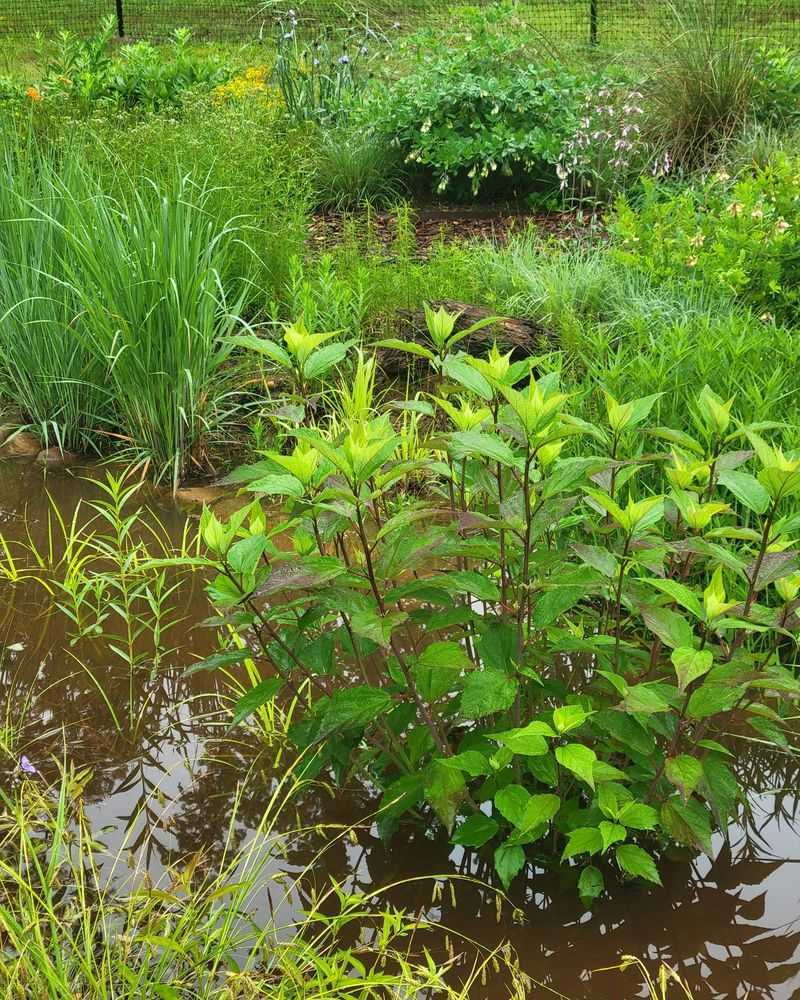
Rain gardens are one of the smartest ways to handle runoff, and Virginia sweetspire fits them beautifully.
When a storm rolls through and water pools in a low spot, this shrub takes the flooding in stride. It can sit through short periods of standing water without complaint.
That flexible attitude makes it a favorite for spots that occasionally collect water. Places like drainage swales, dips in the lawn, or the bottom of a slope often puddle up after heavy rain. Many plants would rot in those conditions, but not this one.
Here is the helpful part to remember. While the shrub handles wet feet during floods, it does not need to stand in water forever. Soil that drains after a day or two suits it just fine.
Your North Carolina Garden Changes Every Week. Your Plan Should Too.
Gardening in North Carolina changes quickly throughout the season. Every Friday you’ll receive a simple weekly plan showing exactly what to plant, prune, fertilize, harvest, and protect so you never miss the right timing.
You do not have to build a pond or keep the roots soaked all season. The goal is simply a spot that stays moist and sometimes floods, then drains back to normal.
This balance is exactly why rain gardens work so well with it. Water flows in, the plant soaks up moisture and slows runoff, and then the ground drains again. The shrub cleans the water and protects your yard at the same time.
If you have watched rain wash across your property and wished you could put it to good use, this shrub gives you an easy answer.
Plant it where the water gathers, and let it turn a messy flood zone into a tidy, useful garden feature that helps the whole landscape.
3. It Is Native Across North Carolina
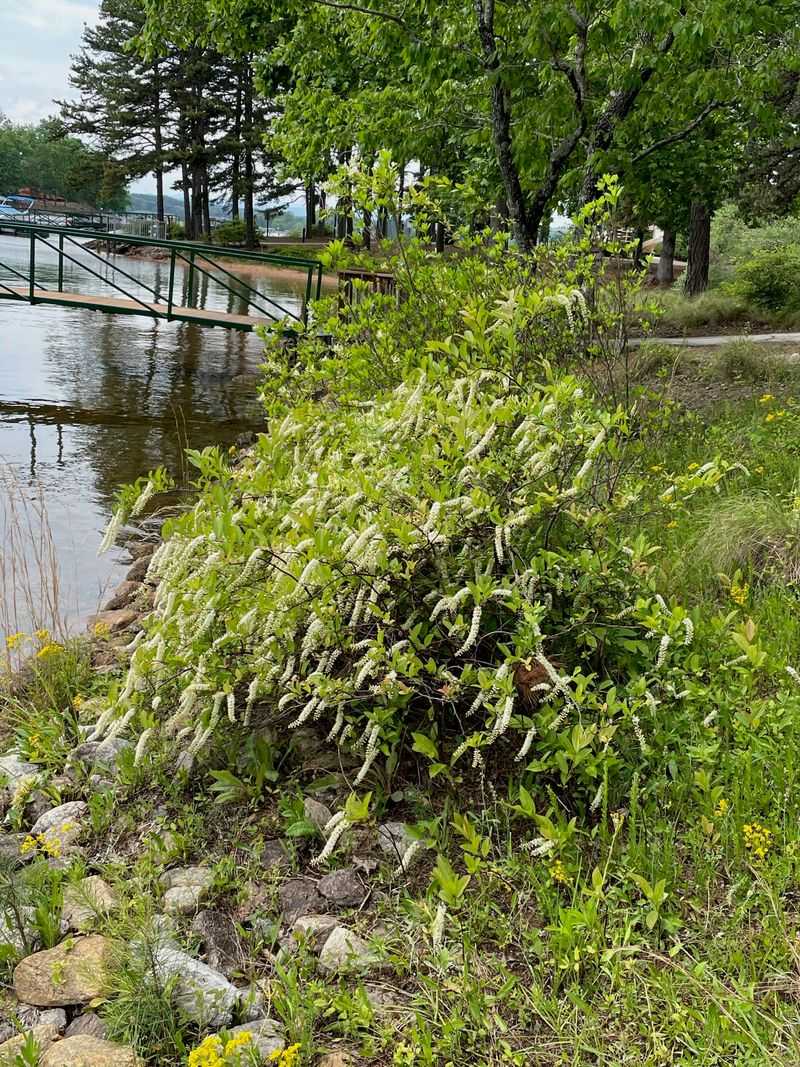
One of the best things about this shrub is how well it belongs here. Virginia sweetspire is native to all three main regions of North Carolina: the Mountains, the Piedmont, and the Coastal Plain.
That means no matter where you live in the state, it counts as a true local. Native plants have a big advantage in the garden.
They already know the local weather, the pests, and the soil, so they usually need less fussing than plants shipped in from far away. This shrub grew up in these conditions and thrives in them.
Choosing native shrubs also helps the wildlife around you. Local birds, bees, and butterflies recognize these plants as food and shelter, which keeps your yard buzzing with life.
Since it spreads naturally across such a wide range, you can feel confident it will handle your part of the state. A gardener in the cool mountains and one on the warm coast can both plant it with success.
Picking a plant that already fits your region takes a lot of guesswork out of gardening. You are not trying to force a stranger to survive in a new place. Instead, you are welcoming back something that has always lived here.
That connection to the land makes the shrub feel extra special in a home garden. Every time it blooms or turns bright in fall, you are enjoying a piece of North Carolina’s own natural beauty, grown right in your own backyard where it truly belongs.
4. The Fragrant Flowers Bring In Pollinators
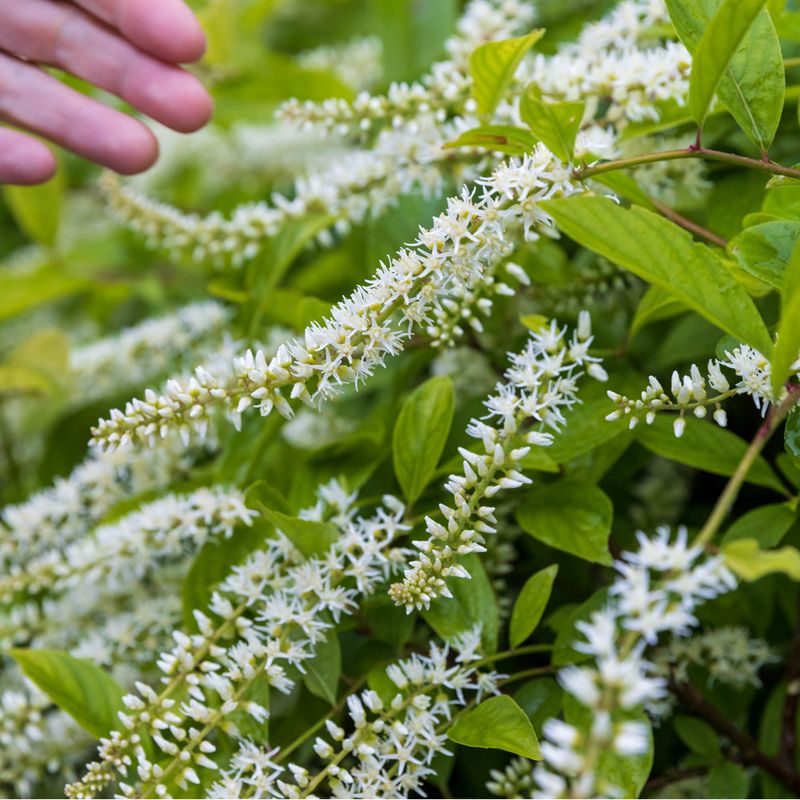
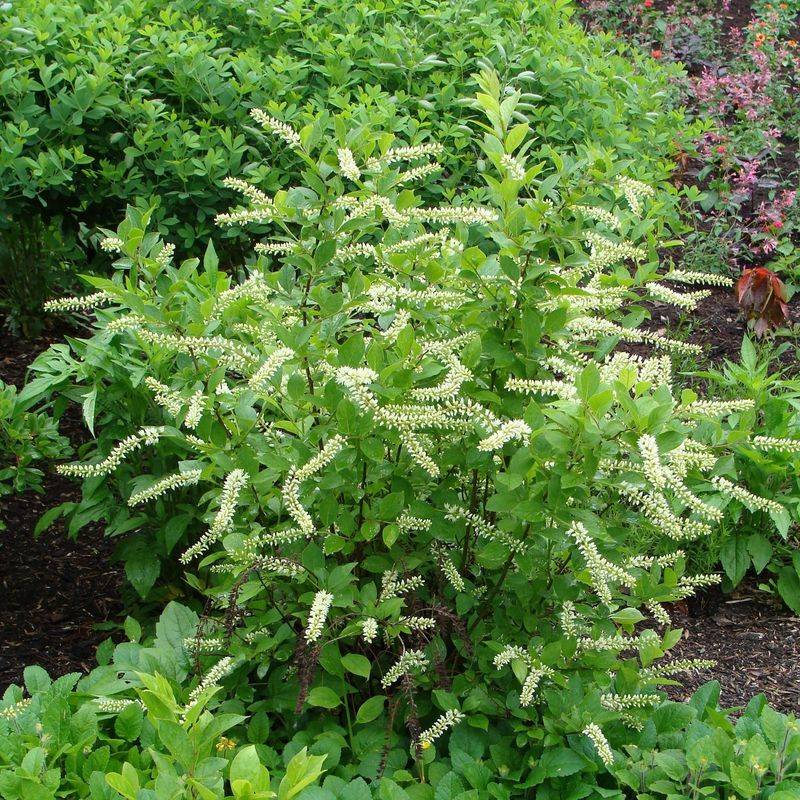
Come late spring and early summer, this shrub puts on a sweet-smelling show. Long, drooping clusters of tiny white flowers cover the branches like fuzzy little candles. They look lovely and smell even better.
The gentle fragrance is more than just a treat for your nose. That scent acts like a dinner bell for butterflies, bees, and other helpful pollinators. They flock to the blooms to sip nectar and gather pollen.
Watching your garden come alive with fluttering wings is one of the great joys of planting native flowers. When you add Virginia sweetspire, you create a busy little rest stop for these important visitors.
Pollinators do serious work in the garden, moving pollen from flower to flower so plants can make fruit and seeds. By feeding them, you help the whole ecosystem around your home stay healthy and strong.
Plant the shrub near a patio, path, or window and you can enjoy the sweet smell up close. Those white blooms brighten shady, moist corners that might otherwise feel dull.
The flowering season lasts a good while, giving pollinators steady food during a key time of year. Fewer flowers early in the season means these creatures really appreciate a reliable bloomer like this one.
If you want a garden that hums with life and smells wonderful in early summer, few wet-loving shrubs match this display.
It pairs beauty, fragrance, and wildlife value in one easygoing package that keeps giving back year after year with almost no effort from you.
5. Fall Color Is One Of Its Best Features
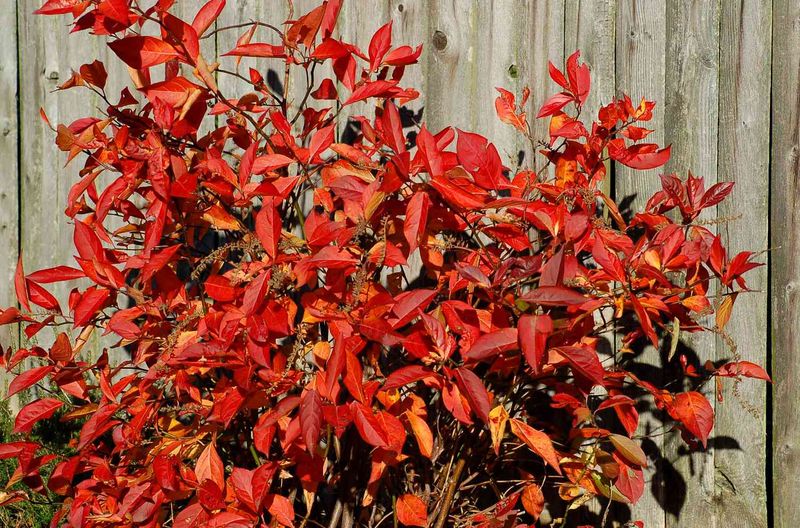
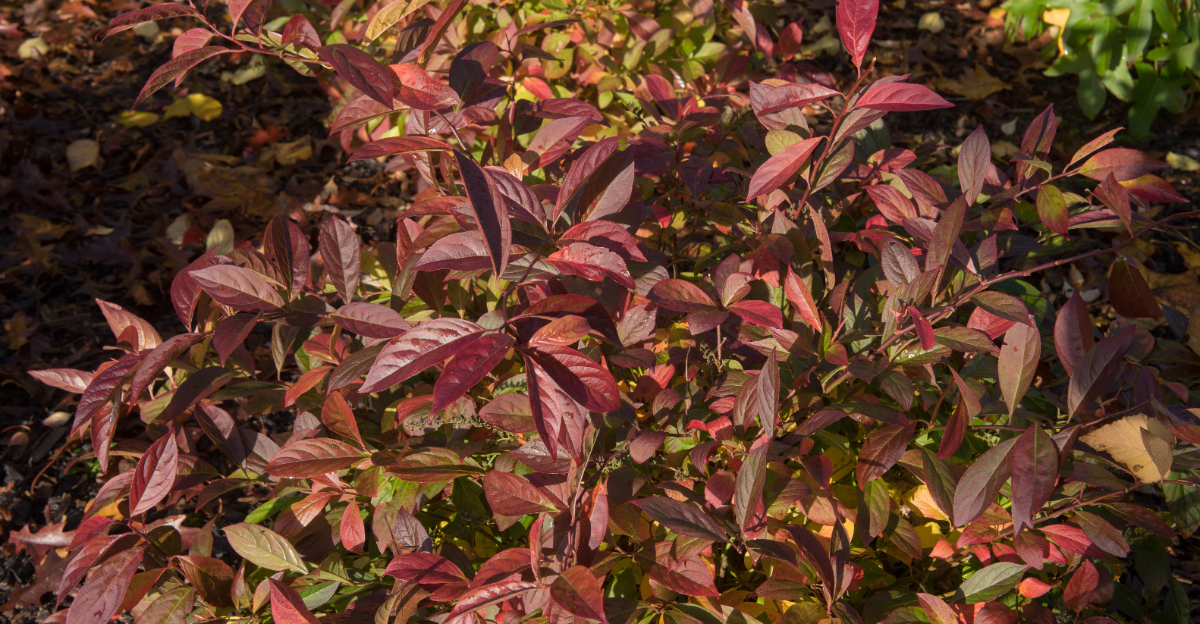
Just when many plants start to fade, this shrub saves its biggest surprise for fall. The green summer leaves shift into a stunning mix of yellow, orange, crimson, and deep purple. It is like a small fireworks show right in your garden.
What makes it even more special is how long the color sticks around. While some trees drop their leaves fast, Virginia sweetspire holds onto its bright foliage well into the season. That means weeks of eye-catching color instead of just a quick flash.
Autumn gardens can look tired and bare, so a shrub that glows red and purple is a real gift. It keeps your yard feeling warm and alive even as the weather cools down.
The colors often blend together on the same plant, giving you several shades at once. Sunlight passing through the leaves makes them look like stained glass.
You can use this fall display to brighten a spot that looks plain the rest of the year. Plant it where you will see it from a window or along a walkway to enjoy the changing colors up close.
Pair it with evergreens or golden grasses, and the warm tones really pop against the background. A little planning turns your fall garden into a scene worth admiring.
For a plant that already offers sweet flowers and loves wet ground, this bonus of long-lasting autumn color feels almost too generous. It gives your garden three seasons of interest from one dependable, hardworking native shrub.
6. It Can Handle More Sun Than Many Wetland Shrubs
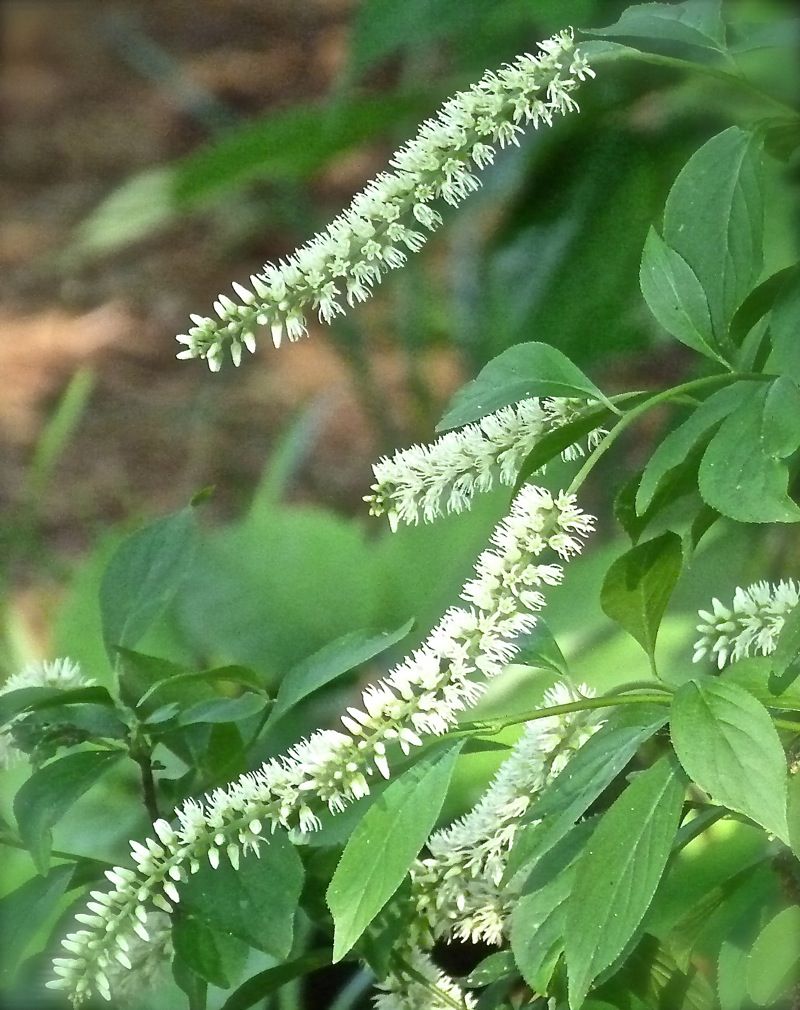
Plenty of moisture-loving shrubs demand shade, but this one is more flexible. Virginia sweetspire grows well in everything from full sun to partial shade. That range gives you a lot of freedom when picking a planting spot.
Here is a handy tip for getting the most from it. The more sunlight the shrub receives, the better it usually performs. Brighter spots often mean more flowers, richer fall color, and a fuller, denser shape.
In shadier corners it still grows just fine, but it may bloom a bit less and stretch out more openly. Neither choice is wrong, so you can match it to whatever light your wet area offers.
This adaptability makes it a problem solver. Maybe your damp corner sits in bright afternoon sun, or maybe it hides under tall trees. Either way, the shrub can settle in and do its job.
Sun-loving plants that also tolerate wet soil are surprisingly rare. Most bright, hot spots dry out fast, so finding a plant that likes both sun and moisture is a real bonus.
If you want the biggest flower show and the boldest autumn colors, aim for a sunnier location. If shade is all you have, the shrub will still reward you with steady green growth.
Knowing this simple trade-off helps you plan smarter. You get to decide whether you want maximum color or simply a reliable filler for a dim, moist area, and the shrub happily meets you wherever you plant it.
7. It Is Tougher Than Its Delicate Appearance Suggests
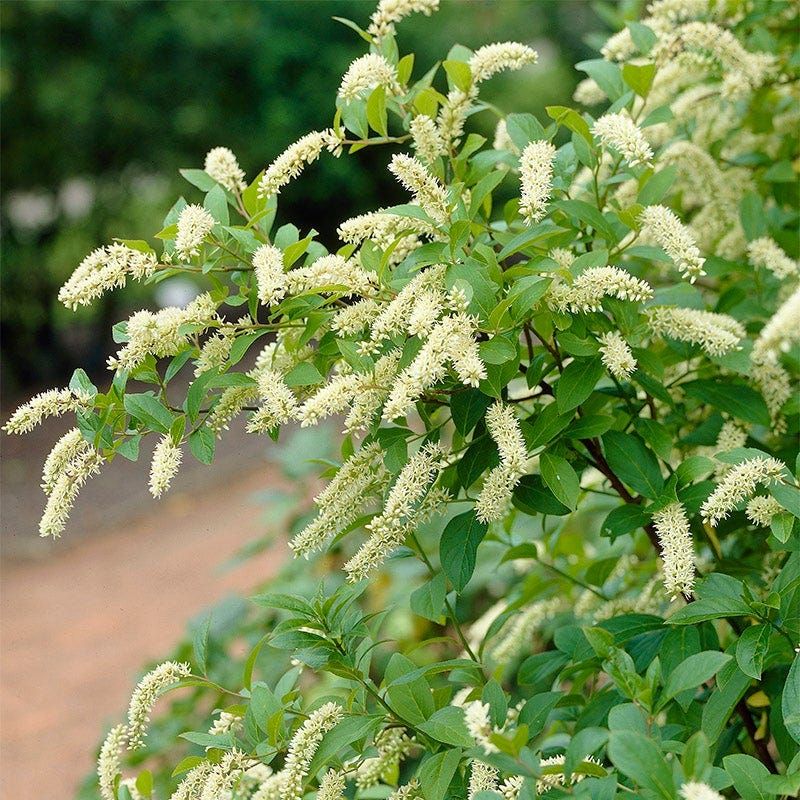
Do not let those soft white flowers fool you. Behind the pretty face is a shrub built to handle hard conditions. Once it settles in, Virginia sweetspire becomes surprisingly tough and dependable.
Its list of talents is impressive. Established plants shrug off wet soil, put up with dry spells, resist deer nibbling, and grow in many different soil types. That makes it a rare all-rounder in the plant world.
For gardeners, this means fewer headaches. You can place it in tricky spots where fussier plants would give up, and it just keeps growing.
The deer resistance alone wins many fans. If hungry deer treat your yard like a buffet, a shrub they mostly leave alone is a huge relief.
Drought tolerance is another pleasant surprise for a plant that loves moisture. While it prefers damp ground, an established shrub can ride out a dry week without falling apart. That flexibility gives you peace of mind during hot summers.
Because it accepts sandy, clay, or loamy soil, you do not need perfect dirt to succeed. Many yards have less than ideal soil, and this shrub takes it in stride. All these strengths make it a smart pick for the hardest corners of your property.
Think of the slope that stays soggy, the bed the deer keep raiding, or the patch with stubborn clay. This native handles them all with quiet strength, proving that a plant can be both charming and remarkably tough at the same time.
8. It Can Spread By Root Suckers
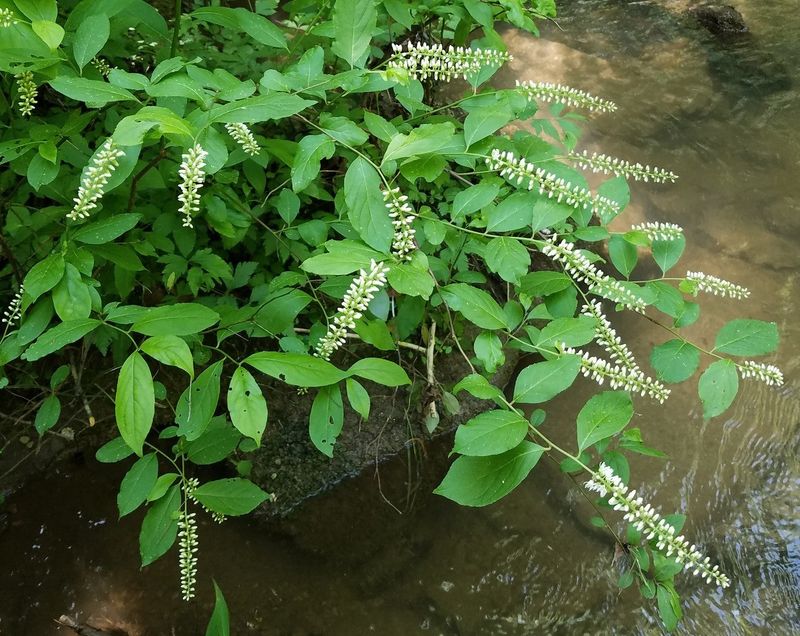
This shrub likes to make friends with itself. Virginia sweetspire spreads by sending out root suckers, which are new shoots that pop up from the roots around the main plant. Over time, one shrub can grow into a whole colony.
For some gardeners, this habit is a dream come true. If you have a big, moist slope or a wild area you want to fill, the spreading roots knit the soil together and create a lush, natural thicket.
That spreading nature also helps control erosion. The tangled roots hold onto wet, sloping ground and keep soil from washing away during storms.
In naturalized settings, letting the shrub roam is a low-effort way to build a strong, green groundcover. You plant a few, wait a while, and soon they fill in the space on their own.
Small gardens call for a bit more planning, though. In a tidy bed, those wandering suckers can push into places you did not intend. Keeping the colony in check takes a little attention.
Managing it is simple enough. You can trim or dig up stray shoots each season, or plant it inside a border that limits how far the roots travel.
Knowing this trait ahead of time saves you from surprises later. Match the plant to the space and everyone is happy.
Whether you want a spreading native carpet or a neat single shrub, understanding its suckering habit lets you plan smartly. Give it room to roam, or give it gentle limits, and it will fit your garden beautifully.
9. Choose A Compact Cultivar For Smaller Gardens
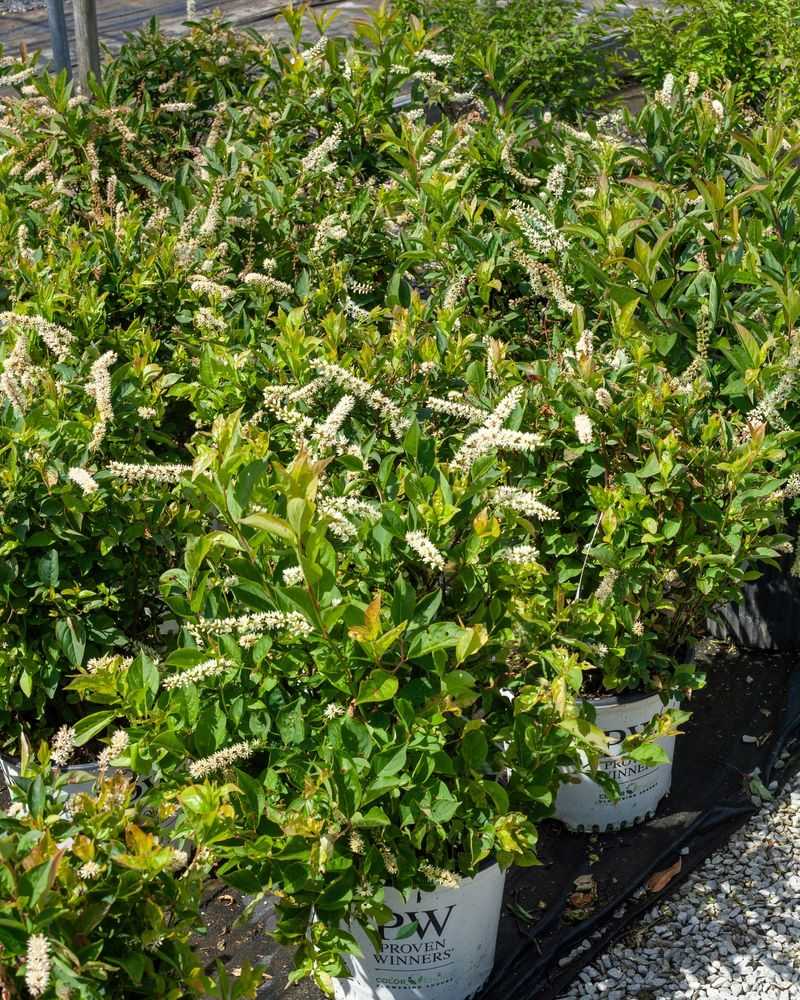
Worried the shrub might grow too big or wander too much? Plant breeders have you covered. Several tidy cultivars offer all the charm of Virginia sweetspire in a more compact, well-behaved package.
Two favorites lead the pack. ‘Henry’s Garnet’ is prized for its rich, wine-red fall color and generous flowers, while ‘Little Henry’ stays small and neat, perfect for tight spaces.
These named varieties keep the best traits of the wild plant. You still get the sweet white blooms, the wet-site toughness, and the glowing autumn leaves, just in a form that suits smaller yards.
For gardeners with limited room, a compact cultivar is a smart move. It fits nicely into a foundation planting, a small border, or a container near a downspout without taking over.
Because these types grow more slowly and stay tighter, they need less pruning and less management. That means more enjoyment and less work for you.
‘Little Henry’ in particular works well in modern, tidy landscapes where a giant thicket would look out of place. Its rounded shape and bright fall color make it a standout in small designs.
Meanwhile, ‘Henry’s Garnet’ gives a bolder splash of color for those who want extra drama in autumn. Both remain just as happy in moist, tricky soil as the wild form.
Picking the right cultivar lets you enjoy this native shrub no matter your garden size. You get all the beauty and the wet-loving strength, shaped to fit the exact space you have to fill.
10. Put It Where Water Naturally Collects
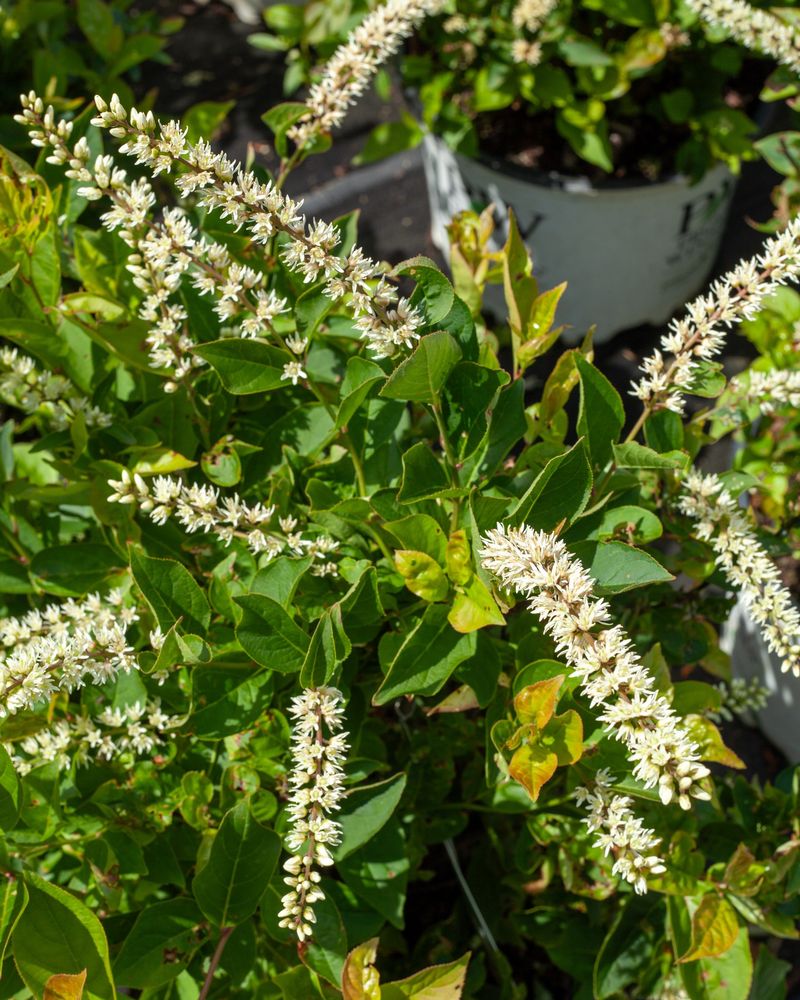
The smartest way to use this shrub is to work with your yard, not against it. Instead of fighting a soggy spot, plant Virginia sweetspire right where the water already gathers. That is where it truly shines.
Think about the natural wet zones on your property. Rain gardens, pond edges, stream banks, and the damp borders along low areas all make ideal homes for this moisture-loving native.
Placing it in these spots solves two problems at once. You fill a tricky area with something beautiful, and you finally have a plant that enjoys the extra water instead of struggling in it.
Compare that to the usual routine. Trying to keep an ordinary dry flower bed constantly watered wastes time, effort, and water, and the plants often look stressed anyway.
With this shrub, nature does the watering for you. Rain and runoff supply the moisture it craves, so you can relax and let the landscape take care of itself.
Along a pond or stream, the roots help hold the bank in place and keep soil from slipping away. In a rain garden, the plant soaks up runoff and slows the flow after storms.
Matching plants to the conditions you already have is the heart of easy, low-effort gardening. It saves resources and gives you healthier, happier plants.
So look around for that damp corner you have been ignoring. Rather than seeing a problem, picture a thriving native shrub turning your wettest spot into one of the prettiest parts of the whole yard.