This Native Texas Plant Helps Bring Monarchs Back To Late Summer Yards
Late summer in Texas is a bit of a strange gardening moment.
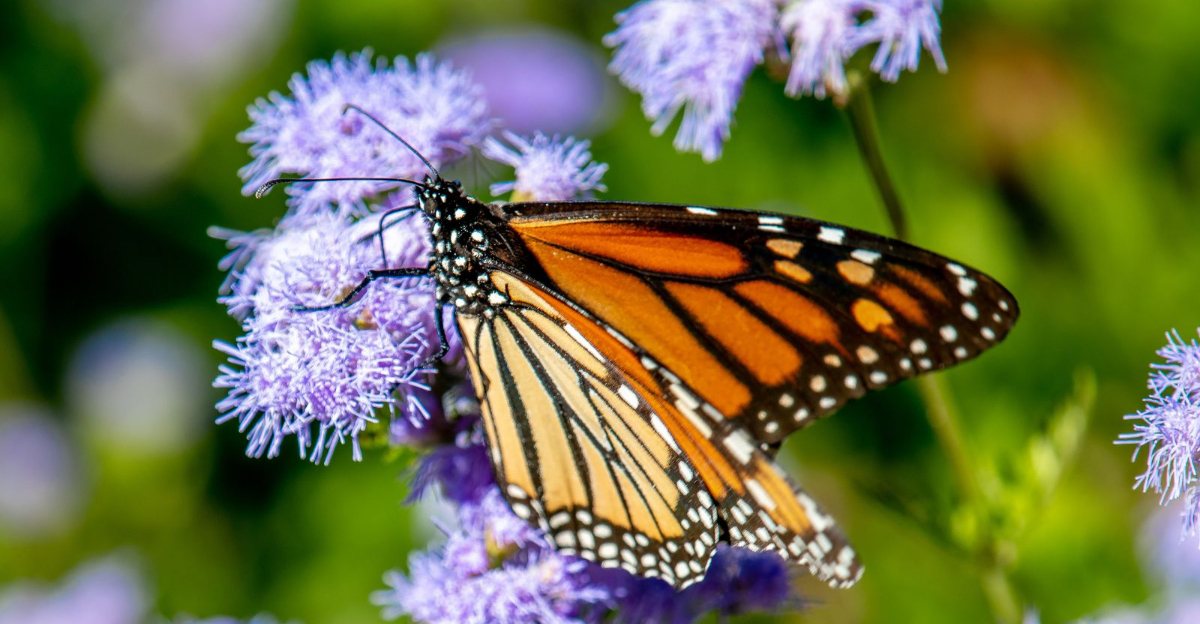
The heat is still intense, plenty of flowering plants are starting to run out of steam, and yet something genuinely exciting is happening in the sky above your garden: monarch butterflies are beginning their remarkable migration journey southward.
These travelers need reliable nectar sources along the way, and that is exactly where your plant choices start to matter more than you might expect.
Gregg’s mistflower is a Texas native that has quietly earned a reputation for showing up right when other summer flowers begin fading, offering those soft sky-blue blooms at a time when nectar options are getting thin.
It is not a host plant for monarch caterpillars and cannot replace native milkweeds, but as a late-season nectar source during migration, it earns its spot in any pollinator garden.
1. Gregg’s Mistflower And The Late-Summer Monarch Connection
When late summer arrives and the heat begins pushing most flowering plants into a slowdown, migrating monarchs still need fuel.
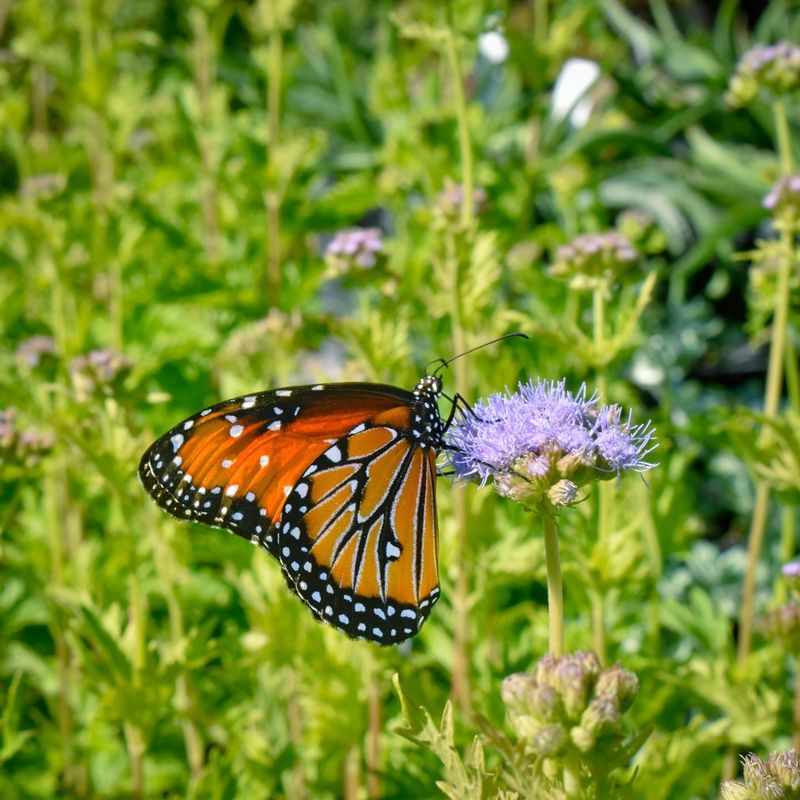
Adult monarchs traveling through Texas are looking for nectar sources they can count on, and that is where Gregg’s mistflower can play a meaningful role.
Its clusters of soft, fuzzy blue-violet flowers produce nectar that visiting adult monarchs may find appealing, especially when few other plants are blooming reliably.
Gregg’s mistflower, known botanically as Conoclinium greggii, is native to parts of Texas and blooms during warmer months, with flowering sometimes continuing into fall when conditions cooperate.
Because monarch migration typically picks up in late summer and continues through fall, the timing can line up in ways that benefit passing butterflies.
Monarchs do not breed on Gregg’s mistflower, and caterpillars cannot use it as a host plant, so the relationship is specifically about nectar for adult butterflies.
Gardeners who notice monarchs moving through their yards may find that having Gregg’s mistflower in bloom gives those butterflies a place to pause and refuel.
The connection is not guaranteed, since butterfly visits depend on many factors including how many monarchs are moving through a given area in a particular year.
Still, offering a nectar source during a time when options can be limited is a practical way to support monarchs passing through.
2. A Long Bloom Season That Can Stretch Into Fall
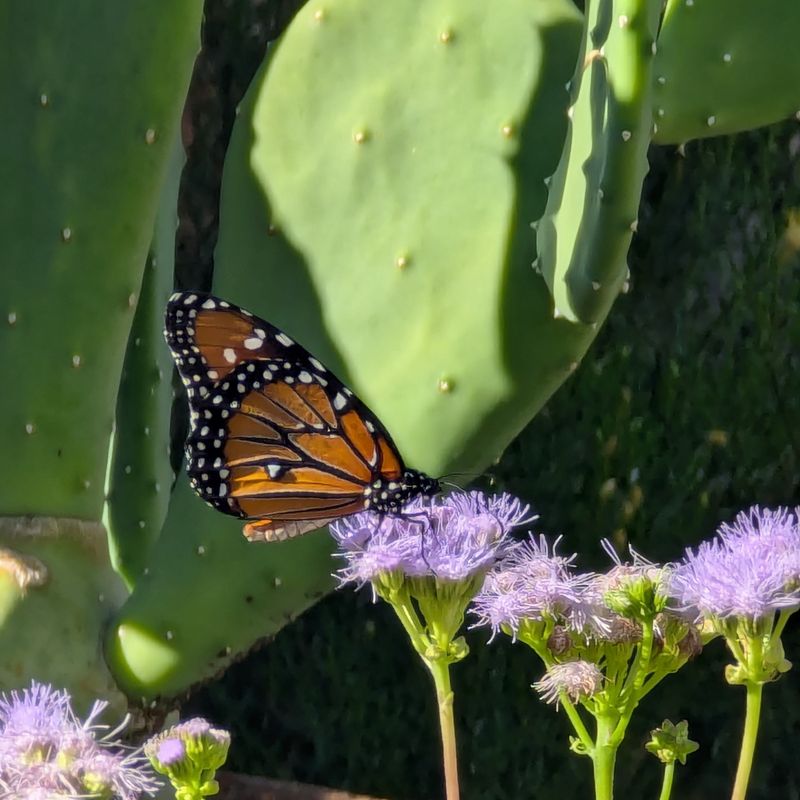
One thing that sets Gregg’s mistflower apart from many other Texas natives is its ability to keep flowering when the calendar moves toward fall. Many summer bloomers wrap up by August, leaving gaps in the garden right when migrating pollinators need the most support.
Gregg’s mistflower can fill some of those gaps by continuing to produce flowers through late summer and, in many cases, well into the autumn months.
The exact length of the bloom period can vary depending on where the plant is growing. Rainfall, irrigation, soil conditions, and local temperatures all play a role in how long flowering continues.
In areas with mild falls and some moisture, bloom time may extend noticeably. In drier or hotter parts of the state, flowering might taper sooner unless plants receive some supplemental water during extended dry stretches.
Your Texas Garden Changes Every Week. Your Plan Should Too.
Gardening in Texas changes quickly throughout the season. Every Friday you’ll receive a simple weekly plan showing exactly what to plant, prune, fertilize, harvest, and protect so you never miss the right timing.
Gardeners in central and south Texas have found that Gregg’s mistflower can sometimes bloom from summer through October or beyond under the right conditions.
This extended flowering window makes it a valuable plant for anyone trying to support pollinators across multiple seasons rather than just a single summer flush.
Planting it alongside other late-season native bloomers can help create a more continuous nectar supply through the transition from summer into fall, which is particularly helpful for monarchs and other butterflies on their seasonal journeys.
3. Sky-Blue Flowers That Can Draw Fall Monarchs
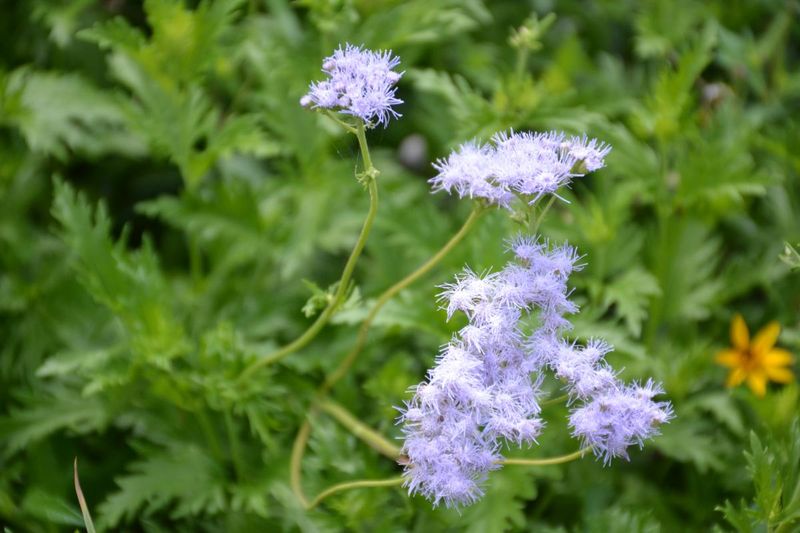
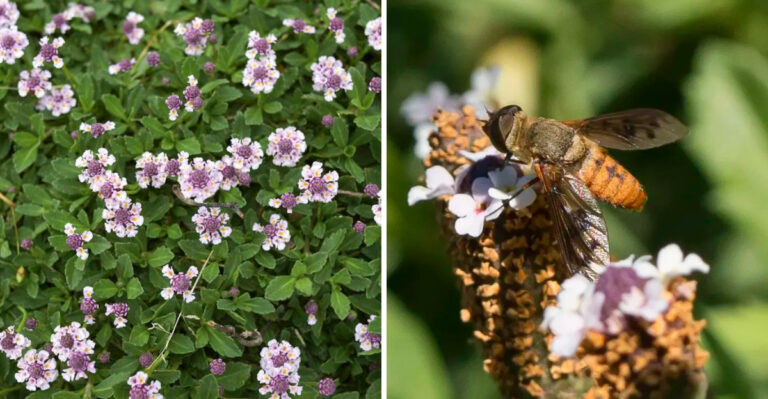
Few native Texas plants produce flowers in quite the same shade as Gregg’s mistflower. The blooms appear in dense, rounded clusters and carry a soft blue-violet color that stands out clearly in the late-summer garden.
That color, combined with the plant’s nectar production, may help explain why adult monarchs and other pollinators seem drawn to it when it is in flower.
Monarchs are known to visit a wide variety of nectar-producing flowers during migration, and they tend to favor plants that offer accessible blooms and a reliable food source. Gregg’s mistflower fits that description reasonably well.
The flattened flower clusters make it easy for butterflies to land and feed, and the plant often produces enough flowers to sustain multiple visitors at once during peak bloom.
Beyond monarchs, Gregg’s mistflower can attract a notable variety of other butterflies, bees, and beneficial insects. Painted ladies, swallowtails, and skippers are among the visitors frequently reported on this plant in gardens.
That broader appeal makes it a strong choice for gardeners who want to support a range of pollinators, not just monarchs specifically.
The sky-blue color also adds a welcome visual contrast to the warm oranges, yellows, and reds that often dominate fall Texas gardens, giving the landscape a layered and lively look during a season when color can be harder to find.
4. Adult Monarch Nectar Without Replacing Native Milkweed
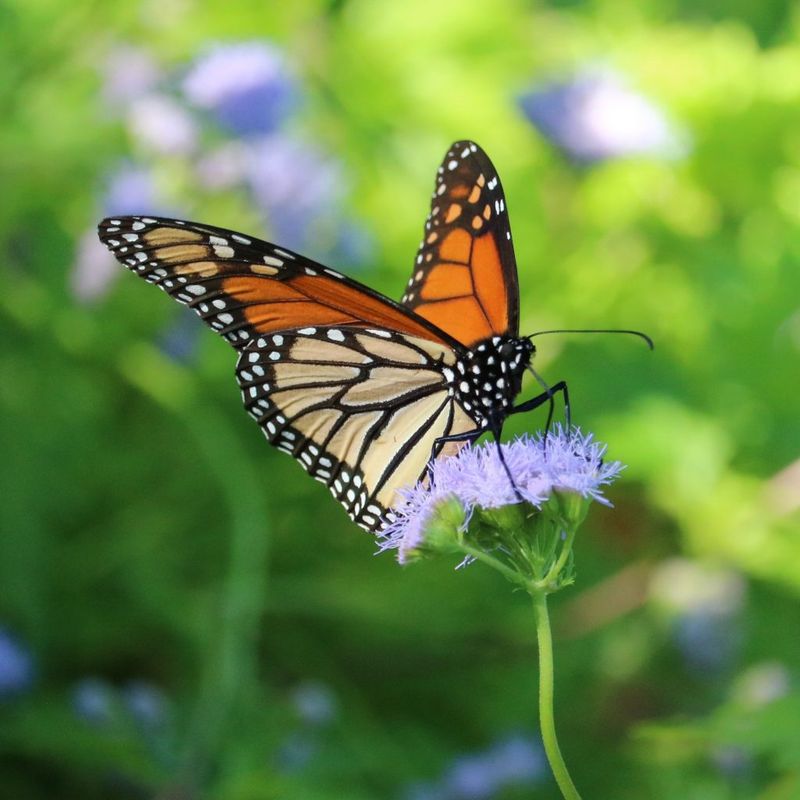
Nectar plants and host plants serve very different purposes in a monarch’s life, and understanding that difference matters when planning a Texas pollinator garden. Adult monarchs drink nectar from many types of flowers to fuel their migration and daily activity.
Monarch caterpillars, on the other hand, can only eat plants in the milkweed genus Asclepias. Gregg’s mistflower falls firmly into the nectar category and provides no benefit to monarch caterpillars.
Planting Gregg’s mistflower without any native milkweeds nearby means offering monarchs a refueling stop but not a place to reproduce. That is still a valuable contribution during migration season, when adult butterflies need consistent energy sources.
However, gardeners hoping to support the full monarch life cycle need to include appropriate native milkweeds as well. Gregg’s mistflower can complement those milkweeds effectively, but it cannot substitute for them.
Some gardeners may assume that any plant attracting monarchs must be helping the species fully.
Gregg’s mistflower does offer real value by providing nectar to adult butterflies that may be passing through Texas, but the species as a whole depends on milkweed availability for breeding.
Keeping that distinction clear helps gardeners make smarter planting decisions.
Pairing Gregg’s mistflower with native milkweeds suited to your specific region creates a more complete habitat than either plant can offer on its own, and that combined approach tends to support more wildlife overall.
5. Pairing Gregg’s Mistflower With Native Texas Milkweeds
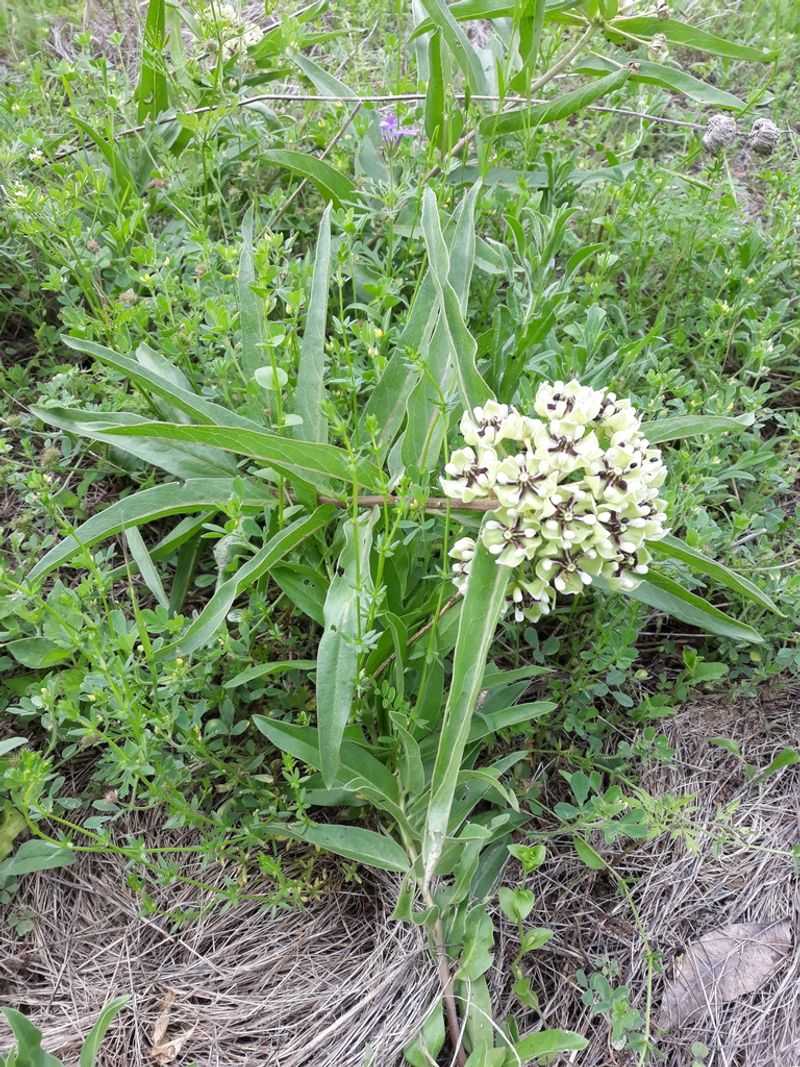
Combining nectar plants with host plants in the same garden space is one of the most effective approaches for supporting monarchs across their life stages.
Gregg’s mistflower works well as a nectar source alongside native Texas milkweeds, and the two types of plants can complement each other visually and ecologically when placed thoughtfully in the same bed or border.
Choosing the right milkweed species requires some research, because different Asclepias species are native to different regions. Antelope horns milkweed, Asclepias asperula, is native to many parts of central and western Texas and is well adapted to drier conditions.
Green milkweed, Asclepias viridis, grows across a broader portion of the state. Selecting a milkweed that is genuinely native to your specific area tends to produce better results than planting a species from a different region of Texas or another state entirely.
When Gregg’s mistflower and native milkweeds grow near each other, they can create a layered habitat that serves monarchs at multiple points in their life cycle.
Caterpillars feed on the milkweed while adult butterflies visit both milkweed flowers and the mistflower blooms for nectar.
Other pollinators benefit from the diverse flower types as well. Planning the combination thoughtfully, including spacing and sun exposure for both plants, tends to produce a garden that stays active with wildlife from summer through fall in many landscapes.
6. Sun, Part Shade, And Well-Drained Soil Can Suit This Native
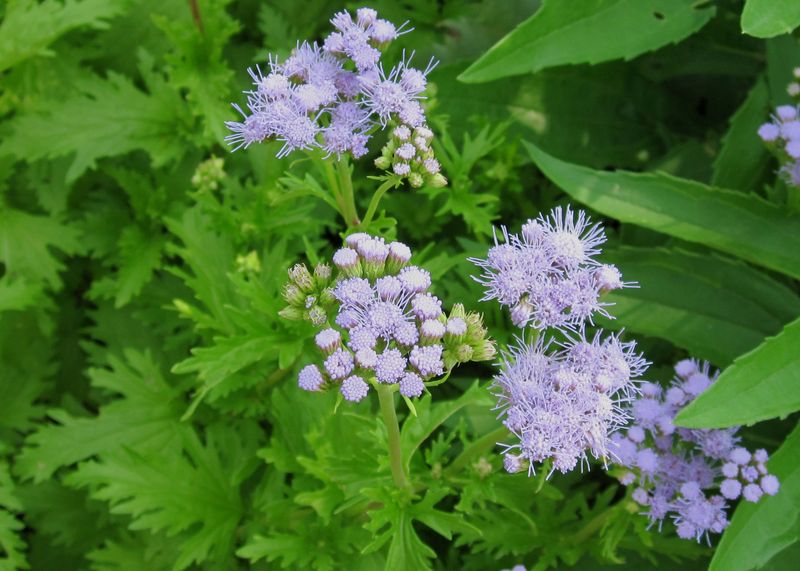
Understanding what growing conditions Gregg’s mistflower prefers can help gardeners place it where it will perform most reliably.
Sources from horticultural institutions generally describe this plant as tolerant of both full sun and partial shade, though its behavior can shift depending on which exposure it receives.
In hotter, drier parts of Texas, some afternoon shade may help the plant handle intense summer heat without stressing as severely.
Soil drainage matters considerably for Gregg’s mistflower. The plant tends to perform better in well-drained soils and can struggle in areas where water pools or drainage is poor for extended periods.
It has shown some tolerance for rocky or lean soils, which makes sense given its native range in parts of western Texas where such conditions are common.
Gardeners in heavier clay soils may want to amend planting areas or choose raised beds to improve drainage before establishing this plant.
Moisture needs can vary with location and season. Established plants show reasonable drought tolerance, though consistent moisture during establishment helps roots develop well.
In hotter parts of Texas, some supplemental irrigation during prolonged dry spells may help extend the bloom season and keep plants looking healthy. In shadier spots, soil tends to stay moist longer, so watering needs may be lower.
Paying attention to how the plant responds to your specific site conditions, rather than following a single rigid watering schedule, tends to produce the best outcomes across different growing environments.
7. A Fast-Spreading Habit Worth Planning Around
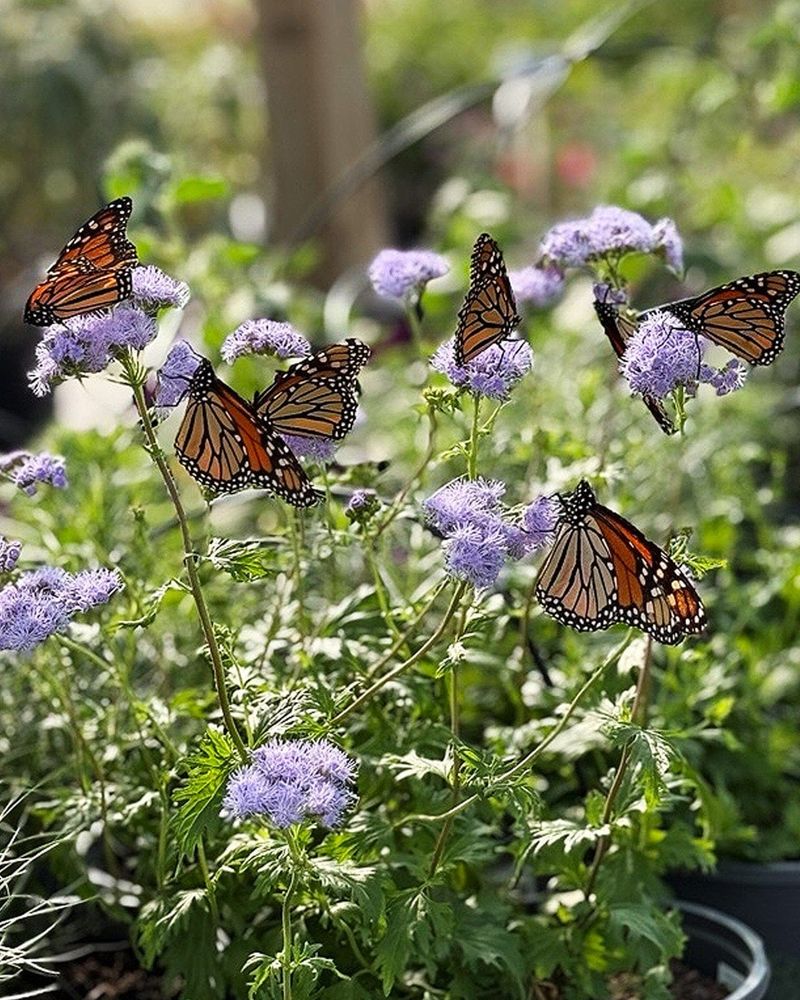
Gardeners who fall for Gregg’s mistflower quickly sometimes get a surprise in the seasons that follow: this plant can spread more enthusiastically than expected.
It spreads through underground rhizomes and can gradually expand outward from the original planting spot, forming wider and wider patches over time in favorable conditions.
That spreading habit is not necessarily a problem, but it is worth knowing about before choosing a planting location.
In a large native garden or naturalized area, the spreading tendency can actually be an advantage. Bigger patches produce more flowers, which means more nectar for visiting butterflies and other pollinators.
The plant can fill in open areas relatively quickly and create a lush, flowering groundcover effect during its bloom season.
For smaller yards or more structured garden beds, though, the spreading growth may need some management to keep it from crowding neighboring plants.
Practical management options include using physical root barriers when planting, dividing clumps periodically to reduce spread, or simply pulling unwanted new growth at the edges of an established patch.
Gregg’s mistflower has not been classified as invasive by Texas authorities, but its vigorous spreading in suitable conditions is worth factoring into garden planning from the start.
Placing it where it has room to expand, or where its spread can be easily managed, tends to make living with this plant much more enjoyable over the long term for Texas gardeners of all experience levels.
8. Regional Care Matters Beyond Its Native Western Texas Range
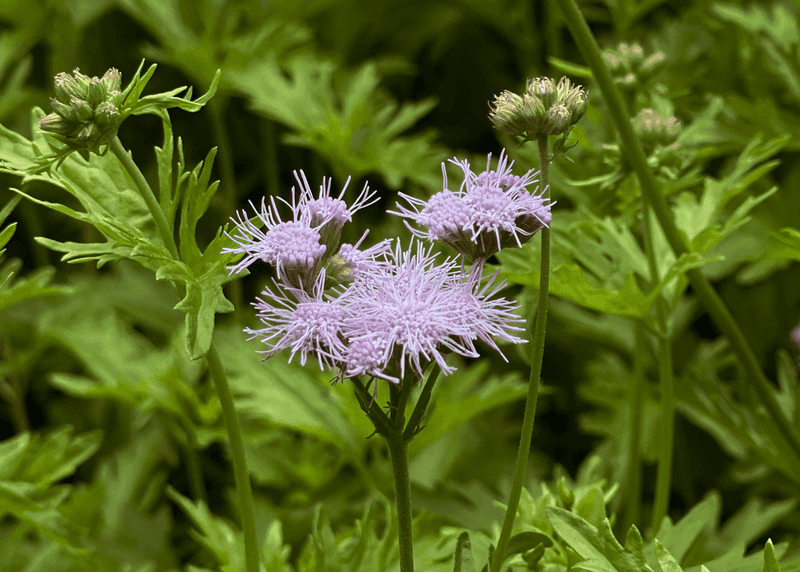
Being native to Texas does not automatically mean a plant belongs in every corner of the state.
Gregg’s mistflower has its natural distribution concentrated primarily in western and southwestern parts of the state, including areas along the Rio Grande and into the Trans-Pecos region.
Gardeners in other parts of Texas can still grow it successfully in many cases, but it is worth understanding that the plant’s native range does not extend across all ecoregions equally.
For gardeners focused on truly local native planting, that geographic distinction matters. A plant native to far west Texas may not be locally native to the Hill Country, Gulf Coast, or East Texas Pineywoods.
Local native plants are often better adapted to the specific soil types, rainfall patterns, and ecological conditions of a given region.
Checking with regional native plant societies, county extension offices, or the Lady Bird Johnson Wildflower Center’s native plant database can help gardeners determine which plants are genuinely local natives for their specific area.
That said, Gregg’s mistflower can still provide real value as a nectar source for migrating monarchs and other pollinators across a broader portion of Texas, even in areas outside its core native range.
Gardeners simply benefit from going in with realistic expectations about how the plant may behave in different climates and soils.
Researching regional growing conditions and consulting Texas-based native plant resources before planting tends to lead to more satisfying and ecologically thoughtful garden choices throughout the state.