Which Fall Vegetables In North Carolina Actually Taste Sweeter After A Light Frost
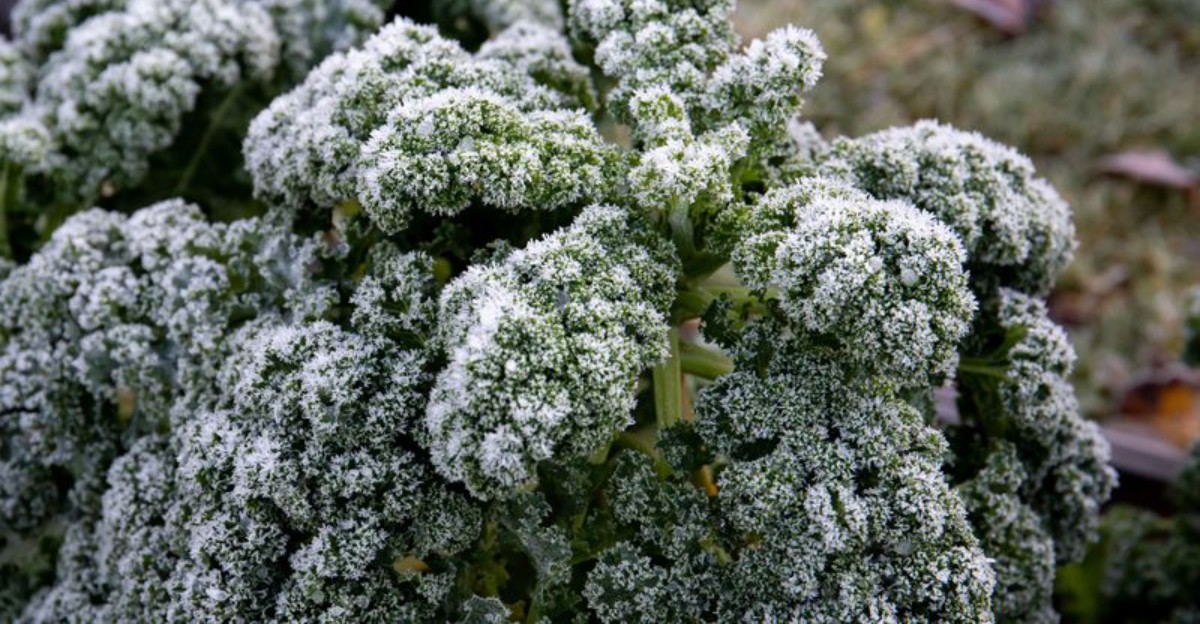
Frost has a reputation for ruining gardens, but for certain fall vegetables in North Carolina, a light frost can actually improve flavor rather than damage the crop.
Cold temperatures trigger some plants to convert stored starches into sugars, a natural response that helps protect their cells from freezing damage.
This process results in a noticeably sweeter, milder taste compared to the same vegetable harvested before any frost occurred.
Because not every crop responds this way, knowing which vegetables actually benefit from cold exposure helps gardeners decide what to leave in the ground a little longer.
For anyone willing to wait, a touch of frost can turn an ordinary fall harvest into a genuinely tastier one.
1. Collards Are The Classic Frost-Sweetened Green
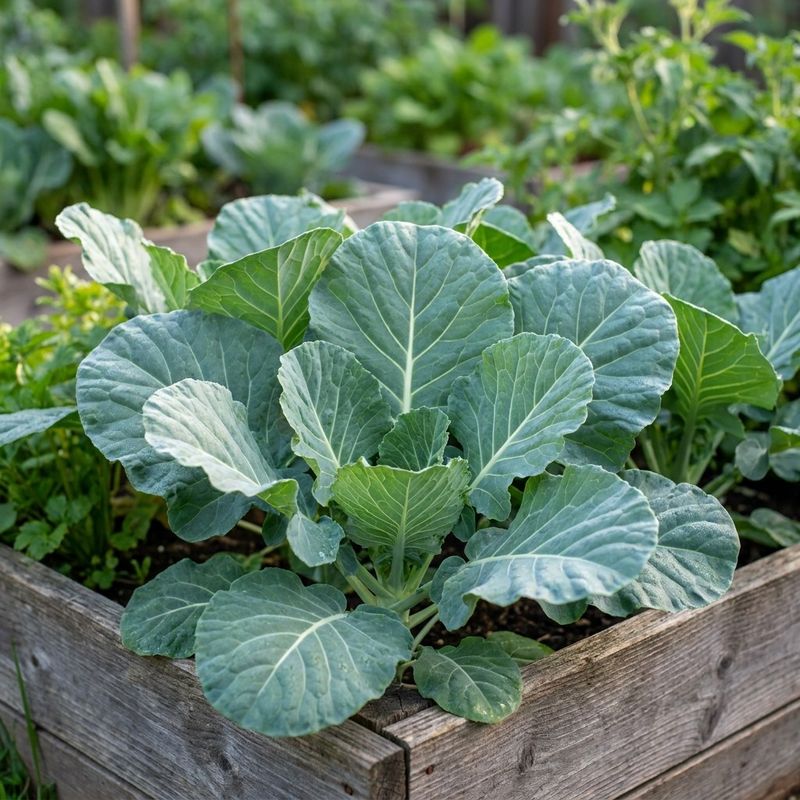
Ask any Southern grandmother when collards taste best, and she will likely tell you to wait for the first frost. That old advice is backed by real plant science. Across North Carolina, families have been following it for generations.
Here is what happens inside the leaves. When temperatures drop near freezing, collards turn some of their stored starches into sugars.
Those sugars act like a natural antifreeze, protecting the plant cells from ice damage, and they also give the leaves a milder, sweeter flavor with far less bitterness.
Timing your planting makes all the difference. Set out collard transplants or sow seeds in late summer, usually from late July through August, so the plants are big and healthy by the time cool weather rolls in.
Then simply leave them in the garden through those first light frosts instead of rushing to harvest. When picking time comes, start with the lower leaves and work your way up. The plant keeps growing from the center, so one row can feed you for months.
Try to harvest in the afternoon, after any frost on the leaves has thawed, because frozen leaves bruise easily.
North Carolina is practically built for this crop. Collards handle our mild winters with ease, and many plants keep producing well into January or even longer in the Piedmont and Coastal Plain.
That is why so many local gardeners hold off on their main harvest until frost arrives. A pot of slow-simmered collards on a cold evening tastes like home. Once you try frost-kissed leaves, summer greens just will not compare.
2. Kale Turns Sweeter And More Tender In Cold Weather
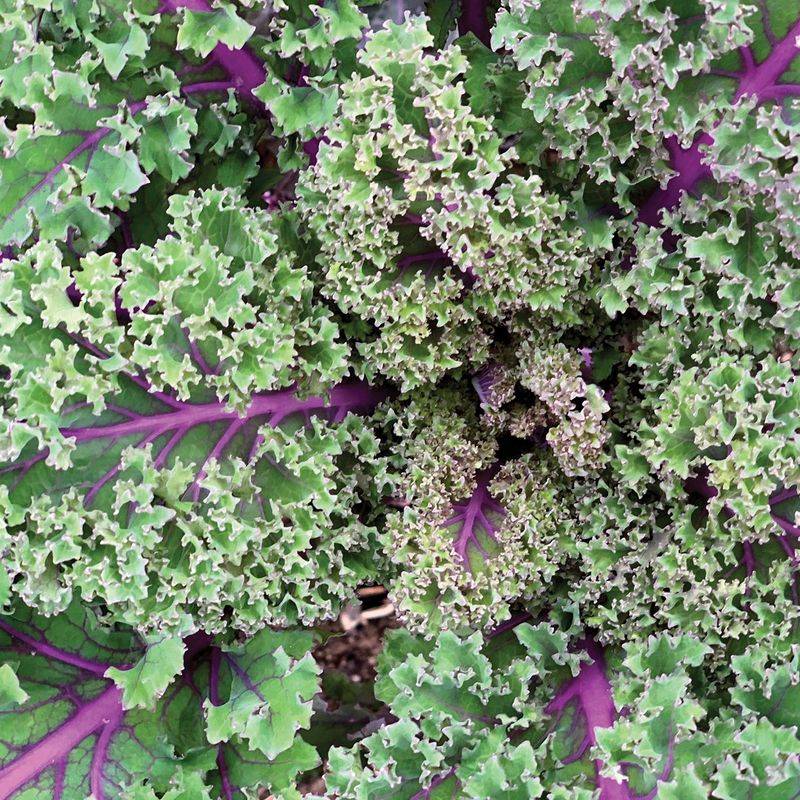
Kale has a reputation for being tough and a little bitter. Grow it through a North Carolina fall, though, and you might change your mind. Cold nights turn this sturdy green into something surprisingly pleasant.
Like other cold hardy greens, kale raises its sugar content when temperatures fall. The extra sugar protects the plant from freezing and softens that earthy, slightly bitter bite.
Leaves also tend to feel more tender, which makes them great for salads, soups, and crispy baked chips.
Getting started is easy. Plant kale in late summer or early fall, either from seed or transplants, and give it a sunny spot with rich, well-drained soil.
Your North Carolina Garden Changes Every Week. Your Plan Should Too.
Gardening in North Carolina changes quickly throughout the season. Every Friday you’ll receive a simple weekly plan showing exactly what to plant, prune, fertilize, harvest, and protect so you never miss the right timing.
Keep the young plants watered while they settle in, since warm September days can still dry out the ground quickly.
Once the plants grow bushy, pick the outer leaves regularly. The center keeps pushing out new growth, so frequent harvests actually encourage more leaves. Varieties like Winterbor, Red Russian, and Lacinato all perform well in our climate.
Hard freezes call for a little extra care. Toss a lightweight row cover over your plants when forecasts drop into the low 20s, and they will usually bounce back just fine.
One tip saves a lot of frustration: never pick frozen leaves, because they tear and turn mushy until they thaw.
North Carolina gardeners are lucky here. In the Piedmont and Coastal Plain, kale can often be harvested from fall through much of the winter. A few healthy plants can keep your kitchen stocked with fresh greens when the grocery store shelves look sad.
3. Brussels Sprouts Improve With A Touch Of Frost
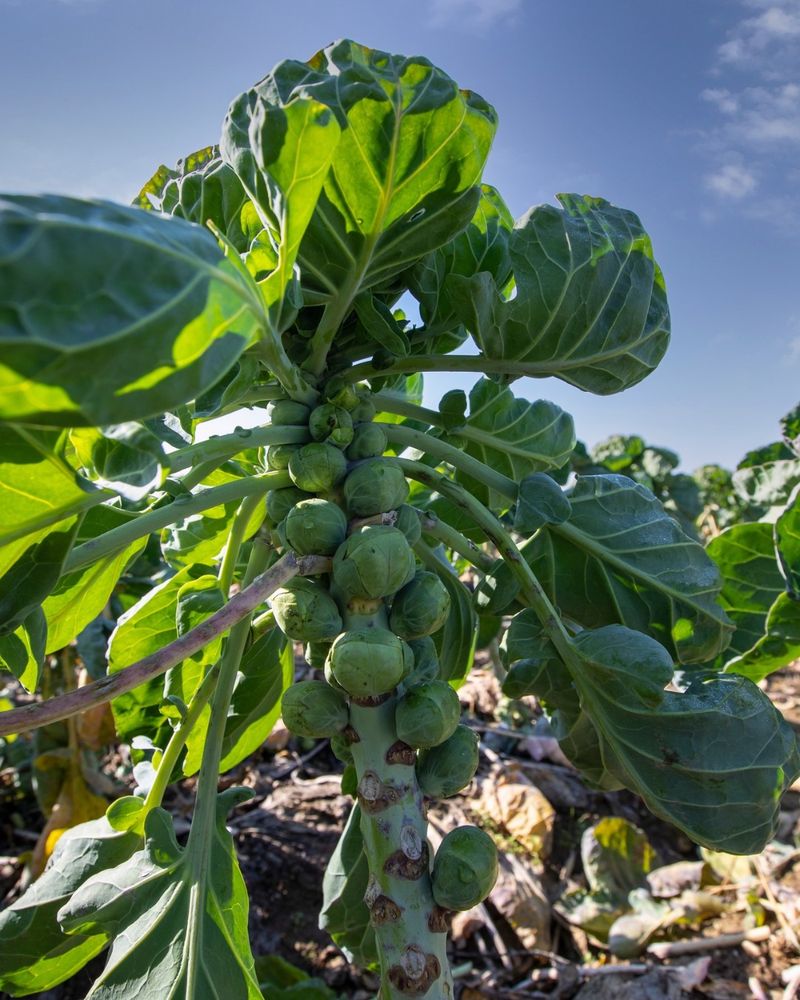
If you grew up pushing Brussels sprouts around your plate, you are not alone. Many of those sprouts probably matured in warm weather, when their flavor turns strong and bitter. Homegrown fall sprouts touched by frost are a whole different story.
Cold is the secret ingredient. Sprouts that mature in cool weather and feel a light frost convert more starch into sugar.
That shift tames the harsh, cabbage-like bite and leaves you with small, nutty, sweet little heads that even picky eaters may enjoy.
Patience is part of the deal with this crop. Brussels sprouts need a long growing season, so set out transplants in mid to late summer, usually July into early August in most of North Carolina.
That schedule lets the sprouts form and ripen during the cool days of fall instead of the heat of summer. As the tall stalks grow, you will see tiny sprouts forming where the leaves meet the stem.
Snap off the lower leaves as sprouts develop, which gives them more room and airflow. Start harvesting from the bottom of the stalk and move upward, picking sprouts once they feel firm and about an inch across.
Our state offers ideal conditions for this plan. Sprouts maturing in October and November enjoy cool nights and early frosts that sharpen their sweetness. Some gardeners even wait until a few frosts pass before picking the whole stalk at once.
Roast them with olive oil and a pinch of salt. You may become the family member who asks for seconds.
4. Carrots Get Sweeter In Cold Soil
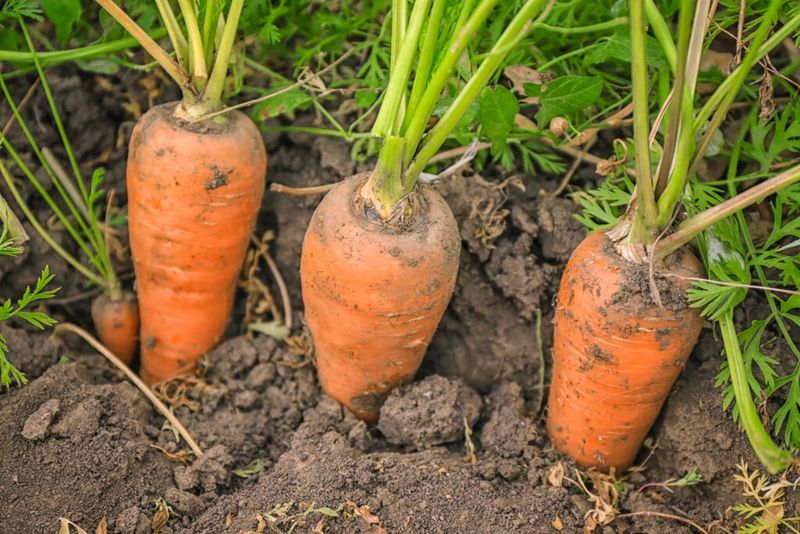
Pull a carrot from chilly November soil, rinse it off, and take a bite. The crunch is loud, and the sweetness might surprise you. Fall carrots often taste more like candy than the ones you buy at the store.
Roots are where carrots store their energy. As the soil cools and light frosts arrive, the plant begins turning starches into sugars to guard against freezing. The result is a sweeter, crisper carrot than many grown during summer heat.
Planning starts in late summer. Sow seeds from late July through August for a fall harvest, choosing loose soil free of rocks and clumps so roots can grow straight. Carrot seeds are tiny and slow, sometimes taking two to three weeks to sprout.
Moisture is the big challenge early on. Keep the soil evenly damp while seeds germinate, even if that means a light sprinkle every day during hot spells. A board or burlap laid over the row can hold in moisture, just remove it once sprouts appear.
Thin seedlings to about two inches apart so each root has space. As temperatures drop, spread a thick layer of straw or shredded leaves over the rows.
That blanket keeps the soil from freezing hard, letting you harvest as needed through late fall. North Carolina gardeners often notice a big difference between seasons.
Spring carrots mature as weather warms and can turn bland or bitter, while fall carrots ripen in cooling soil. Once you taste the difference, fall planting may become your favorite garden habit.
5. Parsnips Need Cold To Reach Their Best Flavor
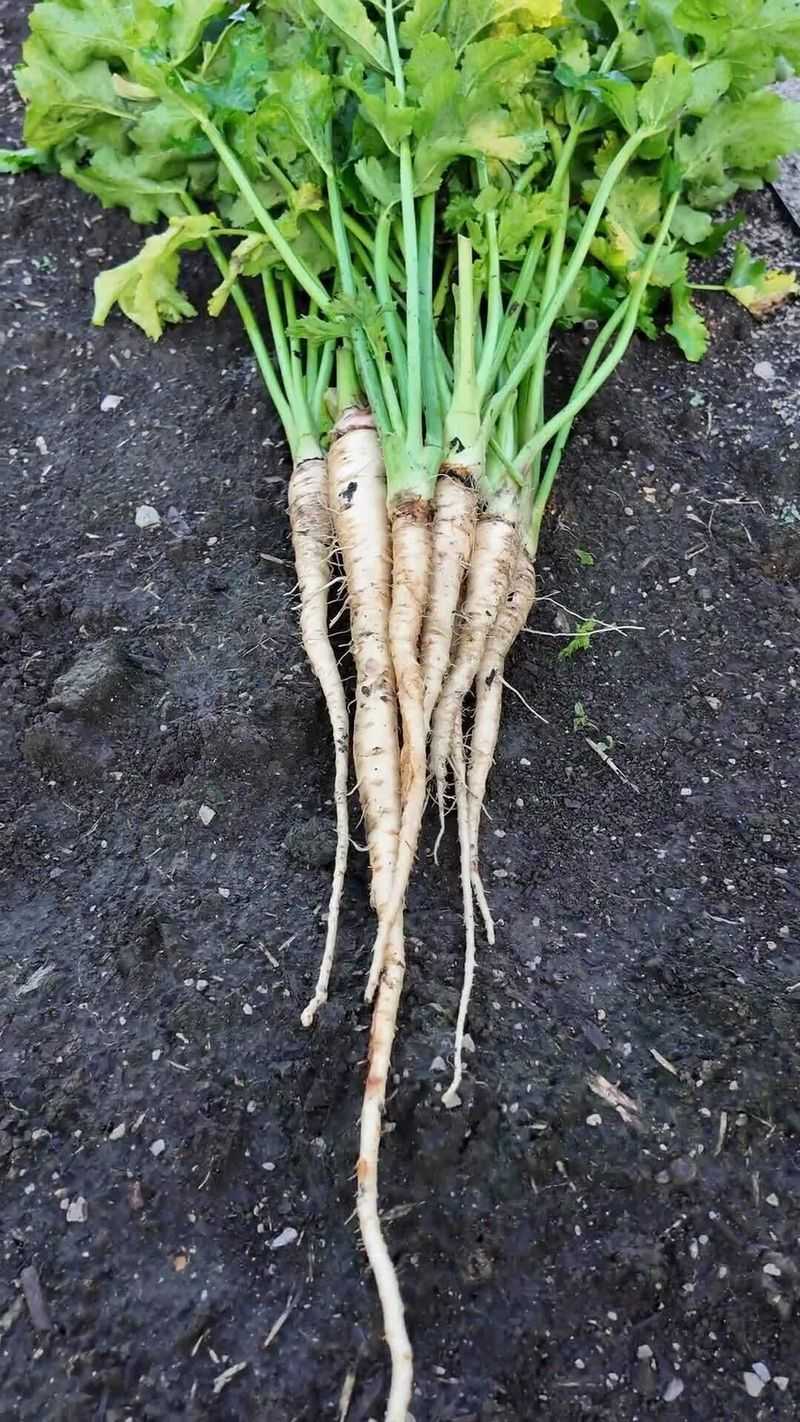
Parsnips are the slowpokes of the vegetable world. They take their sweet time growing, and then they need cold weather before they taste their best. For gardeners with patience, the payoff is worth every week of waiting.
These pale, carrot-shaped roots store lots of starch during the growing season. After several weeks of cold temperatures, much of that starch turns into sugar, giving parsnips a rich, nutty sweetness.
That is exactly why experienced growers wait until after frost to dig them. Planting happens earlier than you might expect.
Sow seeds in late spring or early summer, since parsnips can need 100 to 130 days to mature. Always buy fresh seed each year, because parsnip seed loses its ability to sprout quickly, and old packets often disappoint.
Germination can test your patience too. Seeds may take up to three weeks to sprout, so keep the soil moist the whole time. Some gardeners sow a few radish seeds in the same row to mark the spot while they wait.
Once the plants are up, thin them to about four inches apart and keep weeds under control. Then comes the easy part: leave the roots in the ground through several frosts. Dig carefully with a garden fork, since the long roots break easily.
Parsnips are less common in North Carolina gardens, which makes them a fun project. They especially shine in the Mountains and Piedmont, where cold nights arrive steadily. Roasted parsnips on a winter evening taste like a well-earned reward.
6. Turnips And Their Greens Mellow After Frost
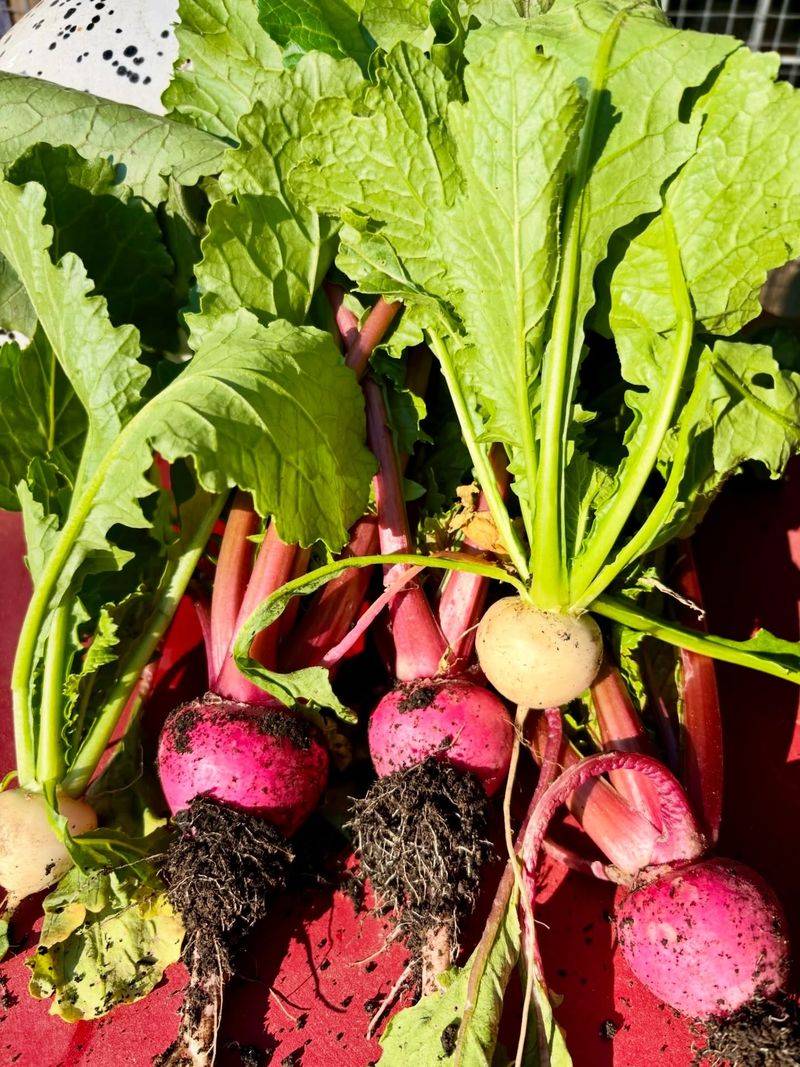
Turnips give you two crops for the price of one. You get tasty greens up top and round, purple-shouldered roots below. Both get better once cool weather and a light frost show up.
Warm weather makes turnips sharp and peppery, sometimes almost spicy. As temperatures fall, the plant builds up sugars to protect itself from freezing. That natural change softens the bite, leaving greens and roots milder and sweeter.
Sow turnip seeds in late summer or early fall, roughly August through early September across much of North Carolina.
They sprout fast, often within a week, which makes them a cheerful crop for beginners and kids. Scatter seeds in a sunny bed with loose, fertile soil.
Crowding is the most common mistake. Thin seedlings to about three to four inches apart so the roots have room to swell. Bonus tip: those thinned seedlings are tender and delicious tossed into a salad or quick sauté.
Harvest greens while they are young and tender, snipping a few leaves from each plant so it keeps growing. For roots, dig them when they reach about two to three inches across. Bigger roots may look impressive, but they often turn woody and tough.
Turnips have deep roots in North Carolina food traditions. Turnip greens simmered with a little smoked meat are a fall staple at many Southern tables.
Cool weather here suits them perfectly, and frost simply adds the finishing touch to a crop our state has loved for generations.
7. Cabbage Develops A Milder, Sweeter Taste
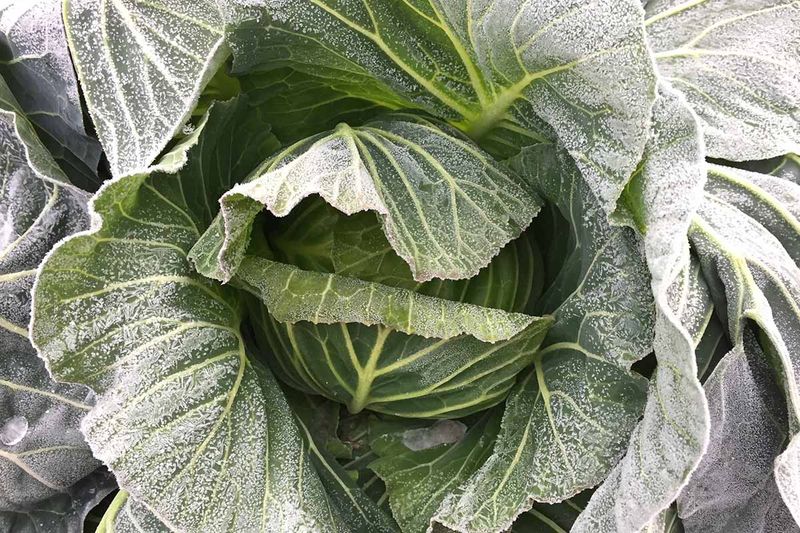
There is something satisfying about pressing your hand on a firm cabbage head and feeling it ready. Fall cabbage brings an extra bonus: better flavor. Many gardeners say it tastes cleaner and sweeter than anything grown in summer.
Temperature explains the difference. In warm weather, cabbage builds up strong, sulfur-like compounds that give it a sharp smell and bite. Cool days and light frosts encourage the plant to store more sugars in its leaves, which mellows that harshness.
Start with transplants in late summer, usually late July through August. Set them in rich soil with full sun and keep them watered during those last hot weeks.
Cabbage is a heavy feeder, so a side dressing of compost or balanced fertilizer helps heads grow big.
Check the heads often as fall moves along. When they feel solid and tight, they are ready to harvest. Cut the head at the base with a sharp knife, and smaller side heads may even sprout from the stump.
Weather can still throw curveballs. Protect plants with row cover during hard freezes, especially when temperatures dip into the low 20s. Heavy rain can cause mature heads to split, so harvest any ready cabbages before a big storm moves in.
In North Carolina, fall cabbage matures during cooler weather than spring cabbage, which often races against summer heat.
That is why many local growers consider the fall crop the better one. Shred it for slaw or simmer it in soup, and enjoy the sweet reward.
8. Spinach Grows Sweeter Leaves In Cold Weather
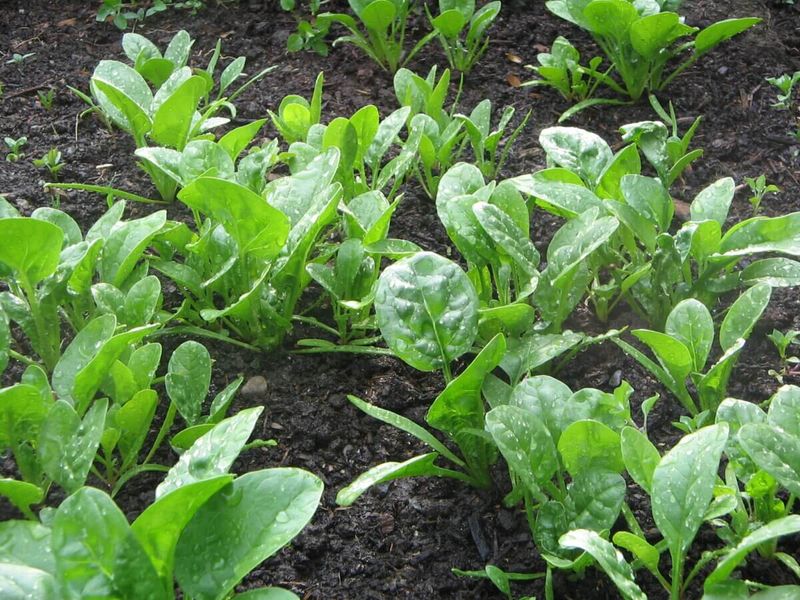
Spinach grown in chilly weather barely resembles the thin, floppy leaves sold in plastic tubs. Cold-weather spinach grows thick, dark, and crinkly. Its flavor turns sweet enough to eat straight from the garden.
Cold triggers two helpful changes. First, spinach increases the sugar in its leaves as protection against freezing, making them taste richer and sweeter.
Second, cool weather keeps it from bolting, which is when the plant sends up a flower stalk and leaves turn bitter.
Warm soil is spinach’s enemy at planting time. Sow seeds in early to mid fall, once the soil has cooled, usually September into October in most of North Carolina. Seeds sprout poorly in hot ground, so waiting a little longer pays off.
Keep the soil evenly moist while seedlings get established. A light layer of mulch can help hold moisture and keep weeds down. Savoy types like Bloomsdale handle cold especially well and produce those crinkled, tasty leaves.
When hard freezes are on the way, cover your plants with row cover for extra protection. Harvest by picking the outer leaves and leaving the center alone. That growing heart keeps producing, giving you salad after salad.
North Carolina winters are usually mild enough for spinach to keep going. Plants often grow through fall, slow down in the coldest weeks, and then burst back with a strong harvest in early spring.
A single fall sowing can keep your kitchen supplied with fresh greens for months, which feels like a small garden miracle.