What To Leave Standing In Your Georgia Yard To Keep Pollinators Through Fall
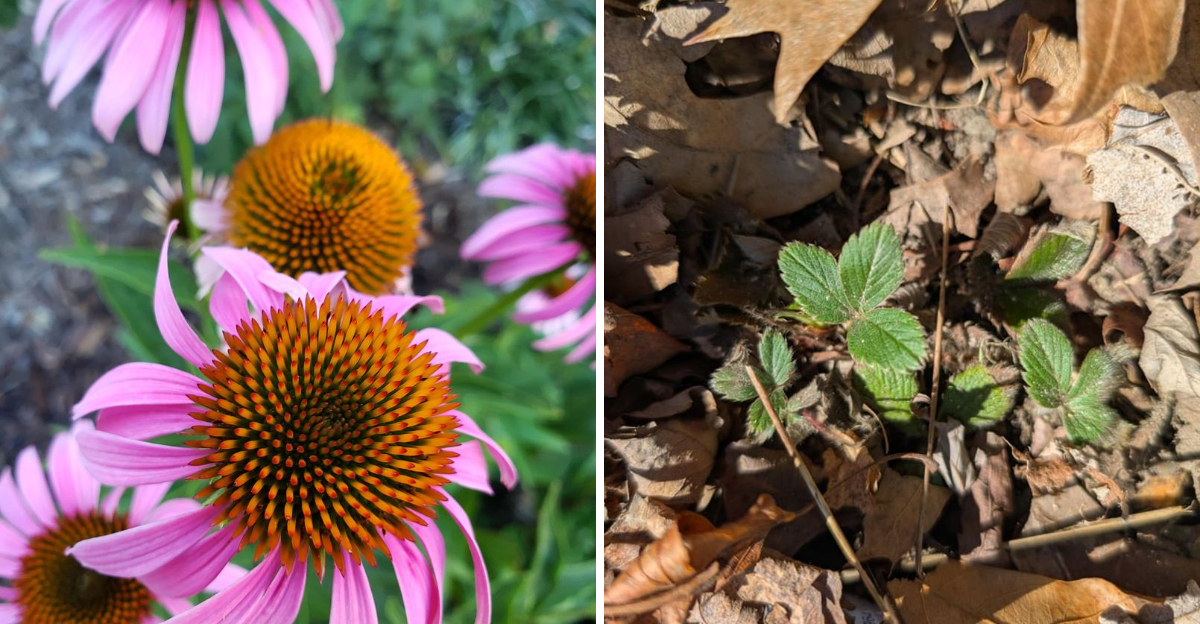
October cleanup can make a Georgia yard look satisfyingly finished in a single morning.
Brown stems come down. Seedheads disappear. Leaves get bagged. Beds suddenly look neat enough to forget that plenty of insects and birds are still using them.
That is where a little restraint pays off.
Georgia’s mild fall keeps bees, butterflies, and other pollinators active long after summer flowers fade. Standing stems can hold shelter.
Late asters and goldenrod still offer nectar. Coneflower heads feed birds, and leaf litter protects insects through cooler nights.
So what actually deserves to stay?
The answer is not every faded stalk in the yard. Diseased growth should still come out. Paths can stay clear. Broken stems can be removed.
The smarter move is selective cleanup.
Leave the structures that still provide food or shelter, and save the bigger cutback for later.
A slightly less polished fall garden can stay far busier than a spotless one, and that extra activity can carry straight into spring when the whole garden wakes up again.
1. Leave Native Flower Stems Standing
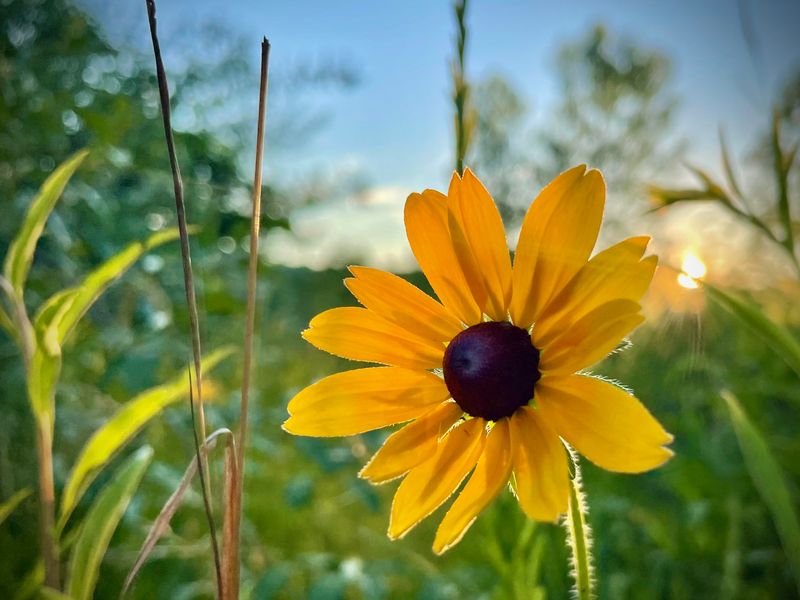
A faded black-eyed Susan stem can look like nothing more than cleanup waiting to happen.
Leave some of those sturdy stalks alone.
Native flower stems can provide winter structure and potential nesting space for certain solitary bees and beneficial wasps. Not every bee uses stems, and many Georgia natives nest in soil instead, but pithy or hollow stems still add an important habitat layer.
Black-eyed Susan, Joe Pye weed, and native coneflowers are useful candidates when their stems stay firm and healthy.
You do not need to preserve every stalk in the border. Keep a few clusters standing in quieter areas and remove anything diseased, collapsed across a path, or badly damaged.
That balance keeps the garden looking intentional while leaving insects more places to shelter.
Wait until late winter or early spring for the main cutback. When you do trim, consider leaving some stems several inches tall rather than shaving every crown flush with the soil. Freshly cut pithy stems can also become nesting sites for the coming season.
The plants may look finished from the patio.
They are still part of the habitat.
A stem that seems useless in October can become exactly the kind of tiny apartment a native insect needs before spring gets busy again.
2. Keep Aster Seedheads Through Fall
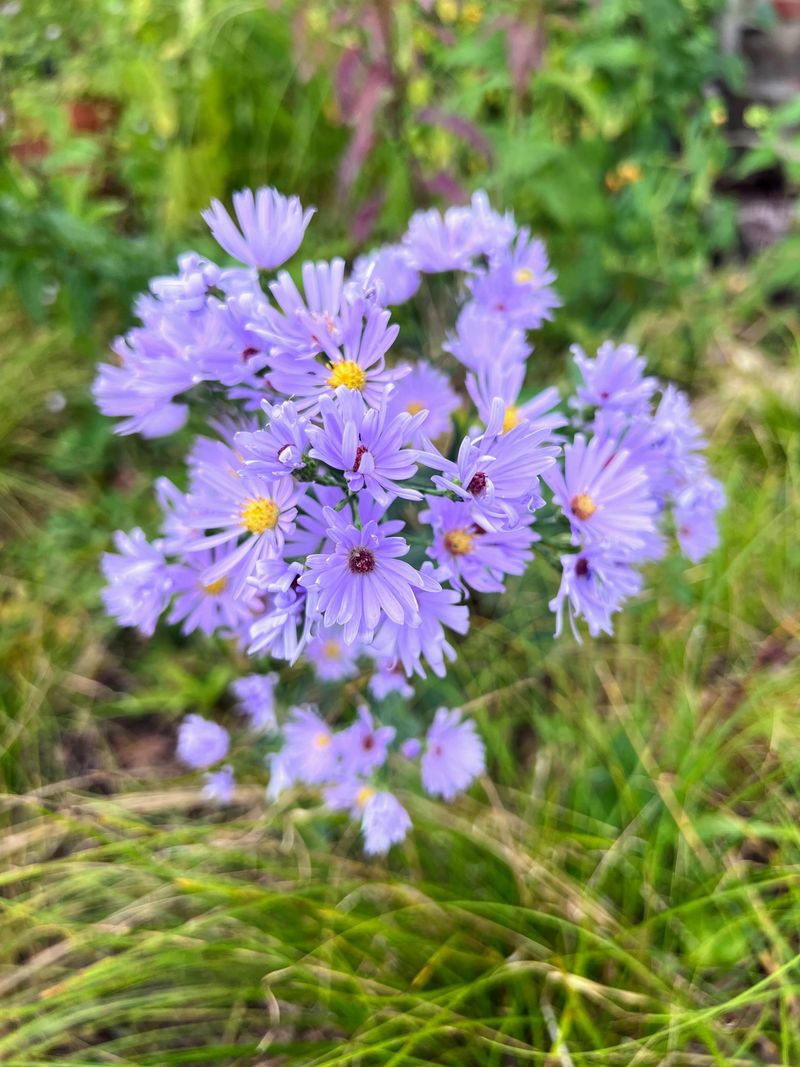
Purple flowers hanging on in October are worth far more than one last splash of color.
Native asters can keep feeding pollinators well into Georgia’s fall, especially during warm stretches when bumblebees, sweat bees, and other insects are still active.
That makes early cleanup a bad bargain.
Let healthy flower clusters finish naturally before cutting the plant back. Even after the petals fade, fluffy seedheads add texture and can provide food for small birds moving through the yard.
Georgia has several native asters suited to different conditions, and some can flower into November when the weather cooperates. That late timing is exactly what gives them so much value.
Your Georgia Garden Changes Every Week. Your Plan Should Too.
Gardening in Georgia changes quickly throughout the season. Every Friday you’ll receive a simple weekly plan showing exactly what to plant, prune, fertilize, harvest, and protect so you never miss the right timing.
Watch the foliage, though.
Humid weather can encourage powdery mildew on crowded asters. Heavily affected leaves are better removed rather than left packed around the plant all winter. You can clean up diseased foliage without sacrificing every healthy stem and seedhead above it.
Good airflow also helps next season, so avoid letting dense clumps become one solid wall of stems.
The goal is not to preserve a perfect dried plant.
It is to keep the useful parts working as long as possible.
Asters spend spring and summer preparing for their late entrance.
Cutting them down while pollinators are still checking the flowers is like turning off the porch light while guests are still walking up the path.
3. Let Goldenrod Finish The Season
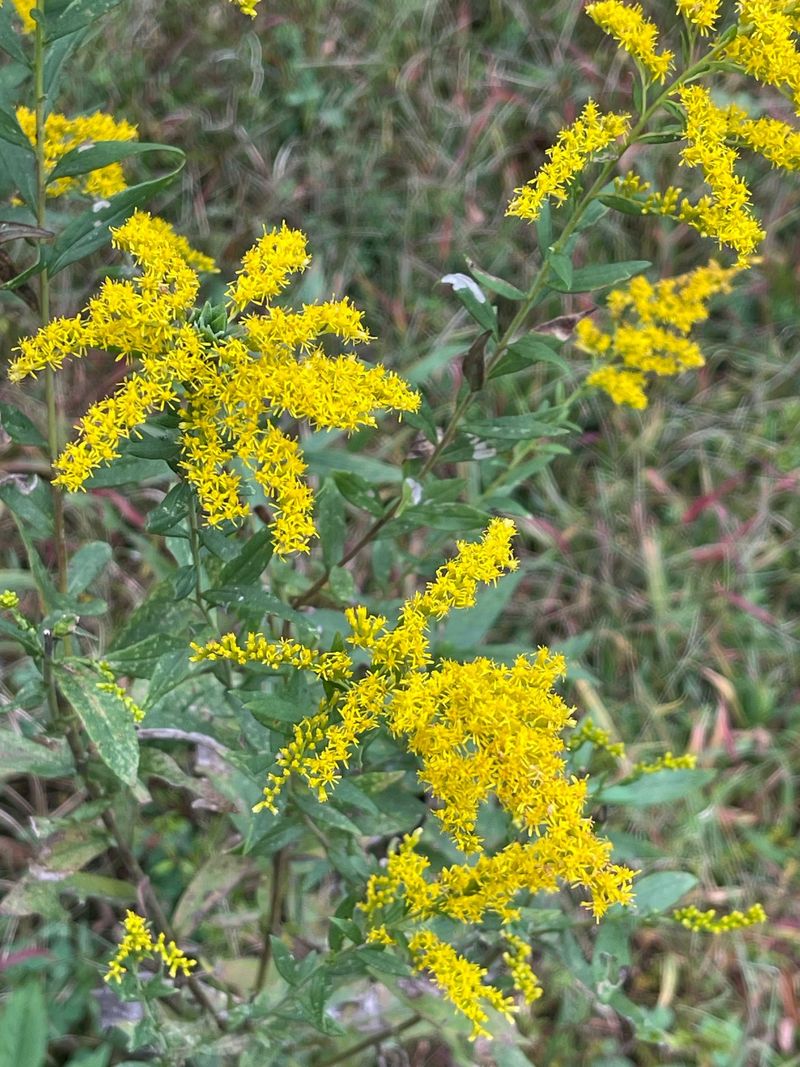
A yellow haze along the back fence can stay useful long after most summer flowers have checked out.
Goldenrod is one of Georgia’s strongest late-season nectar and pollen sources, and its bloom period can overlap with fall butterfly movement and the final busy weeks for many native bees.
Let it finish.
The plant is often blamed for seasonal allergies, but ragweed is the more common source of airborne pollen.
Goldenrod pollen is heavier and generally moved by insects, which is exactly why so many pollinators crowd the flowers.
After blooming, the seedheads still deserve some patience.
Small birds may pick through them, while the standing stems create cover and additional structure through the cooler months.
Wreath goldenrod can work beautifully in partial shade, while taller species suit sunny, naturalistic areas where their spreading habit has room.
Manage that spread later rather than solving it with an October haircut.
Cut unwanted runners, divide expanding clumps, or reduce the patch during the appropriate season. Healthy fall stems can stay in place until late winter.
That gives the plant time to complete its ecological work without surrendering the whole bed.
Goldenrod already spends autumn looking like someone turned on a row of tiny yellow lights.
There is no need to unplug them while the pollinators are still using the room.
4. Save Coneflower Heads For Birds
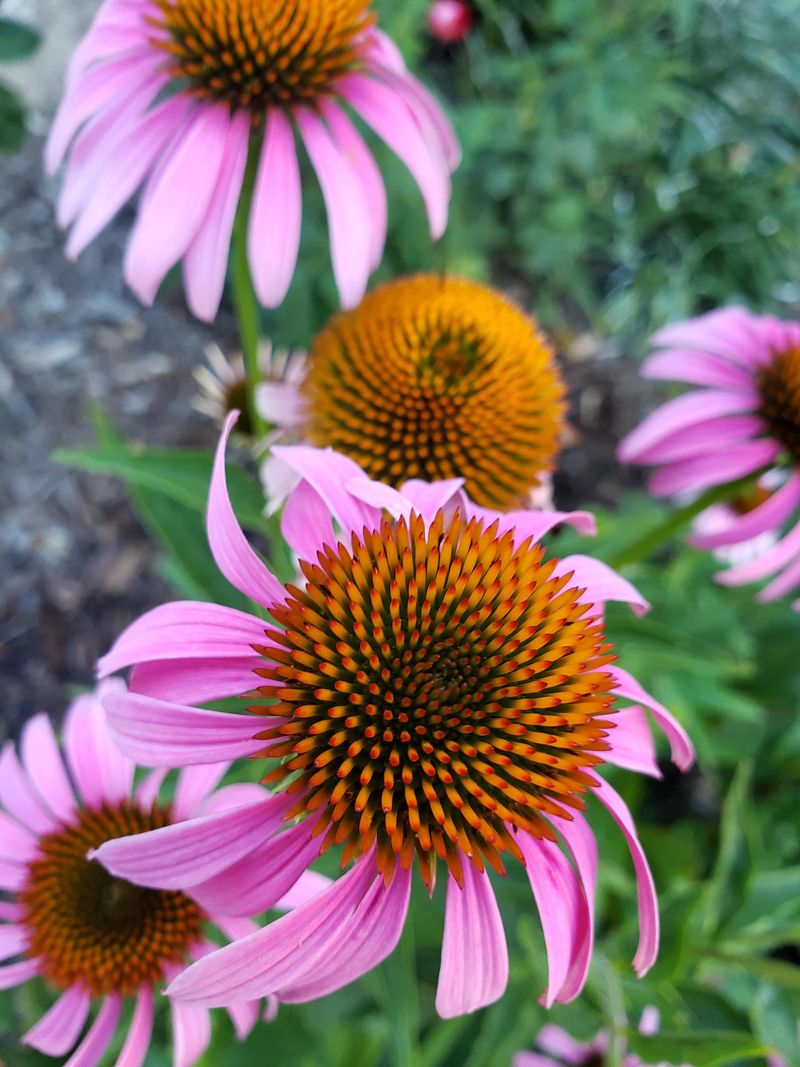
A goldfinch hanging sideways from a dry seedhead can make one brown stem look suddenly worth keeping.
Coneflowers earn that second life after their petals fade.
During bloom, they feed bees and butterflies. Later, the mature cones hold seeds that small birds can pick through during fall and winter. That makes aggressive trimming near the end of summer less useful in a wildlife-focused garden.
Leave a good portion of the healthiest seedheads standing.
You can still remove stems that are diseased, broken, or flopped into a walkway. The point is not to protect every brown stalk. It is to keep enough mature heads available for birds while the garden transitions into its quieter season.
Georgia humidity can bring leaf spots or other fungal issues to coneflowers. Remove heavily affected foliage when needed and keep crowded clumps thinned for better airflow.
Healthy seedheads do not need to disappear just because some leaves look tired.
Wait until late winter or early spring for the larger cleanup.
By then, birds will have had months to work through the seeds, and the border will be close to pushing new growth from the base.
Summer gave you flowers.
Fall gives the birds the leftovers.
For once, leaving the table uncleared is exactly the polite thing to do.
5. Leave Hollow Stems For Insects
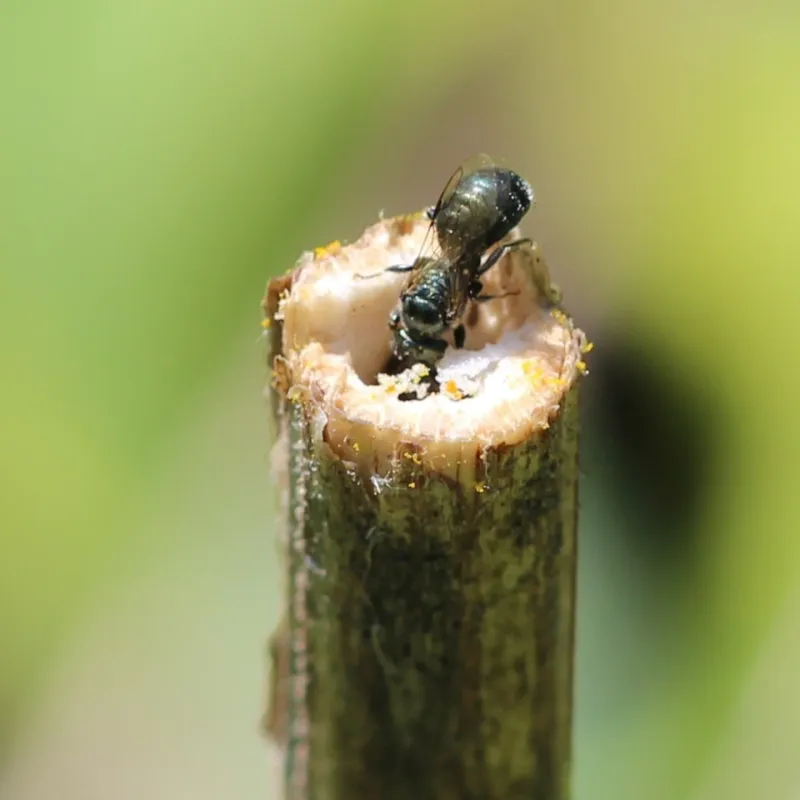
A hollow stem can look empty and still be occupied.
Certain solitary bees and beneficial wasps use hollow or pithy plant stems as nesting sites, which makes a complete fall cutback surprisingly disruptive in the wrong part of the yard.
Save a selection of sturdy stems through winter.
Joe Pye weed, elderberry canes, and other plants with hollow or soft-centered growth can provide useful cavities. Small carpenter bees are especially associated with pithy stems that they can excavate themselves.
Not every stem needs to stay.
Choose clusters in sheltered areas where they will not interfere with paths or look awkward beside a formal entrance. That concentrates habitat while allowing the rest of the garden to stay neat.
When spring cleanup arrives, avoid cutting everything flush.
Leaving portions of stems standing can create fresh nesting openings for bees searching for sites during the new season. Cut sections that come down can also be placed loosely in a sheltered corner for a while instead of immediately shredding or composting them.
Keep the material dry enough to avoid rapid rot.
This is one of the easiest habitat upgrades because you are not buying or building anything.
The nesting material already grew there.
Your only job is to resist turning every useful stem into yard waste before the insects have finished with it.
6. Keep Some Leaf Litter Under Plants
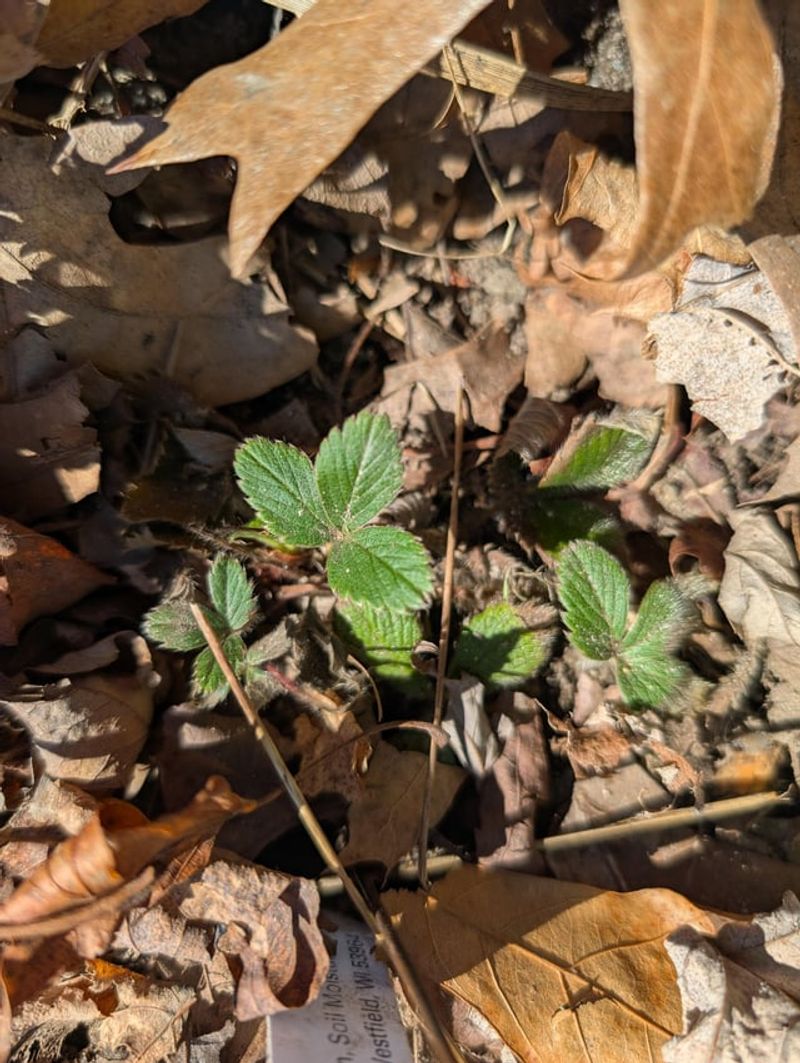
Leaves tucked beneath shrubs are doing more than making the bed look less manicured.
A modest layer of healthy leaf litter creates insulation, holds moisture, and gives many insects protected places to spend the colder months. Some moths and butterflies overwinter among fallen leaves as pupae, caterpillars, or adults.
That makes total removal unnecessary.
Move leaves off lawns, sidewalks, and drainage areas where they cause problems, then use some of them beneath shrubs and perennial beds. A loose layer several inches deep can imitate the forest floor without burying plant crowns.
Whole leaves often provide better habitat structure than material that has been pulverized by a mower.
Keep disease history in mind.
Leaves from plants with serious fungal problems should not automatically become winter mulch around the same bed. Remove confirmed diseased material and use clean leaves from healthy trees instead.
Oak, maple, and other deciduous leaves can become useful garden resources rather than another bag headed toward collection.
They also break down gradually and return organic matter to the soil.
You do not need to let every leaf remain exactly where it lands.
Gathering them into intentional beds and quiet corners keeps the yard functional while preserving shelter.
The rake still gets a job.
It simply becomes a relocation service instead of an eviction crew.
7. Skip Cleanup In Quiet Garden Corners
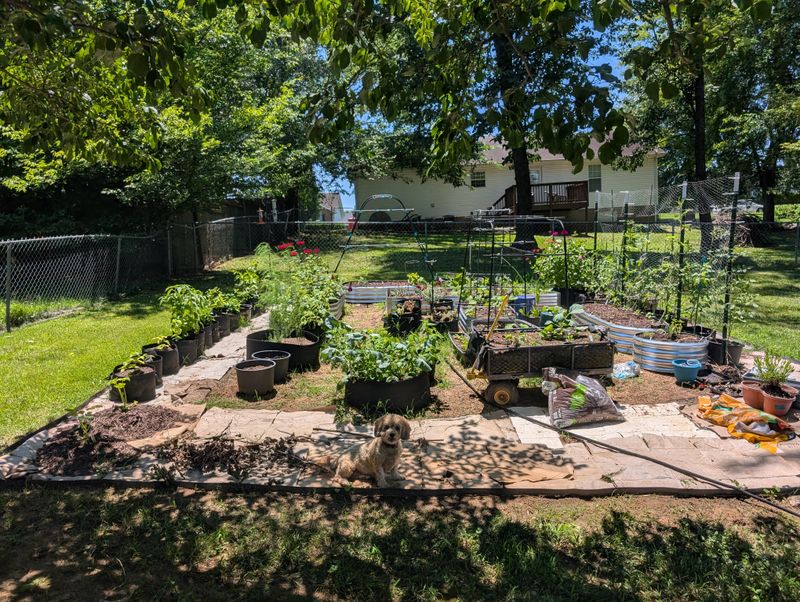
The least-used corner of the yard may be the easiest place to help pollinators all winter.
A strip behind the shed, a back fence bed, or a quiet patch beneath shrubs can become an intentional low-disturbance zone without changing the appearance of the entire landscape.
Leave some stems upright there.
Allow healthy leaves to collect. Avoid deep tilling, aggressive raking, and thick layers of landscape fabric that seal off the soil.
That last point matters because many native bees nest underground rather than inside stems. Small areas of bare or lightly covered, well-drained soil can provide access to nesting sites, while overwintering bumblebee queens may use protected soil and litter nearby.
Keep the habitat patch defined.
A clean border, stone edge, or mown strip around it makes the area look deliberate instead of forgotten. You can keep patios, play areas, and front walks tidy while letting one less-visible section operate under different rules.
Do not pile diseased plant debris there simply because the corner is designated for wildlife. Healthy habitat still needs healthy material.
A few square feet can offer several resources at once: stems, leaves, undisturbed soil, and nearby flowers or shrubs.
That is a lot of ecological value from the part of the yard nobody was using anyway.
Sometimes the best fall garden project is deciding where not to work.
8. Remove Diseased Growth Separately
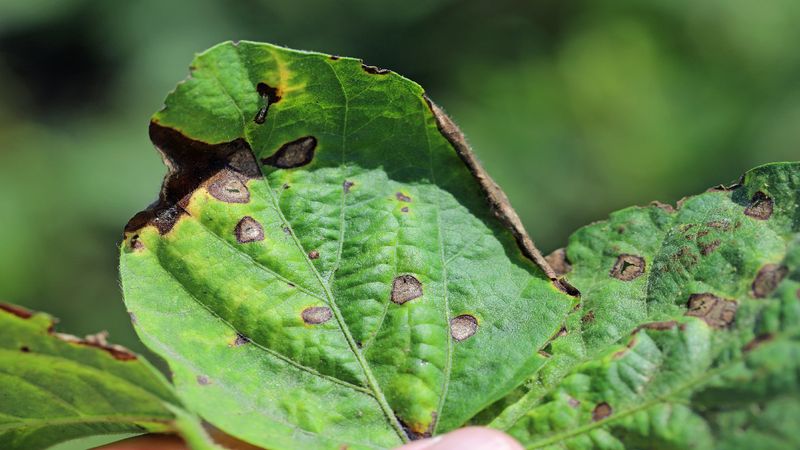
Black spots, fuzzy mildew, and rotting stems change the fall-cleanup rules.
Pollinator habitat should not become a storage area for confirmed plant disease.
Remove heavily infected leaves and stems when they can carry pathogens into the next growing season. Georgia’s humid conditions can favor powdery mildew, leaf spots, and several other problems that persist on plant debris.
That does not mean the whole garden needs to be stripped bare.
Use selective cleanup.
An aster with diseased lower leaves may still have healthy upper stems and late flowers worth leaving. A coneflower with clean seedheads can continue feeding birds even after damaged foliage comes off.
Healthy goldenrod nearby does not need to disappear because another plant developed a problem.
Keep infected material separate from the habitat debris you plan to leave.
Disposal depends on the disease and your local waste or composting system. Home compost piles do not always stay hot enough, long enough, to handle every pathogen reliably.
Clean tools after working with diseases that can spread on blades.
Then leave the healthy structure alone.
This is the one place where “leave everything standing” becomes bad advice.
A wildlife-friendly garden still needs judgment.
Keep the stems, seeds, and leaves that offer habitat.
Remove the material that is mainly offering next year’s disease a comfortable place to spend winter.