This New York Frog Freezes Solid All Winter And Comes Back To Life In Spring
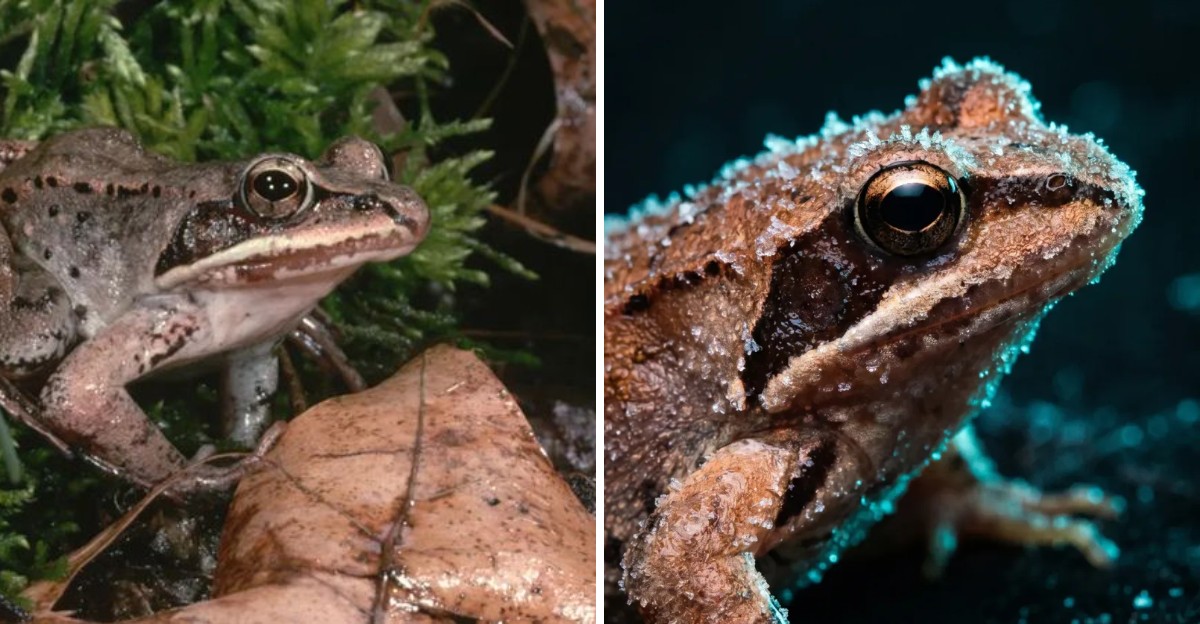
Every winter, a small brown frog in New York freezes into an ice cube and shrugs it off by spring. It sounds like a tall tale, yet it happens in backyards and forests across the state.
The wood frog wears a dark mask, like a tiny bandit. When temperatures plunge, its heart stops and much of its body water turns to ice.
Under a blanket of leaves, it simply waits. When the snow melts, it thaws and heads for the nearest vernal pool.
Scientists study this trick for clues about preserving organs. Your yard habits can help these frogs too, starting with those fallen leaves.
Wood Frogs Overwinter Under Leaf Litter
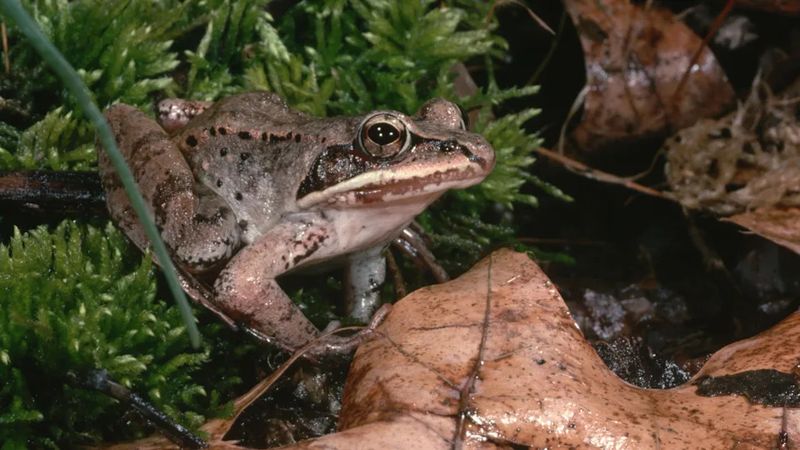
Forget deep burrows and cozy caves for this little amphibian. Wood frogs settle in just a few inches below the forest floor, right under the leaves.
Most pick a shallow dip in the soil’s top organic layer. A thick quilt of fallen leaves then piles on top, creating a soft, damp hideaway.
Many adults travel from their summer ponds to nearby higher ground before winter arrives. They look for spots that stay moist but avoid flooding when snow melts.
Across New York, those spots often sit in mixed woods full of maple, oak, and beech trees. Such trees drop plenty of leaves each fall, which is just what the frogs need.
You might wonder why they stay so close to the surface. Unlike many frogs, wood frogs can handle freezing, so digging deep is not necessary.
Leaf litter still matters a lot, though. It acts like insulation, slowing temperature swings so the frog freezes and thaws more gently.
Snow helps too by adding another layer on top. A deep snowpack keeps the ground temperature steadier than the bitter air above it.
Here is a fun tip for curious hikers. If you walk New York woods in late fall, notice how spongy and thick the leaf layer feels underfoot.
Somewhere beneath your boots, a frog could be settling in for months. Stepping carefully along trails gives these hidden sleepers a better chance.
Leaving logs and leaf piles undisturbed is another simple kindness. Those messy corners of the woods are real winter homes, not just clutter.
Much Of Their Body Water Turns To Ice
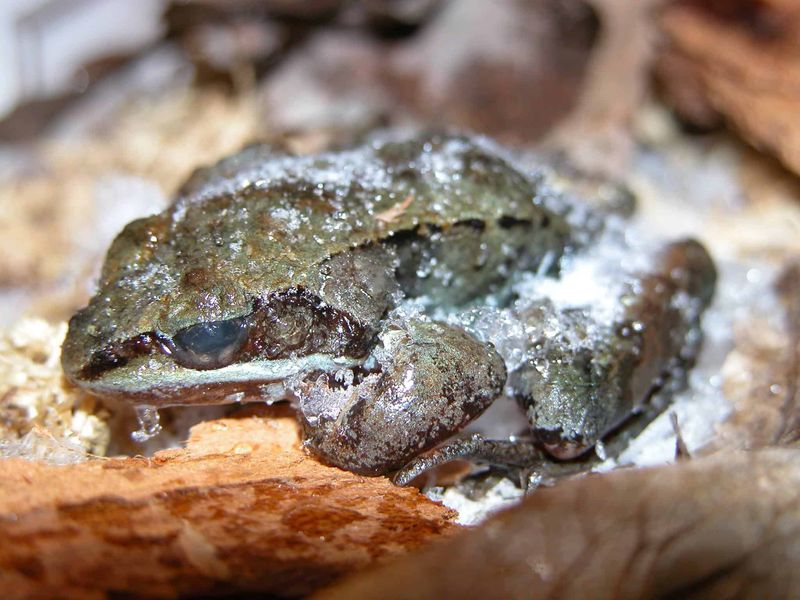
Imagine pulling a frog from the freezer and finding it hard as a pebble. Researchers have done exactly that, and the frog later woke up fine.
Studies show that around 60 to 70 percent of a wood frog’s body water can freeze. Some populations reach closer to 45 percent, depending on where they live.
That is a staggering amount of ice for a living creature. Most animals suffer serious harm if even a little of their body freezes.
So what makes the wood frog different? The secret lies in where the ice forms inside its body.
Ice crystals build up outside the cells, in spaces between organs and tissues. Water collects around the organs, while the cells themselves stay unfrozen.
Why does location matter so much? Ice inside a cell can tear it apart, like water expanding in a glass bottle left outdoors.
By keeping ice on the outside, the frog protects the tiny parts doing the important work. Its cells shrink a bit but stay whole.
Freezing usually starts at the skin when the frog touches ice crystals in the soil. From there, it spreads inward over many hours.
Here is a cool kitchen comparison to try. Freeze a grape and a glass of water, then notice how ice changes shape and pushes outward.
That simple test shows why ice placement is such a big deal. The wood frog figured out a clever workaround millions of years ago.
Their Heart And Breathing Stop Completely
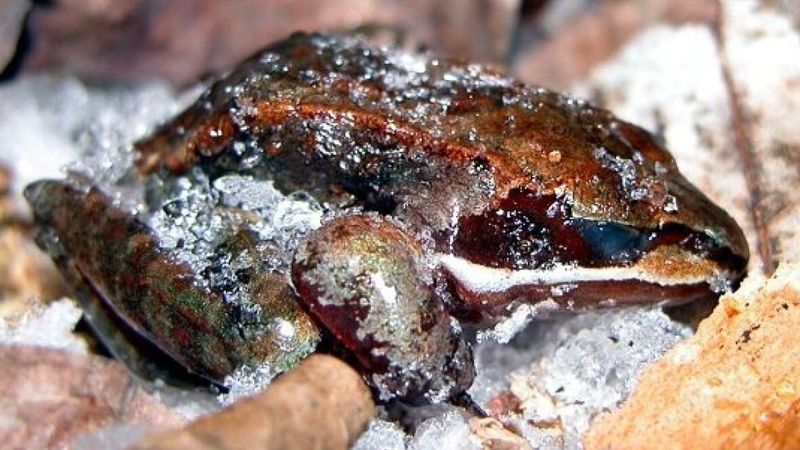
Here is where things get downright spooky. Once frozen, a wood frog shows no heartbeat, no breathing, and no blood flow at all.
Scientists call this state suspended animation. The frog is not gone, but every sign we normally check for has paused.
Muscles stop moving, and the body feels stiff as a frozen leaf. Even the eyes may look white because the lenses inside them freeze.
If you found one in this state, you would probably think the worst. Yet that quiet, icy body is simply waiting for warmer days.
How can anything survive without oxygen for weeks? The frog’s cells slow their activity way down, needing very little energy.
Think of it like turning a computer to sleep mode instead of shutting it off. Everything stays saved, just barely humming along.
Doctors find this fascinating for good reason. Learning how wood frogs handle frozen pauses could someday help store human organs longer for transplants.
Right now, donated hearts and kidneys only last a short time outside the body. Nature’s freeze trick might point toward new solutions.
So what should you do if you spot a frozen frog in your yard? Leave it alone and cover it gently with leaves.
Bringing it inside to warm up quickly can do more harm than good. Patience is the kindest choice, since spring will handle the rest.
Sugar Acts As Natural Antifreeze In Their Cells
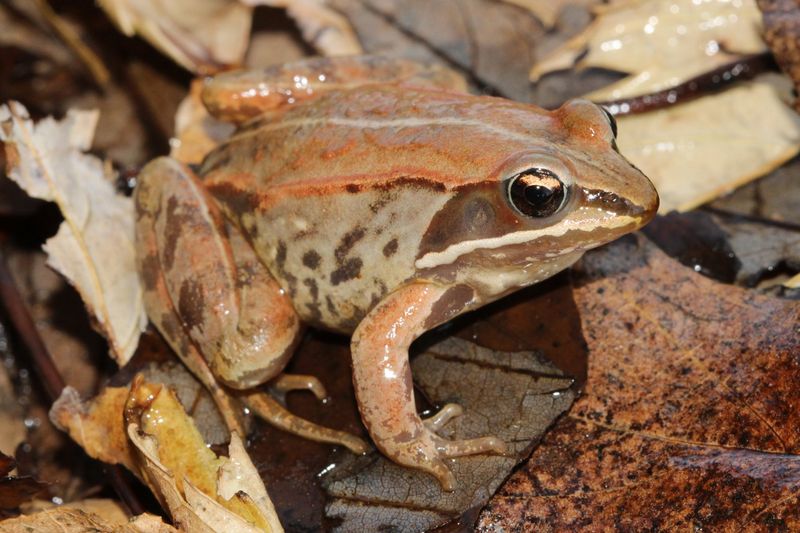
Who knew a sweet tooth could save your life? For wood frogs, sugar is the hero of the whole freezing story.
When ice starts forming on the skin, the frog’s liver jumps into action. It quickly breaks down stored glycogen and turns it into glucose, a simple sugar.
That glucose rushes through the bloodstream to cells all over the body. Once inside, it lowers the freezing point and helps keep ice out.
Another substance called urea joins the effort. Together, these two act much like the antifreeze people pour into car engines.
Here is the wild part. Wood frog blood sugar can climb to about 100 times its normal level during freezing.
For humans, even a few times higher than normal would cause serious health trouble. Wood frogs handle this sugar flood without any lasting problems.
Scientists call substances like this cryoprotectants. The word simply means something that protects against freezing damage.
Frogs prepare in fall by eating plenty of insects, worms, and spiders. Their livers store energy all season so the sugar supply is ready.
A well-fed frog has better odds of making it through winter. That is one more reason healthy yards full of bugs matter.
Want a simple tip? Skip heavy pesticide use in fall so frogs can feast before bedtime.
Every beetle and earthworm helps fill their sugar tank. You are basically stocking their winter pantry.
They Thaw And Revive As Spring Warms Up
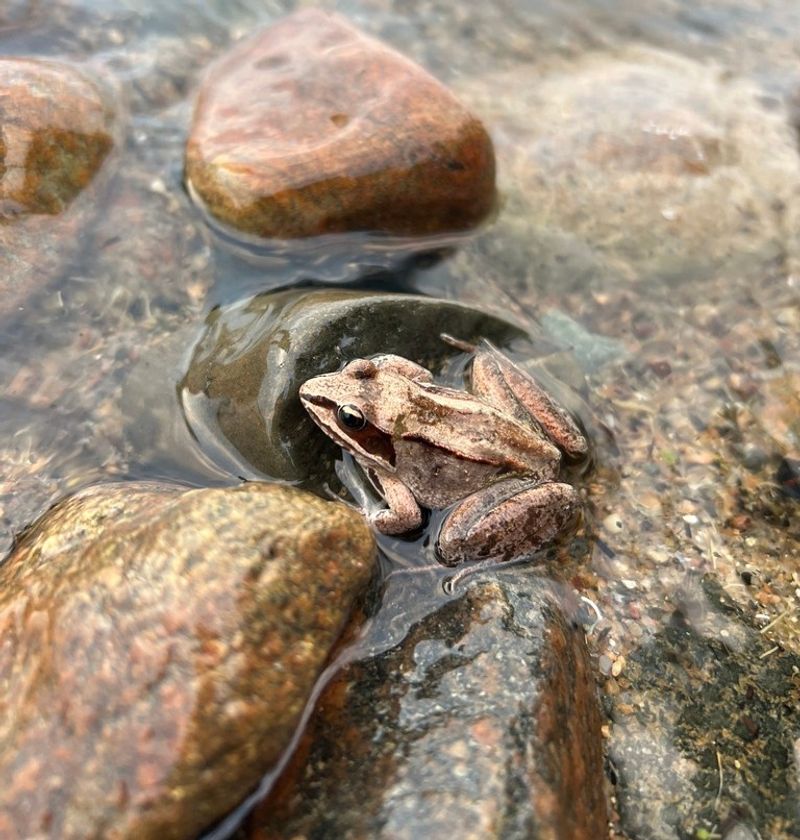
Every spring, a quiet miracle unfolds beneath melting snow. Frozen frogs slowly soften, and life switches back on one step at a time.
Thawing tends to happen fast, often within a day or two. The process runs from the inside out, which is the reverse of freezing.
First, the heart gives a flutter and starts beating again. Breathing returns next, followed by blood flow and finally muscle movement.
Within hours, a frog that seemed lifeless can blink and stretch. Soon it is hopping across the forest floor looking for water.
Here is a surprising bonus fact. Wood frogs can freeze and thaw several times during one winter.
Mild days in January or February sometimes warm the soil enough to thaw them. Then a cold snap arrives, and they freeze right back up.
Each cycle costs energy, so frogs need good fat and sugar reserves. Steady snow cover helps reduce these risky swings.
Winters can bounce between thaws and deep cold quite often. A thick leaf layer acts like a buffer during those ups and downs.
If you enjoy nature watching, mark your calendar for the first warm, rainy nights of early spring. Frogs often move in big numbers then.
Drive slowly on wooded roads near ponds during those evenings. Many frogs cross pavement on their way to breeding pools.
Some New York towns even organize volunteer crossing brigades. Joining one is a fun way to help.
They’re Among The First Frogs To Call In Spring
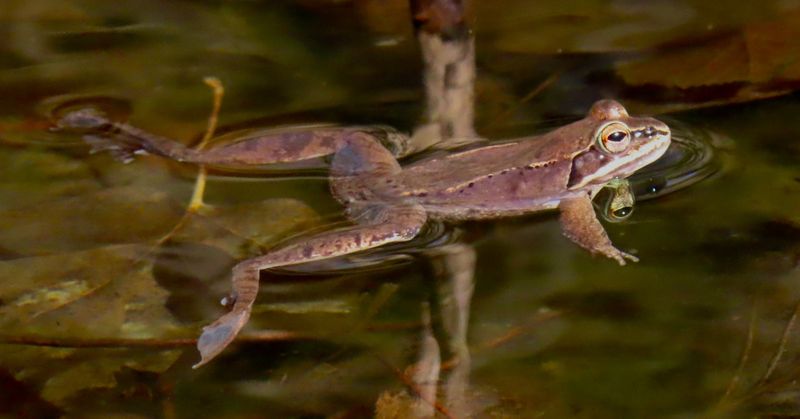
Quack, quack, chuckle? Walk past a woodland pond in early spring, and you might swear a flock of ducks is hiding nearby.
That sound actually comes from male wood frogs calling for mates. Their raspy, clucking chorus is one of the earliest signs of spring in New York.
These frogs often show up at ponds right after the snow melts. Sometimes patches of ice still float on the water while they sing.
Why rush so early? Wood frogs breed in vernal pools, which are temporary ponds that fill with snowmelt and spring rain.
Such pools usually dry up by summer. Tadpoles need to grow into froglets before their watery nursery disappears.
Vernal pools have one big perk, though. They lack fish, so eggs and tadpoles face fewer hungry predators.
Females lay clumps of eggs, often grouped together in one sunny corner. A single pool can hold hundreds of egg masses within days.
The whole breeding season is short, sometimes lasting only a week or two. Blink, and you might miss the show.
Here is a fun family activity. On a mild evening in March or April, visit a quiet wetland and just listen.
Bring a flashlight and boots, and keep your distance from the water’s edge. Recording the sound on your phone makes a great keepsake.
Some groups also run frog call surveys. Volunteers help scientists track how frog populations are doing.
Raking Every Leaf Removes Their Shelter
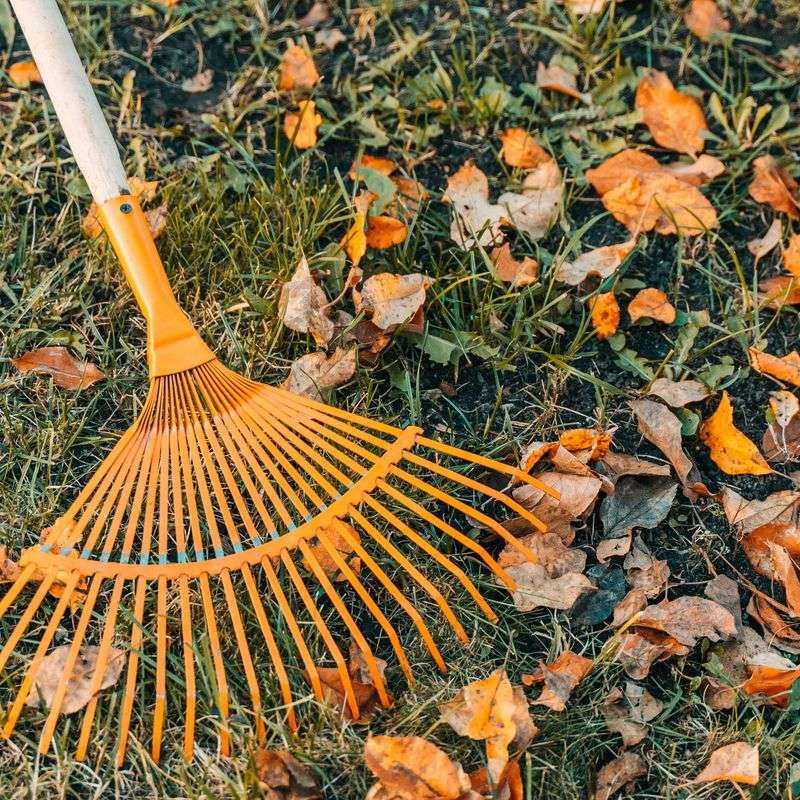
Picture a perfectly bare lawn in November, every leaf bagged and hauled away. It looks tidy to us, but for a wood frog it is a disaster.
Fallen leaves are more than yard waste. They form the blanket that shields frogs and countless small creatures from harsh winter cold.
Removing that layer leaves the ground exposed. Temperatures swing wildly, and hiding animals lose their insulation and cover.
Frogs are not the only ones affected. Butterflies, moths, beetles, and spiders also spend winter tucked inside leaf litter.
There is another risk worth knowing about. Frogs hiding in leaf piles can be hurt by rakes, leaf blowers, and mowers.
Leaf vacuums and shredders are especially rough on small animals. Anything caught inside gets chopped up along with the leaves.
Suburban yards across the state add up to a lot of land. When most of it gets scraped clean, wildlife loses huge amounts of habitat.
Bagged leaves also fill landfills, where they break down slowly and release gases. Keeping them on site is better for the planet too.
None of this means you must give up yard work entirely. A few small changes can strike a nice balance.
Try raking leaves off paths and patios but stopping there. Use a rake instead of a blower for gentler handling.
Check piles before moving them, especially in late fall. A quick peek might reveal a sleepy frog needing a new spot.
Leaving Leaves Under Shrubs Helps Them Survive
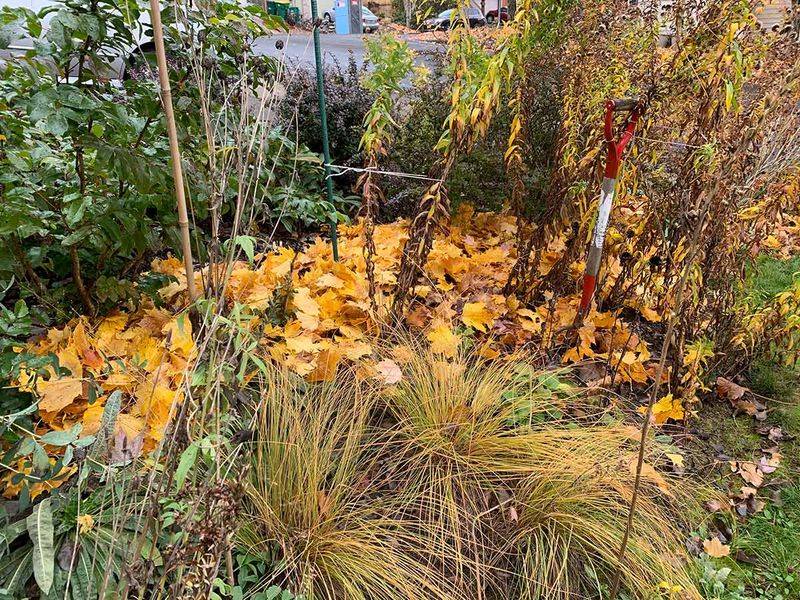
Good news for anyone who dislikes raking. Doing a little less yard work might be one of the best gifts you give local wildlife.
Leaving leaves under shrubs and in garden beds creates instant winter shelter. Frogs can settle beneath them, safe from cold and hungry predators.
Think of it as building a free frog hotel. No tools, no money, and almost no effort are required.
Leaves also feed your soil as they break down. By spring, they turn into rich mulch that helps plants grow stronger.
Gardeners often notice fewer weeds and moister soil too. It is a win for flowers, frogs, and busy homeowners alike.
Here are a few easy ideas to try this fall. Rake lawn leaves into beds rather than bagging them.
Aim for a layer about two to four inches deep. Too thin offers little warmth, while too thick near the house can trap moisture.
Add a small brush pile or a fallen log in a back corner. Such spots give extra hiding places for frogs, toads, and salamanders.
If neighbors ask questions, a small sign helps. Something like Leaves Left For Wildlife can spark friendly conversations.
Many communities in New York now encourage leaving leaves for nature. Your yard can join that growing movement.
Come spring, listen for quacking calls near local ponds. That sound might just be a frog your leaves helped protect.