This Georgia Native Plant Can Help Keep Sloped Yards From Washing Out
A sloped yard can lose more than a little soil after a strong summer downpour. Watch the same spot after several storms, and the change can become hard to ignore.
Instead of leaving that bare ground exposed, put plant roots to work. The right native choice can help hold soil where you actually want it.
That can be especially useful in Georgia, where heavy rain may send water rushing down an unprotected slope. A living cover also looks far better than washed-out ground.
Do not choose a plant based on appearance alone. How it grows below the surface matters when erosion is your main concern.
One native option brings exactly that kind of practical value to difficult areas.
Planting it will not stop every bit of runoff, but it can give a vulnerable slope valuable support while adding natural beauty to your yard.
1. Green And Gold Forms A Thick Cover On Slopes
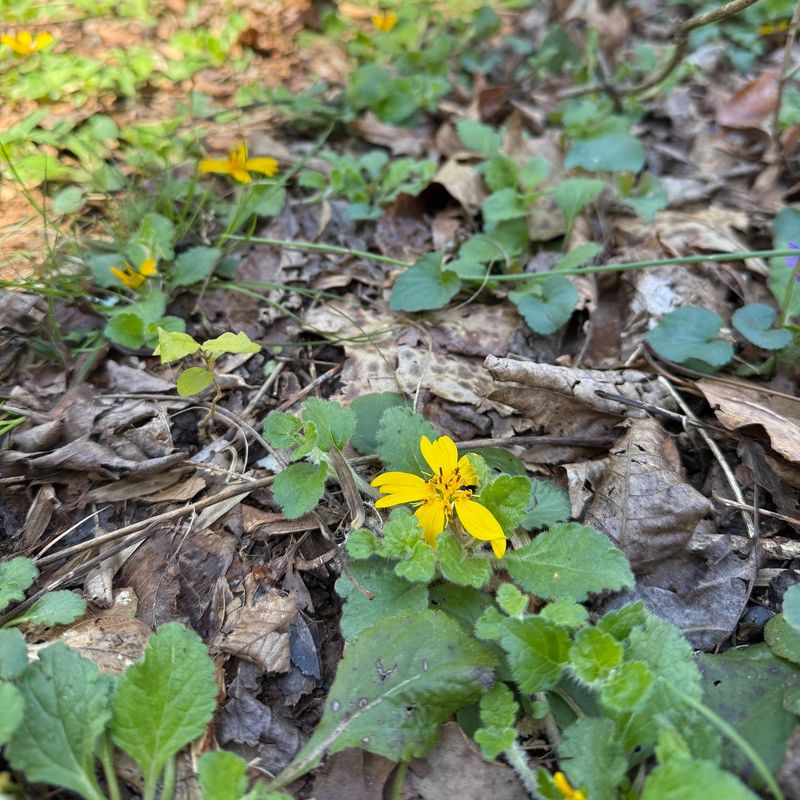
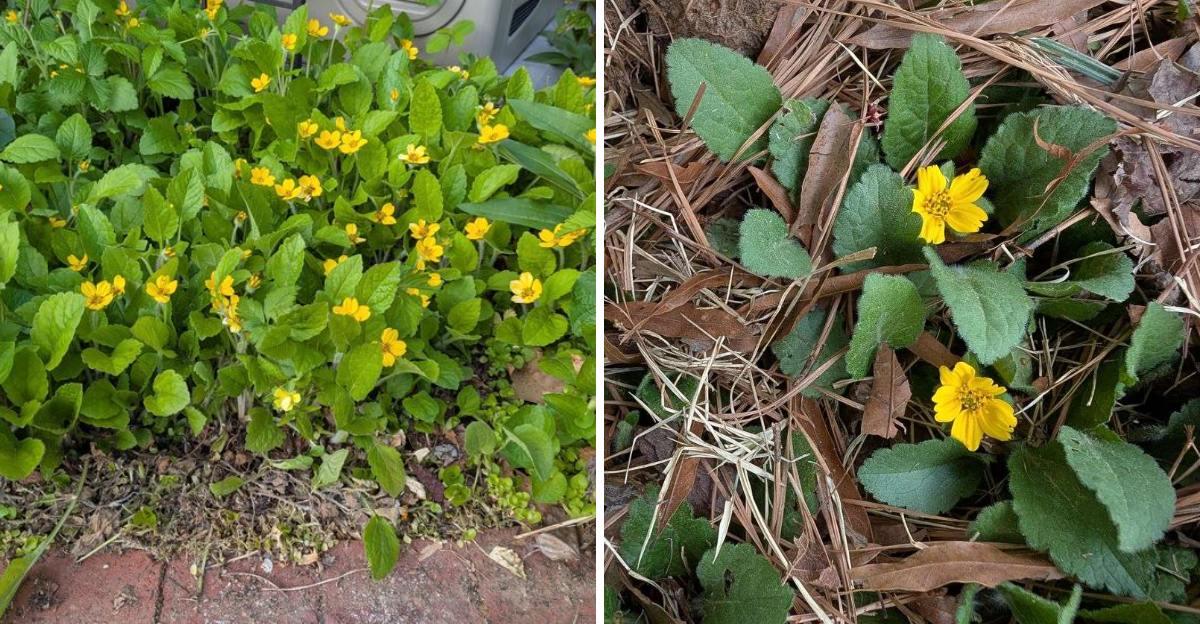
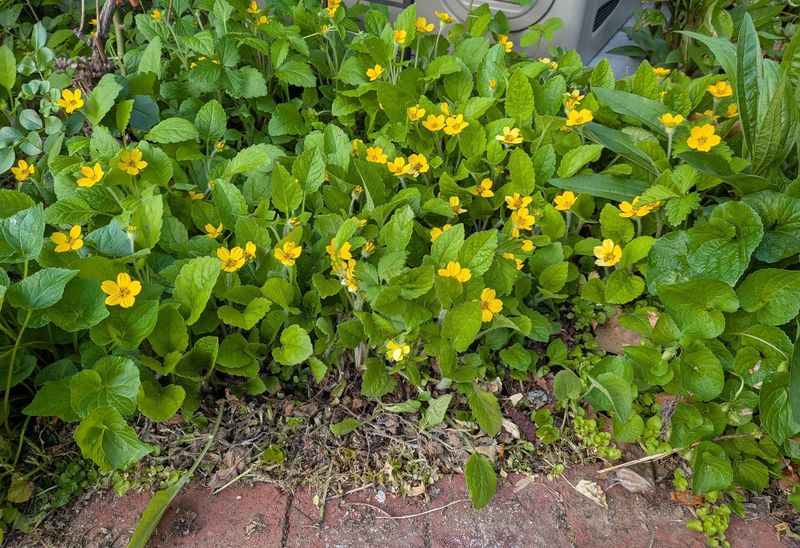
Bare slopes do not stand a chance once Green and Gold gets moving. Given a season or two, this low-growing native spreads into a solid mat that blankets the ground from edge to edge.
Chrysogonum virginianum stays low, usually reaching only six to nine inches tall.
That compact habit keeps it pressed close to the soil surface, which is exactly where you need coverage on a slope.
Yellow star-shaped flowers pop up from spring through early summer, and sometimes again in fall. Beyond looking cheerful, those blooms signal a healthy, actively spreading plant that is doing its job.
Ground cover plants earn their reputation by filling space efficiently.
Green and Gold does that without becoming invasive or taking over areas where you do not want it.
Slopes that once looked patchy and rough can look tidy within a growing season under the right conditions. Soil type, sunlight, and moisture all affect how quickly coverage fills in, so results vary.
Gardeners across the Southeast often reach for this plant when other ground covers struggle. Its native roots mean it is adapted to local rainfall patterns and summer heat, giving it a reasonable advantage over non-native alternatives on challenging terrain.
2. Spreading Roots Help Hold Loose Soil In Place
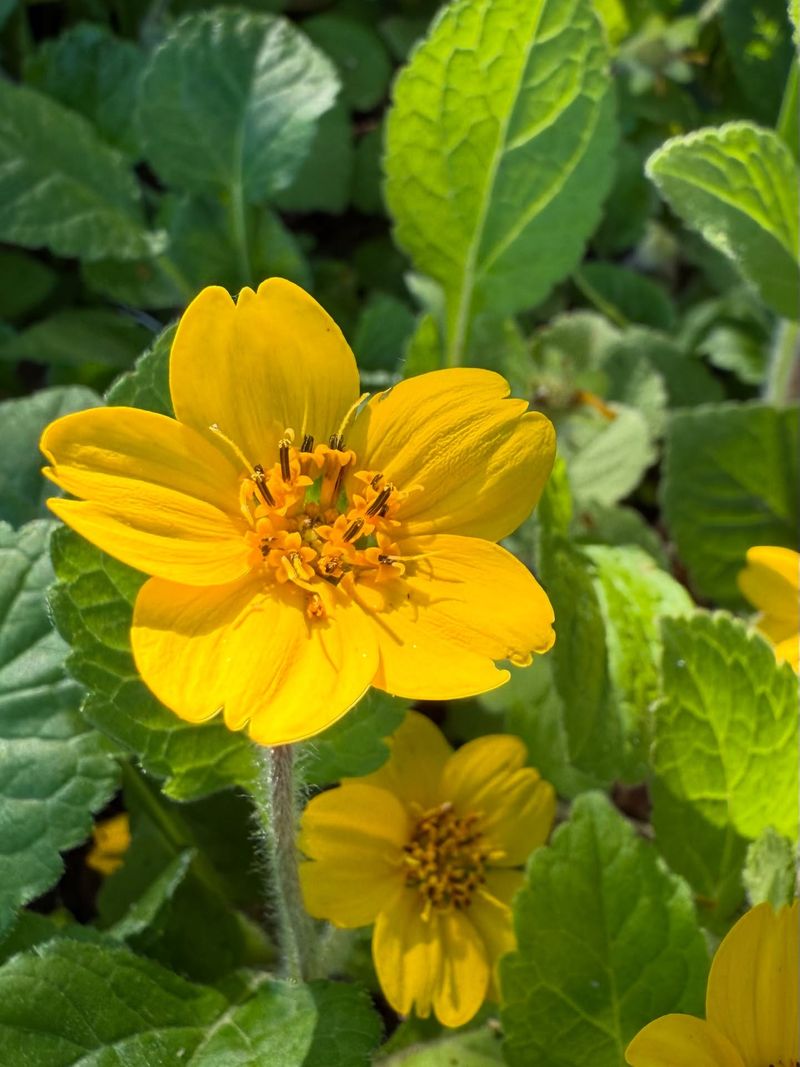
Roots are doing the real work on any eroding slope. With Green and Gold, a fibrous root network spreads outward as the plant expands, weaving through the upper soil layer and creating a natural anchor.
Shallow, loose soil on hillsides shifts easily during heavy downpours.
Fibrous roots act like a mesh just beneath the surface, giving soil particles something to grip instead of sliding downhill with runoff.
Green and Gold spreads through short runners called stolons.
Each stolon sends down its own roots when it touches soil, multiplying anchor points across the slope over time.
More anchor points mean better overall soil stability. A single plant eventually produces dozens of rooted connections, turning one small start into a wide, interconnected network across the hillside.
Root depth on this plant is modest, typically staying within the top few inches of soil. That is enough for stabilizing surface erosion, though steep slopes with severe erosion may need additional support measures.
Your Georgia Garden Changes Every Week. Your Plan Should Too.
Gardening in Georgia changes quickly throughout the season. Every Friday you’ll receive a simple weekly plan showing exactly what to plant, prune, fertilize, harvest, and protect so you never miss the right timing.
Pairing Green and Gold with deeper-rooted native shrubs can address both surface and subsurface erosion concerns.
Using layers of plants with different root depths gives slopes a stronger, more complete defense against washout over the long term.
3. Low Leaves Soften The Force Of Heavy Rain
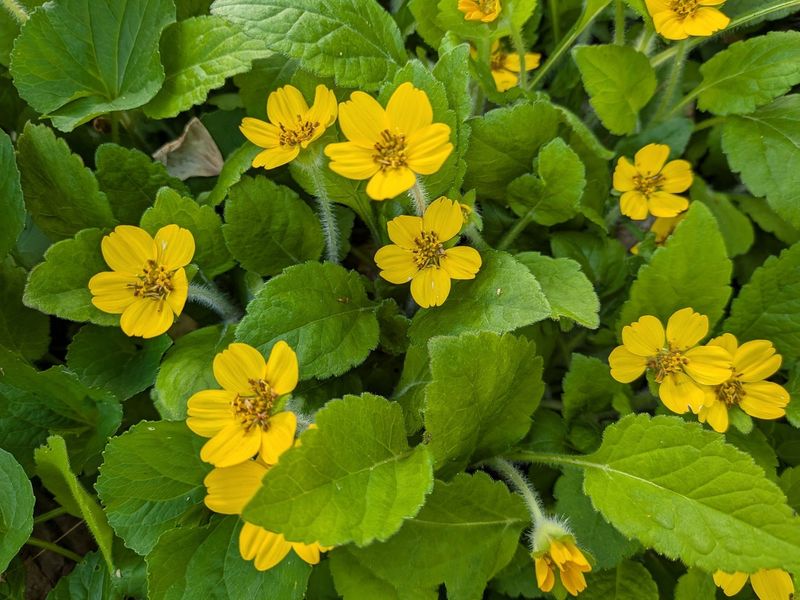
Raindrops hit bare soil with surprising force. Each drop compacts the surface slightly, breaks up soil structure, and sends fine particles moving downhill with the flow of water.
Green and Gold intercepts that impact before it reaches the ground.
Dense, low-lying leaves act as a buffer, catching drops and slowing them down so water trickles to the soil rather than hammering it.
Leaf canopy coverage matters more than most gardeners realize.
Even a modest layer of foliage between falling rain and exposed soil can meaningfully reduce surface erosion during a hard storm.
Chrysogonum virginianum leaves stay semi-evergreen in Georgia, meaning coverage does not disappear entirely in winter. Some foliage persists through cooler months, offering limited but real protection during winter rain events.
Combined with a layer of mulch underneath, the foliage creates a two-stage buffer. Rain hits leaves first, then mulch, then soil.
Each layer absorbs energy and slows water movement across the slope.
Gardeners who have dealt with muddy runoff streaking across their driveways after storms often notice a real difference once ground cover fills in.
Reduced splash erosion is not always dramatic, but it adds up over many rain events through the season.
4. Partial Shade Works Well For This Native Plant
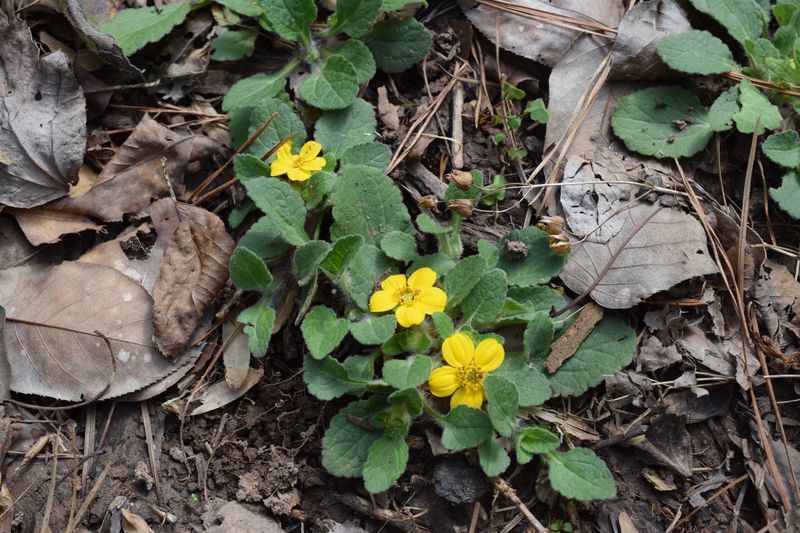
Shady slopes present a real challenge. Most erosion-control plants want full sun, leaving gardeners with north-facing banks or tree-shaded hillsides without many reliable options.
Green and Gold thrives in partial shade, making it one of the more versatile native ground covers for difficult spots. It performs well under deciduous trees, along shaded fence lines, and on slopes that only get a few hours of direct sun each day.
Too much deep shade can slow its spread and reduce flowering.
Spots with two to four hours of direct sun or consistent bright indirect light tend to produce the best results.
Full sun is tolerable in cooler months, but intense summer sun in the Southeast can stress the plant if soil moisture is not adequate. Afternoon shade during peak summer heat often helps it stay healthier.
Woodland edges are a natural fit.
Planting along the transition between a sunny lawn and a shaded tree line gives Green and Gold the light balance it tends to prefer.
Observing how light moves across your slope throughout the day helps with placement decisions.
A spot that looks shady in the morning may receive strong afternoon sun, which changes how the plant responds and how much water it needs to stay in good condition.
5. Well-Drained Ground Gives It The Right Growing Conditions
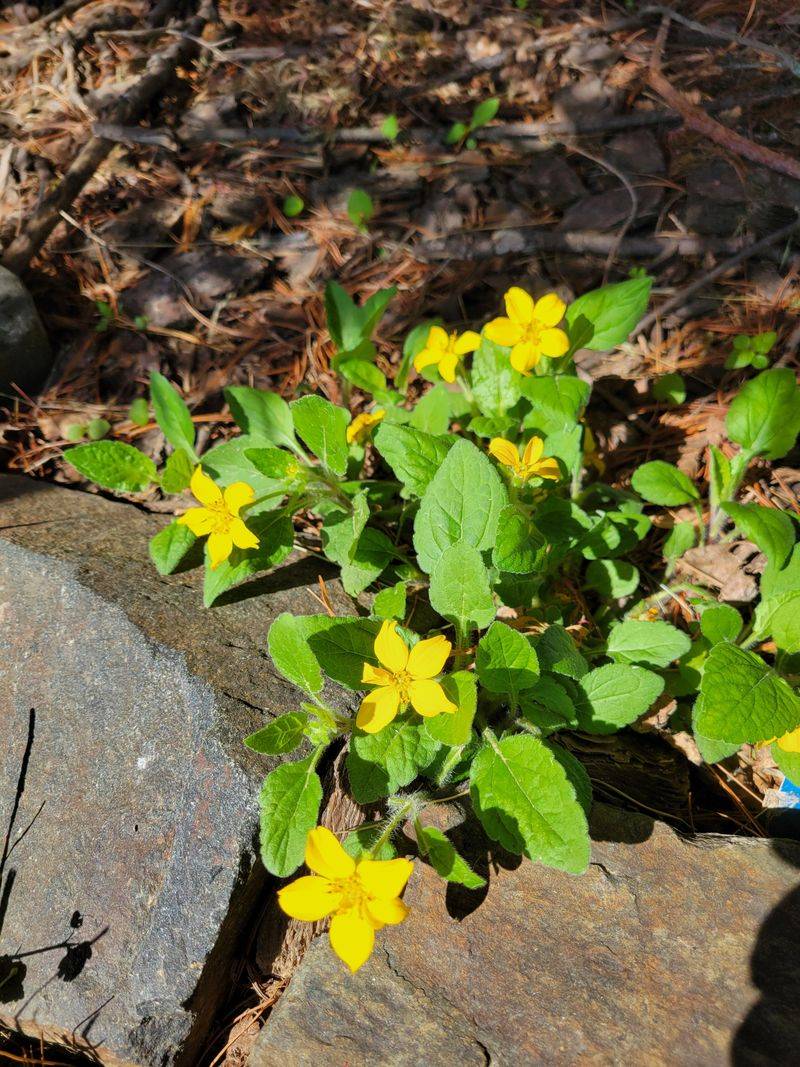
Soggy soil is where Green and Gold runs into trouble. Roots sitting in standing water struggle to stay healthy, and a plant under stress spreads slowly or stops spreading at all.
Well-drained soil, even if it is on the lean side, suits this plant well.
Sandy loam, rocky hillside soil, and clay-based ground that drains reasonably after rain are all workable starting points.
Heavy clay that holds water for days after a storm creates a tougher environment.
Amending planting holes with compost and coarse material can improve drainage enough to give new plants a better start.
Slopes naturally drain faster than flat ground. That characteristic actually works in Green and Gold’s favor, since water moves through quickly without pooling around the roots.
Soil pH in the moderate range, roughly 5.5 to 6.5, tends to produce healthy plants.
Georgia soils often fall within that range naturally, though testing your soil before planting removes guesswork.
Avoid adding heavy fertilizer during establishment. Rich soil encourages lush but sometimes weak growth.
Lean, well-drained conditions push the plant to spread steadily at a sustainable pace, which is more useful on a slope than fast, soft growth that does not hold up well under stress.
6. Water New Plants Regularly Until They Settle In
New plants need consistent moisture before their roots spread far enough to fend for themselves.
Skipping watering during the first few weeks after planting puts young Green and Gold at real risk of failing to establish.
A good rule of thumb is watering every two to three days during the first four to six weeks, adjusting based on rainfall and temperature. Hot, dry stretches call for more frequent attention.
Watering slowly and deeply encourages roots to reach downward rather than staying near the surface. Shallow watering produces shallow roots, which do less for soil stabilization on a slope.
Soaker hoses work well on slopes because they deliver water slowly at the base of plants without causing runoff. Sprinklers on slopes often send water sheeting downhill before it soaks in properly.
Once established, Green and Gold becomes noticeably more drought-tolerant.
Supplemental watering during extended dry spells still helps, but the plant can handle periods without rain better than it can during its first season.
Pay attention to leaf appearance as a guide. Slightly wilted or dull-looking foliage in the morning, rather than late afternoon, often signals the plant needs water.
Catching that early makes recovery easier and keeps establishment on track through the growing season.
7. Mulch Around New Plants Until The Ground Fills In
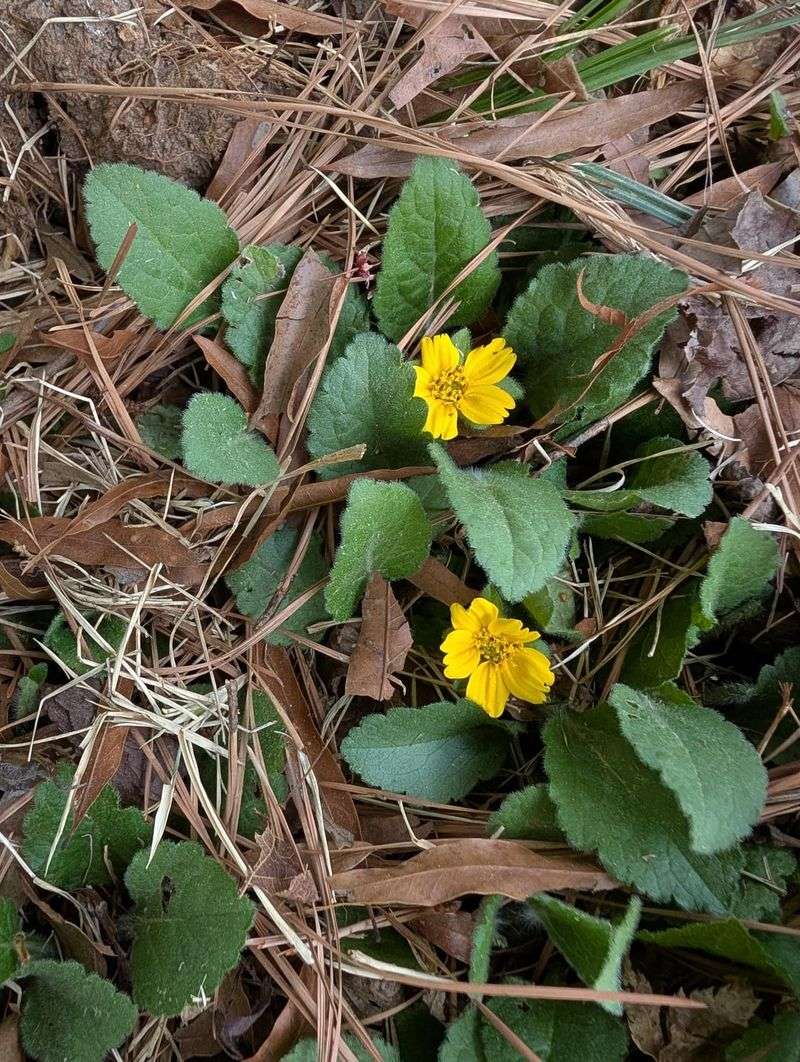
Gaps between new plants are the most vulnerable spots on a freshly planted slope. Before Green and Gold fills in, bare soil in those gaps is exposed to every raindrop and runoff event that comes through.
Mulching between plants bridges that gap.
A two to three inch layer of shredded bark or leaf mulch covers exposed soil, slows water movement across the slope, and holds moisture around young roots at the same time.
Avoid piling mulch directly against plant stems. Keeping mulch an inch or so away from the base of each plant reduces the chance of stem problems caused by trapped moisture.
Organic mulch breaks down over time and improves soil structure as it decomposes.
That gradual improvement can benefit Green and Gold as its root network expands through the season and into the following year.
As the plant spreads, it naturally shades out the soil between clumps. Mulch becomes less critical once coverage reaches about seventy percent, though topping it off annually still helps in thin spots.
Straw is another option for slopes and tends to stay in place better than some bark products on steeper grades. Whichever material you choose, the goal is keeping bare soil covered until the plant takes over that job on its own.