This Oregon Patio Plant Pulls Double Duty Against Ticks And Mosquitoes
If you have ever sat on your Oregon patio at dusk and watched mosquitoes swarm in from the damp edges of your yard, you already know how fast a nice evening can go sideways.
Ticks are another concern, especially near brushy borders, overgrown ground cover, and shady clutter where moisture lingers.
Oregon’s mild, wet climate makes it easy for both pests to find cozy spots close to your home, and most of the solutions people reach for, sprays, citronella candles, chemical treatments, work temporarily at best.
There is a patio plant that takes a completely different approach.
It does not chase pests away with a chemical barrier. It simply changes the conditions around your outdoor space so that pests have less reason to show up in the first place.
Oregon State University Extension research backs up the idea that dry, aromatic, well-maintained patio conditions are genuinely less attractive to ticks and mosquitoes than damp, cluttered ones.
This particular plant excels at creating exactly those conditions, and it does it while looking beautiful, feeding pollinators, and asking almost nothing from you in return.
Here are a few reasons why this Oregon patio plant pulls double duty against ticks and mosquitoes.
Lavender Is The Patio Plant
A sunny spot on your Oregon patio just found its perfect match.
Lavender thrives in the kind of bright, dry conditions that Pacific Northwest summers can offer once the rain lets up.
Unlike fussier herbs that need babying, lavender actually prefers to be left a little on the dry side, which makes it one of the easiest container plants for west-facing or south-facing patios in the region.
Oregon State University Extension notes that lavender is well-suited to Oregon’s climate, especially in the Willamette Valley and southern Oregon where summers are warm and relatively dry.
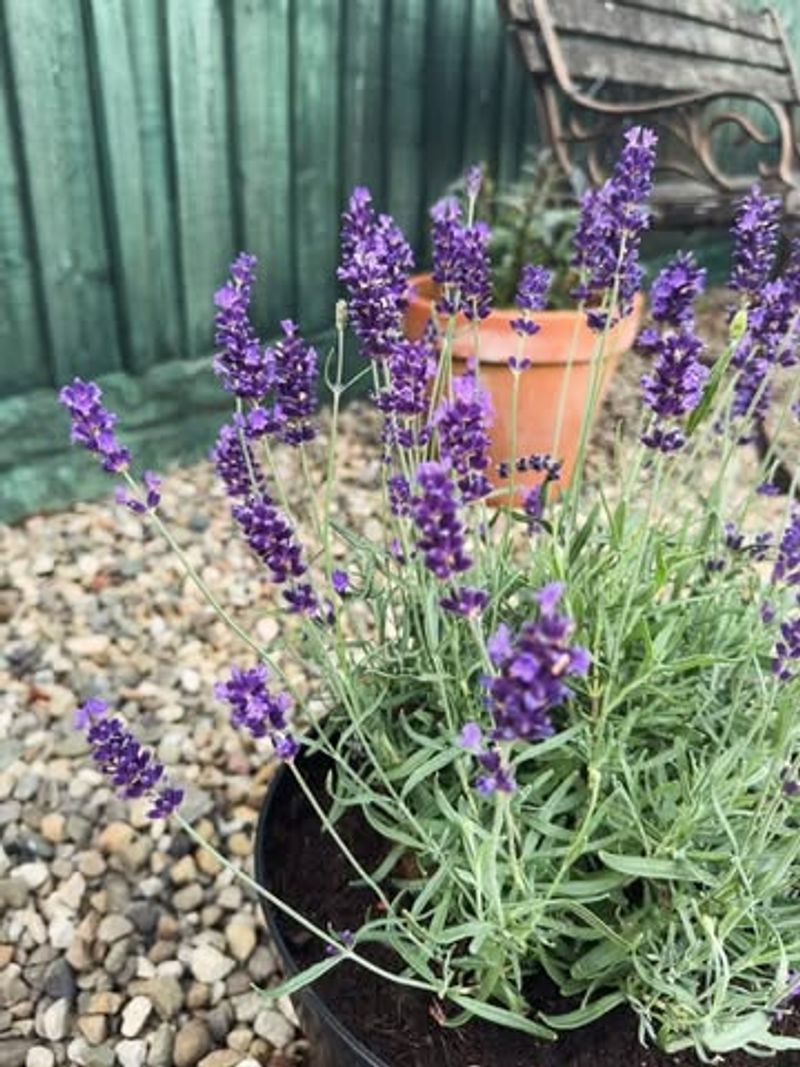
It grows compactly in a pot, stays tidy with minimal effort, and puts out those signature purple flower spikes that look sharp against cedar decking or stone pavers.
Lavender is not a one-trick herb.
Yes, it smells wonderful. But it also creates a dry, sunny microclimate right where it sits.
That matters more than most people realize when thinking about pests. Ticks and mosquitoes are drawn to moisture and shade. Lavender, by its very nature, works against both of those conditions simply by being what it is.
Placing a pot or two at the edges of your patio, especially near brushy borders or shaded corners, starts shifting the environment in your favor.
It is a small change with a surprisingly useful ripple effect for your outdoor space.
Dry Pots Discourage Tick Cover
Ticks are not random wanderers. They hang out in specific spots, and those spots almost always share a few things in common: shade, moisture, and something to brush against.
Leaf piles, overgrown grass edges, damp mulch, and cluttered corners near your patio are prime real estate for them.
A pot of lavender planted correctly is basically the opposite of all that.
Oregon State University Extension points out that ticks in Oregon, including the western black-legged tick, prefer humid, shaded environments.
Your Oregon Garden Changes Every Week. Your Plan Should Too.
Gardening in Oregon changes quickly throughout the season. Every Friday you’ll receive a simple weekly plan showing exactly what to plant, prune, fertilize, harvest, and protect so you never miss the right timing.
They do not thrive on hot, dry, open surfaces. When you plant lavender in a well-draining container with gritty or sandy potting mix, you are creating a dry zone that ticks have little interest in exploring.
The pot itself, sitting in full sun, stays warm and dry on the surface throughout the day.
The key is choosing the right container setup.
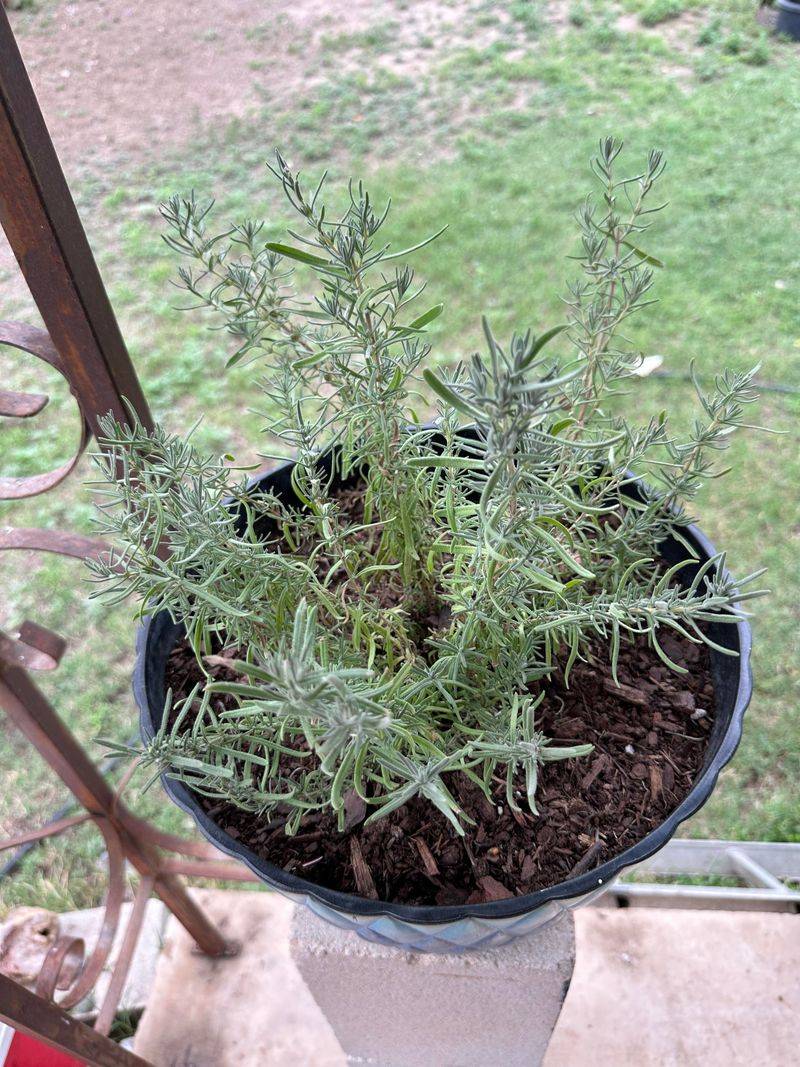
Use a terracotta or unglazed ceramic pot with drainage holes. Fill it with a mix designed for Mediterranean herbs, something that drains quickly and does not hold onto moisture.
Avoid placing a saucer under the pot that collects standing water, since that becomes a problem rather than a solution.
Grouping a few lavender pots along the sunny edge of your patio creates a line of dry, open, aromatic ground that gives ticks very little reason to linger.
Strong Scent Helps With Mosquitoes
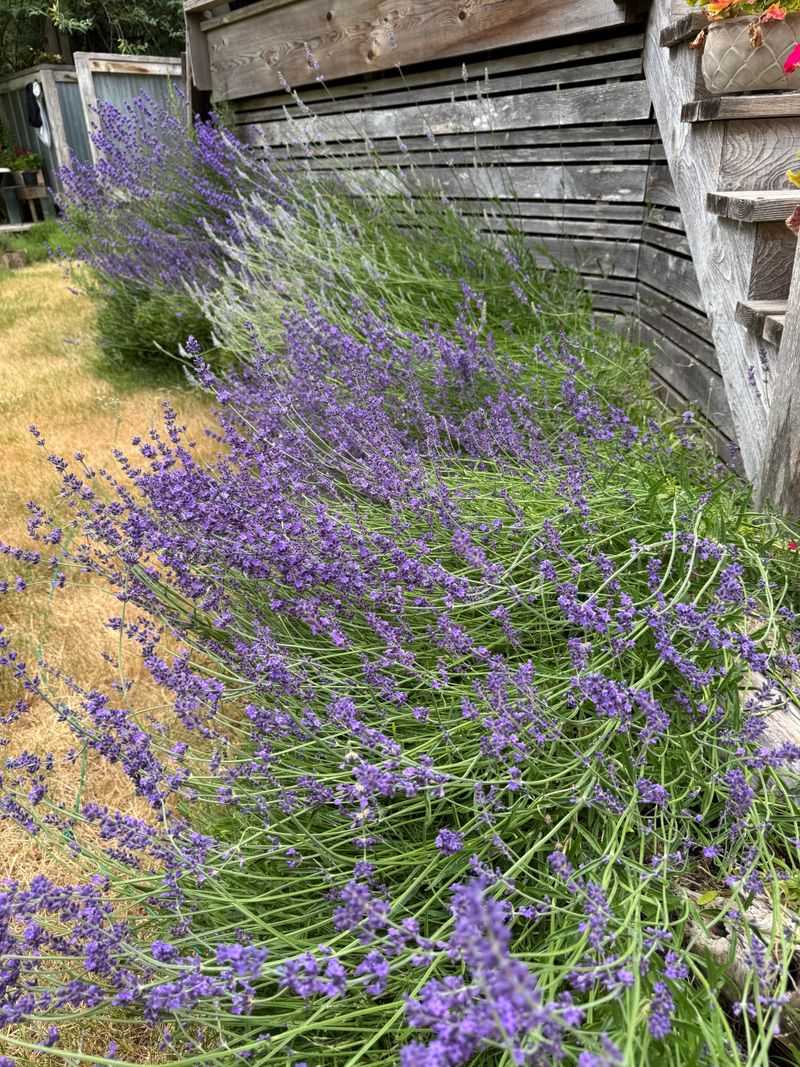
Rub a lavender stem between your fingers and that sharp, clean scent hits immediately.
That fragrance comes from linalool and other volatile compounds found in the plant’s essential oils.
Mosquitoes rely heavily on scent to locate hosts, and several studies have found that lavender’s aromatic compounds are genuinely unappealing to them, causing them to avoid the area around the plant.
Oregon State University Extension’s integrated pest management guidance on mosquitoes emphasizes that layered deterrence works better than any single solution.
Lavender contributes a real aromatic layer to that strategy.
When the breeze picks up and carries that scent across your outdoor seating area, it creates a less attractive zone for mosquitoes searching for their next meal at dusk.
Brushing the leaves lightly as you walk past releases more of those oils into the air, giving you a short burst of extra fragrance right when you need it most.
Placing pots near seating areas, doorways, and windows where mosquitoes tend to enter makes the most of this effect.
The more lavender you have in the area and the more you interact with it, the more the scent builds into something mosquitoes actively avoid.
Full Sun Keeps Growth Tight
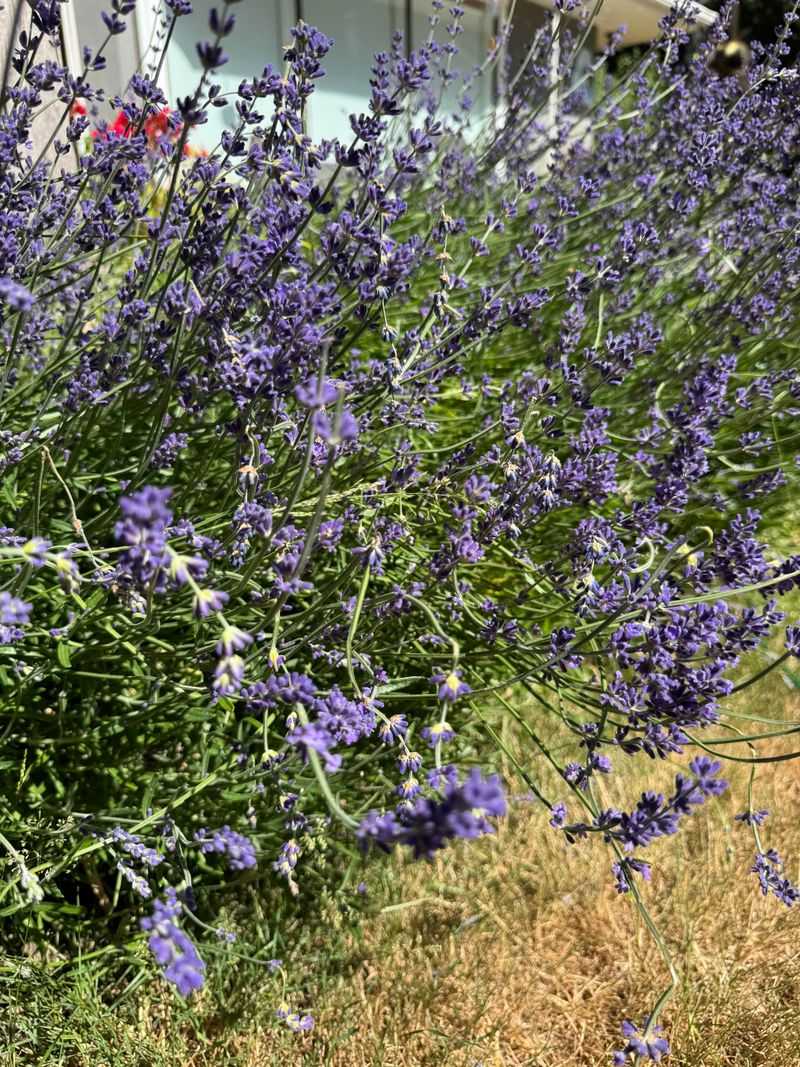
A gravel-edged patio baking in afternoon sun might seem like a tough spot for most plants, but lavender treats that environment like a vacation.
Full sun, meaning at least six to eight hours of direct light daily, is exactly what lavender needs to grow compactly and bloom heavily.
When it gets enough sun, the plant stays dense and upright rather than flopping open with leggy, woody stems.
That compact, sun-loving growth habit actively works against tick and mosquito habitat.
By claiming the sunniest, driest spots on your patio, lavender prevents those corners from becoming the shaded, damp zones that pests are always looking for.
Oregon State University Extension recommends full-sun placement for lavender in Oregon gardens, noting that insufficient light leads to poor flowering and weaker plants overall.
On an Oregon patio, the best spots for lavender are south-facing or west-facing walls and edges where reflected heat adds to the sun exposure.
These are often the same transition zones between your patio and the surrounding landscape where tick activity tends to be highest.
A well-lit, tightly grown lavender plant in these spots holds that dry, sunny, aromatic character that makes the surrounding area less hospitable to pests looking for a shady, damp place to wait.
Gravel Mulch Reduces Damp Hiding
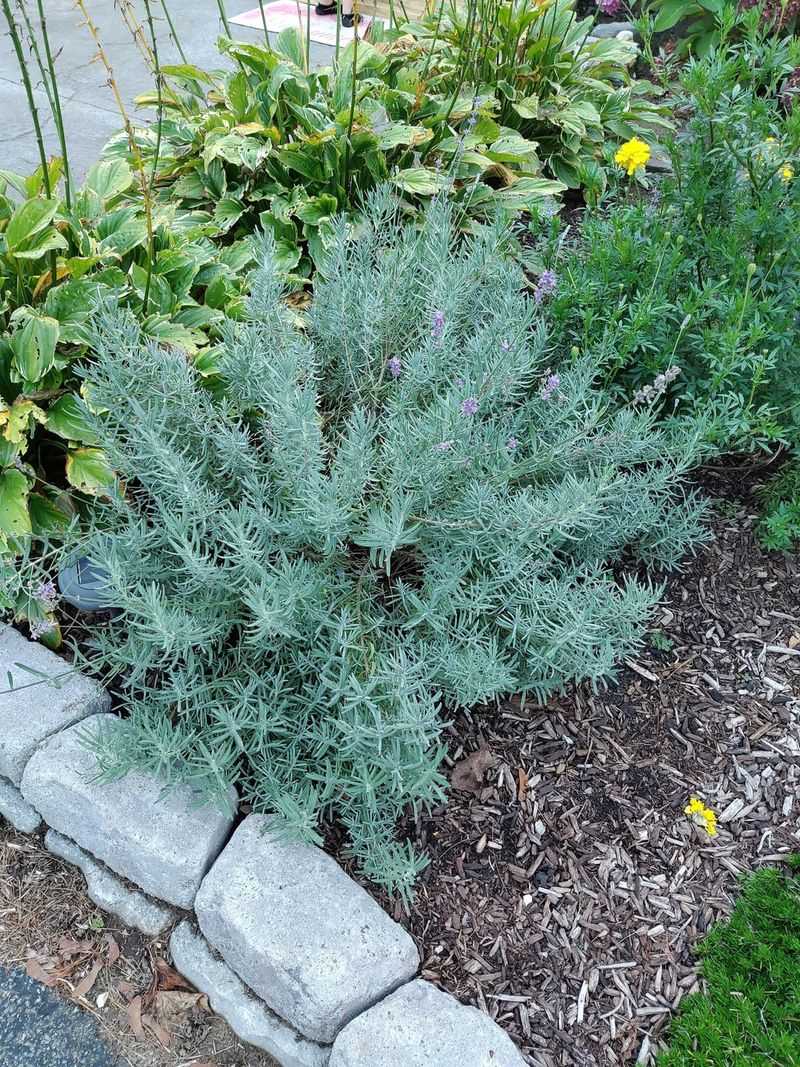
Swap out that dark, moisture-holding bark mulch around your lavender for a layer of pea gravel or crushed granite, and you will notice a real difference in how the base of the plant looks and feels.
Gravel drains instantly, dries out fast in the sun, and does not create the kind of damp, decomposing layer that bark mulch tends to build up over time.
For lavender specifically, gravel mulch is the recommended choice from OSU Extension because it matches the plant’s natural Mediterranean habitat.
From a pest perspective, gravel is far less welcoming than bark.
Ticks need humidity to survive and prefer moist organic matter to hide in. A dry gravel surface gives them almost nothing to work with.
Mosquitoes are not interested in laying eggs in gravel either, since they need standing water for that.
By pairing lavender with a gravel mulch layer, you are doubling down on the dry, open character that makes the whole planting inhospitable to pests.
Light-colored gravel also reflects heat and sunlight back up into the plant, which helps keep the base of the lavender even drier and warmer.
A two-inch layer of gravel around the base of each pot or along the patio border is a low-effort change with a solid payoff for both plant health and your overall pest management approach.
Pruning Keeps The Oils Active
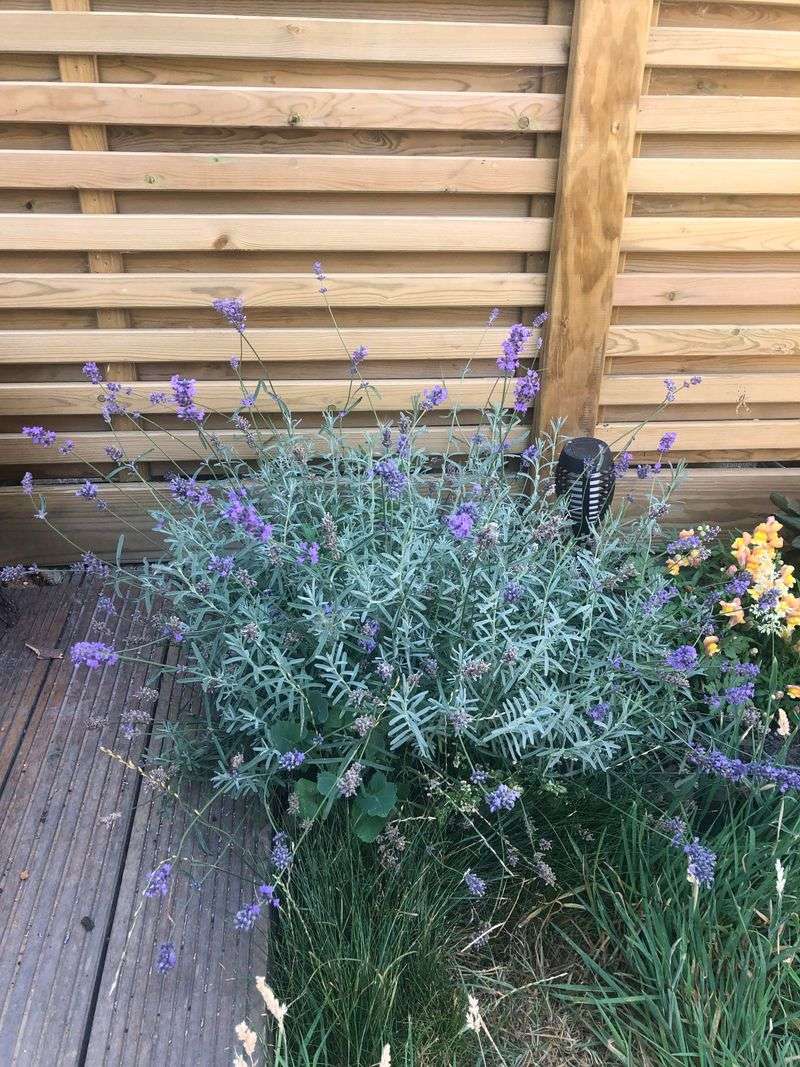
Left alone for too long, lavender turns into a woody, sprawling mess with a dense interior that traps moisture and loses its signature scent punch.
Regular pruning is what keeps the plant looking sharp, smelling strong, and producing the fresh volatile oils that do the real deterrent work.
Oregon State University Extension recommends pruning lavender twice a year, once lightly after the first bloom and once more firmly in late summer after the second flush of flowers.
The goal with pruning is to maintain a rounded, compact shape without cutting into old woody growth, which does not regenerate well.
Trimming back the soft green growth by about one-third each time encourages fresh stems, better air circulation, and more flowering.
Fresh new growth is where the highest concentrations of linalool and other volatile compounds live, which means a regularly pruned lavender plant is a more potent aromatic deterrent than a neglected one.
Better airflow also means the interior of the plant dries out faster after rain or irrigation, which is especially relevant in Oregon where spring and fall can bring extended wet periods.
Grab a clean pair of hand pruners in late spring and again in August or early September.
Ten minutes of trimming twice a year keeps your lavender productive, healthy, and doing its best work against the pests you are trying to discourage.
Blooms Bring Beneficial Insects Instead
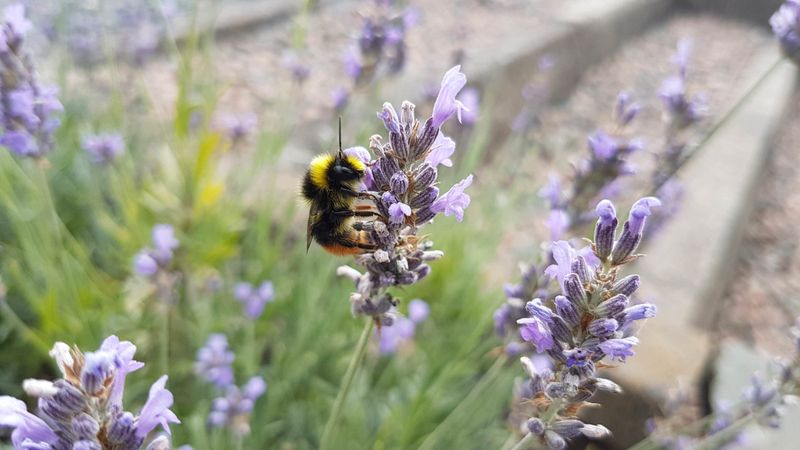
Something remarkable happens when lavender hits peak bloom on a warm Oregon afternoon.
Bees show up fast, and not just honeybees.
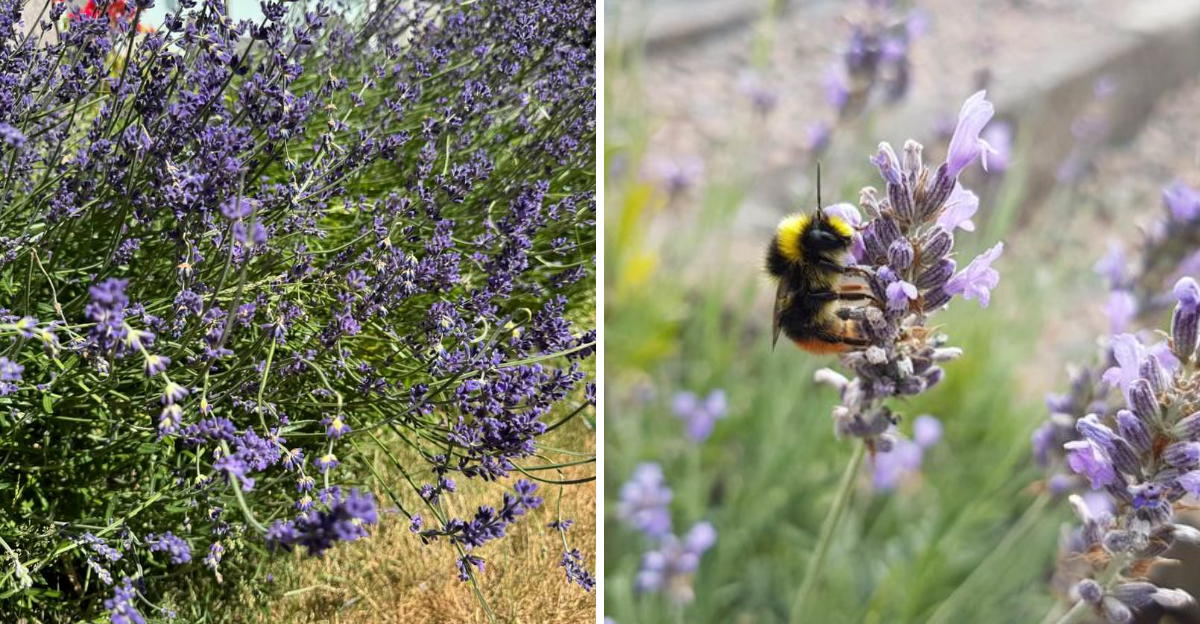
Bumblebees, mason bees, and a range of native solitary bees find lavender irresistible, and their presence actively shifts the character of your patio toward something more alive and balanced.
Oregon has a rich native bee population, and lavender is one of the plants that OSU Extension specifically calls out as a strong pollinator resource, especially during the mid-summer gap when some other flowering plants have already faded.
A yard with strong pollinator activity tends to support more biodiversity overall, including predatory insects that feed on pest species.
From a pest management standpoint, a patio buzzing with bees is a patio that mosquitoes and ticks are less likely to dominate.
Bees are focused on nectar and pollen. They are not interested in you, your food, or your pets. Encouraging their presence with lavender creates a pleasant, lively patio atmosphere that works against the quiet, undisturbed damp corners that ticks and mosquitoes prefer.
Plant at least three to five lavender plants if space allows, since a small cluster produces enough bloom to make a real difference for your local bee community throughout the season.
Cleanup Around It Finishes The Job
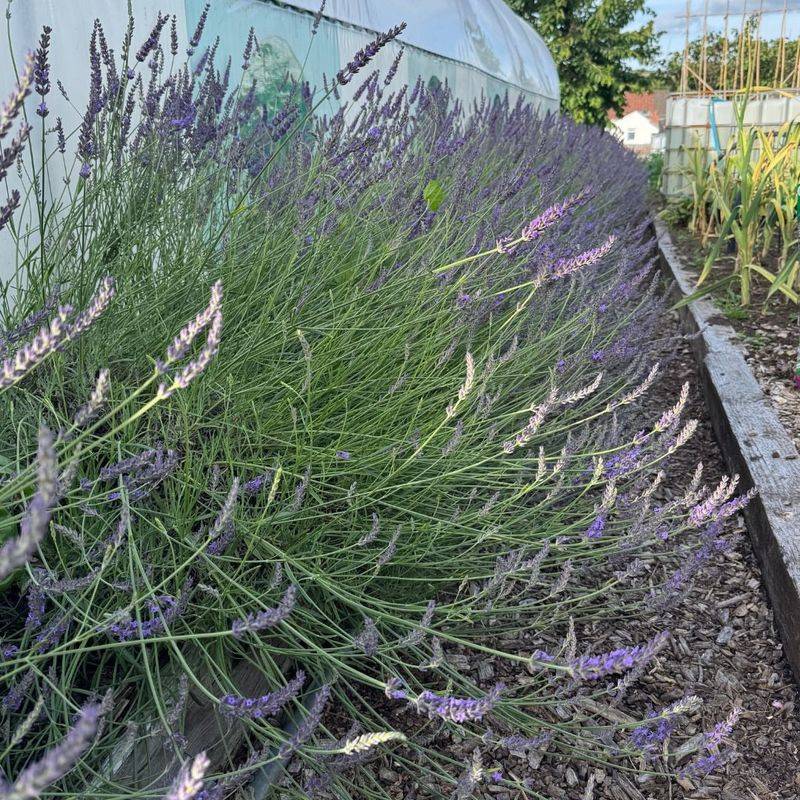
Lavender does a lot on its own, but it works best when the area around it supports the same dry, open, tidy conditions it naturally creates.
Oregon State University Extension is clear that integrated pest management for both ticks and mosquitoes depends heavily on habitat reduction, meaning you remove the spots where pests breed and hide before they become a problem.
Start by walking the perimeter of your patio and looking for standing water.
Check saucers under pots, low spots in the pavement, clogged gutters above the patio roof, and any containers that collect rain.
Mosquitoes can breed in surprisingly small amounts of water, and eliminating those spots multiplies what your lavender is already doing aromatically.
Next, clear out leaf piles, stacked wood, overgrown ground cover, and any debris piled against the house or fence near your patio.
These are the exact spots where ticks wait on vegetation for a host to brush by.
Keep grass mowed short along patio edges and trim back any shrubs that hang over the seating area.
Then place your lavender pots in those cleaned-up, sunny spots to reinforce the dry, open character you just created.
The lavender holds the line. The cleanup builds it.
Together, they make your Oregon patio a genuinely less appealing target for ticks and mosquitoes all season long.