This Plant Is Worth Knowing If You Find It Growing Near Your Pennsylvania Yard
Have you ever noticed a tall, fast-growing shrub appearing at the edges of your Pennsylvania property without being planted there?
Spreading along fence lines, popping up at woodland edges, or establishing itself in the low, moist spots that most other plants avoid?
Most homeowners either remove it without investigation or simply ignore it while it does its thing. That could be a mistake worth reconsidering.
There is a native Pennsylvania plant that grows wild in exactly these spots and quietly delivers more ecological value than most intentionally planted garden shrubs ever will. Birds depend on it.
Pollinators find it reliably. And for homeowners who take a closer look, it turns out to be genuinely useful in ways that go well beyond simply growing where nothing else will.
Here’s why this plant is worth knowing if it’s growing near your yard.
The Native Plant Worth Knowing
Picture a bushy shrub that seems to appear out of nowhere along the edge of your lawn. That is often American elderberry, a plant that calls Pennsylvania home and has for a very long time.
Elderberry belongs here naturally, which means it grows without anyone planting it. You will spot it near woodland edges, along property lines, and in damp spots where other shrubs struggle.
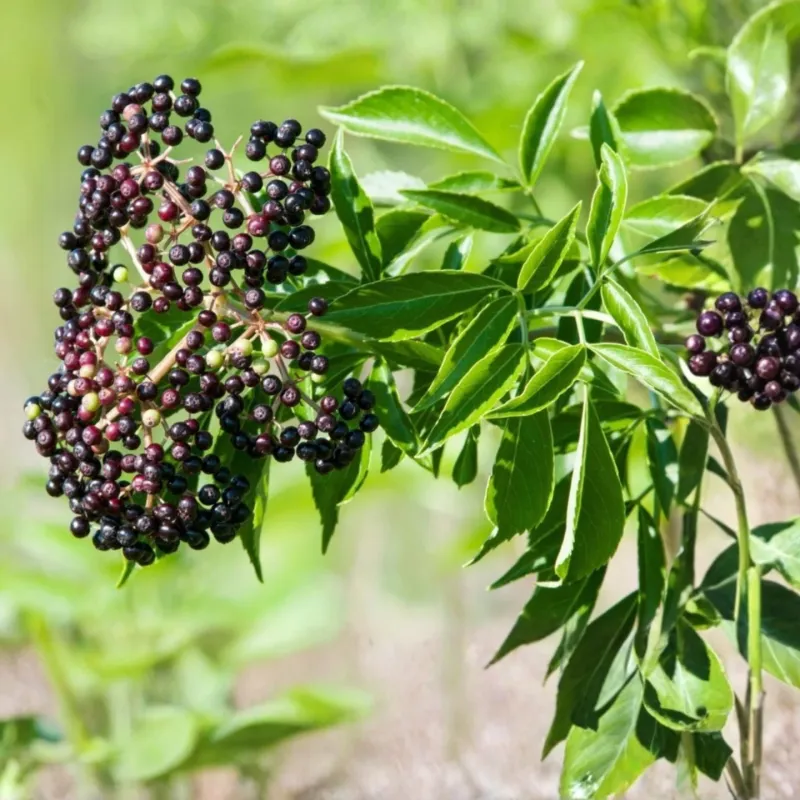
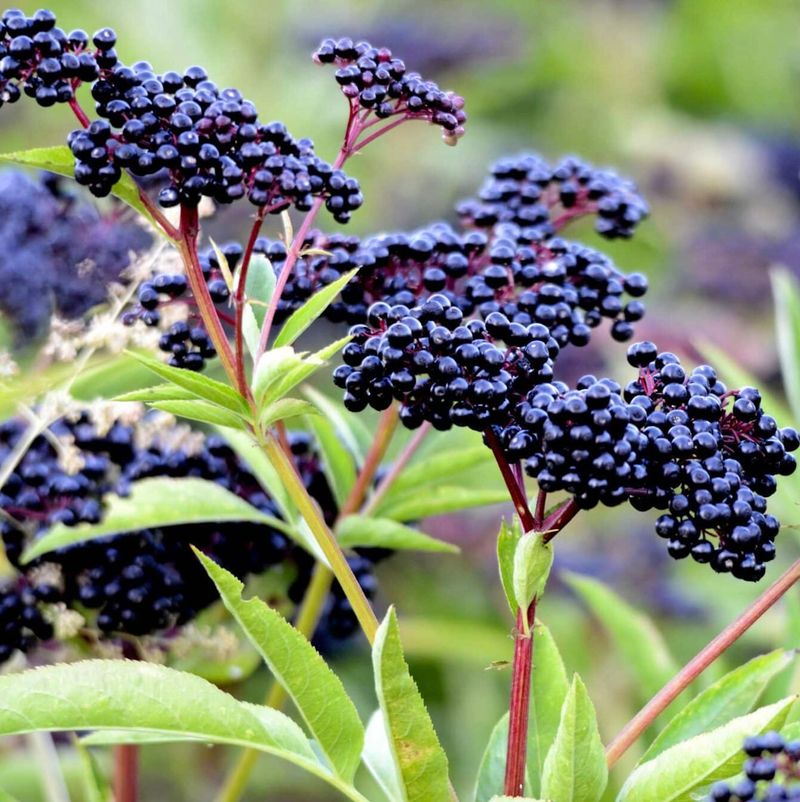
It can reach six to twelve feet tall and spreads into loose, arching clumps. The leaves grow in pairs along the stems, and each leaf is made up of several small leaflets with jagged edges.
Once you learn this pattern, the plant becomes easy to recognize from a distance. The stems are soft and hollow inside, which sets elderberry apart from many woody shrubs.
Because it is native, elderberry supports local wildlife better than many plants brought in from other places.
Animals and insects around your yard already know how to use it for food and shelter. That makes it a helpful member of your backyard community rather than a stranger.
Many Pennsylvania homeowners walk past elderberry every day without knowing its name.
Once you spot it, you start noticing it everywhere, from roadsides to creek banks. It thrives in the kind of overlooked corners that stay a little wet and sunny.
Knowing this plant gives you a small superpower. You can quickly tell whether that new shrub near your fence is worth keeping.
Instead of guessing, you will recognize a native plant that has quietly been part of the landscape for generations and still plays an important role today.
The Stunning White Flower Clusters
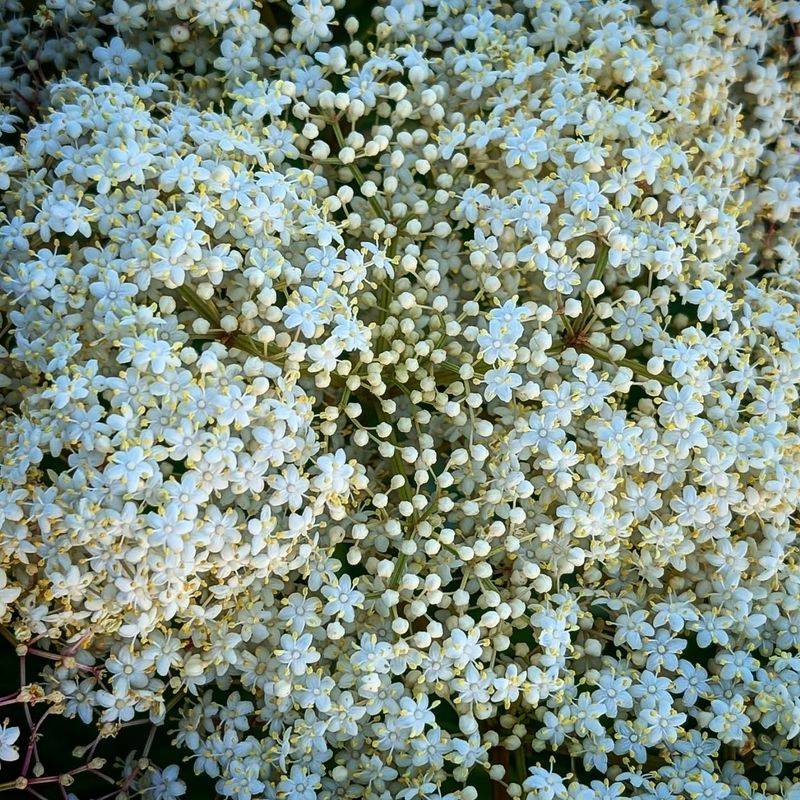
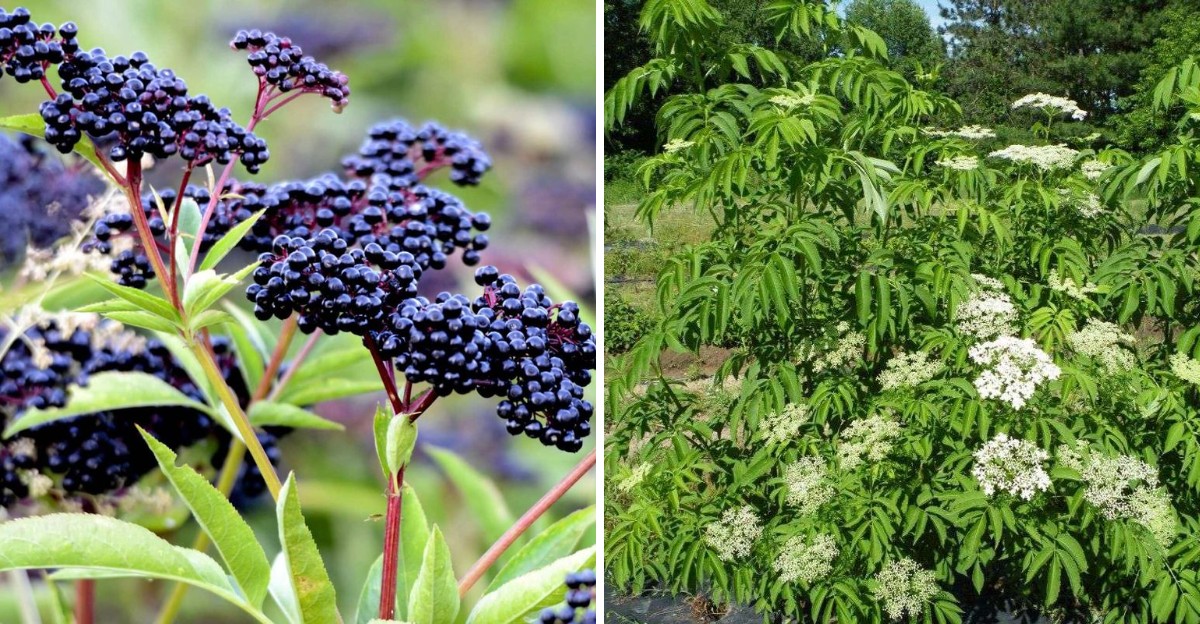
Around late spring and early summer, elderberry puts on a show that is hard to miss. Big, flat clusters of tiny white flowers open up like little lace plates resting on top of the branches.
Each cluster can stretch several inches across and holds hundreds of small blooms. From a distance, they look like soft white pillows floating above the green leaves. When a breeze moves through, the whole shrub seems to nod gently.
These flowers are one of the best ways to identify elderberry before its fruit appears. The flat, umbrella-like shape is a strong clue.
Your Pennsylvania Garden Changes Every Week. Your Plan Should Too.
Gardening in Pennsylvania changes quickly throughout the season. Every Friday you’ll receive a simple weekly plan showing exactly what to plant, prune, fertilize, harvest, and protect so you never miss the right timing.
Not many shrubs in Pennsylvania produce blooms in this exact spread-out pattern, so it stands out once you know the look.
The blossoms also carry a light, sweet smell that many people enjoy. Walk close on a warm morning and you might catch it drifting through the air. That scent is part of what draws so many insects to visit.
If you like to photograph plants, this is the perfect stage to capture. The bright white against the leaves makes a lovely picture, and the flowers stay open for a couple of weeks.
Some folks even snip a few cluster to make elderflower drinks, though it is smart to learn proper preparation first. For most homeowners, simply enjoying the blooms is reward enough.
When you see those creamy white plates dotting a shrub near your yard, you can feel confident you have found elderberry.
The flowers act like a natural name tag, helping you spot the plant weeks before its dark berries take shape.
The Dark Berries Are Valuable To Wildlife
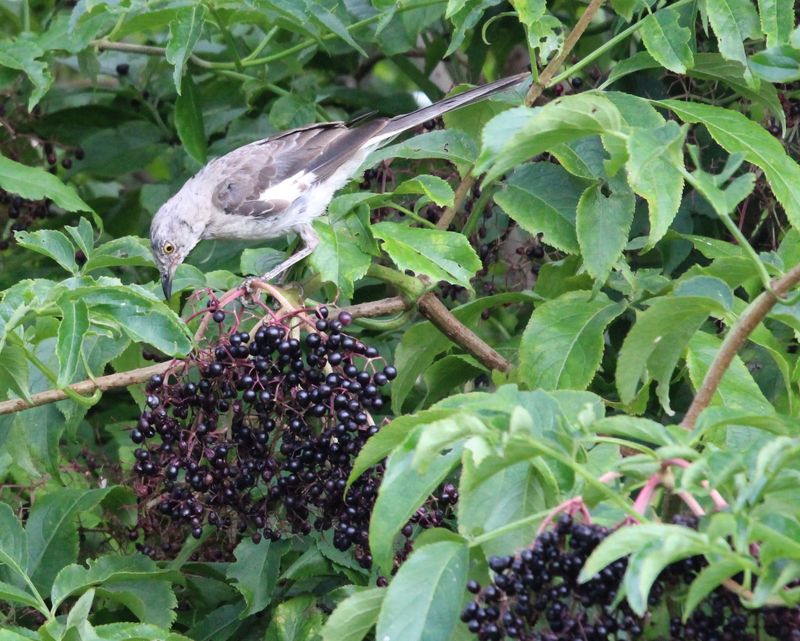
Later in the growing season, those white flowers transform into something birds absolutely love. Small, round berries turn from green to deep purple-black, hanging in heavy clusters that weigh down the branches.
For wildlife, this is like a free feast arriving right on schedule. Robins, catbirds, cardinals, and dozens of other birds flock to elderberry shrubs to gobble up the fruit. You might see a branch bouncing as a hungry visitor lands to grab a snack.
The timing matters a lot. Elderberries ripen in late summer, when many birds are raising young or getting ready for long journeys south. A shrub full of berries gives them energy exactly when they need it most.
Small mammals join the party too. Chipmunks, squirrels, and other creatures happily eat fallen fruit from the ground. In this way, one shrub feeds a whole cast of backyard animals.
Because birds carry the seeds to new spots, elderberry often pops up in fresh places each year. That is one reason you may find it growing where you never planted anything.
People can eat elderberries too, but only after they are cooked. Raw berries and other parts of the plant are not meant to be eaten straight off the shrub, so always cook them for jams, syrups, or pies.
If you enjoy watching birds from your window, an elderberry shrub is like setting the dinner table for them.
Keeping a few berry clusters around your yard turns your property into a busy, cheerful gathering spot for feathered visitors all season long.
Why Pollinators Visit Elderberry
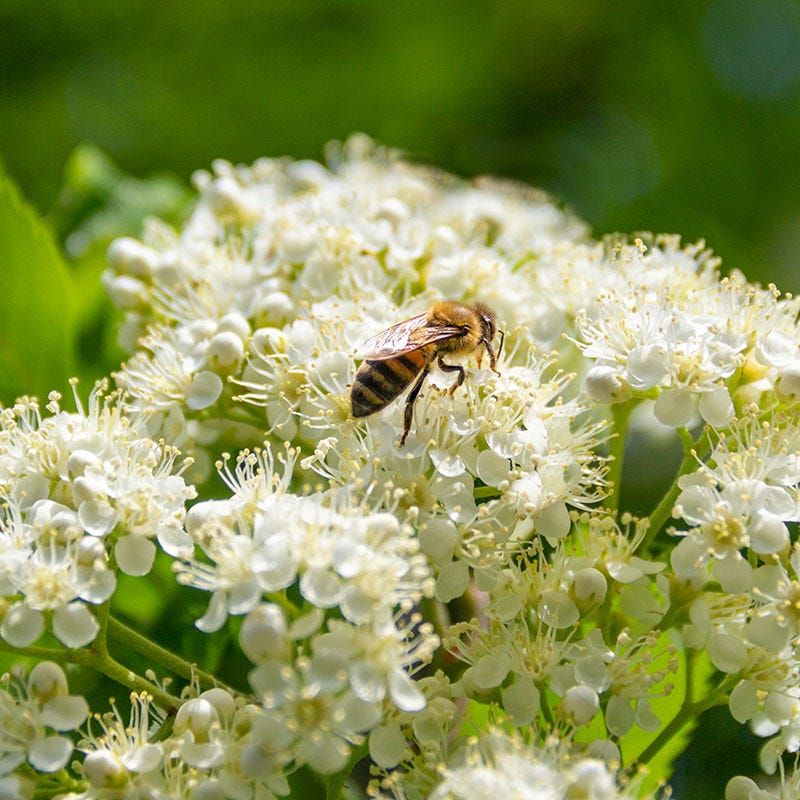
Step near a blooming elderberry on a sunny day and you will hear it before you see the action. A soft buzz fills the air as bees move from flower to flower, busy collecting food.
The wide, flat flower clusters make perfect landing pads for insects. Bees can walk across the surface and reach dozens of tiny blooms without flying far. That easy access makes elderberry a favorite stop.
Both nectar and pollen are offered by these flowers. Nectar gives insects quick energy, while pollen provides protein that helps bees feed their young. In return, the visitors carry pollen between plants and help elderberry make fruit.
It is not just honeybees that show up. Native bees, tiny flies, beetles, and colorful butterflies all drop by for a meal. Some of these insects also eat garden pests, so they help your yard in more ways than one.
Having a plant like this nearby supports the whole neighborhood of pollinators. When flowers are scarce, elderberry helps fill the gap and keeps beneficial insects healthy and active.
You can turn this into a fun learning moment. Sit a safe distance away and count how many different insects visit in just five minutes.
You may be surprised at the variety buzzing around. Pollinators are having a tough time in many places, so plants that feed them really matter.
By letting an elderberry shrub bloom near your yard, you give bees and butterflies a reliable place to eat. That small choice adds up to a big help for the tiny workers our gardens depend on.
Know Where Elderberry Grows Best
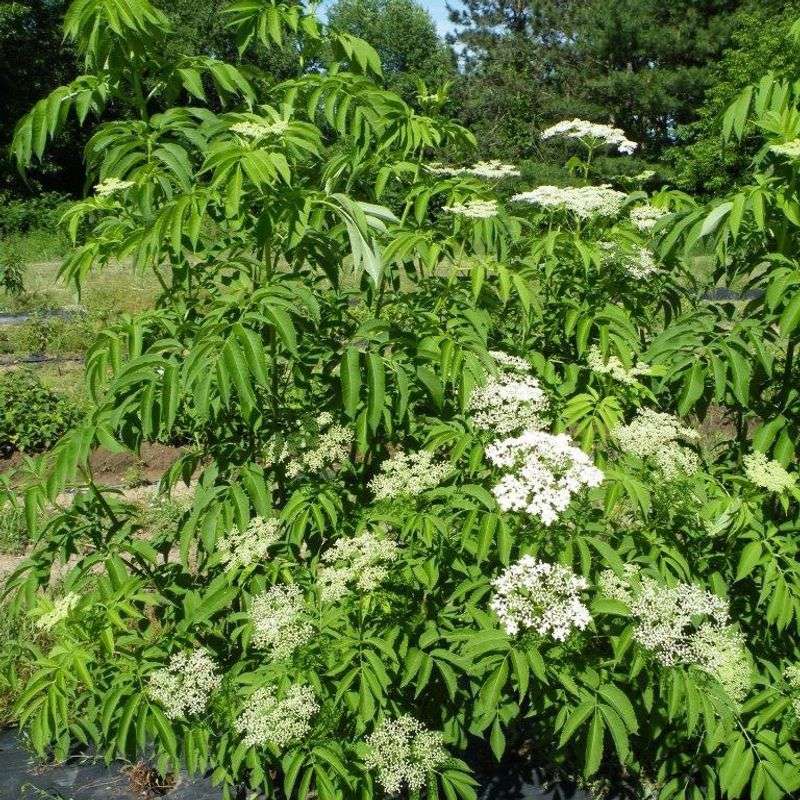
Ever notice how some plants seem to pick the same kinds of spots over and over? Elderberry has clear favorites, and knowing them helps you find it or grow it on purpose.
Moist soil is at the top of its wish list. Elderberry loves damp ground near creeks, ditches, low areas, and places where rain tends to collect. If part of your yard stays a little soggy, that is prime elderberry territory.
Sunlight also plays a big role. The shrub does best in full sun but can handle partial shade too. More sun usually means more flowers and more berries, so open spots produce the strongest plants.
Elderberry likes room to stretch out. It spreads through roots and can form a wide thicket over time. Open edges of fields, fence lines, and the borders between lawn and woods give it the space it craves.
Because it enjoys these in-between areas, you often find elderberry where mowed grass meets wilder growth. That transition zone offers just the right mix of light, moisture, and elbow room.
If you want to add elderberry to your yard, pick a sunny, moist corner and give it plenty of space. Two shrubs planted near each other often produce more fruit, since they help pollinate one another.
Understanding these growing habits makes the plant far less mysterious. Instead of wondering why it showed up in one part of your yard, you will recognize that the conditions were simply perfect.
Match those needs, and elderberry will reward you with steady blooms and berries year after year.
Decide Whether To Keep Or Manage It
So you have found elderberry near your yard, now what? The good news is you get to choose how it fits into your space, and both options are simple.
Many people decide to keep it, and for good reason. A single shrub feeds birds, supports bees, and adds pretty white blooms without much effort from you. If you enjoy wildlife, leaving it in place turns your yard into a busy natural habitat.
Elderberry does spread, though, so it can grow bigger than you expect. If it starts creeping into a spot where you need open space, a little management keeps it tidy without removing it completely.
Pruning is your best friend here. Trimming branches in late winter or early spring helps control the size and actually encourages healthy new growth. Cut back the oldest stems near the base to keep the shrub full and strong.
You can also dig up young shoots that pop up where you do not want them. Since birds spread the seeds, extra plants may appear each year. Pulling the small ones early makes the job easy.
For folks who want more berries, planting a second elderberry nearby boosts fruit production. For those who prefer a neat yard, a yearly trim keeps everything in bounds.
There is really no wrong answer. Whether you let it grow wild for the wildlife or shape it into a manageable shrub, elderberry can work with your plans.
Getting to know this native plant simply gives you the power to make a smart, confident choice about your own backyard.