What Heavy Storm Runoff Actually Means For Your Michigan Garden Soil
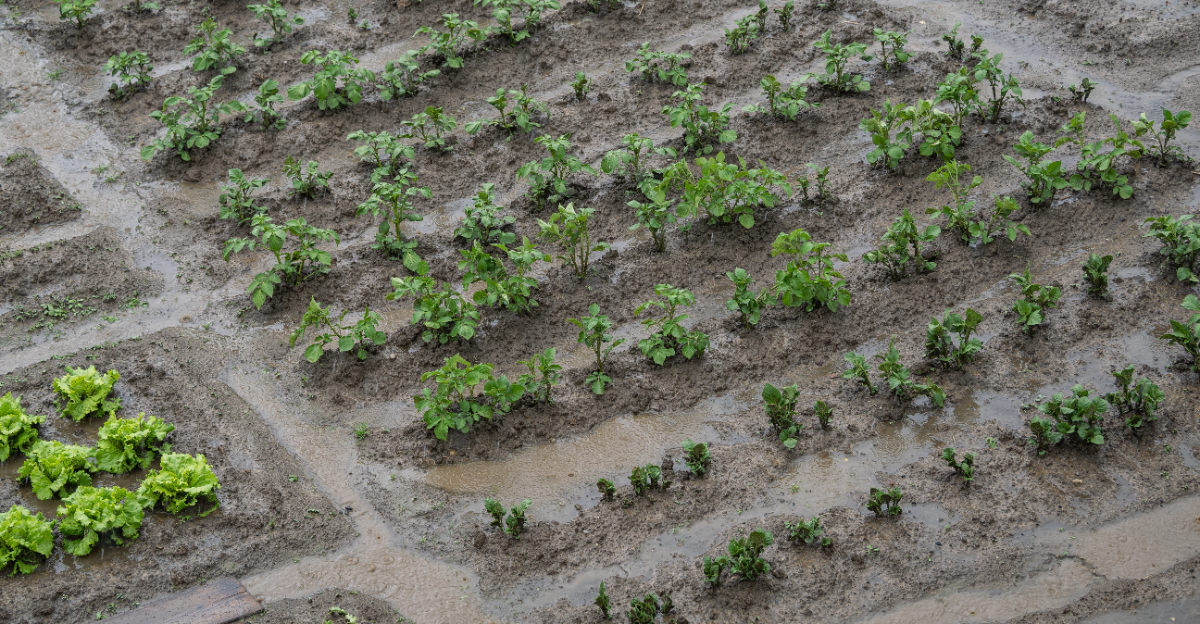
Heavy storm runoff does more damage to Michigan garden soil than most people realize, even after the rain has stopped.
Fast moving water strips away topsoil, taking valuable nutrients and organic matter along with it. This erosion leaves behind compacted, less fertile ground that struggles to support healthy plant growth.
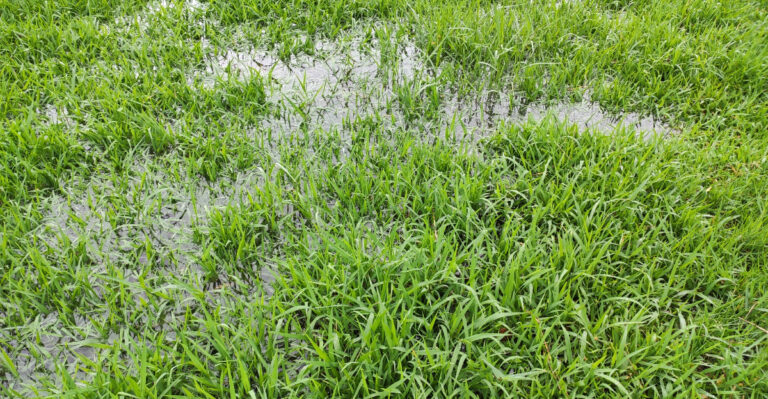
Runoff can also carry contaminants from driveways or roads directly into garden beds. Standing water from poor drainage suffocates roots, cutting off the oxygen plants need to thrive.
Testing soil after major storms can reveal nutrient imbalances caused by runoff. Adding compost helps rebuild lost organic matter and improve overall soil structure.
Michigan gardeners who address runoff early often see faster recovery in the following growing season.
1. Rain Is Arriving Faster Than The Soil Can Absorb It
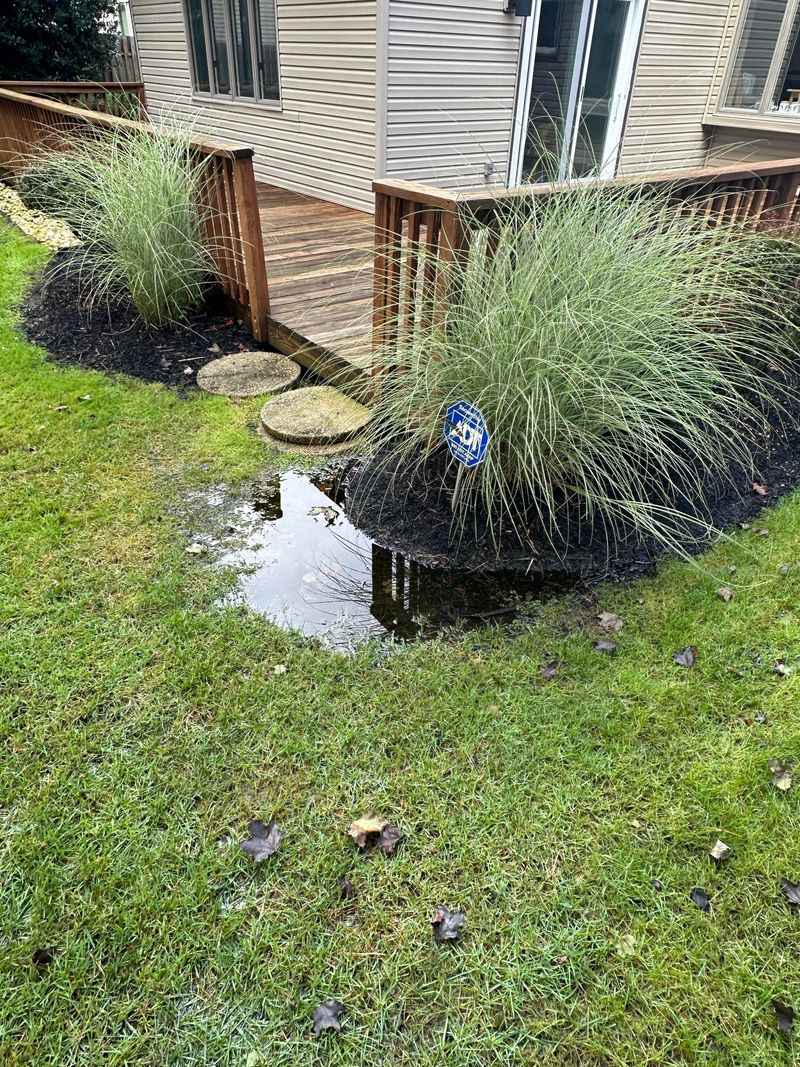
Picture standing at your back door watching sheets of rain fall, and instead of disappearing into the ground, the water just keeps moving across the yard like a slow river.
That is exactly what storm runoff looks like, and it happens when rainfall hits the ground faster than the soil can pull it in.
Even healthy, well-tended Michigan garden soil has a limit to how quickly it accepts water. Soil absorbs water through tiny pore spaces between particles. When rain falls gently, those pores have time to fill gradually and pass water downward.
During an intense storm, the volume of water arriving at the surface simply outpaces that process, and the excess has nowhere to go except across the top.
This is completely normal during extreme rainfall events, but it becomes a concern when runoff happens during mild or moderate showers too. Watching your yard while it rains is one of the most useful things you can do as a gardener.
Notice where water first begins moving, which direction it flows, and whether certain spots stay wet long after the rain stops. Standing water that disappears within a few hours suggests reasonable drainage.
Water that remains for a day or longer, or that flows across the same path every single time it rains, points to an underlying issue worth investigating.
Grab a rain jacket, pay attention, and let your yard show you exactly where the problem begins.
2. Compaction May Be Blocking Water From Entering The Soil
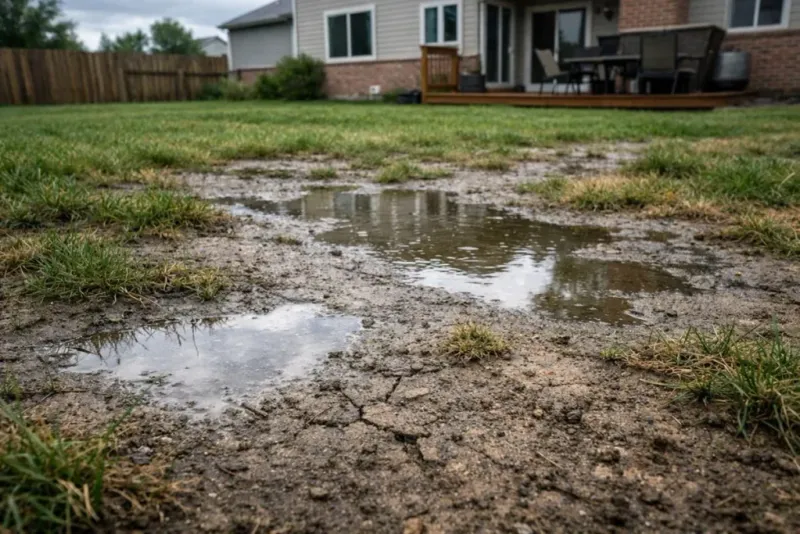
Soil might look fine from the outside, but underneath the surface, it can be packed so tightly that water has almost no way in.
Compaction reduces the open pore spaces that normally allow rainfall to move through the soil, and it is one of the most common reasons Michigan gardeners deal with runoff even when the rain is not especially heavy.
Walking repeatedly across garden beds, using heavy lawn equipment, and working wet soil can all squeeze those pores shut over time.
Construction activity near your property is another underappreciated cause. Heavy vehicles and equipment can compress soil several inches deep, and that damage does not fix itself quickly without some help.
Signs of compaction include water sheeting across relatively flat ground, shallow puddles that form quickly, slow drainage after rain, and plants that seem to struggle without an obvious reason.
Your Michigan Garden Changes Every Week. Your Plan Should Too.
Gardening in Michigan changes quickly throughout the season. Every Friday you’ll receive a simple weekly plan showing exactly what to plant, prune, fertilize, harvest, and protect so you never miss the right timing.
Pushing a screwdriver or a sturdy stick into the soil is a quick informal test. If it meets strong resistance just an inch or two down, compaction is likely present.
Fixing compaction takes patience, but the approach is straightforward. Start by keeping foot traffic off garden beds entirely.
Lay down permanent paths using stepping stones, wood chips, or pavers so people naturally avoid the growing areas.
Adding organic matter based on a soil test helps rebuild structure over time, and keeping soil covered with mulch or plants protects it from further damage.
Loose, well-structured soil absorbs water far more effectively, which means less runoff with every storm that passes through.
3. Surface Crusting May Be Sealing The Garden Bed
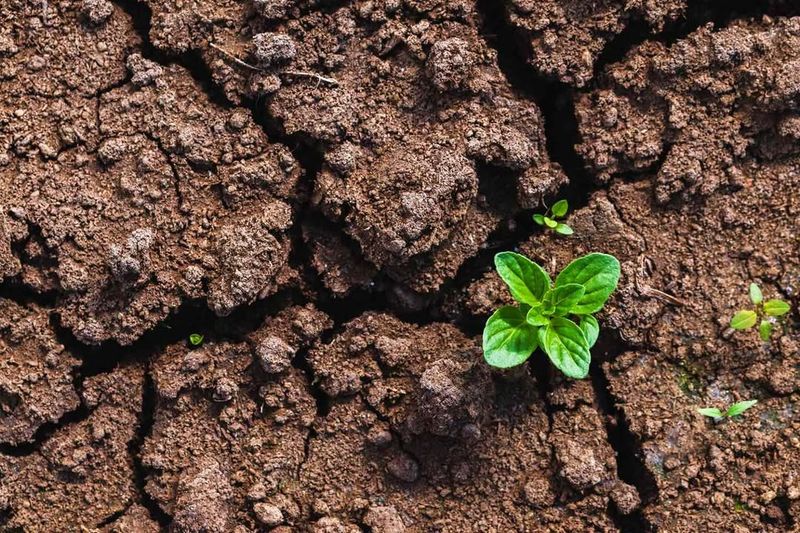
After a hard rain, something subtle but damaging can happen right at the top of your garden soil.
The impact of raindrops hitting bare soil breaks apart the tiny clumps that give soil its open, spongy texture.
As the water evaporates, those loose particles settle back down and form a thin, firm layer called a surface crust.
It may only be a few millimeters thick, but it can dramatically slow how much water enters the bed below.
Michigan gardeners who use a rototiller frequently may actually be making this problem worse over time.
Running a tiller repeatedly breaks soil into very fine particles that are highly vulnerable to crusting after rain.
Healthy soil structure depends on stable clumps of particles bound together by organic matter, fungal threads, and other biological activity.
Pulverizing those clumps repeatedly removes their natural protection and leaves the surface open to sealing.
Seedlings trying to push through a hardened crust can struggle, which affects germination rates and early plant growth. The good news is that surface crusting is very manageable with consistent habits.
Compost mixed into the top few inches of soil adds organic matter that helps particles stick together in a more stable way.
A layer of mulch over bare soil acts like a shield, absorbing raindrop impact before it can break apart those fragile surface clumps.
Reducing how often you disturb the soil, and allowing plant roots to naturally work through it, builds the kind of structure that resists crusting season after season.
4. Bare Soil Is Allowing Valuable Particles To Wash Away
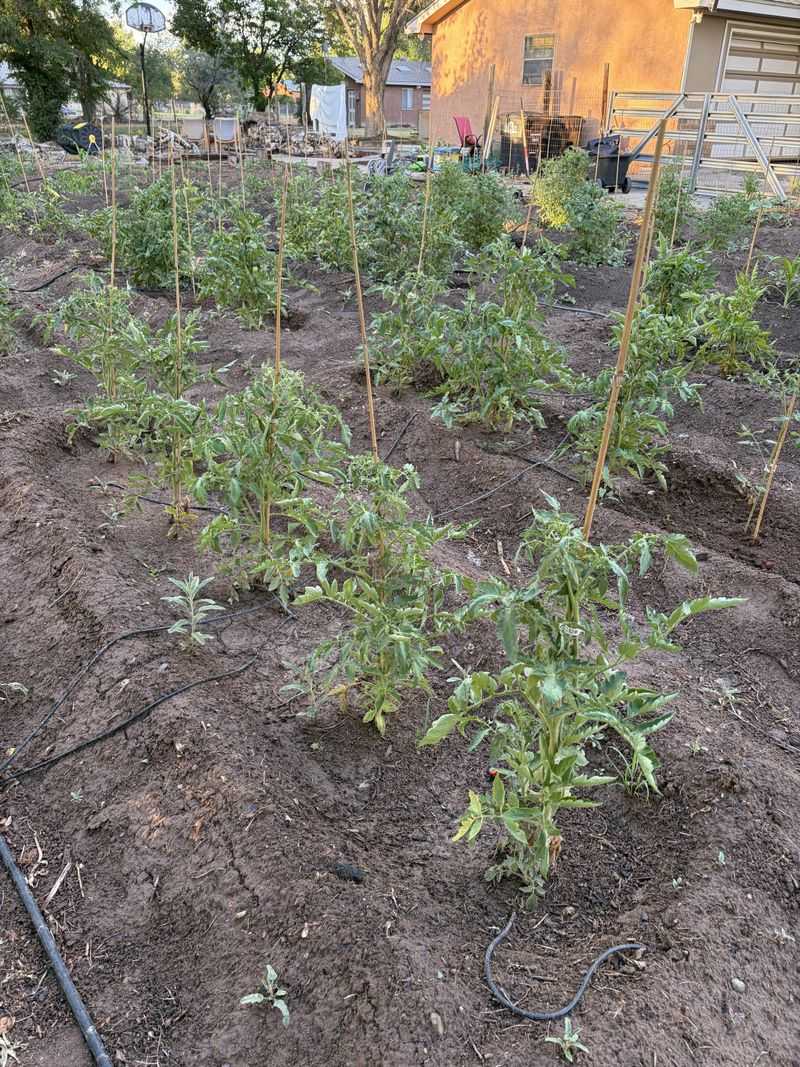
Muddy water leaving your garden bed is not just messy. It is actually your soil moving away from where your plants need it most.
When heavy runoff flows across uncovered ground, it picks up the finest, lightest soil particles and carries them along for the ride.
Those fine particles are often the richest part of the soil, holding the most nutrients and supporting the most biological activity. The clues are usually visible if you know what to look for.
Small channels or grooves forming in the soil surface after rain indicate that water moved fast enough to carry material with it.
Soil collecting at the bottom of a slope, muddy deposits on sidewalks or driveways, and plant roots becoming slightly exposed over time are all signs that erosion is actively removing your top growing layer.
Losing even a small amount of surface soil each season adds up over the years and gradually reduces the productivity of the entire bed.
Covering bare soil is the most effective response, and Michigan gardeners have several good options.
A two to three inch layer of wood chip or straw mulch slows water movement and holds particles in place while also feeding soil life as it breaks down.
Dense plantings of vegetables, flowers, or ground covers create a living shield that raindrops cannot penetrate as easily.
Cover crops like winter rye or clover planted in off-season beds protect the soil surface and add organic matter when turned in the following spring. Protecting the surface protects everything underneath it.
5. Slopes And Hard Surfaces Are Concentrating Water
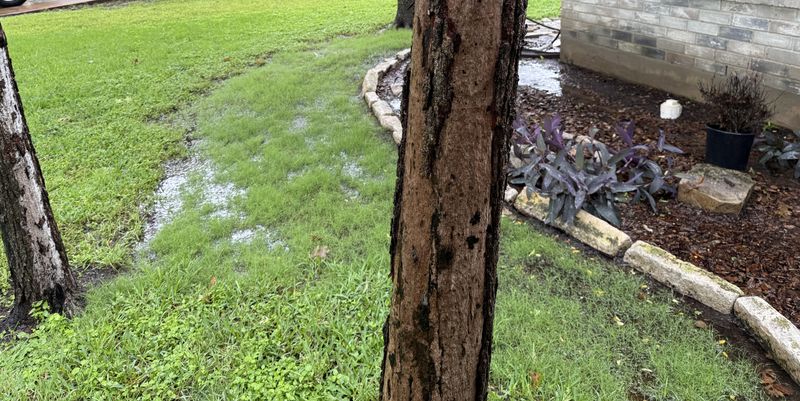
Your garden bed might be perfectly healthy, and runoff could still flood it every time a storm hits.
Rooftops, driveways, patios, and compacted lawns shed water rapidly because they have little to no ability to absorb rainfall.
All of that water has to go somewhere, and it often ends up concentrated in the nearest low spot, which is sometimes a garden bed that had nothing to do with creating the problem in the first place.
Tracing runoff back to its source is a genuinely useful exercise.
Walk your property during or right after a moderate rain and notice where water gathers, which direction it moves, and what surfaces it crosses before reaching your garden.
Downspouts that empty directly onto the ground near a bed can deliver a surprising volume of water in a short time.
Pavement edges that slope toward planting areas, bare slopes uphill from a bed, and narrow channels between structures can all funnel concentrated flow into one small spot.
The goal is to slow water down and spread it out before it becomes damaging.
Redirecting a downspout to discharge onto a vegetated area rather than bare soil or pavement is a simple first step.
A properly designed rain garden placed in a natural low spot can capture runoff and allow it to soak in gradually.
Vegetated buffers along the edge of paved surfaces slow water and filter it before it reaches garden beds.
Always keep redirected water on your own property and away from neighboring land to avoid creating problems elsewhere.
6. Soil Nutrients And Recent Amendments May Be Leaving The Bed
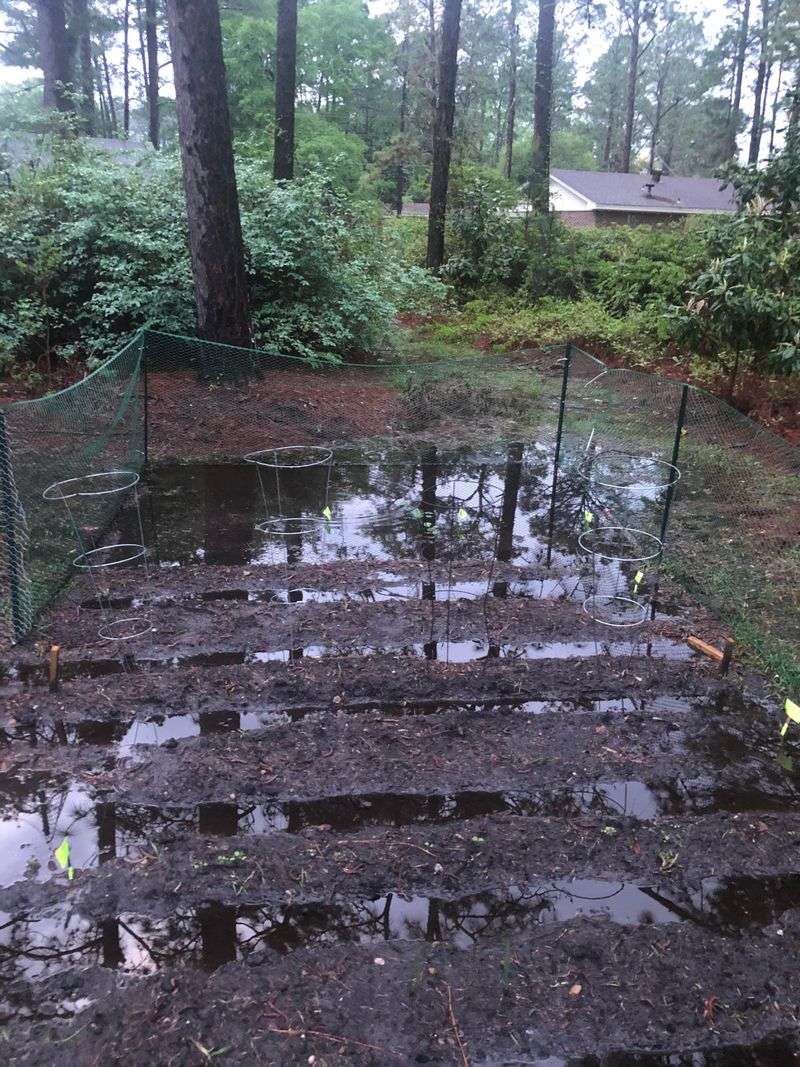
Spreading fertilizer or compost right before a big storm feels productive in the moment, but the timing can work against you.
Runoff moving across a freshly amended bed picks up loose particles, dissolved nutrients, and organic material and carries them away from the root zone where plants actually need them.
Nitrogen in particular moves easily with water, meaning that a heavy rain shortly after application can significantly reduce how much benefit your plants receive.
Beyond the garden, nutrients leaving with runoff can travel toward storm drains, ditches, and eventually reach Michigan lakes and streams.
Excess nitrogen and phosphorus entering water bodies contribute to algae growth, which affects water quality and aquatic ecosystems.
This is one reason Michigan has guidelines around fertilizer application near waterways, and it is worth keeping in mind even for home gardeners who are not near open water.
Keeping amendments off pavement and away from drainage paths reduces how far they travel. A soil test is the most reliable starting point before adding anything to a bed.
Testing through MSU Extension or a certified lab tells you exactly what the soil needs and what it already has in adequate supply.
Adding what is not needed wastes money and increases the risk of runoff carrying excess nutrients away.
Choosing slow-release fertilizers and compost over fast-acting synthetic options gives nutrients more time to incorporate into the soil before rain arrives.
Timing applications during dry stretches and working amendments into the soil rather than leaving them on the surface also helps keep them where they belong.
7. Saturated Soil May Be Sending Water Across The Surface
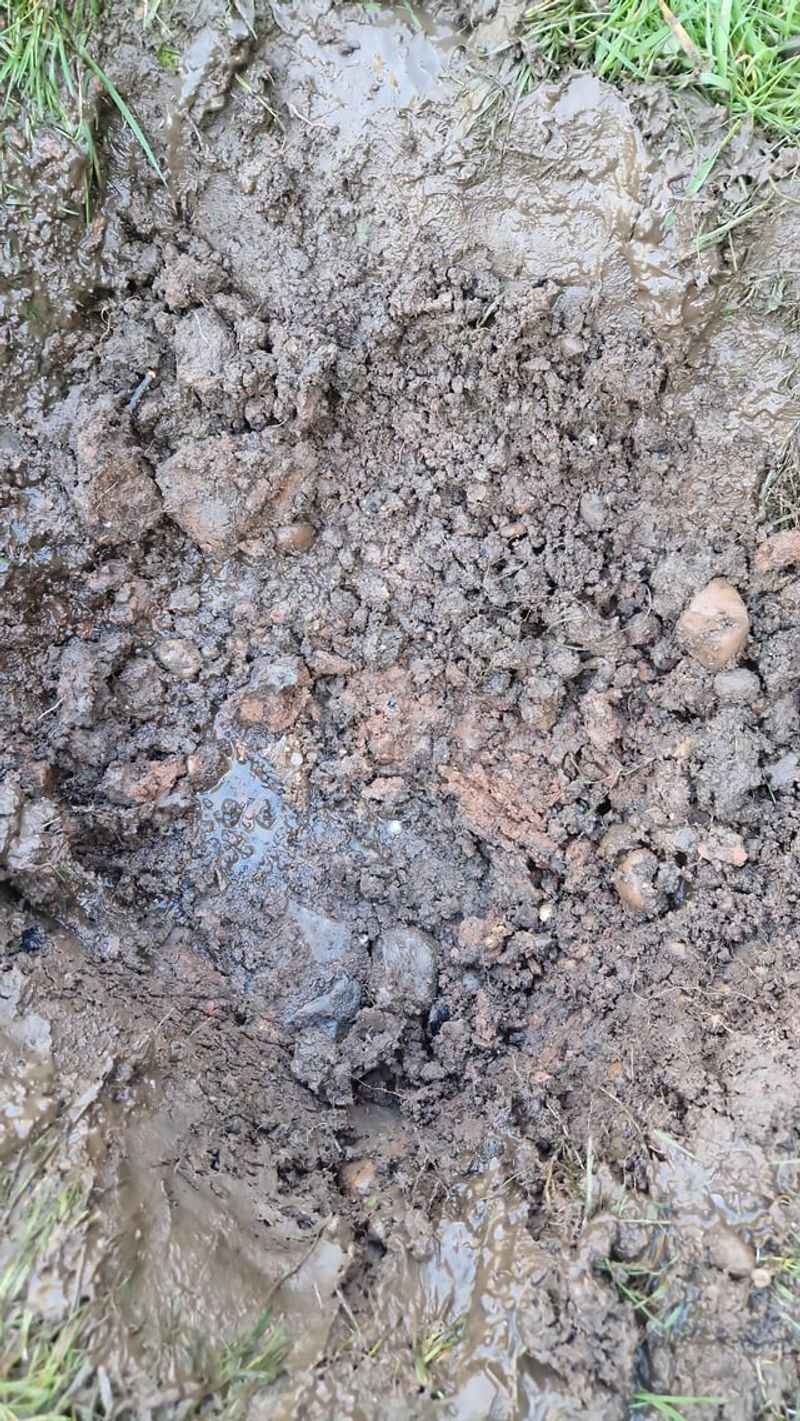
Soil does not have unlimited storage space for water. Once all the available pore spaces fill up, the soil simply cannot accept any more, and additional rainfall has to go somewhere else.
At that point, even perfectly healthy soil with good structure will begin producing runoff, not because anything is wrong with it, but because it has reached its capacity.
This is especially common in Michigan after multiple storms pass through in a short period of time.
Heavy clay soils and naturally low areas of the yard reach saturation faster than well-drained sandy loams.
A garden bed that sits at the bottom of a slope or in a spot where water naturally collects may stay saturated much longer than the surrounding area.
Recognizing the difference between temporary saturation after an unusually heavy storm and recurring ponding after ordinary rainfall helps you decide whether action is needed.
If the same low spot holds water after every rain regardless of how intense it was, the drainage situation at that location is worth addressing.
Raised beds are one of the most practical solutions for areas where saturation is a recurring issue.
Elevating the root zone above the surrounding grade improves drainage significantly and gives roots access to oxygen even when the ground below is wet.
Adding organic matter based on soil test results gradually improves soil structure and water-holding balance over time.
Avoid walking on or digging in saturated soil because doing so collapses pore spaces and worsens compaction significantly.
Planting species suited to wetter conditions in naturally low spots is another approach that works with the site rather than against it.
8. Incoming Runoff May Be Carrying More Than Water
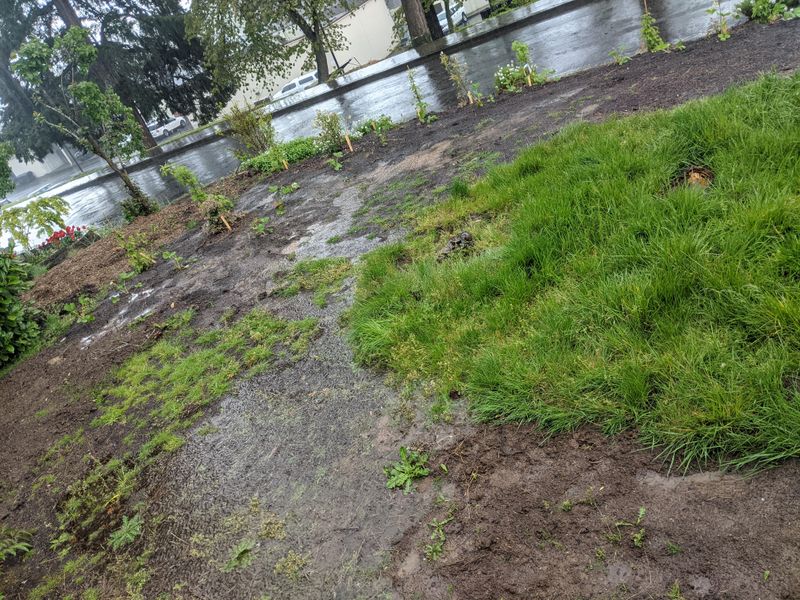
Not all runoff is created equal. Water entering your garden from a street, driveway, neighbor’s lawn, or pet area can carry a surprising mix of materials along with it.
Road residue, petroleum products, lawn pesticides, fertilizers from neighboring properties, pet waste, and various microorganisms can all travel with runoff water and deposit into your garden soil.
What looks like ordinary muddy water may contain things you would not want near vegetables or soil you have worked hard to build.
Identifying the source of incoming runoff matters before you make any decisions about using produce from flooded areas or moving deposited sediment around the yard. Take a close look at the water when it arrives.
An oily film on the surface, foam that does not clear quickly, an unusual odor, unnatural coloring, or suspicious sediment are all signs worth documenting.
Photographs and notes about timing and appearance can be useful if you need to follow up with local authorities or extension resources.
When contamination seems possible, reaching out to your local health department, Michigan EGLE, or MSU Extension is a smart move.
They can provide guidance specific to your situation and help you assess risk before consuming anything grown in affected areas.
On the prevention side, rain gardens planted with native vegetation, vegetated buffer strips along property edges, and reducing bare soil in your yard all help slow and filter cleaner residential runoff before it reaches your beds.
Keeping your own yard well-covered and thoughtfully managed reduces how much runoff you generate and how much arrives uninvited.