This Pruning Mistake Is Quietly Ruining Your Tomato Harvest
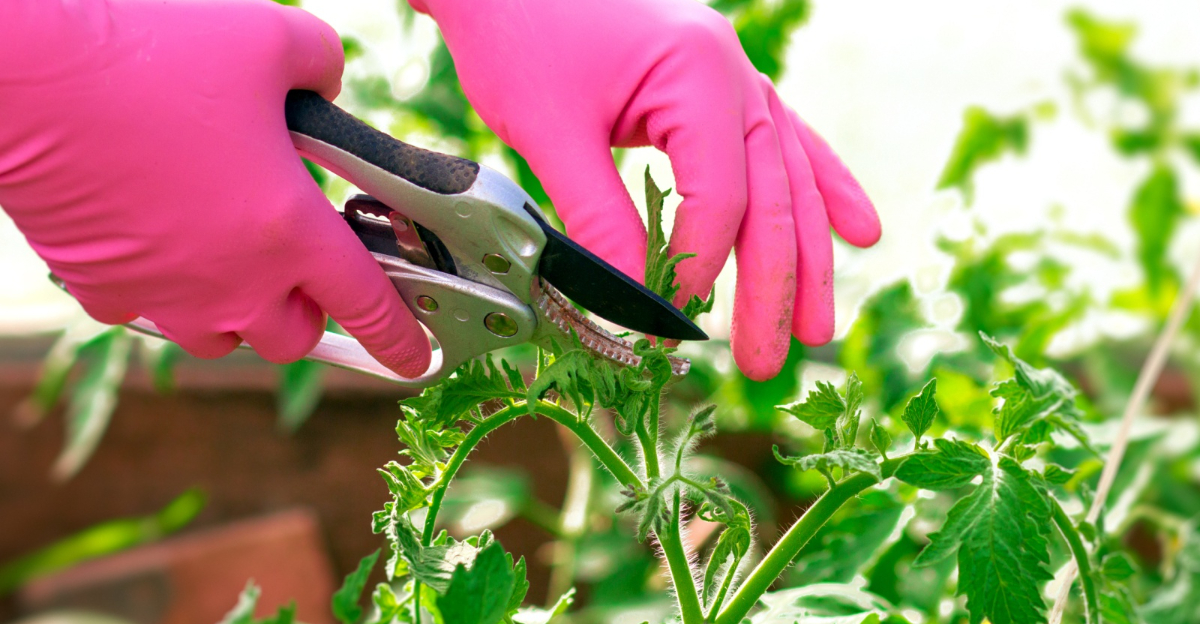
Your tomato plants stall under confident hands every season. You swore you followed every rule this year. Fertilizer went down right, water stayed steady, and pruning felt sharp and precise.
Yet fruit counts dropped, and stems looked thin and uneasy. Something invisible undid weeks of your careful effort overnight. Confidence in pruning technique often hides a hidden blind spot.
Cutting too much strips your plants of their sugar factories. Leaves capture light and convert it into fruit for you. Remove enough leaves, and your plant’s energy production slows significantly.
Heat only intensifies the effect of what you already did. Stress compounds fast when your plants lose protective canopy cover. Roots weaken, fruit sets poorly, and yields shrink fast.
Timing matters more than aggression when you shape tomato plants. Knowing where to stop separates your thriving garden from stunted growth. That harvest depends on what you do in the next few minutes.
What Is Over-Pruning In Tomato Plants
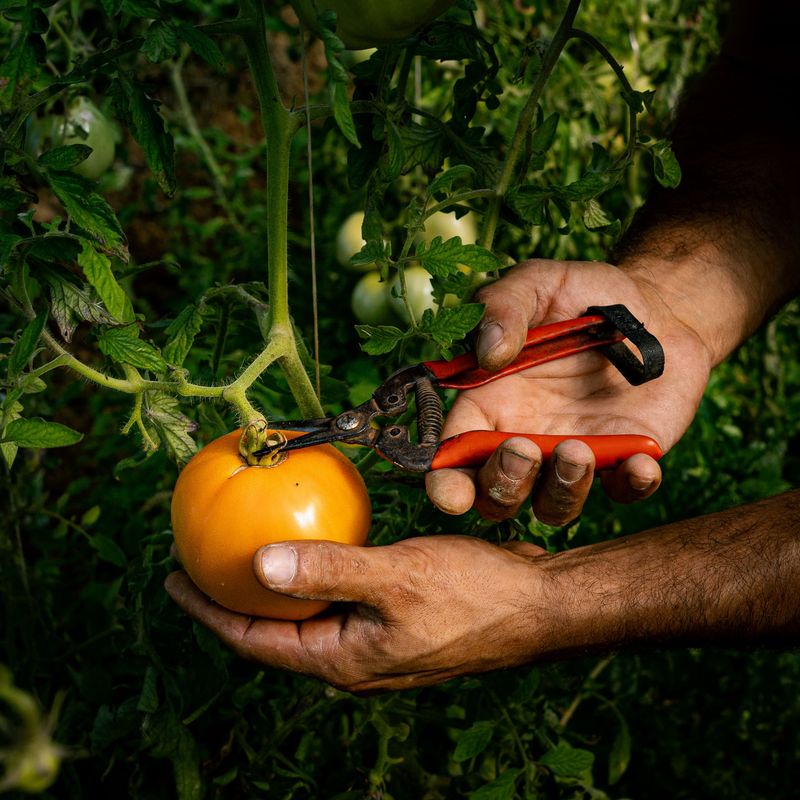
Most gardeners grab their pruning shears with the best intentions. They want a tidy plant that pushes energy into big, juicy tomatoes. But cutting too much, too often, creates a plant that struggles to survive.
Over-pruning means removing more foliage and suckers than the plant can handle at once. When you strip away leaves aggressively, you rob the plant of its ability to photosynthesize. Less leaf surface equals less food production for the whole plant.
Tomatoes need a balanced canopy to thrive. Leaves capture sunlight and convert it into the sugars that feed developing fruit. Strip them away and you are limiting your harvest’s energy supply before it even begins.
This pruning mistake shows up most often with indeterminate varieties like Beefsteak or Cherokee Purple. Gardeners see fast growth and panic, cutting back hard to control the plant. That reaction can often backfire.
Determinate varieties, like Roma, need even less pruning overall. Cutting them back aggressively can remove the very branches that hold pre-set fruit clusters. Knowing your tomato type before you cut is absolutely essential.
Think of each leaf as a small solar panel powering your harvest. Removing too many panels at once reduces the plant’s energy production. This can reduce yield over time.
Signs Your Tomatoes Are Being Over-Pruned
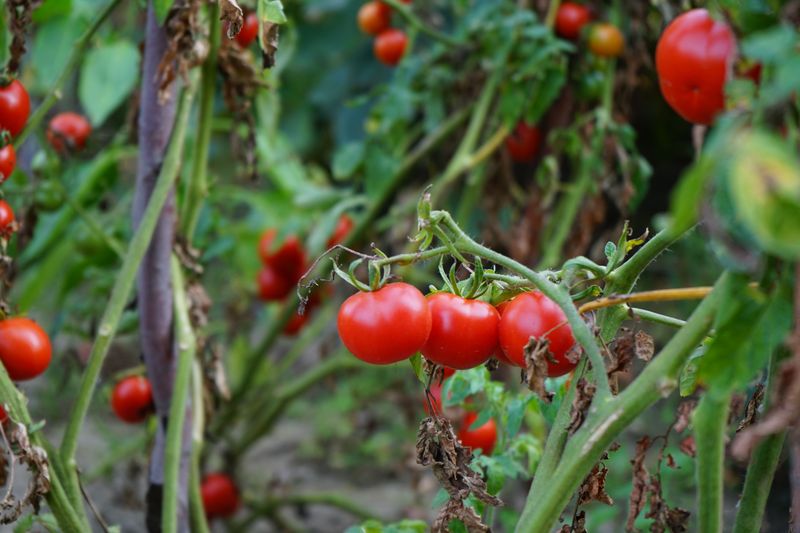
Your plants are trying to tell you something important. Knowing what to look for can save your entire harvest before it is too late. Catching these warning signs early makes all the difference.
One of the clearest red flags is sudden yellowing of lower leaves after a heavy pruning session. The plant shifts its limited energy to survival rather than fruit production. Yellow leaves following a big cut are a sign of stress, not health.
Another warning sign is thin, spindly new growth appearing after pruning. When a plant loses too much foliage at once, it responds by producing weaker new growth. That fragile new growth rarely supports heavy fruit clusters well.
Sparse fruit set is another indicator that pruning has gone too far. If your plant is flowering but not setting fruit, reduced leaf mass could be the reason. Fewer leaves mean less energy available for pollination and fruit development.
Sunscald on fruit is also connected to this pruning mistake. When leaves are removed, fruit becomes exposed to harsh direct sun. Those pale, leathery patches on your tomatoes are a direct result of lost leaf coverage.
Check your plant weekly during the growing season. A healthy tomato should look full, green, and layered with foliage. If yours looks stripped or skeletal, it is time to change your approach.
Why This Mistake Stunts Your Harvest
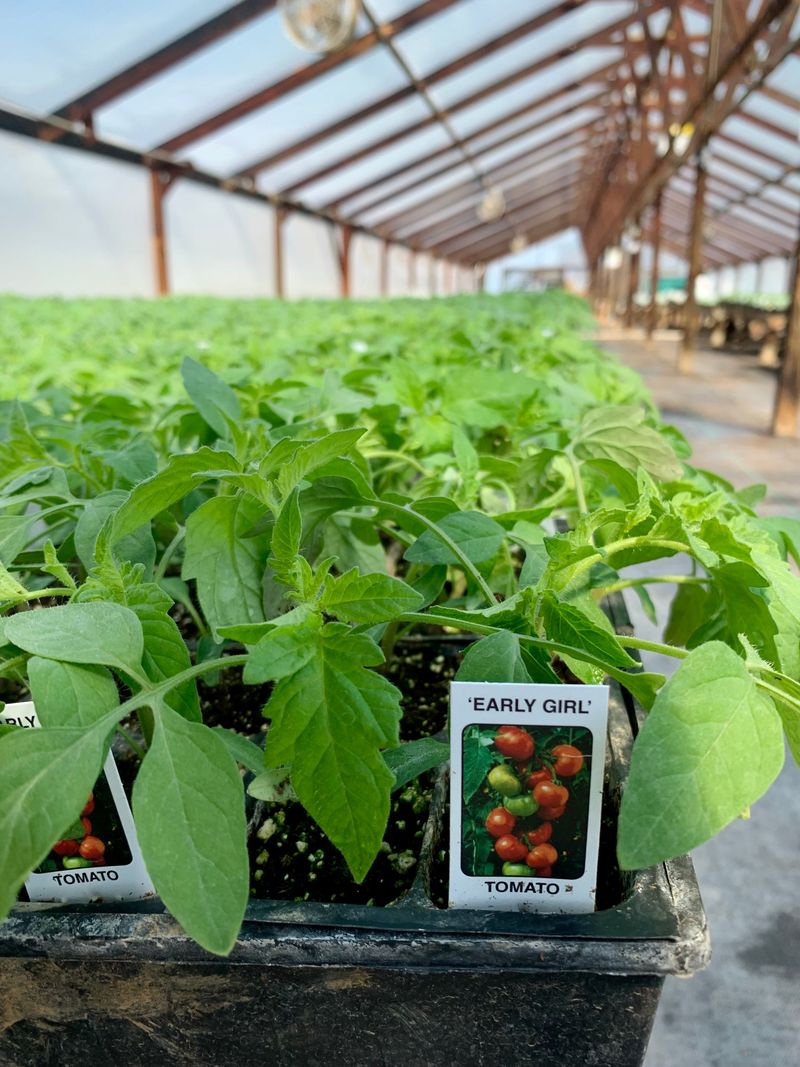
Fewer leaves mean fewer tomatoes. That simple equation explains everything about why over-pruning gradually reduces harvest size. The science behind it is straightforward and worth understanding.
Tomato plants produce energy through photosynthesis, which happens inside every green leaf. When you remove leaves aggressively, you cut the plant’s energy output significantly. Less energy means smaller fruit, slower ripening, and fewer clusters overall.
The plant also responds to heavy pruning by entering a kind of survival mode. Instead of pushing energy into fruit, it redirects resources toward healing wounds and growing new stems. Your harvest slows while the plant focuses on damage control.
Roots are affected too, and that surprises most gardeners. When top growth is cut back sharply, root activity slows down to match the reduced canopy. A smaller root system absorbs less water and fewer nutrients from the soil.
This creates a cascading effect throughout the entire plant. Reduced nutrient uptake leads to weaker stems, smaller fruit, and a shorter productive season.
One bad pruning session can affect your yield for weeks afterward. Gardeners who over-prune may sometimes attribute weak harvests to heat, pests, or poor soil instead.
The real cause is often the pruning approach itself, not outside conditions. Recognizing this pruning mistake is the first step toward a genuinely better tomato harvest.
How Much Pruning Is Actually Too Much
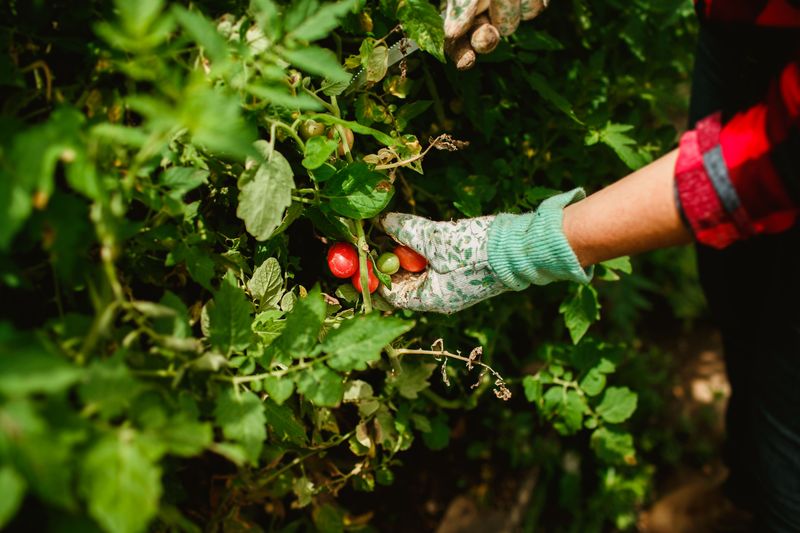
There is no single magic number for how much to cut. But experienced growers follow a simple guiding principle that protects yield every time. A common guideline is to avoid removing more than one-third of the plant in a single session.
That one-third rule is your safety net against over-pruning. It keeps enough leaf surface intact for ongoing photosynthesis and fruit support. Going beyond that threshold is where the real damage begins.
Focus your pruning efforts on suckers growing in the main crotch between the stem and a branch. Those are the high-priority targets for removal on indeterminate varieties. Removing them early, when small, causes the least stress to the overall plant.
Avoid removing large, mature leaves unless they are diseased or blocking airflow badly. Those older leaves are workhorses for the plant, producing steady energy. Cutting them out is a much bigger loss than removing a small sucker.
Spacing pruning sessions roughly ten to fourteen days apart is generally recommended to give the plant time to recover.
Cutting every few days does not allow the plant to stabilize between sessions. Patience here pays off directly in fruit production.
A good rule of thumb is to step back and look at the whole plant before cutting anything. If it still looks full and green after your planned cuts, you are in safe territory. If it starts looking thin, put the shears away and wait.
The Right Way To Prune Tomato Suckers
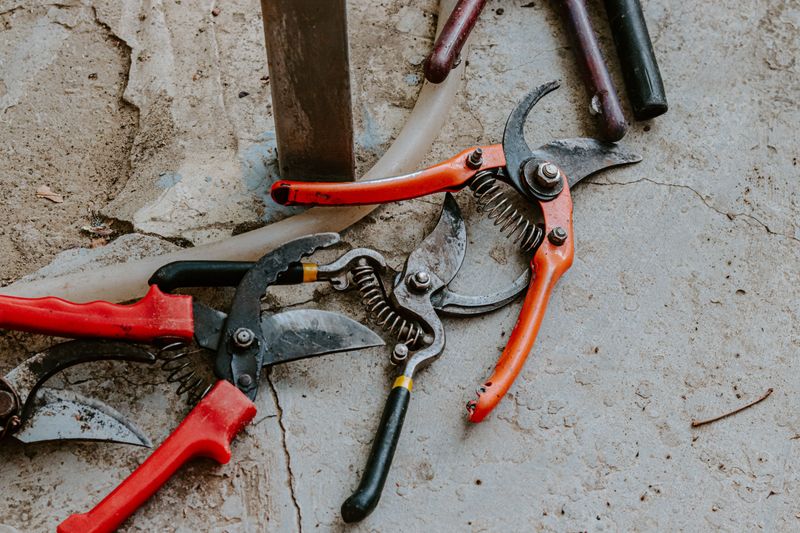
Pinching suckers is a skill that separates good tomato growers from great ones. Done correctly, it boosts airflow and channels energy into existing fruit. Done wrong, it can cause the same issues described earlier.
Always remove suckers when they are small, ideally under two inches long. At that size, you can snap them off cleanly with your fingers. Larger suckers require clean cuts with sterilized shears to avoid tearing the stem.
Target suckers that grow in the axil, which is the V-shaped junction between the main stem and a branch.
Those are the ones that grow fastest and compete most aggressively for plant resources. Removing them early keeps the plant focused on fruit instead of endless new growth.
Never remove all suckers from every part of the plant at once. On indeterminate varieties, leaving one or two suckers to become secondary stems is actually beneficial.
That approach creates a two-stem or three-stem plant, which can support a strong, productive canopy.
After every cut, inspect the wound briefly. A clean, dry cut heals quickly and resists disease. A torn or jagged wound invites fungal problems that compound the stress of pruning.
Healthy pruning feels intentional, not aggressive. You should walk away from the plant feeling like you made a few smart choices, not like you over-cut it. That mindset shift changes everything about your results.
When To Prune For Better Fruit Production
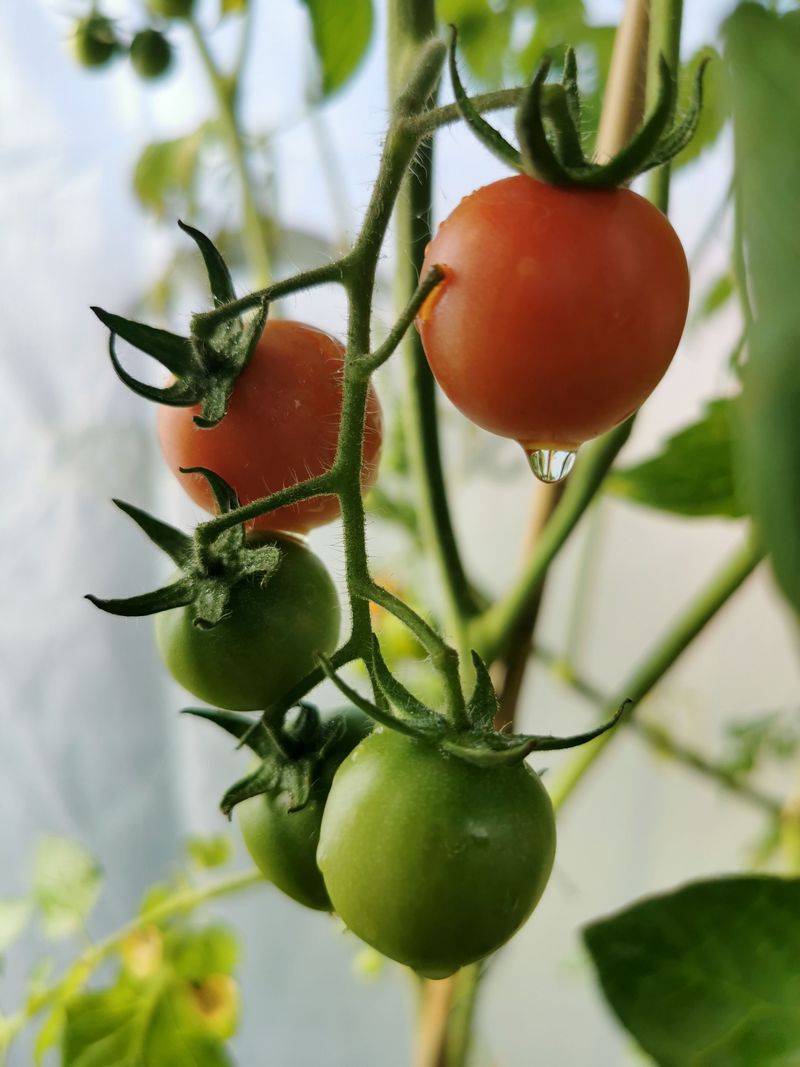
Timing your pruning sessions correctly is just as important as knowing what to cut. Prune at the wrong moment and you disrupt the plant during a critical growth phase. Get the timing right and your harvest improves noticeably.
Early morning is the best time to prune tomatoes on any given day. The plant is hydrated from overnight hours and temperatures are cooler. Cuts made in morning heat stress are far less likely to cause lasting damage.
Avoid pruning right before or during a heat wave. High temperatures combined with fresh cuts create ideal conditions for disease and sunscald. Wait until temperatures drop back to a comfortable range before making any significant cuts.
The most productive pruning window is during the vegetative growth stage, before the plant sets its first large cluster of fruit.
At that point, removing suckers guides energy toward the upcoming fruiting phase. Once heavy fruit set begins, scale back your pruning significantly.
Late-season pruning, typically around four weeks before your first expected frost, can actually help.
Removing the top growing tip, called topping, redirects energy into ripening existing green tomatoes. That final cut can squeeze extra production from a plant heading into cooler weather.
Mark your calendar and build pruning into your regular garden routine. Consistent, well-timed sessions do far less harm than sporadic, aggressive cutting. Your tomato harvest will reflect that discipline in the best possible way.
Steps To Recover If You’ve Already Over-Pruned
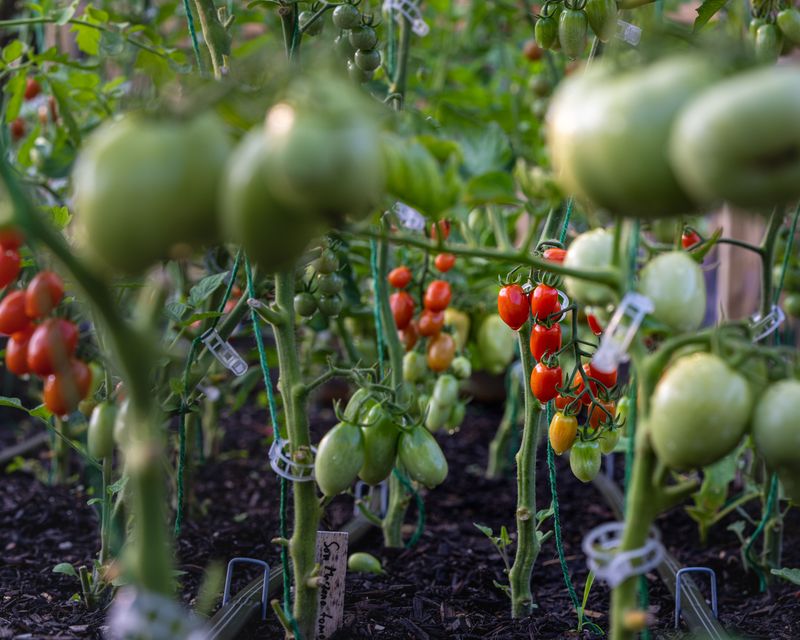
You already made the cut and now the plant looks rough. Take a breath, because recovery is absolutely possible with the right steps. Acting quickly and gently gives your tomato the best shot at bouncing back.
First, stop all additional pruning immediately. The plant needs every remaining leaf to recover its energy balance. Give it roughly two weeks before considering any new cuts.
Water deeply and consistently after an over-pruning event. Stressed plants need steady moisture to support regrowth and continued fruit development. Inconsistent watering on top of pruning stress is a combination that rarely ends well.
Apply a balanced, water-soluble fertilizer within a few days if the plant needs support. A gentle feeding supports new leaf growth without pushing the plant too hard.
Avoid heavy nitrogen applications, which can cause excessive leafy growth at the expense of fruit.
Add a fresh layer of mulch around the base of the plant. Mulch retains soil moisture and keeps root temperatures stable during the recovery period. Roots that stay cool and moist recover much faster from above-ground stress.
Shade cloth can also help protect an exposed plant from direct sun damage. Draping a light shade cloth over the plant reduces sunscald risk on exposed fruit.
With consistent care, many over-pruned tomato plants begin showing signs of recovery within a few weeks, though timing can vary.