5 Watering Mistakes That Turn Hydrangea Leaves Crispy (And How To Fix Them)
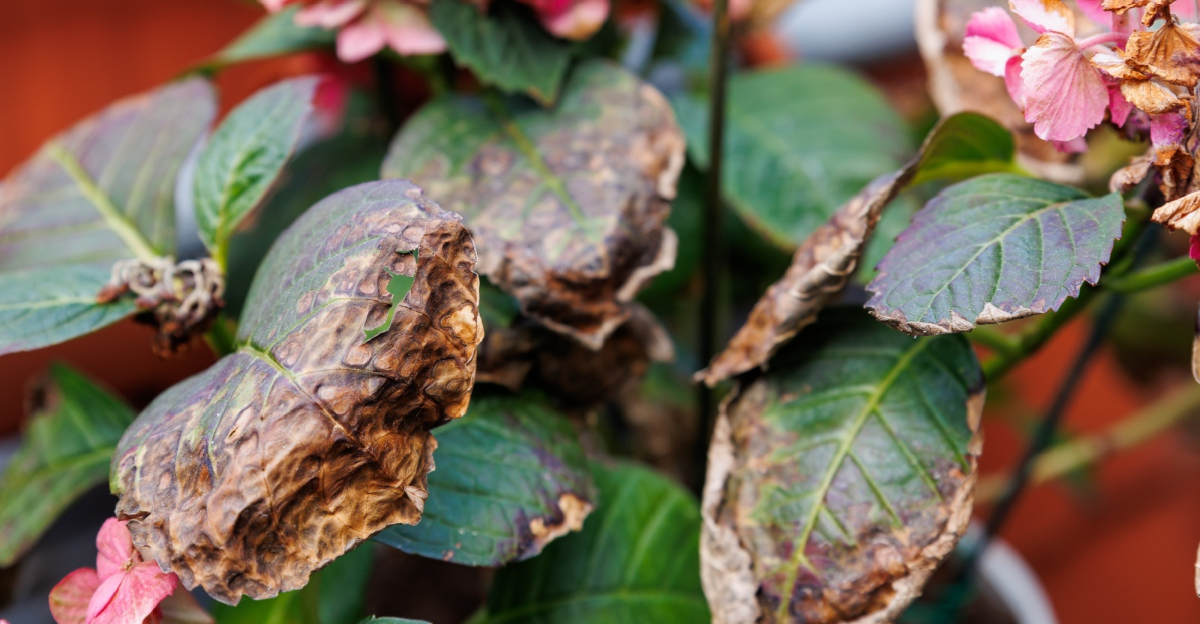
Crispy leaves on your hydrangeas mean something went wrong fast. Concern isn’t necessary, but attention is now.
Wilting can hit your hydrangeas overnight. Gardeners like you face this exact struggle every summer.
Humidity fools you into believing your plants have enough water. Watering habits you’ve trusted for years might be working against you. Containers stress your plants faster than garden beds do.
Shade won’t protect your hydrangeas from moisture stress. Roots absorb damage long before your leaves show it.
Summers turn small mistakes into losses fast. Timing your watering matters more than how much you use.
Overwatering often looks like underwatering to untrained eyes. Soil texture decides how fast your roots dry out. Temperature swings can undo everything you thought you fixed.
Every mistake compounds if you ignore it. Confidence grows once you understand what your roots actually need. You deserve answers, and your hydrangeas won’t wait much longer.
Watering Too Little During Hot Afternoons
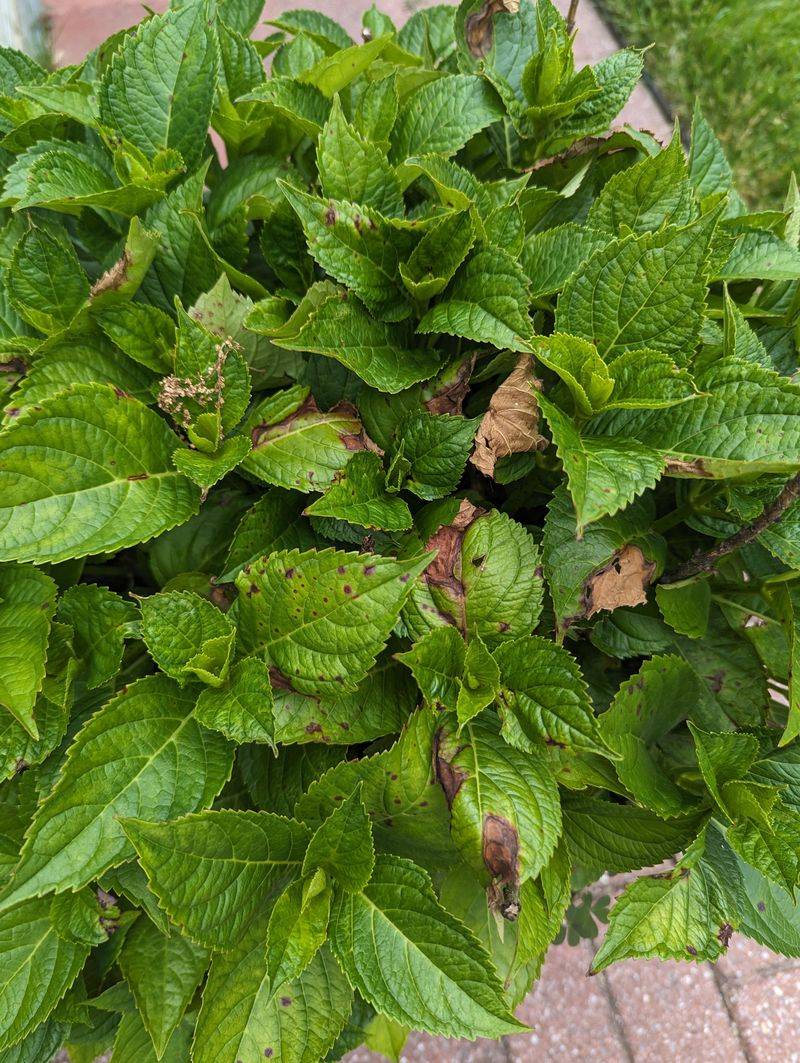
Afternoon sun intensity rises quickly, and your hydrangeas respond to every degree of it. Skipping water during peak heat hours is one of the fastest ways to turn those beautiful leaves into crunchy brown edges.
Hydrangeas are big drinkers, especially during periods of intense heat. Their large leaves lose moisture rapidly through a process called transpiration. When the roots cannot keep up with that loss, the leaf tips go crispy almost overnight.
Most gardeners underestimate how much water a hydrangea needs on a scorching day. A quick splash from a watering can simply does not cut it when the soil is baking from below and the sun is blazing from above.
The fix is straightforward: water deeply in the early morning before the heat builds. Morning watering gives roots time to absorb moisture before the afternoon sun pulls it away.
Aim for consistent, generous watering each week, and increase that during heat waves. Check the soil a few inches down before you water again.
If it feels dry at that depth, your plant is already stressed. Catching this early prevents those crispy hydrangea leaves from spreading across the whole shrub.
Skipping Deep Soaks In Favor Of Light Sprinkles
Light sprinkles feel productive, but they only provide surface-level moisture to your hydrangeas. The water barely reaches past the top inch of soil, leaving the deeper roots without adequate moisture.
Hydrangea roots tend to grow well below the surface, depending on the variety. Shallow watering trains those roots to stay near the top, which makes them far more vulnerable to heat and drought.
Over time, a plant with shallow roots struggles to survive even a short dry spell. Think of it like drinking through a straw with a hole in it.
You are going through the motions, but nothing meaningful is getting where it needs to go. Your hydrangea ends up with crispy leaves despite being watered every single day.
The solution is to water slowly and deeply, letting moisture soak well into the soil. A soaker hose or drip irrigation system works beautifully for this.
Let the water run longer than you think is necessary, then stop and let the soil breathe before the next session.
Deep soaks encourage roots to chase moisture downward, building a stronger and more drought-resistant plant.
Do this consistently, and those crispy hydrangea leaves will become a distant memory. Strong roots equal a strong, thriving shrub all season long.
Letting Soil Dry Out Completely Between Waterings
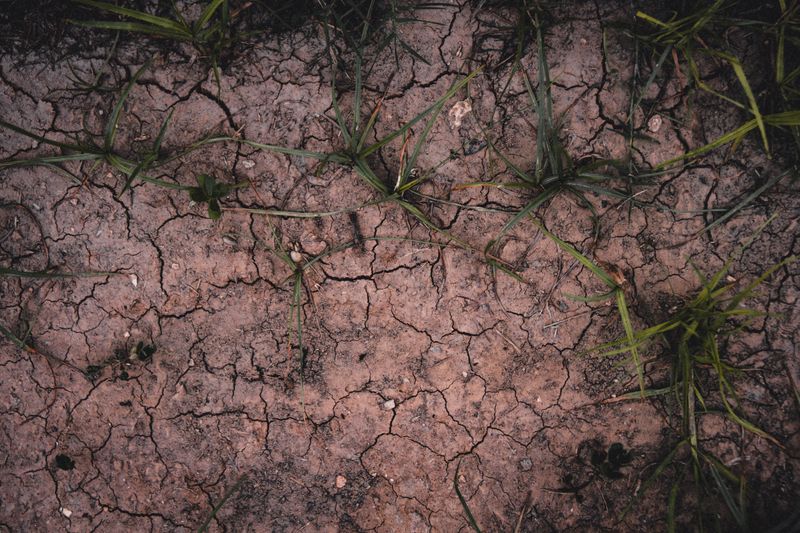
Completely dried-out soil is a serious warning sign for hydrangeas. Once the root zone goes bone dry, the plant cannot recover quickly, no matter how much you water afterward.
Many gardeners follow a “water when it looks dry” rule. The problem is that by the time the surface looks dry, the deeper soil has often been dry for days.
Hydrangeas signal that stress through leaf edges that turn tan, then brown, then crispy and brittle. Soil that dries out repeatedly also becomes hydrophobic.
That means water runs right off the surface instead of soaking in, which makes the problem even harder to fix. You end up pouring water that never reaches the roots at all.
Consistency is your best tool here. Set a watering schedule based on your local weather rather than waiting for visible signs of stress.
In summer, most hydrangeas need frequent watering, sometimes daily during extreme heat, depending on variety and soil.
Push a finger or a wooden dowel a few inches into the soil before each watering session. If it comes out dry, water immediately and water deeply.
Mulching around the base of the plant also slows soil from drying out so fast, giving your hydrangea a buffer against those crispy leaf disasters.
Drenching Leaves Instead Of The Root Zone
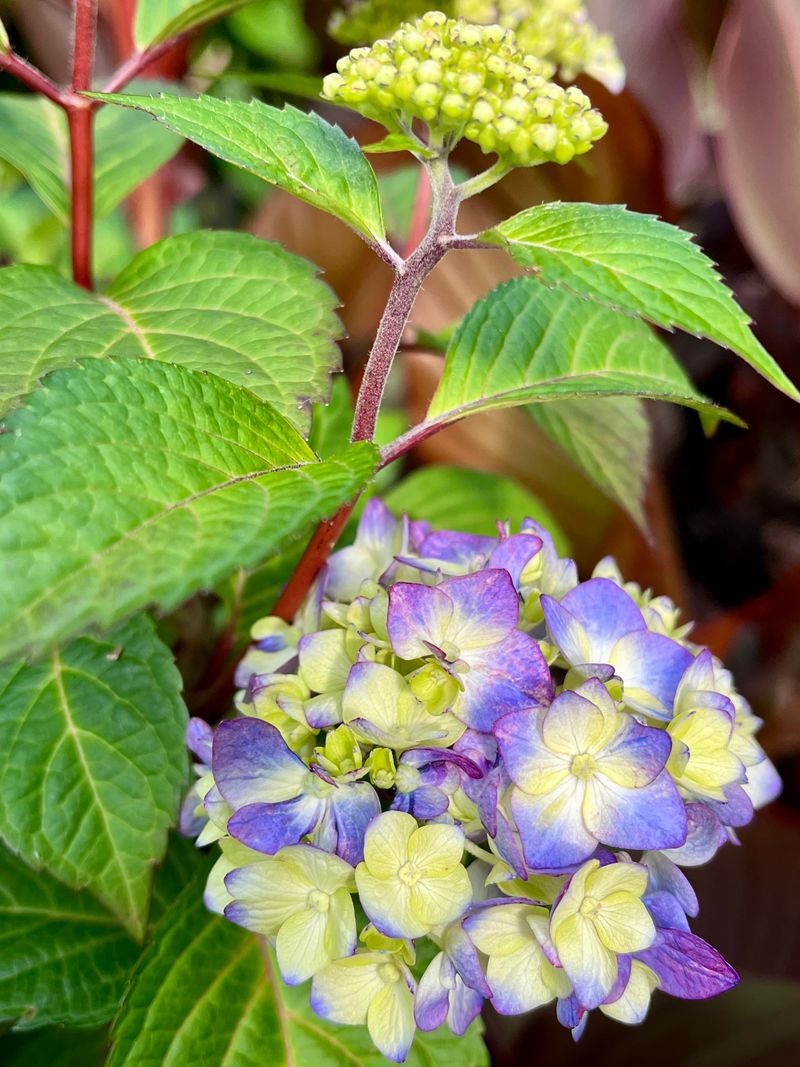
Spraying water all over the leaves might feel thorough, but it is actually working against your plant. Wet foliage sitting in heat and humidity invites fungal problems and does nothing useful for thirsty roots below.
Water sitting on leaves in direct sunlight can contribute to fungal issues and stress, and any resulting damage can look remarkably similar to crispy hydrangea leaves caused by drought. It is an easy mistake to make because the damage looks the same either way.
Overhead watering also wastes a significant amount of moisture through evaporation. The water never makes it past the leaves before the afternoon sun claims it entirely. Your plant ends up no better hydrated than before you started.
Always aim water directly at the soil around the base of the plant. A watering wand with a curved neck makes this incredibly easy without bending or straining. Keep the stream gentle and low so water soaks in rather than splashing away.
Early morning is the best time to water because any accidental leaf splash has time to dry before temperatures peak.
Redirecting your watering habits to focus on the root zone is one of the fastest fixes for preventing more crispy hydrangea leaves from forming. Roots need the drink, not the leaves.
Ignoring Pot Drainage And Letting Roots Sit Dry
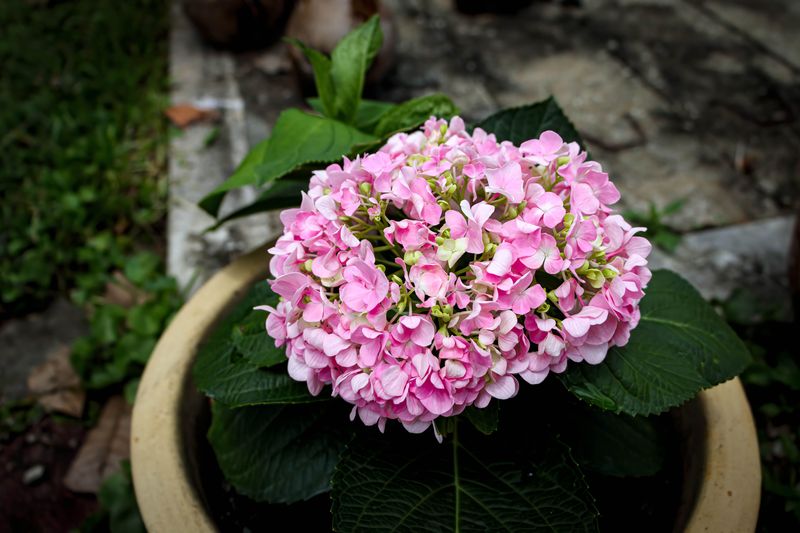
Potted hydrangeas face a notable challenge: pots tend to dry out faster than garden beds. A container sitting on a hot patio can dry out surprisingly fast on a very hot day.
Without proper drainage, water pools at the bottom of the pot and creates an uneven moisture situation.
The top of the soil feels dry and the roots near the bottom are either waterlogged or sitting in stagnant air pockets. Neither scenario is good for a hydrangea trying to stay lush and healthy.
Crispy leaf edges on potted hydrangeas are almost always a sign that the roots are not getting consistent moisture. The plant cannot buffer itself the way an in-ground shrub can, so the stress shows up fast and dramatically on the foliage.
Choose pots with multiple drainage holes and use a high-quality potting mix that retains moisture without becoming waterlogged.
Water until it flows freely from the bottom, then let the top layer of soil dry slightly before watering again. Do not let the pot sit in a dry saucer for more than a day.
During summer heat, check potted hydrangeas often, since they can dry out quickly. These plants reward attentive care with full, gorgeous blooms.
Staying consistent with drainage and moisture is the key to preventing disappointing crispy hydrangea leaves on your favorite container plants.
Water Deeply At The Base Early Morning
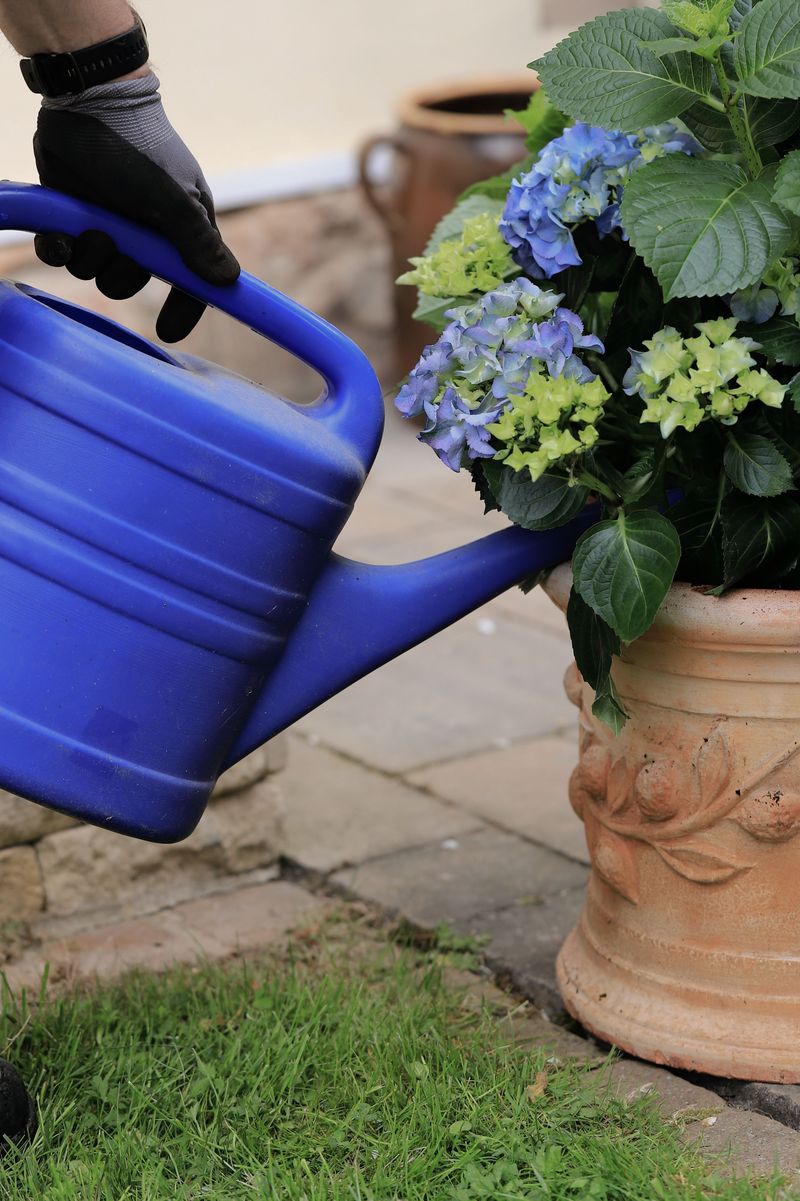
Watering in the early morning gives your hydrangeas a real chance to absorb moisture before the heat arrives.
Roots pull in water most efficiently when temperatures are cool, so morning sessions tend to reduce stress on the plant throughout the day.
Aim your hose or watering can directly at the base of the plant rather than the leaves. Wet foliage sitting in humid conditions can invite fungal issues, so keeping leaves dry is best. Focusing on the base helps water travel down to the root zone where it matters most.
Deep watering encourages roots to grow downward instead of staying near the surface, which can make your hydrangeas more resilient during dry stretches.
Shallow, frequent watering often trains roots to stay close to the top, leaving your plant vulnerable when conditions shift. A slow, steady soak allows moisture to reach several inches into the soil rather than just wetting the surface.
Many gardeners find that a drip hose or soaker hose works well for this kind of deep watering, since it delivers moisture gradually without runoff. Try to keep a consistent schedule, but stay flexible based on rainfall and temperature.
Some weeks may call for watering every few days, while cooler or rainier stretches may need less. Paying attention to your specific plant, container size, and soil type will help you adjust as needed.
Early morning watering, done thoughtfully and directed at the base, sets a strong foundation for healthier hydrangeas that can better handle whatever the rest of the day brings their way.
Add A Layer Of Mulch To Lock In Moisture
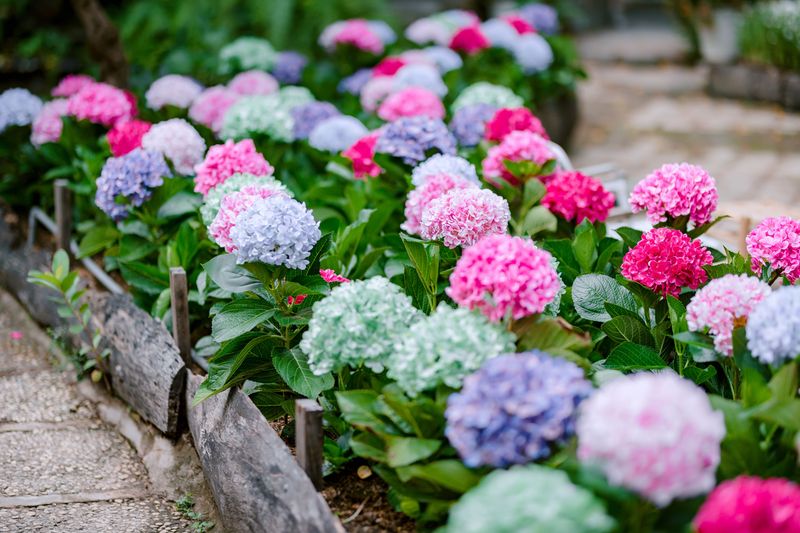
Mulch acts as a protective layer that helps your soil hold onto moisture longer between waterings. Spreading a few inches of organic mulch, such as shredded bark, pine straw, or compost, around the base of your hydrangeas can make a noticeable difference.
This layer slows evaporation, which means the water you already gave your plant sticks around longer instead of disappearing quickly in warm weather.
Mulch also helps regulate soil temperature, keeping roots cooler during hot afternoons and slightly warmer during cool nights. This kind of temperature balance can reduce stress on your hydrangeas over time.
Beyond moisture and temperature, mulch tends to suppress weeds that would otherwise compete with your plant for water and nutrients.
Fewer weeds often means more resources available for your hydrangeas to use. When applying mulch, try to leave a small gap around the base of the stem rather than piling it directly against the plant.
This spacing can help prevent moisture buildup against the stem, which may otherwise contribute to rot or other issues.
Refreshing your mulch layer every so often, especially as it breaks down or thins out, keeps the benefits going throughout the season.
Organic mulch also adds nutrients back into the soil as it decomposes, which can support overall plant health.
Many gardeners consider mulching one of the simplest additions to a watering routine because it requires little effort but offers ongoing support.
Combined with thoughtful watering habits, a solid mulch layer can help your hydrangeas stay hydrated with less daily effort on your part.
Check Soil Moisture Before Watering Again
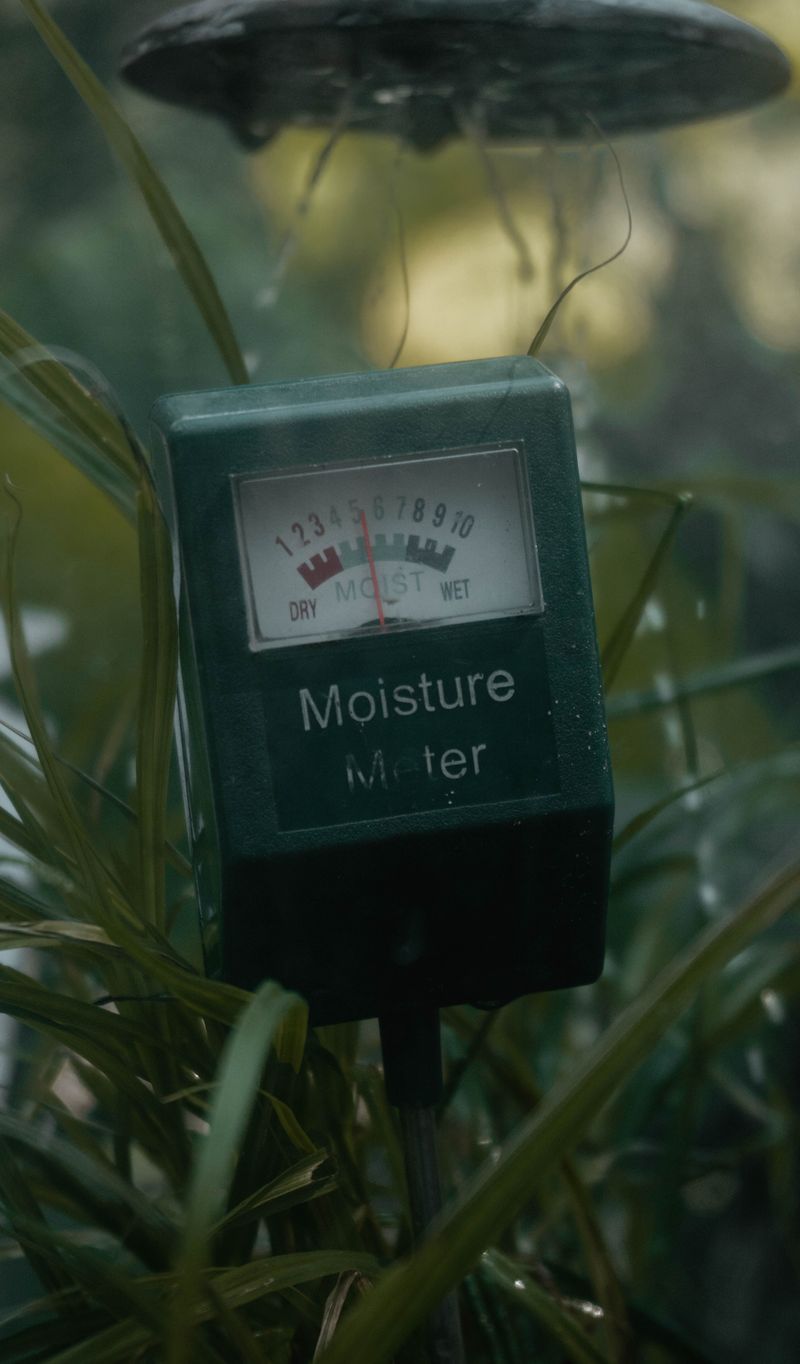
Checking soil moisture before adding more water is a simple habit that can prevent a lot of common problems.
Overwatering and underwatering often produce similar looking symptoms, so testing the soil directly gives you clearer information than guessing based on appearance alone.
A simple way to check is to press a finger a couple of inches into the soil near your hydrangeas. If it feels damp at that depth, your plant likely has enough moisture for now.
If it feels dry, that is usually a sign more water is needed soon. This small step takes only a moment but can save your plant from unnecessary stress.
Container hydrangeas tend to dry out faster than those planted in garden beds, so checking moisture levels regularly becomes especially useful for potted plants.
Weather also plays a role, since hot, windy days can dry soil faster than expected, while cooler or humid days may keep soil damp longer than usual.
Relying on a fixed schedule without checking conditions can sometimes lead to watering when it is not yet needed, or missing a window when your plant is thirsty.
Moisture meters are available if you prefer a more precise reading, though the finger test works well for most home gardeners.
Building this quick check into your routine helps you respond to what your hydrangeas actually need rather than following a rigid pattern.
Over time, this habit can help you develop a better sense of your plant’s natural rhythm, making future watering decisions feel more intuitive and less like guesswork.