Why Desert Iguanas Are Showing Up Near Arizona Patios This Summer
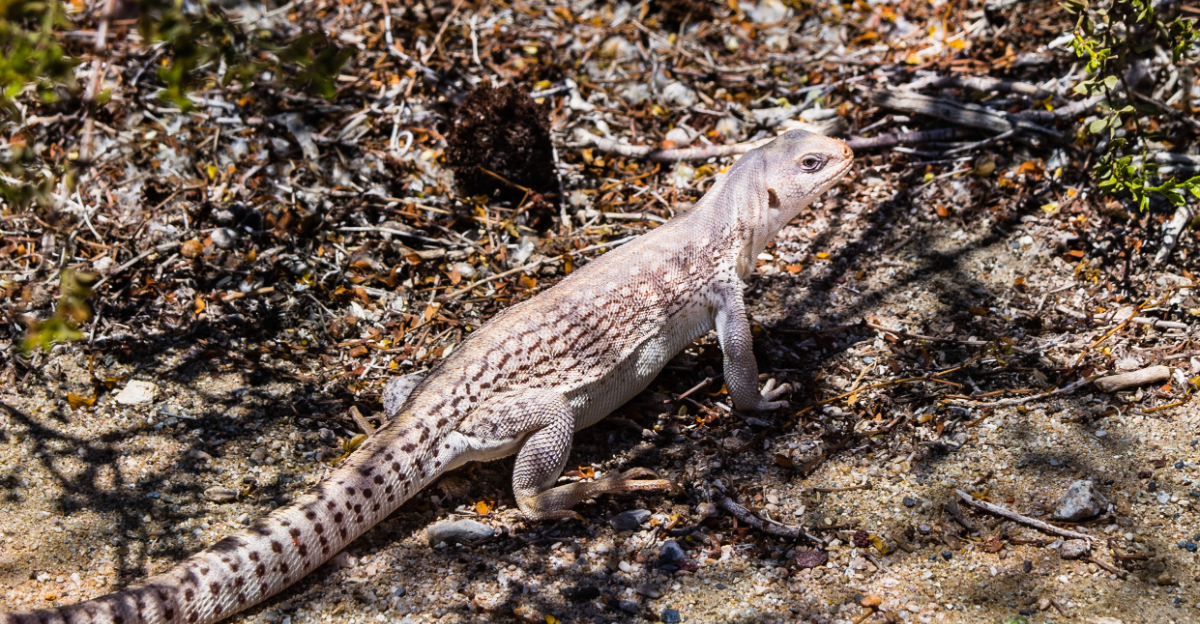
Something quick darting beside your patio can catch you off guard when summer heat seems too intense for wildlife. Look twice before assuming the visitor took a wrong turn.
Desert iguanas handle scorching weather well, making them easier to spot when many backyard creatures stay hidden.
Patios and nearby landscaping can create useful spaces for these active reptiles. In Arizona, summer conditions can bring their movements closer to homes.
Your yard may offer exactly the kind of surroundings these desert specialists naturally explore each day.
Notice where the lizard appears before making changes around your outdoor space. Its choice of location can reveal plenty about what makes certain patios appealing.
Those unexpected visits often become less mysterious once you understand how desert iguanas spend the hottest part of the year.
1. Summer Heat Brings More Iguana Activity
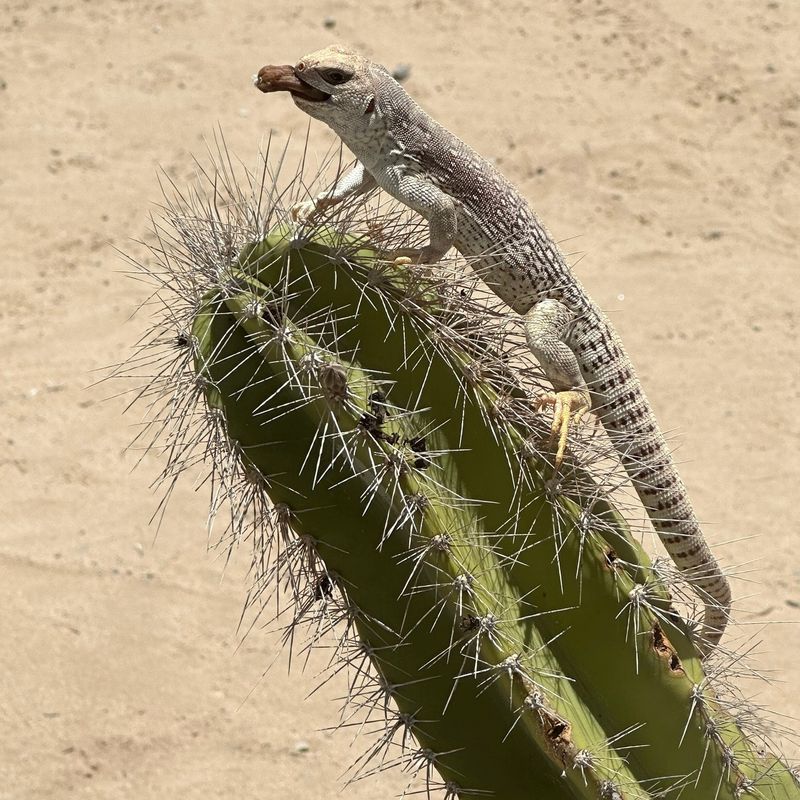
Scorching summer temperatures actually wake desert iguanas up rather than slow them down. While most animals seek shade when it gets hot, desert iguanas are built to thrive in extreme warmth.
Peak activity for these lizards often happens when ground temperatures would send most creatures running for cover.
On a typical summer morning in the desert Southwest, you might spot one moving quickly across open ground. They warm up fast and use that heat to fuel their energy.
Cooler mornings can actually make them sluggish, so midday movement is pretty normal for them.
Patios tend to absorb and hold heat well, especially concrete or tile surfaces. That warmth makes patio areas attractive resting spots.
A lizard sitting still on your patio is likely just soaking up heat to regulate its body temperature.
Arizona summers create near-perfect conditions for desert iguana activity. Longer daylight hours mean more time to forage, find mates, and explore territory.
Homeowners near open desert land tend to notice more sightings during June and July specifically.
Knowing this pattern can actually make spotting one feel pretty cool. You are catching a glimpse of a reptile that has adapted brilliantly to one of the most extreme climates in North America.
2. Desert Iguanas Can Handle Extreme Heat
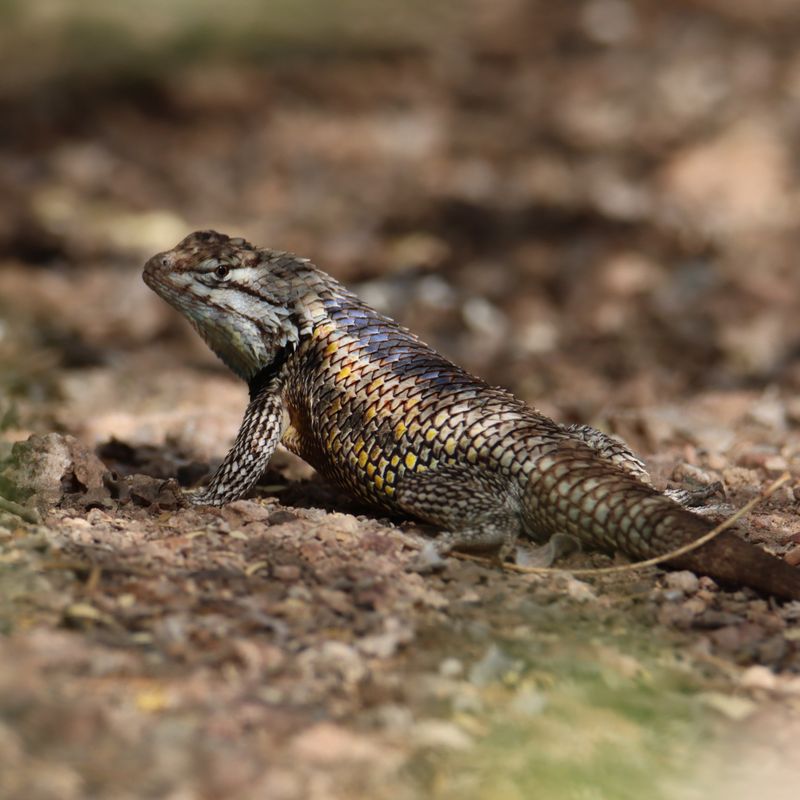
Most reptiles tap out when temperatures climb past 100 degrees, but desert iguanas are a different story. They can remain active at body temperatures that would stress out most other lizards.
Some individuals have been observed moving around comfortably when surface temperatures are well above 110 degrees Fahrenheit.
Their pale, cream-colored scales actually help reflect some sunlight. Combined with a physiology tuned for heat, they manage to stay mobile when other animals retreat.
That is a rare trait, even among desert-dwelling reptiles.
Panting and shade-seeking are behaviors you might notice as the afternoon gets intense. Even heat-tolerant animals have limits, so they adjust their behavior throughout the day.
Early morning and late afternoon are usually the busiest windows for movement.
Homeowners in the Sonoran Desert region sometimes find them pressed flat against a warm wall or fence. That posture helps them absorb radiant heat from surfaces.
It looks strange at first, but it is a smart survival move.
Your Arizona Garden Changes Every Week. Your Plan Should Too.
Gardening in Arizona changes quickly throughout the season. Every Friday you’ll receive a simple weekly plan showing exactly what to plant, prune, fertilize, harvest, and protect so you never miss the right timing.
Respecting their space during these moments is the best approach. Startling a lizard in the middle of thermoregulation can cause unnecessary stress.
A few feet of distance is usually enough to watch without interfering.
These lizards have spent thousands of years refining their heat tolerance. Watching one thrive in conditions humans find unbearable is genuinely impressive.
3. Sandy Yards Can Feel Like Familiar Habitat
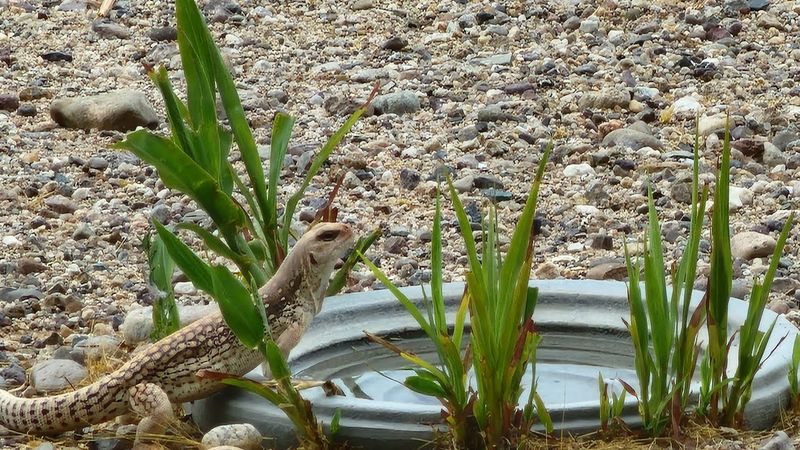
Not every backyard looks the same, but sandy, dry yards with minimal grass send a clear signal to desert iguanas: this feels like home.
Natural desert soil, gravel landscaping, and sparse ground cover mimic the open sandy flats where these lizards evolved.
Yards that lean into desert-style landscaping are more likely to attract them.
Grass lawns with heavy irrigation are usually less appealing. Dense, moist vegetation does not match what desert iguanas naturally seek out.
Open, sun-exposed ground with loose soil is much closer to their preferred environment.
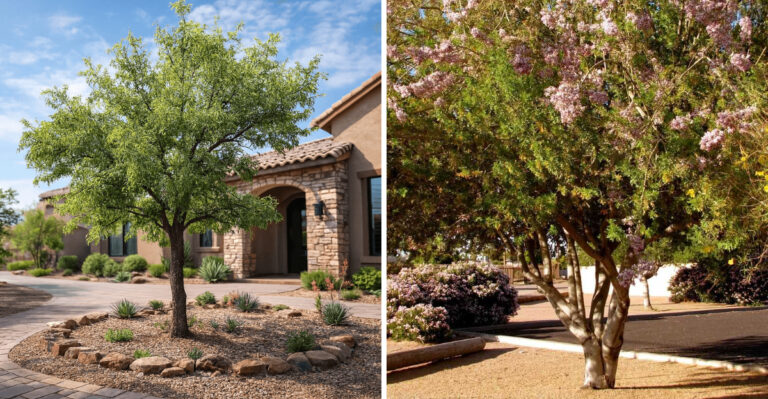
Decomposed granite, sandy patches, and rock borders are common in many Southwestern yards. These features unintentionally create a welcoming setup for lizards passing through.
A yard that drains quickly and stays dry is practically an open invitation.
Many Arizona homeowners lean into desert landscaping for water conservation reasons. That choice also happens to create habitat that local wildlife finds comfortable.
Native lizards benefit from the same low-water, sun-forward design that saves on utility bills.
Noticing a desert iguana in a sandy yard is a sign that your outdoor space blends naturally with the surrounding environment. It is a small ecological win.
Native wildlife moving through means the habitat is functioning in a healthy, connected way.
4. Creosote Bushes Offer Food And Shelter
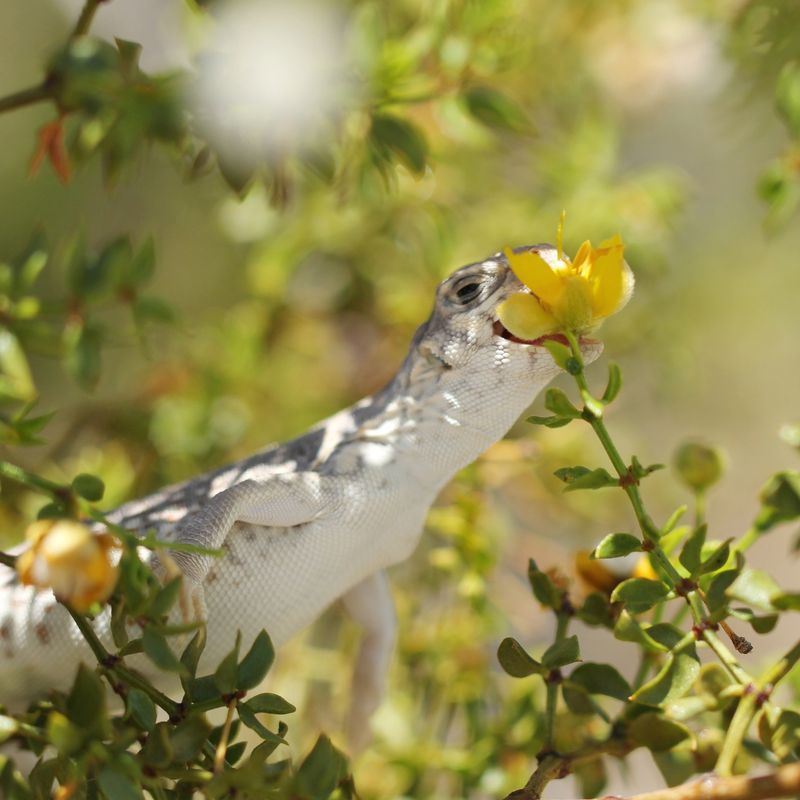
Creosote bushes are one of the most important plants in a desert iguana’s life. Flowers, leaves, and fruit from creosote make up a big portion of their diet.
If your yard or the area nearby has creosote growing, that is a strong draw for these lizards.
Beyond food, creosote provides shade and a sense of cover. Lizards use the shrubby base to hide from potential threats.
A dense patch of creosote can serve as a quick escape route or a shaded resting spot during the hottest part of the day.
Creosote is incredibly common across the desert Southwest. It lines roadsides, fills open lots, and grows along the edges of neighborhoods.
Any yard near undeveloped land likely has creosote within a short distance.
When creosote blooms in late spring and early summer, it draws iguanas out to feed actively. Increased food availability naturally increases movement and visibility.
More sightings near patios during this period are often linked to nearby creosote activity.
Planting native desert shrubs in your yard can create similar effects. Native plants support native wildlife in a straightforward, low-maintenance way.
It is one of the simplest ways to encourage healthy lizard populations nearby.
5. Burrows Offer Refuge From The Harshest Heat
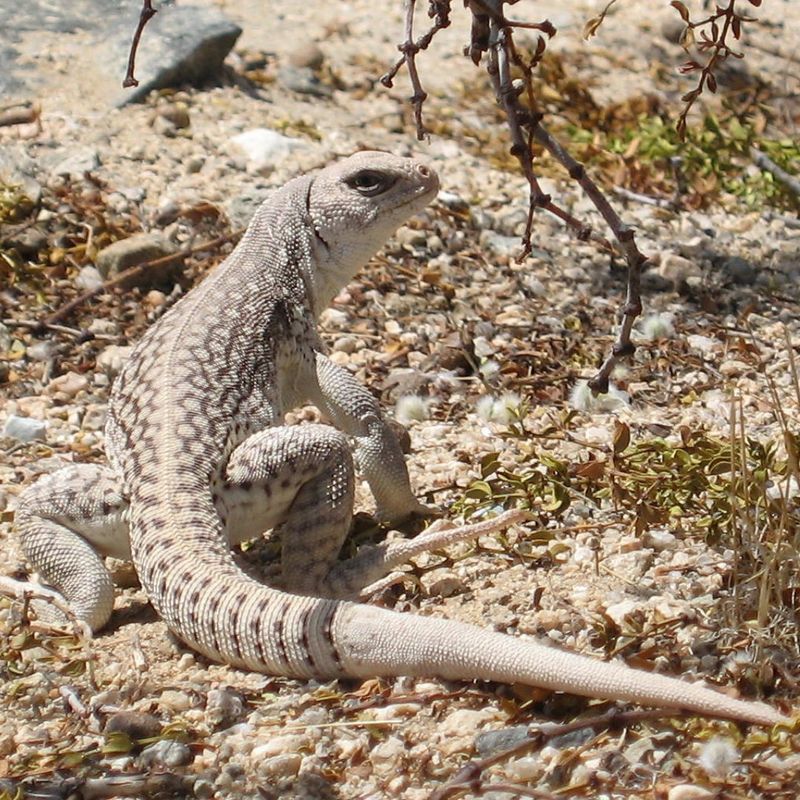
Underground is where desert iguanas go when the surface becomes too harsh to handle. Burrows are central to their survival strategy, offering stable temperatures when above-ground conditions swing to extremes.
A lizard that digs in is not hiding from you specifically, it is managing its environment.
Sandy soil makes digging easier, which is another reason yards with loose, dry ground attract them. Soft soil near patios, fence lines, or under shrubs can become a burrow site fairly quickly.
Homeowners sometimes notice small entrance holes appearing in unexpected spots.
Burrows also provide overnight shelter. Even in summer, desert nights can cool down significantly.
Staying underground keeps body temperature from dropping too fast when the sun goes down.
Female desert iguanas use burrows for nesting as well. Eggs are laid underground where temperatures stay more consistent.
Spotting a lizard repeatedly near the same spot in your yard may indicate a burrow nearby.
If you find a burrow entrance, leaving it undisturbed is generally the best move. Filling it in or disrupting the area can cause unnecessary stress to the animal using it.
Patience usually pays off, and most lizards move on naturally once conditions shift.
6. Young Iguanas Begin Appearing In Late Summer
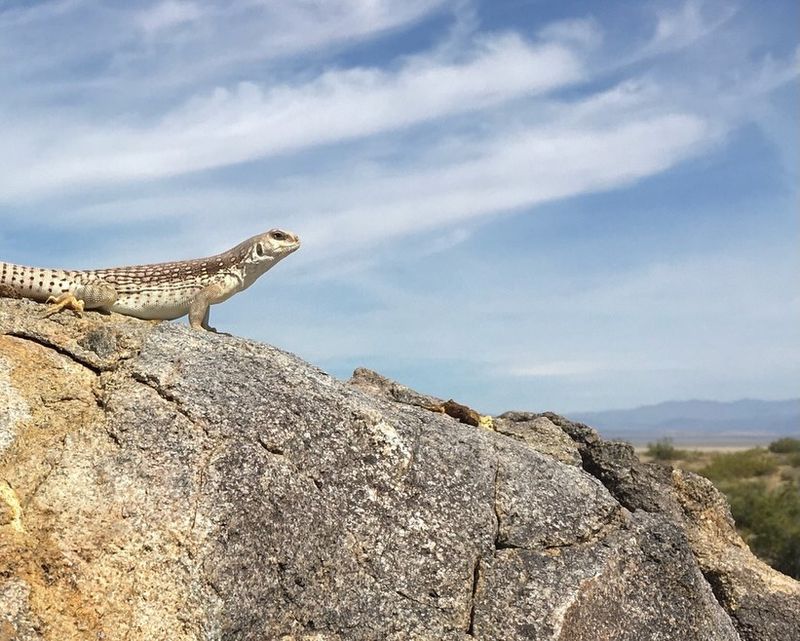
By late July and August, a new wave of tiny desert iguanas starts showing up. Eggs laid earlier in the summer begin hatching, and juveniles emerge into the world looking for food and shelter.
Suddenly seeing smaller, younger-looking lizards near your patio is a sign that a successful nesting season is underway.
Juvenile desert iguanas look similar to adults but are noticeably smaller and sometimes have slightly different coloring. They tend to be quicker to scatter when startled.
Young lizards are still learning how to navigate their environment, so they may wander into more visible spaces accidentally.
Patios near sandy soil or shrubby vegetation are common places to spot juveniles. They are searching for food and figuring out territory.
A small lizard sitting near your patio chair is almost certainly just exploring.
Late summer sightings in Arizona tend to include a mix of adults and juveniles. Seeing both age groups is a healthy sign for local populations.
It means reproduction is happening successfully in your neighborhood.
Young iguanas face more risks than adults do. Cats, larger birds, and other predators are real threats.
Keeping pets inside or supervised during peak lizard activity hours can make a genuine difference for juveniles passing through.
7. Patio Visitors Usually Move On Quickly
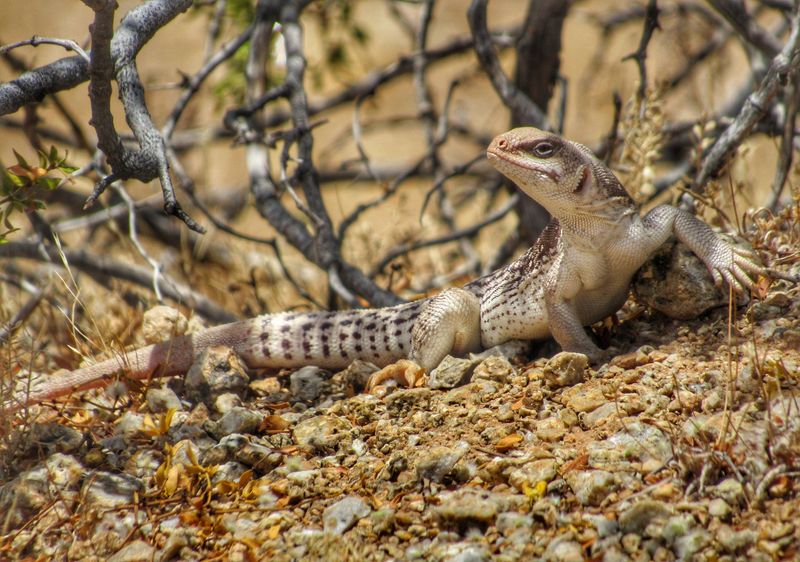
Seeing a desert iguana on your patio can feel surprising, but these visits are rarely permanent. Most lizards pass through, check out the area, and move on within minutes or hours.
Hanging around long enough to be noticed does not mean they are settling in.
Iguanas are naturally cautious animals. Human activity, noise, and movement typically encourage them to leave on their own.
Chasing or shooing them is usually unnecessary and can stress the animal without speeding up its departure much.
Leaving a patio undisturbed for a short period is often the easiest solution. Once the lizard feels comfortable that no threat is present, it typically moves along.
Patience works better than intervention in most cases.
Pet food left outside can occasionally attract lizards, since they may investigate unfamiliar smells. Keeping feeding areas tidy reduces any unintended draw.
Water features or dripping spigots might also pull in a thirsty lizard on a hot day.
Patio furniture, potted plants, and shaded corners can look like appealing rest spots to a passing iguana. A quick pause in the shade is completely normal behavior.
Once temperatures shift or activity resumes nearby, the lizard tends to move on.
Living near desert habitat in the Southwest means occasional wildlife encounters come with the territory.