This September Step Can Keep Georgia Roses Blooming Longer Into Fall
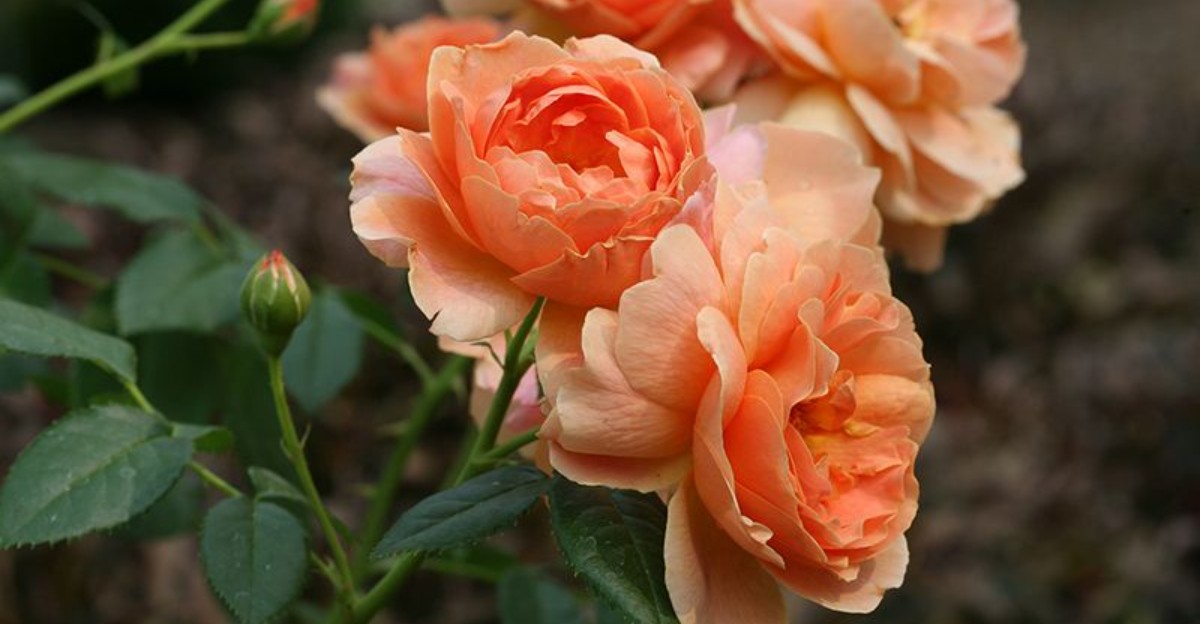
September roses can still have plenty of flowers left in them, even after months of heat have taken their toll. The trick is helping each plant use its remaining energy wisely.
By this point, tired blooms can stay attached while fresh buds are trying to develop nearby.
That overlap can make a rose bush look busy without giving the newer flowers their best chance. For Georgia gardeners, one simple September step can help shift the plant toward its next round of color.
The job takes only a little attention, but knowing where to stop matters.
Done correctly, it keeps the plant looking fresh without pushing tender growth too close to colder weather. You are simply helping the rose finish its season well.
Give those remaining buds some support, and fall can stay colorful longer.
1. September Roses May Still Have More Flowers Ahead
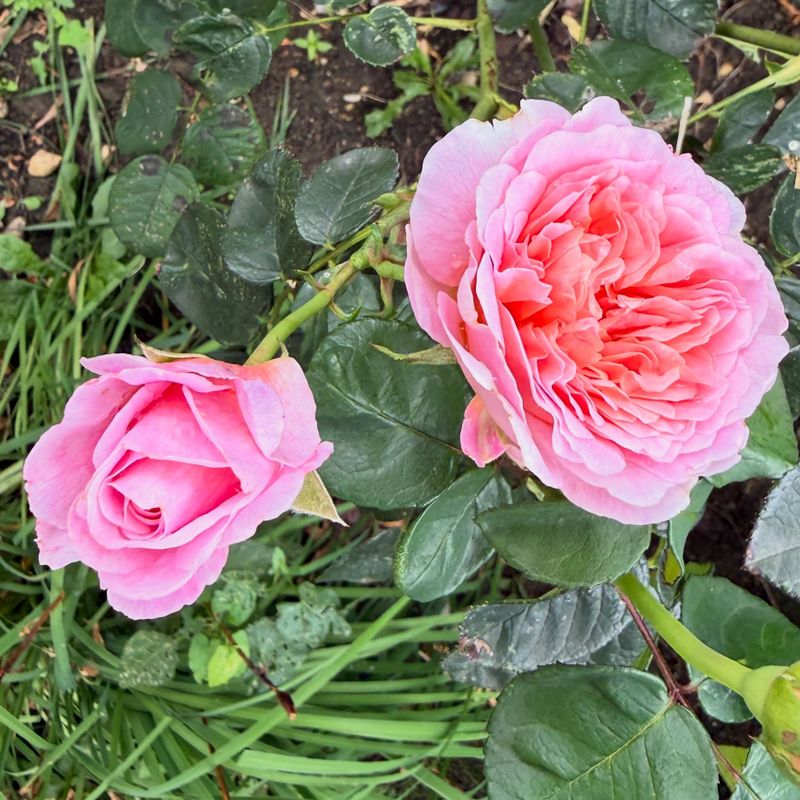
September does not automatically mark the end of the flowering season for repeat-blooming roses. Many varieties can continue producing buds while conditions remain suitable.
That makes this month a useful time to support flowers already developing on the plant. Georgia roses may still have several weeks of active growth before colder weather slows them down.
Look closely at the canes before assuming the season is finished.
Fresh leaves and developing buds show that the plant is still active. Some repeat-blooming roses can produce another flush as temperatures become less intense.
Different rose types will not respond in exactly the same way.
Hybrid teas, floribundas, and many modern shrub roses are known for repeat flowering. Once-blooming varieties follow a different schedule and should not be expected to produce another large display.
Keep normal care going while the plant remains active.
Water thoroughly during dry periods and continue removing faded flowers from repeat bloomers. Avoid heavy pruning simply to make a tired plant look neater.
September care should support the growth already underway rather than force a major new flush.
Watch the plant itself as conditions change. Healthy buds and fresh growth are better signals than the calendar when deciding whether more flowers may still be ahead.
2. One Final Feeding Can Support Another Round Of Growth
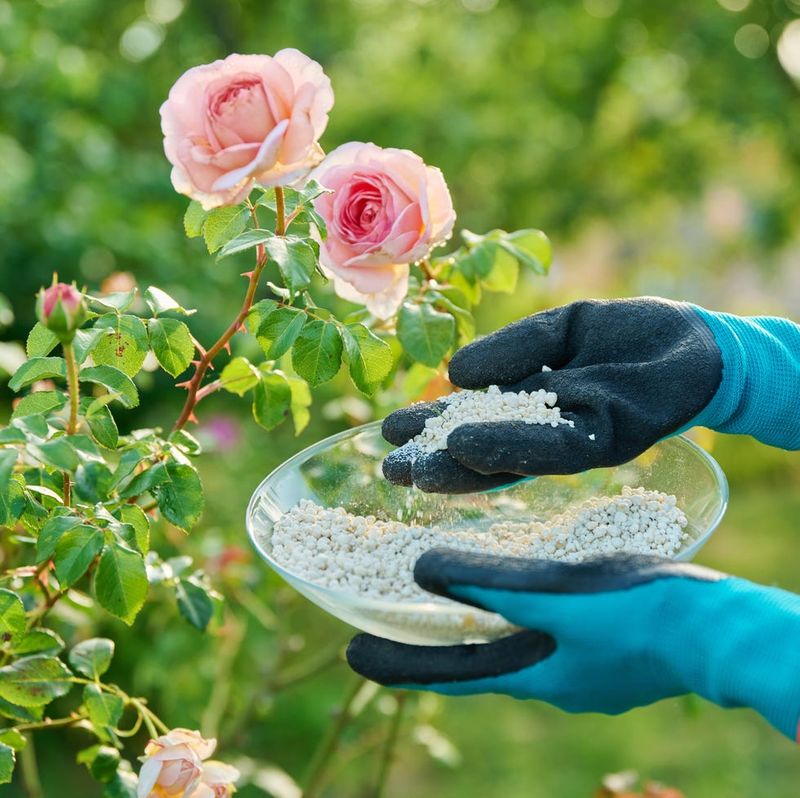
Roses that have flowered for months may still benefit from their final scheduled feeding of the growing season. The important part is getting the timing right.
UGA guidance supports monthly rose fertilization through September under appropriate growing conditions. That gives Georgia gardeners a clear reason to make this feeding the last one rather than continuing deep into fall.
Use a fertilizer suitable for roses and follow the product label carefully.
More fertilizer will not produce better results. Applying too much can stress the plant and encourage excessive growth when the season is already changing.
Spread granular fertilizer around the root area instead of piling it against the stems.
Lightly work it into the surface when the label recommends doing so. Water thoroughly afterward so nutrients can begin moving into the root zone.
Skip the feeding if the plant is severely stressed or the soil is extremely dry.
Your Georgia Garden Changes Every Week. Your Plan Should Too.
Gardening in Georgia changes quickly throughout the season. Every Friday you’ll receive a simple weekly plan showing exactly what to plant, prune, fertilize, harvest, and protect so you never miss the right timing.
Correct the moisture problem first and allow the rose to recover. A soil test can also provide better guidance when nutrient needs are uncertain.
This final feeding is meant to support healthy growth already underway.
It should not become an excuse for repeated fall applications. Once September passes, let the rose begin responding naturally to changing seasonal conditions.
3. September Is The Last Feeding Window Before Colder Weather
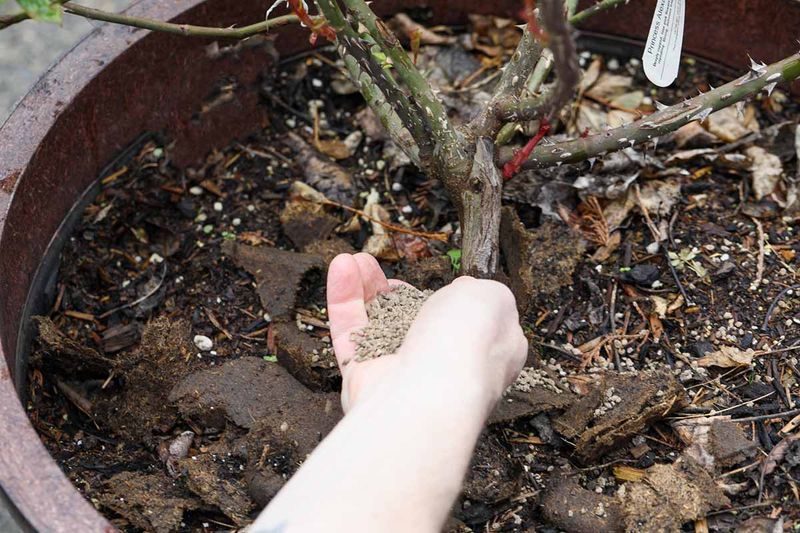
September is a sensible stopping point for routine rose fertilization rather than the beginning of another long feeding cycle. Continuing too late can encourage tender growth as colder weather gets closer.
UGA rose guidance recommends monthly fertilization from March through September. Another Georgia Extension source also advises allowing plants to finish their seasonal growth without heavy fertilizer as fall develops.
That makes the timing much simpler than counting backward from an uncertain frost date.
Give the final scheduled feeding during September, then stop. There is no need to calculate an exact number of weeks for new canes to mature.
Conditions also differ considerably across the state.
Northern gardens generally experience colder weather sooner than areas farther south. Even so, conditions change from year to year, so feeding should follow the season rather than one fixed date.
Avoid adding extra fertilizer because flowering seems slower.
Roses naturally begin changing pace as the growing season winds down. Trying to force another burst of soft growth can work against that transition.
Continue providing water when conditions are dry.
Fertilizer stops before basic care does. Healthy roots still need adequate moisture while the plant remains active.
Treat September as the end of regular feeding, then allow cooler weather to guide the rose toward its seasonal slowdown.
4. Water The Soil Well After Applying The Fertilizer
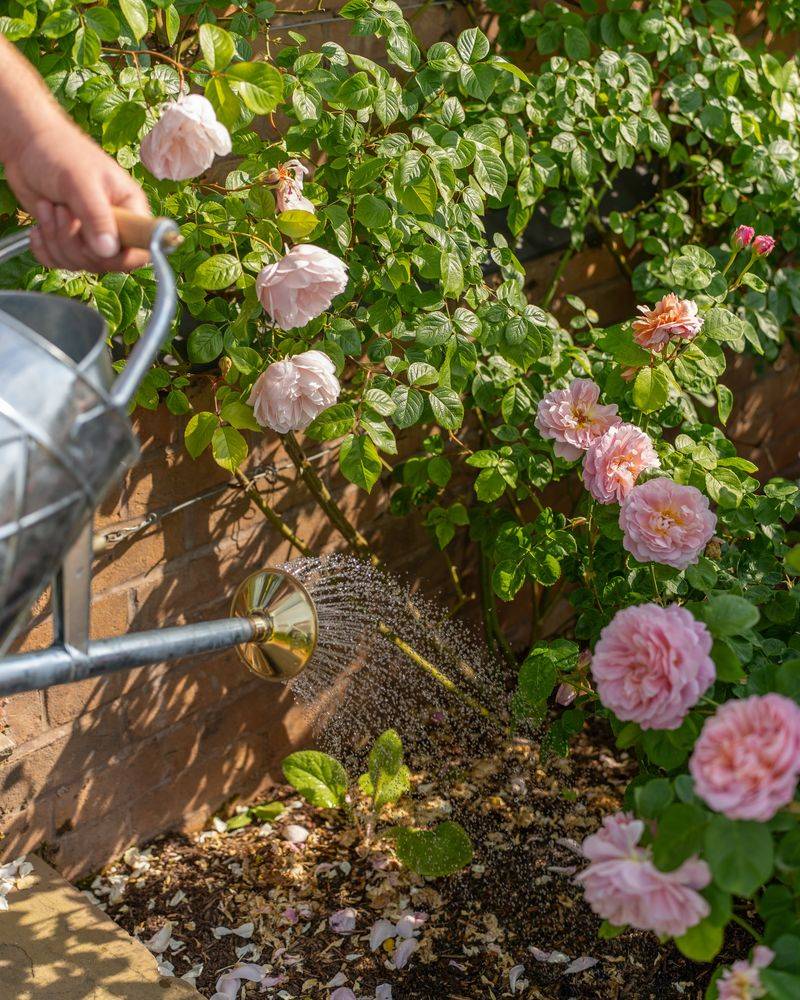
Fertilizer needs moisture to become available around the root zone. That makes watering an important part of the final September feeding.
UGA recommends watering roses after fertilizer is spread around the plant. Roses should also be watered thoroughly during dry weather rather than receiving frequent shallow splashes.
Apply water slowly around the soil beneath the plant.
The goal is to wet the root zone thoroughly without leaving the bed saturated. A drip line or soaker hose can make this easier.
Keeping water near the soil also helps the foliage stay dry.
Wet rose leaves can encourage disease problems, especially when they remain damp for long periods. This matters in humid Georgia gardens where black spot can already be a persistent issue.
Check the soil before watering again.
Rainfall, soil type, mulch, and temperature all affect how quickly the root zone dries. A fixed schedule can therefore provide too much water one week and too little the next.
Mulch can help reduce moisture loss between waterings.
Pine straw, bark, and other suitable organic materials can protect the soil surface. Keep mulch from being packed tightly against the rose stems.
After the final feeding, continue watching moisture rather than automatically increasing fertilizer or water.
5. Keep Removing Faded Flowers While New Blooms Are Developing
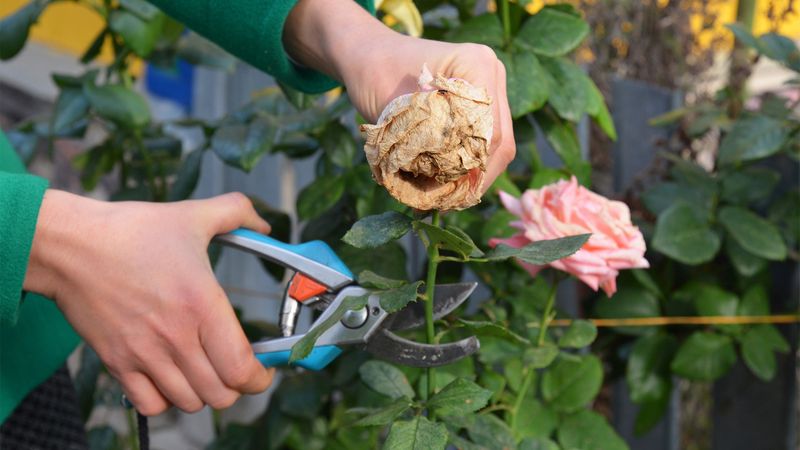
Faded flowers can be removed while repeat-blooming roses are still actively producing new buds. This light grooming is very different from giving the entire plant a hard fall pruning.
UGA rose guidance recommends removing spent blooms to encourage continued flowering. Georgia gardeners can continue this simple task while their repeat bloomers remain active.
Use clean, sharp pruners and make tidy cuts.
Remove the faded flower with only the amount of stem needed for normal grooming. There is no reason to reshape the entire shrub while preparing it for another round of color.
Keep an eye on the leaves while you work.
Fallen or diseased foliage around the base should be cleared away rather than allowed to collect. Removing affected material can help reduce sources of disease around roses.
Do not confuse light flower removal with major seasonal pruning.
Hybrid teas, floribundas, and grandifloras are generally pruned more heavily in late winter before new growth begins. Climbing and other rose types can require different timing.
For now, concentrate on flowers that have already faded.
Leave healthy canes and foliage in place. That keeps September cleanup focused without stimulating the plant through unnecessary cutting.
As flowering slows later, you can reduce this routine and allow the rose to follow its natural seasonal change.
6. Watch For Black Spot As Fall Conditions Begin To Change
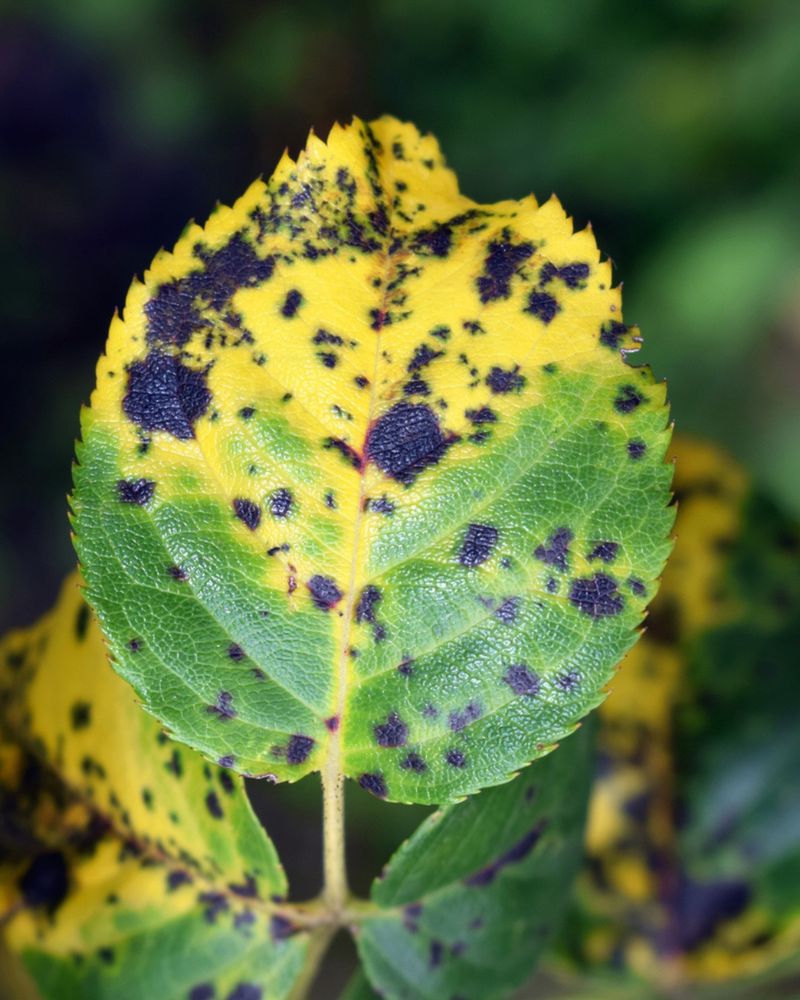
Black spot deserves attention whenever roses remain leafy and active. The disease is especially familiar in humid growing conditions and can weaken the appearance of an otherwise healthy plant.
Dark spots on foliage are an obvious warning sign.
Affected leaves can yellow and fall as the problem progresses. Georgia’s humid climate makes black spot one of the common disease concerns for roses.
Start with simple sanitation around the plant.
Remove fallen affected leaves instead of allowing them to remain beneath the rose. UGA guidance recommends clearing infected plant material because it can contribute to disease pressure later.
Watering habits matter as well.
Direct water toward the soil rather than repeatedly soaking the foliage. Longer periods of leaf wetness create better conditions for several fungal leaf problems.
Give plants enough room for air to move through the foliage.
Crowded growth can stay damp longer after rain or irrigation. Better airflow helps leaves dry more efficiently.
Avoid heavy pruning in September simply to improve circulation.
Major pruning can encourage tender new growth at the wrong point in the season. Remove clearly affected material when necessary, but save routine major pruning for the appropriate time.
Regular checks make black spot easier to notice before much of the foliage is affected.
7. Stop Feeding After September And Let Growth Slow Down
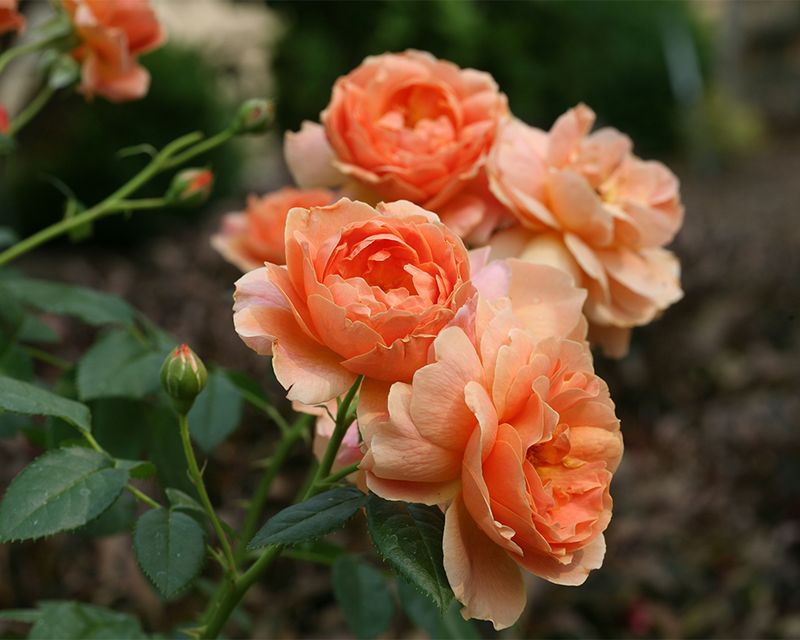
Once the final September feeding is finished, resist the urge to add another dose simply because the rose is still green. The plant needs time to respond naturally to the changing season.
Fall is not the time to push vigorous new growth.
UGA September guidance warns against heavy fertilizer applications because they can delay normal hardening. Tender new growth is more vulnerable when colder conditions arrive.
For roses across Georgia, routine feeding can therefore stop after September.
That does not mean every other part of care stops at the same time. Continue checking soil moisture and water thoroughly when dry conditions make it necessary.
Leave major pruning for the proper season as well.
Hybrid teas, floribundas, and grandifloras are generally pruned in late winter before spring growth begins. Cutting them back heavily during fall can stimulate growth when you want the plant slowing naturally.
Basic cleanup can continue without reshaping the shrub.
Remove diseased foliage and keep fallen affected leaves from collecting underneath the plant. Healthy stems and leaves can remain while the rose completes its seasonal transition.
September is therefore about finishing regular feeding rather than ending all care.
Support the plant with sensible watering and sanitation, then let cooler conditions gradually slow its growth.