What You Can Safely Prune From Ohio Trees In September
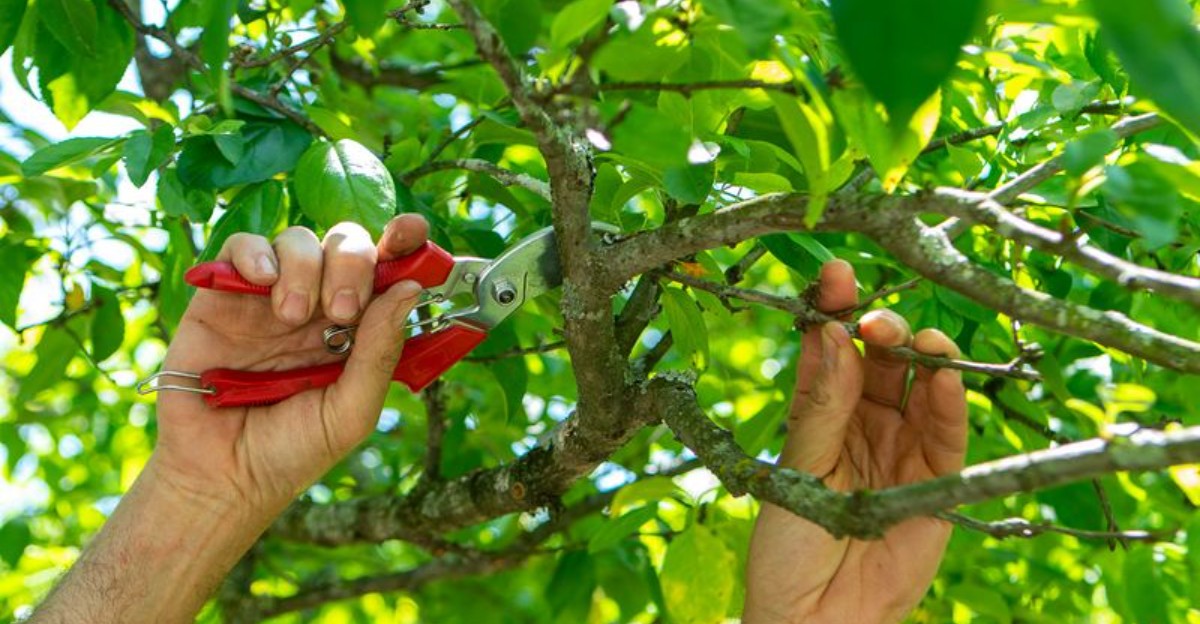
Ohio trees can look a little unruly by September. A summer of storms, fast growth, and heavy foliage leaves behind branches that sag, rub, block views, or simply make you wonder if they should still be there.
With cooler weather approaching, many homeowners reach for the pruners thinking this is the perfect cleanup moment. The catch is that not every branch should get the same treatment this time of year.
Ohio’s trees are already shifting toward the next season, and a cut that seems minor can have a bigger effect than expected. Some branches are worth removing now because they solve a real problem.
Others are better saved for a different time when the tree can respond properly. The difference is not about how messy the branch looks from the ground.
It comes down to what kind of growth you are removing and how your tree handles a September cut.
1. Withered Branches
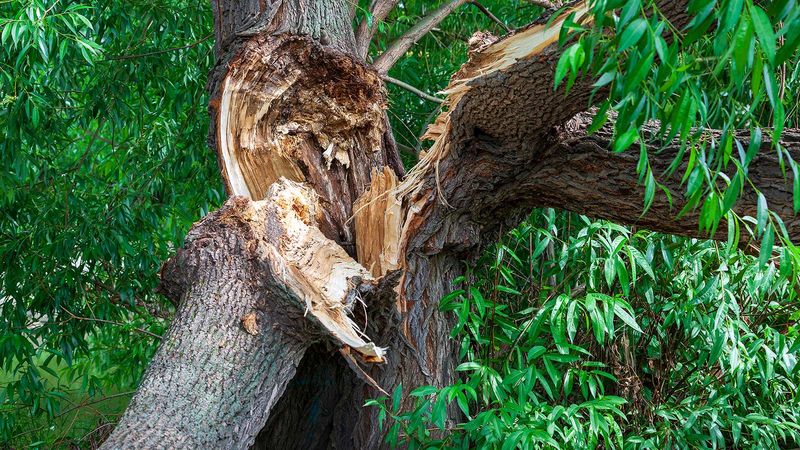
Before pruning, identify the tree species first. Some trees tolerate fall pruning well, while others are better left until late winter or early spring.
Nothing spells trouble faster than a lifeless limb hanging around your yard. Withered branches have no leaves, feel brittle, and often snap without warning during a storm.
Removing them in September is one of the safest jobs you can tackle. Because the branch is already deceased, removing it usually causes far less stress than cutting healthy living growth.
You are simply cleaning up what the tree no longer uses.
Look for limbs that stay bare while the rest of the tree still holds green leaves. Snap a small twig if you are unsure, a living branch bends and shows green inside, while a deceased one cracks and looks brown or gray throughout.
Make your cut just outside the branch collar, that slightly swollen area where the branch meets the trunk. Cutting there helps the wound seal cleanly and keeps decay from creeping in.
Always wipe your blades with rubbing alcohol before moving to another tree, since withered wood can carry hidden fungus. A quick clean stops problems from spreading around your yard.
Clearing deceased wood also makes your tree look tidier and lets more sunlight reach the healthy branches below. It is a small effort that pays off in both safety and appearance.
2. Damaged Limbs
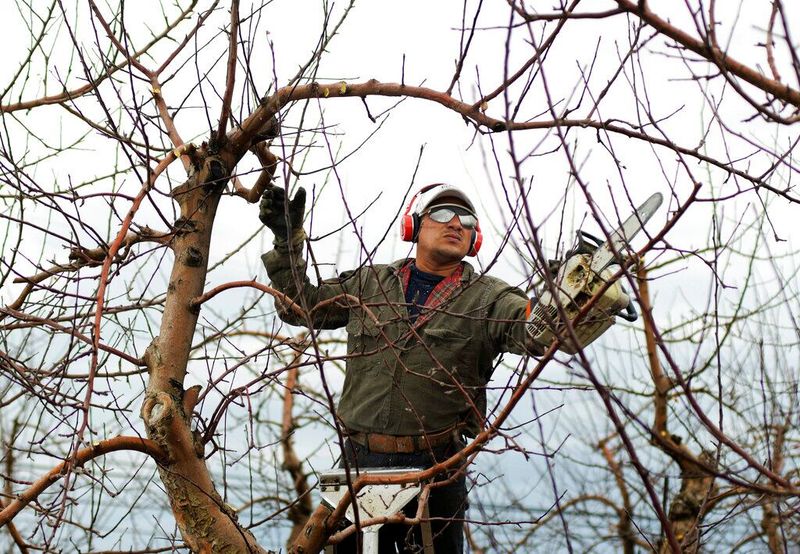
Storms roll through Ohio all summer, and by September many trees carry the scars. Cracked, split, or partly broken limbs are more than an eyesore, they are a hazard waiting to fall.
Trimming these damaged branches now protects your family, your car, and your home. A limb that is barely holding on can drop suddenly, so getting ahead of it saves you a bigger headache later.
Start by checking your trees after any windy day. Look for branches that hang at odd angles, show splits in the wood, or have peeling bark where they cracked.
These are the ones that need attention.
When you cut, remove the branch back to a healthy point or all the way to the branch collar. A clean cut helps the tree seal the wound instead of leaving a ragged tear that invites rot.
Your Ohio Garden Changes Every Week. Your Plan Should Too.
Gardening in Ohio changes quickly throughout the season. Every Friday you’ll receive a simple weekly plan showing exactly what to plant, prune, fertilize, harvest, and protect so you never miss the right timing.
For limbs high overhead or near power lines, skip the ladder and call a professional. Some jobs are simply too risky to handle on your own.
Handling damaged wood early keeps small problems from turning into fallen limbs during winter ice storms. Your trees will thank you by staying sturdier through the cold months ahead, and you will rest easier during the next big blow.
3. Diseased Wood
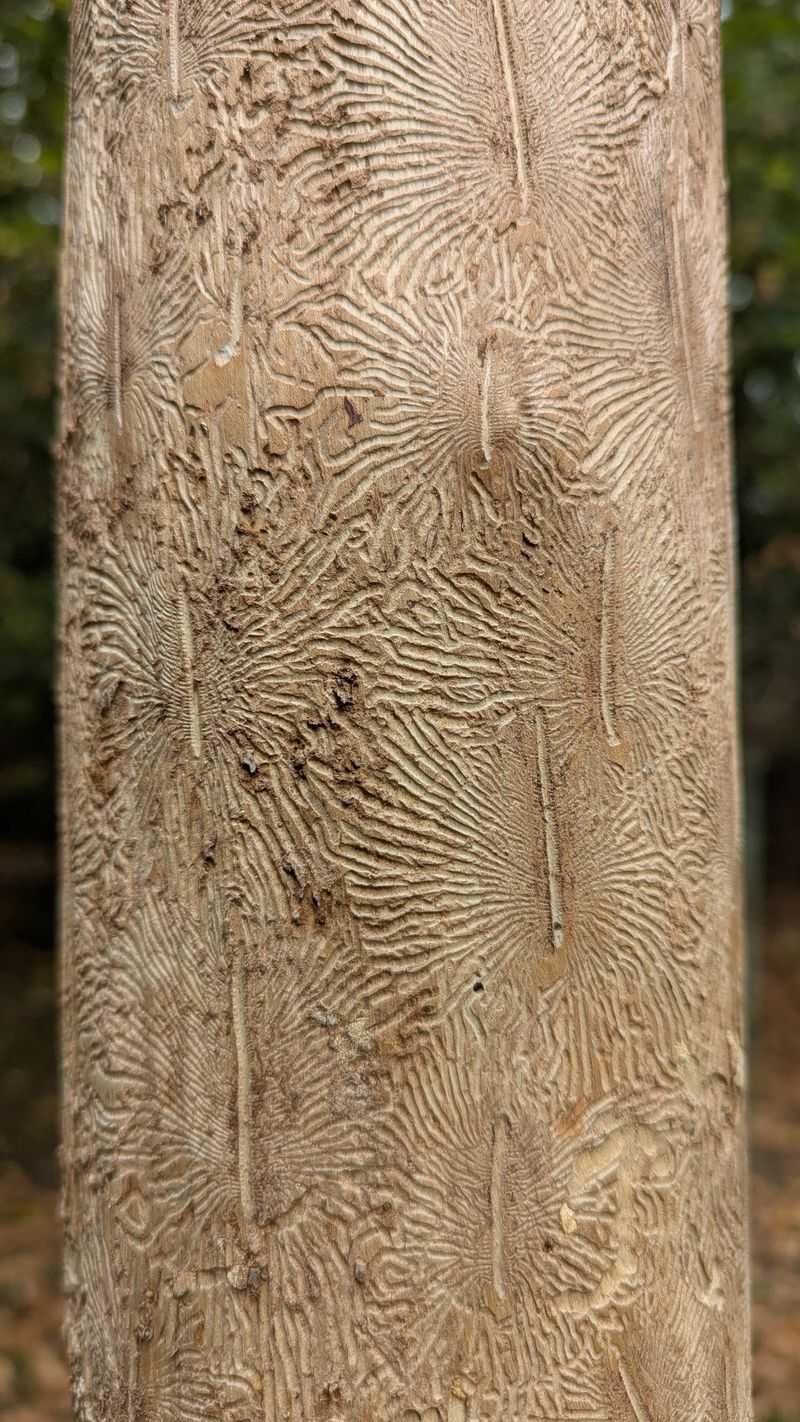
Removing clearly diseased branches can help limit problems, but identify the issue first and avoid unnecessary cuts into healthy wood. Diseased wood often shows spots, oozing sap, strange growths, or bark that looks sunken and dark.
Getting rid of infected limbs stops the illness from creeping into the rest of the tree. If you leave them, the disease can travel down toward the trunk, where it becomes much harder to fix.
Before you cut, take a good look at what is happening. Cankers, powdery mildew, and withered patches surrounded by living tissue are all clues that a branch is fighting an infection.
Cut well below the sick area, into clean and healthy wood, so you remove all the trouble. Leaving even a little diseased tissue can let the problem come right back.
Cleaning your tools matters most with diseased wood. Wipe your blades with alcohol between every single cut, not just between trees, so you do not accidentally carry germs from one branch to another.
Bag up the diseased clippings and toss them in the trash instead of your Ohio compost pile. Composting sick wood can spread the same problem to other plants later.
Acting quickly on disease keeps your whole yard healthier and gives your trees a stronger start next spring.
4. Hazardous Branches Near Power Lines
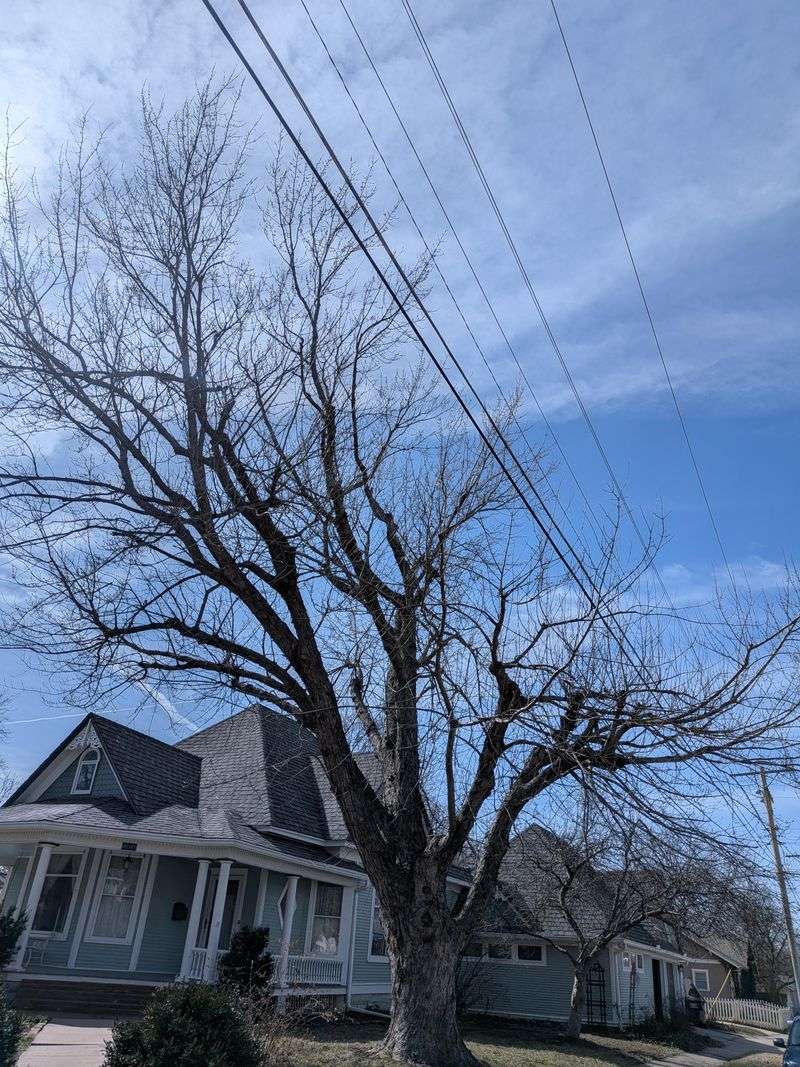
Some branches are more than a nuisance, they are downright dangerous. Limbs that reach toward power lines, hang over walkways, or press against your roof create real safety risks.
September is a good month to spot and deal with these hazards before winter storms make them worse. Ice and heavy snow can weigh branches down, pushing them into places they should never touch.
Walk around your property and look up. Notice any limbs that dangle over the driveway, brush against the house, or grow uncomfortably close to electrical wires.
Here is the important part: never try to trim branches near power lines yourself. That job belongs to trained professionals or your utility company, who have the right gear to stay safe.
For lower hazards, like a branch hanging over a sidewalk, you can make a careful cut back to a strong point on the limb. Keep your footing steady and use sharp tools for a clean job.
Taking care of risky branches protects everyone who walks, plays, or parks beneath your trees. It also gives you peace of mind when the wind starts howling.
A little attention now means fewer emergencies later, and that is always worth the effort during Ohio’s unpredictable seasons.
5. Light Canopy Thinning
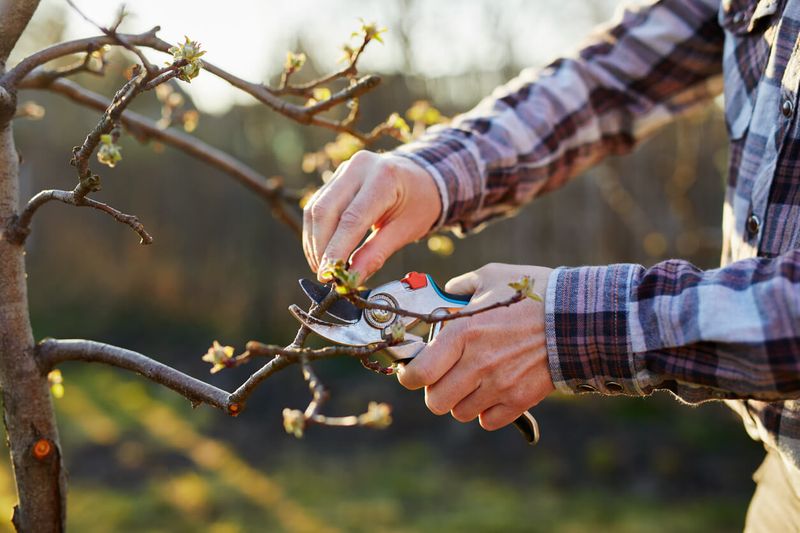
A crowded canopy can trap moisture and block sunlight, leaving your tree feeling stuffy. Small corrective cuts may be appropriate in September, but save major canopy thinning for the dormant season when possible.
The key word here is light. You are only snipping a few small, crowded branches, not giving the tree a major haircut.
Heavy cutting this time of year drains energy the tree needs for winter.
Better airflow through the branches helps leaves dry faster after rain, which lowers the chance of fungus taking hold. More sunlight reaching the inner branches keeps them healthy too.
Focus on branches that cross over each other or rub together. Rubbing limbs wear away bark and create wounds where pests and disease can sneak in.
Step back often as you work so you can see the whole tree. It is easy to get carried away, but removing too much leaves the tree stressed and thin.
A good rule is to take away only a small portion of the living growth. If you find yourself cutting a lot, stop and wait for the dormant season instead.
Gentle thinning gives your tree a lighter, healthier shape while respecting its need to rest. Done right, it is a quiet way to boost tree health without overdoing things.
6. Crossing And Rubbing Branches
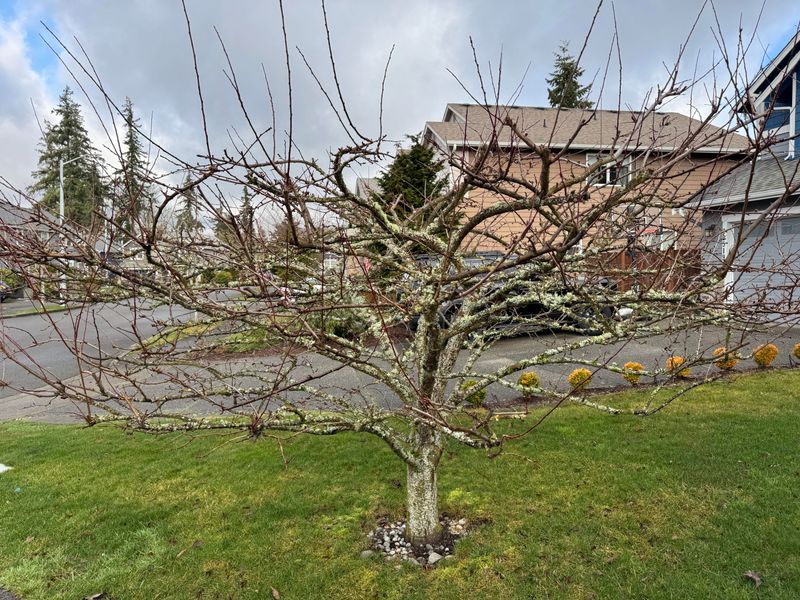
Ever notice two branches grinding against each other every time the wind blows? That constant rubbing wears down the bark and opens the door to decay.
September gives you a chance to fix these small conflicts before they turn into big wounds. When bark rubs away, the tree loses its natural shield against insects and infection.
Take a close look at spots where branches cross paths. One usually rubs against the other, leaving a worn, shiny patch where the bark has been scraped thin.
Choose the weaker or more awkward branch to remove, and keep the stronger one that fits the tree’s shape. Cutting the right branch improves both looks and long-term health.
Make your cut cleanly at the branch collar so the wound can seal properly. A jagged tear takes longer to heal and gives pests an easy way in.
Since this is light work, it fits the September rules perfectly. You are only removing a branch or two, not reshaping the entire tree.
Clearing up these tangles helps the remaining branches grow with more room and less friction. Over time, your Ohio tree develops a stronger, cleaner structure.
It is a simple fix that prevents future headaches, and your tree grows tidier and tougher because of your careful attention.
7. Water Sprouts
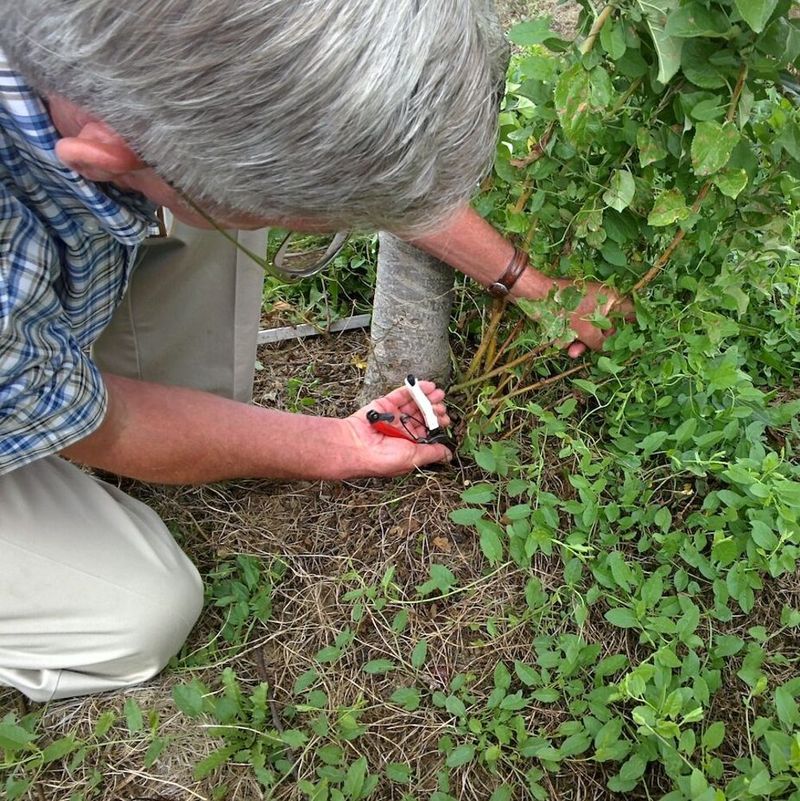
Those skinny shoots shooting straight up from branches have a name: water sprouts. They pop up fast and steal energy the tree could use elsewhere.
September is a fine time to clip these away since they are soft, easy to spot, and simple to remove. Pulling energy away from them helps the tree focus on its stronger, more useful growth.
Water sprouts usually grow upward in a hurry, standing tall and thin against the normal branches. They often show up after heavy pruning or when a tree feels stressed.
Snip them off close to where they start, using clean and sharp pruners. Because they are young and tender, the cuts heal quickly and cause little stress.
Leaving too many sprouts creates a cluttered, bushy mess that blocks light and airflow inside the tree. Clearing them keeps the canopy neat and open.
Many water sprouts are poorly positioned and create a crowded canopy, but some may be useful depending on the tree and its structure. This kind of cleanup counts as light pruning, which September allows.
Keeping water sprouts in check helps your tree save its strength for the branches that truly matter. The result is a healthier, more balanced tree that spends its energy wisely instead of on useless growth.
8. Suckers From The Base
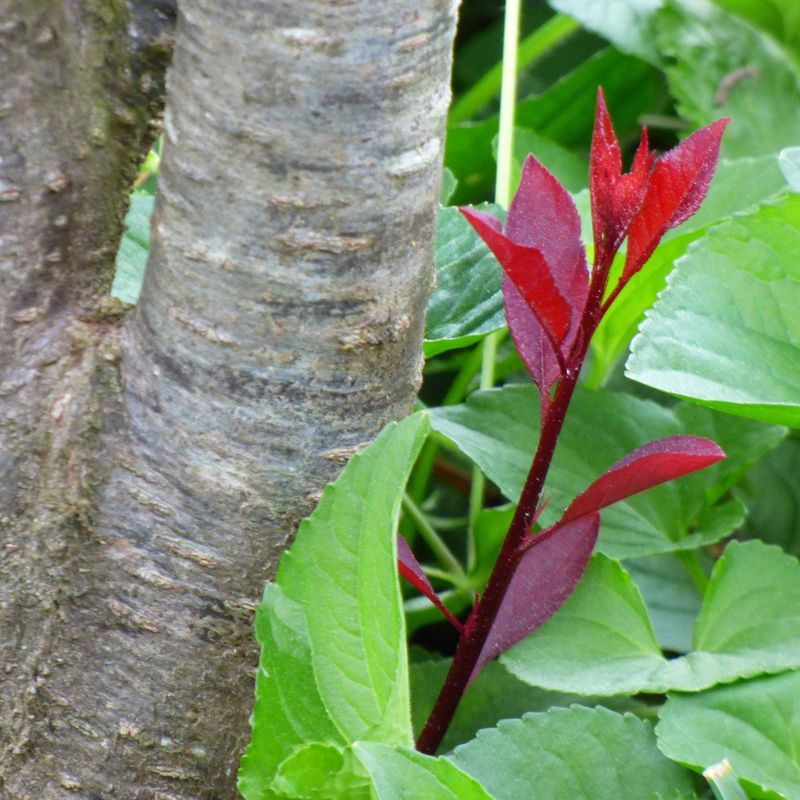
Look down at the bottom of your tree and you might spot little shoots poking up from the roots or trunk base. These are called suckers, and they can create unwanted growth at the base and compete for space while making the tree harder to maintain..
Trimming them in September is quick, easy, and totally safe for the tree. Since they sprout from the base, removing them does not touch the important upper branches at all.
Suckers grow because the tree is trying to send up new stems, often after stress or damage. Left alone, they crowd the base and pull energy from the main trunk.
Cut them as close to their starting point as you can, whether they rise from the soil or the lower trunk. Getting them early keeps them from growing thick and stubborn.
Sharp pruners or loppers work well for this job, depending on how big the suckers have become. A clean snip leaves less chance for regrowth right away.
Some suckers come back, so check the base every few weeks and remove new ones as they appear. Staying on top of them makes the job easier over time.
Keeping the base clear gives your tree a tidy look and lets it send its strength upward. A sucker-free trunk also makes mowing and yard care around the tree much simpler.
9. Young Tree Structure
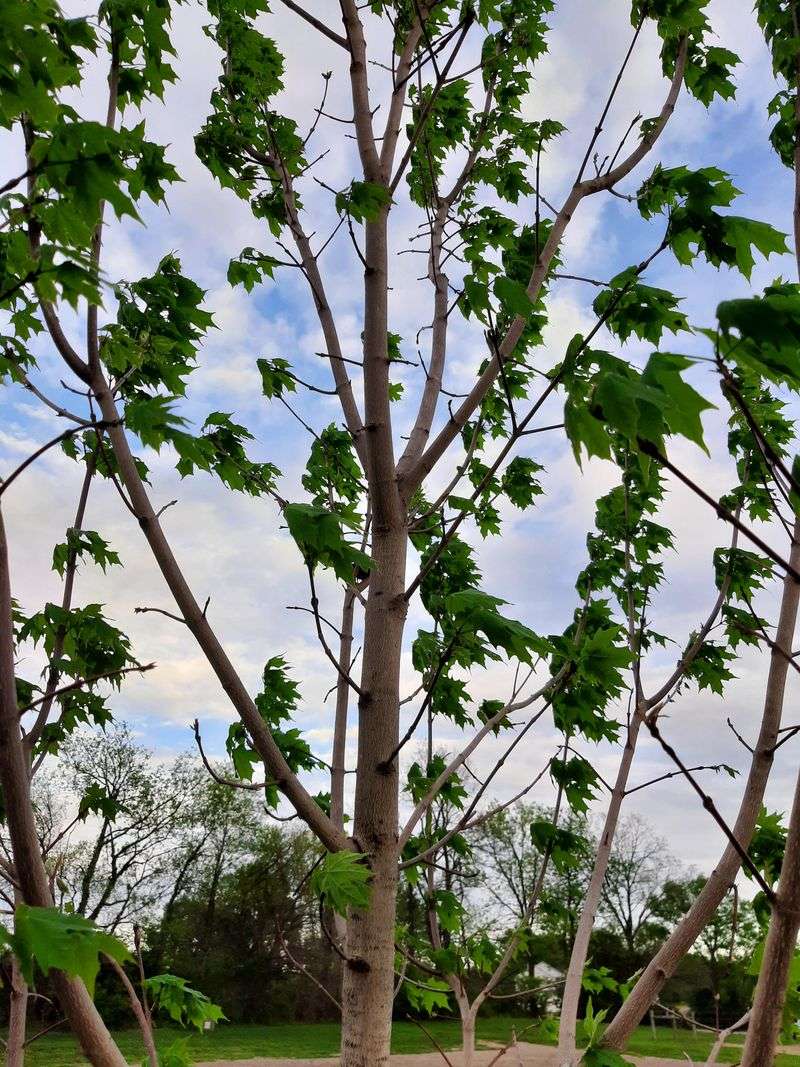
Young trees are like kids, they grow better with a little gentle guidance early on. September allows for minor structural cuts that help a sapling develop a strong shape.
Fixing small problems now saves you from major issues down the road. A well-shaped young tree grows into a sturdy adult that handles wind and snow with ease.
Watch for two main leaders competing to be the top of the tree. For species that naturally grow with a central leader, reducing competing leaders early can help create stronger structure.
Remove any branches that grow at weak, narrow angles, since those tend to break easily as the tree ages. Branches spreading at wider angles hold up much better.
Keep these cuts small and few, because young trees still need their leaves to gather energy for winter. Overdoing it stresses the sapling right when it should be storing strength.
Space out the branches you keep so they are not all bunched together on one side. Even spacing gives the tree a steady, well-supported frame.
Guiding a young tree takes only a few careful snips each year, yet the payoff lasts decades. You are shaping a future shade tree that will stand strong long after the work is done, and that is a rewarding thing to watch grow.
10. Faded Flowering Shrubs
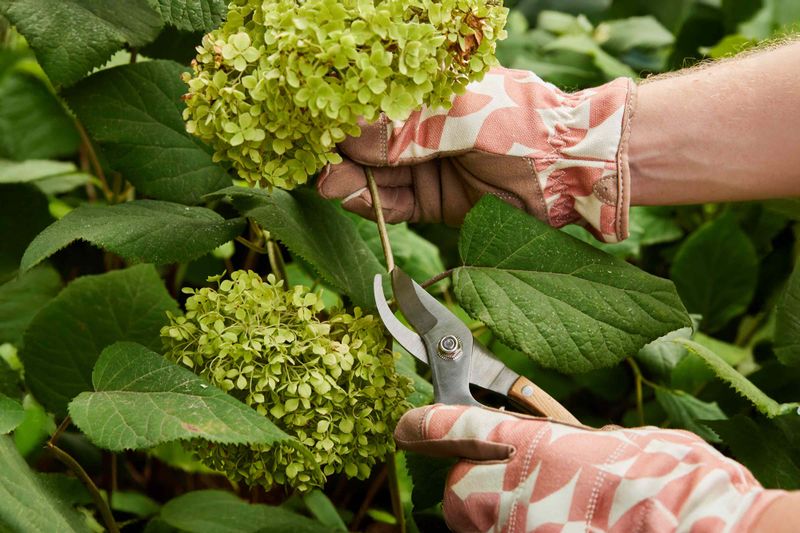
Not every plant in your yard needs to wait for winter. Certain flowering shrubs that already finished blooming this summer can get a light trim in September.
Shrubs like some hydrangeas can be tidied up once their blossoms fade, encouraging better growth next season. The trick is knowing which ones bloom on new wood versus old wood.
Summer bloomers that flower on fresh growth are the safest to trim now. Cutting them lightly helps shape the plant without removing next year’s flowers.
Be careful, though, because spring bloomers like lilacs and forsythia have already set their flower buds. Pruning those now would snip away next spring’s beautiful blooms before they even open.
When in doubt, remove only spent flowers and a few stray branches rather than giving a heavy cut. Light shaping keeps the shrub neat while playing it safe.
Clean your pruners before starting, especially if you moved from working on a sick tree. Fresh tools protect your shrubs from picking up any lingering germs.
Focus on removing wilted flower heads, weak stems, and anything crossing awkwardly. This gentle grooming keeps the plant looking sharp through fall.
Trimming faded summer shrubs at the right moment gives them a cleaner shape and can lead to fuller blooms when warm weather returns, making your garden shine next year.