Ohio’s Only Venomous Mammal Is Probably Living in Your Garden
Somewhere under your mulch, an animal that weighs about as much as five nickels is carrying venom in its spit. It uses that venom to stun snails and beetles, then tucks them away for later.
Yes, it keeps a tiny pantry full of living snacks.
I’ll admit I laughed the first time I read about it. Venomous mammals are incredibly rare worldwide, and most people link venom to snakes, spiders, and bees.
Finding one in Ohio feels like a plot twist nobody ordered.
You’ve probably seen it and shrugged it off as a mouse. It zips along the edges of beds, under leaf piles, and through old mole tunnels, mostly out of sight.
I’ve been known to jump at every rustle in the hostas ever since. You’re going to love meeting the tiny hunter patrolling your tomato plants tonight, and you can probably relax about it.
That Pointy-Nosed Little Mouse Look-Alike Has a Secret
My first real look at one happened while I was pulling weeds near the compost bin. A dark gray blur shot out, paused for half a second, and vanished under a board.
I assumed it was a mouse, but something about that long, twitchy nose bugged me.
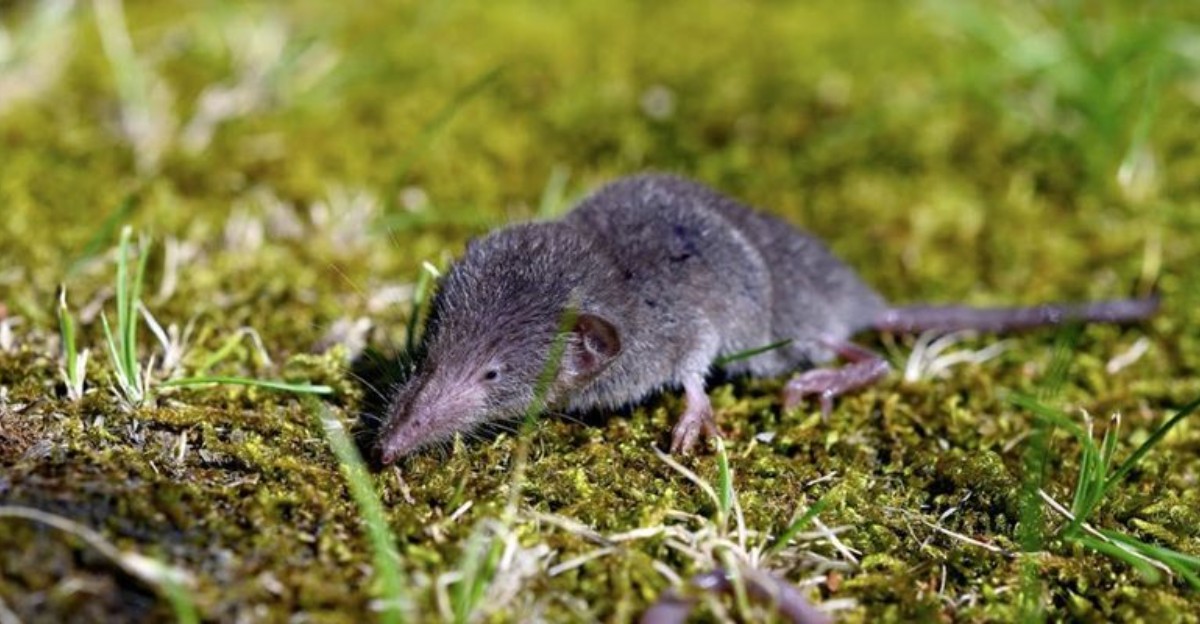
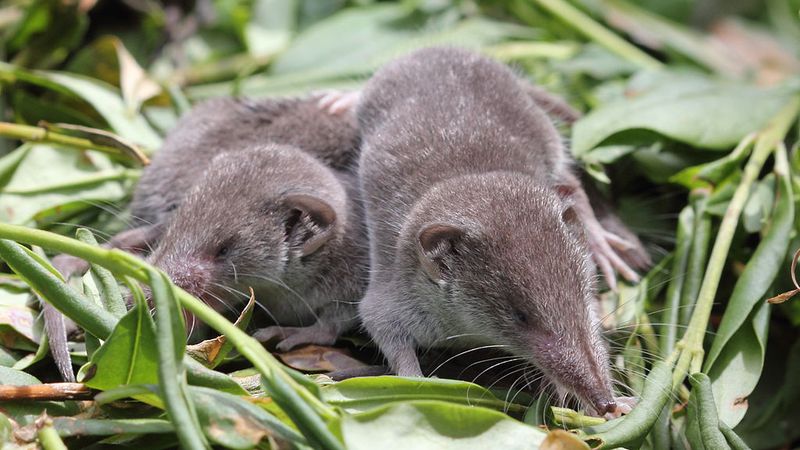
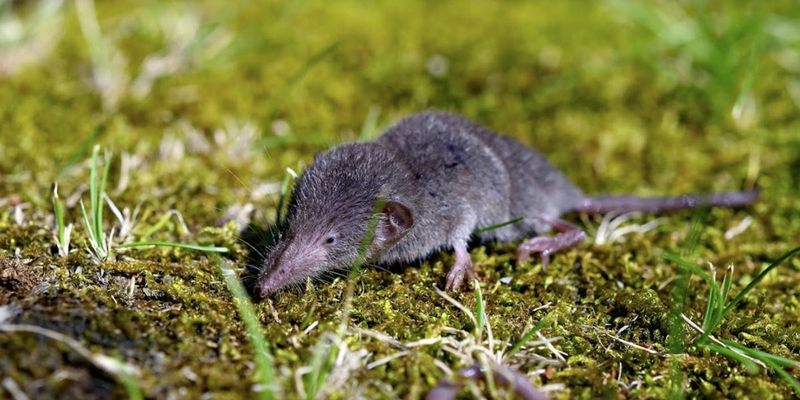
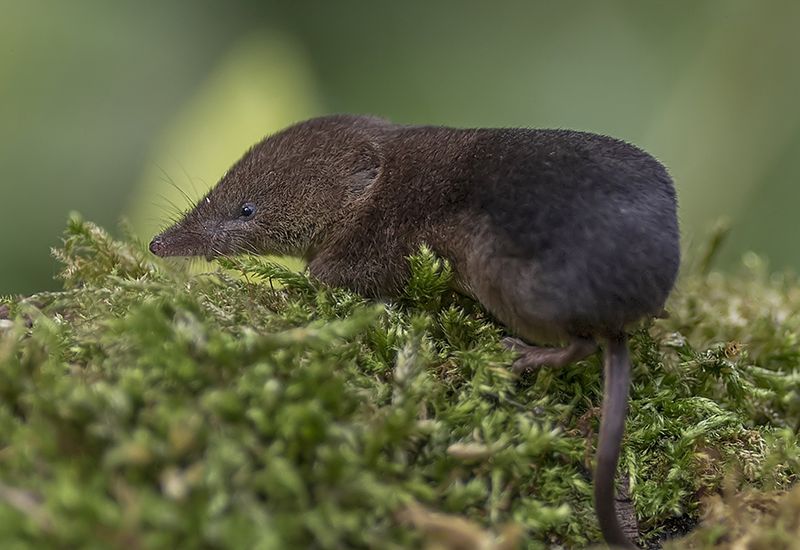
That little critter was a northern short-tailed shrew, known to scientists as Blarina brevicauda. It is the only venomous mammal found in Ohio, and it lives in every corner of the state.
Adults are roughly 4 to 5 inches long, including a stubby tail of about an inch.
Look closely and the differences from a mouse jump out. Shrews have thick, velvety slate-gray fur, eyes so small they almost disappear, and ears hidden under their coat.
Their snout is pointed and wiggly, perfect for sniffing out food in the dirt.
Shrews are not rodents at all. They belong to a group of insect-eating mammals that also includes moles.
Their eyesight is weak, so they rely on smell, touch, and even high-pitched clicks that may help them sense their surroundings.
Once you know what to look for, spotting one feels like finding a hidden character in your own backyard.
Venomous Saliva Flows Through Grooves in Those Tiny Shrew Teeth
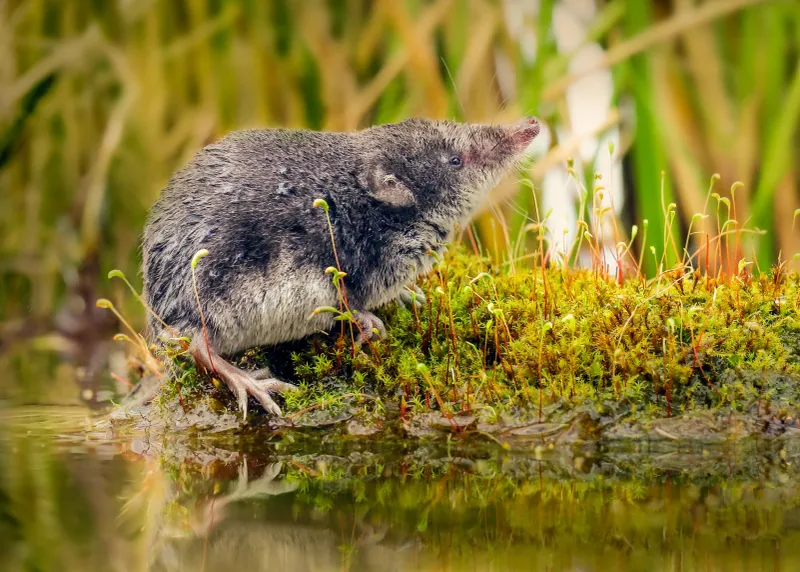
Snakes get all the credit for venom, but this shrew has its own clever system. Special glands under its jaw make toxic saliva.
When the shrew bites, that saliva flows along grooves in its lower front teeth and into the wound.
The main ingredient is a protein researchers named blarina toxin. It acts on the nervous system and slows prey down.
For a beetle, earthworm, or small salamander, that means the struggle ends fast.
Here is where it gets wild. Shrews often stash stunned prey in little hidden caches.
Studies have found snails and insects stored alive but unable to move for days, giving the shrew a fresh meal whenever hunger strikes.
Fun fact for your next garden club meeting? Shrew teeth have reddish-brown tips.
That color comes from iron in the enamel, which helps the teeth resist wear from crunchy beetle shells.
Scientists are curious about this venom for human medicine too. Parts of it have been studied for possible use in pain research and other treatments.
Pretty impressive for a creature smaller than your thumb and palm put together.
So that busy little hunter under your squash leaves is carrying some serious chemistry.
A Shrew Bite on Your Hand Hurts but Rarely Causes Real Trouble
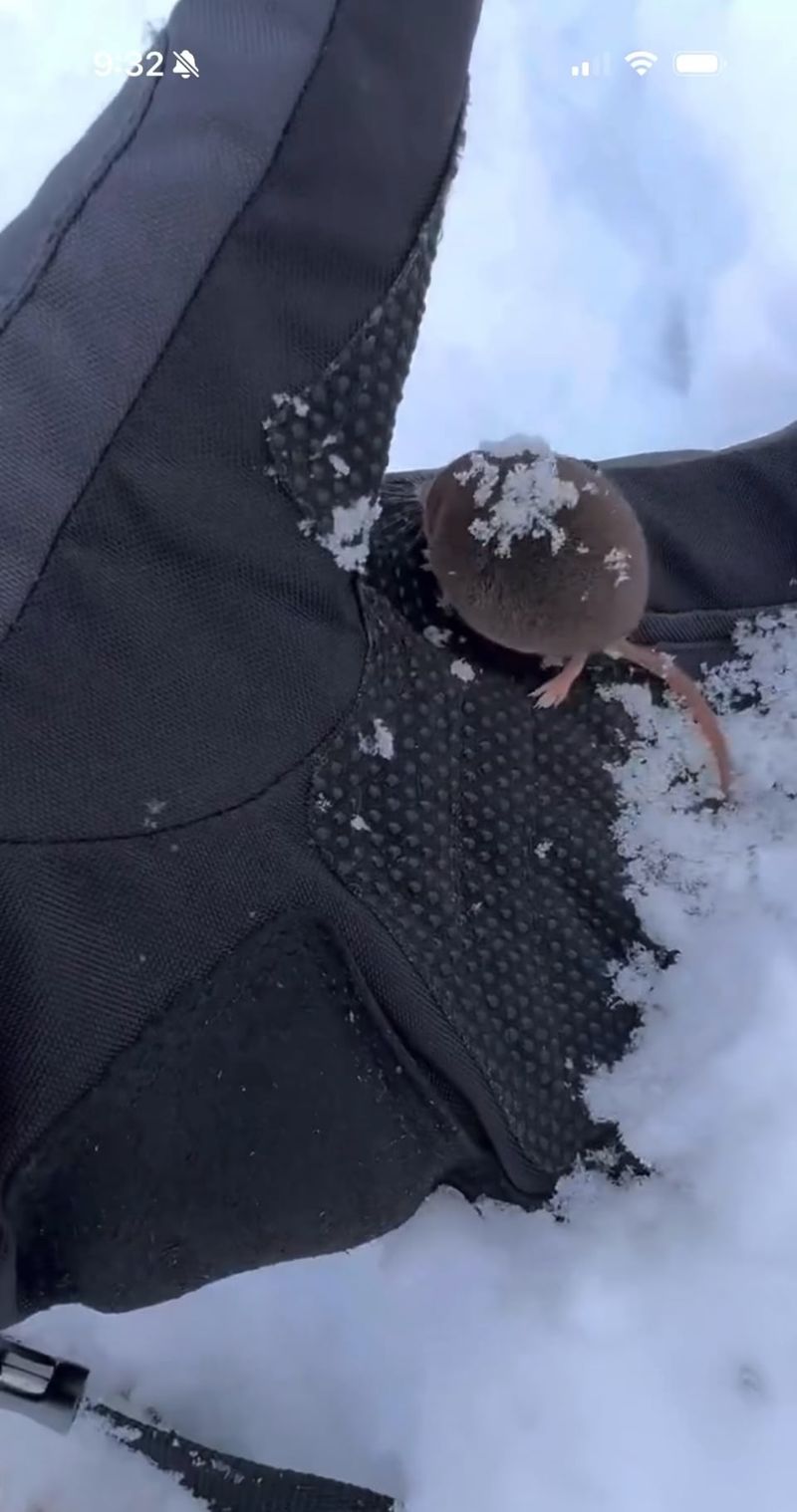
Let’s settle the big worry right away. A northern short-tailed shrew is not a danger to you, your kids, or your dog in any serious way.
Its venom is built for bugs and tiny animals, not people.
That said, you won’t enjoy getting bitten. People who have handled one bare-handed describe a burning pain and some swelling around the bite.
The discomfort can linger for a few days, but it fades on its own in most cases.
Bites happen almost only when someone grabs or corners a shrew. These animals are nervous and quick, and they would much rather flee than fight.
Leave them alone and they will leave you alone.
A few smart habits help:
Wear gloves when lifting boards, flipping pots, or digging through thick mulch. If you find a shrew, let it scurry away instead of trying to catch it.
Teach kids that wild critters are for watching, not holding.
If a bite does happen, wash it well with soap and water. Call your doctor if redness spreads, swelling gets worse, or you notice signs of infection.
Like any wild animal bite, it deserves a little attention and common sense.
Slugs, Snails, and Grubs Top This Hungry Hunter’s Menu
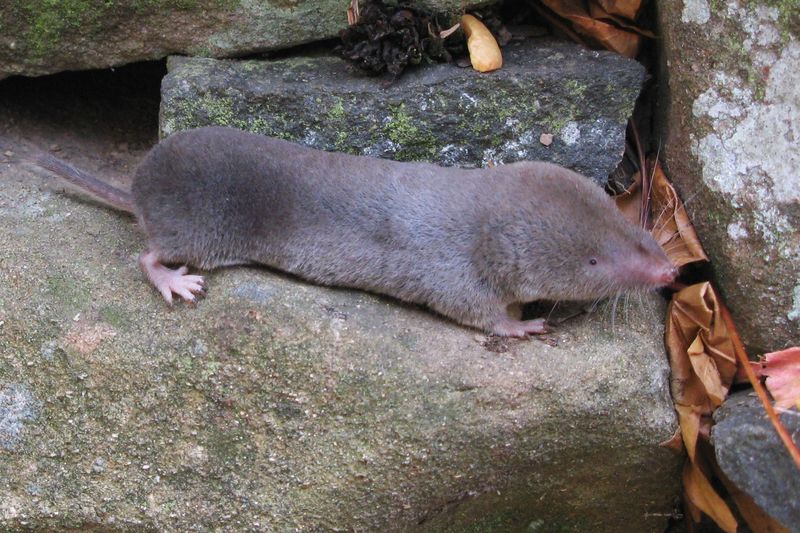
Hungry doesn’t begin to describe it. A short-tailed shrew burns energy so fast that it must eat every few hours, day and night.
Some estimates suggest it can eat close to its own body weight in food each day.
Gardeners will love the shopping list. Slugs and snails are big favorites, along with beetles, grubs, caterpillars, centipedes, and insect larvae hiding in the soil.
Those are the same pests chewing holes in your hostas and lettuce.
To be fair, earthworms are on the menu too. Shrews also take the occasional small mouse, salamander, or snake, and they nibble some seeds and underground fungi.
Still, the overall effect in most yards is helpful pest control.
I like to think of them as night-shift workers. While you sleep, they patrol under mulch and leaf piles, checking every damp corner where slugs gather.
Because they don’t hibernate, shrews keep hunting through Ohio winters. They tunnel under the snow, hunting dormant insects and pupae tucked into the soil.
That means fewer overwintering pests waiting to pounce on your spring seedlings.
One small shrew won’t solve a slug explosion. But a healthy population quietly chips away at the problem all year long.
Leaf Litter, Mulch, and Mole Tunnels Make a Perfect Shrew Hideout
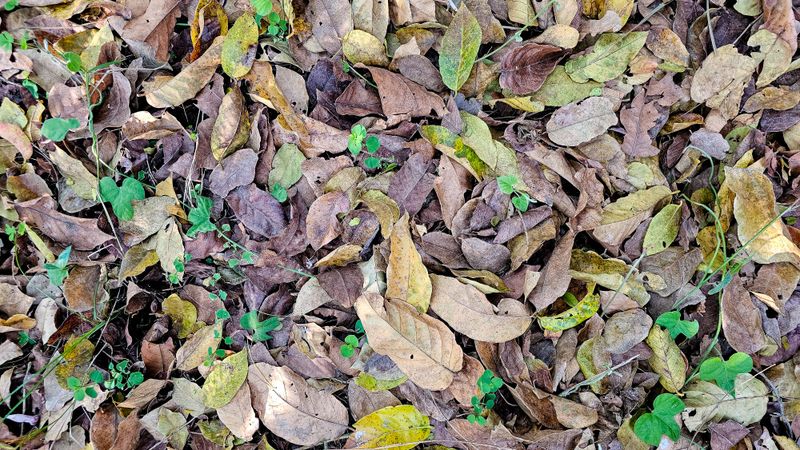
Cool, damp, and cluttered is exactly how a shrew likes its home. Those leaf piles you never got around to raking?
To a short-tailed shrew, they look like a five-star hotel.
These animals thrive in woodlands, meadows, fencerows, and yes, suburban gardens. They need moist cover because they lose water quickly and dislike open, dry ground.
Thick mulch, ground covers, brush piles, and compost areas all fit the bill.
Shrews dig their own shallow tunnels, often just under the surface or beneath leaves. They also happily borrow runways made by moles and voles.
You might spot small holes about an inch wide near the base of shrubs or along garden edges.
Nests are tucked under logs, rocks, or stumps, lined with shredded leaves and grass. Females raise a few litters each year from spring into fall, usually with around five to seven babies.
The young grow fast and head out on their own within about a month.
Here’s a simple test you can try. Gently lift a board or flat stone that has been sitting in a shady bed for a while.
Small tunnels and worn paths underneath often mean shrews or their neighbors have been busy.
Shrew, Mole, or Vole? Telling These Garden Diggers Apart Matters
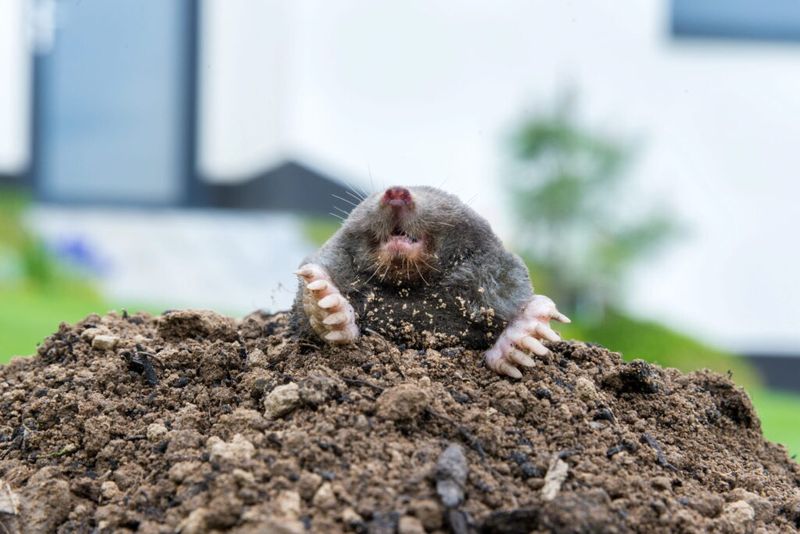
Mix-ups happen constantly, and they can lead to the wrong fix. Plenty of folks blame shrews for chewed roots and bark, when the real culprit is a totally different animal.
Knowing who’s who saves your plants and spares a helpful hunter.
Shrews have pointed snouts, tiny eyes, gray velvety fur, and short tails. They eat bugs and other small creatures, not your plants.
They rarely leave much visible damage beyond small holes and faint runways.
Moles are bigger, with huge paddle-shaped front feet built for digging. They push up raised ridges and volcano-shaped mounds across lawns.
Moles mostly eat earthworms and grubs, so they disturb turf but seldom eat plants.
Voles are the real plant-munchers of the group. They have blunt, rounded faces, small ears, and brownish fur, looking a lot like chunky mice.
Voles gnaw on roots, bulbs, tree bark, and hostas, and they leave surface runways through matted grass.
Ohio State University Extension and wildlife experts point out that voles cause most of the damage people blame on other critters. Before setting traps or buying repellents, take a good look at the animal and the damage.
You might discover your so-called pest is actually a pest controller.
Your Cat May Leave a Shrew Behind for a Smelly Reason
Ever found a shrew lying untouched on your patio after the cat came home? You’re not alone, and there’s a funky explanation.
Shrews carry scent glands on their sides that give off a strong, musky odor.
Many predators find that smell and taste unpleasant. House cats often catch shrews for the thrill of the chase, then drop them without eating.
Foxes and some other mammals tend to pass on them too.
Owls are a different story. Their sense of smell is weak, so the musk doesn’t bother them much.
Great horned owls, barred owls, and screech owls snatch plenty of shrews, along with hawks and snakes.
Shrews live fast and short lives. Most survive only about a year or a bit longer in the wild, packing a lot of hunting and raising young into that time.
If your cat keeps bringing shrews home, consider keeping it indoors, especially at dawn and dusk. Outdoor cats take a huge toll on small wildlife and songbirds.
Keeping kitty inside protects both the shrews working in your beds and the birds visiting your feeders.
It’s a simple change that benefits the whole backyard community.
A Few Simple Garden Habits Keep Short-Tailed Shrews on Your Side
Now that you know who’s hiding in the mulch, why not roll out the welcome mat? Shrews ask for very little, and they repay you with steady pest patrol.
Start by easing up on fall cleanup. Leave some leaves in beds or under shrubs as natural mulch.
A small brush pile or a few logs in a back corner create cozy cover.
Skip broad-spectrum pesticides and slug baits whenever you can. Shrews eat the very bugs those products target, and poisoned prey can harm them.
Fewer chemicals also help toads, ground beetles, and birds that share the same job.
Plant native ground covers and perennials that keep soil shaded and moist. Wild ginger, native sedges, and woodland phlox make great choices in many Ohio yards.
Of course, a shrew occasionally slips into a garage or basement during cold weather. Seal gaps around doors and foundations, store birdseed and pet food in tight containers, and the visit usually stays outdoors.
The biggest takeaway is simple. That tiny venomous neighbor is a helper, not a threat.
Give it a little shelter, keep your gloves handy, and enjoy knowing a pint-sized hunter is guarding your garden every night.