This Texas Shrub Looks Like A Garden Ornamental But It’s More Toxic Than A Snake Bite
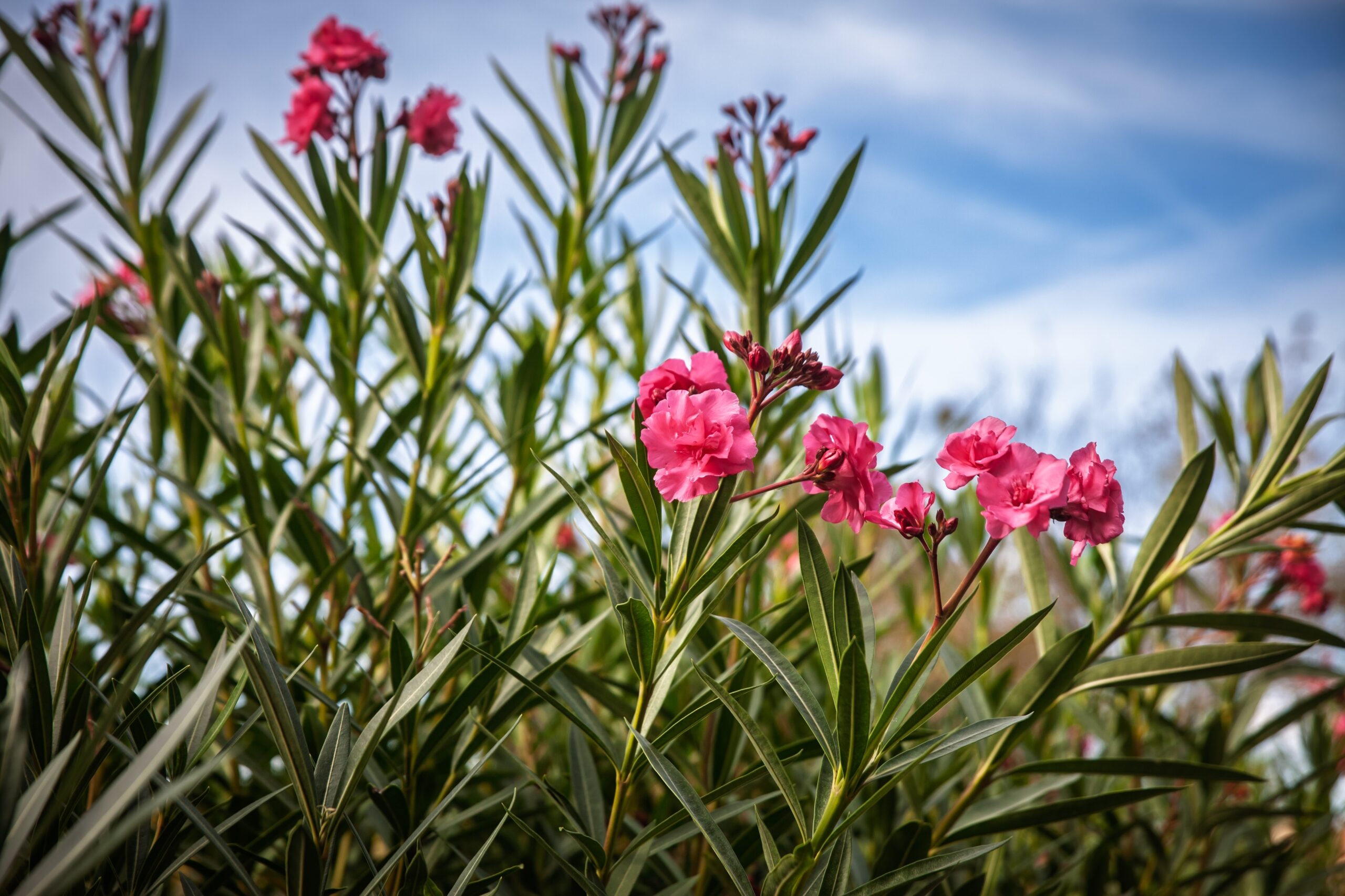
Texas homeowners walk past a particular shrub every day in neighborhoods, parks, and commercial landscapes across the state without giving it a second thought.
It is colorful, it blooms reliably through intense heat, and it has the kind of low-maintenance reputation that makes it a popular choice for anyone who wants something attractive without a lot of effort.
What does not come up in those conversations nearly often enough is what this plant is actually capable of when any part of it is ingested, or even when smoke from burning cuttings is inhaled.
The toxicity is not a minor concern or an edge case for unusually sensitive individuals. It is severe enough to cause serious harm to adults, children, and pets from a relatively small exposure, and it affects the body in ways that can escalate quickly.
For a plant this common in Texas residential and commercial landscapes, the gap between how it is treated and what it contains is genuinely worth closing.
Oleander Looks Stunning But Be Careful
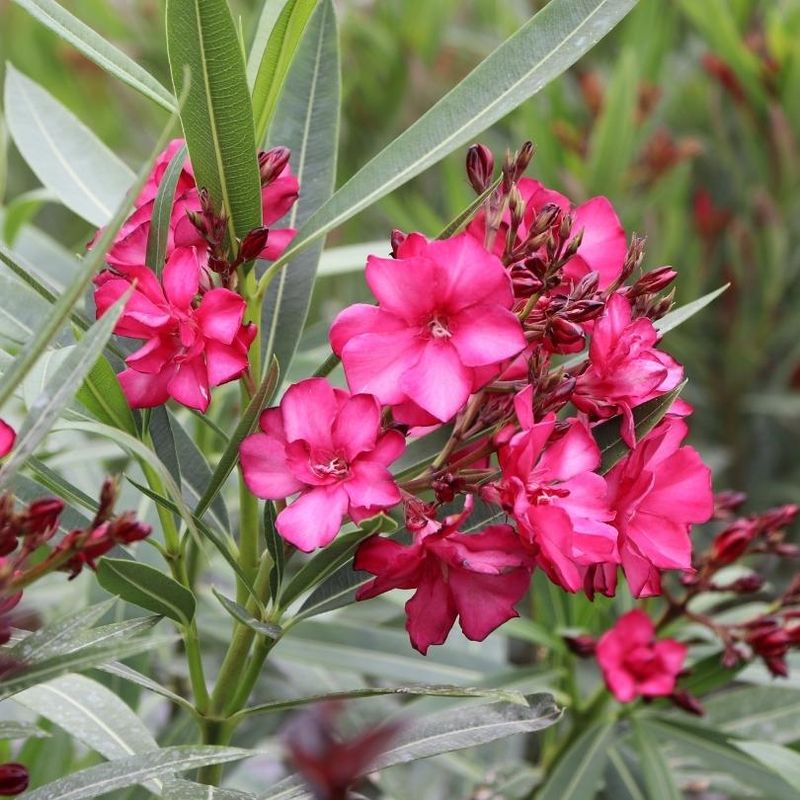
If you have driven through a Texas neighborhood or spotted plants lining a highway median, chances are you have already seen oleander without even knowing it. Nerium oleander is one of the most widely planted ornamental shrubs in the entire state.
It is hard to miss, and honestly, it is easy to understand why so many people love it. Oleander grows tall and full, often reaching six to twelve feet in height. Its leaves stay green all year long, giving yards that lush, manicured look even during the cooler months.
The flowers are the real showstopper, though. They bloom in clusters of pink, white, red, or yellow, and they keep coming back throughout the spring and summer season.
Gardeners across Texas have used oleander for decades as a privacy hedge, a decorative border, or simply a pop of color near a fence or driveway. It looks polished and intentional, like something you would see in a fancy botanical garden.
Many neighborhoods plant it in bulk along streets because it grows quickly and fills in spaces beautifully.
What most people do not realize when they admire those cheerful blooms is that oleander carries a serious secret. Beneath that pretty exterior is one of the most toxic plants found in North America.
Knowing what it looks like is important so you can spot it in your own yard or around your community and treat it with the caution it truly deserves.
Extreme Toxicity
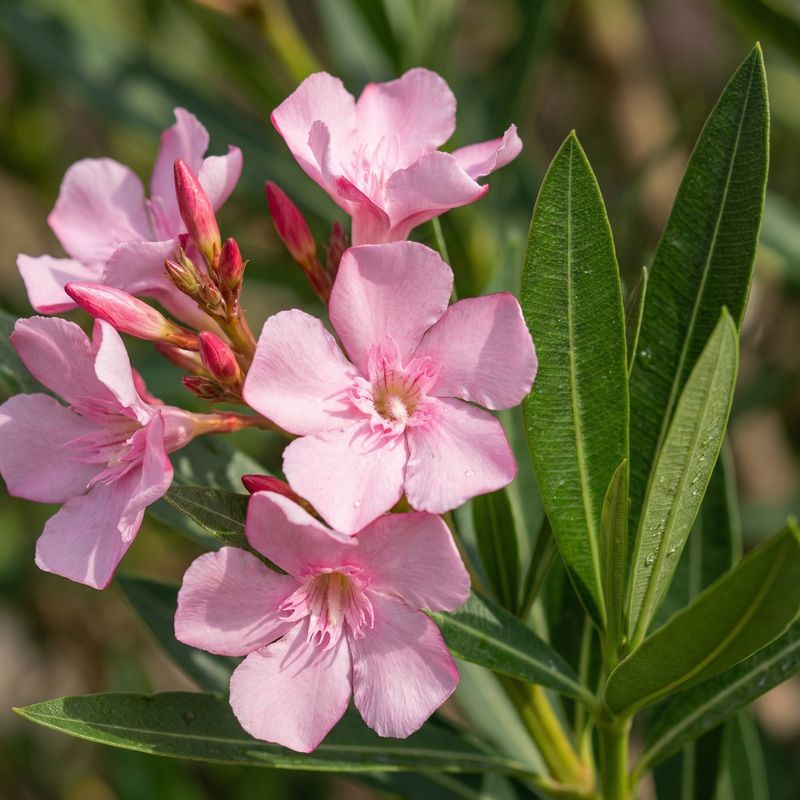
Here is something that might genuinely surprise you: every single part of an oleander plant is toxic. The leaves, the stems, the flowers, the roots, and even the seeds all contain powerful chemicals called cardiac glycosides.
These compounds affect the heart directly, and they do not need to be eaten in large amounts to cause serious harm.
Cardiac glycosides interfere with the electrical signals that keep the heart beating in a normal, steady rhythm. When someone or an animal ingests even a small amount of oleander material, those signals can go haywire.
Your Texas Garden Changes Every Week. Your Plan Should Too.
Gardening in Texas changes quickly throughout the season. Every Friday you’ll receive a simple weekly plan showing exactly what to plant, prune, fertilize, harvest, and protect so you never miss the right timing.
The heart may beat too fast, too slow, or completely out of sync. This is what makes oleander so uniquely dangerous compared to many other toxic plants.
Children are especially at risk because they are naturally curious and may chew on leaves or flowers without understanding the danger. Even the water sitting in a vase that held oleander cuttings can become contaminated with toxins.
Smoke from burning oleander wood has also been known to cause serious respiratory problems in people who breathe it in.
Pets face just as much danger as humans. Dogs, cats, horses, goats, and many other animals can be severely poisoned by oleander.
Even wildlife like birds have been affected after coming into contact with the plant’s materials. Poison control centers across the United States receive thousands of calls each year related to oleander exposure.
Treating this plant as a hazard rather than just a pretty shrub is not an overreaction. It is simply the smart and responsible choice for anyone who has it nearby.
Handling Risks
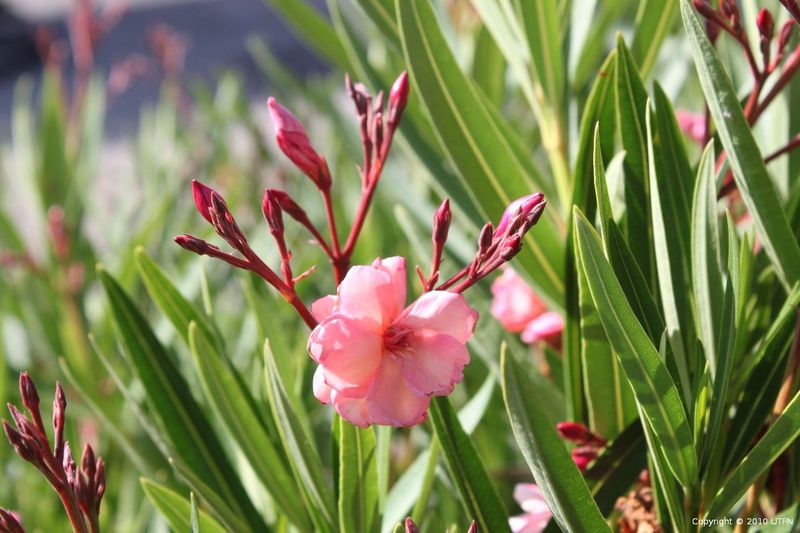
You do not have to eat oleander to run into trouble with it. Simply touching the plant can cause problems for some people.
The sap inside oleander stems and leaves contains irritants that can trigger skin rashes, redness, and itching. If that sap gets into your eyes, it can cause significant irritation and even temporary vision problems.
Pruning oleander without the right protection is a mistake many homeowners make without realizing it. When you cut a stem, the sap oozes out and can transfer to your hands, arms, or face.
Rubbing your eyes after handling oleander, even accidentally, is enough to cause real discomfort. People with sensitive skin may notice a reaction within minutes of contact.
Wearing thick gardening gloves is an absolute must when trimming or removing oleander. Long sleeves and pants help protect your skin from accidental brushing against the plant.
Safety glasses are also a smart idea, especially when cutting branches where sap can spray unexpectedly. After handling the plant, wash your hands thoroughly with soap and water before touching your face or preparing any food.
Disposing of oleander clippings requires care as well. Never toss them into a backyard fire pit or burn pile.
The smoke produced by burning oleander releases toxins into the air that can affect anyone standing nearby. Bag the clippings securely and place them in your regular trash.
Some areas have specific guidelines for disposing of toxic plant material, so checking with your local waste management service is always a good idea before hauling large amounts away.
Why It’s Popular Despite Risks
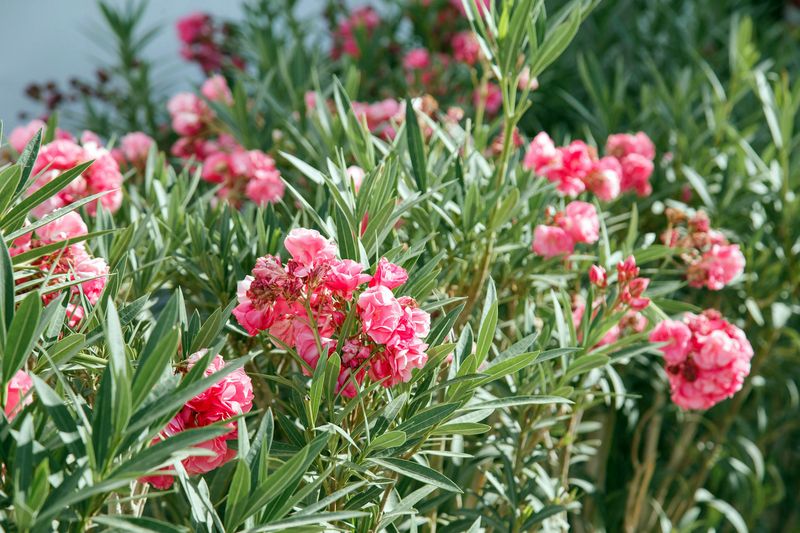
Knowing all of this, you might wonder why oleander is still one of the most popular landscaping plants in Texas.
The answer comes down to a few very practical reasons that are hard to argue with, especially in a state known for its blazing summers and unpredictable rainfall.
Oleander absolutely thrives in hot, sunny climates. Texas summers can be brutal, with temperatures regularly climbing above 100 degrees Fahrenheit and stretches of weeks without meaningful rain.
Most flowering shrubs struggle under those conditions, turning brown or dropping their leaves. Oleander keeps right on blooming, looking fresh and full even when everything around it is stressed and wilting.
That kind of toughness is genuinely rare in the plant world. On top of its heat tolerance, oleander is also remarkably drought-resistant. Once it is established in the ground, it needs very little supplemental watering to survive.
For homeowners trying to keep water bills manageable during a Texas summer, that is a huge selling point. It also requires minimal fertilizing and rarely needs treatment for pests or diseases, making it one of the lowest-maintenance shrubs available.
The visual appeal is undeniable too. Those clusters of bright blooms attract attention and admiration from neighbors and visitors alike.
Homeowners looking for a plant that delivers big color without demanding constant attention often land on oleander as an obvious choice. Nurseries and garden centers stock it in large quantities because demand stays high year after year.
Understanding the risks does not erase the appeal, but it does make responsible planting and placement a much more urgent conversation to have.
Warning Signs Of Poisoning
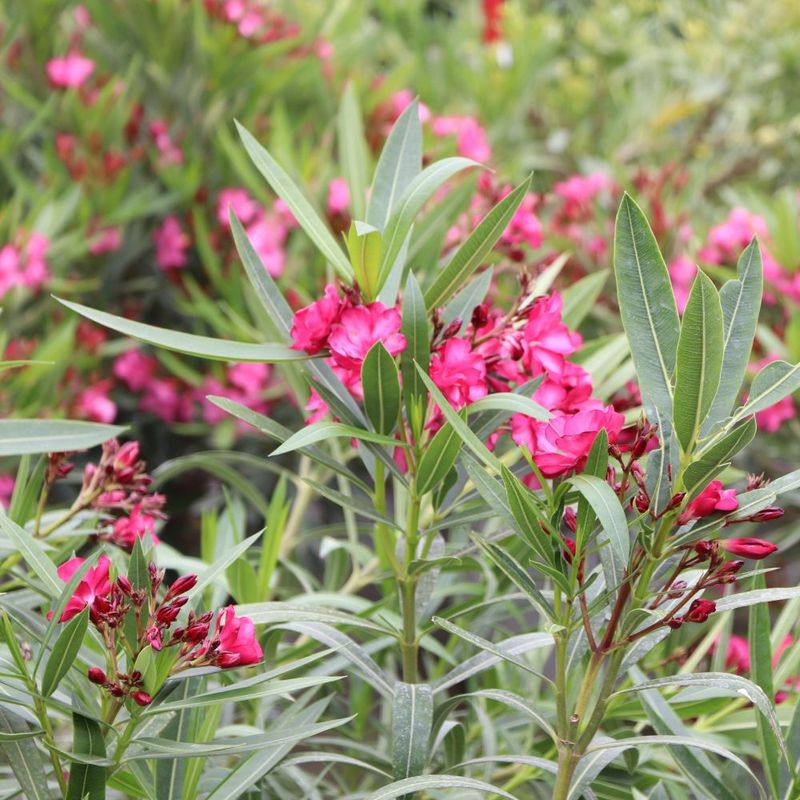
Recognizing the symptoms of oleander poisoning quickly can make a real difference in how serious the situation becomes.
The signs usually appear within a few hours of exposure, though in some cases they can show up faster depending on how much of the plant was ingested and the size of the person or animal involved.
In humans, early warning signs often include nausea, vomiting, and stomach pain. A person may feel dizzy or develop a headache.
As the toxins affect the heart, the heartbeat may become irregular, too fast, or unusually slow. Blurred vision, weakness, and confusion can follow.
In the most severe cases, the heart rhythm becomes so disrupted that it leads to cardiac arrest, which is a life-threatening emergency requiring immediate medical attention.
Pets often show different early signs that are easy to miss if you are not watching closely. Dogs and cats may seem unusually tired or unsteady on their feet.
Drooling more than normal is a common early indicator. Vomiting and a lack of interest in food are also warning signs. Animals may appear confused or have trouble walking in a straight line.
If you suspect that a person or animal has come into contact with oleander, do not wait to see if the symptoms go away on their own. Call Poison Control for humans, or contact your veterinarian immediately for pets.
Time is genuinely critical when cardiac glycosides are involved. Bring a sample of the plant or a photo with you to the emergency room or veterinary clinic so medical professionals can identify the source quickly and treat the poisoning correctly.
Safe Native Alternatives
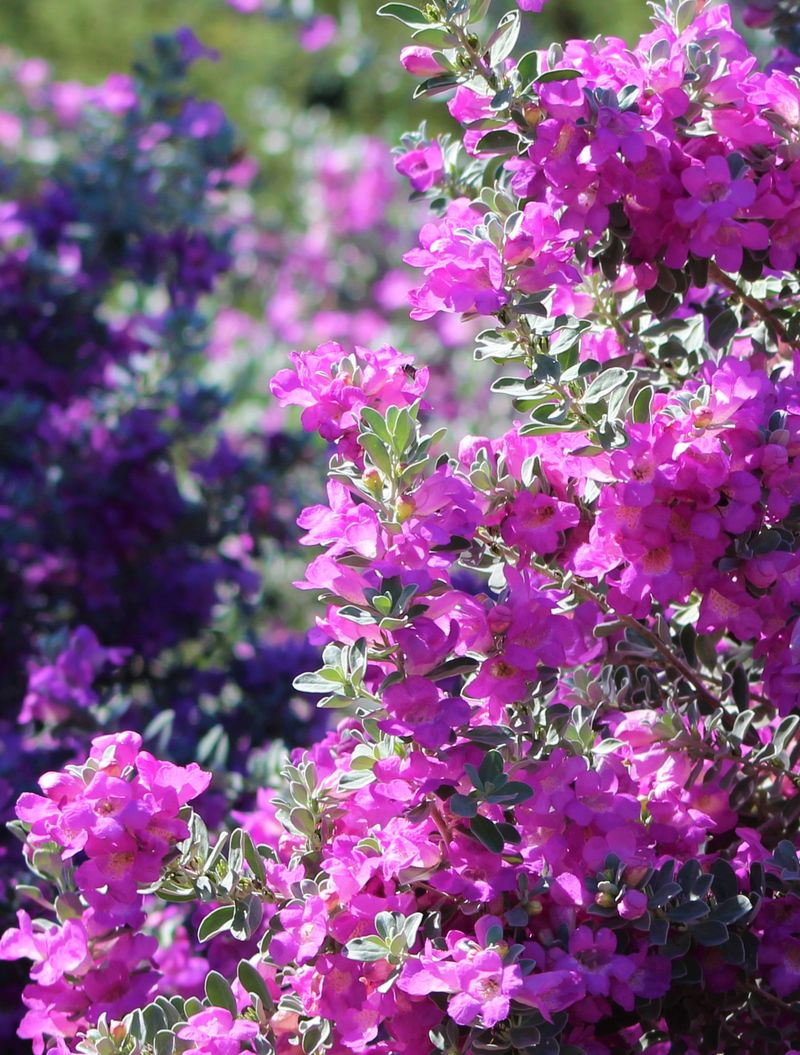
Swapping out oleander for a safer option does not mean settling for something boring or hard to grow. Texas is home to several native shrubs and vines that are just as striking, just as tough, and far friendlier to have around children, pets, and wildlife.
These plants evolved alongside the Texas climate, which means they are naturally built to handle the heat and the dry spells.
Texas Sage, also called Leucophyllum frutescens, is a fan favorite for good reason. It stays silver-green most of the year and then bursts into stunning purple blooms right after a good rain.
Gardeners in Texas sometimes call it the barometer bush because its blooming is so closely tied to moisture in the air. It is compact, tidy, and requires almost no attention once it gets established in well-drained soil.
Flame Acanthus, or Anisacanthus quadrifidus var. wrightii, brings serious energy to any garden space. Its bright orange-red tubular flowers are absolute magnets for hummingbirds and butterflies.
It blooms from summer all the way into fall, giving you months of color during the hottest part of the year. It handles drought with ease and bounces back quickly after a hard freeze.
Coral Honeysuckle, known as Lonicera sempervirens, is a climbing vine that adds vertical interest to fences, trellises, and arbors. Its red and orange tubular flowers are a top food source for migrating hummingbirds passing through Texas.
Unlike its invasive Japanese cousin, Coral Honeysuckle plays nicely with the local ecosystem. All three of these plants offer beauty, wildlife value, and complete peace of mind for families who want a safer, smarter garden.