9 Fall Chores Virginia Gardeners Can Skip This Year
Luna moth caterpillars spin their papery cocoons inside fallen leaves, then spend the whole winter resting on the ground. Every bag of raked leaves hauled to the curb might carry a few of those sleeping green beauties away.
Fireflies also pass the cold months as tiny larvae hiding in soft litter and loose soil near your plants. Across Virginia, extension experts now encourage a lighter touch with autumn cleanup in home gardens and yards.
I have to admit that my old fall routine felt like a second job with sore knees attached. You might notice the same thing, especially when weekends get shorter, and the chore list keeps growing longer.
Some of those jobs help your yard, while others quietly undo the hard work you put in all summer. So which tasks really deserve your time, and which ones can you happily cross off today?
1. Fallen Leaves Can Stay Tucked Around Your Shrubs
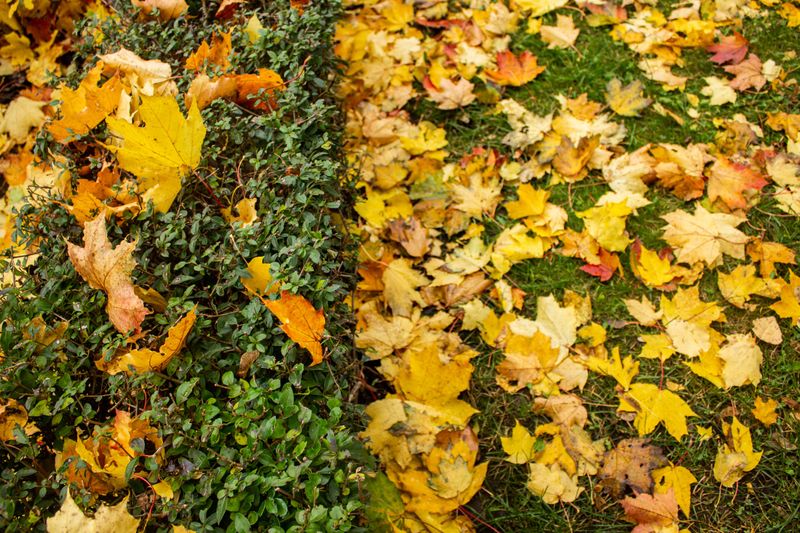
Free mulch falls from the sky every autumn, and most of us spend hours stuffing it into plastic bags. I laughed when I finally realized I was paying for bark mulch while throwing away the better stuff.
A layer of shredded leaves around shrubs and perennials holds moisture in the soil during dry winter winds. It also smothers many small weed seeds, which means less pulling once warm weather returns next spring.
Underneath that brown blanket, earthworms and fungi slowly turn the leaves into dark, crumbly organic matter for your roots. Gardeners call the finished product leaf mold, and it improves both sandy soil and heavy clay over time.
Wildlife benefits too, since many moths and butterflies spend the winter hidden as eggs or pupae among fallen leaves. Bumblebee queens often burrow just below that cover, waiting for spring flowers before starting a new colony.
You do need to keep leaves a few inches back from tree trunks and the crowns of perennials. Piled too close, damp leaves can hold moisture against bark and invite rot or hungry voles.
Whole leaves from big trees like oaks can mat down into a soggy layer that sheds water. Running them over once with a mower first breaks them into smaller pieces that settle in loosely.
Personally, I aim for a layer about two or three inches deep, which looks tidy enough for neighbors. Anything left over goes into a simple wire bin, where it becomes rich leaf mold within a year or two.
2. Coneflower And Bee Balm Stems Can Stand Until Spring
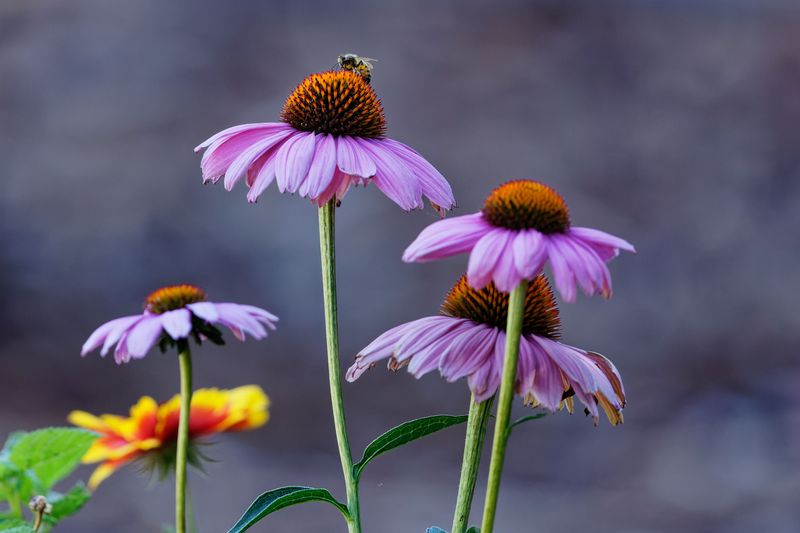
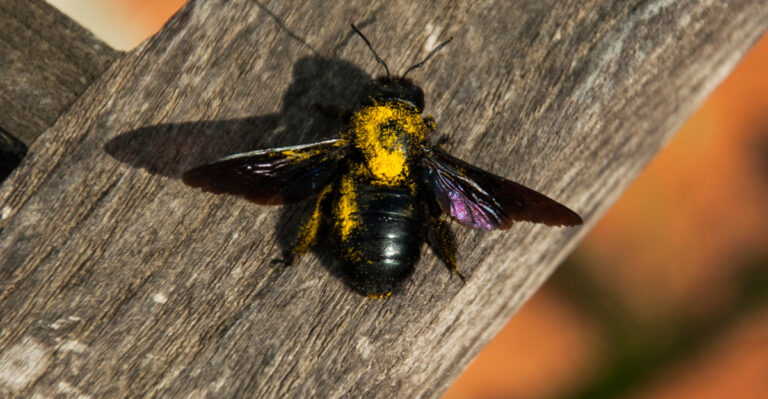
Small carpenter bees and mason bees often nest inside hollow or pithy plant stems, and some overwinter right there. That brown, scraggly patch of old coneflowers might actually be a busy apartment building for tiny pollinators.
I used to chop every stem to the ground the moment frost arrived, thinking it looked responsible. Now I leave most of them standing, and the garden feels more alive even in the gray months.
Many native bees nest in last year’s stems during the following season, so skipping fall cuts helps twice. Experts suggest cutting stems in spring to different heights between eight and twenty inches for future nesting sites.
Standing stalks also catch falling leaves and help hold a little snow, which insulates crowns during cold snaps. Plant crowns stay a bit more protected from sudden freezes when that natural cover stays in place.
Wait until temperatures stay above roughly fifty degrees for about a week before trimming in early spring. By then, many overwintering insects have started stirring, and fresh green shoots will be just peeking out.
Diseased foliage is the main exception, especially leaves spotted with powdery mildew on bee balm or phlox. Cut those plants back now and toss the trimmings in the trash instead of the compost pile.
You can still keep things neat by trimming stems along walkways and leaving the back of beds wild. That small compromise keeps neighbors happy while giving bees a safe place to sleep through winter.
3. Seed Heads Keep Goldfinches Visiting All Winter
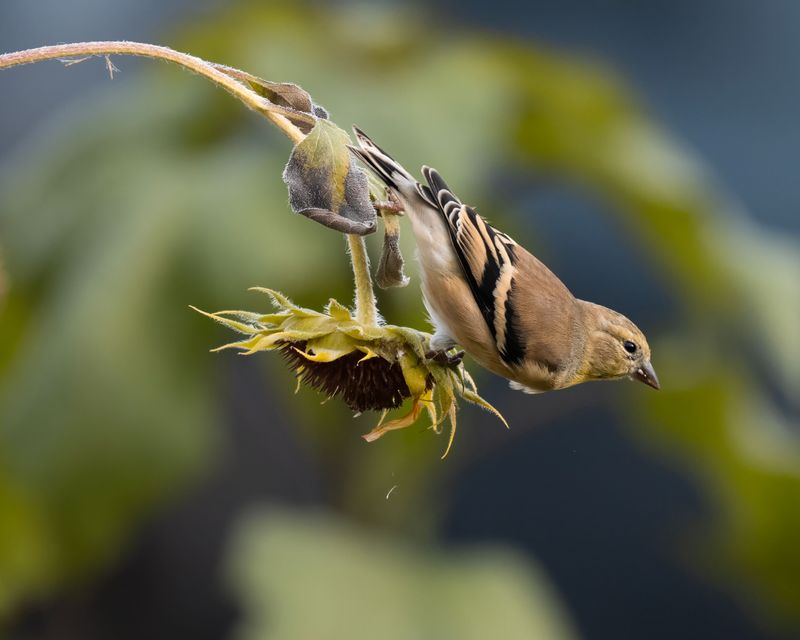
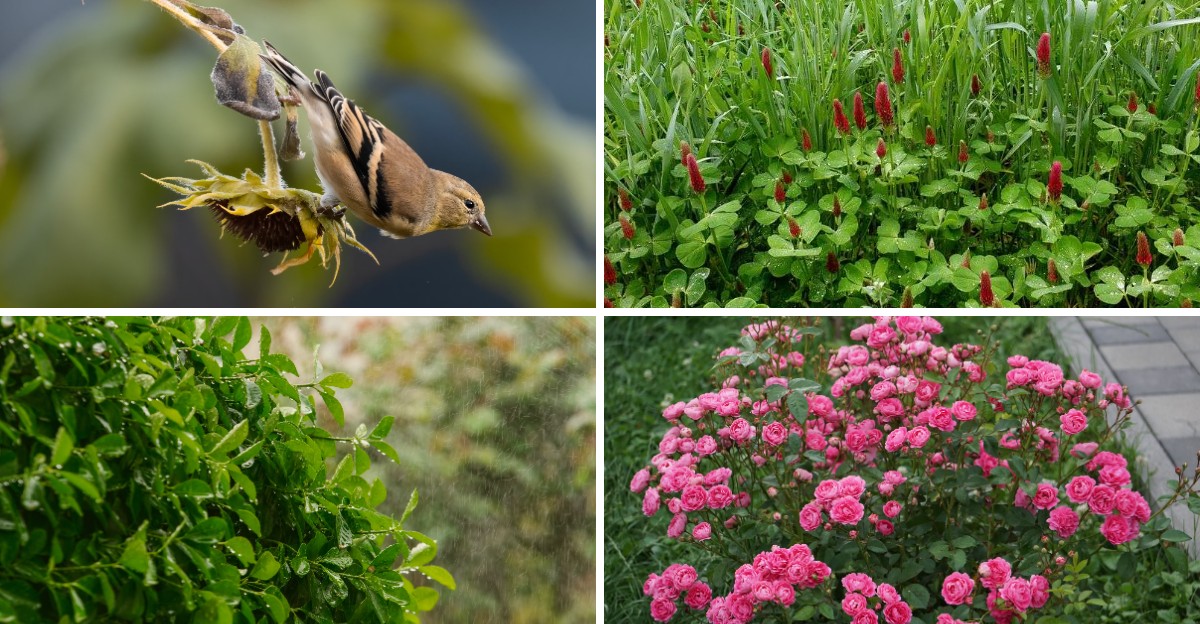
American goldfinches have a funny habit of hanging upside down on black-eyed Susan seed heads to snack. Watching them from my kitchen window on a cold January morning beats any television show I know.
Leaving seed heads in place turns your flower bed into a free bird feeder that refills itself each year. Coneflowers, rudbeckia, sunflowers, and native asters hold seeds that sparrows and finches pick through during the leaner weeks of winter.
Native grasses like little bluestem also drop seeds that juncos, those gray winter visitors, search for on the ground. Dark-eyed juncos often arrive in Virginia during fall and spend the colder months hopping around garden beds.
I love how frosty seed heads sparkle in morning light, giving the winter garden shape and character. Without them, beds can look flat and bare until the first bulbs push up in late winter.
You might worry about plants spreading too much, since some seeds will sprout into new seedlings next spring. Black-eyed Susans do reseed freely, though extra seedlings are easy to pull or share with gardening friends.
Skip seed heads on any aggressive non-native plants, because birds can carry those seeds into nearby woods. Native choices give birds a safer meal while keeping your garden friendly to local habitats and wildlife.
A simple brush pile nearby gives small birds a quick hiding spot when hawks swing through the yard. Put the two together, and your winter garden becomes a lively stop for feathered visitors every single day.
4. Hydrangea And Azalea Pruning Can Wait
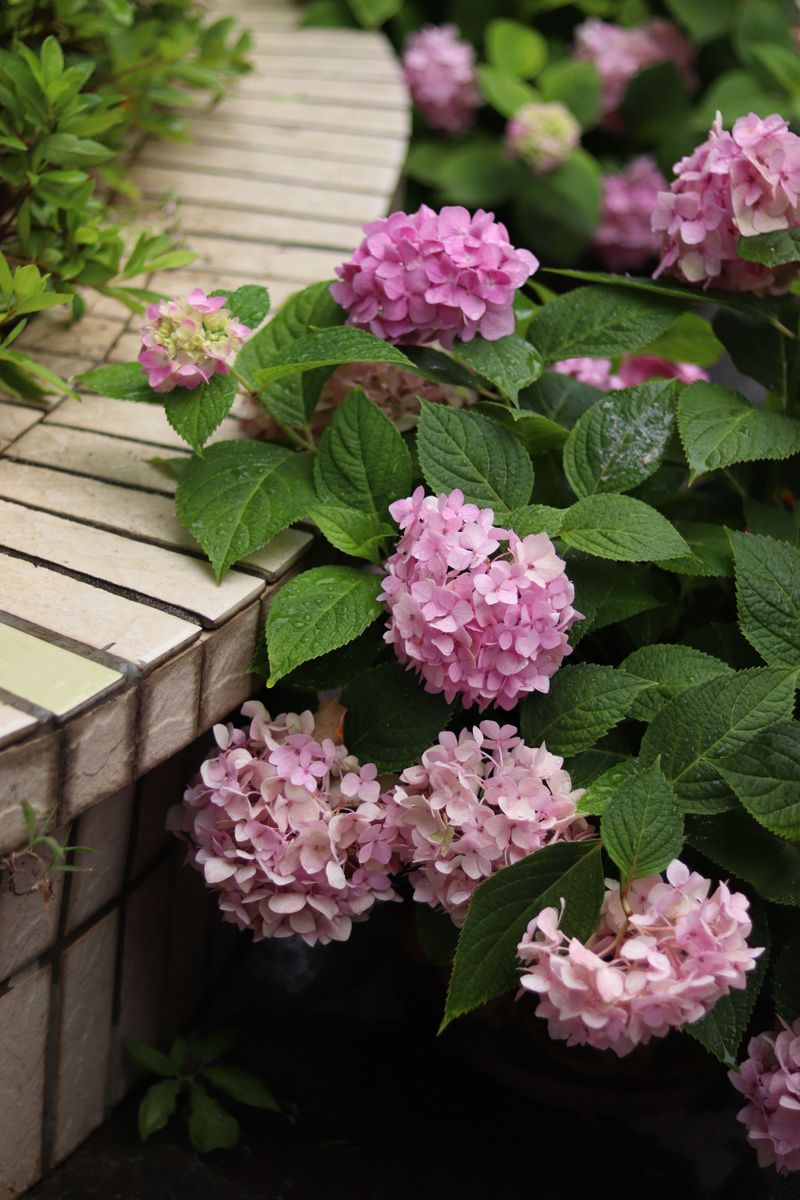
Bigleaf hydrangeas already have next year’s flower buds tucked inside their stems by the time fall arrives. One enthusiastic autumn haircut can quietly remove a whole summer of those big blue and pink blooms.
Azaleas, forsythia, and lilacs follow the same pattern, setting buds on old wood months before they flower. The best time to prune these spring bloomers is right after their flowers fade, not during autumn.
Fall pruning brings another problem, because cutting can push tender new shoots when plants should be slowing down. Those soft stems have little time to harden before frost arrives, so they often suffer winter damage.
I learned this lesson with a boxwood that sprouted bright green tips in November and turned brown by January. Now my pruners mostly stay in the shed until late winter, when most summer-flowering shrubs get their trim.
Shrubs that bloom on new growth, like panicle hydrangeas and crape myrtles, handle late winter pruning quite well. Even then, skip the harsh topping of crape myrtles that leaves knobby stubs along so many Virginia streets.
Broken branches are the one job worth doing whenever you spot them, no matter the calendar date. Clean cuts on damaged or diseased wood help prevent cracks and rot from spreading further into the plant.
You can enjoy the bare structure of your shrubs for now and let birds use them for shelter. Thick evergreen branches especially make cozy roosting spots for cardinals on cold and windy winter nights.
5. Vegetable Beds Can Skip The Rototiller
One spoonful of healthy garden soil can hold more living organisms than there are people on Earth. A rototiller tears through that hidden world in minutes, chopping fungal threads and earthworm tunnels as it goes.
I remember tilling my vegetable patch every autumn, convinced the fluffy brown soil meant I was doing well. By the next summer, though, the beds felt hard and crusted after every heavy thunderstorm rolled through.
Frequent tilling breaks down soil structure and speeds up the loss of organic matter, according to extension researchers. It also drags buried weed seeds up toward the surface, where light helps many of them sprout quickly.
Instead, cut finished vegetable plants at the soil line and leave their roots behind to break down slowly. Those decaying roots leave little channels that help water and air move deeper into the ground over winter.
Cover the bare soil with shredded leaves, straw, or a few inches of compost before cold weather settles in. Bare ground loses topsoil quickly during winter rains, especially in gardens that sit on even a gentle slope.
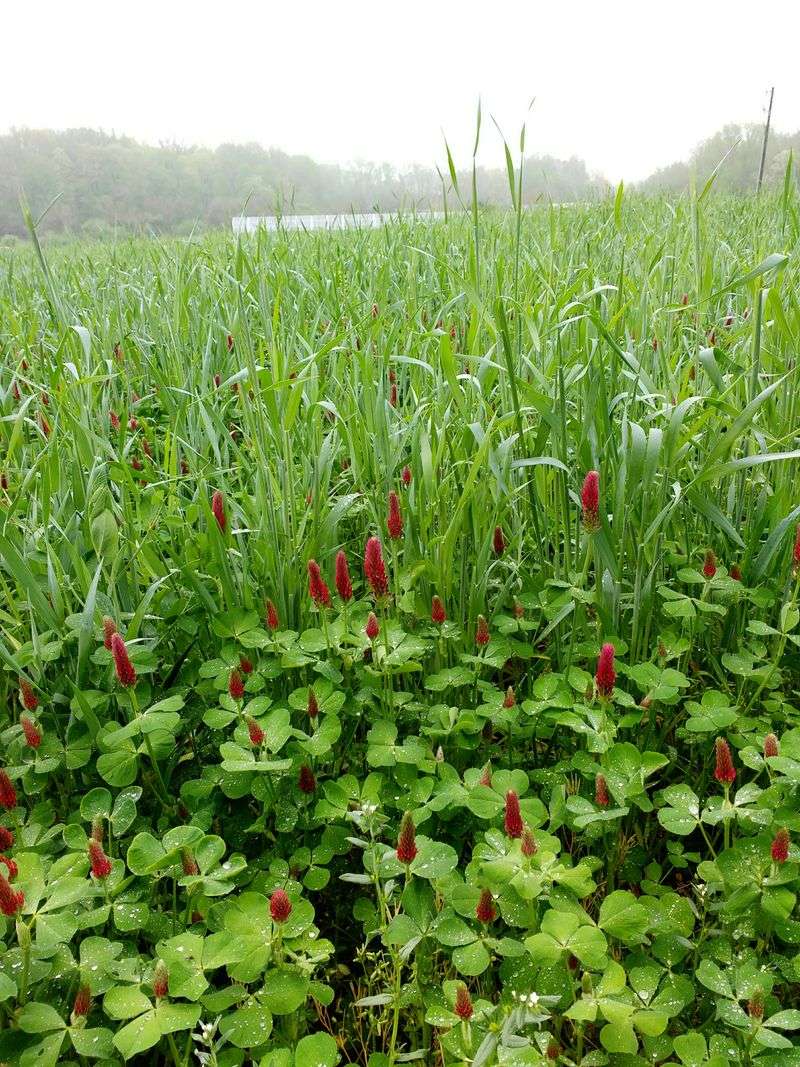
Cover crops are another smart option, and crimson clover is a favorite across Virginia for fall sowing. Plant it by early to mid fall so roots can establish before the ground turns cold and wet.
Personally, I find a garden fork works well for loosening any spots that feel packed down in spring. You gently rock it back and forth, which lets in air without flipping the soil layers upside down.
6. Shrub Fertilizer Can Stay In The Bag Until Spring
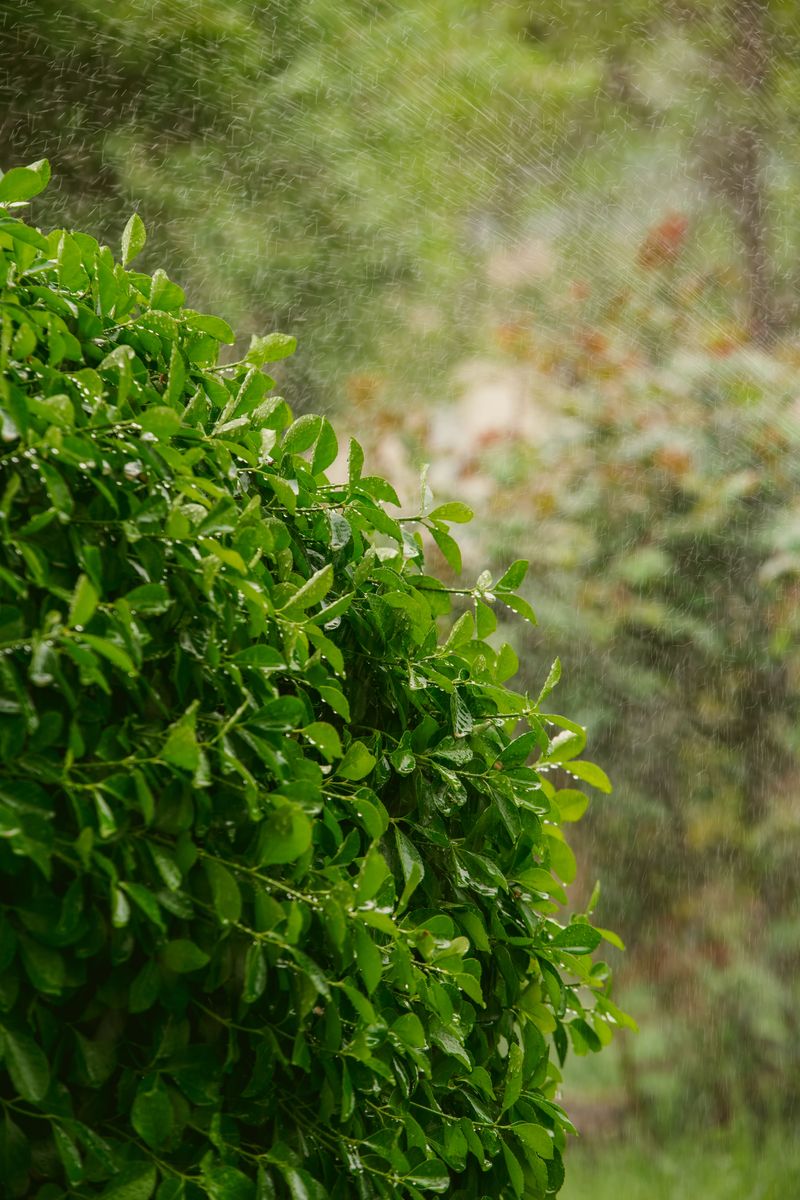
Nitrogen fertilizer in late fall works a bit like handing a sleepy toddler a candy bar at bedtime. Your shrubs and perennials want to wind down, but that extra boost tells them to keep growing.
New leafy growth from a late feeding stays soft and tender, which makes it easy prey for frost. Plants spend energy on those shoots instead of storing reserves in their roots for the cold months ahead.
Most established trees and shrubs in home landscapes rarely need yearly fertilizer at all, especially in decent soil. Fallen leaves and a little compost often provide plenty of slow nutrients without any measuring cups or spreaders.
Lawns are a different story, because cool-season grasses like tall fescue benefit from fall feeding in September. Extension turf specialists suggest most fescue lawns get their main nitrogen applications in early fall rather than spring.
I have to admit I used to sprinkle fertilizer everywhere just because the bag was already open. A soil test finally showed my beds had plenty of phosphorus, so I was wasting money and effort.
Your local extension office offers affordable soil testing, and fall is a fine time to collect samples. Results tell you exactly what your soil lacks, so you can feed only what plants truly need.
Extra fertilizer that plants cannot use often washes away in rain and ends up in nearby streams. Skipping it helps protect waterways like the Chesapeake Bay, where excess nutrients feed harmful algae blooms.
7. Shrub Roses Rarely Need Heavy Winter Mounding
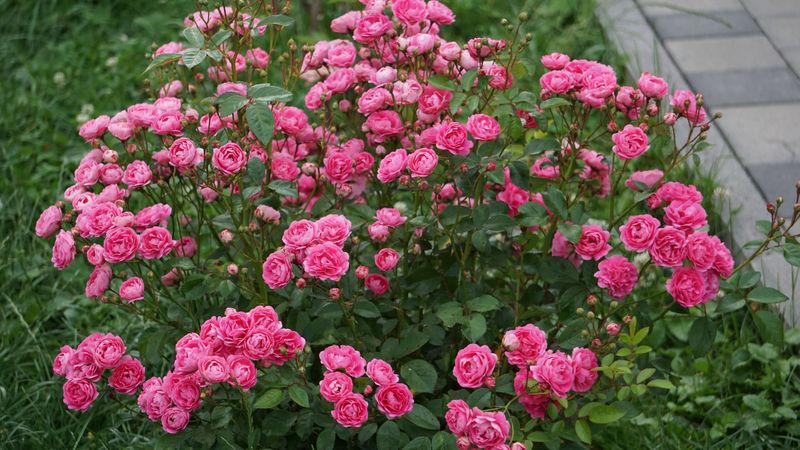
Knock Out roses shrug off most winters in the Mid-Atlantic without any fussy wrapping, burlap, or mounded soil. I spent years piling compost over sturdy shrub roses that honestly would have been fine on their own.
Most of the state falls in USDA zones 6 and 7, with warmer pockets reaching zone 8 near the coast. Many landscape and shrub roses handle those temperatures easily once their roots settle in after the first year.
A two or three inch layer of mulch around the base is often all these tough plants need. It keeps soil temperatures steadier, which helps reduce the heaving that comes with repeated freezing and thawing.
Too much mounded material can trap moisture around the crown during long wet spells in winter and spring. That soggy pocket sometimes invites canker diseases or rot, the exact problems you hoped to avoid.
Grafted hybrid teas in colder mountain areas are the main exception and may still appreciate extra cover. A loose mound of compost or shredded leaves over the graft union offers protection without smothering the plant.
Leave major rose pruning for late winter, when forsythia blooms tell you the timing is about right. You can trim extra-long canes now, though, so winter winds will not whip them around and loosen roots.
Letting the last flowers fade on the plant allows hips to form, adding bright red color to winter. Birds sometimes nibble those hips during cold weather, giving your rose bed one more bonus season of interest.
8. Lawn Leaves Can Be Mowed Instead Of Raked
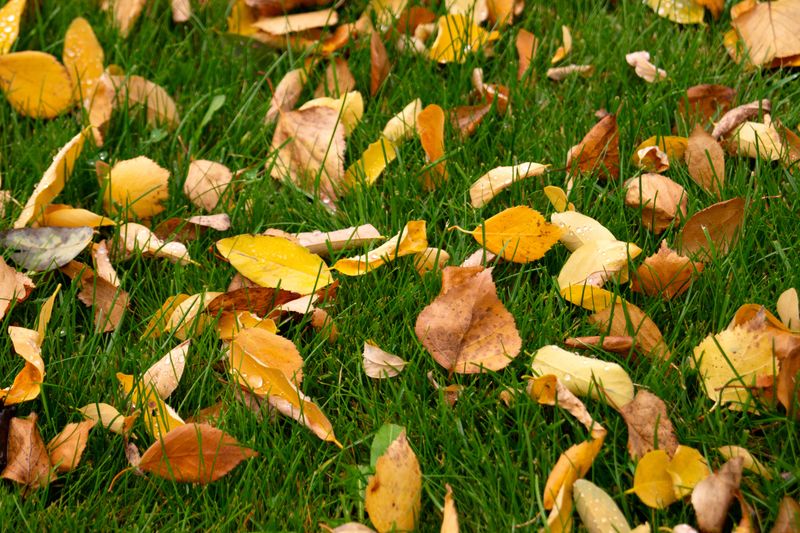
A mulching mower can turn a carpet of fallen leaves into tiny confetti in just a couple of passes. Research from Michigan State University found mowed leaves did not harm turf, and lawns even had fewer dandelions.
That discovery made me retire my old rake to the back corner of the garage for most autumns. Now I mow once a week while leaves fall, and the grass looks green and healthy right through November.
Shredded pieces slip down between grass blades, where earthworms and microbes break them down over the winter months. Those bits return organic matter to the soil, giving your lawn a small natural boost without extra work.
The trick is keeping up, because a thick soggy layer of whole leaves can smother grass underneath. If you can still see some grass peeking through after mowing, you have probably shredded them enough.
Dry leaves shred much better than wet ones, so pick a sunny afternoon after a few rainless days. Raising the mower deck slightly helps leaves move through the blades without clogging the chute or stalling.
Heavy oak leaf drops may need a bagger now and then, since big piles take more effort to chop. Those bagged pieces make ideal mulch for flower beds, and they look surprisingly neat around shrubs.
Many towns also offer curbside leaf collection, though keeping leaves at home saves money on bags and spares your back. Your lawn gets fed, and you get your Saturday afternoon back for pumpkin bread and football.
9. Ornamental Grasses Can Keep Their Feathery Plumes
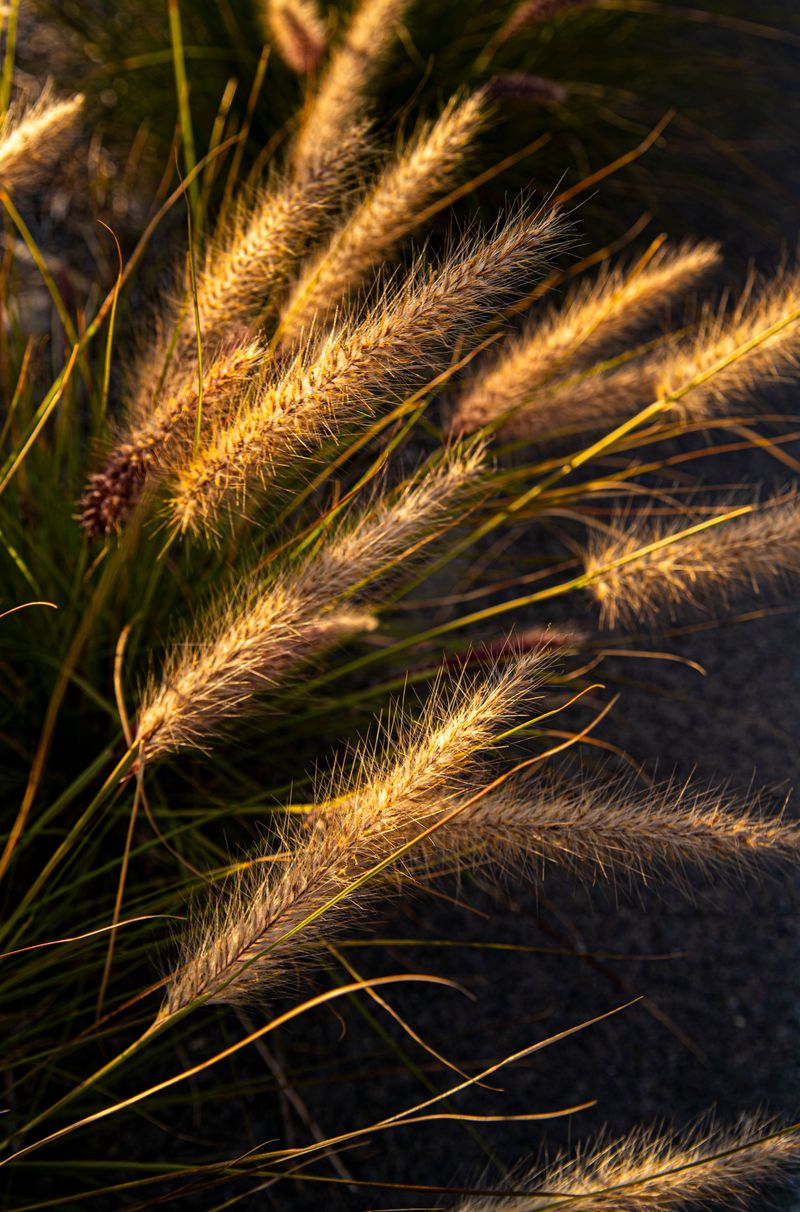
Switchgrass glowing gold in low November sunlight is one of my favorite sights of the whole gardening year. Cutting it down in fall means missing months of that warm color and graceful swaying in the wind.
Native grasses like little bluestem and Indiangrass hold their upright shape surprisingly well through most of the winter season. Their dried foliage rustles in breezes and catches frost, giving bare beds some welcome movement and texture.
Leaving the clumps standing also protects the crown, because old foliage shields the base from cold and wet. Some extension sources note that fall cutting can let water collect in hollow stems and cause crown problems.
Insects use the dense clumps as winter shelter, and small birds sometimes duck inside them during storms. Several skipper butterfly caterpillars feed on native grasses and may spend winter tucked right among the leaves.
Plan to cut grasses back in late winter, just before new green blades start pushing up from the base. Wrapping a bungee cord or twine around the clump first makes cleanup much faster and far less messy.
Leave about four to six inches of stubble so you do not nick the emerging shoots by accident. Larger clumps with hollow centers can be divided in early spring, giving you free plants for other beds.
Avoid planting Chinese silvergrass, a common ornamental that spreads into Virginia fields and forest edges by seed. Native switchgrass offers the same fountain shape and fall color, without any worries about it escaping your yard.