7 Native Michigan Groundcovers That Beat Creeping Jenny For Erosion Control
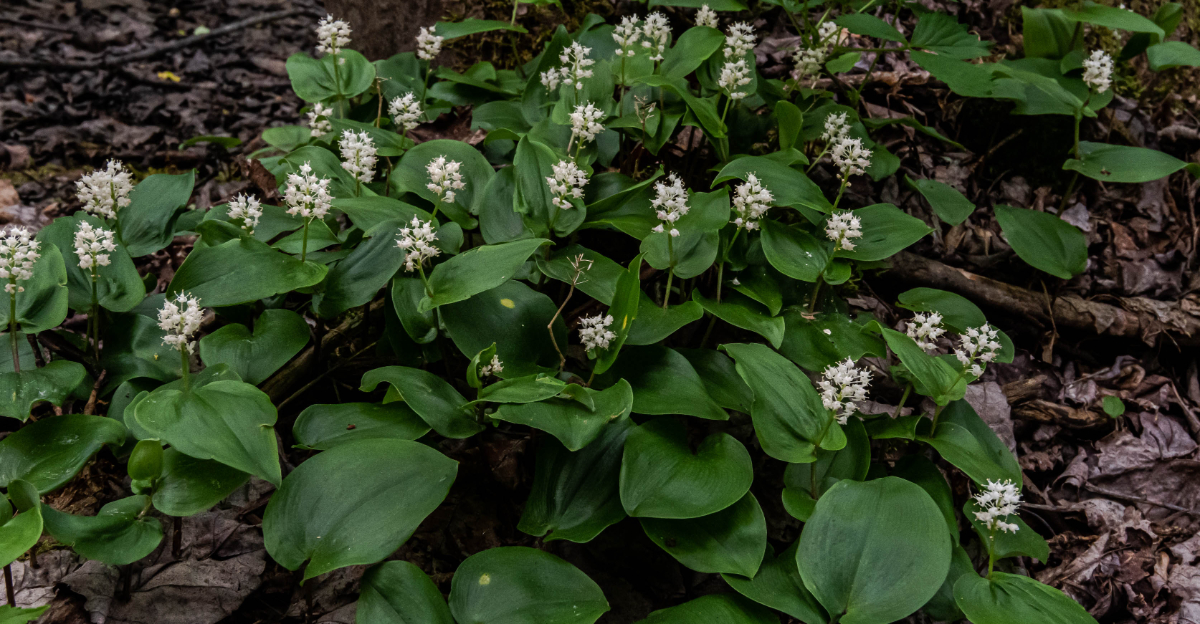
Creeping jenny spreads aggressively and can escape cultivation easily, making several native Michigan groundcovers a smarter choice for erosion control projects.
Wild ginger forms a dense, shaded mat that holds soil in place while adding attractive texture to problem slopes.
Pennsylvania sedge spreads steadily through both sun and shade, offering reliable coverage across varied yard conditions.
Foamflower thrives on slopes with consistent moisture, its delicate blooms adding seasonal interest beyond simple erosion prevention.
Wild strawberry spreads through runners, quickly filling gaps while producing small berries that support local wildlife. Barren strawberry offers a similar low growing habit, tolerating drier conditions than its fruiting cousin.
Prairie smoke handles poor, rocky slopes exceptionally well, adding unique texture through its fuzzy seed heads. Golden ragwort rounds out the list, thriving in damp areas prone to erosion after heavy rain.
Choosing any of these natives solves erosion problems while supporting local ecosystems far better than creeping jenny.
1. Pennsylvania Sedge Holds Dry Shaded Soil
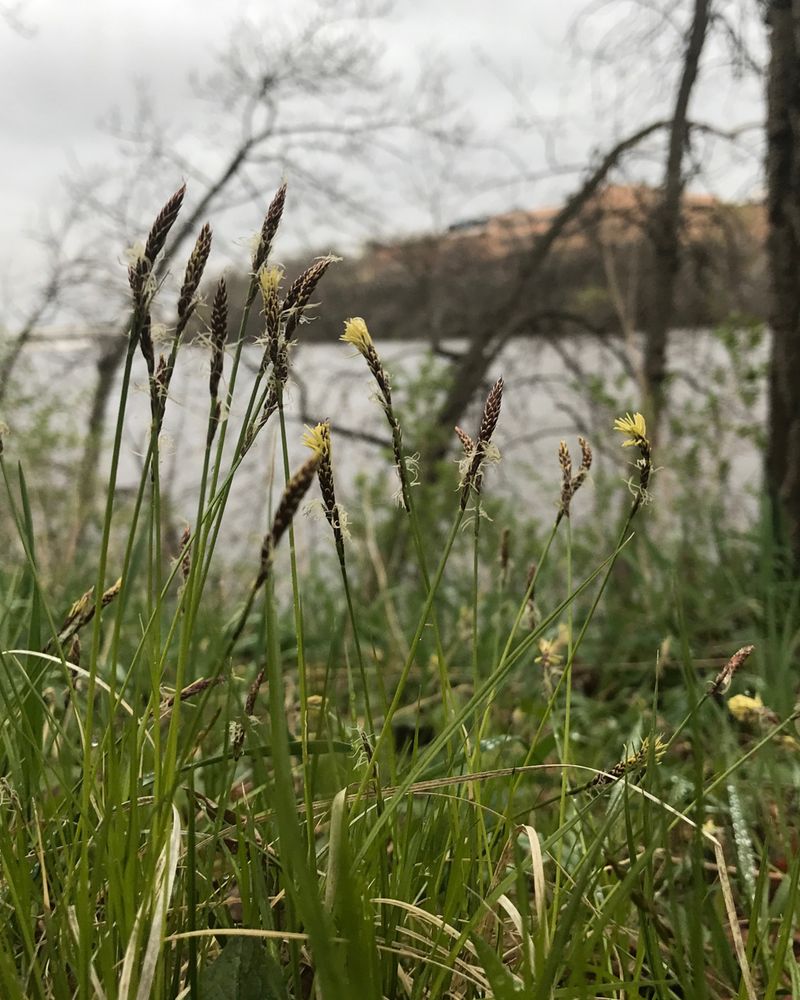
Most gardeners struggle to find anything that actually thrives in dry shade, and that is exactly where Pennsylvania sedge shines.
This tough, low-growing native grass-like plant handles the kind of dry, shaded spots that most groundcovers refuse to touch.
Found naturally across Michigan woodlands, it forms a soft, fine-textured mat that looks almost like a miniature lawn without any mowing required.
Pennsylvania sedge spreads through underground stems called rhizomes, slowly pushing outward each season to fill in bare patches. On slopes and hillsides, those spreading roots grip the soil tightly, preventing runoff during heavy rains.
Once established, the plant is remarkably self-sufficient, needing very little water or fertilizer to stay healthy and green throughout the growing season.
Planting it is straightforward. Space plugs or divisions about 12 inches apart, and within a couple of seasons they will knit together into solid coverage.
It works beautifully under mature trees, along shaded pathways, or on north-facing slopes where other plants struggle to survive. The foliage stays evergreen in milder winters, giving your yard year-round color even when everything else has gone dormant.
One of the best things about Pennsylvania sedge is how little maintenance it demands after the first year. Occasional watering during drought and a light trim in early spring are really all it needs.
Birds and small mammals also appreciate the cover it provides, making it a win for local wildlife too. For any dry, shaded Michigan slope that keeps washing away, this plant is one of the most reliable fixes available.
2. Wild Ginger Covers Moist Shaded Ground
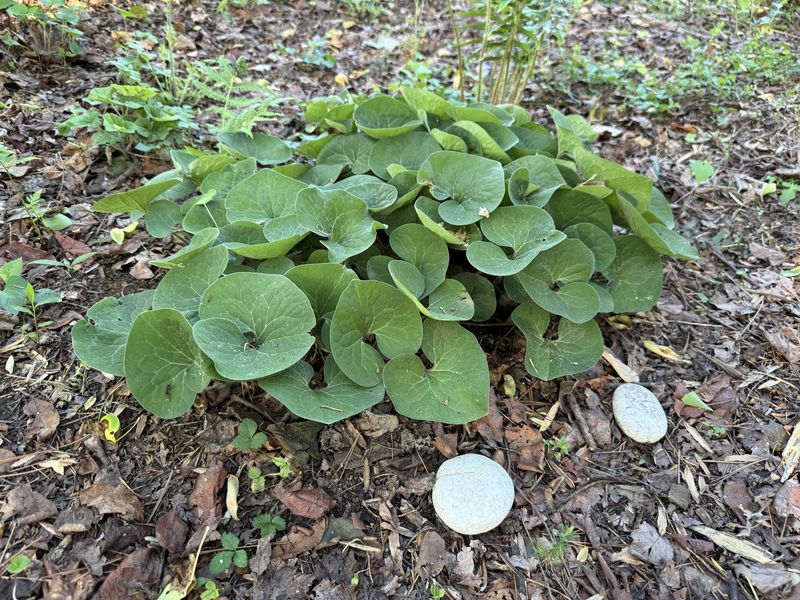
There is something almost magical about wild ginger. Tuck it under a canopy of trees, give it moist soil, and watch it slowly transform bare, exposed ground into a rich, leafy carpet.
Native to Michigan forests, this plant has been quietly doing its job for thousands of years without any help from gardeners.
Wild ginger spreads through shallow rhizomes that creep just below the soil surface, gradually expanding outward from the original planting.
The large, heart-shaped leaves overlap each other as the colony grows, creating a dense layer that shields soil from rain impact and reduces erosion significantly.
Your Michigan Garden Changes Every Week. Your Plan Should Too.
Gardening in Michigan changes quickly throughout the season. Every Friday you’ll receive a simple weekly plan showing exactly what to plant, prune, fertilize, harvest, and protect so you never miss the right timing.
On moist slopes under shrubs or large trees, it holds ground that other plants simply cannot handle.
It grows slowly compared to some groundcovers, so patience pays off here. Plant divisions or potted plants about 12 inches apart in well-amended, moist soil.
By the third or fourth season, you will have a thick, weed-suppressing mat that barely needs any attention. The plants stay low, usually only 6 to 8 inches tall, so they never block views or crowd out taller shrubs nearby.
Wild ginger also connects beautifully with the broader ecosystem. Its early spring flowers, hidden beneath the leaves near ground level, attract native ground-nesting bees and other pollinators.
Deer tend to leave it alone, which is a real bonus in suburban Michigan yards where browsing pressure can be intense.
For shaded spots with consistent moisture, wild ginger is one of the most rewarding native groundcovers you can plant, offering beauty, function, and ecological value all in one package.
3. Wild Strawberry Spreads With Runners
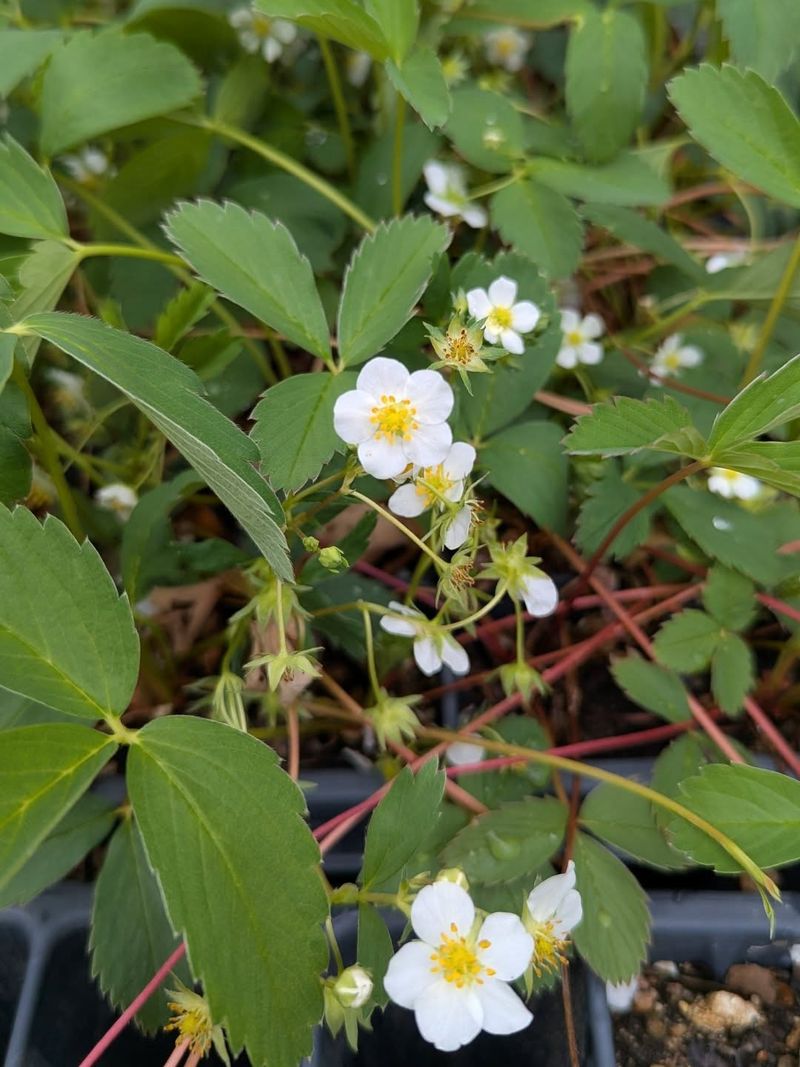
Few native plants pack as much charm into such a small package as wild strawberry.
It produces delicate white flowers in spring, tiny sweet berries in early summer, and bold red foliage in fall, all while steadily spreading across exposed soil through long, flexible runners called stolons.
For erosion control in sunny or partly shaded spots, it is genuinely hard to beat.
Those runners are the secret weapon. Each stem that touches the ground sends down roots, anchoring itself and creating a new plant.
Over a single growing season, one wild strawberry plant can spread several feet in every direction, quickly covering bare patches on slopes or disturbed areas.
The root system grows deep enough to hold soil during heavy rain events, reducing runoff and protecting slopes from washing out.
Wild strawberry handles a wide range of conditions surprisingly well. It performs best in full sun to partial shade and tolerates both sandy and clay-heavy Michigan soils.
Once established, it is quite drought-tolerant, making it useful for slopes that dry out quickly in summer heat. Plant it in spring or fall, spacing plugs about 12 to 18 inches apart, and let the runners do the rest of the work for you.
Beyond erosion control, wild strawberry is a genuine wildlife magnet. Birds, rabbits, and small mammals eagerly eat the berries, and the flowers attract native bees and butterflies throughout the season.
Children love spotting the tiny red fruits too, making it a fun and educational addition to any family garden. Functional, beautiful, and wildlife-friendly, wild strawberry earns its place on any Michigan slope that needs reliable coverage fast.
4. Bearberry Covers Dry Sandy Slopes
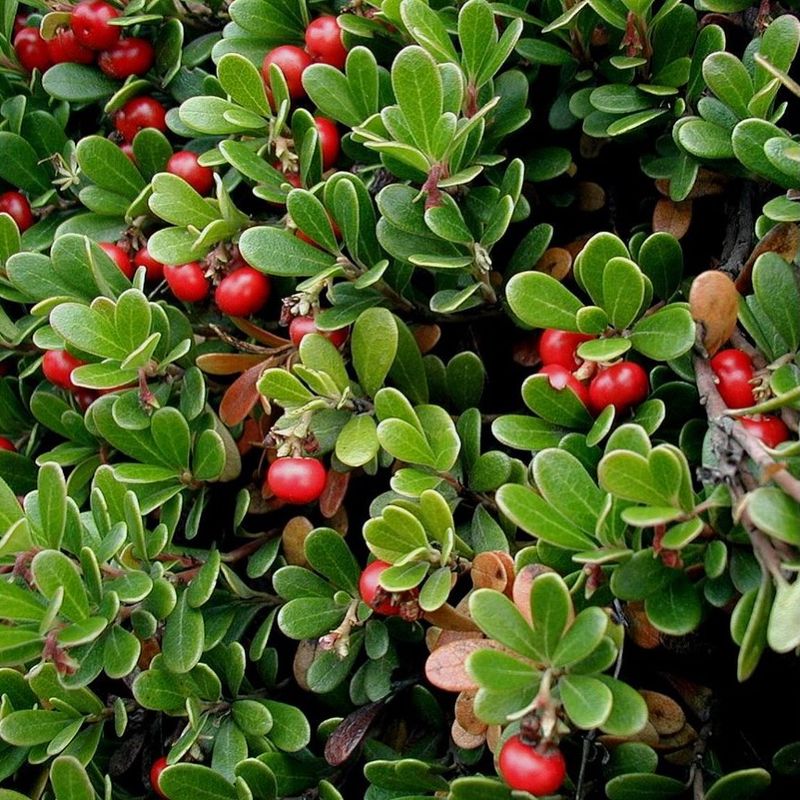
Sandy slopes in Michigan can feel nearly impossible to plant. Soil drains fast, wind dries everything out, and most groundcovers simply give up before they get started.
Bearberry, however, was practically built for these conditions. This tough, low-growing native shrub thrives in exactly the kind of harsh, dry, sandy spots that challenge every other plant on the list.
Bearberry forms a dense, mat-like layer that hugs the ground closely, rarely growing more than 12 inches tall. Its woody stems spread outward steadily, weaving together to create a tightly knit cover that holds sandy soil in place even on steep grades.
The root system runs deep and wide, anchoring the plant firmly and significantly reducing erosion on exposed slopes, roadsides, and dune edges across Michigan.
The plant is evergreen, which gives it a clear advantage over herbaceous groundcovers. Those glossy, leathery leaves stay green all winter, providing year-round soil protection even when the ground is frozen.
In spring, small pink and white bell-shaped flowers appear, followed by bright red berries that persist well into winter and feed many species of birds and wildlife that depend on them.
Bearberry is slow to establish, so give it a full season or two before expecting full coverage. Plant in well-drained, sandy, or gravelly soil in full sun, and avoid adding fertilizer since it actually prefers low-nutrient conditions.
Once rooted in, it practically takes care of itself. For anyone dealing with dry, sunny, sandy Michigan slopes that keep eroding, bearberry is one of the most dependable and long-lasting native solutions available anywhere in the state.
5. Creeping Juniper Protects Sunny Slopes
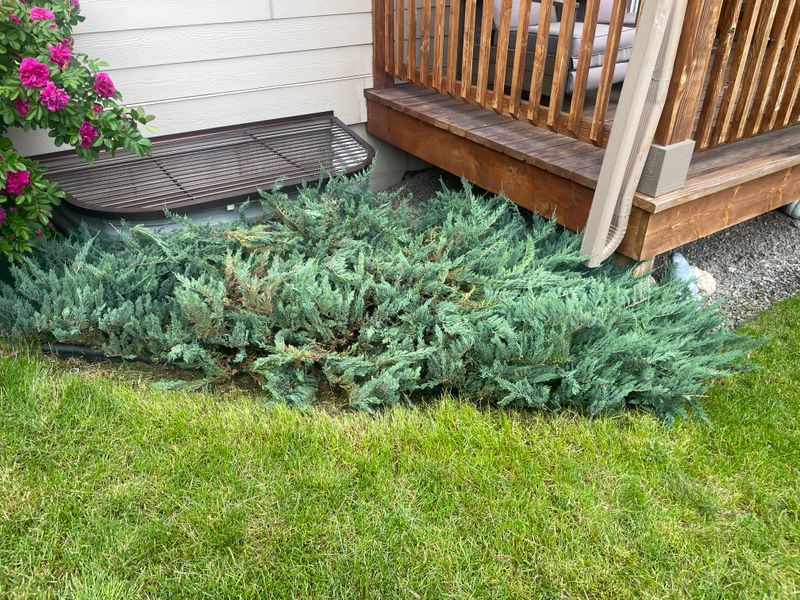
When a slope gets full sun all day and barely holds moisture, most groundcovers throw in the towel quickly. Creeping juniper does the opposite.
This tough, low-spreading evergreen native to parts of Michigan and the Great Lakes region was made for exactly these conditions, and it delivers reliable, year-round soil protection with minimal fuss from the gardener.
Creeping juniper grows in a wide, flat pattern, spreading several feet outward while staying just 12 to 18 inches tall.
The dense, needle-covered branches form a thick mat that physically blocks rainfall from hitting bare soil directly, reducing splash erosion on exposed slopes.
Below ground, the roots spread outward and anchor firmly into sandy or rocky soil, holding it in place even during heavy storms and spring snowmelt.
One of the standout qualities of creeping juniper is how well it handles Michigan winters. The blue-green foliage stays attractive through the coldest months, giving slopes a tidy, maintained appearance year-round.
In spring, some varieties develop a slight purplish tint to the foliage, which adds unexpected visual interest just when the rest of the garden is waking up from winter dormancy.
Plant creeping juniper in full sun and well-drained soil, whether sandy, gravelly, or clay-based, as long as water does not pool around the roots. Space plants about 4 to 6 feet apart to allow for natural spreading without overcrowding.
It grows slowly at first, but after a few seasons it fills in beautifully and rarely needs pruning or extra care.
For large, sunny, erosion-prone slopes in Michigan, creeping juniper offers one of the most durable and visually appealing long-term solutions you can find.
6. Canada Anemone Spreads Across Moist Ground
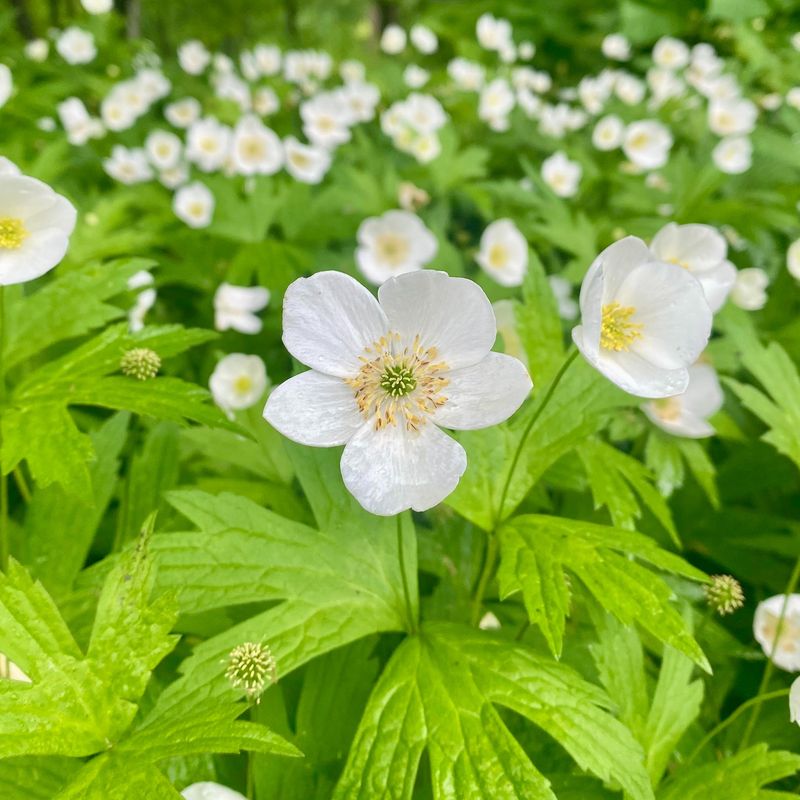
Canada anemone is the kind of plant that makes a statement. Once it settles in, it spreads with real enthusiasm, filling moist, sunny, or partly shaded areas with a sea of deeply cut green leaves and cheerful white flowers each spring.
For gardeners with a larger area to cover quickly, this native Michigan wildflower can be one of the most effective erosion-fighting groundcovers available.
The plant spreads through an extensive network of underground rhizomes that reach out aggressively in every direction.
That spreading habit is exactly what makes it such a powerful tool for erosion control on moist slopes, streambanks, and low-lying areas where soil tends to wash away during rain events.
The dense root system holds soil firmly while the leafy canopy above intercepts rainfall before it can dislodge loose particles.
Because Canada anemone spreads so vigorously, placement matters a lot. Give it plenty of room and pair it with other equally competitive native plants rather than placing it near delicate wildflowers that could easily get overwhelmed.
A large rain garden edge, a wet swale, or a moist slope with open space are ideal spots where its spreading habit becomes an asset rather than a problem.
Spring blooms attract native bees and early pollinators, adding ecological value beyond simple erosion control. The foliage stays lush and full through summer before wilting naturally in fall.
Plant divisions or potted plants in moist, average to rich soil in spring or early fall. Within just two growing seasons, Canada anemone can transform a bare, eroding bank into a full, attractive groundcover that practically manages itself through the season.
7. Canada Mayflower Covers Northern Shade
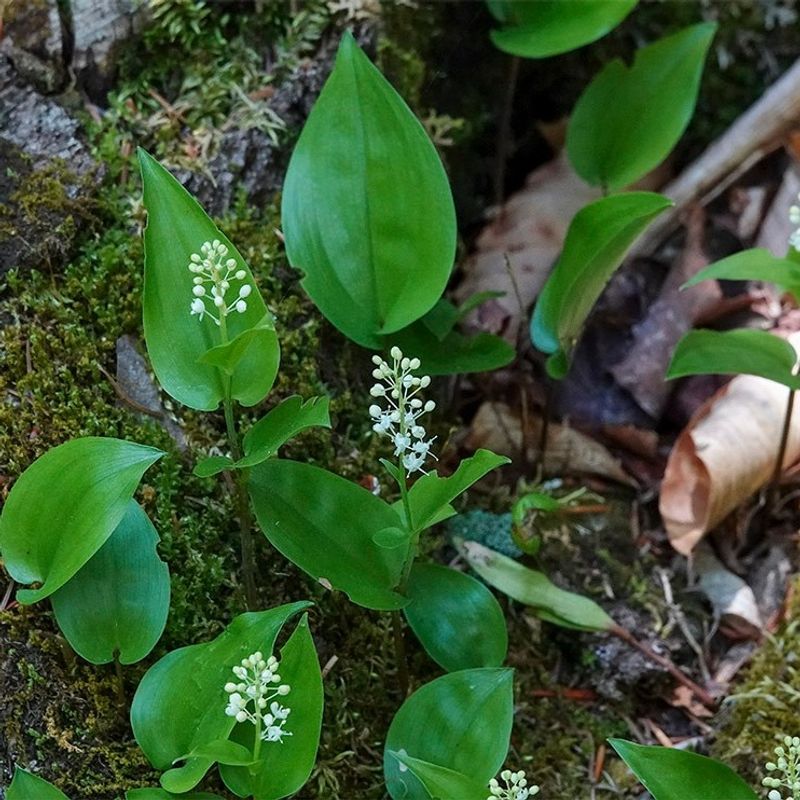
Up in northern Michigan and across the Upper Peninsula, the forest floor tells its own story. Beneath towering conifers and hardwoods, Canada mayflower quietly carpets the ground with small, glossy leaves and tiny white flower clusters each spring.
This compact little native wildflower is one of the most reliable groundcovers for deep shade in cool, northern climates, and it earns every bit of that reputation.
Canada mayflower spreads through underground rhizomes, gradually filling in the spaces between tree roots and rocky soil where almost nothing else will grow.
The coverage it provides might look delicate, but it does a surprisingly solid job of protecting soil from erosion.
In shaded areas where tree canopies reduce rainfall intensity, even a shallow-rooted groundcover like this one can significantly reduce surface runoff and keep soil in place through wet seasons.
The plant grows best in acidic, well-drained, moist soil under conifers like pine and spruce, which makes it a natural fit for much of northern Michigan’s native landscape.
It stays very low, rarely exceeding 6 inches in height, so it never competes visually with taller understory plants or shrubs.
Plant small divisions or potted specimens in spring, spacing them about 6 to 8 inches apart, and let them slowly knit together over the following seasons.
Canada mayflower also produces small red berries in late summer that feed birds and small mammals through early fall.
For gardeners in the northern Lower Peninsula or Upper Peninsula working with heavily shaded, acidic soil, this plant fills a niche that very few other natives can match.
Subtle, tough, and quietly beautiful, it is a true northern Michigan treasure worth knowing.