This Winter Watering Mistake Could Be Turning Peace Lily Tips Brown In Georgia Homes
Even a houseplant can wilt dramatically from thirst one week, then quietly suffer from too much kindness the next. I learned that the hard way with a pot of glossy leaves and white flowers sitting by my living room window.
The crispy brown tips showed up right after the heat kicked on. I blamed the furnace, so I watered more often.
That turned out to be the wrong fix, and I can’t imagine how many Georgia plant lovers make the same move every January.
Indoor heating can drop household humidity far below what rainforest plants enjoy. Tap water carries salts and chemicals that creep toward leaf edges.
Meanwhile, winter growth slows, so roots drink far less than they did in July.
Those brown leaf tips could be telling you something very different from what you first assumed. The answer sits closer to your watering can than you might expect.
1. Those Crispy Peace Lily Tips Started With Good Intentions
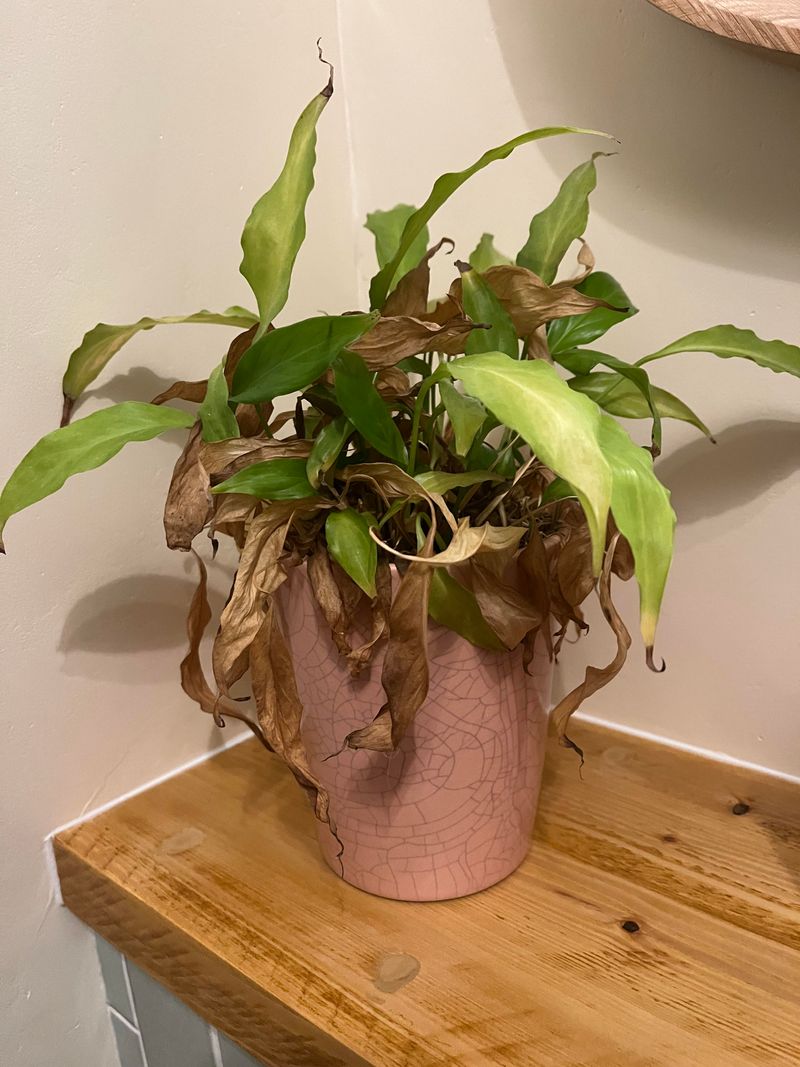
Most of us spot a brown tip and grab the watering can. It feels like the caring thing to do, and that kind instinct is exactly where the trouble begins.
Peace lilies come from humid tropical forests in Central and South America. When your heat runs all winter, indoor humidity can sink well below the 50 percent or so these plants prefer.
Dry air pulls moisture from the thin leaf edges first, so the tips crisp up.
Seeing that damage, many people decide the plant must be thirsty and start watering on a summer schedule. The trouble is that winter light is weaker and days are shorter, so the plant grows slowly and uses far less water.
The soil stays wet longer than you expect. Roots sitting in soggy mix struggle to take in oxygen, and stressed roots cannot move water up to the leaves properly.
The result looks almost the same as thirst, with brown edges and drooping foliage.
In other words, extra water can make the very symptom you are trying to fix even worse. Before you pour, pause and check the soil.
That small habit change is the heart of winter peace lily care.
2. Poke The Peace Lily Soil Before You Reach For The Watering Can
My favorite moisture meter costs nothing. It is my index finger, and it works better than any calendar reminder.
Push your finger about one to two inches into the potting mix. If it feels damp or cool, wait a few days and check again.
If the top inch feels dry, it is time to water.
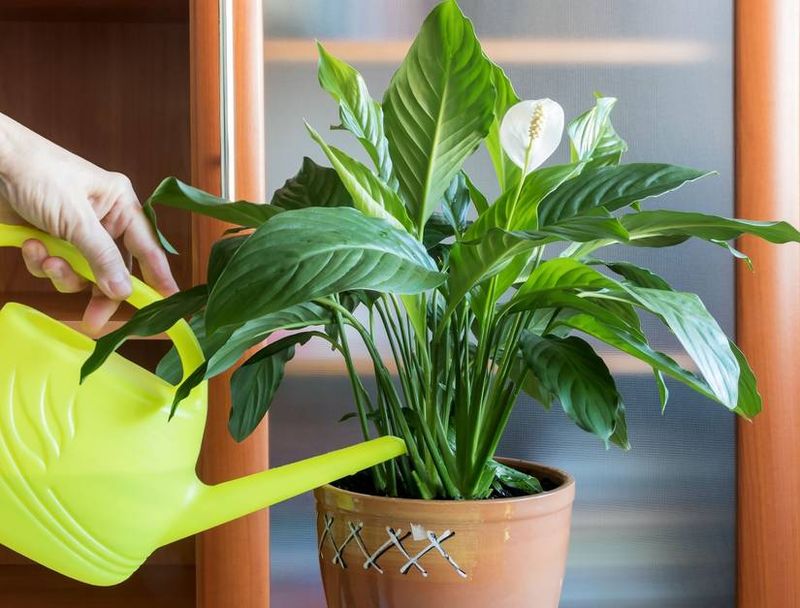
When you do water, go slow and thorough. Pour room-temperature water evenly over the soil until it runs out of the drainage holes.
Then empty the saucer within about 15 minutes so the roots are not soaking.
In many Georgia homes, this rhythm stretches to roughly every 10 to 14 days in winter. Some plants in cooler, darker rooms may need water even less often.
A peace lily in a warm, bright spot might want it sooner.
Watch the leaves too. A gentle droop often signals real thirst, and the plant usually perks up within hours of a drink.
Try not to let it collapse often, though, since repeated hard wilting followed by flooding stresses the plant and invites more brown tips.
Consistency matters more than any fixed schedule. Let the soil, not the date, make the call.
3. Soggy Roots In A Pot Without Drainage Spell Trouble
Ever lifted a pot that felt heavy as a brick days after watering? That weight is a clue your peace lily is sitting in too much moisture.
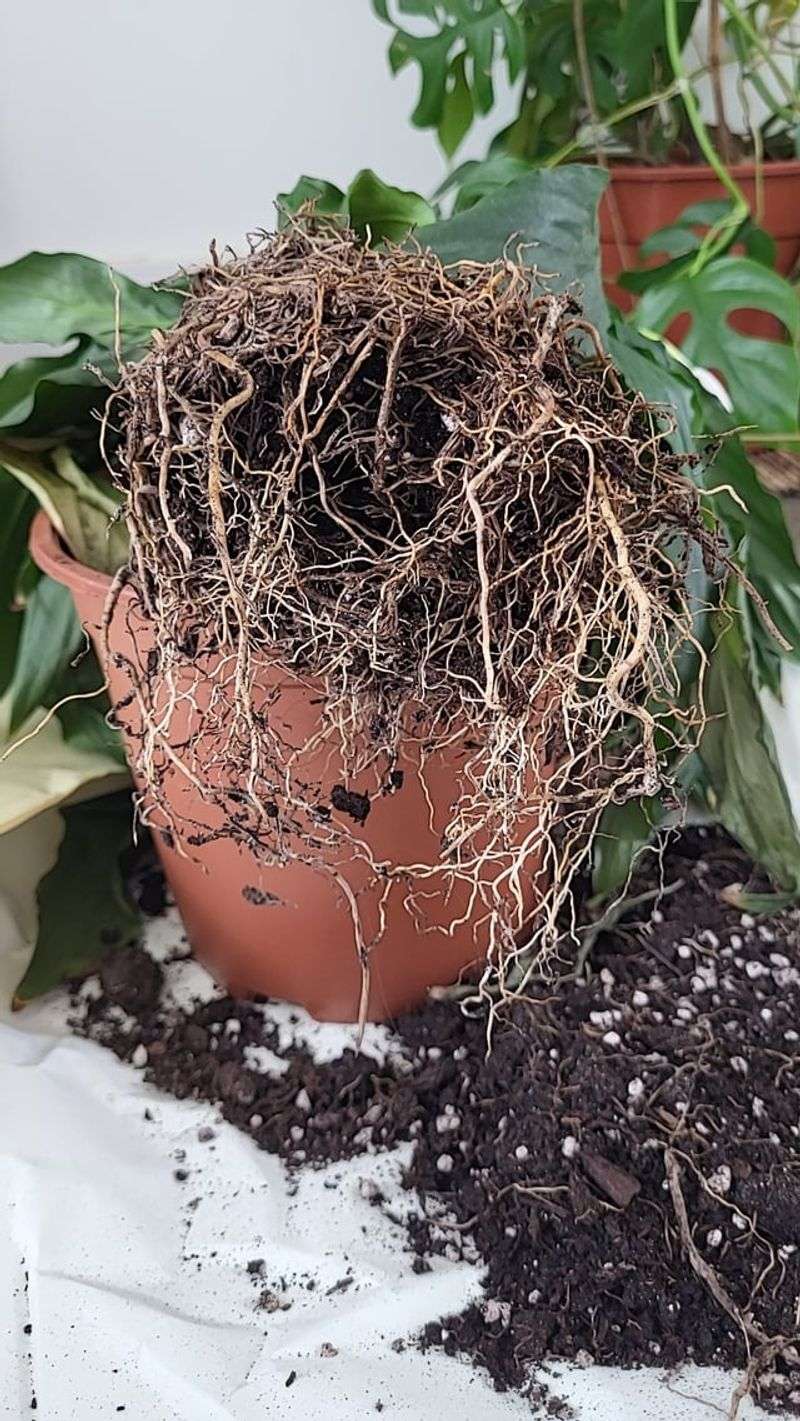
Healthy roots look white or light tan and feel firm. Roots that stay wet for long stretches can turn brown, soft, and mushy, and they may smell sour.
Root rot is caused by water molds and fungi that thrive in waterlogged soil.
Once roots decline, leaves may yellow, droop, and brown at the tips even though the soil is wet. That confusing combo fools a lot of gardeners into watering again.
Start by checking the container. Decorative pots without holes trap water at the bottom, so slip a plastic nursery pot with drainage inside instead.
Use a loose, well-draining potting mix rather than heavy garden soil.
If you suspect rot, gently slide the plant out. Trim away mushy roots with clean scissors and repot in fresh mix.
Hold off on fertilizer until new growth appears.
Fun fact for curious growers: the white flower is not a petal at all. It is a modified leaf called a spathe, wrapped around a spike of tiny true flowers.
4. Tap Water Salts Can Gather At Peace Lily Leaf Edges
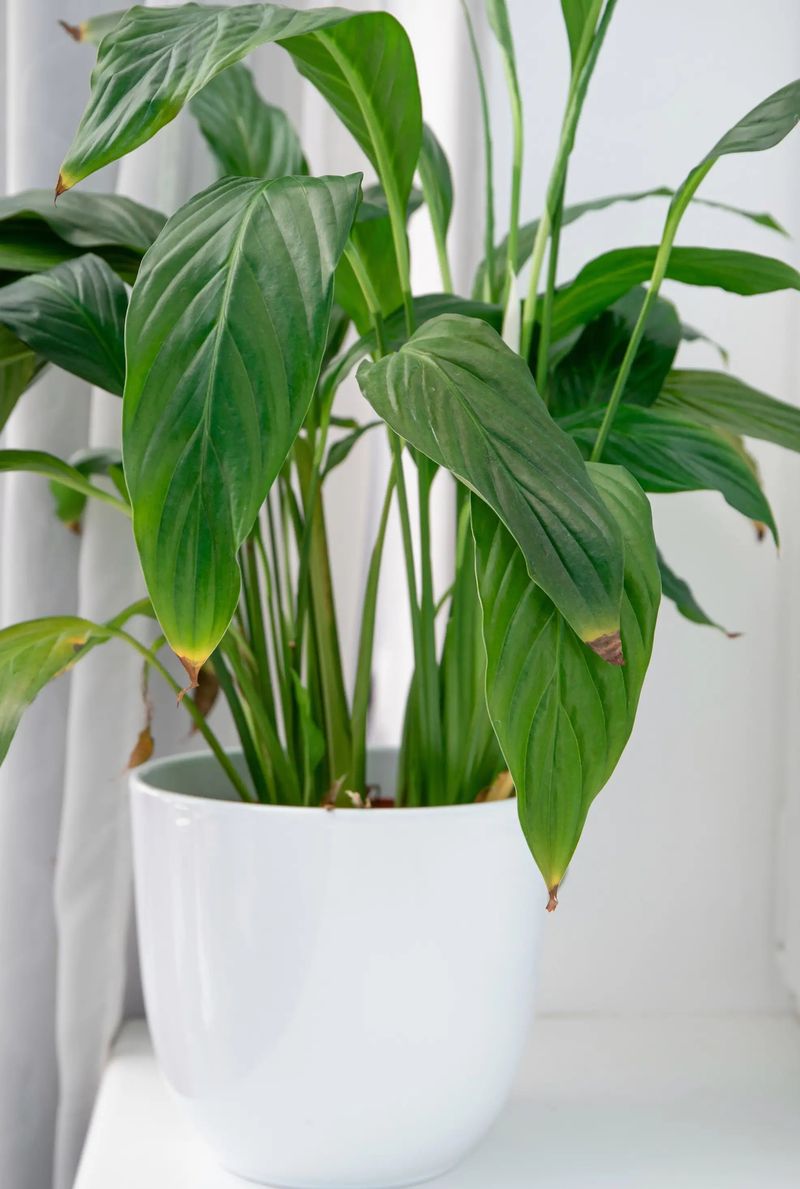
Here is something that surprised me. The water from your kitchen faucet may be part of the brown tip puzzle.
Many city water systems add chlorine or chloramine for safety, and many also add fluoride. Water also carries dissolved minerals and salts.
Peace lilies are fairly sensitive, and those substances can build up in the soil over time.
As water moves through the plant and evaporates from the leaves, salts tend to collect at the tips and margins. Extension specialists note this buildup as a common cause of tip burn on many houseplants.
Softened water can be a bigger concern than plain tap water. Water softeners often swap minerals for sodium, and sodium is hard on roots.
If your home uses a softener, use water from an unsoftened tap or another source.
Easy swaps include filtered water, distilled water, or rainwater collected in a clean container. Letting tap water sit out overnight lets some chlorine escape, but it does not remove fluoride or chloramine.
A white crust on the soil or pot rim is a telltale sign. Every few months, flush the pot by running plenty of water through it to rinse those salts away.
5. Furnace-Dry Air Leaves Peace Lily Leaves Craving Moisture
Winter in a heated house can feel a bit like a desert for tropical plants. Running the furnace warms the air, and warm indoor air with little moisture pulls water from leaves quickly.
A humidity level around 40 to 60 percent keeps peace lilies happier. An inexpensive hygrometer will tell you where your room actually stands, and the number may shock you.
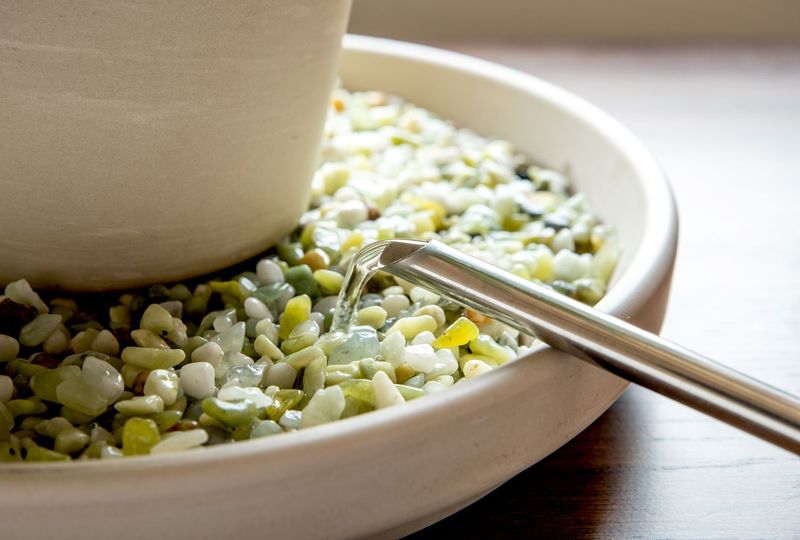
Pebble trays are a simple start. Fill a shallow tray with pebbles and water, then set the pot on top so its bottom stays above the waterline.
Evaporation adds a little moisture around the leaves.
Grouping houseplants together also helps, since plants release moisture through their leaves. For a bigger lift, a small cool-mist humidifier near your plant collection works best.
Clean it often to prevent mold.
Misting feels nice but offers only brief relief. It also leaves spots when you use mineral-heavy tap water.
Location counts too. Keep your plant a few feet away from heating vents, radiators, space heaters, and fireplaces.
Blasts of hot, dry air can brown the edge of a leaf facing the vent much faster than leaves on the other side.
6. Fertilizer, Cold Drafts, And Sunny Windows Can Brown Peace Lilies Too
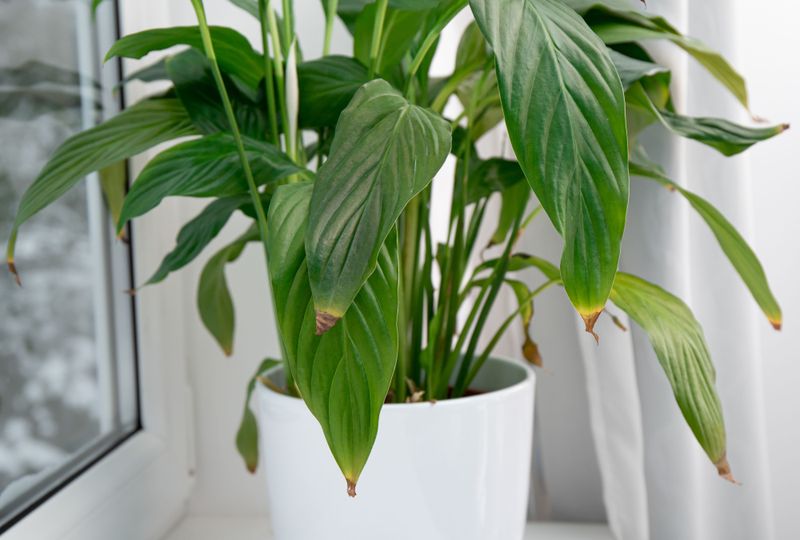
Water gets most of the blame, but it is not the only suspect. A good plant detective checks the whole room.
Too much fertilizer is a frequent culprit. Excess fertilizer salts can burn roots and leaf tips.
Peace lilies are light feeders, and most growers pause or greatly reduce feeding in winter while growth is slow. Resume with a diluted houseplant fertilizer in spring.
Cold drafts are another winter troublemaker. Peace lilies prefer temperatures roughly between 65 and 80 degrees.
Spots near exterior doors or leaky windows can drop much lower, especially during cold snaps in North Georgia.
Leaves pressed against icy window glass may scorch or turn dark. Slide your pot back a few inches on chilly nights.
Light matters in both directions. Direct sun, even through glass, can bleach or brown leaves with larger scorched patches.
Very deep shade, on the other hand, means fewer blooms and slow growth. Bright, indirect light is the sweet spot.
Finally, older outer leaves naturally yellow and fade with age. A single old leaf turning brown is normal.
Focus your worry on new leaves emerging from the center of the plant.
7. Trim Those Brown Peace Lily Tips And Welcome Fresh Green Leaves
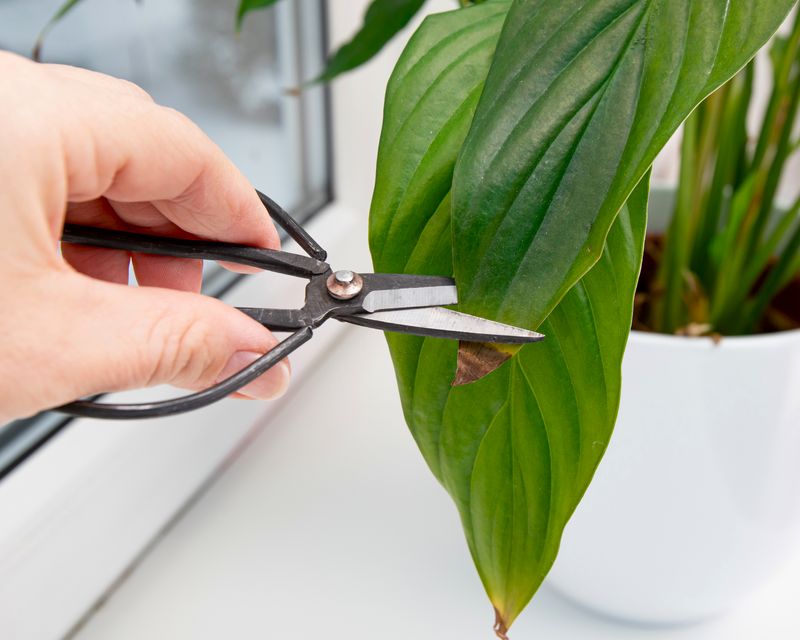
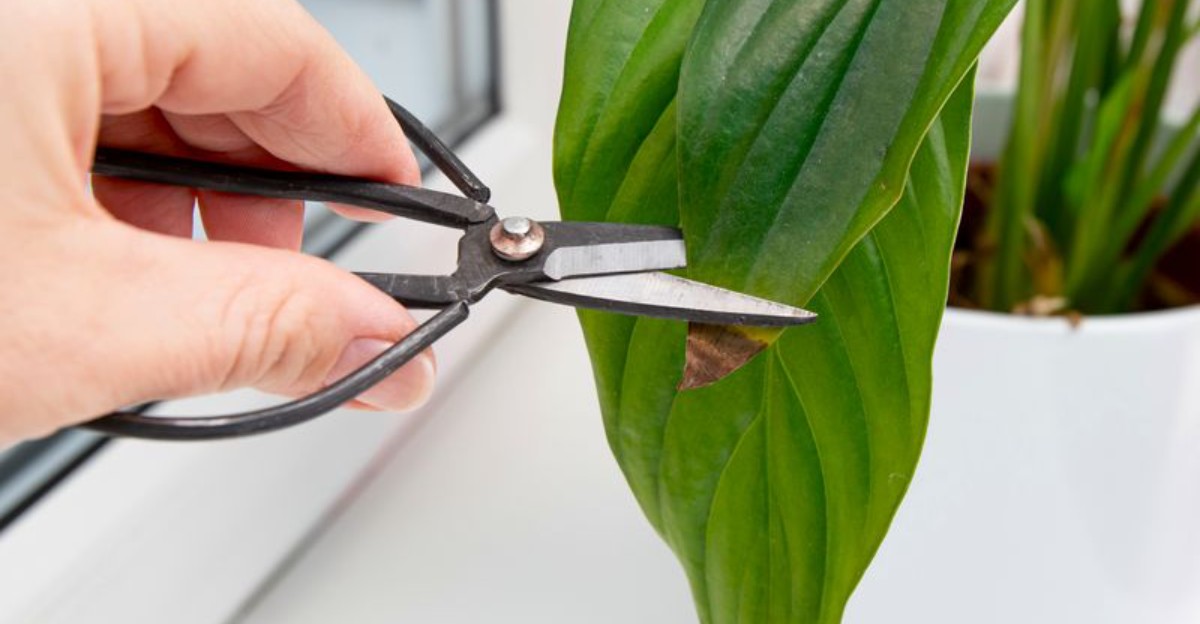
Brown tissue will not turn green again, no matter how perfect your care becomes. You can still make the plant look tidy and fresh in just a few minutes.
Grab sharp, clean scissors and wipe the blades with a disinfecting wipe. Trim each brown tip following the natural pointed shape of the leaf.
Leave a very thin line of brown so you do not cut into healthy green tissue.
If a leaf is mostly yellow or brown, cut it off near the base. Spent flower stalks can come off low in the plant as well.
Then put your new routine to work. Check soil before watering, empty saucers, use gentler water, raise humidity, and keep the pot away from vents and drafts.
Skip fertilizer until spring.
Give it time. Peace lilies grow slowly in winter, so improvement shows up in new leaves over several weeks.
Once those fresh leaves unfurl with clean green tips, you will know the changes are working.
One last reminder for pet owners: peace lilies contain calcium oxalate crystals that can irritate the mouths of cats and dogs. Keep trimmed leaves and the plant itself out of reach.