This Wood-Eating Stowaway From Across The World Settled In Louisiana And Never Left
Some spring nights in New Orleans, the swarms get so thick they show up on weather radar. I had to read that twice before I believed it.
The culprit is a tiny insect from East Asia. It likely hitched a ride on cargo ships after World War II and found a perfect new home in Louisiana.
Warm air, sticky humidity, and plenty of wood gave it everything it wanted. Today, Louisiana is the epicenter of the Formosan subterranean termite.
I never get tired of learning how small creatures change big places. This one chews through houses, live oaks, and even utility poles. One colony can hold millions of workers, all quietly munching while we sleep.
You might notice a cloud of winged bugs around your porch light some warm May evening. Most folks swat at them and move on.
Don’t. Those fliers may be a warning, and the wood around you could already be paying the price.
Those Porch Light Swarms on Warm May Nights Carry a Hidden Message
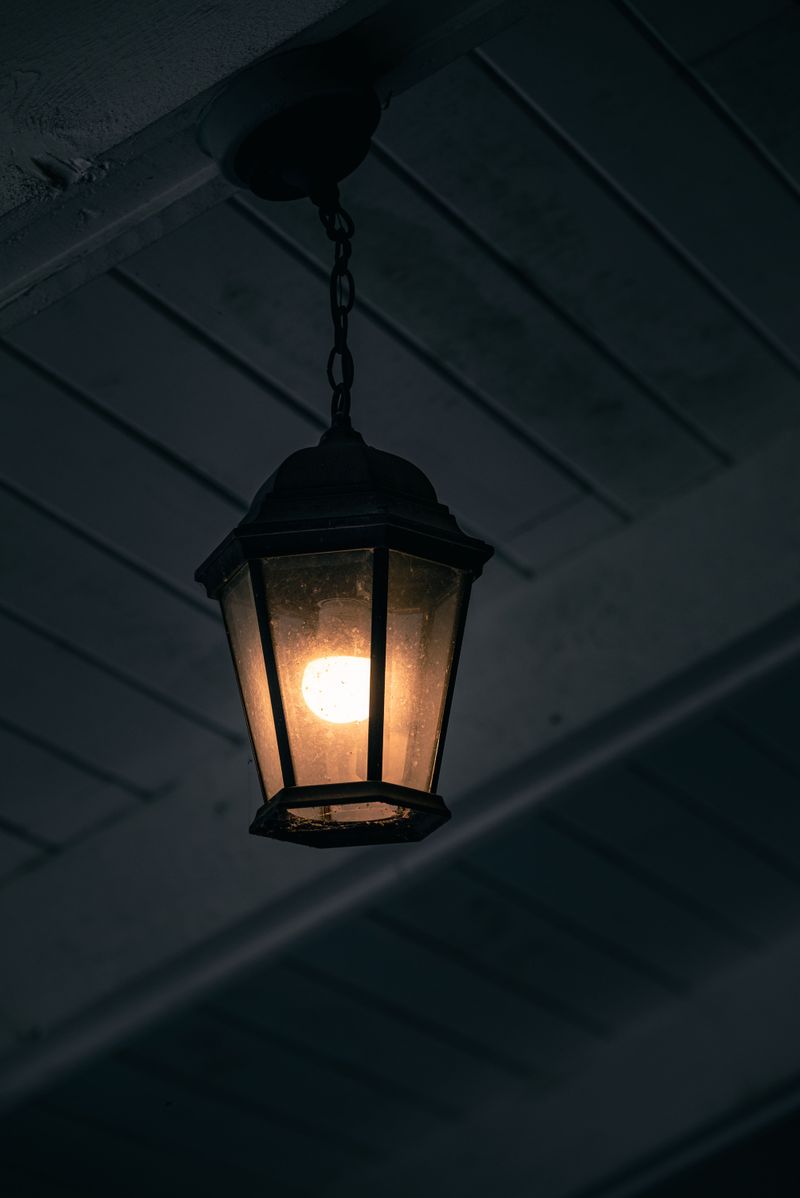
Late one May evening, I flipped on my porch light and watched it disappear behind a buzzing cloud. Thousands of yellowish-brown insects with long, see-through wings were circling the bulb.
It looked like a snow globe someone shook too hard. Those fliers are called alates. They are the winged kings and queens of a termite colony, sent out to start new families.
In Louisiana, the big flights usually happen from late April through June, often on warm, muggy nights right after a rain.
The timing is pretty reliable. Many people around New Orleans connect the peak with Mother’s Day weekend. The swarm starts around dusk and fades after a few hours.
Spotting a handful of fliers outside is common in many neighborhoods. Finding dozens or hundreds inside your home is a different story. That can mean a colony is living close by, or even in your walls.
So the next time your porch light turns fuzzy with wings, take a closer look before you grab the bug spray. Note where they gather and whether any show up indoors. Those clues help you figure out if you have a neighbor problem or a home problem.
An East Asian Termite Sailed Into New Orleans and Made Itself at Home
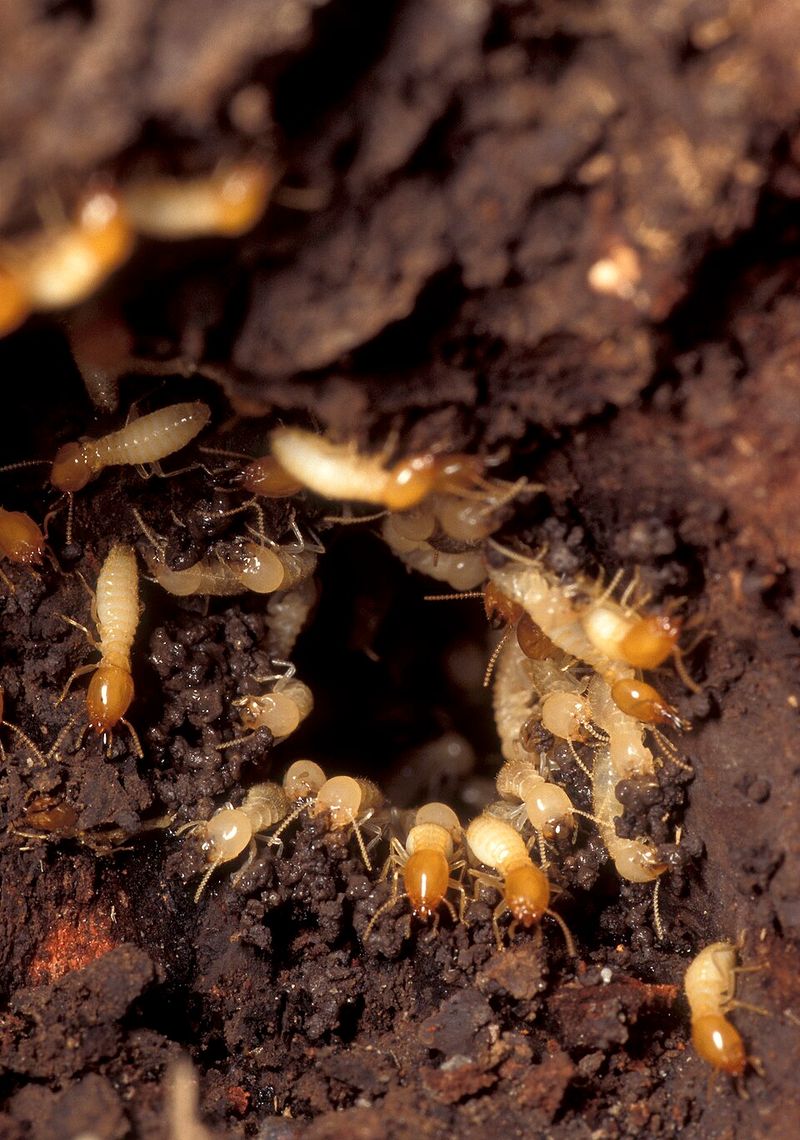
Every invader has an origin story, and this one starts on the ocean. The Formosan subterranean termite comes from southern China and Taiwan, once called Formosa.
Experts believe it traveled to U.S. ports in wooden crates and shipping materials after World War II.
Nobody noticed at first. By the mid-1960s, scientists confirmed it in New Orleans, along with a few other Gulf Coast port cities. By then, colonies had already settled into old buildings near the docks.
The Crescent City turned out to be a dream spot for them. Mild winters, steamy summers, and plenty of old wooden structures gave colonies room to grow. The French Quarter, with its historic buildings, became a well-known hot spot.
From there, the insects spread slowly but steadily. The LSU AgCenter has recorded them in many parishes across the state, mostly in the southern half.
People helped them move by hauling infested lumber, railroad ties, mulch, and old furniture.
Fun fact for your next backyard chat: a queen can live for more than ten years. That long life helps explain why colonies stuck around once they arrived. They simply never packed up again.
Millions of Formosan Termites Can Live in a Single Colony
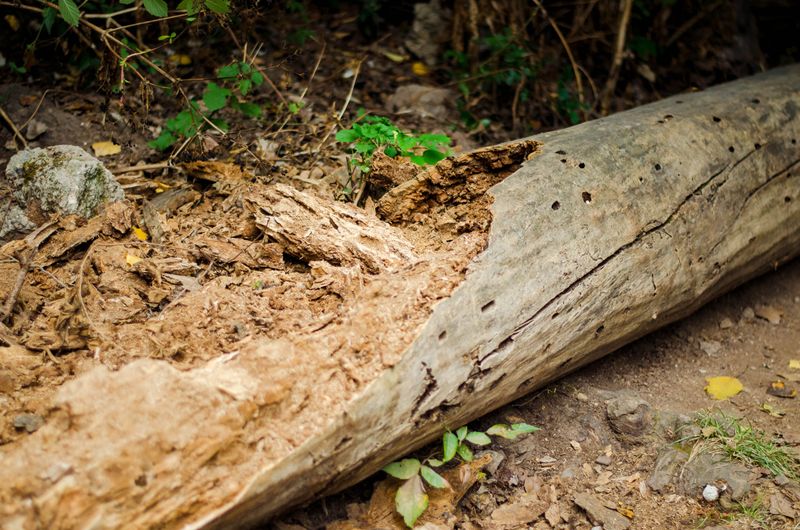
Numbers tell this story better than anything. A mature Formosan colony can hold several million termites.
Native subterranean termite colonies are usually far smaller, often in the hundreds of thousands.
That huge crowd is why people call them the super termite. More mouths mean faster feeding. Researchers estimate a large colony can eat around 13 ounces of wood per day.
Picture what that means over time. Some pest-control sources compare it to about a foot of 2×4 lumber every 25 days, though published estimates vary. Serious structural damage can show up in a matter of months, not decades.
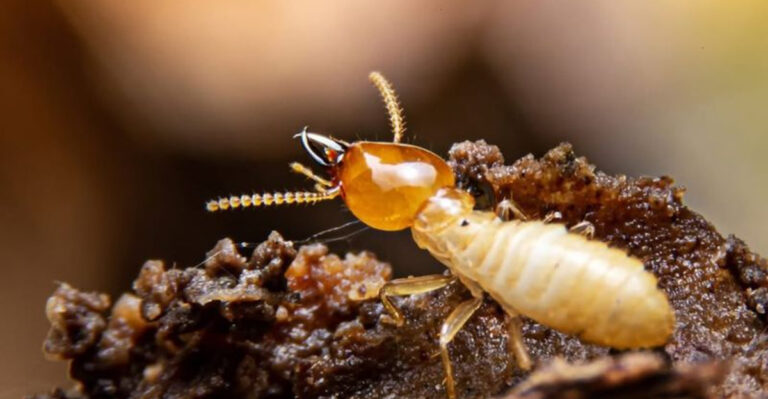
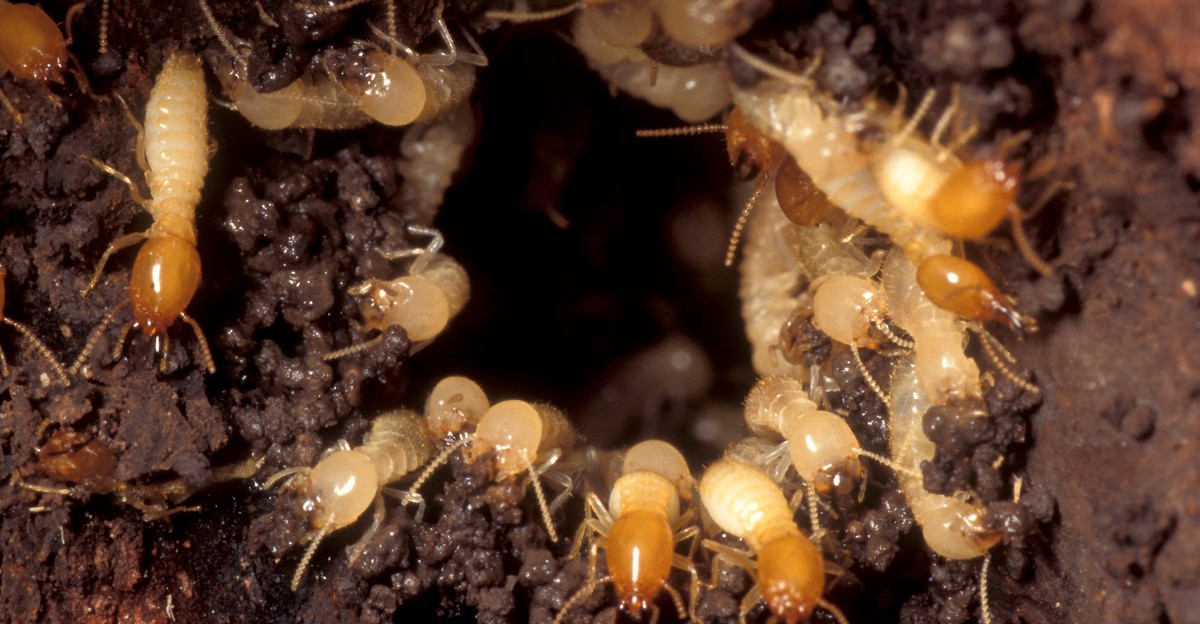
The soldiers are easy to spot if you ever crack open infested wood. They have orange-brown, oval heads and can release a sticky white fluid to defend the colony. The workers are soft, creamy white, and do all the chewing.
I find their teamwork kind of amazing, even if I would rather admire it from far away. Each worker plays a part, from feeding the young to building tunnels.
That organized effort is exactly what makes them such a challenge for homeowners and gardeners.
Pencil-Thin Mud Tubes on Your Foundation Deserve a Closer Look
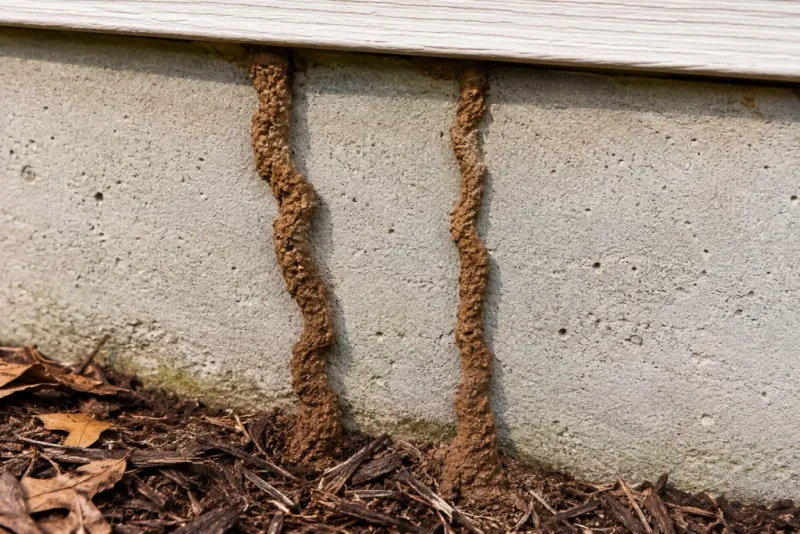
Here is my favorite trick for a quick yard check: walk slowly around your house with a flashlight. Look low along the foundation, slab edges, and piers. You are hunting for skinny brown tunnels that look like dried mud.
Those mud tubes are termite highways. Workers build them from soil, saliva, and droppings to stay moist and hidden while traveling to wood. They are usually about the width of a pencil.
Discarded wings are another clue. After swarming, the fliers shed their wings, which often pile up on windowsills, near doors, or in spider webs. All the wings look about the same size, which helps tell them apart from flying ants.
Inside, tap on baseboards and trim with the handle of a screwdriver. Damaged wood often sounds hollow or papery. Sometimes paint bubbles or a door suddenly sticks.
Outdoors, keep an eye on fences, raised bed frames, wooden steps, and old stumps. Formosan termites also invade living trees, including live oaks and cypress, hollowing them from the inside. A tree with mud packed in its cracks is worth reporting to an arborist.
Carton Nests Let These Invaders Live Inside Your Walls
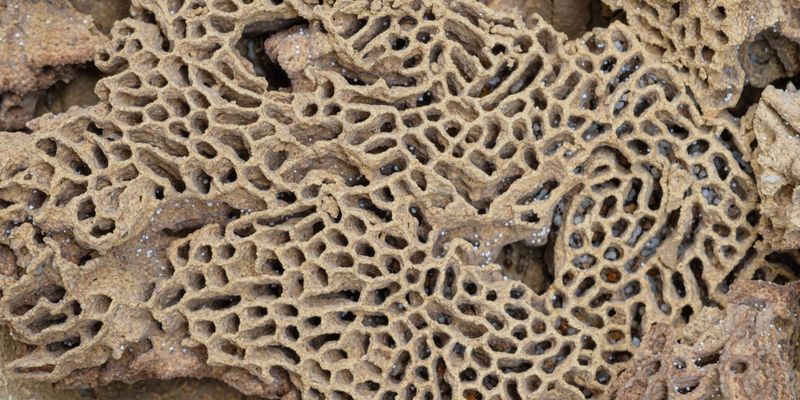
Most termites need daily trips back to the soil for moisture. Formosans found a clever shortcut. They build carton nests, a spongy material made from chewed wood, saliva, and waste.
Those nests hold water like a sponge. That lets a colony live high off the ground, tucked inside wall voids, attics, or even flat roofs. A leaky roof or a dripping air conditioner line can be all they need to stay comfortable.
This habit makes them much trickier than native termites. A ground treatment around the foundation might not reach a colony that has moved upstairs. Some aerial colonies have been found with no soil connection at all.
I check my house for small water problems more often now. A slow plumbing drip feels harmless until you learn what it can support. Fixing moisture issues quickly takes away one of their best tricks.
Outdoors, carton material can also show up in hollow trees and old utility poles. If you see a crusty, brown, honeycomb-like mass inside rotted wood, you may be looking at a nest. Leave it alone and call a licensed professional for an inspection.
Mulch, Downspouts, and Firewood Piles Can Invite Termites Closer
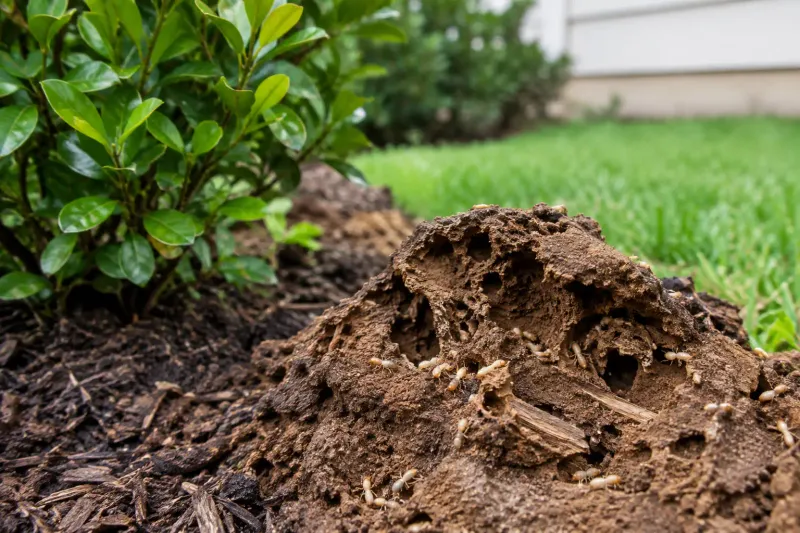
Gardeners have more power here than they realize. A few smart yard habits make your home much less inviting. Most of them cost little or nothing.
Start with mulch. Keep it pulled back several inches from the foundation, and leave a gap between soil and any wooden siding.
The LSU AgCenter suggests at least six inches of clearance between soil and wood. Next, look at water. Point downspouts so water flows a few feet away from the house. Fix leaky faucets, and adjust sprinklers so they do not soak the walls every morning.
Firewood deserves its own spot. Stack it well away from the house, ideally about twenty feet, and raise it off the ground on a rack. The same goes for scrap lumber, old pallets, and leftover landscape timbers.
When building raised beds or fences, choose termite-resistant materials when you can. Pressure-treated lumber, composite boards, metal, or stone all hold up better. Remove old stumps and buried wood near the house, too.
Shrubs planted tight against walls trap moisture and hide mud tubes. Give them breathing room so you can inspect easily. A little space goes a long way.
Termite Bait Stations and Liquid Barriers Work Best With a Pro
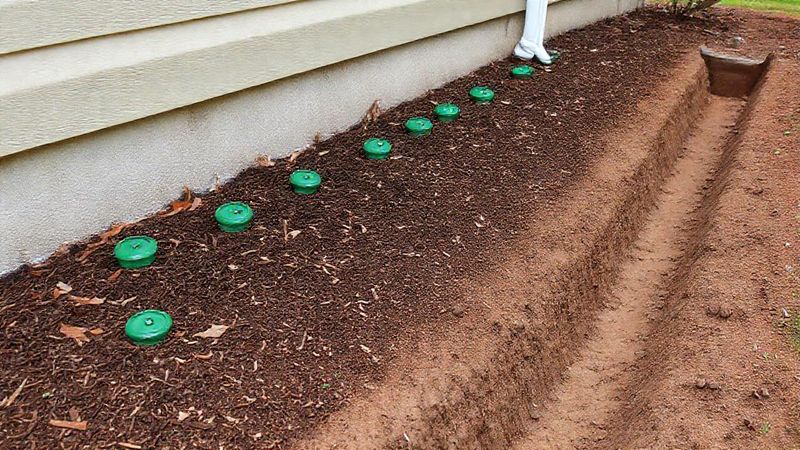
Let me be honest with you. Once Formosans move in, store-bought sprays rarely solve the problem. Their colonies are too big and too hidden.
Licensed pest professionals use a few main tools. Liquid termiticides create a treated zone in the soil around the foundation.
Bait stations placed in the yard feed slow-acting material that workers carry back to the colony.
Borate treatments soak into bare wood and make it unappealing to termites. They are often used during construction or repairs. Many experts combine methods for stronger protection.
Money matters here, too. Most homeowners insurance policies do not cover termite damage, since it is considered preventable.
A termite contract with a repair bond or retreatment guarantee often gives the best protection.
Read contracts closely before signing. Ask what is covered, how often inspections happen, and whether repairs are included or just retreatment.
Louisiana requires pest control operators to be licensed through the Louisiana Department of Agriculture and Forestry, so check that license.
I compared three companies before choosing mine. Asking questions felt awkward at first, but it saved me from a confusing contract. Your house deserves that extra effort.
Flip Off the Porch Light and Keep Watching Your Wood Year After Year
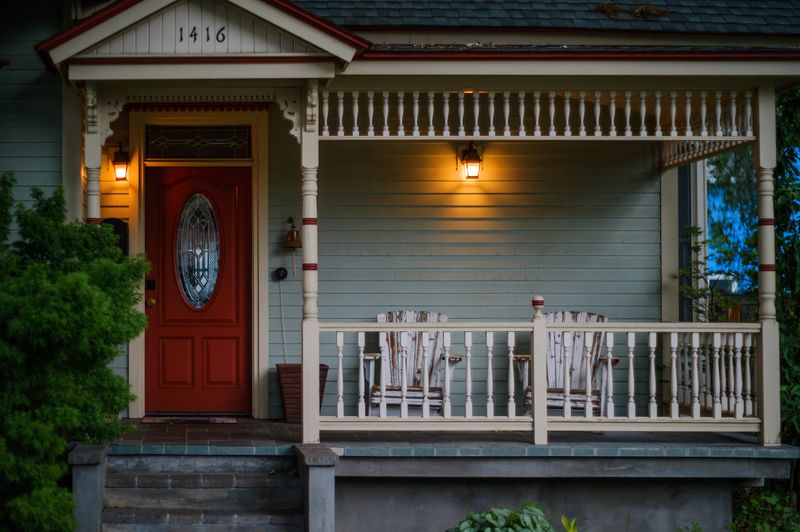
A simple switch can make a difference during swarm season. Turning off outdoor lights from dusk until late evening draws fewer fliers to your doors and windows. Close screens and check for gaps, too.
Some cities, especially around New Orleans, have encouraged lights-out habits during peak swarming. Fewer fliers near your house means fewer chances for a new colony to start. It is an easy habit for May and June.
Long-term, steady attention matters most. Do your own walk-around inspection a few times a year. Schedule a professional inspection at least once a year, especially in south Louisiana.
Keep notes on what you find. A photo of mud tubes or a wing pile helps your inspector see changes over time. It also helps if you ever need to file a claim under your contract.
These insects are here to stay, so the goal is management, not panic. Healthy habits, quick repairs, and a trusted pro keep damage small. I sleep better knowing I am watching closely.
Next time the swarm arrives, you will know exactly what it means. And you will know what to check first.