9 Wild Fruits New Yorkers Can Still Forage in Late November
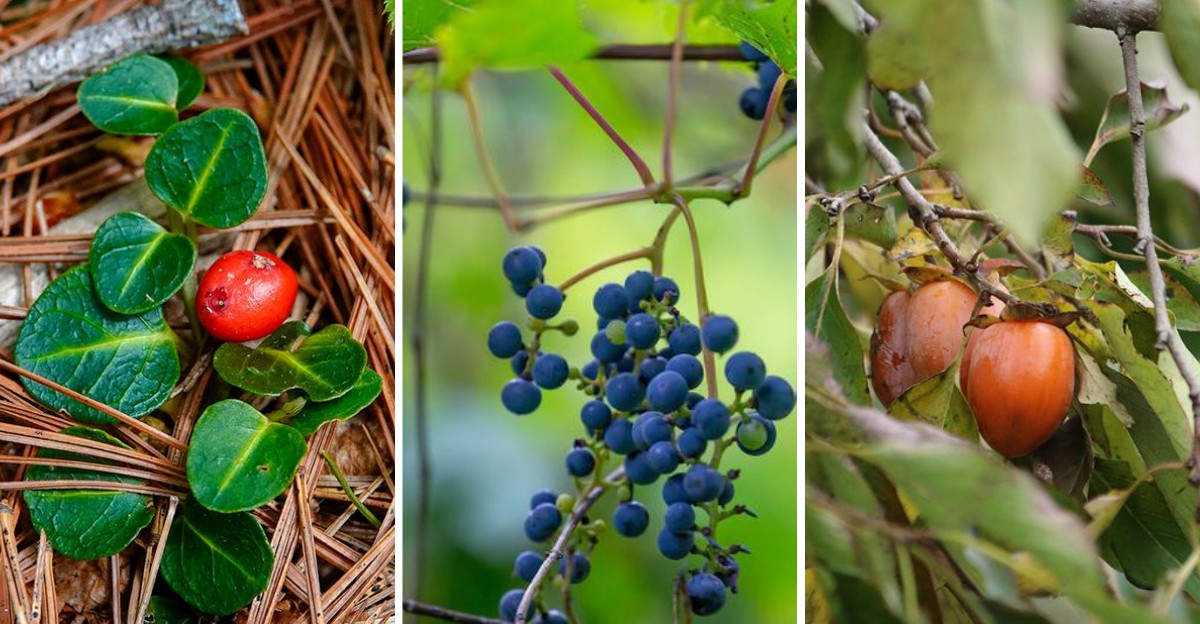
Captain John Smith once wrote that an unripe native fruit could draw a man’s mouth awry with torment. Wait until that same fruit turns soft and wrinkly, and the flavor becomes sweet enough to rival pudding.
Late fall in New York still hides plenty of fruit like that, tucked along hedgerows and under leaf litter. Cold nights often soften the sour edges of these wild finds, so a chilly walk can pay off.
Take it from someone who used to stop foraging after Halloween, assuming the woods had nothing left to offer. Looking back, I walked right past bright red berries and dangling purple clusters on many gray afternoons.
Across New York, the cold months reward anyone willing to slow down and look a little closer at the ground. So how many of these late treats have you already strolled past without a second glance?
1. American Persimmon
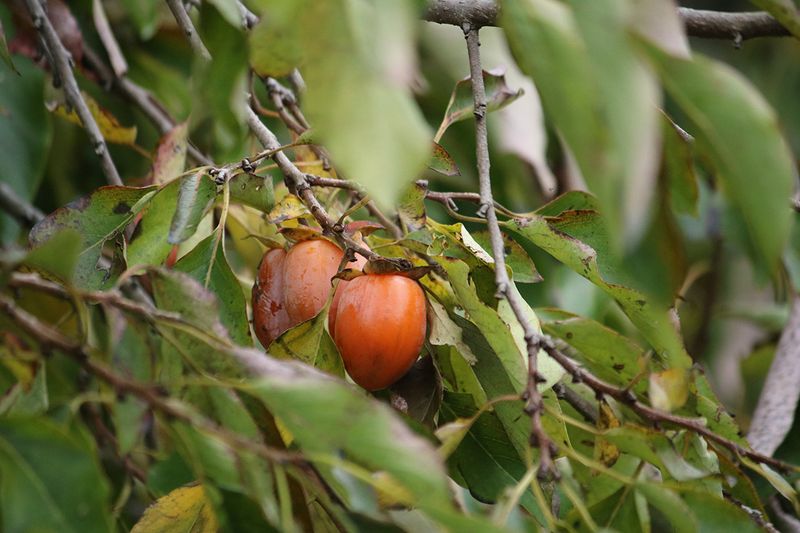
Few fruits look less appetizing than a wrinkled persimmon lying in wet grass, yet that ugly one is the prize. Bite into a mushy, fully ripe fruit and you get a rich flavor that many people compare to dates.
American persimmon, Diospyros virginiana, reaches the northern edge of its native range in the southern part of the state. Wild trees are uncommon here, so many foragers find fruit on planted trees in parks and older farmyards.
Look for orange fruits about one to two inches across hanging from bare branches after the leaves drop. Older trunks have thick, dark bark broken into small square blocks, which looks a bit like alligator skin.
Don’t make my mistake of tasting a firm one, because unripe persimmons are packed with puckery tannins. Your mouth will feel dry and fuzzy for several minutes, and the memory lingers far longer than that.
Contrary to popular belief, frost is not required, since full ripeness is what turns the fruit sweet. The easiest test is to gather fruits that have fallen on their own and feel soft like jelly.
Push the pulp through a colander to separate the flat brown seeds and the thin skins from the flesh. That sweet orange pulp freezes well and makes a classic Midwestern style pudding or a moist quick bread.
Deer and opossums love these fruits too, so visit the tree early in the morning before they do. If you ask me, beating a hungry opossum to breakfast is one of the sweetest small victories of fall.
2. Wintergreen
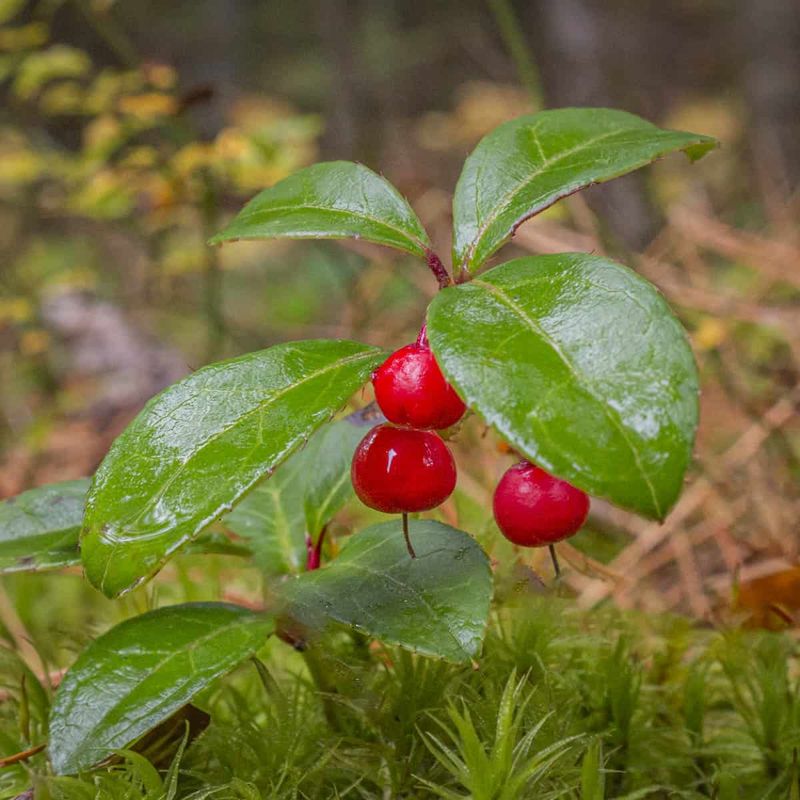
Crush one shiny leaf between your fingers and the woods suddenly smell like a fresh pack of minty gum. That cool scent comes from methyl salicylate, the same compound that gave old candies their wintergreen flavor.
Wintergreen, Gaultheria procumbens, is a low evergreen plant that rarely grows more than six inches tall. Its leathery oval leaves stay glossy and green all winter, sometimes picking up a reddish tint in the cold.
Bright red berries dangle beneath the leaves, and many people call the plant teaberry for good reason. The fruit ripens in fall and often stays on the plant through winter, sometimes lasting into spring.
Look for patches in acidic soil under oaks and pines, especially in the Adirondacks and on Long Island. Funny thing is, the berries hide so well under fallen leaves that you often spot them by kneeling down.
The berries taste mealy but deliver a surprising burst of mint, which makes them a fun trail nibble. Toss a few into oatmeal or a fruit salad for a flavor that feels more like dessert than breakfast.
For tea, many foragers ferment the chopped leaves in a jar of water for several days before heating. That patient step draws out much more flavor than a quick steep, which tastes surprisingly weak.
People who are allergic to aspirin should skip wintergreen, since the plant contains a closely related compound. Pick lightly from each patch, because these slow growing plants spread gradually and feed grouse and deer in winter.
3. Partridgeberry
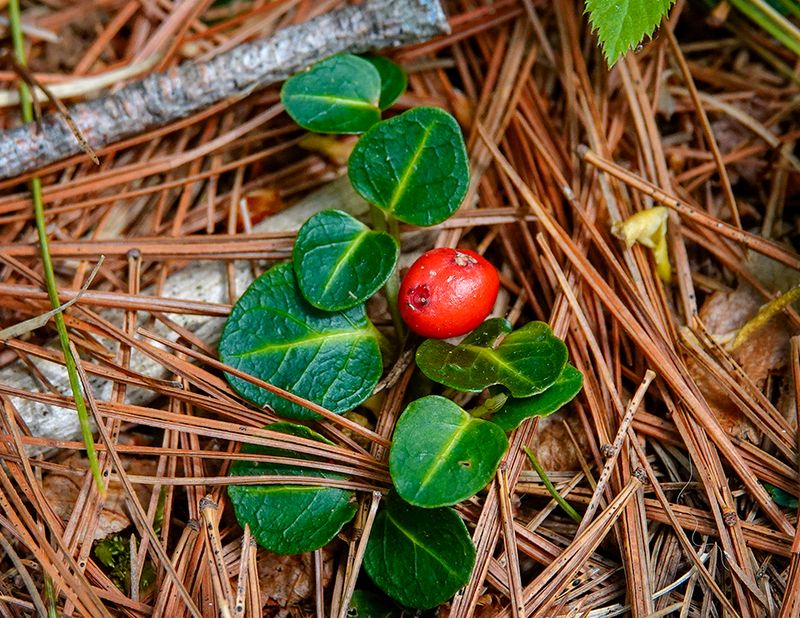
Every partridgeberry wears two tiny dimples, like a cartoon face peeking up from the moss on the forest floor. Those marks exist because each berry forms from two separate flowers that fuse together after pollination.
Mitchella repens is a trailing evergreen vine that hugs the ground and rarely rises more than two inches. Its small, round leaves grow in pairs and show a pale stripe running down the center of each one.
Between you and me, it ranks among the easiest native plants to recognize once you have seen it. The paired leaves and dimpled scarlet fruit make a combination that few other groundcovers share in our woods.
Partridgeberry grows in shady woods with acidic soil, often near hemlocks or along mossy stream banks. The berries ripen in late summer or fall and frequently cling to the vines through the snowy months.
Flavor is where expectations need adjusting, since most people describe the taste as dry and very mild. Let’s just say nobody fills a basket with them, but a handful adds cheerful color to a green salad.
Each plant usually produces only a few berries, so take one or two from a patch and move on. Ruffed grouse and wild turkeys depend on that fruit when other food grows scarce later in winter.
In my own yard, I’ve noticed partridgeberry spreading slowly under a shady oak where grass refused to grow. Buy plants from a native nursery rather than digging them up, since wild patches recover very slowly.
4. Juniper Berries
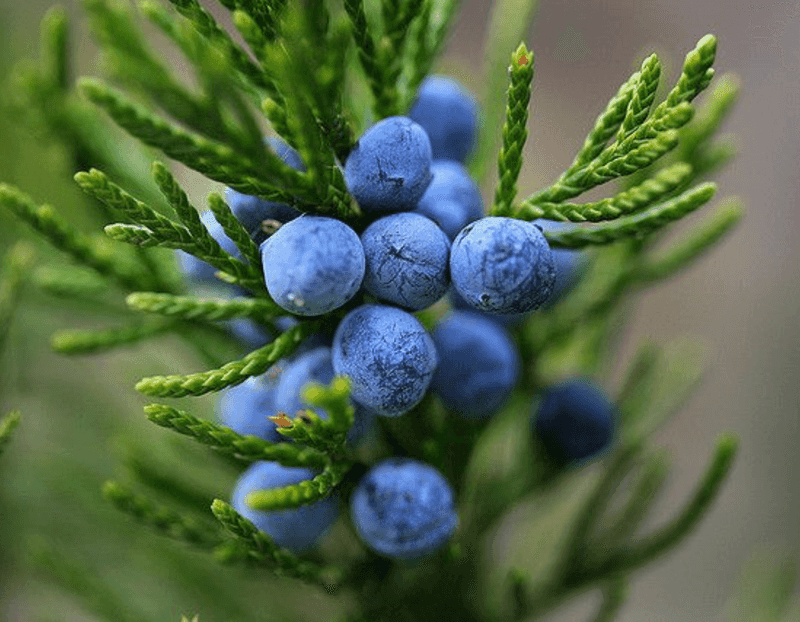
Brush past an eastern red cedar on a cold morning and a sharp piney smell follows you down the trail. Those dusty blue beads on the branches are not true berries at all but soft, fleshy seed cones.
Two native species turn up most often here, eastern red cedar and the low, spreading common juniper. Eastern red cedar is Juniperus virginiana, while common juniper goes by Juniperus communis in field guides.
Look in old pastures and along rocky roadsides, where these sun loving evergreens move in quickly. Common juniper cones take two or three years to ripen, so pick only the deep blue ones.
Juniper works as a seasoning rather than a snack, because the flavor is resinous and quite intense. Crush a few into a rub for venison or pork, or simmer them in a pot of hearty bean soup.
For what it’s worth, the cones from eastern red cedar are smaller and milder than the common juniper kind. Taste one before cooking with a batch, since flavor can vary quite a bit from tree to tree.
Use them in small amounts, and anyone who is pregnant or has kidney concerns should avoid juniper. Some ornamental junipers, especially savin juniper, are toxic, so stick with species you can identify confidently.
Dry your harvest on a paper towel for about a week, then store the cones in a sealed jar. Cedar waxwings adore these fruits too, so leave plenty behind for the flocks that arrive each winter.
5. Wild Grapes
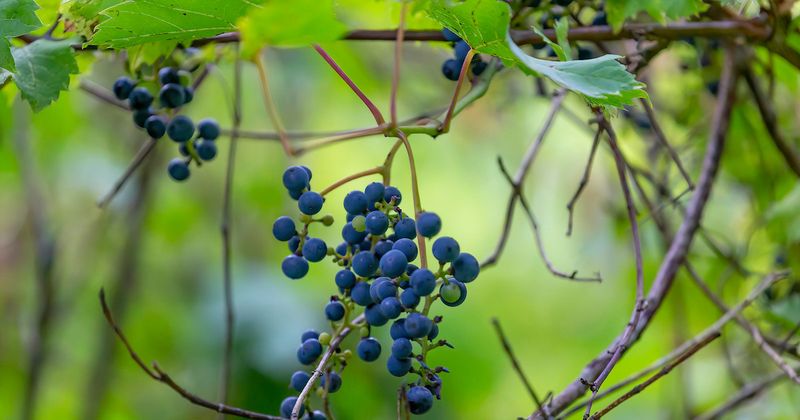
Shaggy vines dangling from a tall maple can hide dark clusters of grapes long after the leaves have fallen. My garden taught me that a few cold nights can turn a sour wild grape into something pleasantly sweet.
Several native Vitis species grow in New York, including riverbank grape and the larger fox grape. Fox grape, Vitis labrusca, is a wild parent of the familiar Concord grape used for jelly and juice.
Look for vines with peeling, shreddy bark and forked tendrils that wrap tightly around fences and branches. Many clusters are picked over by birds by late fall, so hunt along sunny edges and stream banks.
Safety comes first with this one, because Canada moonseed looks similar and its fruit is poisonous. Moonseed has one flat, crescent shaped seed, while true grapes contain teardrop seeds and their vines have tendrils.
Virginia creeper is another lookalike, but its leaves have five separate leaflets instead of one broad blade. Its small blue berries grow on bright red stems, which makes them fairly easy to tell apart.
Wild grapes have thick skins and big seeds, so most foragers cook them down rather than eating handfuls. Simmer the fruit gently and strain the juice through cloth for a base that makes deep purple jelly.
Let the strained juice rest overnight in the fridge so gritty tartrate crystals can settle to the bottom. Pour off the clear juice carefully, and you’ll get a smoother jelly with that bold, tangy wild taste.
6. American Cranberry
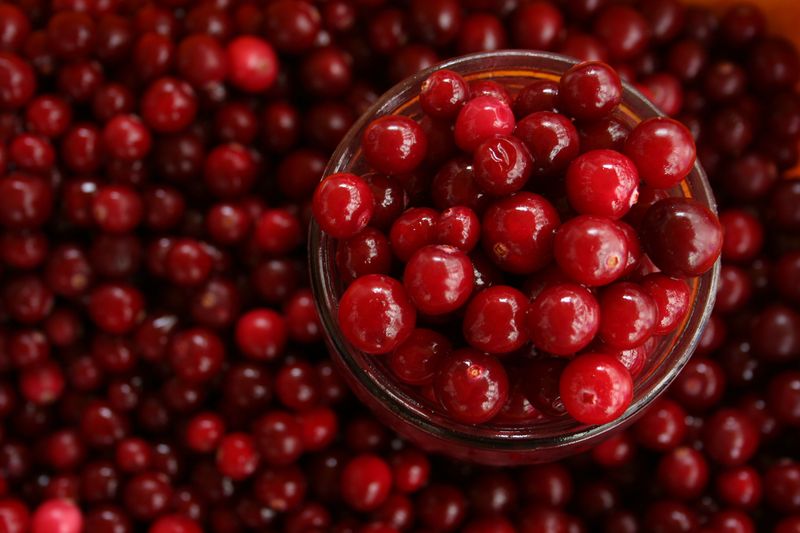
Kneel at the edge of a sphagnum bog in late fall and the moss can squish like a soaked sponge. Scattered across that spongy carpet, you may find glossy red cranberries glowing like tiny holiday lights.
American cranberry, Vaccinium macrocarpon, is a native trailing shrub with tiny evergreen leaves and wiry stems. It grows in open bogs and fens across New York, including spots in the Adirondacks and on Long Island.
The berries ripen in September and October, but many cling to the low vines well into early winter. A hard freeze can soften them, so check that late pickings still feel firm and bounce slightly.
Fresh wild cranberries taste sharp and sour, much like the store kind but often a little more intense. Simmer them with maple syrup and orange zest for a homemade sauce that brightens a holiday plate.
Bogs are fragile places, so step lightly and stay on boardwalks or firm edges whenever you can. Some bogs sit inside preserves where picking is banned, so check posted rules before filling any containers.
Small cranberry, Vaccinium oxycoccos, also grows in northern bogs and produces edible but much tinier speckled berries. Both species are safe to eat, so mixing them in one bowl causes no problems in the kitchen.
On my first bog trip, I was amazed to watch dropped berries bounce on the wooden boardwalk like rubber balls. Tiny air pockets inside each fruit cause that bounce, and they also help cranberries float during harvest.
7. Nannyberry
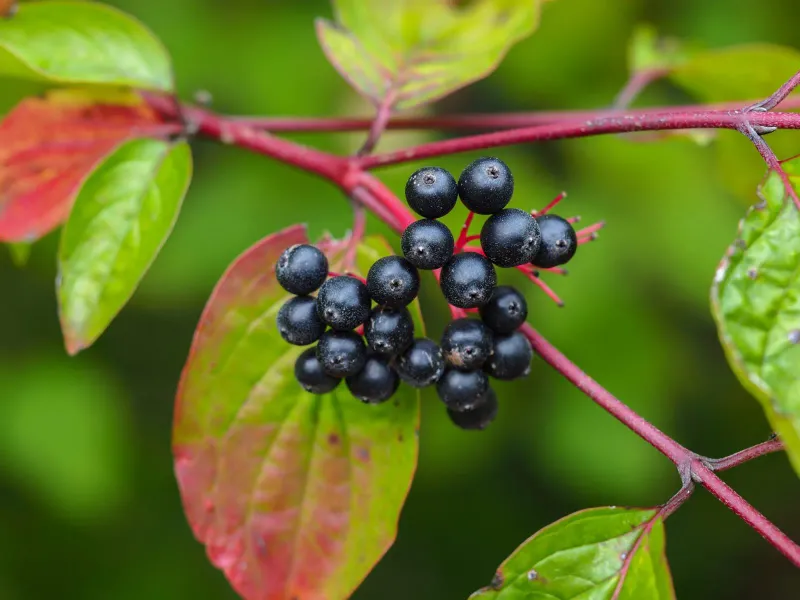
Nannyberry fruit tastes like a cross between a prune and a banana, which surprises nearly everyone on the first bite. Wrinkled, dark blue berries hanging in droopy clusters usually mean the sweetness has peaked and they are ready for picking.
Viburnum lentago is a native shrub or small tree that often reaches about fifteen to twenty feet tall. Its glossy leaves sit in opposite pairs, and the long pointed winter buds look a bit like bird beaks.
Moist woodland edges and stream banks are favorite hangouts for this sturdy shrub across much of the state. The fruit ripens in early fall, and some clusters hang on into late autumn if birds leave them alone.
Each berry holds one large, flat seed, so eating them raw feels a little like nibbling around a pit. Spit out the seeds and enjoy the thin layer of sticky pulp, which has a soft and jammy texture.
For larger batches, warm the berries with a splash of water and press the pulp through a sieve. That smooth puree works nicely in muffins or swirled into yogurt for a sweet afternoon treat.
Don’t make my early mistake of grabbing berries from any viburnum, since several look alike but taste unpleasant. Nannyberry has winged leaf stalks and beak shaped buds, which help separate it from its close cousins.
Gardeners who want a steady supply can plant nannyberry, since it tolerates many soils and handles cold winters. Plant two different shrubs nearby, because better pollination usually means heavier crops of those sweet clusters.
8. Wild Rose Hips
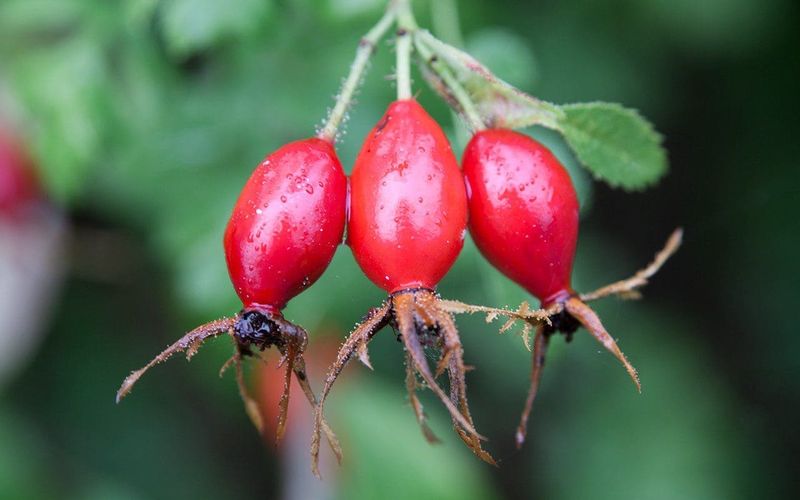
Bright red rose hips glow like tiny lanterns along a gray November fence line, impossible to miss from the road. Each hip is the swollen base of a flower, packed with seeds and a surprising amount of vitamin C.
Native roses such as Virginia rose and pasture rose produce plump hips about half an inch wide. Both grow in sunny meadows and along roadsides, and their hips often hang on the canes through winter.
Multiflora rose is far more common, with clusters of tiny hips that are edible but fiddly to process. Harvesting it is fine, but avoid planting it, since the state lists it as a prohibited invasive species.
Pick hips that feel slightly soft and look deep red, since a little frost often mellows their tartness. Wear sturdy gloves while gathering, because those thorny canes snag sleeves and fingers with real enthusiasm.
Inside each hip, tiny hairs surround the seeds, and they can irritate your mouth and stomach if swallowed. Slice the hips in half and scrape the insides out, or simmer them whole and strain through fine cloth.
Rose hip tea tastes tangy and fruity, a bit like a cross between cranberry and green apple. Steep a spoonful of dried, cleaned hips in hot water for ten minutes, then sweeten with honey.
In my kitchen, a small jar of rose hip syrup lasts for weeks in the fridge and brightens pancakes. Leave some hips on each bush, because overwintering birds and small mammals count on them when snow arrives.
9. Hawthorn Berries
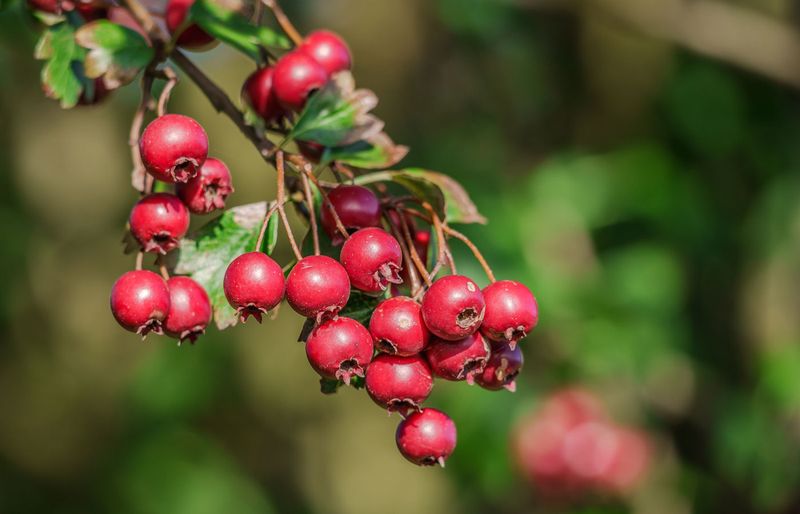
Hawthorn trees guard their fruit with thorns up to two inches long, so harvesting feels like reaching into a pincushion. Look closely at a ripe haw and you’ll spot a tiny star at the bottom, just like a miniature apple.
That resemblance makes sense, since hawthorns, or Crataegus species, belong to the same rose family as apples. New York has many native hawthorns, and even experts find many of them tricky to tell apart.
Luckily, foragers don’t need an exact species, because the fruit across the group is generally considered edible. Look for small red or orange haws in clusters on thorny trees along pastures and old hedgerows.
Haws ripen in early fall and often stay on the branches into late November, sometimes softening after frost. Raw flesh tends to taste dry and mealy, a bit like a bland apple that sat too long.
Do not crunch the seeds, since they contain amygdalin, a compound that can release cyanide when chewed. Cooking the haws and straining the pulp removes them easily, leaving a smooth, tangy puree behind.
Haws hold plenty of pectin, which helps jellies set firmly without a box of store bought powder. Simmer them with sliced apples and a little sugar for a rosy jelly that tastes mellow and fruity.
People taking heart medications should talk with a doctor first, since hawthorn can affect blood pressure and heart rhythm. For everyone else, a jar of homemade haw jelly feels like a well earned reward for braving those thorns.