The New York Native Tree That Blooms Like A Bradford Pear, Minus The Smell And Splitting
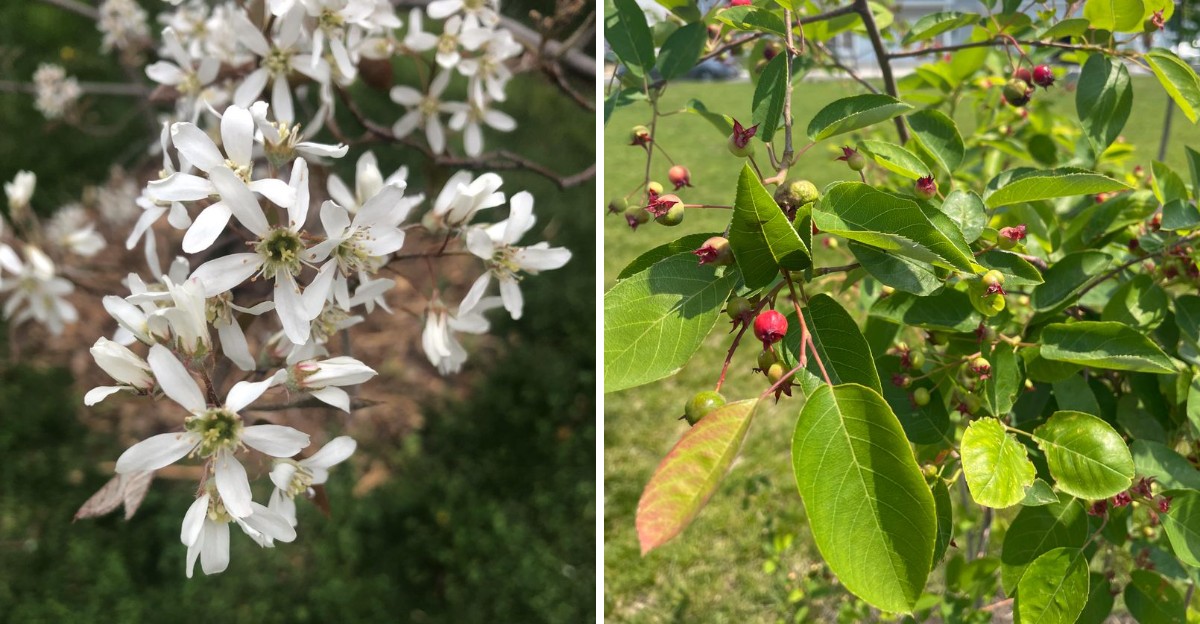
Picture a street lined with snowy blossoms, then a whiff of something oddly fishy drifts by. That smell comes from the Bradford pear, a tree many New York neighborhoods now regret.
Its brittle limbs crack in storms, and its seedlings sneak into nearby woods like uninvited guests. What started as a tidy street tree has become a real headache.
Anyone who adores those clouds of spring flowers doesn’t have to give them up. A humble native tree delivers the same bright show without the stink or the snapped branches.
It also offers sweet summer berries, blazing fall color, and a front-row seat to hungry songbirds. Gardeners have been making the switch for years.
The guide below introduces this local favorite and why it deserves a spot in your yard. Plant it now, and it could steal your heart by its first spring bloom.
Serviceberry Is The Swap Worth Making
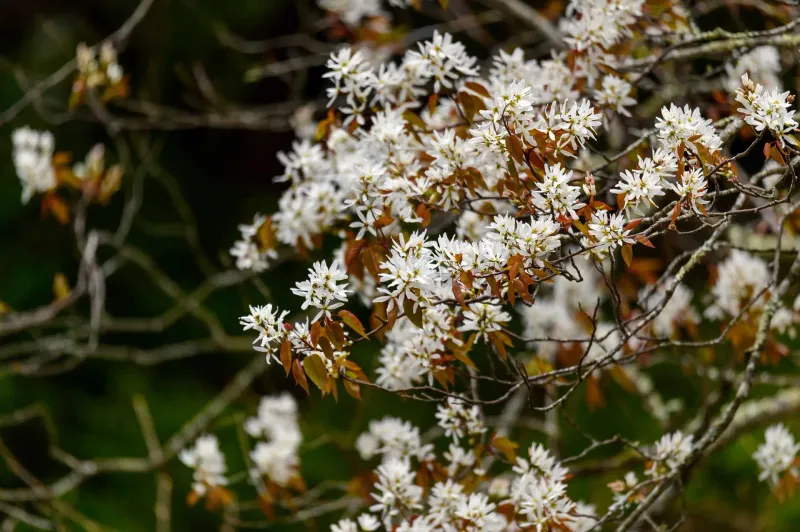
Plenty of homeowners planted Bradford pears decades ago, hoping for fast shade and easy beauty. Many now wish they had picked something smarter for their yards.
Serviceberry, known to botanists as Amelanchier, is that smarter pick. It grows wild across New York, from Long Island shores to Adirondack hillsides.
Folks also call it shadbush, juneberry, or sarvis tree. Each name hints at a different season when the tree shines brightest.
Old stories say early settlers named it shadbush for timing. Its flowers opened when shad fish swam up rivers like the Hudson.
Four seasons of interest make it stand out in any landscape. Spring brings flowers, summer brings berries, and autumn brings fiery leaves.
Winter adds its own charm with smooth, silvery gray bark. Snow resting on those slender branches looks lovely from a kitchen window.
Several native species grow in the state, including downy serviceberry and Allegheny serviceberry. Nurseries also sell hybrids like Autumn Brilliance for dependable color.
Removing an old Bradford pear can feel like a big job. Replacing it with serviceberry turns that chore into a real upgrade.
Local native plant sales often stock young serviceberries each spring. Checking with a county Cornell Cooperative Extension office can help you find one.
Price usually runs similar to other small ornamental trees. A modest investment returns years of blooms, fruit, and happy wildlife visitors.
Smart gardeners think about the whole picture before digging a hole. On nearly every measure, serviceberry wins the comparison with ease.
White Spring Blossoms Arrive Around The Same Time
April in the Northeast can feel gray until the first trees burst into bloom. Serviceberry is often among the earliest to light up the landscape.
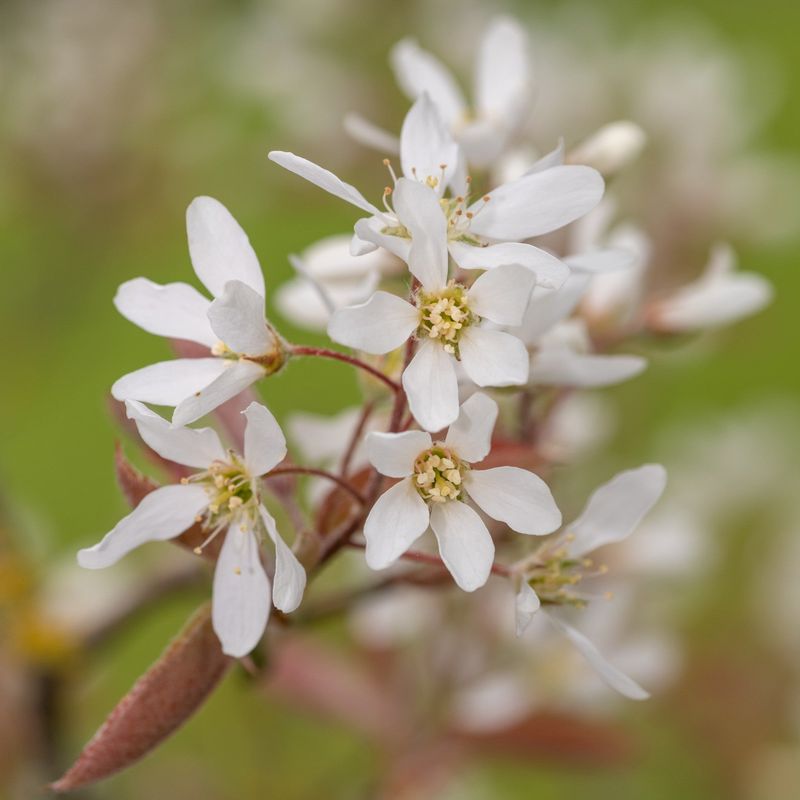
Its flowers appear right around when Bradford pears open. You still get that cheerful white glow along driveways and sidewalks.
Each bloom has five narrow, strappy petals that flutter in breezes. Clusters hang loosely, giving the tree a soft, lacy appearance.
Flowers usually open before leaves fully unfold. Bare branches wrapped in white make a striking picture against a pale spring sky.
Timing depends on your region within the state. Southern areas may see blooms in early April, while northern spots wait a bit longer.
Your New York Garden Changes Every Week. Your Plan Should Too.
Gardening in New York changes quickly throughout the season. Every Friday you’ll receive a simple weekly plan showing exactly what to plant, prune, fertilize, harvest, and protect so you never miss the right timing.
Honestly, the show is brief, lasting about one to two weeks. Grab your camera early so you catch it at peak beauty.
Pollinators rely on these early flowers after a long winter. Native bees, early butterflies, and flies gather nectar and pollen eagerly.
Some gardeners pair serviceberry with spring bulbs underneath. Daffodils and blue scilla look wonderful beneath a canopy of white petals.
New leaves often emerge with a bronze or purple blush. That tint adds a second layer of color as the flowers fade.
Want a longer display? Plant a few different species, since each blooms on a slightly different schedule.
Neighbors will likely stop and ask what tree you planted. You can proudly share that it grew wild here long before pears arrived.
It Skips The Unpleasant Smell
Ask anyone who has walked past a blooming Bradford pear, and they will wrinkle their nose. The scent has been compared to rotting fish or old gym socks.
Why does that happen? Pear flowers release chemical compounds that attract flies, and those compounds smell awful to people.
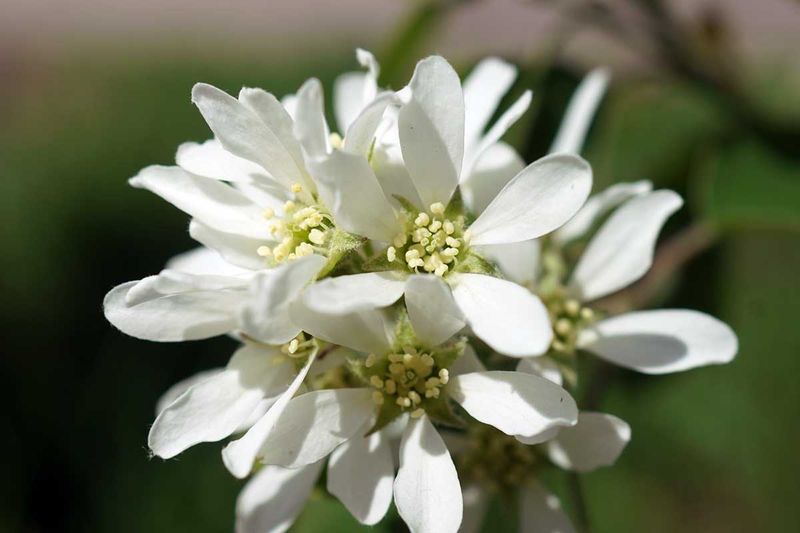
Serviceberry takes a much friendlier approach. Its blossoms carry a faint, sweet scent, or sometimes hardly any fragrance at all.
You can sit on your porch in April without holding your breath. Friends visiting for a spring barbecue will notice flowers, not funky odors.
Planting near windows becomes a real option too. Nobody wants a stinky tree right outside the bedroom where breezes drift inside.
Patios, decks, and outdoor dining areas also benefit. A serviceberry can frame a seating spot without spoiling your morning coffee.
Schools and parks sometimes choose it for the same reason. Kids playing nearby deserve fresh spring air instead of a sour stench.
Here is a fun twist on fragrance. Many people say the fallen petals smell faintly like honey when you gather a handful.
Allergy sufferers may wonder about pollen. Serviceberry relies mostly on insects, so it releases far less airborne pollen than wind-pollinated trees.
Every yard deserves a tree that pleases the eyes and nose together. Swapping out a smelly pear offers an instant improvement for the whole block.
Its Branches Don’t Split Apart In Storms
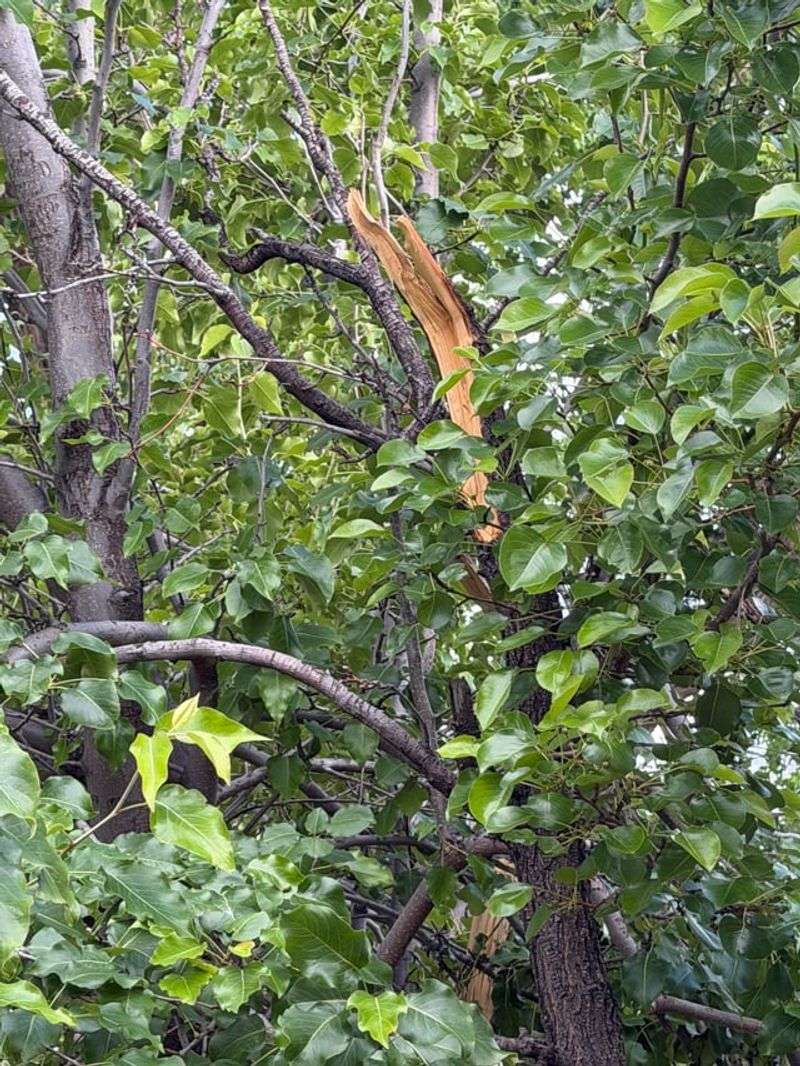
Picture waking after a spring thunderstorm to find half your tree lying across the driveway. Bradford pear owners know that sinking feeling far too well.
Pears grow with many branches sprouting from one spot on the trunk. Those tight, narrow angles create weak joints that crack under stress.
Heavy wet snow and ice make the problem worse. Many New York towns have cleared piles of split pear limbs after winter storms.
Serviceberry is built differently. Its wood is dense and tough, and its branches attach at sturdier angles.
Native Americans once used the hard wood for arrows and tool handles. That strength still helps the tree shrug off wind and weather today.
Smaller size helps too. Most serviceberries reach 15 to 25 feet, so gusts have less leverage against their limbs.
Fewer broken branches means fewer costly cleanup bills. You also worry less about damage to cars, roofs, and fences.
Good pruning keeps any tree strong. Remove crossing or rubbing branches in late winter while the tree is resting.
Avoid topping or harsh cuts. Light shaping every few years keeps growth balanced without weakening the structure.
A healthy serviceberry can grace a yard for decades. Pears often begin falling apart around age 15 to 20, just when they look mature.
Choosing a tree that lasts saves money and heartache later. Sturdy branches offer peace of mind every time the forecast turns stormy.
June Berries Taste Like Sweet Blueberries
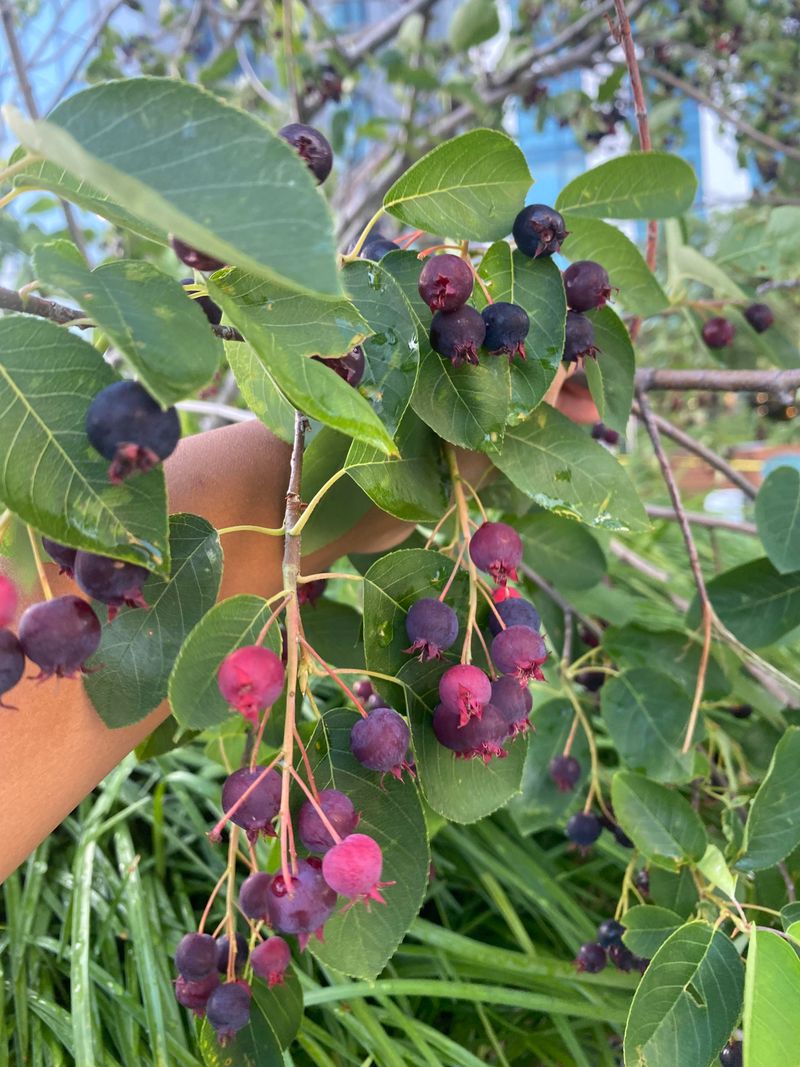
Grandparents in upstate farm country often remember picking juneberries by the bucket. One taste explains why those summer memories stick around.
Small round fruits ripen in early summer, usually in June. They shift from green to red and finally to deep purple.
Flavor lands somewhere between blueberry and sweet cherry. Some people also notice a hint of almond from the tiny soft seeds.
Fresh berries make a wonderful snack straight off the branch. Toss them on cereal, yogurt, or pancakes for a local treat.
Bakers love them in pies, muffins, and crumbles. Jam made from serviceberries has a rich color and a gentle nutty depth.
Wait until berries turn dark purple before picking. Red ones look ready but taste sour and a bit dry.
Harvesting is easy on shorter trees. Hold a bowl under a cluster and gently roll ripe berries off with your thumb.
Extra fruit freezes well for later. Spread berries on a tray, freeze them, then store them in bags.
Nutrition experts point out they contain fiber, iron, and antioxidants. You get a healthy homegrown snack without spraying chemicals.
Bradford pears produce tiny hard fruits people rarely enjoy. Serviceberry turns that same yard space into a mini orchard.
Kids especially enjoy picking their own berries. A June harvest can become a fun family tradition you look forward to each year.
Birds Strip The Fruit Within Days
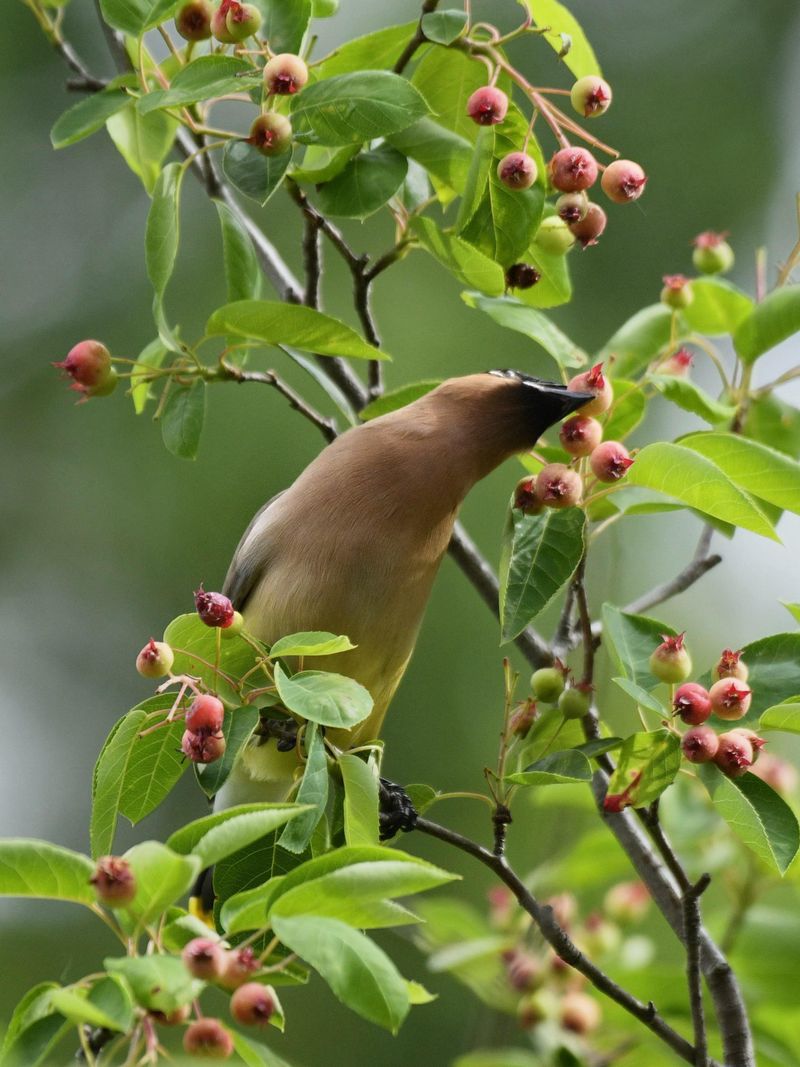
Blink during berry season, and you might miss the whole harvest. Birds seem to know the exact morning serviceberries turn ripe.
More than 35 bird species feed on the fruit. Robins, catbirds, orioles, and cedar waxwings are among the most eager visitors.
Cedar waxwings travel in chatty flocks and can clean a tree fast. Watching them pass berries beak to beak is truly delightful.
Birdwatchers treat a fruiting serviceberry like a free feeder. Keep binoculars near the window during June for surprise sightings.
Fledglings benefit greatly from the timing. Young birds leaving nests find a sweet, energy-packed meal right when they need it.
Want a share for yourself? Drape lightweight netting over part of the tree a week before berries ripen.
Secure netting well so birds cannot get tangled inside. Leave the rest of the tree open so wildlife still eats well.
Squirrels, chipmunks, and even foxes may also snack on fallen fruit. Your yard becomes a busy little habitat almost overnight.
Birds also spread seeds, but mostly to native settings. Serviceberry seedlings belong here, unlike invasive pear offspring crowding out local plants.
Planting two or three serviceberries boosts the buffet. Different ripening times stretch the feast across several weeks.
Across New York, bird lovers call this tree a backyard magnet. Few plants offer such an exciting, lively show in early summer.
Fall Leaves Turn Orange And Red
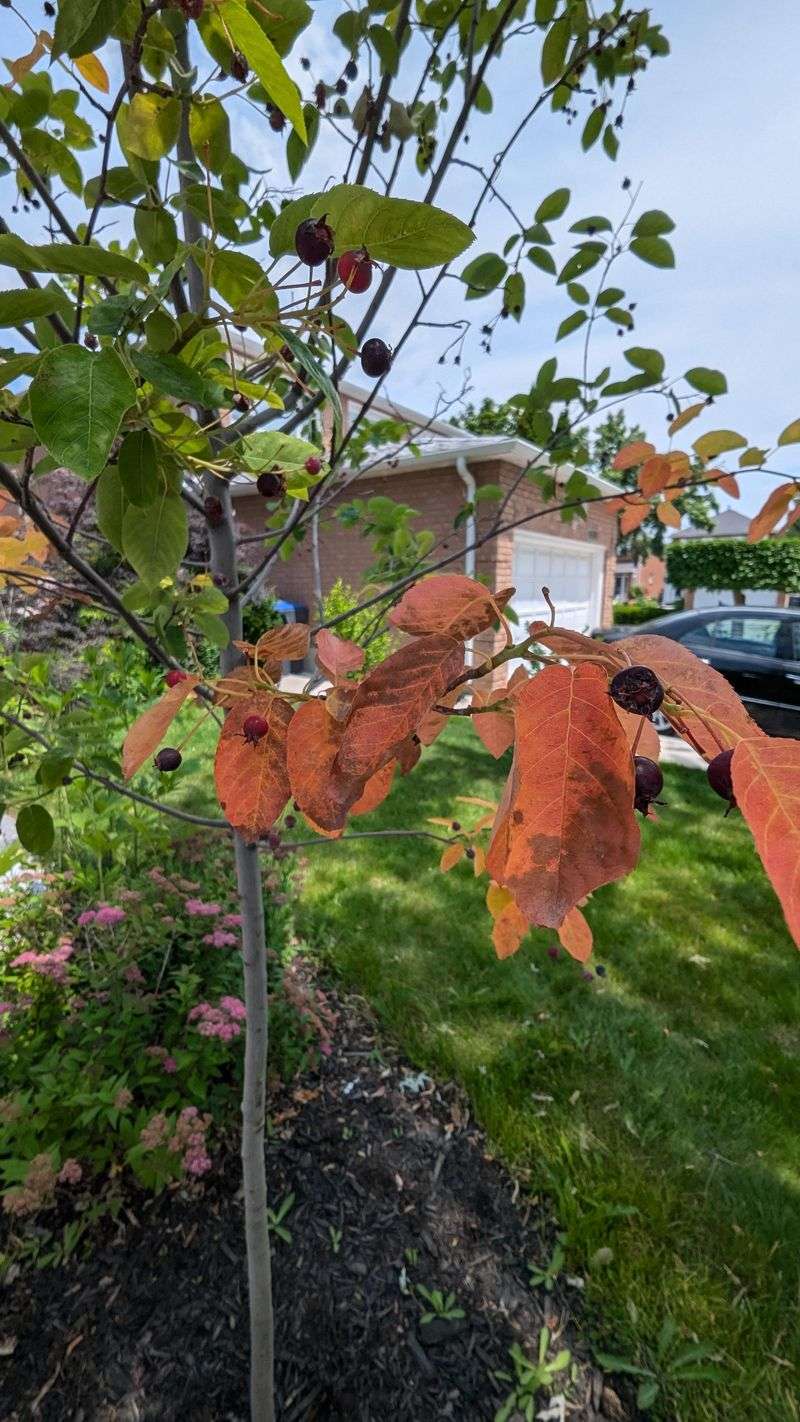
October arrives, and suddenly your modest little tree looks like it caught fire. Serviceberry saves one of its best tricks for autumn.
Leaves shift through yellow, apricot, orange, and scarlet. Some trees show several colors at once, creating a glowing patchwork.
Autumn Brilliance is a popular hybrid bred for strong red-orange tones. Its name delivers exactly what gardeners hope to see.
Sun exposure affects color intensity. Trees in brighter spots usually produce richer reds than those tucked into deep shade.
Weather plays a role as well. Sunny days and cool nights in fall help pigments develop more vividly.
Bradford pears color late and sometimes get caught by frost first. Serviceberry tends to turn earlier and put on a more reliable show.
Pair it with evergreens for extra drama. Dark green pines or hollies make orange leaves pop even brighter.
Fallen leaves are useful, not messy. Shred them with a mower and spread them as mulch under shrubs or garden beds.
Photographers love serviceberries against old stone walls or white fences. A single tree can create a postcard scene in your own yard.
Fall color season across the Hudson Valley and Finger Lakes draws visitors from afar. You can enjoy a smaller version right outside your door.
Once leaves drop, smooth gray bark takes the stage. The tree slips into winter looking tidy and graceful.
It Won’t Spread Into Nearby Woods
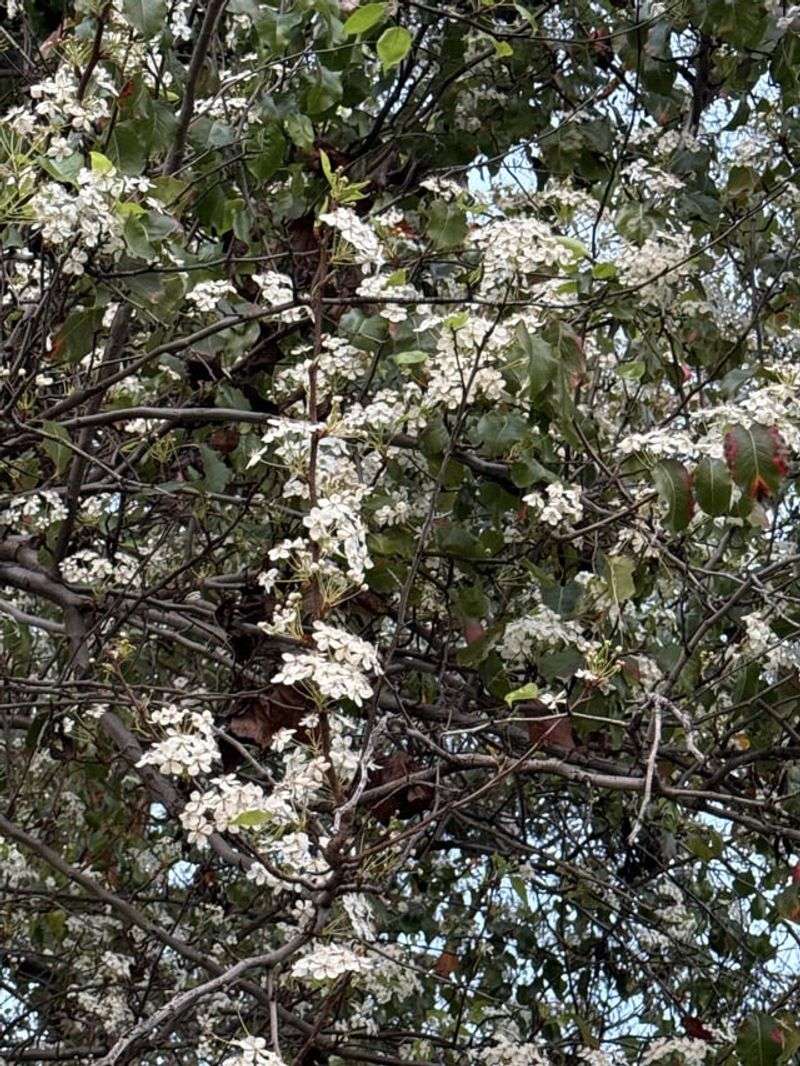
Drive along highways in spring, and you may notice white thickets crowding field edges. Many of those are wild callery pears escaping from yards.
Bradford pears were once thought sterile. Cross-pollination with other pear varieties changed that, and birds now spread their seeds widely.
Escaped pears form dense, thorny tangles. They crowd out native shrubs, wildflowers, and young trees that local wildlife depends on.
New York’s invasive species partnerships track callery pear as an invasive. Some states have even banned selling it altogether.
Serviceberry belongs to the natural landscape here. When seeds sprout in woods, they rejoin a habitat where they evolved.
Native trees support far more insects than imported ones. Caterpillars feeding on serviceberry become food for nesting songbirds.
Roots stay well-behaved too. You can grow ferns, hostas, or native wildflowers underneath without roots stealing the whole bed.
Suckers may sprout from the base on some types. Snip them off at ground level if you prefer a tidier look.
Removing pear trees helps your neighborhood’s wild areas. Cut stumps may resprout, so ask an arborist about proper removal steps.
Some towns offer programs that trade pears for native trees. Check local listings for bounty or swap events in your area.
Every native tree planted is a small gift to nearby forests. Choosing serviceberry keeps your garden beautiful and your local woods healthy.
Multi-Stem And Single-Trunk Forms Fit Different Yards
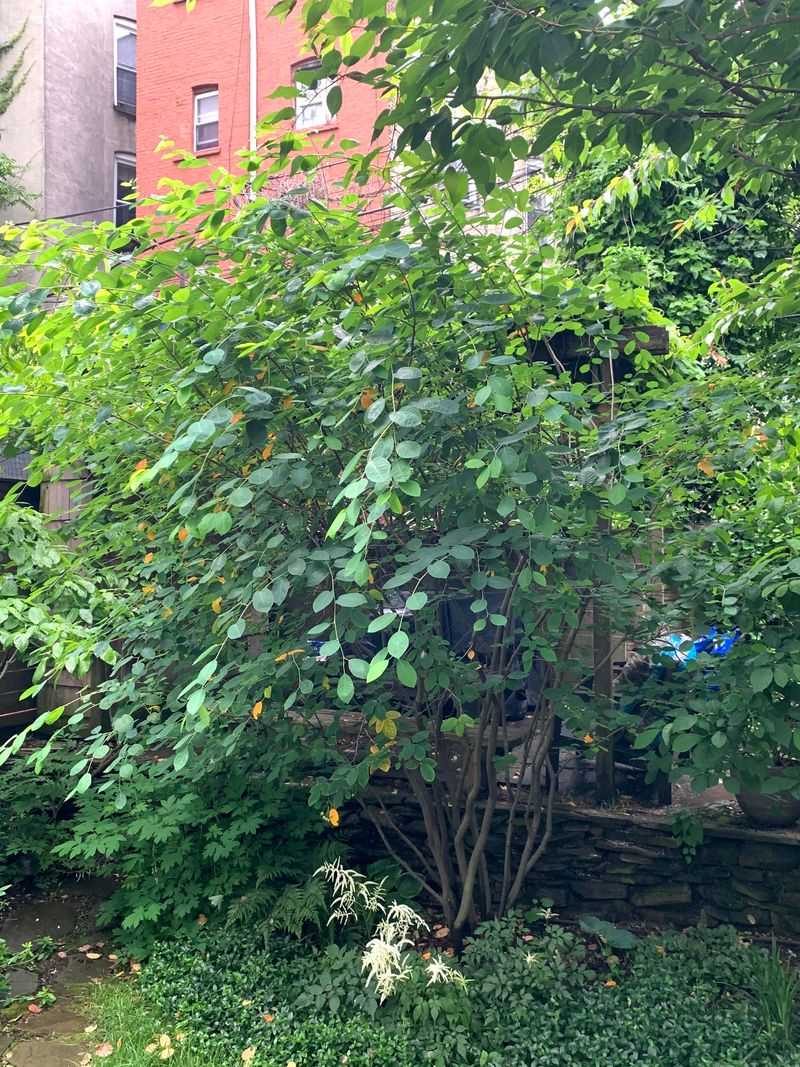
Some trees give you only one look, like it or not. Serviceberry offers choices that suit tiny city lots and roomy country properties alike.
Multi-stem forms grow as graceful clumps with several slender trunks. They create a natural, woodland feel near patios and garden borders.
Single-trunk forms look like classic small trees. Nurseries train them with one main stem, perfect for lining walkways or driveways.
Space matters when choosing. Clumps spread wider, while single trunks stay narrower and leave room for plants underneath.
Brooklyn brownstone gardens often feature single-trunk specimens. Suburban yards on Long Island frequently showcase airy multi-stem clusters.
Shrubby species like running serviceberry stay under ten feet. They work nicely as hedges or foundation plants near homes.
Planting under power lines? A smaller serviceberry avoids conflicts with utility crews and heavy trimming.
Pruning can guide shape over time. Choose three to five strong stems for a clump, or select one leader for a tree form.
Do pruning in late winter before buds swell. Cuts heal faster, and you can see branch structure clearly.
Ask the nursery staff which form a plant was grown for. Starting with the right shape saves years of extra training.
Flexibility makes serviceberry a designer favorite. Whatever your yard size, one version likely fits beautifully.
Full Sun To Part Shade Suits It Best
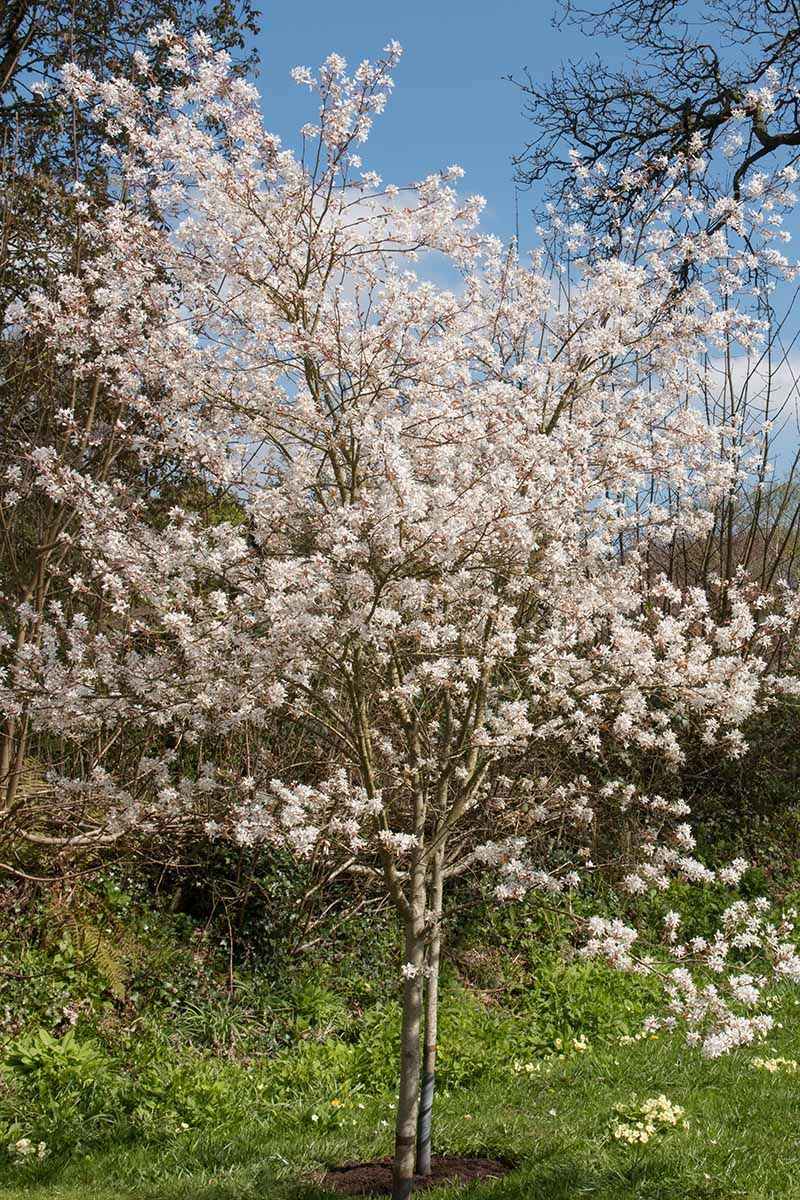
Finding the right spot sets the stage for years of success. Luckily, serviceberry is easygoing about where it lives.
Full sun produces the most flowers and berries. Aim for at least six hours of direct light for peak performance.
Partial shade works fine as well. Wild serviceberries grow along forest edges, so dappled light feels familiar to them.
Soil should drain well yet stay slightly moist. Slightly acidic ground suits it, though most average garden soils work fine.
Dig a hole twice as wide as the root ball. Keep the top of the roots level with surrounding soil.
Spread two to three inches of mulch around the base. Keep mulch a few inches away from the trunk to prevent rot.
Water deeply once or twice weekly during the first summer. Established trees handle dry spells much better after a couple years.
Hardiness is excellent across the region. Most species thrive in zones 3 through 8, covering all of New York.
Watch for minor issues like rust or leaf spot. Good airflow and cleaning fallen leaves usually keep problems small.
Fall and early spring are ideal planting seasons. Cooler weather lets roots settle before summer heat arrives.
Give it a good home, and it rewards you generously. A thriving serviceberry proves native beauty can replace a troublesome pear with style.