Indoor Light Pan for Stink Bugs vs. Arizona Garden Bug Management
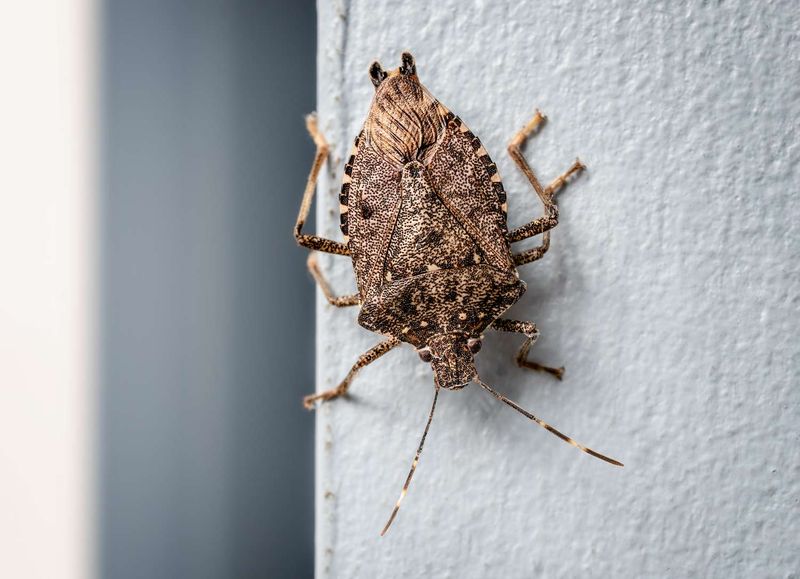
Finding a stink bug in your living room is annoying, and finding bugs on your tomatoes is worse. A simple foil pan with soapy water and a light can catch one kind of stink bug inside the house.
Out in an Arizona garden, though, stink bugs and leaf-footed bugs need different handling. Here is how to tell the two jobs apart and what to do for each.
How to set up the indoor light pan
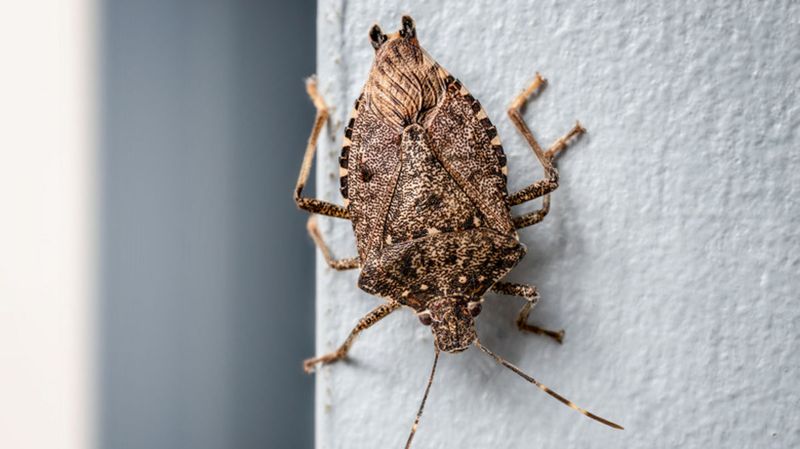
Here is the setup that is documented for brown marmorated stink bugs that have already gotten inside. UC IPM advice calls for a foil pan with water and a few drops of dish soap, placed in a dark room with a light aimed into the pan.
Pick a battery-powered light, such as a small LED lantern or clip light. Keep the pan on a stable surface where pets and kids will not knock it over.
Turn off other lights in the room so the bugs have one bright spot to head toward.
Safety matters here. Water and household electricity do not mix, and University of Tennessee Extension warns about shock risk when an electrical source sits near the pan.
The soap breaks the water surface so bugs sink instead of climbing out.
Keep this pan indoors. It is a way to capture brown marmorated stink bugs inside the house, not a garden solution.
What the evidence does—and does not—show
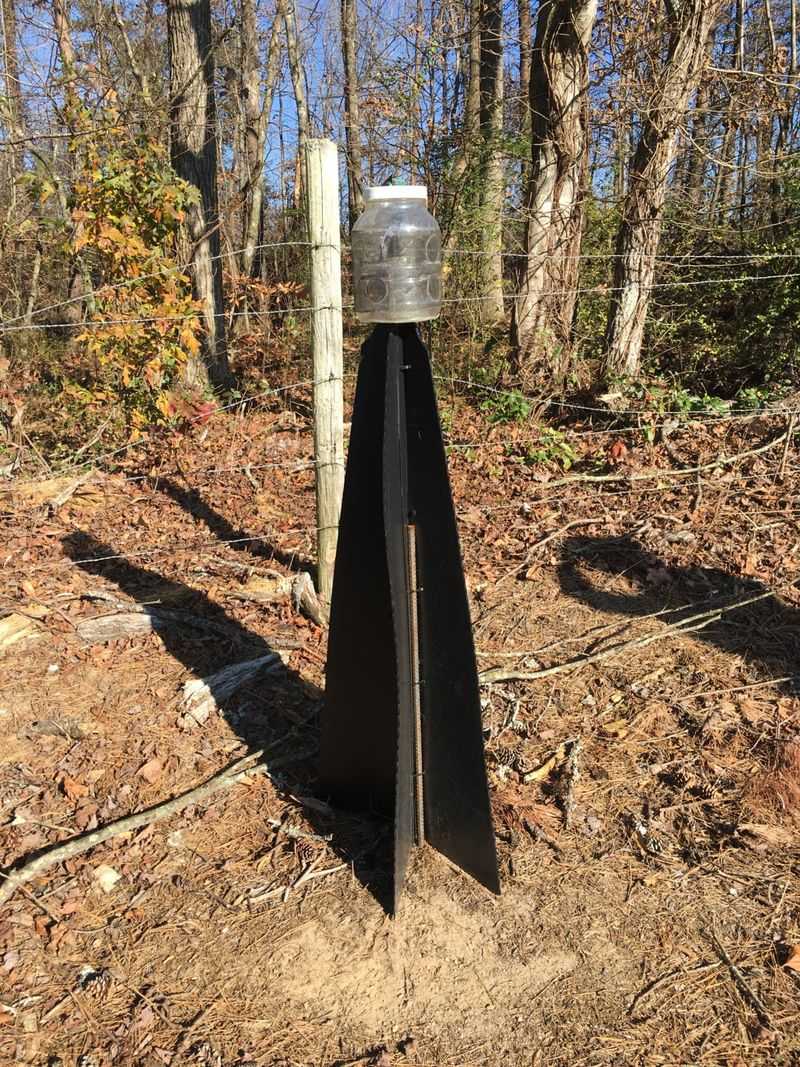
A study with citizen scientists in Virginia homes tested several indoor light traps. In that Journal of Extension report, the foil water-pan design worked best of the indoor designs tested.
Notice the limits. The homes were in Virginia, the target was brown marmorated stink bug, and the traps were used indoors.
Nothing in that work shows a light pan controls Arizona garden stink bugs or leaf-footed bugs.
Even purpose-built traps have limits outdoors. UC IPM says pheromone traps may help monitor when brown marmorated stink bugs are present, but they probably do little to prevent crop damage.
So a pan on the patio at night is not a plan for protecting your tomatoes, and no trap can promise a pest-free yard.
For tomato stink bugs, use hands-on removal
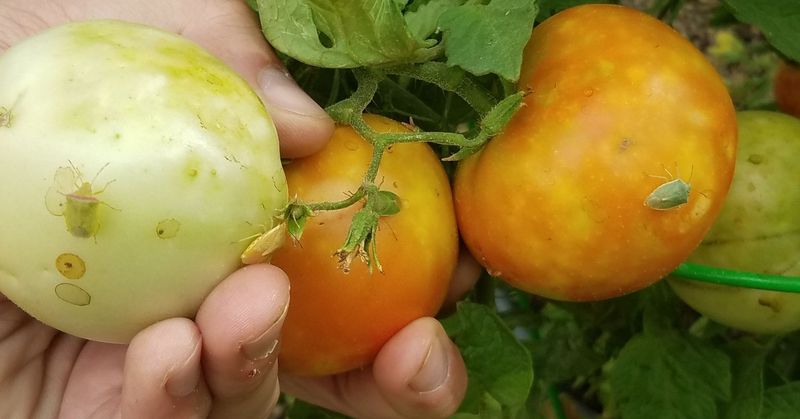
When stink bugs show up on garden tomatoes, the University of Arizona tomato guide points to hands-on work. Its management advice includes picking adults into a bucket of soapy water and removing egg masses from the undersides of leaves.
Another tactic: lay a piece of cardboard beside infested plants overnight, then go out at dawn and use a shop-vac to collect the bugs gathered there. Early morning is also easier on you in Arizona heat.
These are capture and removal steps. They are not proof that a light pan controls a garden population.
They also apply to the tomato guidance, not to every stink bug. Arizona has several species, and some are predators that help you.
The Arizona garden reference lists both plant feeders and beneficial stink bugs, so confirm what you have first.
Your Arizona Garden Changes Every Week. Your Plan Should Too.
Gardening in Arizona changes quickly throughout the season. Every Friday you’ll receive a simple weekly plan showing exactly what to plant, prune, fertilize, harvest, and protect so you never miss the right timing.
Leaf-footed bugs call for a separate plan
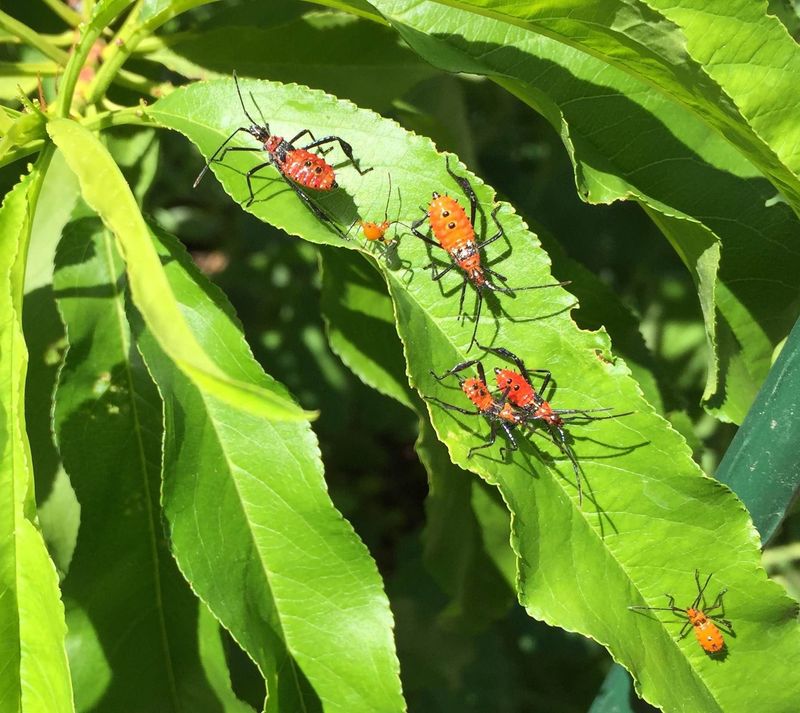
Leaf-footed bugs are not stink bugs. They belong to a different family, though both are true bugs and some can give off an odor.
A trap claim for one group should not be stretched to the other.
University of Arizona Cooperative Extension recommends removing them by hand or with a shop-vac. Row covers can keep them off young plants, and clearing nearby weeds and overwintering hiding spots where practical may make the garden less inviting.
Natural enemies also help, so avoid steps that push them away.
Insecticides are rarely needed. In severe cases, small nymphs are more susceptible than adults.
Broad-spectrum pyrethroids can harm bees and beneficial insects, so they are not a routine shortcut for a garden full of pollinators.
Check the insect’s identity before acting
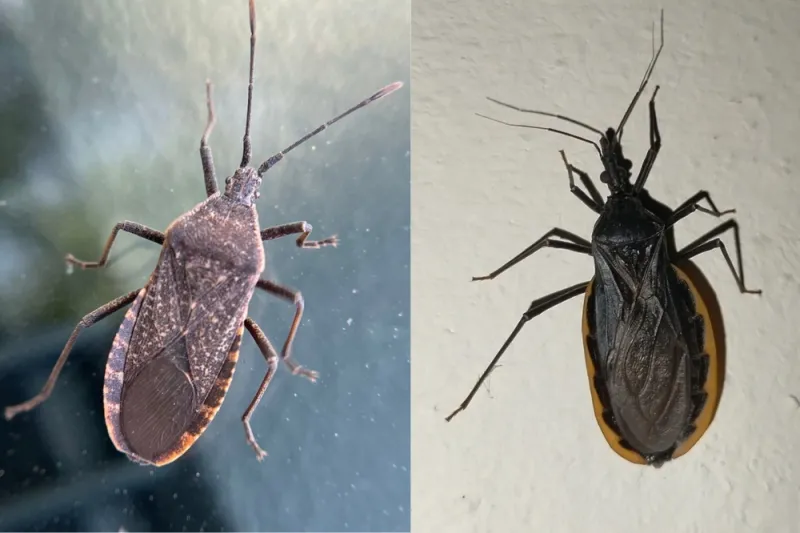
Plenty of Arizona insects look alike at a glance. The state has multiple stink bug species, and the garden reference includes predatory stink bugs that eat other pests.
Some leaf-footed bugs also resemble kissing bugs, according to University of Arizona material. Looking similar does not make an insect a kissing bug, though, and that is exactly why a closer look helps.
If you cannot say what it is, do not pick it up with bare hands. Take a clear photo, use gloves or a tool if you must move it, and ask your local Cooperative Extension office or a trusted identification service.
Wait on any treatment until you know whether it is a garden pest, a helper, or something else.
Match the method to the bug and its location
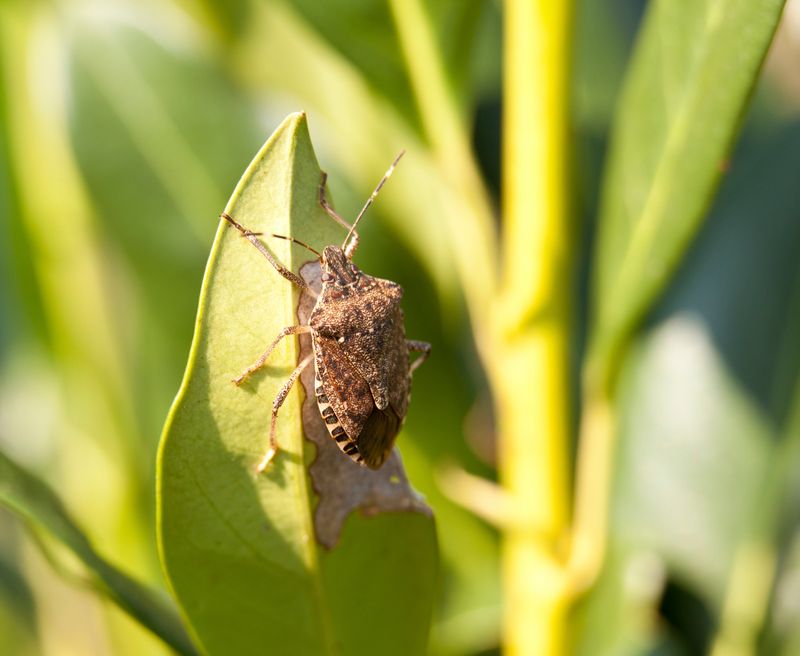
Think of it as a quick rule. Light pan: brown marmorated stink bugs inside the house.
Tomato stink bugs you have identified: hand-picking, egg mass removal, or the cardboard and shop-vac routine from the Arizona tomato guide.
Leaf-footed bugs get their own plan from Arizona Extension: removal, row covers, tidier surroundings, and room for natural enemies.
None of these methods guarantees crop protection or ends an infestation, so expect to repeat checks through the season.
The right tool is the one matched to the bug and the place.