Can Daffodils Really Grow in Arizona? What Low-Desert Gardeners Need to Know
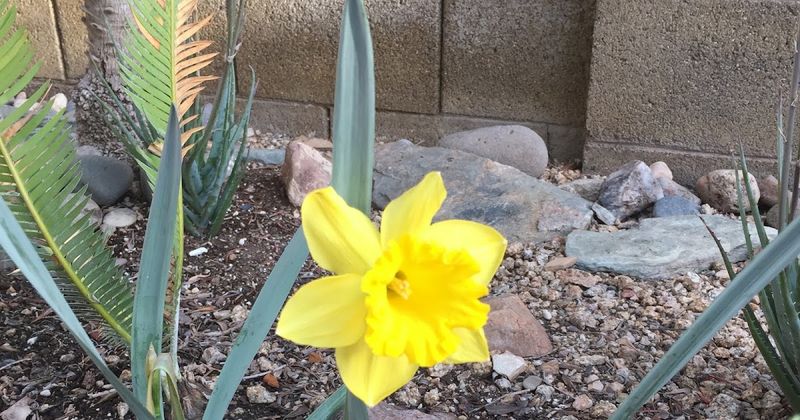
Some daffodils can bloom indoors without a single day in the cold. That surprises a lot of people who think every spring bulb needs a long winter.
In the Phoenix area, the mild winters make the question a fair one. Let’s sort out which daffodils might work in your yard and which ones are a gamble.
Arizona Guidance Does Not Prove Low-Desert Success
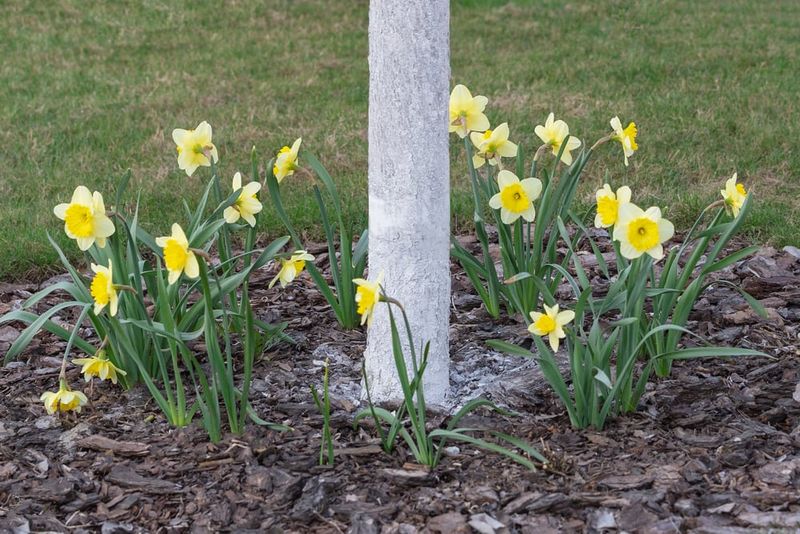
Yes, daffodils can grow in Arizona, but the full story depends on where you live. University of Arizona Cooperative Extension bulb guidance lists daffodils among the spring-flowering bulbs suitable for Arizona gardens.
That is encouraging, and it is a fair reason to give them a try.
Here is the catch. That publication is general Arizona advice adapted from Yavapai County, which has a very different climate from Phoenix, Mesa, or Yuma.
It is not a trial of daffodils in the low desert, so it cannot promise dependable results in your yard.
Think of it as a green light to experiment, not a guarantee. Arizona is a huge state with mountain towns and hot desert valleys, and one set of bulb advice cannot cover them all.
If you garden in the low desert, treat the guidance as a starting point and plan to learn from your own garden.
Expect some surprises along the way, both good and disappointing. Keeping notes on what you plant and when will help you see what works in your own soil and microclimate.
Which Narcissus Can Handle Less Winter Chill?
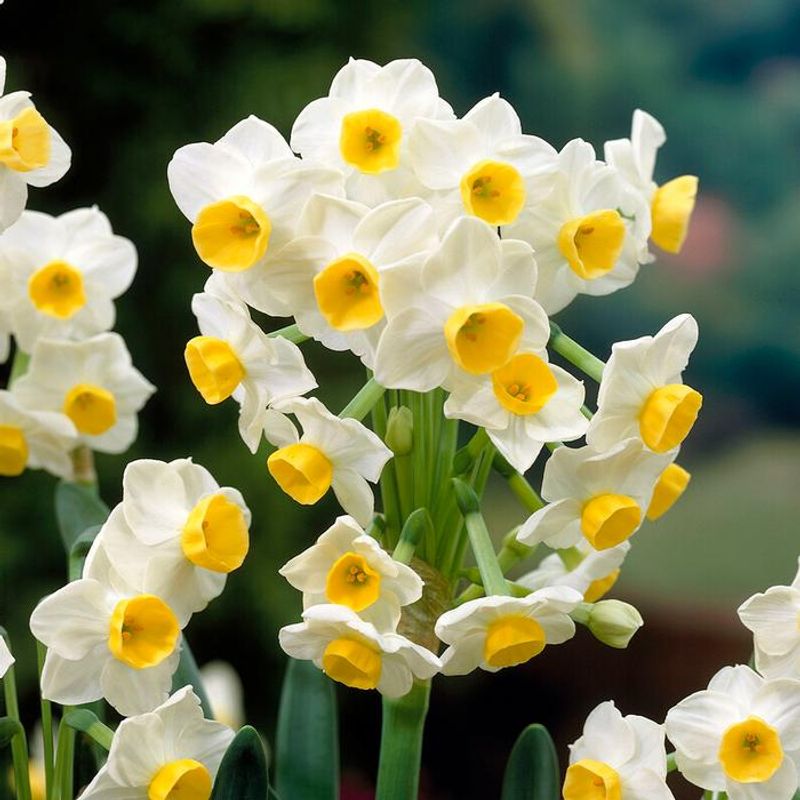
The word daffodil covers many kinds of Narcissus, and they do not all want the same winter. Mississippi State Extension explains that most varieties need a seasonal pattern of warm, then cool, then warm temperatures.
That can be a hurdle in a place with short, mild winters.
Paperwhites and many other tazettas are different. Clemson Extension says tazettas, especially paperwhites, do not need chilling and can grow outdoors in warmer parts of South Carolina.
Their flowers open in fragrant clusters, which makes them a lovely thing to test.
Notice the limits, though. That advice comes from outside Arizona, so paperwhites are a promising candidate, not a proven low-desert plant.
Also keep indoor forcing separate from outdoor planting. A paperwhite blooming in a bowl on your counter says little about how it will do in your yard.
October Offers a Planting Window, Not a Local Guarantee
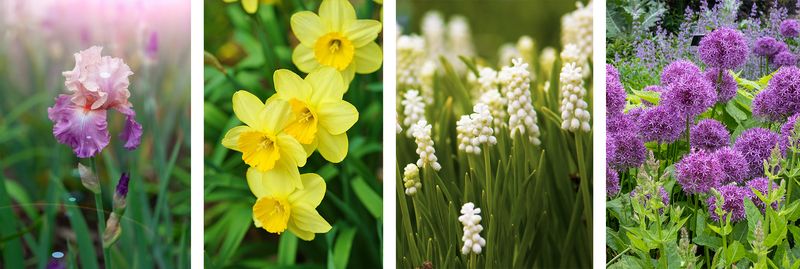
Fall is the usual time to plant spring bulbs, and October fits right in. The University of Arizona’s general bulb guide gives September and October as planting months for hardy spring-flowering bulbs.
That timing is a general guide, not a schedule tested on daffodils in Phoenix. Nobody has shown that those exact months are best for low-desert daffodils.
Treat them as a reasonable starting range and watch your own conditions.
Be careful with other October advice, too. The Pima County October guide focuses on cool-season annual flowers and gives no daffodil planting recommendation.
So use it for annuals, and use your own notes for bulbs.
If you plant this month, write down the date and the spot. Next year you will be glad you did.
Choose a Sunny Spot Where Water Can Drain
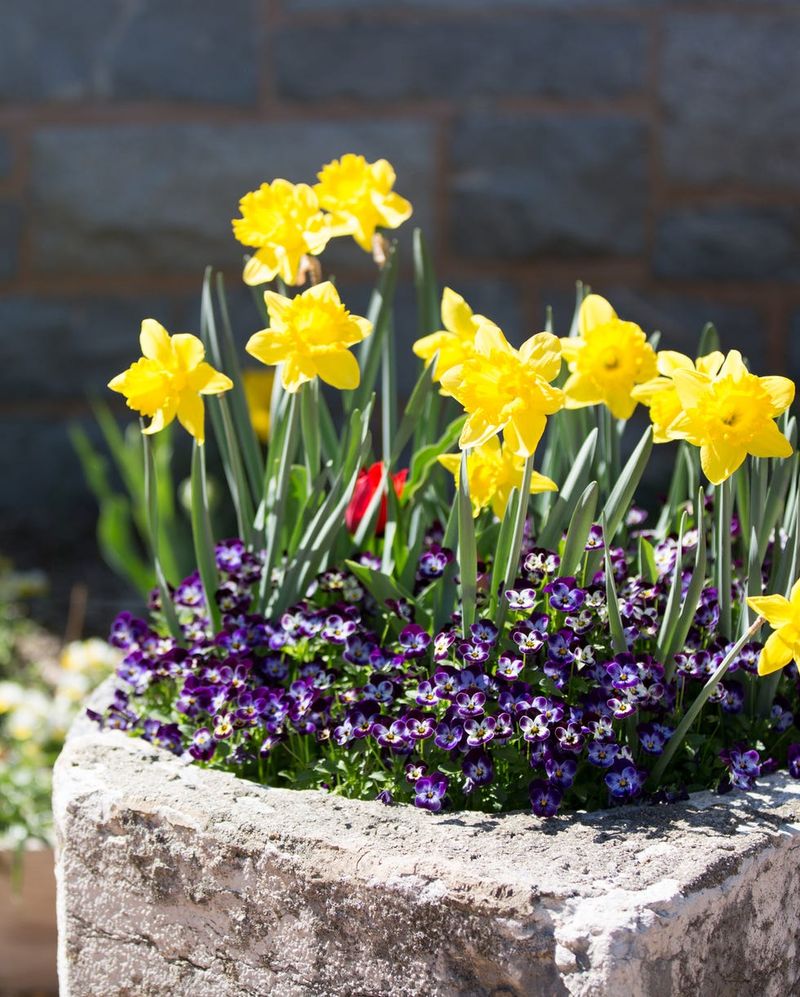
Bulbs hate sitting in soggy ground, and desert soil can be tricky. The University of Arizona bulb guide recommends well-drained soil and full sun, and it warns that shallow caliche or restricted drainage can cause problems.
If water pools after a soak, pick another spot.
Heavy clay or a hard caliche layer is a good reason to plant in a raised bed or a large container. Mississippi State Extension also says daffodils do best in well-drained media.
A pot with drainage holes gives you control over the mix.
For light, UC IPM suggests full sun while plants bloom, then some afternoon shade after flowering in hot areas. In a low-desert yard, that could mean a spot near a tree or wall that shades the bed later in the day.
These are general growing tips, not promises of low-desert success. They simply give your bulbs a fair chance.
Water During Growth and Leave Foliage After Bloom
Daffodils like regular water while they are growing and flowering. UC IPM advises watering during active growth, and it also says daffodils do not need summer water.
In a hot desert summer, that is a useful reminder to stop soaking the bed.
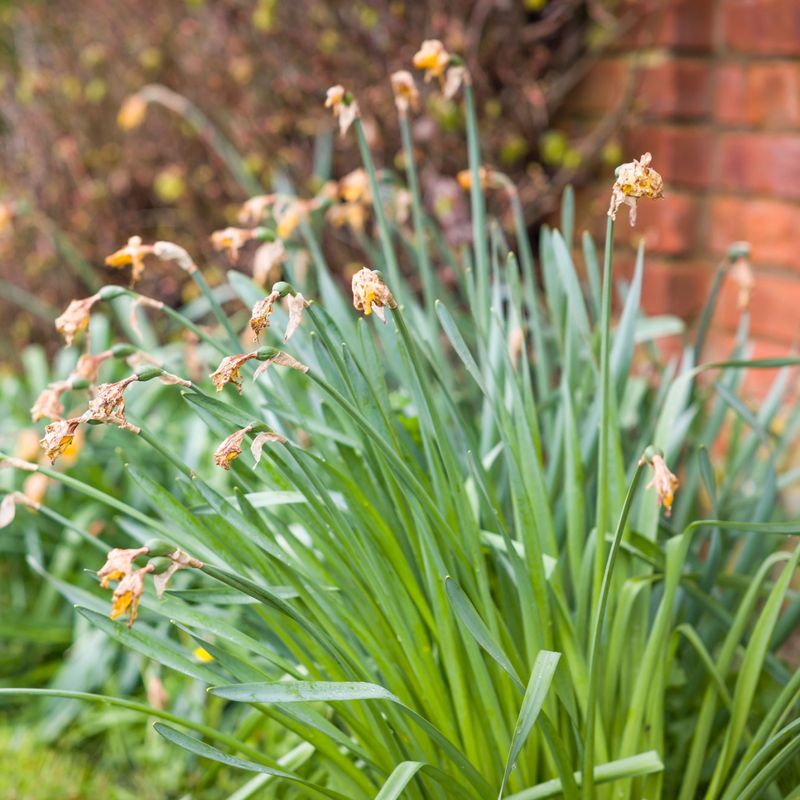
After the blooms fade, resist the urge to tidy up. The University of Arizona’s bulb publication says to leave the leaves in place so they can replenish the bulb.
Those leaves are working like little solar panels.
Wait until the foliage turns yellow and soft before you remove it. A messy-looking clump for a few weeks is the price of a healthier bulb.
Good care helps, but it does not guarantee another round of flowers. Think of it as improving the odds, not locking in the result.
Treat Repeat Bloom as a Trial
It is tempting to look up your hardiness zone and call it settled. But the USDA Plant Hardiness Zone Map is based on average annual extreme minimum winter temperatures.
That tells you about cold survival, not whether a bulb gets the chilling it needs to flower.
Chilling needs also differ by type. Mississippi State Extension notes that most varieties need a warm, cool, warm pattern, while Clemson Extension says paperwhites can be forced without pre-cooling.
So there is no single chilling number for every daffodil.
The practical move is to follow the supplier’s instructions for the exact bulb you buy. Then watch what happens over several seasons.
Mark where you planted, note the bloom dates, and see which clumps return. Repeat bloom is a bonus if it happens, not something to expect.
Keep Daffodil Bulbs Away From Pets and Children
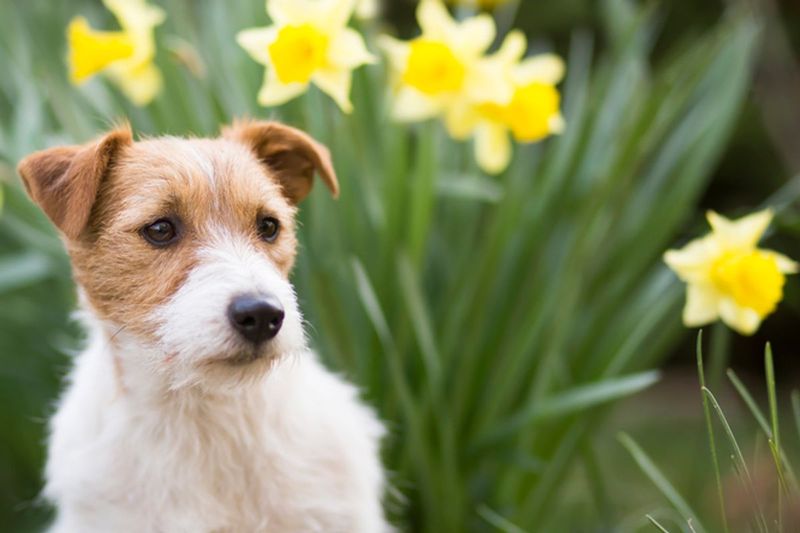
Pretty does not mean safe. Poison Control says every part of a daffodil contains lycorine, with the most in the bulb.
Eating any part can cause stomach and intestinal symptoms, so children should never snack on them.
Pets are at risk too. The ASPCA lists daffodils as toxic to dogs, cats, and horses.
Do not count on an animal to avoid them.
Plant them where curious kids and diggers cannot reach, such as a raised bed or a fenced area. Store bulbs out of reach before planting.
If someone eats part of one, call Poison Control or your vet right away.
Start Small and Let Your Garden Answer
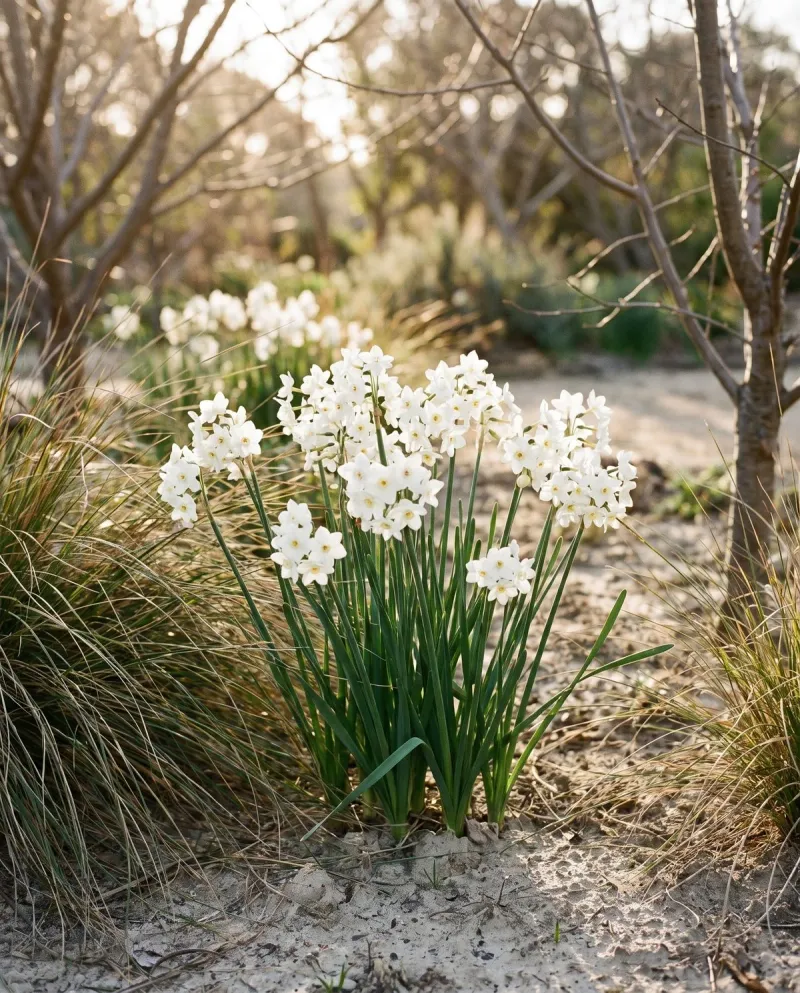
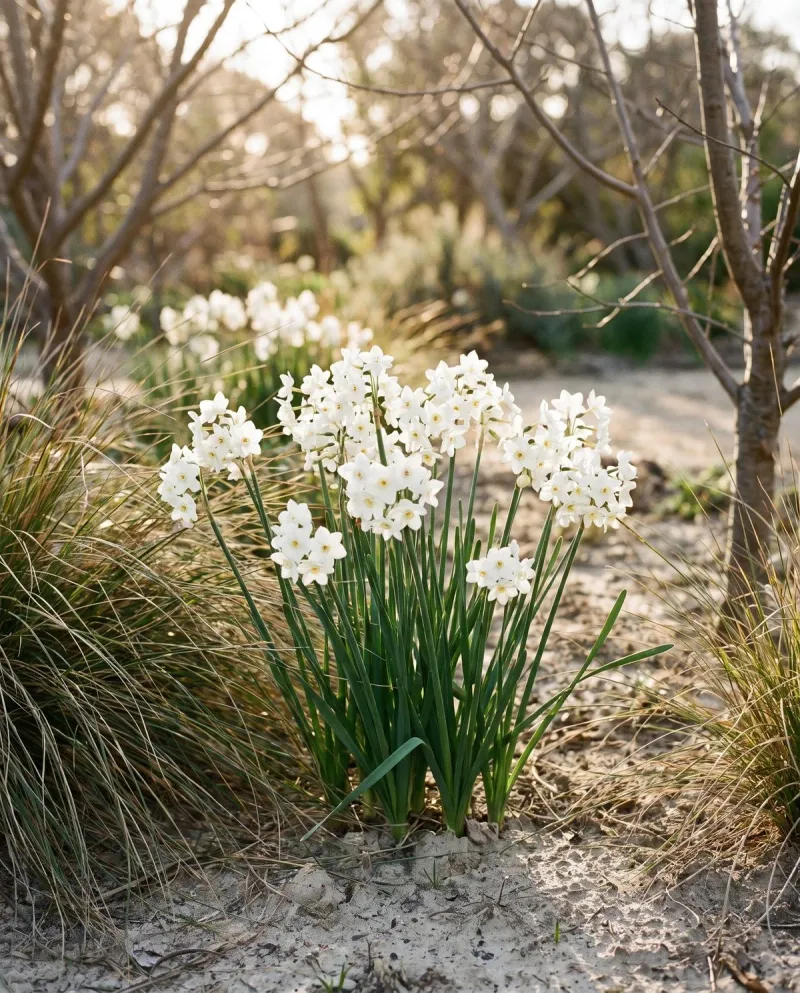
If you want to try, start with a few paperwhites or another tazetta in a well-drained spot. The Clemson guidance on warm-climate tazettas makes them a sensible candidate, even though it comes from outside Arizona.
Keep your hopes modest, since the Arizona bulb guide is general and not a low-desert trial. A small test costs little and teaches a lot.
Your yard will give the real answer, one bloom season at a time.