Can a Spiky Desert Plant by Your Arizona Walkway Really Hurt More Than a Scorpion Sting?
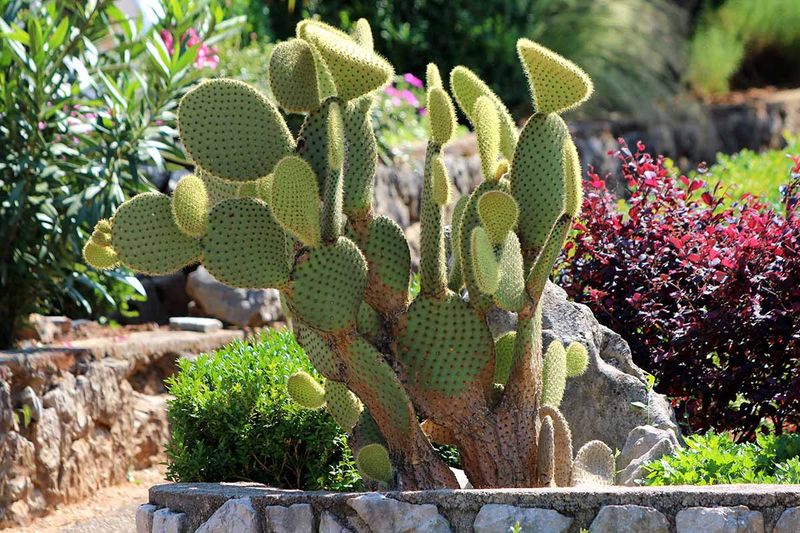
A cactus with no long spines can still leave you picking at your skin for days. The trouble comes from bristles so tiny that you often cannot see them.
I have to admit, the soft, fuzzy look fools plenty of us.
The title of this article makes a big claim about pain. Nobody has measured it against a scorpion sting, so we will treat it as a question instead.
What we can talk about is how these plants work and why they deserve respect.
Arizona yards and walkways are full of spiky choices. Knowing the differences helps you spot trouble before your sleeve brushes it.
You might notice a few clues next time you head out the front door.
So which cactus hides its hazard in plain sight, and how do you handle it safely? Let’s sort out the facts, one prickly detail at a time.
Bunny Ears Is One Possible Example
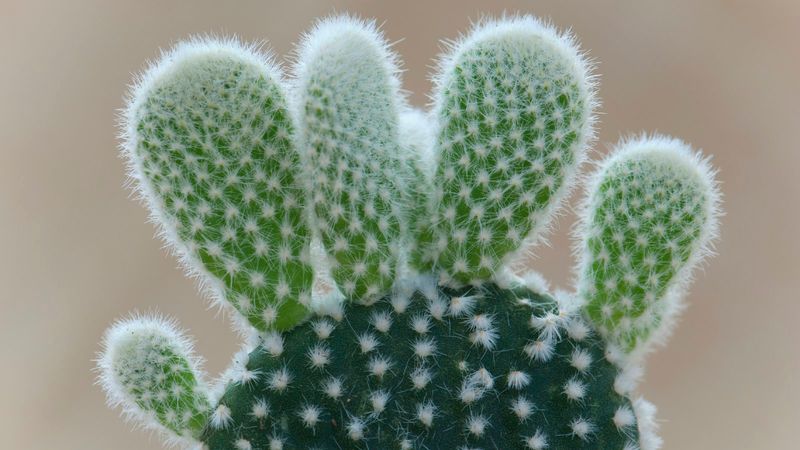
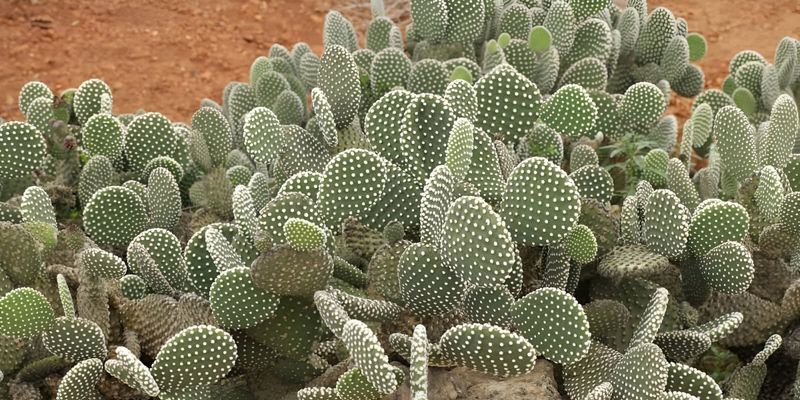
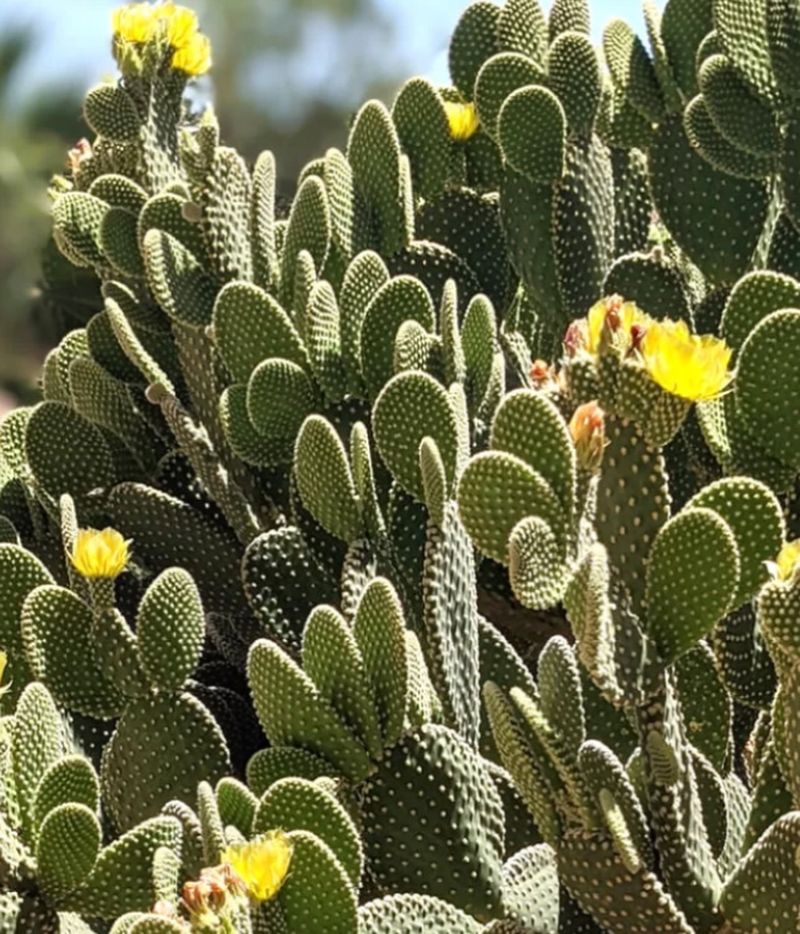
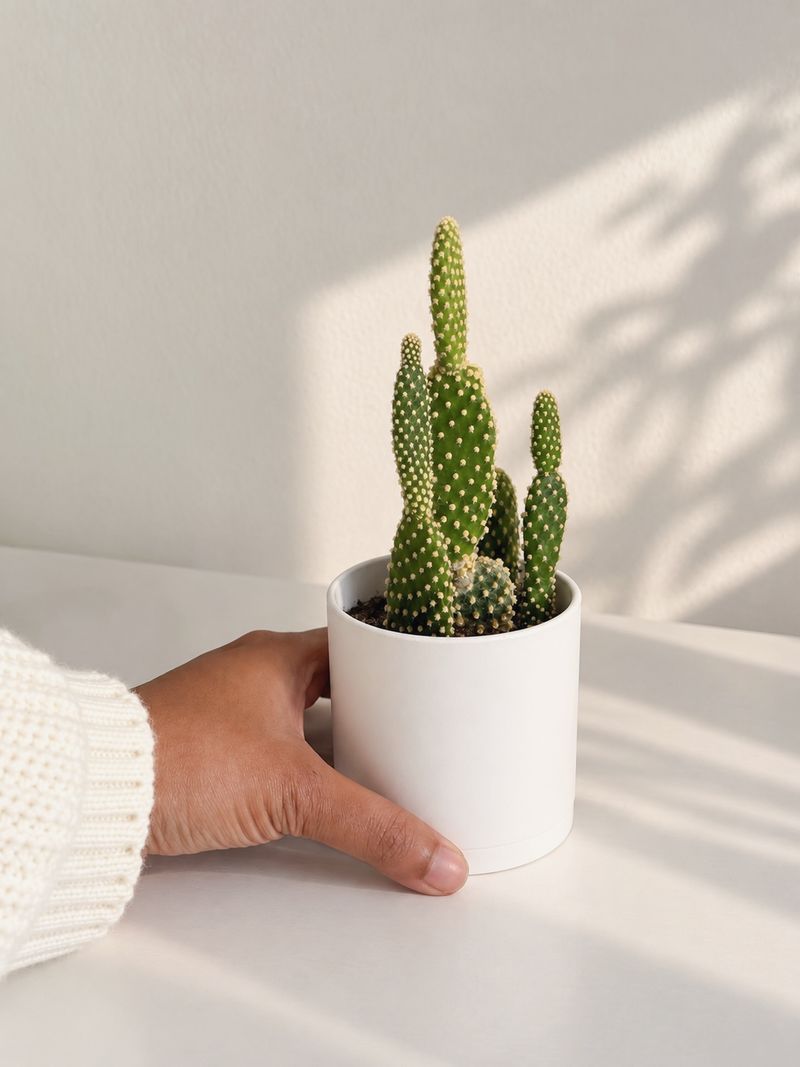
Bunny ears prickly pear (Opuntia microdasys) is one example of a cactus with flat, paired pads that look a bit like rabbit ears. Each pad is dotted with small clusters of tiny bristles called glochids.
They can look soft from a few steps away, which is why this cactus fits a warning about a plant that seems harmless.
According to University of Arizona Campus Arboretum information, those glochids can attach to skin. That is a good reason to give the pads some space, especially beside a walkway where sleeves, pant legs, and pets brush past.
Still, I do not want to oversell it. A title about a spiky plant by an Arizona front walk gives us almost nothing to go on.
It does not describe pad shape, color, size, or spine type, so bunny ears is only one possibility among many cacti. Naming the plant in your own yard takes real details, such as pad shape, spine length, and how the plant branches.
A photo taken to a local nursery or extension office can help you get a solid answer.
Different Cacti Have Different Spine Hazards
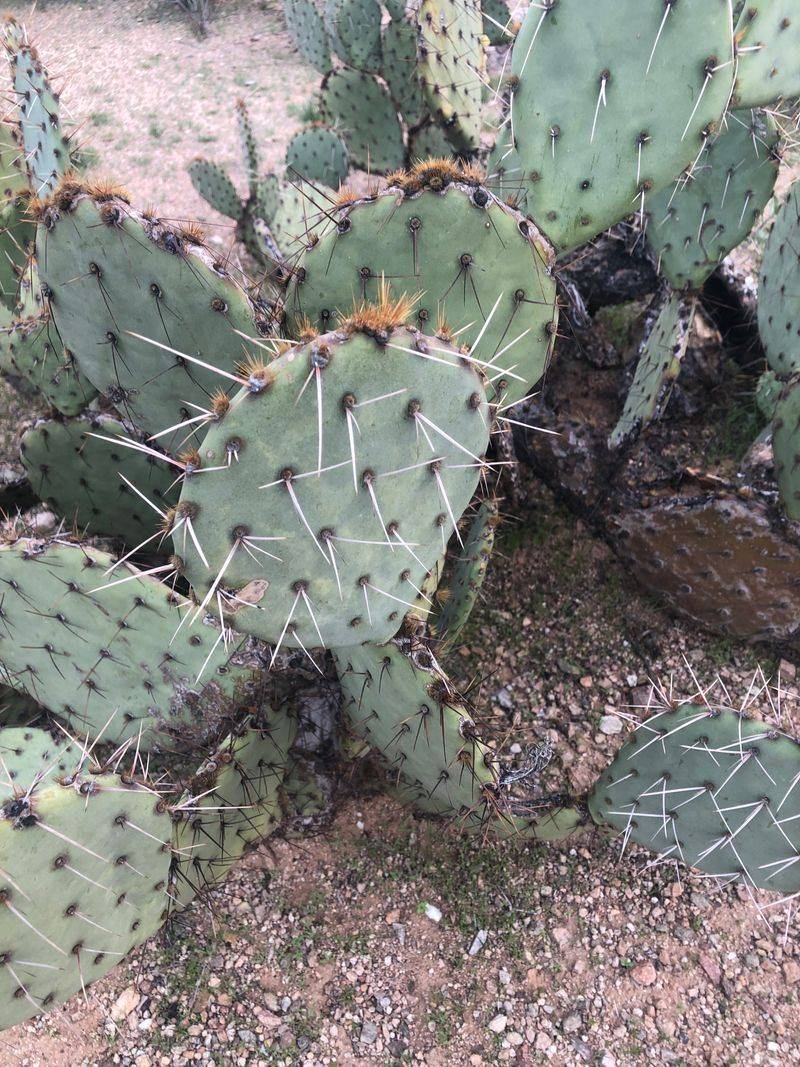
Cacti do not all carry the same kind of defense. Bunny ears is known for clusters of glochids spread over flat pads, as described in the University of Arizona arboretum entry.
Other prickly pears can carry glochids too, often alongside larger spines.
Cholla is a different story. Its joints have prominent barbed spines, and the joints break off easily.
The National Park Service explains that joints hitch onto passing people or animals. They do not literally jump, though it can feel that way when one clings to a shoe or sock.
Treat these differences as clues, not a way to name a plant from a title alone. A pad with tiny tufts points one direction, while chunky, fuzzy-looking branches with long barbs point another.
Either way, keep your distance and let a local expert confirm what you have.
Tiny Glochids Can Be Hard to Spot and Remove
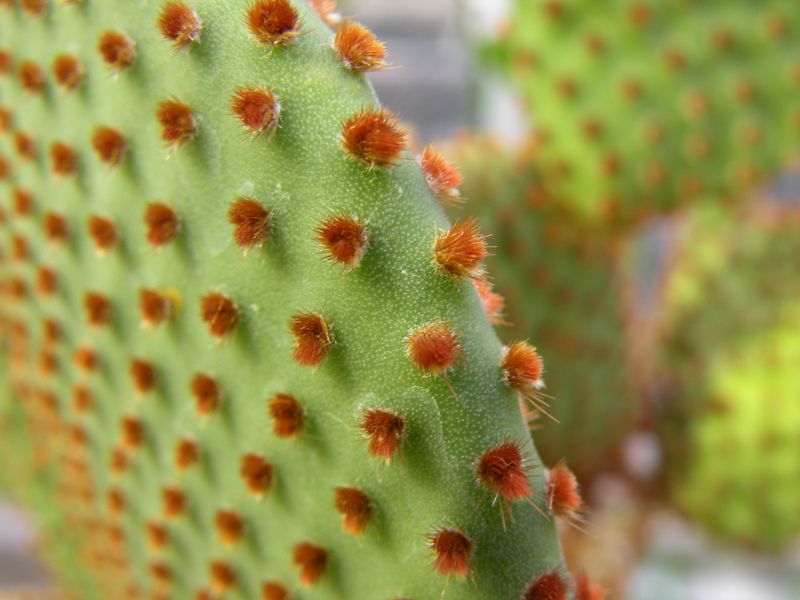
Glochids are tiny, bristle-like cactus spines. As National Park Service information explains, prickly pears may have them alongside larger spines.
They can be hard to see, which makes them tricky to find once they are in your skin.
A clinical review of cactus spine injuries is a reminder that these punctures are a real, recognized problem. That does not mean every brush leads to a serious injury.
It simply means a quick, careless touch can leave you with a small, stubborn nuisance.
Bunny ears is a good example of the surprise factor, since its pads can seem to have few obvious spines. Not every cactus works that way, so do not assume the same hazard everywhere.
When in doubt, treat any pad, joint, or spiny stem as something to look at and not to touch.
The Scorpion-Sting Ranking Is Unsupported
The title asks whether cactus barbs hurt worse than a scorpion sting. The sources reviewed for this article never rank the two.
Pain depends on the exposure and the person, so a comparison like that is a question, not a fact.
What we do know comes from the National Park Service, which describes cactus spines as painful but not poisonous. That wording matters.
Nonpoisonous does not mean harmless, because a spine can still hurt and may be hard to clear.
So skip the dramatic contest and focus on practical steps. Respect the plant, keep skin covered, and know what to do if a spine gets through.
Those habits matter far more than deciding which backyard hazard sounds worse.
Keep Bare Hands Away From Cactus Pads
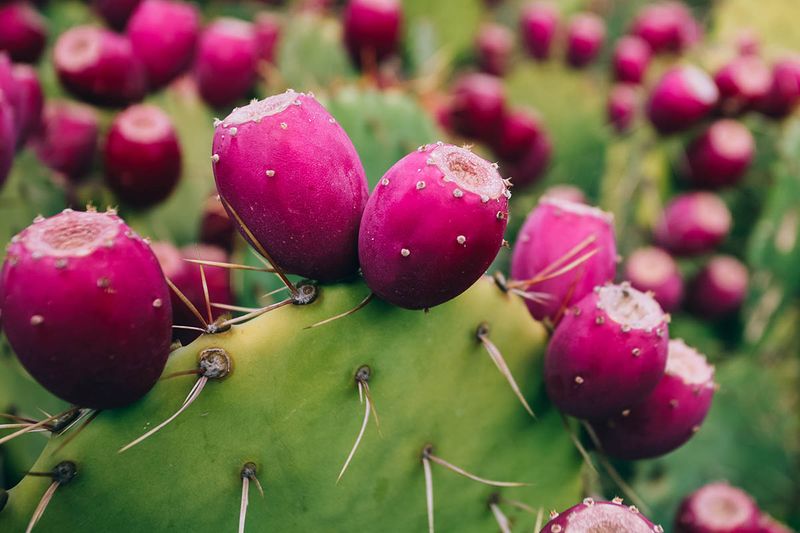
Do not touch or handle cactus pads with bare hands. It sounds obvious, but a soft-looking pad can tempt a quick poke or a casual tidy-up.
A moment of curiosity can turn into an afternoon of picking out bristles.
For prickly pears and chollas specifically, University of Arizona Cooperative Extension advises extra caution and suggests strong metal tongs or sections of hose. Gloves are a weak choice here because spines can penetrate them or build up inside.
That tool advice is specific to those cacti, so do not treat it as a rule for every species. If you need to move or remove a pad, plan your path first and keep pets and kids well back.
Long sleeves and sturdy shoes add another layer of protection while you work.
Cholla Spines Have a Painful Grip
Ouch, that fuzzy branch is not nearly as soft as it looks. Cholla spines have tiny backward-facing barbs that can make pulling them out painful and difficult.
A loose stem segment may catch on shoes, clothing, or skin after contact; it does not jump. Watch for fallen pieces near your Arizona walkway, especially after windy weather.
Keep children and pets away from scattered segments, and arrange careful cleanup with suitable tools rather than casual handling.
Seek Medical Advice When You Cannot Manage a Spine Safely
Some situations call for a professional. Seek medical advice for a deeply embedded spine, severe pain, or material you cannot remove.
The same goes if you feel reluctant to remove it yourself, since that hesitation is a fair reason to get help.
Watch for possible signs of infection, including spreading redness, swelling, pus, or fever. American Academy of Pediatrics guidance lists these as reasons to seek care.
A clinician can look at the spot and decide what to do next.
Nobody here can diagnose an injury from a description, and no home method guarantees a clean result. Asking for help early is a sensible choice, not an overreaction.
A little caution at the walkway beats a lot of digging later.