Tiny Scorpion Look-Alikes Hiding In Maryland Homes Have No Stinger At All
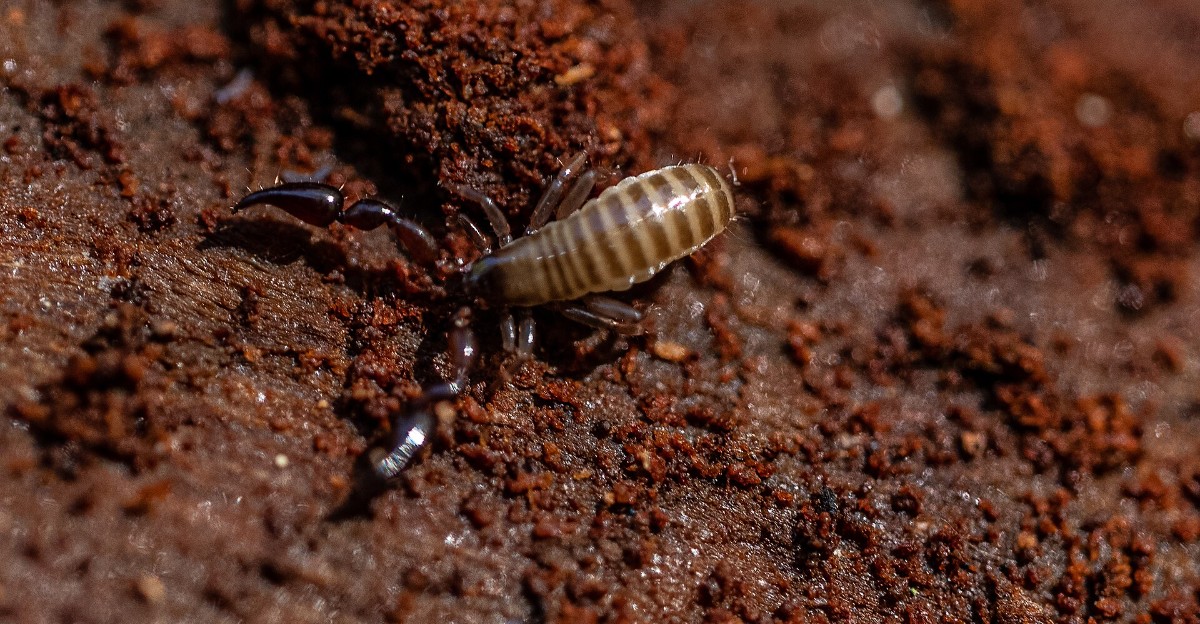
Some of the fiercest-looking hunters in your house are smaller than a grain of rice. They carry claws like a lobster, walk sideways like a crab, and can even back up in a hurry.
I found one in my bathtub last fall and nearly yelped. Not going to lie, my first thought was that something dangerous had moved into my Maryland home. A closer look with a magnifying glass changed my mind fast.
The little creature had pincers but no curled tail. It had no stinger anywhere on its body. Instead, it had a rounded, flat rear end and a very busy schedule.
Truth is, these tiny guests may be doing you a favor. They hunt the kind of pests most of us would rather not share a home with. So why do they turn up near sinks, damp basements, and old books?
That Pincered Speck In Your Bathtub Has A Surprising Secret
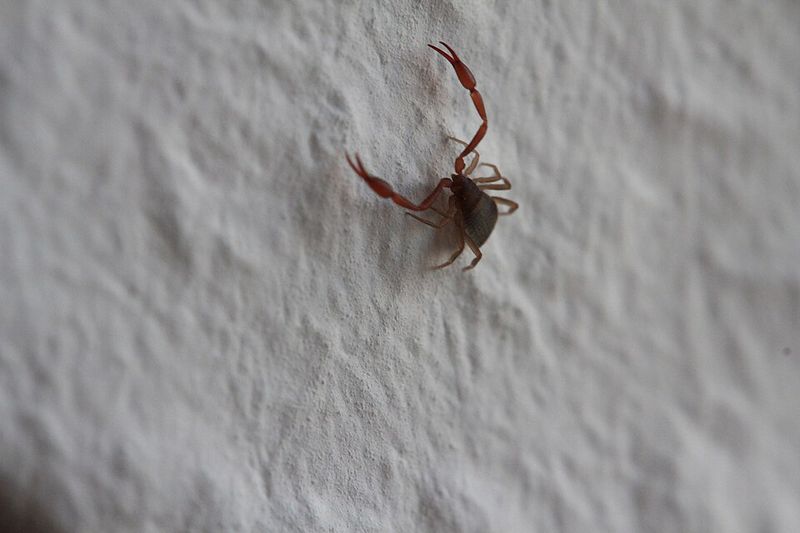
Spotting a tiny brown creature waving two big claws at you can stop you in your tracks. My bathtub visitor looked like a scorpion that had shrunk in the wash. Then I noticed what was missing.
There was no tail. There was no stinger curving over its back. Its body ended in a flat, rounded, teardrop shape instead.
That missing tail is the giveaway. These little arachnids are called pseudoscorpions, which means false scorpions. They belong to their own group, separate from true scorpions, though both are cousins of spiders, ticks, and mites.
Penn State Extension and the University of Minnesota Extension both describe them as harmless to people. They do not damage homes, furniture, food, or clothing. They also do not spread disease.
People often mistake them for ticks or bed bugs at first glance. Those long pincers, called pedipalps, are the easy way to tell them apart. Ticks and bed bugs do not have claws held out in front.
So if you find one stranded in a sink or tub, take a breath. Grab a magnifying glass if you have one. You are looking at one of the oddest tiny hunters in the region, and it poses no threat to you.
Those Tiny Pseudoscorpion Claws Cannot Hurt You Or Your Pets
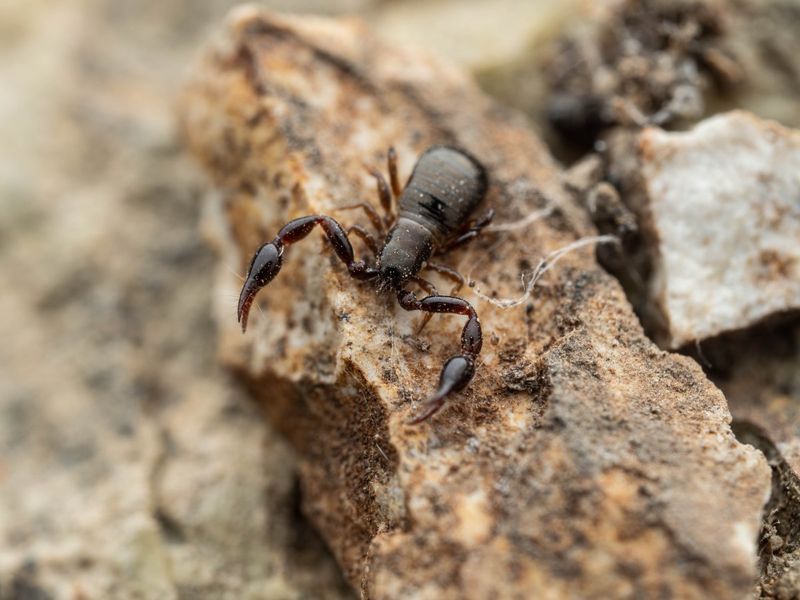
Here comes the part that surprises most folks. Pseudoscorpions do have venom, but it sits in their claws, not in a tail.
They use it on prey far smaller than a fingernail. A quick pinch helps them calm a struggling springtail or mite so they can eat it. That is the full job of the venom.
Their pincers are simply too small and weak to break human skin. Extension experts in several states agree on this point. Even curious cats and dogs that sniff one will be fine.
I let one wander across a sheet of paper on my desk once. It mostly tried to get away from me, moving backward with surprising speed. Shy is the best word for them.
Because they are harmless, there is no reason to reach for bug spray. Pesticides are not recommended for these visitors. A spray could also harm the helpful little hunter while missing the bigger moisture issue that drew it in.
Kids often love watching them under a magnifier. It is a fun, safe way to show young gardeners that not every scary-looking critter is a problem. Then you can carry it outside together.
Book Scorpions Eat The Little Pests You Never Wanted
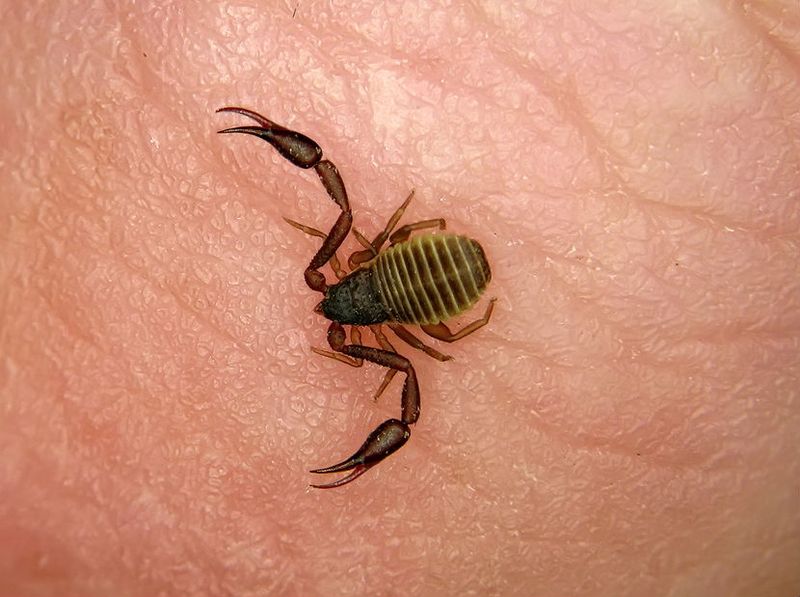
Old-timers sometimes called them book scorpions. They were found tucked among dusty pages, hunting the booklice that nibble on paper mold.
That nickname hints at their real value. Pseudoscorpions eat many of the tiny pests that sneak into homes. Their menu includes springtails, booklice, mites, small fly larvae, and young carpet beetles and clothes moths.
They are ambush hunters. They sit still, feel for movement with fine hairs on their claws, and grab prey that wanders close. Some even spin small silk chambers for molting and resting.
Think of them as a free cleanup crew. Every mite or booklouse they catch is one less critter munching on stored papers or crawling around your basement.
There is a flip side to this, though. Seeing several pseudoscorpions may mean their food is plentiful nearby. A crowd of springtails or booklice often points to damp conditions.
So use them as a clue. If you spot more than one, check that area for moisture, mold, or old cardboard boxes. Fixing those conditions helps your home stay drier and less inviting for all the small pests, not just the clawed ones.
Damp Basements And Laundry Rooms Draw These Clawed Crawlers Inside

Moisture is the magnet. Pseudoscorpions dry out easily, so they look for humid spots both indoors and out.
In a typical house, that means basements, crawl spaces, laundry rooms, and bathrooms. Damp storage areas full of cardboard boxes are another favorite. Those same places also attract the springtails and mites they like to eat.
Many of them find their way inside by accident. They may crawl in through small gaps near the foundation. Some ride in on firewood, potted plants, or bags of mulch brought indoors.
Ever wonder why you find them stuck in sinks and tubs? Smooth porcelain is slippery for their tiny legs. Once they slide in, climbing back out gets tricky.
Humid summers in Maryland can make basements feel muggy for months. Running a dehumidifier helps a lot. Most experts suggest keeping indoor humidity around 50 percent or a bit lower.
Fix leaky pipes and dripping faucets too. Store papers and fabrics in sealed plastic bins instead of cardboard. Once the air dries out, the tiny prey moves on, and their clawed hunters usually follow.
Some Pseudoscorpions Hitch Rides On The Legs Of Flies
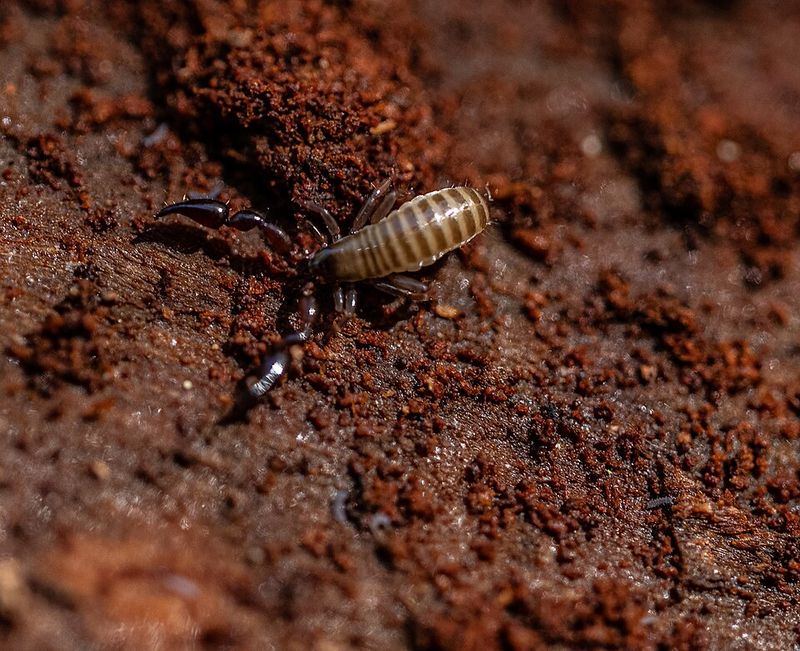
Wildlife travel does not get much stranger than this. Some pseudoscorpions grab onto the legs of flies, beetles, or other flying insects and catch a free ride.
Scientists call this behavior phoresy. It simply means one creature uses another for transportation. The insect is not food in this case, just a taxi.
Why bother? A creature only a few millimeters long cannot walk very far. Hitching a ride helps it reach fresh rotting logs, new leaf piles, or other spots packed with prey.
Every so often, a pseudoscorpion may arrive inside your home this way. A fly zips through an open door, and its tiny passenger lets go somewhere new. Most indoor visitors, though, just crawl in from outside.
I find this detail delightful. It makes these tiny hunters feel like little explorers rather than invaders.
Size helps explain the habit. Most are about 2 to 8 millimeters long, and the common house pseudoscorpion measures roughly 3 to 4 millimeters. Their pincers can look almost as long as their bodies, which makes them easy to spot on a fly leg once you know what to look for.
Leaf Litter And Tree Bark Hide Plenty Of Pseudoscorpions Outdoors
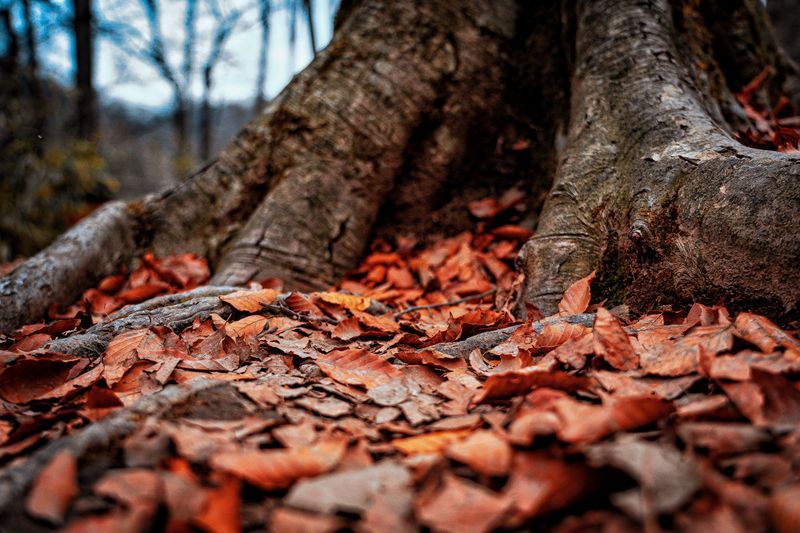
Your garden probably hosts far more of these critters than your house ever will. Outdoors, they live in leaf litter, moss, compost, mulch, and under loose bark and stones.
Those spots stay cool and moist. They also crawl with mites, springtails, and tiny insect larvae. For a pseudoscorpion, a pile of fallen oak leaves is a buffet.
Researchers have studied them closely in this region. On Plummers Island in the Potomac River, scientists found species such as Chthonius virginicus sheltering inside empty snail shells. That is a clever hiding spot for something so small.
Gardeners who leave some leaves in beds are giving these hunters a home. The University of Maryland Extension often encourages keeping leaf litter around shrubs and perennials for wildlife. Pseudoscorpions benefit right along with fireflies and native bees.
Try this on a damp fall day. Lift a handful of leaf litter and shake it gently over a white sheet or tray. Watch closely for tiny brown dots that scoot backward.
Chances are good you will spot one. Put the leaves back afterward so your little garden helpers keep their cozy hideout.
Scoop That Little False Scorpion Onto Paper And Set It Free
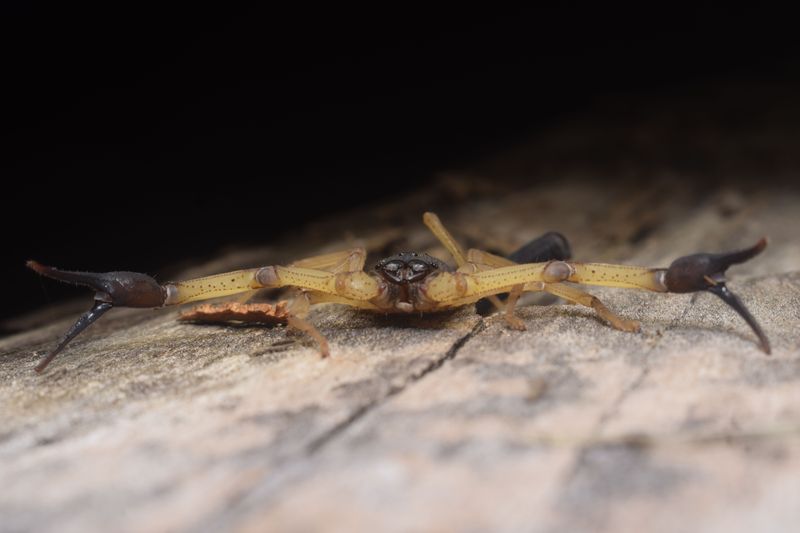
Relocation takes about ten seconds. Slide a piece of paper or an index card under the pseudoscorpion and carry it outside.
Place it in a shady, damp spot. Leaf litter, mulch, or the base of a shrub works well. It will settle in and get back to hunting.
A vacuum is fine too if you find several and prefer a quicker fix. Empty the canister outdoors afterward. Skip chemical sprays, since experts agree they are not needed for these harmless visitors.
Prevention helps keep sightings rare. Seal cracks around windows, doors, and the foundation with caulk. Keep firewood stacked outside and away from the house walls.
Pull mulch back a few inches from your foundation as well. Then keep basements and bathrooms dry with fans or a dehumidifier.
My biggest takeaway is simple. A pseudoscorpion in your home is a sign of moisture and tiny prey, not danger. Treat it as a friendly heads-up, fix the damp spot, and send your clawed guest back to the garden where it does its best work.