The Black-And-Yellow Millipede In Maryland Woods Smells Like Almonds For A Toxic Reason
A creature no longer than your finger can release a tiny puff of cyanide gas, and it smells like a bakery. I didn’t believe it until I flipped a damp oak log and caught that sweet almond whiff.
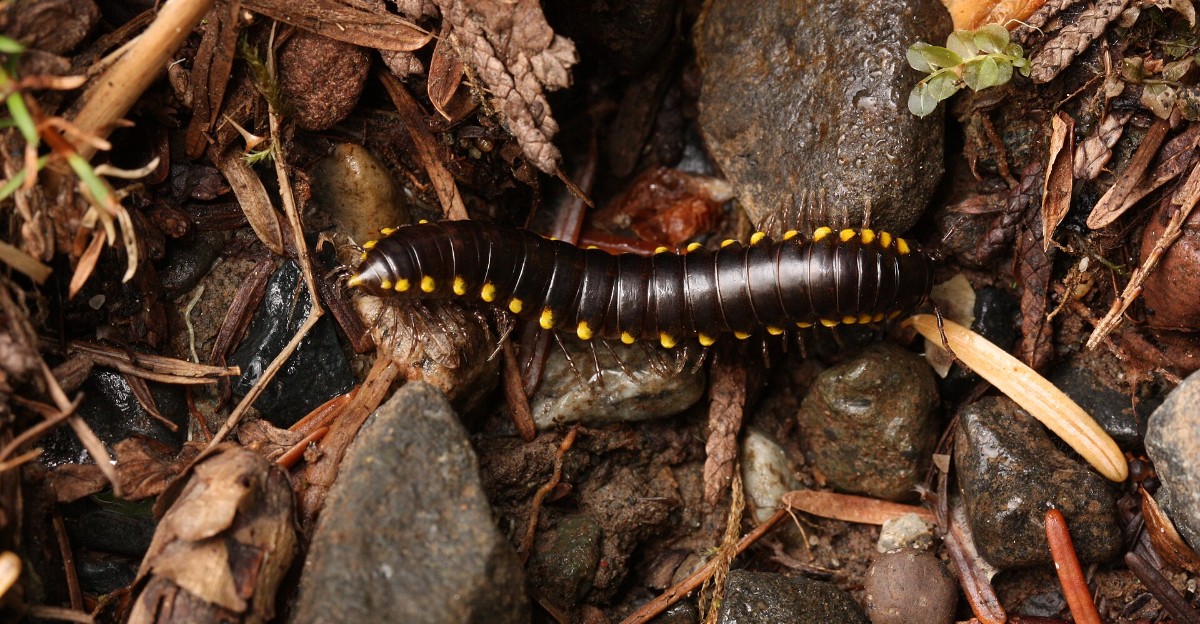
The bug itself was glossy black with bright yellow edges, slowly curling into a tight spiral. It didn’t run, bite, or sting, and it seemed oddly calm about the whole thing.
Truth is, I’ve spent years pulling leaves and turning compost in Maryland without giving these little walkers a second look. Now I notice that scent on almost every rainy walk through the woods. You might have smelled it too and blamed a neighbor’s cookies or a wild cherry tree.
Why would a slow leaf eater carry a chemical trick that sounds like something from a spy movie, and should you worry about touching one?
That Almond Smell On The Forest Floor Is A Millipede Warning
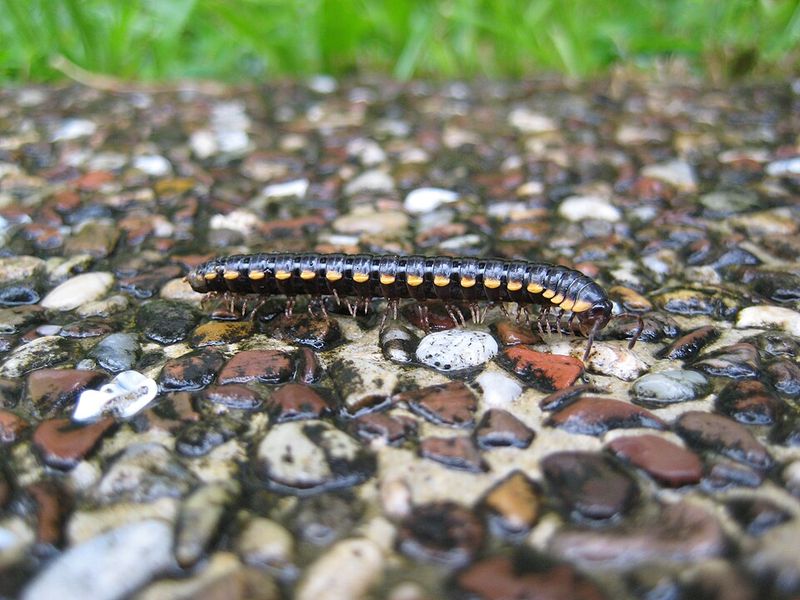
Sniff the air after a summer rain in a shady Maryland hardwood stand, and you may catch something that smells like marzipan. Nobody baked anything out there. The scent is coming from the ground, and usually from a flat, shiny millipede with bold yellow trim.
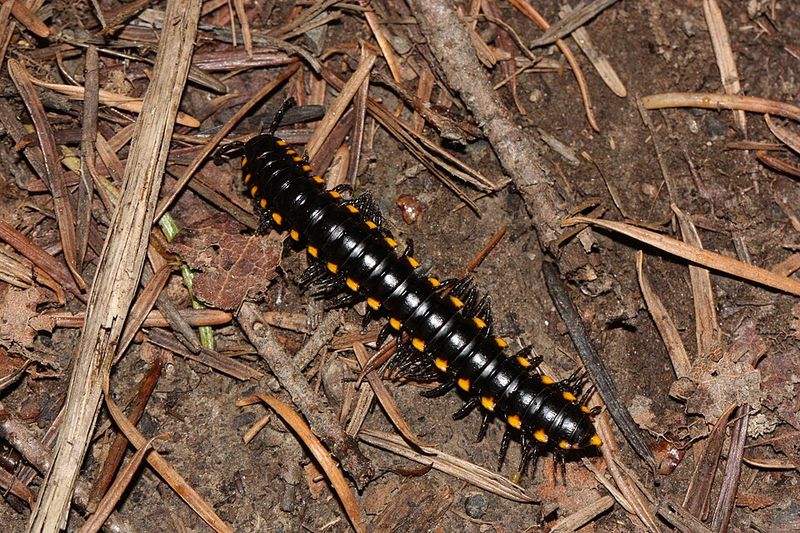
The likely suspect is the yellow-spotted millipede, Harpaphe haydeniana, right? Not here. That one lives on the West Coast. In the Mid-Atlantic, the usual culprit belongs to the genus Apheloria, often called cherry or almond-scented millipedes.
These animals are flat-backed millipedes in a group called Polydesmida. Many members of that group defend themselves with chemicals instead of speed or jaws. The almond smell is the calling card of that chemistry.
Here is what gets me. The scent is not a perfume meant to attract anything. It works more like a smoke alarm, telling birds, shrews, and toads that this snack will taste awful and could make them sick.
So when your nose picks up almonds in the leaf litter, look down before you step. Odds are good that a millipede has just been bumped, poked, or picked up, and it is letting the world know it is not happy about it.
Cyanide And Benzaldehyde Power The Millipede’s Sweet Defense
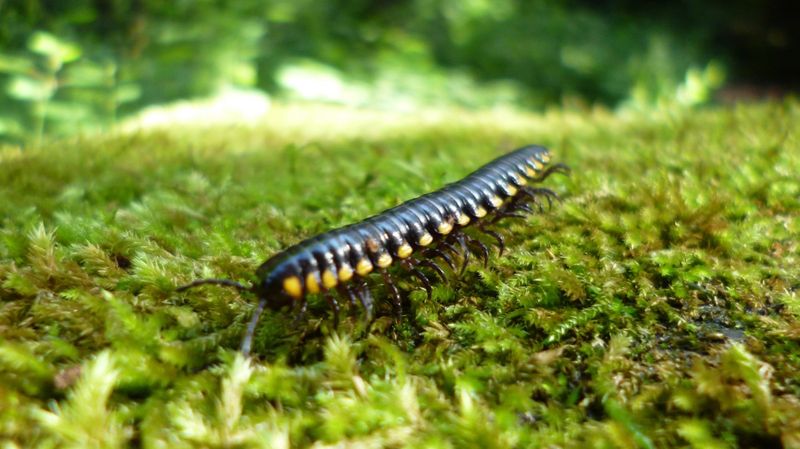
Chemistry class meets the forest floor with this one. Along each side of the millipede’s body runs a row of tiny pores called ozopores. When the animal feels threatened, those pores release a defensive fluid.
The fluid starts as a stored compound called mandelonitrile. Mixed with an enzyme at the moment of release, it breaks into two products. One is benzaldehyde, the same substance that gives almond extract and cherry flavoring their famous smell.
The other product is hydrogen cyanide. That is the toxic reason behind the sweet scent. Researchers have found these millipedes produce small but real amounts of it, enough to sicken or drive off ants, beetles, and other small predators.
Fun fact for your next hike: bitter almonds and cherry pits use a very similar trick. Plants and millipedes landed on nearly the same chemical defense through totally separate paths.
The millipede keeps the two ingredients apart until it needs them, a bit like a two-part glue. That keeps the animal safe from its own weapon. Scientists still study exactly how these creatures handle cyanide so well, but the storage system is a big part of the answer.
Bright Yellow Spots On A Black Body Mean Hands Off
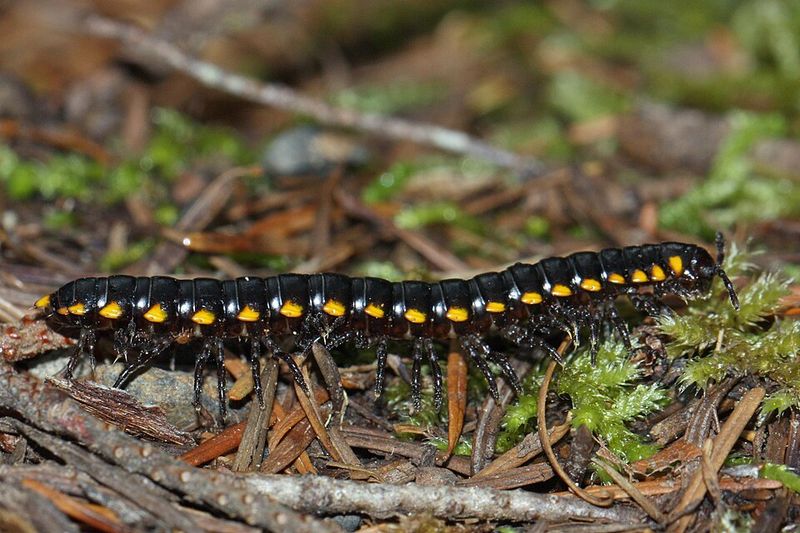
Nature rarely wastes good colors. A glossy black body edged with yellow, orange, or even pink is about as loud as a woodland critter gets. On a millipede, that bright trim is a billboard.
Biologists call this warning coloration aposematism. Predators learn that loud colors often mean bad taste or danger, so they leave those animals alone. Skunks, monarch butterflies, and some frogs play the same game.
Apheloria millipedes in Maryland tend to measure around one and a half to two inches long. Their back looks like a stack of flat plates, with the colored edges sticking out like little wings. Some populations lean yellow, while others show orange or reddish tones.
Not going to lie, I used to mistake them for some kind of beetle larva. Count the legs, though. Adults carry around 30 pairs, two pairs on most body segments, which is a classic millipede feature.
A quick tip for identification: centipedes are fast, flattened, and have one pair of legs per segment. They can also bite. If your colorful visitor is slow, glossy, and smells like almonds when disturbed, you have found a millipede, not a centipede.
Handling A Cherry Millipede Can Stain And Irritate Your Fingers
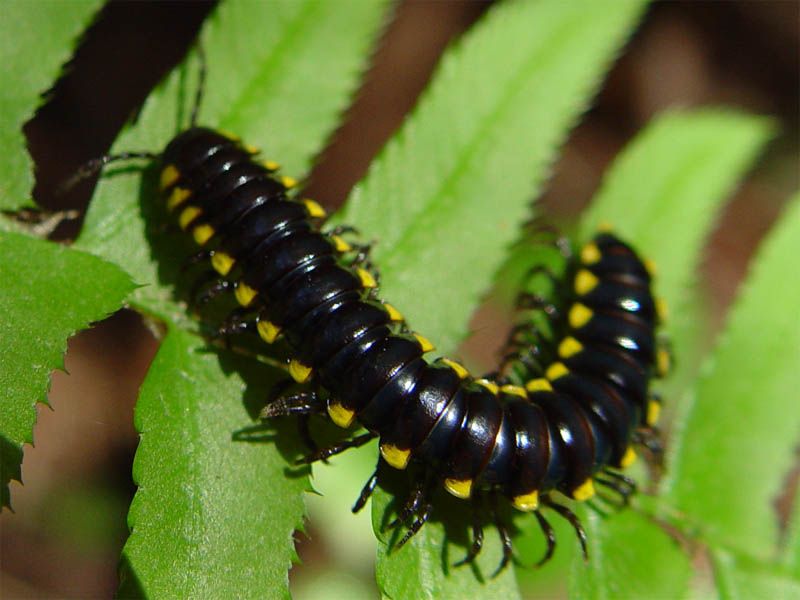
Kids love to scoop up anything with lots of legs. I get it, because I was that kid. With these millipedes, a little caution goes a long way.
The amount of cyanide one millipede releases is tiny. For people, it is not considered a serious poisoning risk. Still, the fluid can cause skin irritation, a mild burning feeling, or a brownish or yellowish stain that lingers for a day or two.
The bigger concern is your eyes. Rubbing your face after holding one can lead to stinging and redness. If that happens, rinse your eyes with clean water for several minutes and call a doctor if the discomfort hangs around.
Practical habits help a lot here:
Wear garden gloves when moving logs, stones, or thick mulch. Use a leaf or a small stick if you want to relocate a millipede. Wash hands with soap and water right after any contact, even if you feel fine.
Teaching children to look but not grab is a great rule for all woodland bugs. A quick photo lets them show off the find without the stinky fingers.
Curious Dogs Sniffing Millipedes Usually Learn Fast
Dogs explore the world nose first, and my own pup once tried to mouth a millipede on a trail walk. The reaction came quickly. A lot of drooling, some head shaking, and a very betrayed expression.
That reaction is typical. The defensive fluid tastes harsh and irritates the mouth, so most pets drop the millipede right away. Common signs include heavy drooling, pawing at the face, foaming, or a single bout of vomiting.
Serious illness from one millipede is uncommon, according to veterinary sources. The bitter taste works as its own lesson, and many dogs avoid them afterward.
Here is what you can do if it happens:
Gently rinse your pet’s mouth with water, letting it flow out the side rather than forcing it down the throat. Wipe the lips and gums with a damp cloth. Watch for eye irritation if your dog rubbed its face in the leaves.
Call your veterinarian if symptoms last more than an hour, if your pet swallowed several millipedes, or if you notice weakness or trouble breathing. Cats and small dogs deserve a quicker call because of their smaller size.
Damp Leaf Litter And Rotting Logs Are Prime Millipede Hangouts
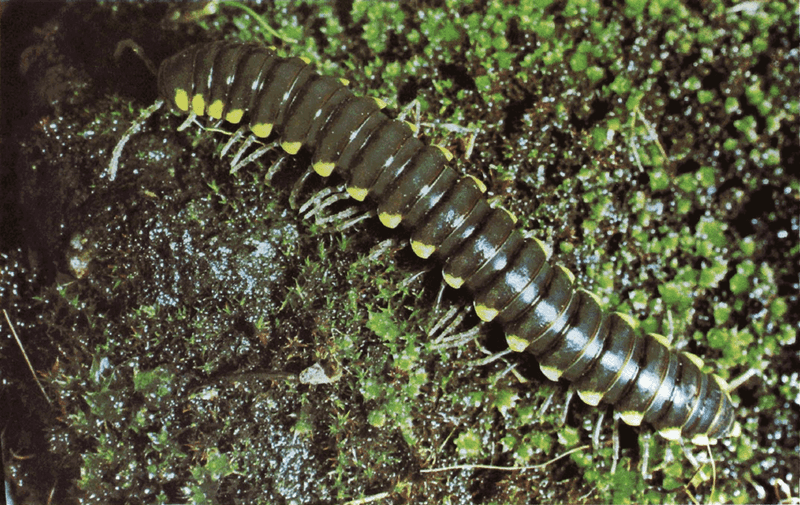
Moisture is the secret to finding these critters. Millipedes lose water easily, so they stick to cool, damp, shady places. Hardwood forests across Maryland, from the Piedmont to the western mountains, offer plenty of that.
Look under fallen oak and maple leaves, beneath rotting logs, and along the edges of shady streams. In backyards, they show up in thick mulch, leaf piles, and compost bins near tree lines.
Activity often picks up from late spring into fall, especially on humid days or right after rain. Many are active at night, so a flashlight walk on a warm evening can turn up surprising numbers. During dry spells they burrow deeper, and in winter they tuck themselves away in soil and litter.
Every so often, one wanders onto a patio or into a garage after heavy rain. Indoors, they usually dry out within a short time, since houses are too dry for them.
If you want to keep them out of your home, focus on moisture. Pull mulch a few inches back from your foundation, fix leaky gutters, and seal gaps under doors. That approach works better than sprays and keeps the woods side of your yard healthy.
Your Garden Soil Owes These Slow Leaf Recyclers A Thank You
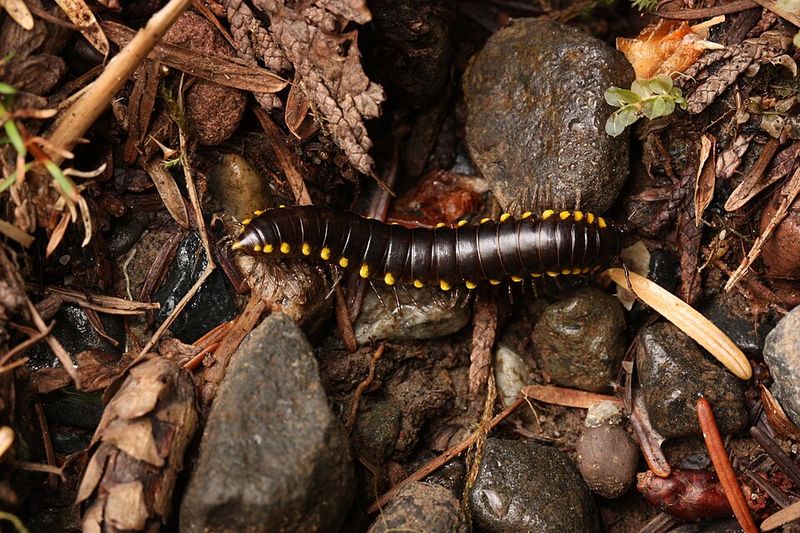
For all the fuss about cyanide, these millipedes spend their days doing quiet, useful work. They are detritivores, which means they eat fallen leaves, rotting wood, and other decaying plant matter.
As they chew through leaf litter, they break it into smaller pieces. Fungi and bacteria can then finish the job faster. The result is richer soil with more organic matter, which is exactly what gardeners spend money trying to build.
Apheloria millipedes feed mainly on decaying plant matter and rarely harm living garden plants. That makes them a welcome part of woodland borders and shade gardens.
Want to support them? Leave some leaves in place under shrubs and trees each fall. Keep a corner of the yard a little wild, with a log or two left to soften over time. Skip broad insecticide sprays that harm soil life along with pests.
I’ll say this much: once you learn that almond smell, a woodland walk feels different. You start noticing the small recyclers keeping the forest floor in balance. Give them space, keep pets curious but careful, and wash your hands after any close encounter. The millipede will happily go back to turning leaves into soil.