8 Vegetables Maryland Gardeners Can Still Sow In September
September in Maryland smells like warm mulch and cooling soil. The humidity finally loosens its grip, and mornings arrive with a hint of crispness.
Most folks assume the growing season packs up after Labor Day passes. Around here, that assumption leaves a lot of good soil sitting empty.
The truth is that Maryland’s autumn stretches long and generous, with mild afternoons well into November. Seeds dropped now often grow sweeter and cleaner than anything planted in the heat of June.
Somewhere in a shed near Frederick, a rusty seed tin is waiting for someone to remember it. Odds are good it still rattles.
1. Spinach For Sweet Autumn Harvests
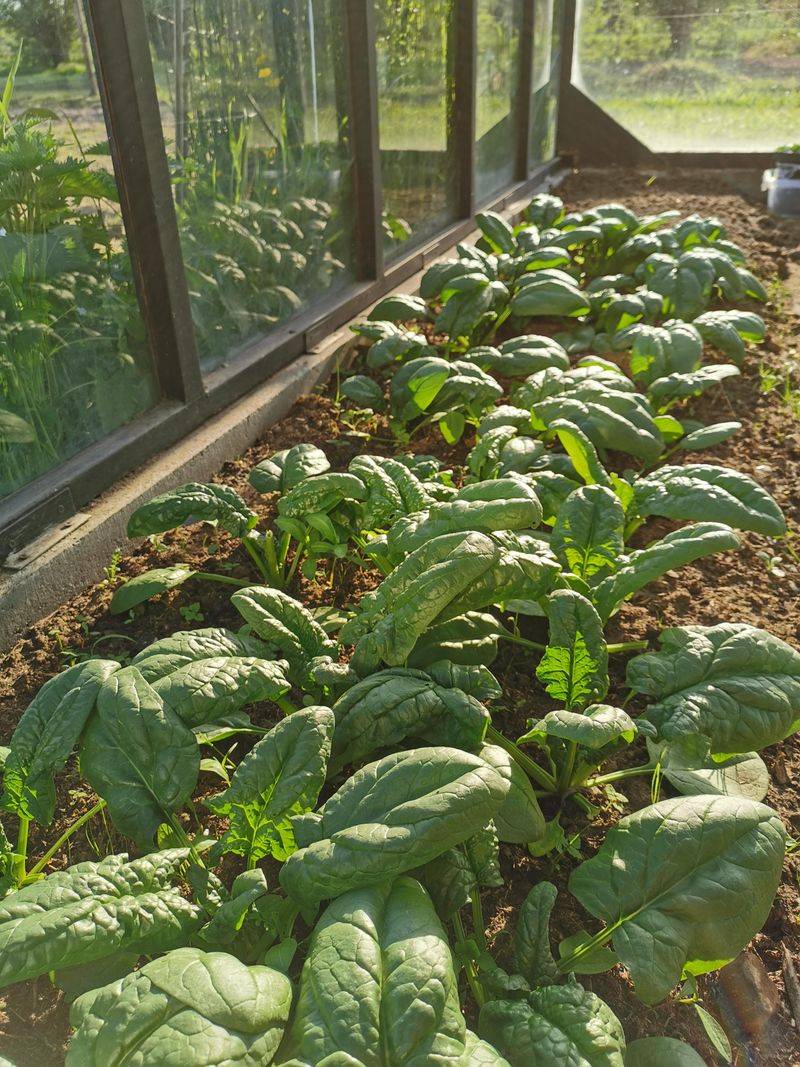
Cold weather does something remarkable to spinach. The leaves convert starches into sugars, so a September sowing tastes noticeably sweeter than spring crops.
Maryland gardeners have a wide window here, roughly early September through the first week of October. Sow seeds a half inch deep and about two inches apart in loose, well-worked soil.
Spinach seed can be stubborn when soil is still warm. If your beds are sitting above 75 degrees, chill the seed packet in the refrigerator for a week before planting.
Watering matters more than most people expect during those first ten days. Keep the surface consistently damp, because dry crusty soil blocks the sprouts from pushing through.
Choose savoy or semi-savoy varieties like Bloomsdale or Tyee for fall growing. The crinkled leaves shrug off frost better than flat-leaf types and hold up nicely under row cover.
Thin your seedlings once they reach two inches tall, spacing them four inches apart. Toss the thinnings into a sandwich rather than the compost pile.
Here is the part that surprises new gardeners. Spinach planted in late September often overwinters in Maryland, sitting dormant under a light straw blanket and then exploding with growth in March.
Harvest outer leaves as you need them and let the center keep producing. A single well-tended row can feed a family for weeks.
Food lore credits Catherine de Medici with popularizing spinach in France, which is why dishes served over a bed of it are still called Florentine today. The story may be more legend than fact, but the name has stuck for centuries.
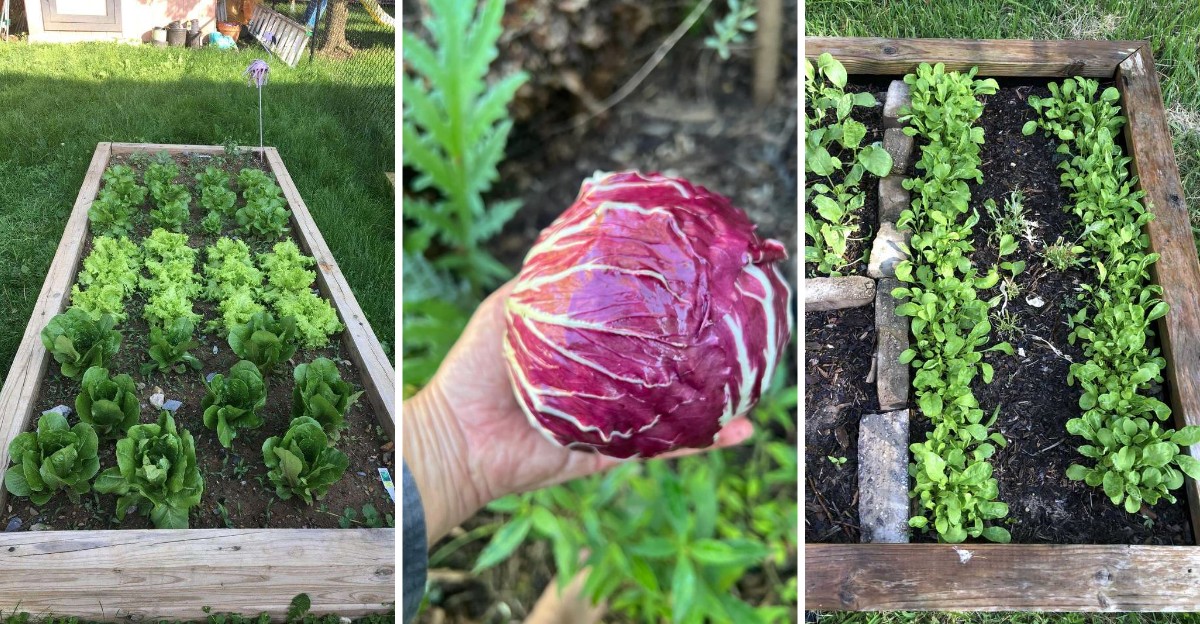
2. Lettuce For Crisp Fall Salads
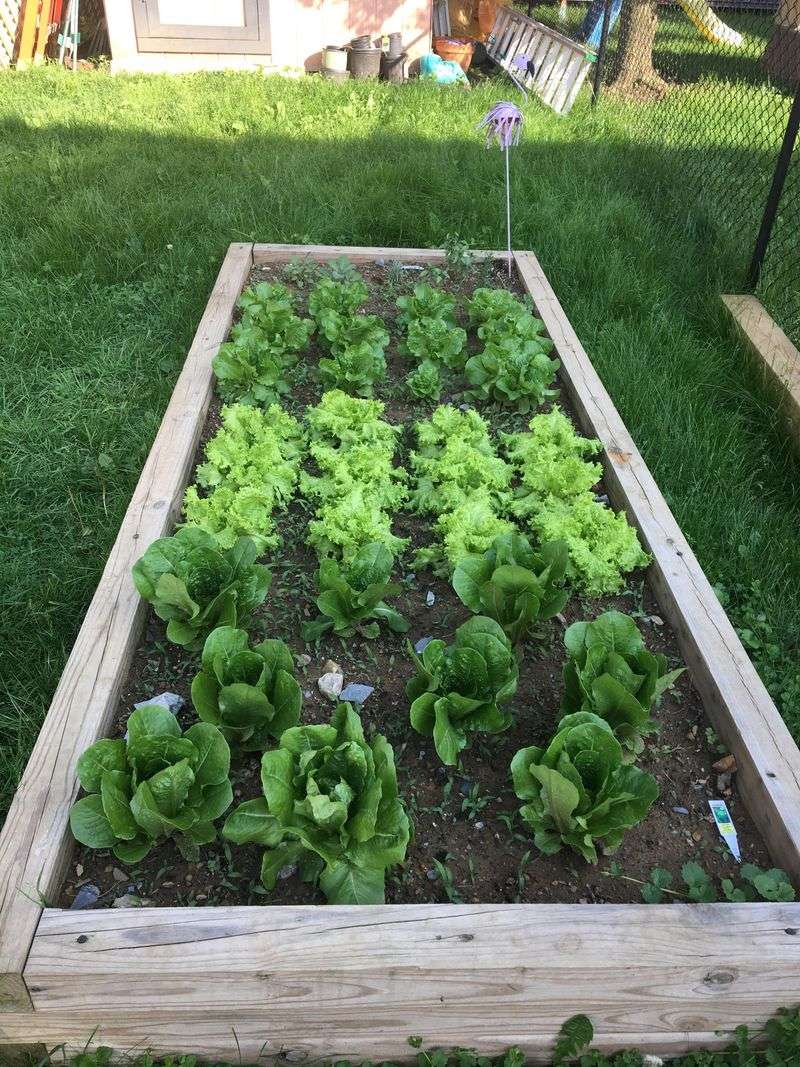
Summer lettuce turns bitter and bolts the moment it feels stressed. Autumn lettuce behaves like a different vegetable entirely, staying tender and mild for weeks.
Maryland’s Zone 6b and 7a gardens give you plenty of time. Sow lettuce seed from early September through mid-October for cutting well past Halloween.
Scatter the seed thinly and press it into the soil surface rather than burying it. Lettuce needs light to germinate, so a mere dusting of fine soil is enough.
Loose-leaf types such as Black Seeded Simpson and Red Salad Bowl mature fastest, often in 45 days. Romaine varieties like Winter Density handle frost with real toughness.
Consider sowing a short row every two weeks instead of one big planting. Staggered batches keep fresh heads coming rather than giving you forty salads at once.
Your Maryland Garden Changes Every Week. Your Plan Should Too.
Gardening in Maryland changes quickly throughout the season. Every Friday you’ll receive a simple weekly plan showing exactly what to plant, prune, fertilize, harvest, and protect so you never miss the right timing.
Slugs get bold in damp fall weather, so check under leaves in the early morning. A ring of crushed eggshells or a shallow bait trap handles them without chemicals.
Shade from taller crops helps during warm early September afternoons. Once October cools things down, move seedlings into the sunniest spot you have.
Cut-and-come-again harvesting stretches your yield considerably. Snip leaves an inch above the crown and the plant regrows two or three more times.
A floating row cover draped over hoops can push lettuce into December in Baltimore and Annapolis gardens. The plants stay unbothered by light frost, and honestly, the flavor gets better.
3. Arugula For Peppery Quick Greens
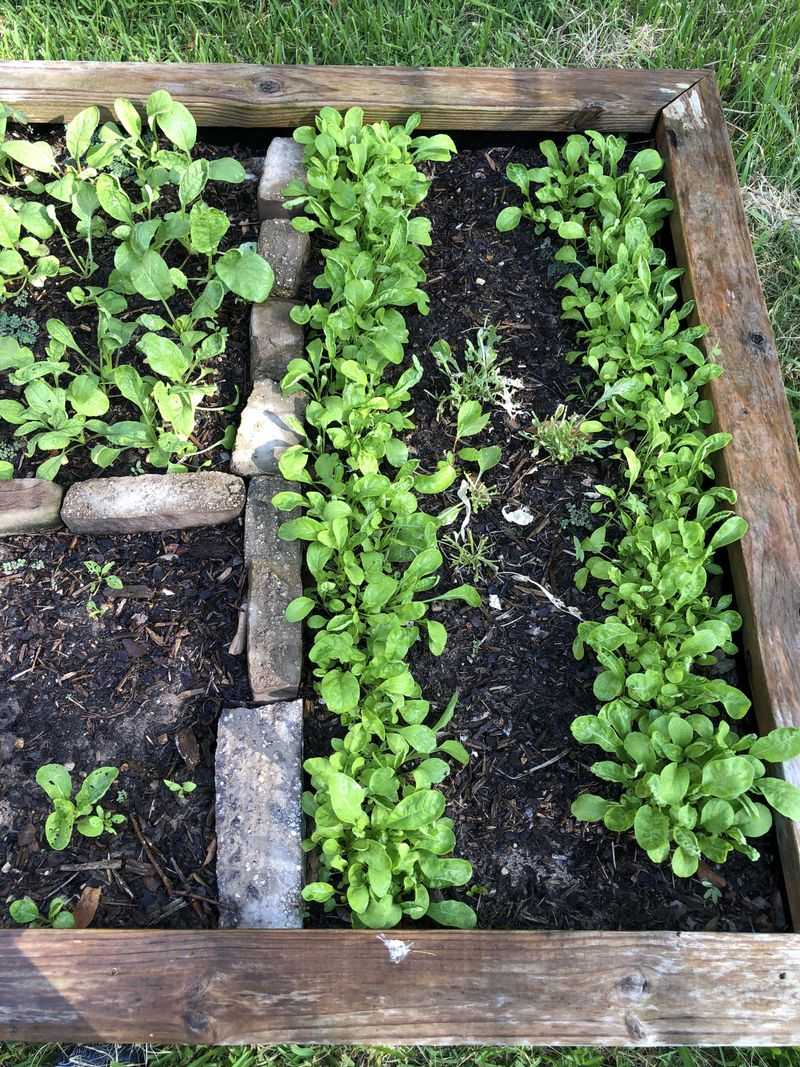
Some seeds make you wait. Arugula is not one of them, sprouting in as few as four days when conditions are right.
Speed is exactly what makes it a September star in Maryland. Sow anytime this month and you can be eating peppery leaves before the first pumpkin hits the porch.
Broadcast the tiny seeds across a prepared bed and rake them in lightly. A quarter inch of soil covering is all they ask for.
Heat makes arugula taste sharp and almost fiery. Cooler autumn temperatures mellow the bite into something nutty and pleasantly spicy.
Flea beetles love arugula and can lace young leaves with tiny holes. A layer of insect netting over the row for the first three weeks solves the problem neatly.
Wild or sylvetta arugula grows slower but delivers a more intense flavor and stronger cold tolerance. Standard salad types like Astro give you bigger leaves faster.
Baby leaves are ready at about 20 days, full size around 40. Cut the whole patch an inch above soil level and it will regrow at least twice.
Maryland gardeners often find volunteer arugula popping up next spring from plants that flowered. The blossoms are edible too, with a mild peppery note that dresses up a plate.
Try growing a wide band of it rather than a narrow row. Dense planting shades out weeds and gives you enough for pesto, pizza toppings, and daily salads.
4. Radicchio For Bold Bitter Heads
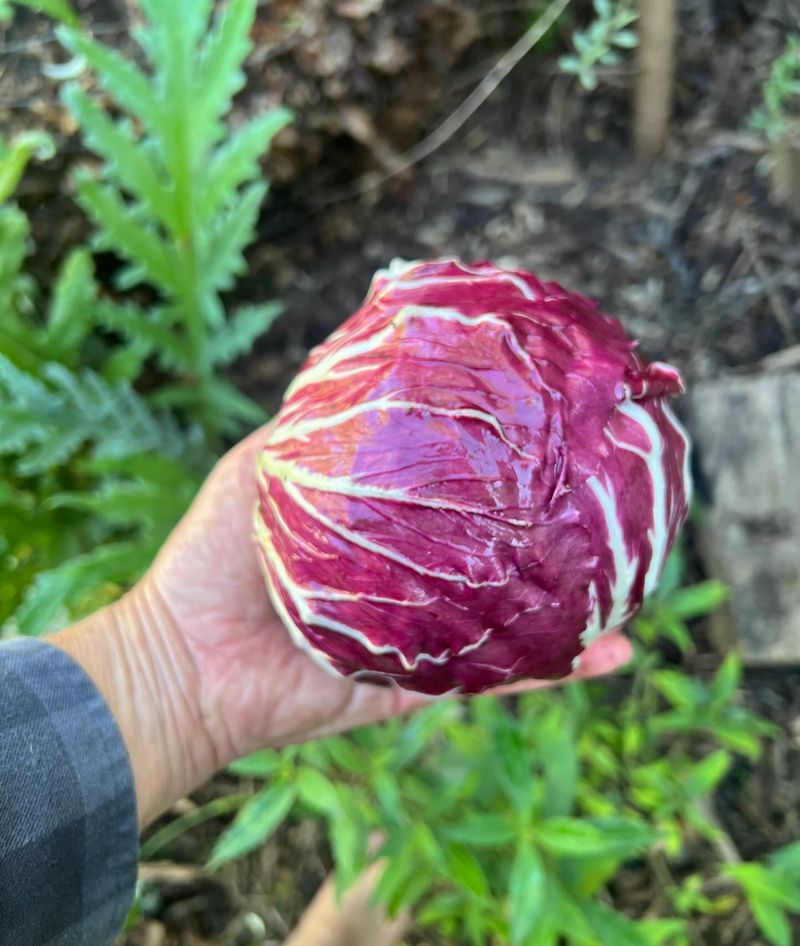
Radicchio is the sharpest member of the chicory family. Grow it in summer and the bitterness turns overwhelming, but let it ripen through cool autumn nights and the flavor turns complex and almost sweet.
Maryland gardeners should sow radicchio in the first two weeks of September. Most varieties need 60 to 80 days, which lands harvest right around Thanksgiving.
Plant seeds a quarter inch deep, spacing them eight to ten inches apart in a sunny bed. Crowding leads to loose heads that refuse to firm up properly.
Chioggia types form round crimson heads that look like they belong in a painting. Treviso grows in an upright torpedo shape that grills beautifully.
Patience is genuinely required here. The plant spends weeks looking like a floppy green nothing before the center suddenly tightens into a colored head.
A trick many growers swear by involves cutting back the loose outer leaves in mid-October. The plant then redirects energy into forming a compact heart.
Frost is your friend with this crop, deepening the red pigment and softening the bite. Harvest after a couple of light freezes for the best results.
Slice heads in half, brush with olive oil, and roast until the edges caramelize. That bitterness transforms into something rich and savory that pairs wonderfully with balsamic.
Radicchio’s roots trace back centuries in Italy’s Veneto region, where growers have refined the chicory family into the crimson heads we know now. Modern cultivation techniques there date to the 1800s, though the plant’s wild ancestors go back much further.
5. Radish For Fast Root Rewards
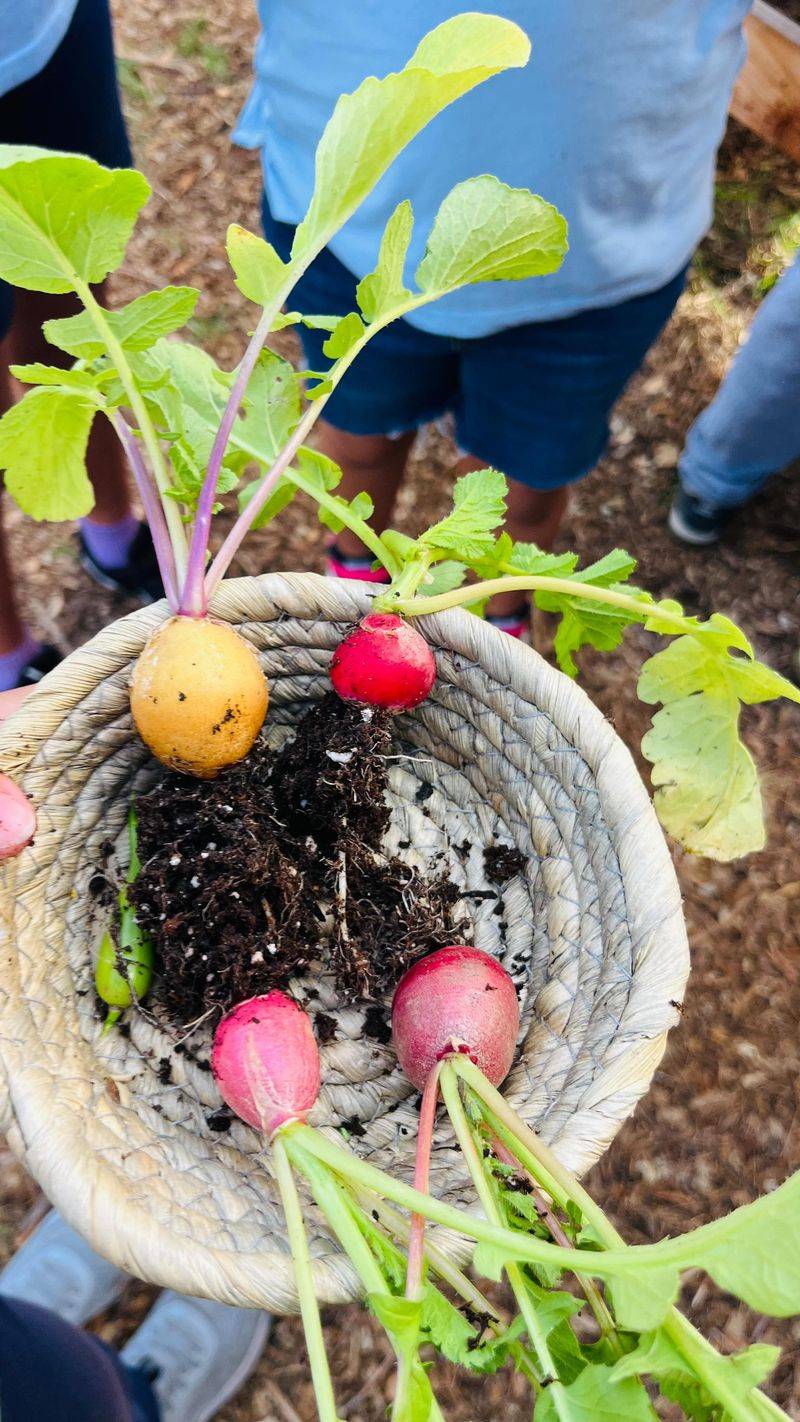
Twenty-five days. That is roughly how long a French Breakfast radish needs from seed to snack, which makes it one of the fastest payoffs in any September garden.
Maryland’s fall radish window runs from early September clear through mid-October. Cool soil produces roots that are crisp and juicy rather than woody and pungent.
Sow seeds a half inch deep and one inch apart in loose soil free of rocks. Compacted ground gives you forked, misshapen roots that still taste fine but look odd.
Thinning is the step most people skip and later regret. Pull extras so remaining plants sit two inches apart, or you will harvest a tangle of skinny greens and no bulbs.
Fall opens the door to winter radishes too. Daikon, Black Spanish, and watermelon radish need 55 to 70 days and store for months in a cool basement.
Consistent moisture keeps roots from splitting or turning sharp. An inch of water per week does the job in most Maryland Septembers.
Radish greens are edible and surprisingly good sauteed with garlic. Do not compost the tops without tasting them first.
Interplant radishes between slower crops like kale or chard. The radishes finish and get pulled before the bigger plants need the space.
Harvest promptly once roots reach full size. Leaving them in the ground an extra two weeks turns that pleasant crunch into something spongy and overly hot.
6. Swiss Chard For Colorful Staying Power
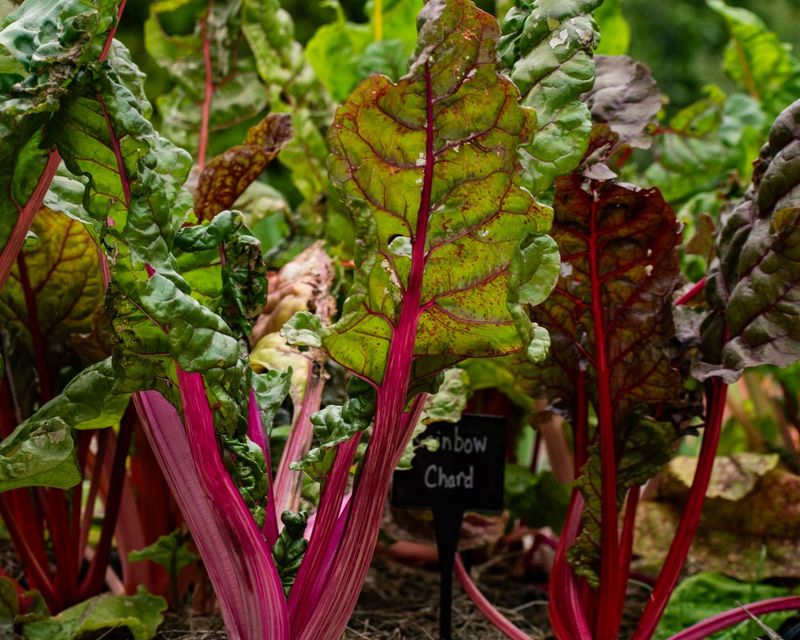
Few vegetables bring more color to a fall bed than chard. Those neon pink, gold, and scarlet stems look almost artificial against dark autumn soil.
Chard is a beet relative bred for leaves instead of roots. That heritage gives it a deep taproot and real toughness in shifting weather.
Sow seeds in early to mid September, about a half inch deep and four inches apart. Soaking the seed overnight speeds up germination noticeably.
Each chard seed is actually a cluster, so several sprouts often emerge from one spot. Snip the weakest ones with scissors rather than yanking and disturbing the roots.
Rainbow blends like Bright Lights bring the color, while Fordhook Giant delivers the biggest leaves for cooking. Both handle Maryland’s autumn swings without complaint.
Harvest outer stalks by cutting them at the base and the crown keeps pushing new growth. One planting can supply greens from October into January under cover.
Chard tolerates frost down into the mid twenties, and mulch around the crown extends that further. Some Eastern Shore gardeners report plants coming back the following spring.
Young leaves work raw in salads, while mature ones want a hot pan. Slice stems separately and cook them a few minutes longer since they need extra time.
Container growers do well with chard too. A five gallon pot on a sunny Baltimore deck can produce steadily for months with regular feeding.
7. Kale For Frost Sweetened Leaves
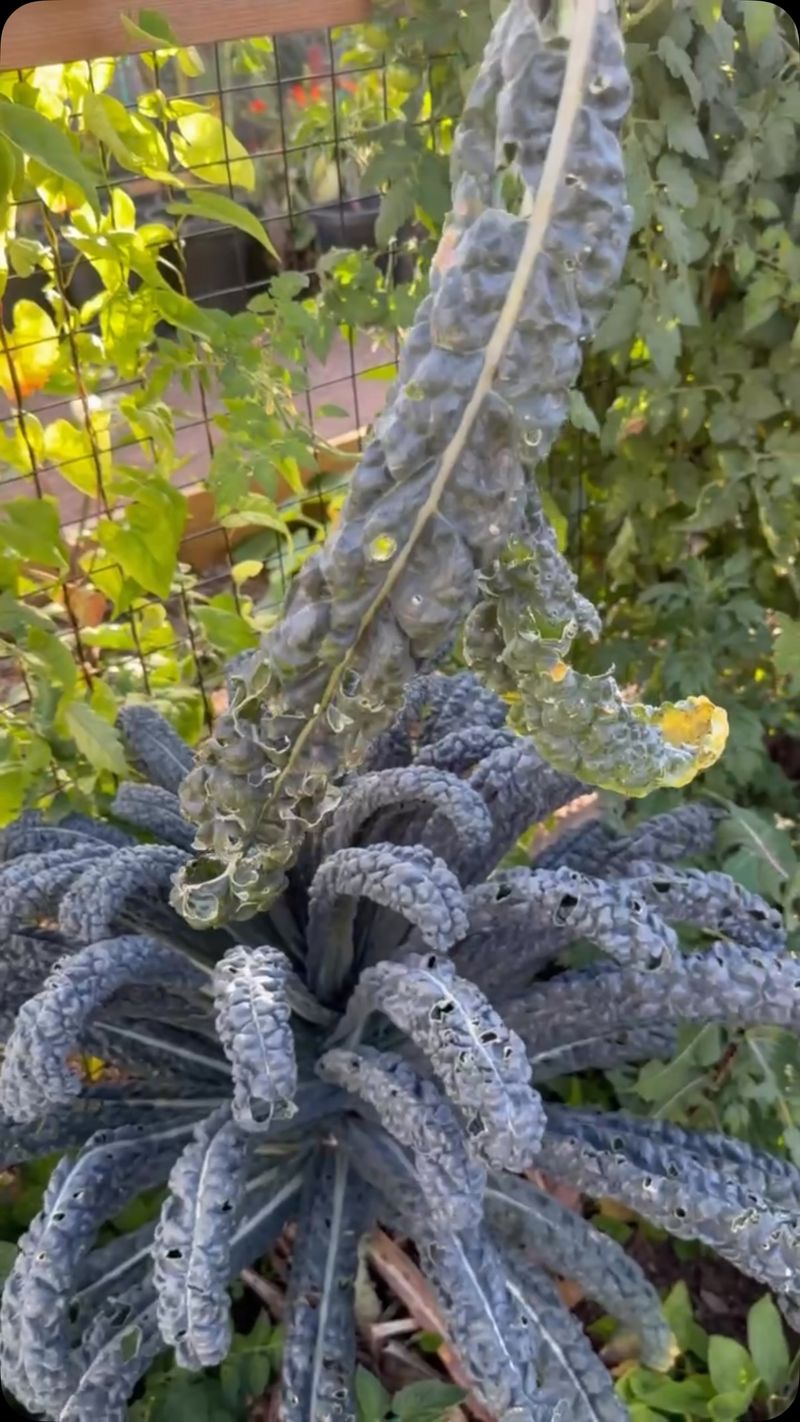
Kale is one of the crops Maryland gardeners rely on most through winter. The plant genuinely improves after temperatures drop below freezing.
September sowing works best in the first three weeks of the month. Seeds go a half inch deep, and final spacing should be twelve to eighteen inches between plants.
Direct sowing works fine, though transplants started in trays give you a head start. Either way, water deeply during the first two weeks of establishment.
Lacinato kale, sometimes called dinosaur kale, has bumpy blue-green leaves and a mellow flavor. Red Russian offers frilly purple-veined leaves that turn tender after frost.
Cabbage worms remain active in early fall and can chew leaves into lace. Lightweight row cover installed at planting time blocks the moths from laying eggs.
Harvest from the bottom up, taking the lowest mature leaves and leaving the growing tip alone. Plants develop a palm-tree look and keep producing for months.
Those sugars that build up in cold weather are the plant protecting its own cells. Gardeners just happen to benefit from the sweeter taste.
Kale sitting under snow in a Frederick County garden often stays perfectly usable. Brush the snow aside, cut what you need, and walk back inside.
Massage raw leaves with a little oil and salt to soften them for salad. For cooking, a quick saute with lemon beats long boiling.
8. Mizuna For Feathery Asian Greens
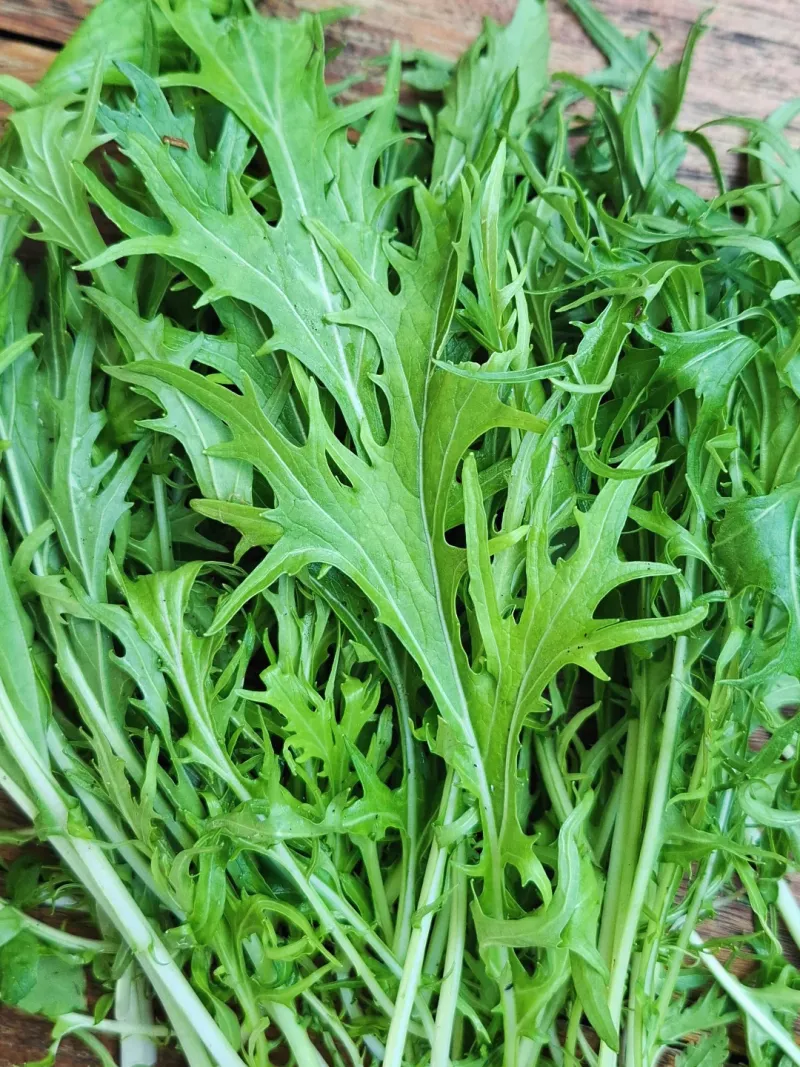
Mizuna does not get nearly the attention it deserves. The feathery, deeply notched leaves look like something from a fern collection and carry a mild mustard tang.
Japanese growers have cultivated it for centuries, and the name roughly translates to water greens. It grows fast, handles cold well, and asks for very little.
Sow mizuna throughout September, scattering seed a quarter inch deep in rows or wide bands. Thin to six inches apart if you want full rosettes.
Baby leaves are ready in about 21 days for salad mixes. Full-size plants take around 40 days and form generous clumps a foot across.
Flavor sits somewhere between arugula and young mustard, peppery but not aggressive. Cool Maryland nights keep that balance right where you want it.
Cut-and-come-again harvesting suits mizuna beautifully. Shear the whole plant to two inches and it regrows three or four times before slowing down.
Frost tolerance runs surprisingly deep for such a delicate-looking green. Plants shrug off temperatures in the mid twenties, and a cold frame carries them into February.
Toss raw leaves into salads, wilt them into soups, or stir-fry with sesame oil. The stems stay crunchy even after brief cooking, which adds nice texture.
Try a purple variety like Ruby Streaks for visual contrast next to green lettuce. Farmers market growers in Maryland use it constantly in salad blends, and home gardeners can copy that trick easily.