The Alabama Salamander Found Nowhere Else On Earth Is Active Right Now
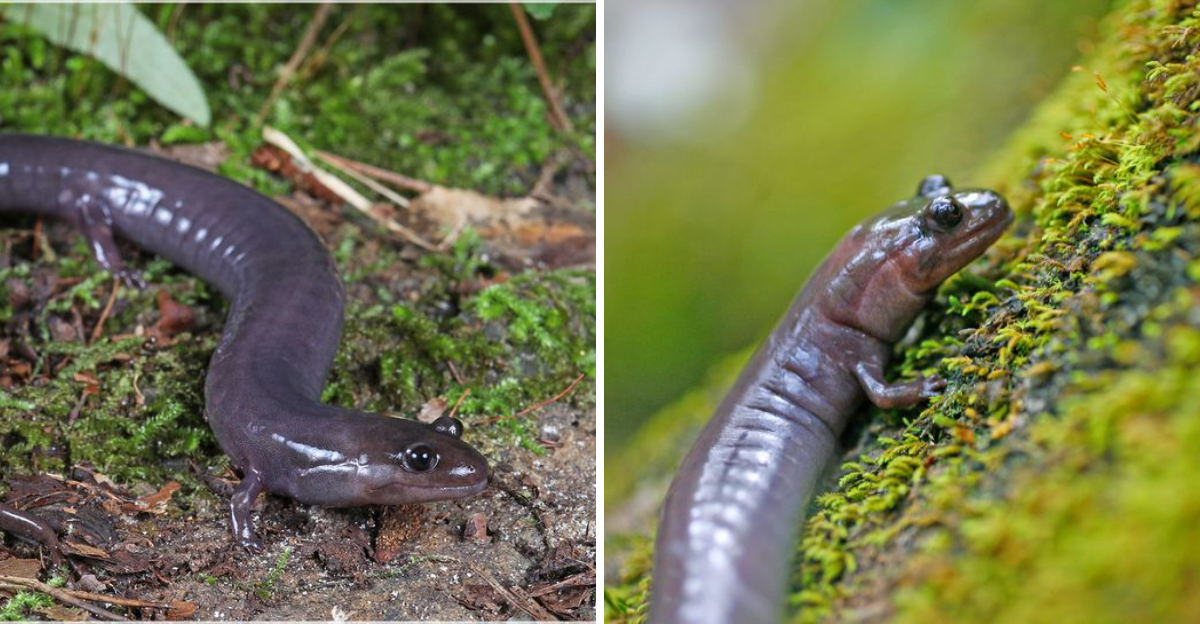
Picture a creature with one address on the entire planet. That address is a quiet stretch of forest in Alabama. This salamander does not wander or relocate.
It lives where its ancestors lived, and nowhere else on Earth. This animal breathes through its skin like a living sponge. That trick keeps it alive, but only in damp, shaded soil.
Alabama’s hill country is its entire universe. Step outside that narrow strip, and the species is not known to occur. Exact population numbers remain difficult to confirm, since the species is rarely seen.
Its body can stretch close to ten inches long, making it one of the largest lungless salamanders alive. Most people have never even heard its name. That is about to change for you.
Conservationists watch this species like a barometer for the forest itself. Its fate says a lot about the health of Alabama’s wild spaces. Understanding this animal means understanding what is quietly at stake.
When Wet Weather Brings It Out
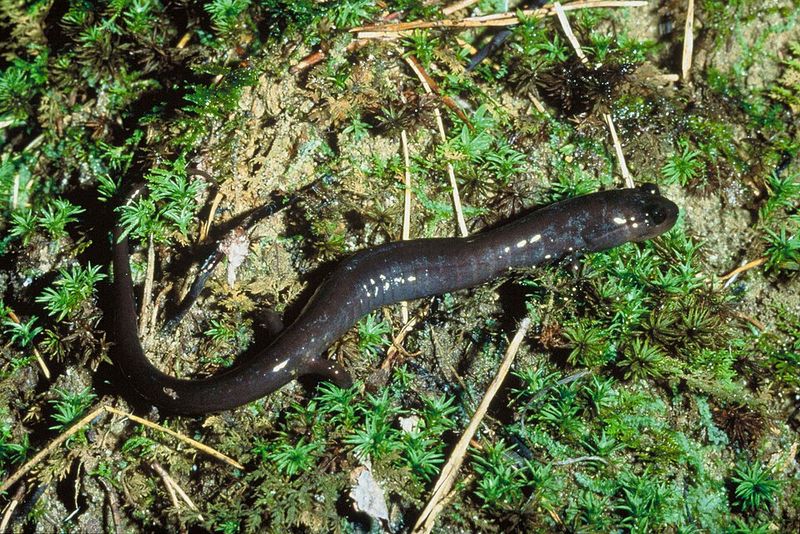
Rain changes everything for this secretive animal. Cool, wet nights pull it straight out of hiding, since moisture keeps its skin from drying out. Without that dampness, it cannot breathe properly at all.
Late fall through spring counts as its busiest stretch of the year. Warmer, drier months send it retreating underground again. Hikers exploring southern Alabama should watch their footing near steep ravines.
Thick leaf litter often hides burrow entrances close to the trail. Spotting one feels like winning a strange, quiet lottery. Sightings stay rare, and that scarcity only adds to the thrill.
Quiet observation protects this animal far better than touching or digging near its home. Moving logs or disturbing burrows can cause real, lasting harm. Every rainy night could reveal something extraordinary if you look closely.
Dry spells push the species deeper underground for safety. Patience becomes the only real strategy for anyone hoping to spot one. Humidity rising after sunset practically guarantees more activity nearby.
Local guides recommend flashlights and slow, careful steps after dark. Puddles forming along trails often signal ideal conditions for movement.
Nobody controls the rain, but everyone can protect the surrounding forest. That choice will decide whether this rhythm continues for future generations.
A Big Salamander With Forest Colors
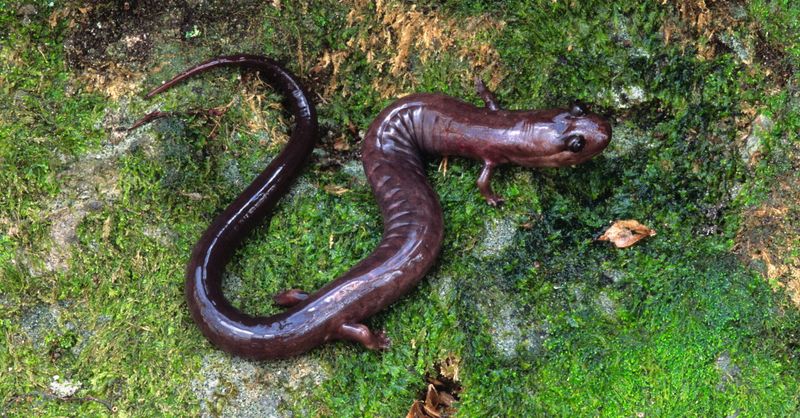
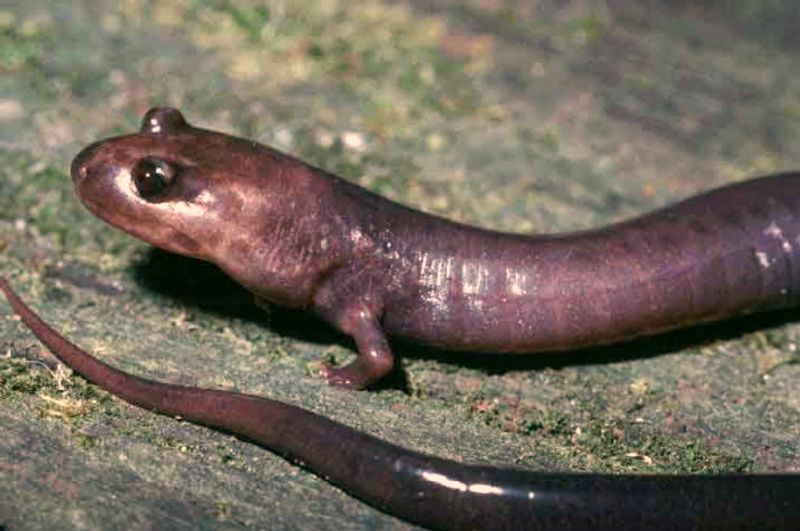
A long, sturdy body sets this creature apart from other amphibians. It looks built for tunnels, not open ground. Adults commonly reach eight to ten inches in length.
That size makes it one of the largest lungless salamanders alive today. Its back carries shades of brown, rust, and deep red. Those colors blend seamlessly into damp soil and fallen leaves.
Camouflage like that turns a fairly large animal nearly invisible. Even trained biologists can walk right past one without noticing. Kids exploring the woods should stay alert near clay banks.
A hidden salamander might rest just inches from their feet. Its skin stays smooth, slick, and constantly moist to the touch. That texture helps it absorb oxygen directly from the surrounding air.
Your Alabama Garden Changes Every Week. Your Plan Should Too.
Gardening in Alabama changes quickly throughout the season. Every Friday you’ll receive a simple weekly plan showing exactly what to plant, prune, fertilize, harvest, and protect so you never miss the right timing.
Unlike many amphibians, this species skips a larval stage entirely. Young salamanders hatch from eggs already resembling miniature adults. Its tail alone can measure nearly half its total body length.
Few people ever get close enough to notice these small details. Every marking on its skin tells a story about its home range. Researchers sometimes use these patterns to track individual animals over time.
Size and color combine to create a nearly perfect natural disguise. That disguise is exactly what has kept the species alive this long.
Hidden Homes In Steep Ravines
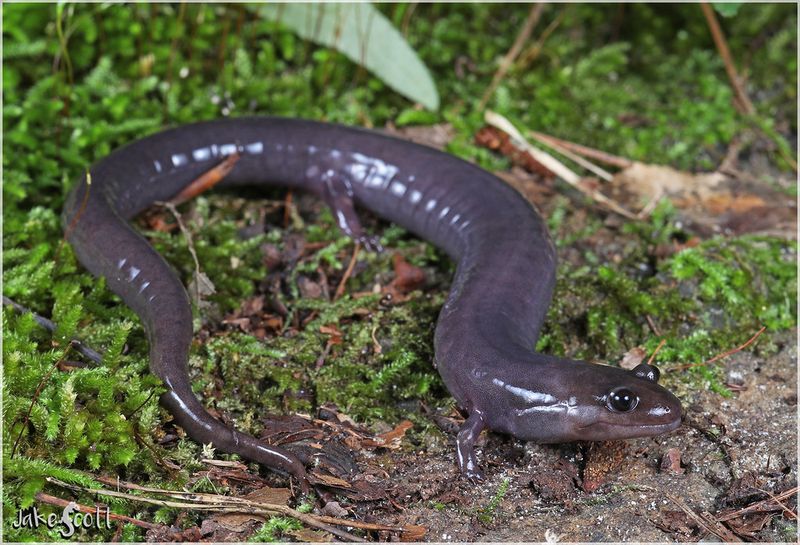
Burrows serve as both bedroom and dining room for this animal. Tunnels dug into clay banks provide constant shelter and safety. Streamless ravines with firm, damp soil make ideal building sites.
Loose or overly wet ground simply will not hold a burrow. From inside these tunnels, the salamander waits patiently for prey to pass. Insects, spiders, and worms wandering too close become quick meals.
A single burrow can serve one animal for several years. That kind of stability makes each tunnel incredibly valuable to protect. Hikers who spot holes in a clay bank should leave them alone.
Disturbing a burrow can destroy shelter built over many seasons. Construction projects near ravines pose a serious, often overlooked threat to habitat. Bulldozed slopes can collapse tunnels instantly, with no warning at all.
Even regular foot traffic near fragile banks can cause slow damage. Compacted soil makes future burrowing far more difficult for the species. Researchers map these ravines to understand where populations still survive.
Every mapped burrow adds a small piece to a much bigger picture. Local landowners often hold more influence here than any government agency. Simple choices about clearing land can protect entire hidden colonies.
Respecting these hillsides costs nothing, yet it protects something irreplaceable. Underground and out of sight, long-term protection for this habitat is still uncertain.
Moist Skin Means Careful Timing
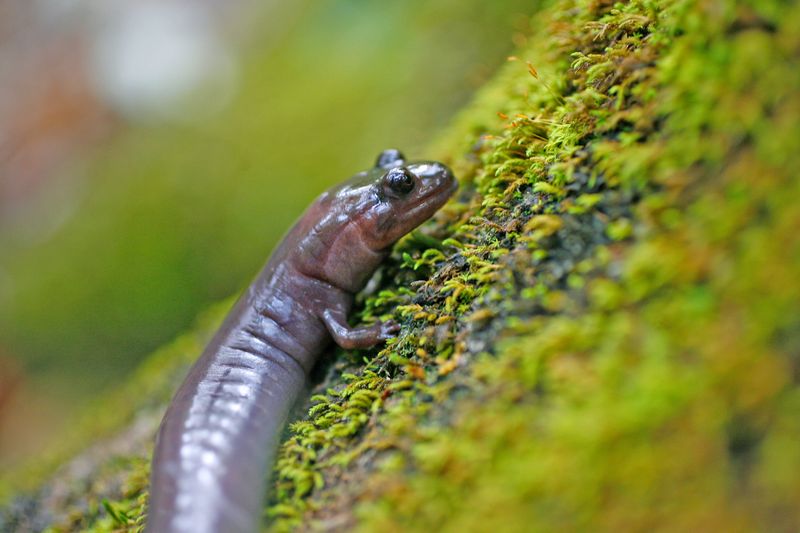
Some animals draw attention through bold color or loud sound. This one survives by staying hidden and nearly silent instead. Because it breathes through its skin, dry air becomes genuinely dangerous.
Sunny, exposed ground offers no real safety for this species. Hot afternoons push it far underground, away from direct heat. Even brief exposure to dry soil can cause serious physical stress.
Rainy seasons matter more than most casual observers realize. Consistent moisture keeps burrows livable and prey populations active nearby. Shaded streamside areas act like natural cooling systems for the salamander.
Removing that shade can quietly push local populations toward decline. Timing its activity around weather is not optional for this animal. It is a survival strategy refined over countless generations of adaptation.
Land managers who protect tree cover directly protect this species. Every preserved canopy buys the salamander more livable habitat over time. Climate shifts toward hotter, drier seasons pose a genuine long-term threat.
Even small temperature increases can shrink usable habitat significantly. Conservationists now track rainfall patterns almost as closely as sightings themselves. Data from wetter years often shows noticeably healthier local populations.
Protecting shade and moisture ultimately protects an entire hidden ecosystem. Get the timing wrong, and this species loses viable habitat.
Found Only In One Corner Of Earth
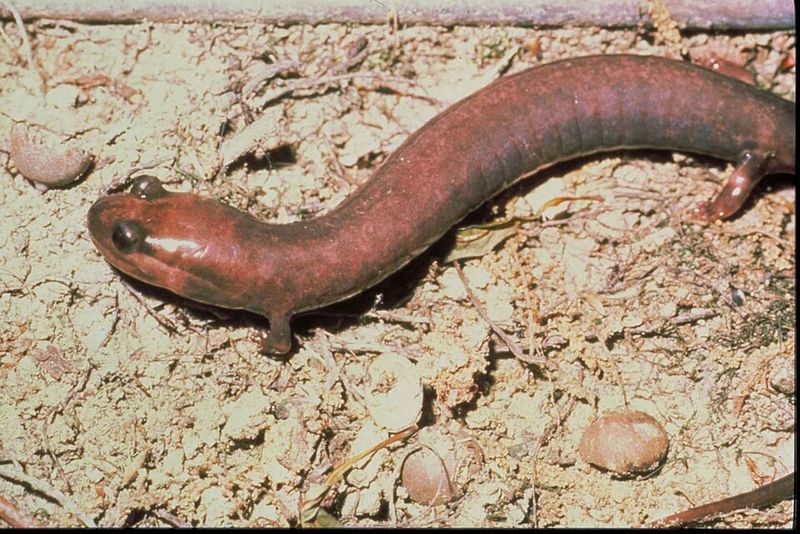
Few animals can claim an address this exclusive anywhere on Earth. The Red Hills salamander lives only within southern Alabama’s Red Hills region. No wild population exists anywhere else on the planet.
That single fact makes local habitat protection critically important today. Scientists first described the species in 1961, right in this region.
The species has been federally listed as threatened since 1976, which affects how its habitat is regulated. That legal status gives it protections that many local wildlife lack. Since then, its range has never expanded beyond those original hills.
Isolation like this creates both scientific wonder and serious vulnerability. One bad decision on a single hillside could affect the entire species. That rare status gives the state a shared, unusual responsibility to bear.
Few places on Earth carry this much weight for one animal. Learning about a homegrown species often changes how people view the land. Suddenly, erosion and clear-cutting feel personal rather than abstract.
Local pride can become a surprisingly powerful conservation tool over time. Communities that protect this salamander end up protecting their own identity. Tourists rarely travel specifically to see this secretive, underground creature.
Still, its existence adds quiet distinction to the surrounding landscape. State wildlife officials monitor known colonies as closely as funding allows. Limited resources make consistent, long-term monitoring a constant challenge.
Every newly discovered colony feels like a small but real conservation win. One region, one species, and no other wild population exists elsewhere.
The Threats This Salamander Faces
Trouble rarely announces itself before it actually arrives. Quiet changes to land often cause the most lasting damage. Logging strips away the shade this species depends on completely.
Exposed soil dries quickly, making burrows unstable or entirely unusable. Road construction fragments habitat into smaller, disconnected patches over time. Isolated populations face higher risks from disease and inbreeding as a result.
Erosion following heavy clearing can cave in entire ravine systems at once. Once caved in, those tunnels rarely get rebuilt naturally. Even small changes create outsized stress in such a narrow range.
A species confined to one region simply has no room for error. Development pressure near the Red Hills continues to grow steadily each year. Housing, agriculture, and industry all compete for the same limited land.
Helpful choices, though, can still add up meaningfully over time. Supporting conservation groups gives biologists resources for active, ongoing monitoring. Respecting private property lines protects habitat that most outsiders never see.
Backing responsible forestry practices keeps canopy cover intact for longer periods. Local governments increasingly consider habitat impact before approving new projects. Local input has increasingly shaped how nearby land is managed.
Every protected acre buys this salamander more time to persist. Continued habitat loss narrows the window for effective conservation.
How Curious People Can Help
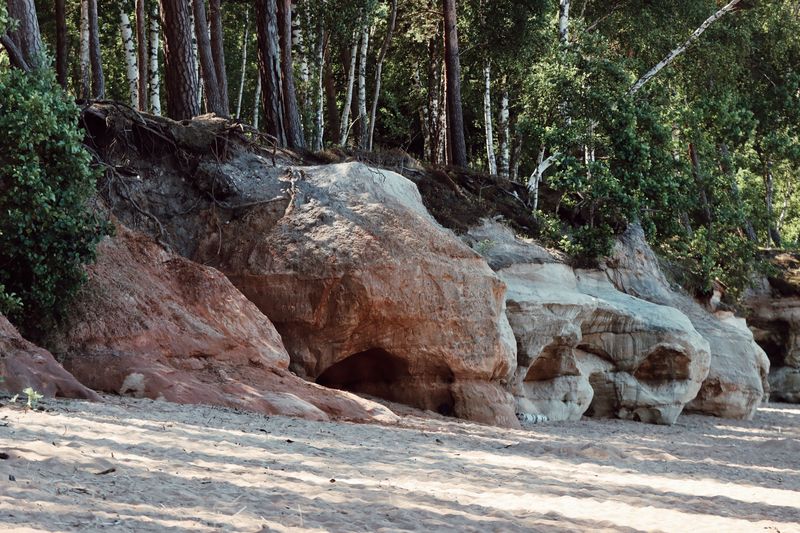
Curiosity can start with nothing more than a muddy trail. A flashlight and a rainy evening are often all it takes. Most visitors will never actually see a Red Hills salamander in person.
Even so, learning its story creates a real connection to the land. Nature centers across the region offer accessible, family-friendly programs. State wildlife agencies also publish updated habitat and safety guidance online.
Trusted conservation groups can point curious families toward responsible viewing spots. Joining a guided walk beats wandering blindly through fragile terrain alone. Reporting sightings, even blurry ones, genuinely helps ongoing research efforts.
Sightings reported by hikers and residents have helped researchers refine known population maps. Simple habits make an outsized difference for a species this fragile. Staying on marked trails avoids unnecessary soil compaction near burrows.
Leaving logs, rocks, and clay banks undisturbed protects hidden shelters. Small choices like these cost visitors almost nothing at all. Teaching kids to observe without touching builds lifelong conservation habits.
Respect learned early tends to stick for decades afterward. Sharing accurate information helps counter outdated myths about the species. Misinformation still leads some people to fear or harm salamanders needlessly.
Curiosity, paired with restraint, protects far more than enthusiasm alone ever could. The Red Hills salamander’s future now depends on exactly that kind of care.