These Are The Pennsylvania Native Shrubs To Replace Hostas Along Shaded Driveways
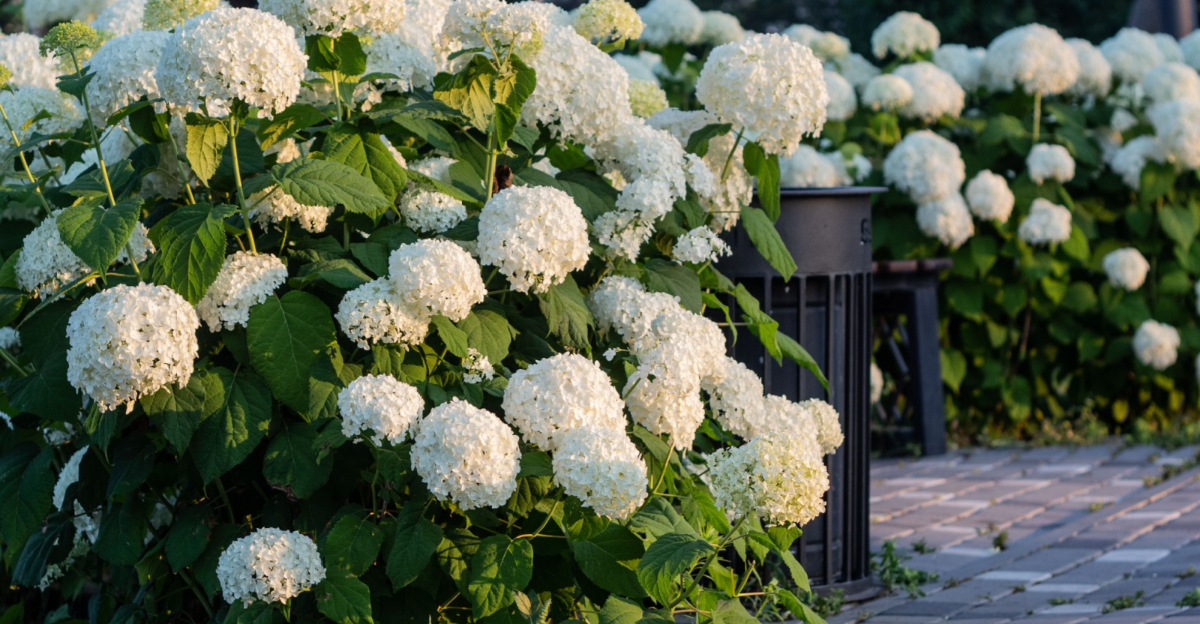
Hostas are great. Nobody is here to argue that.
They are easy, they are reliable, and they make a shaded driveway bed look neat and intentional with very little effort.
The catch is that around November they completely disappear, and suddenly that tidy border is just a long strip of mulch staring back at you for the next four months.
Not exactly the curb appeal moment anyone was hoping for.
Pennsylvania gardeners with shaded driveways are starting to realize that native shrubs can do everything hostas do and then some, including holding their structure through winter, offering seasonal flowers, and pulling in wildlife that a hosta simply never will.
Shaded driveways come with their own set of challenges too, dry spells near tree roots, salt runoff, and moisture swings, but Pennsylvania native shrubs evolved here and tend to take it all in stride.
1. Mapleleaf Viburnum Brings Gentle Beauty To Shade
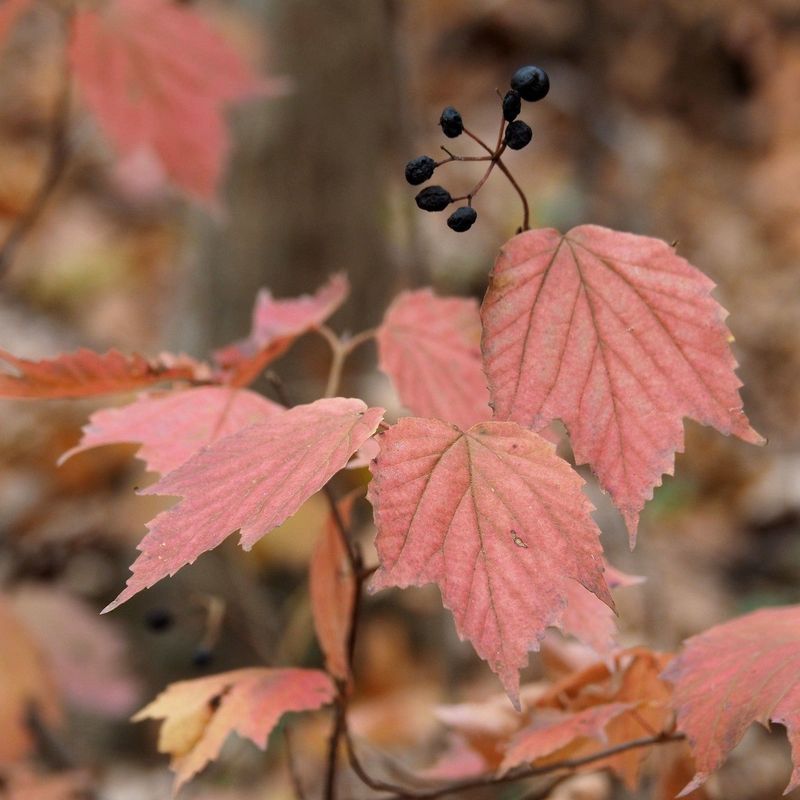
Along shaded Pennsylvania driveways where the light filters through a canopy of oaks or maples, mapleleaf viburnum tends to look like it belongs there naturally. That is because it does.
This native shrub grows throughout Pennsylvania woodlands and forest understories, making it one of the most ecologically fitting choices for a shaded driveway bed.
Its leaves are broad and maple-shaped, giving it a bold, leafy texture that reads well from a car window or a front walk.
In spring, mapleleaf viburnum produces flat-topped clusters of small white flowers that attract pollinators. By late summer, those flowers give way to clusters of berries that shift from pink to deep blue-black, drawing in birds before winter arrives.
Fall color is one of its best features, with leaves turning shades of pink, rose, and burgundy that can look striking against a shaded driveway edge.
Mature plants typically reach somewhere between three and six feet tall, though size can vary depending on available light and soil moisture. It tends to spread slowly into loose colonies, which can fill in a driveway bed over time without becoming aggressive.
Pennsylvania gardeners with acidic, well-drained to moderately moist soil will likely find this shrub easy to work with. It does not demand full sun, tolerates dry shade reasonably well once established, and rarely needs heavy pruning.
For homeowners who want a shrub that looks natural rather than formal along a shaded Pennsylvania driveway, mapleleaf viburnum is a strong candidate worth considering.
2. Spicebush Adds Color And Native Charm
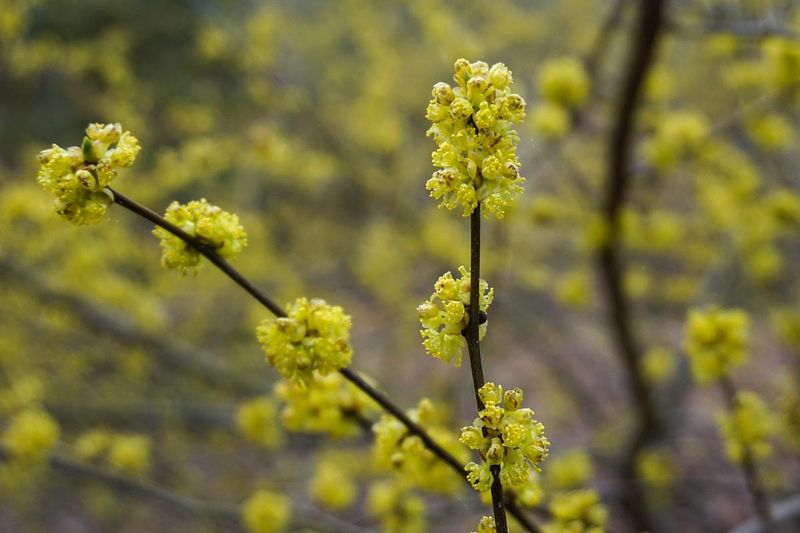
Few native shrubs in Pennsylvania offer the early-season reward that spicebush does. Before most trees have even started to bud out, spicebush erupts in tiny clusters of soft yellow flowers along bare stems in late winter or very early spring.
Along a shaded driveway, that early bloom is a welcome sign that the growing season is waking up, and it happens when almost nothing else in the yard is showing color.
Spicebush is a native understory shrub that grows naturally in moist woodland settings across Pennsylvania, often along stream banks and in low-lying forest areas.
It can handle moderate to deep shade, though it tends to flower and fruit more generously with some dappled light.
Your Pennsylvania Garden Changes Every Week. Your Plan Should Too.
Gardening in Pennsylvania changes quickly throughout the season. Every Friday you’ll receive a simple weekly plan showing exactly what to plant, prune, fertilize, harvest, and protect so you never miss the right timing.
The aromatic leaves and stems are part of what makes this shrub distinctive. Crush a leaf and the spicy, citrusy scent is immediately noticeable, which is something no hosta can offer.
Female plants produce small, oval berries that ripen to a vivid red by late summer and fall. Those berries are an important food source for migrating birds, including wood thrush and veery, which gives spicebush real wildlife value in a Pennsylvania yard.
Fall foliage turns a clean, warm yellow that brightens shaded driveway beds before leaves drop. Mature plants can reach six to twelve feet, so spicebush works best where there is enough vertical space.
In moist, acidic soil with good organic matter, it tends to establish well and fill in a shaded driveway planting with genuine seasonal personality.
3. Hobblebush Brings Woodland Beauty To The Front Yard
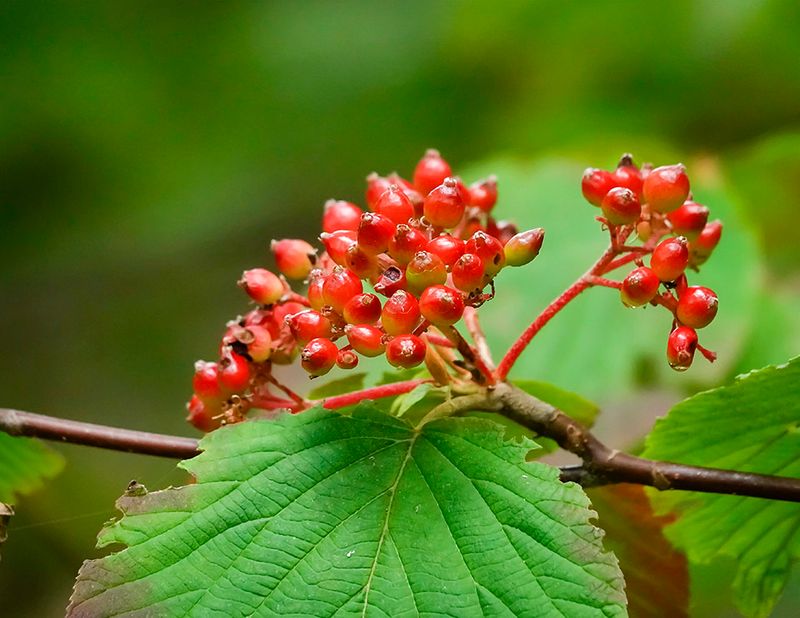
Walking through a Pennsylvania forest in spring and spotting hobblebush in bloom is one of those quiet, memorable moments.
The large, flat flower clusters are made up of showy outer florets surrounding tiny inner flowers, giving it a lacecap hydrangea look that feels both wild and refined at the same time.
Bringing that same shrub to a shaded driveway edge is a way to carry some of that woodland beauty into a front-yard setting.
Hobblebush is a native viburnum that naturally grows in cool, moist, shaded forest understories across Pennsylvania, particularly in higher elevations and the northern part of the state.
It tends to prefer deep, rich, acidic soil with consistent moisture and does best in sites with significant overhead shade.
Near a shaded driveway where tree roots and leaf litter keep the soil organic and cool, hobblebush can settle in and grow gracefully over time.
The leaves are large and rounded, sometimes reaching several inches across, which gives the shrub a lush, tropical-looking quality despite being fully cold-hardy in Pennsylvania. Red and purple fall color adds another layer of seasonal interest before the leaves drop.
Berries ripen from red to dark purple-black and attract birds through late summer and fall. Hobblebush typically grows four to ten feet tall and tends to spread by layering, where lower branches root where they touch the ground.
It is not the tidiest shrub for a formal driveway planting, but for a naturalistic, woodland-style Pennsylvania landscape, it offers something genuinely special.
4. Mountain Laurel Adds Evergreen Structure
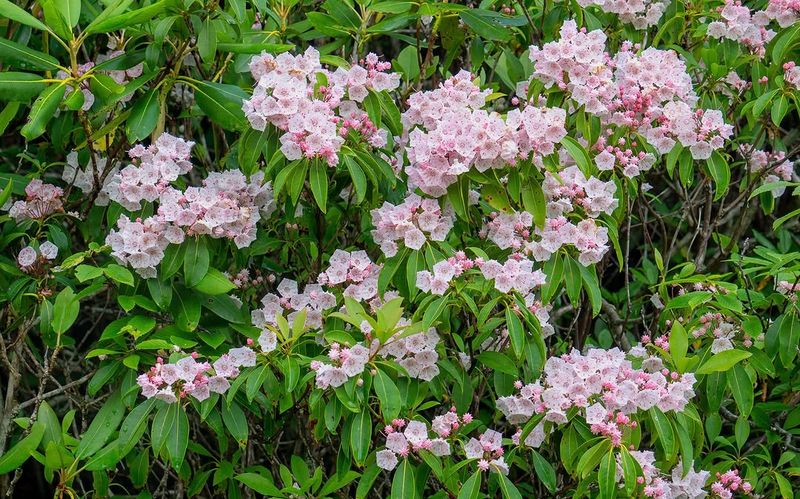
One of the biggest drawbacks of replacing hostas with any herbaceous plant is the same problem you started with: bare ground in winter. Mountain laurel solves that immediately.
As Pennsylvania’s state flower and a broadleaf evergreen native, it holds its glossy, dark green leaves through every season, giving a shaded driveway bed consistent structure even in January or February when the rest of the yard looks empty.
Mountain laurel grows naturally on rocky, acidic slopes and in forest understories across much of Pennsylvania. It tends to thrive in well-drained, acidic soil with moderate to deep shade, though it blooms most freely with some dappled light.
The flowers are one of the most intricate of any native shrub, with buds that look like tiny, ribbed lanterns before they open into clusters of white to deep pink blooms in late spring. The floral display along a shaded driveway can be genuinely impressive.
Mature plants can vary quite a bit in size, ranging from compact selections around three feet to older specimens that reach ten feet or more in favorable conditions.
In Pennsylvania residential landscapes, mountain laurel tends to grow slowly and steadily, taking several years to become a substantial presence.
Pruning is rarely needed unless plants get leggy over time. Soil acidity is important here.
Mountain laurel in neutral or alkaline soil will struggle, so testing your driveway bed before planting is a practical step.
For homeowners who want year-round evergreen presence along a shaded Pennsylvania driveway, mountain laurel is a reliable and beautiful native option.
5. Rosebay Rhododendron Brings Bold Shade Garden Presence
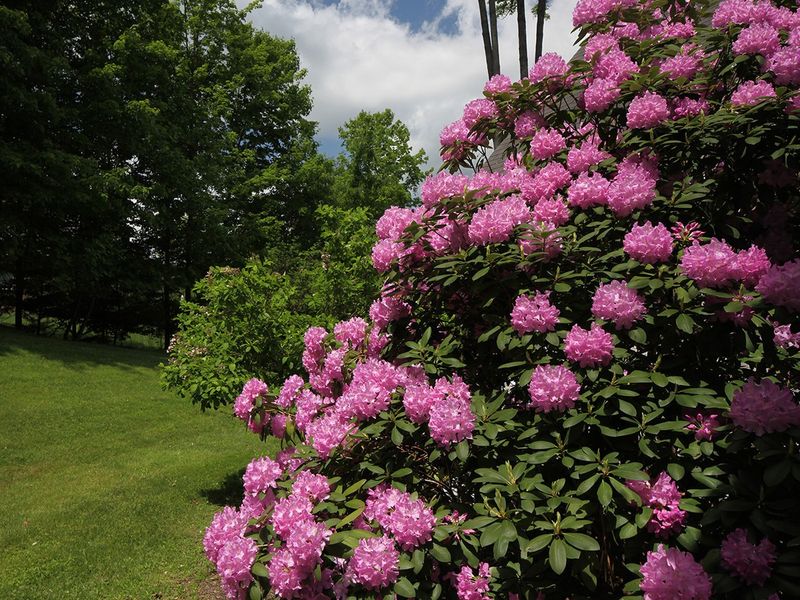
When the goal is bold, unmistakable presence along a shaded Pennsylvania driveway, rosebay rhododendron delivers in a way that few other native shrubs can match.
This is a large, broadleaf evergreen that holds its wide, glossy leaves through winter and blooms in showy clusters of pink-purple flowers in late spring to early summer.
Planted along a deeply shaded driveway with tall trees overhead, it creates the kind of lush, layered look that makes a front yard feel intentional and well-planted.
Rosebay rhododendron is native to Pennsylvania and grows naturally along stream banks, in moist forest understories, and on sheltered slopes. It strongly prefers acidic, consistently moist, well-drained soil with high organic matter.
Near a shaded driveway, that often means enriching the soil with compost or leaf mold before planting and making sure drainage is adequate, since standing water can cause root problems over time.
Mature plants can reach eight to fifteen feet or more in favorable conditions, so this is not a shrub for a narrow planting bed or a low-clearance area near a garage door.
But in the right space along a sweeping shaded driveway, rosebay rhododendron creates a dramatic, multi-season display.
The evergreen foliage curls inward during very cold Pennsylvania winters, which is a normal response to cold and low light rather than a sign of trouble. New growth unfurls in spring with a fresh, lighter green color before maturing to deep glossy green.
For shaded driveways with enough room and the right acidic soil, this native shrub is a standout choice.
6. Wild Hydrangea Adds Soft Summer Flowers
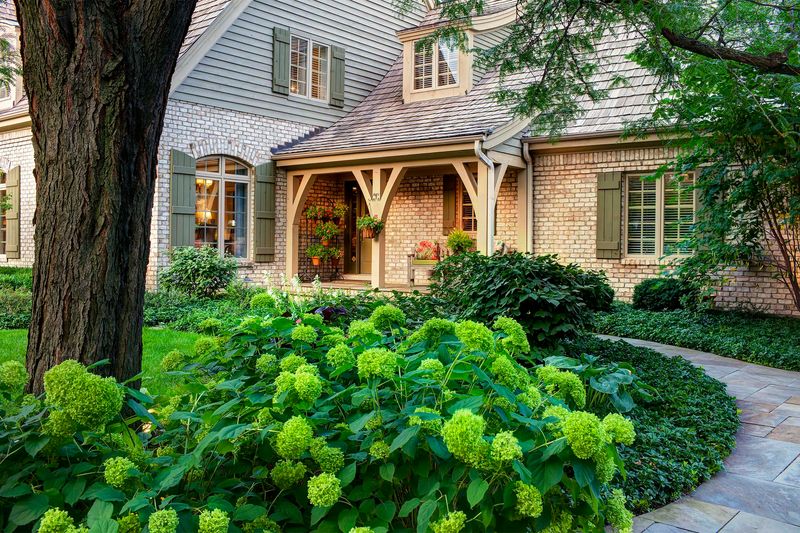
Summer along a shaded Pennsylvania driveway can feel like a quiet stretch between spring blooms and fall color, but wild hydrangea fills that gap beautifully.
From midsummer into early fall, this native shrub produces large, rounded clusters of white flowers that glow softly in shaded light.
The blooms age from creamy white to a papery tan as the season progresses, and many gardeners leave the dried flower heads standing through winter for added texture.
Wild hydrangea is native to moist slopes, stream banks, and shaded woodland edges throughout Pennsylvania. It tends to adapt well to a range of soil conditions, handling both moderately dry and consistently moist sites better than many other native shrubs.
That flexibility makes it a practical option for shaded driveway beds where soil moisture can vary from one end of the planting to the other depending on tree root competition and pavement runoff patterns.
Mature plants typically reach three to six feet tall and wide, forming a rounded, multi-stemmed clump that fits naturally into a driveway border without overwhelming the space.
The large, oval leaves have a clean, fresh look through the growing season, and the overall form is loose and relaxed rather than stiff or architectural.
Wild hydrangea is not evergreen, so it does go dormant in winter, but the dried flower clusters and woody stems still provide some visual interest during the colder months.
For Pennsylvania homeowners who want soft summer color in a shaded driveway bed without giving up native ecological value, wild hydrangea is an approachable and rewarding choice.